Ghumoopedia — Explore, Discover, Experience
Sign in
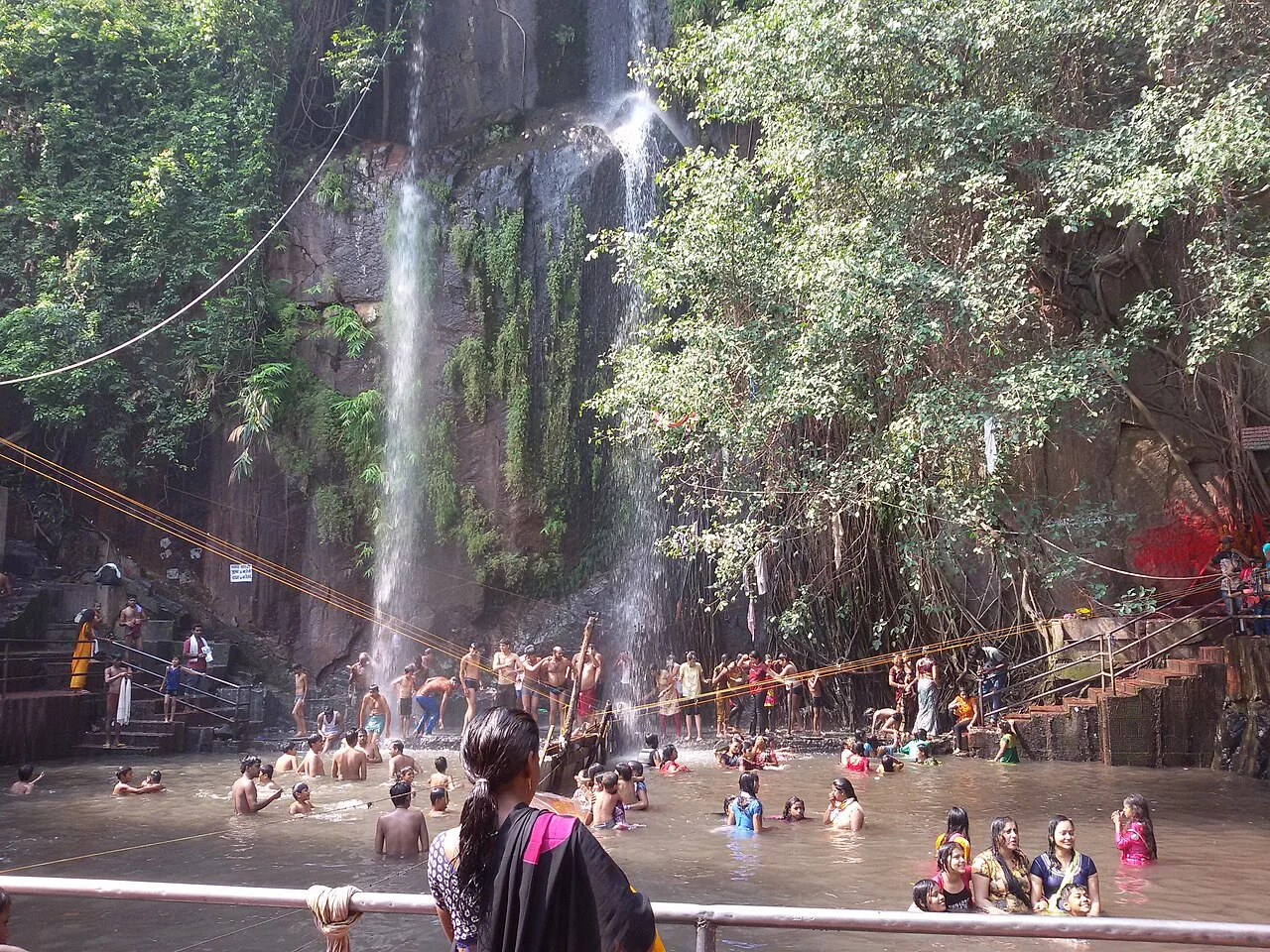
Kakolat Falls, near Nawada

City guide · Bihar

Nawada

Nawada is an administrative and commercial centre in south Bihar, serving as the headquarters of Nawada district and part of the Magadh Division. Set on both banks of the Khuri River, it connects surrounding towns and rural communities with district offices, schools, health services and markets.

Famous for

  • Nawada district headquarters
  • Khuri River town
  • Magadh regional centre
  • Kakolat Waterfall access
  • Nau-abad name origin

Why Nawada matters

Nawada is an administrative and commercial centre in south Bihar, serving as the headquarters of Nawada district and part of the Magadh Division. Set on both banks of the Khuri River, it connects surrounding towns and rural communities with district offices, schools, health services and markets. The older part of town lies on the river’s left bank, while the right bank has a more modern concentration of public institutions and services.

Visitors usually come for local business, family and administrative needs rather than a large cluster of urban monuments. Nawada can also serve as a base for exploring attractions elsewhere in the district, particularly Kakolat Waterfall, a natural site visited especially during and after the monsoon. The town’s appeal lies in its everyday role as a regional hub and in its position within the wider Magadh area, whose history and religious landscapes make it an important part of Bihar. The Khuri’s crossing through the town gives Nawada a distinctive local geography.
Famous for: crafts, trade & products

Nawada is not widely identified with a particular textile, handicraft, GI-tagged product or specialist manufacturing industry. Its commercial importance is more practical: shops and market streets serve the town and nearby communities with clothing, groceries, household goods, farm supplies and everyday services. For these, explore the central bazaar and the busier shopping areas around the town centre; ask locally for the market that best suits a particular purchase.

The town’s identity is also tied to its role as the district headquarters. Government offices, educational institutions and service businesses bring regular activity, especially on the newer right bank of the Khuri River. Local eateries and sweet shops offer a way to sample regional food, though Nawada is not especially known for a signature sweet or packaged food product. Travellers looking for craft traditions or notable products should treat the town primarily as a place for general shopping and local commerce, rather than expecting a dedicated artisan quarter or a recognised specialist market.

History

Nawada’s name is commonly linked to Nau-abad, meaning “new town.” Its growth as an administrative centre began under British rule: in 1845 it became a subdivision of Gaya district. The town developed around the Khuri River, with settlement on both banks and markets serving surrounding villages. The river continues to divide older neighbourhoods from newer civic development.

On 26 January 1973, Nawada district was formed separately from Gaya district, giving the town a larger administrative role as its headquarters. Public offices and services expanded, particularly on the right bank, alongside schools and other institutions. Nawada is now part of Magadh Division in Bihar. Its history is chiefly reflected in this gradual change from a river-side settlement and subdivision centre into a district headquarters and regional service town; there is no single major royal or colonial-era monument that defines its urban story.

Food, festivals & culture

Everyday food in Nawada reflects the wider Magadh and Bihar region. Litti chokha, sattu-based dishes and seasonal home-style meals are common regional choices; local restaurants and sweet shops offer familiar snacks and sweets. Chhath Puja, observed in autumn, is an important festival across Bihar, with prayers and offerings made at water bodies. Durga Puja, Diwali and Holi are also widely marked, while Eid is celebrated by Muslim communities according to the Islamic calendar.

Hindi and Magahi are commonly heard, and Urdu is used by some residents. Folk and devotional music feature at festivals and family occasions, including songs associated with Chhath; styles and performance traditions vary across the district. Hindu temples and mosques serve neighbourhood communities, while religious sites in the wider district add to the area’s diversity. Visitors should be considerate during worship and festival gatherings, particularly around riverbanks and places of prayer.

Visiting the city

October to March is generally the most comfortable period for visiting Nawada. The monsoon brings heavier rain; it can make the wider district’s waterfalls more appealing, but travel conditions may vary. Gaya International Airport is the nearest airport serving the area. Nawada railway station is the town’s main station and connects it with the regional rail network.

Auto-rickshaws and cycle-rickshaws are useful for short journeys, while taxis or hired vehicles suit trips beyond the town. The older left-bank neighbourhoods offer a feel for established local streets and markets; the right bank is useful for public offices and newer civic areas. A walk near the Khuri River can help orient visitors, though conditions at the water’s edge may change with the season. Kakolat Waterfall is outside the town, so allow for a separate road journey when planning a visit.

Trips from the city

Nearest places to visit from Nawada

Our closest destination guides, by straight-line distance.

Kakolat Falls

22 km away · Nawada district

Kakolat Falls

Kakolat Falls is a waterfall in Bihar’s Nawada district. Visitors come to see the falling water, making it a destination centred on this natural feature.

Pawapuri

23 km away · Gaya district

Pawapuri

Pawapuri, also called Pavapuri, is a Jain sacred site in Bihar’s Nalanda district. People travel there on pilgrimage because it is associated with Mahavira’s nirvana.

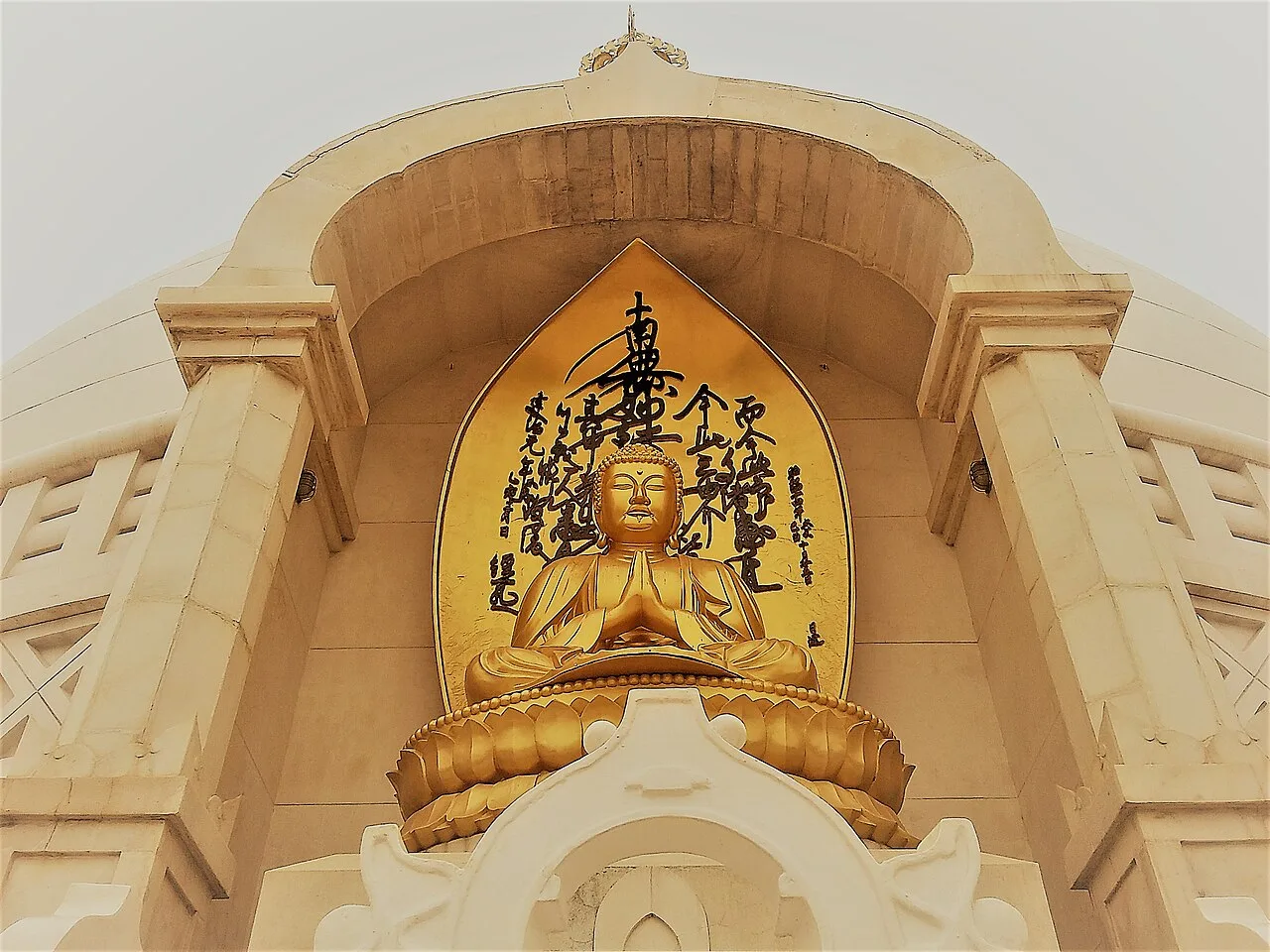
Vishwa Shanti Stupa

25 km away · Gaya district

Vishwa Shanti Stupa

Vishwa Shanti Stupa is a white Buddhist pagoda in Rajgir, visited for its Buddha statues, nearby Japanese temple and park, and prayers for peace.

Nalanda mahavihara

30 km away · Nalanda district

Nalanda mahavihara

Nalanda is the site of a major Buddhist monastery in Bihar, visited for its history as a long-lived centre of learning and its role in Mahayana Buddhism.

Barabar Caves

50 km away · Jehanabad district

Barabar Caves

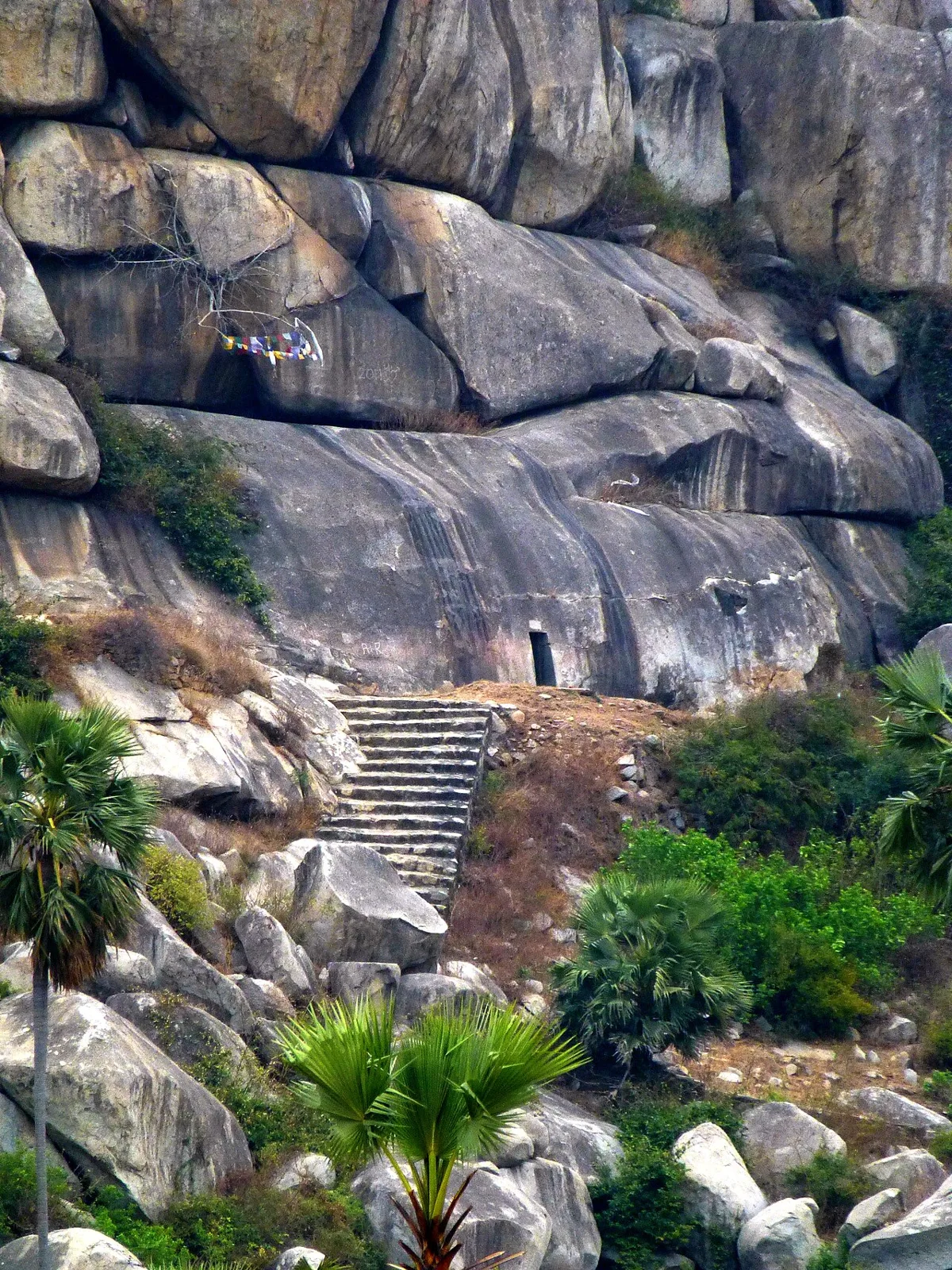
This Mauryan-era cave complex in Bihar extends across Barabar and Nagarjuni hills. Visitors come to see its inscriptions, polished granite chambers and early examples of Indian rock-cut architecture.

Bodhi tree

60 km away · Gaya district

Bodhi tree

The Bodhi tree is a sacred fig at the Mahabodhi Temple in Bodh Gaya, Bihar. Buddhists visit this revered site because tradition links it to the Buddha’s enlightenment.

Mahabodhi Temple

60 km away · Gaya district

Mahabodhi Temple

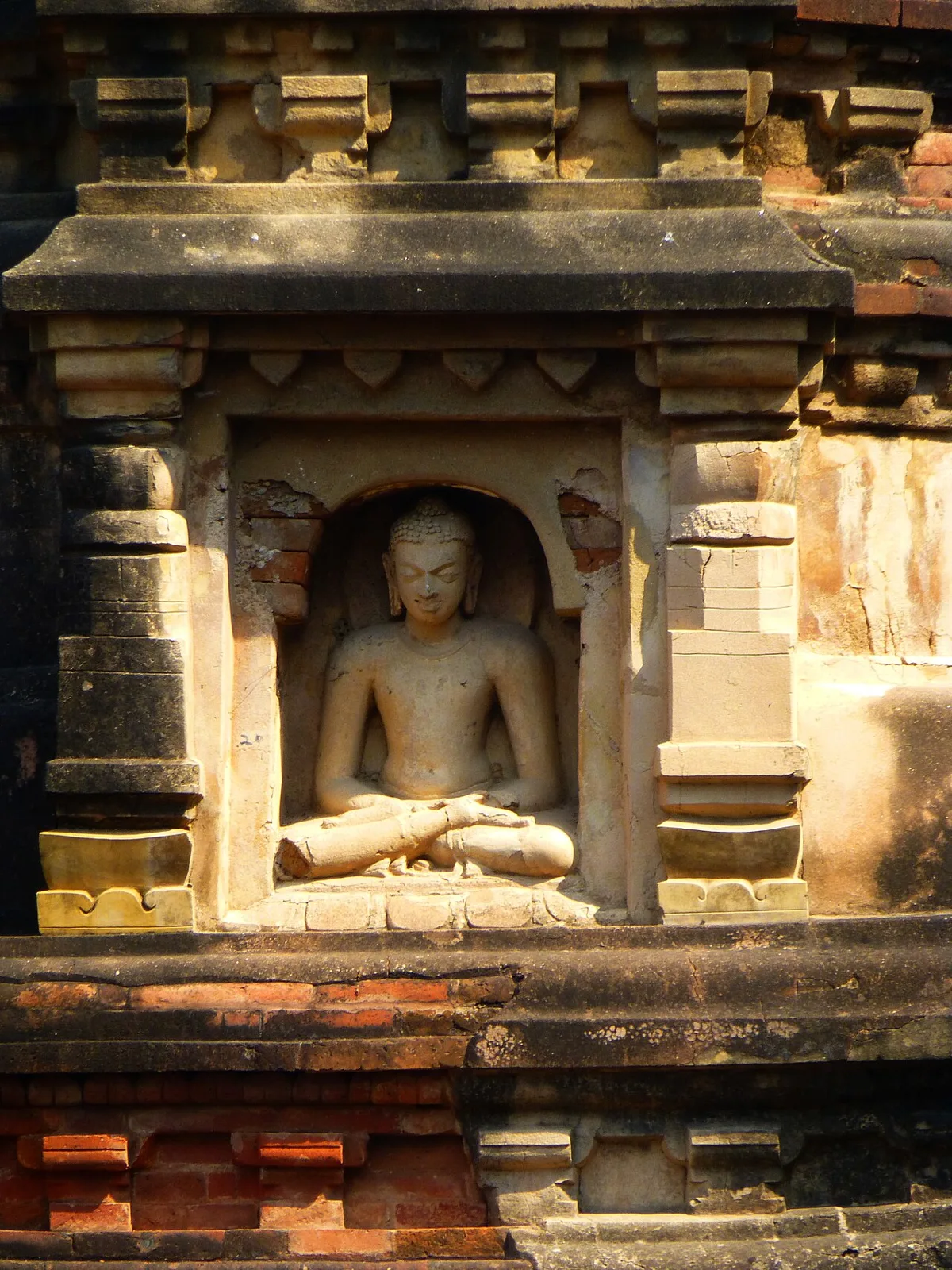
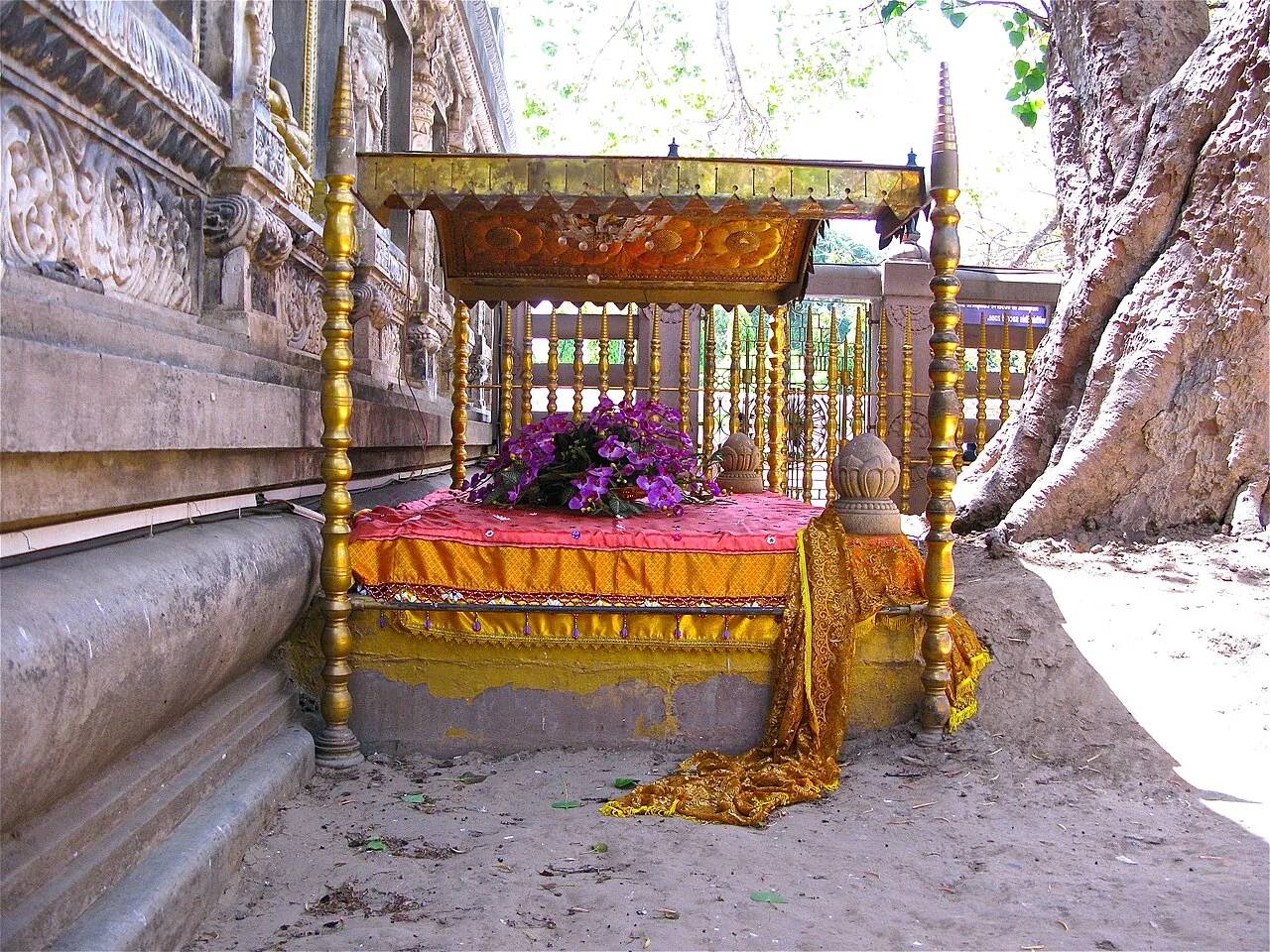
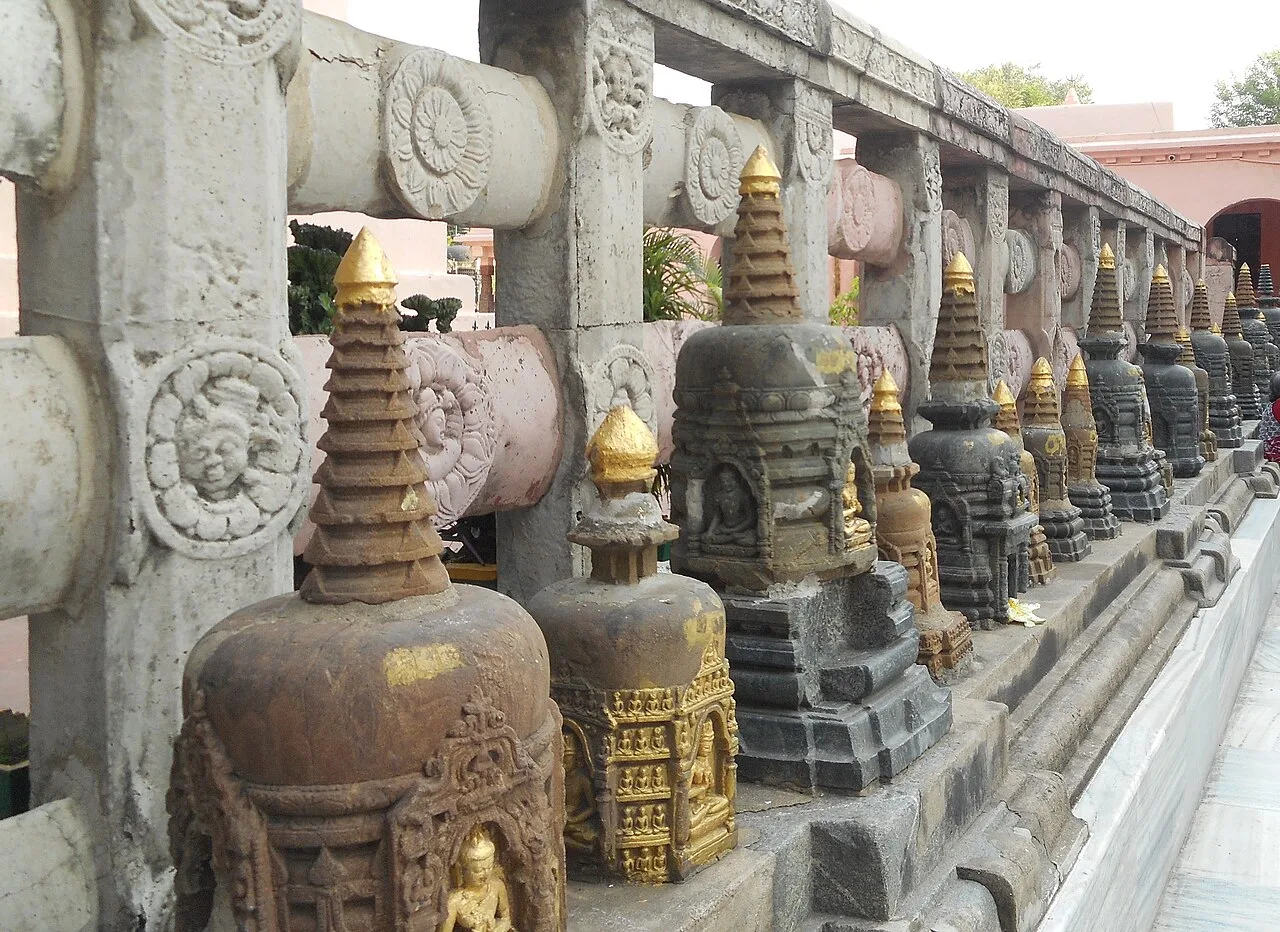
The Mahabodhi Temple is a Buddhist sanctuary in Bodh Gaya, Bihar, associated with the Buddha’s enlightenment. Pilgrims visit its sacred tree and Vajrasana, while the complex is recognised as a UNESCO World Heritage Site.

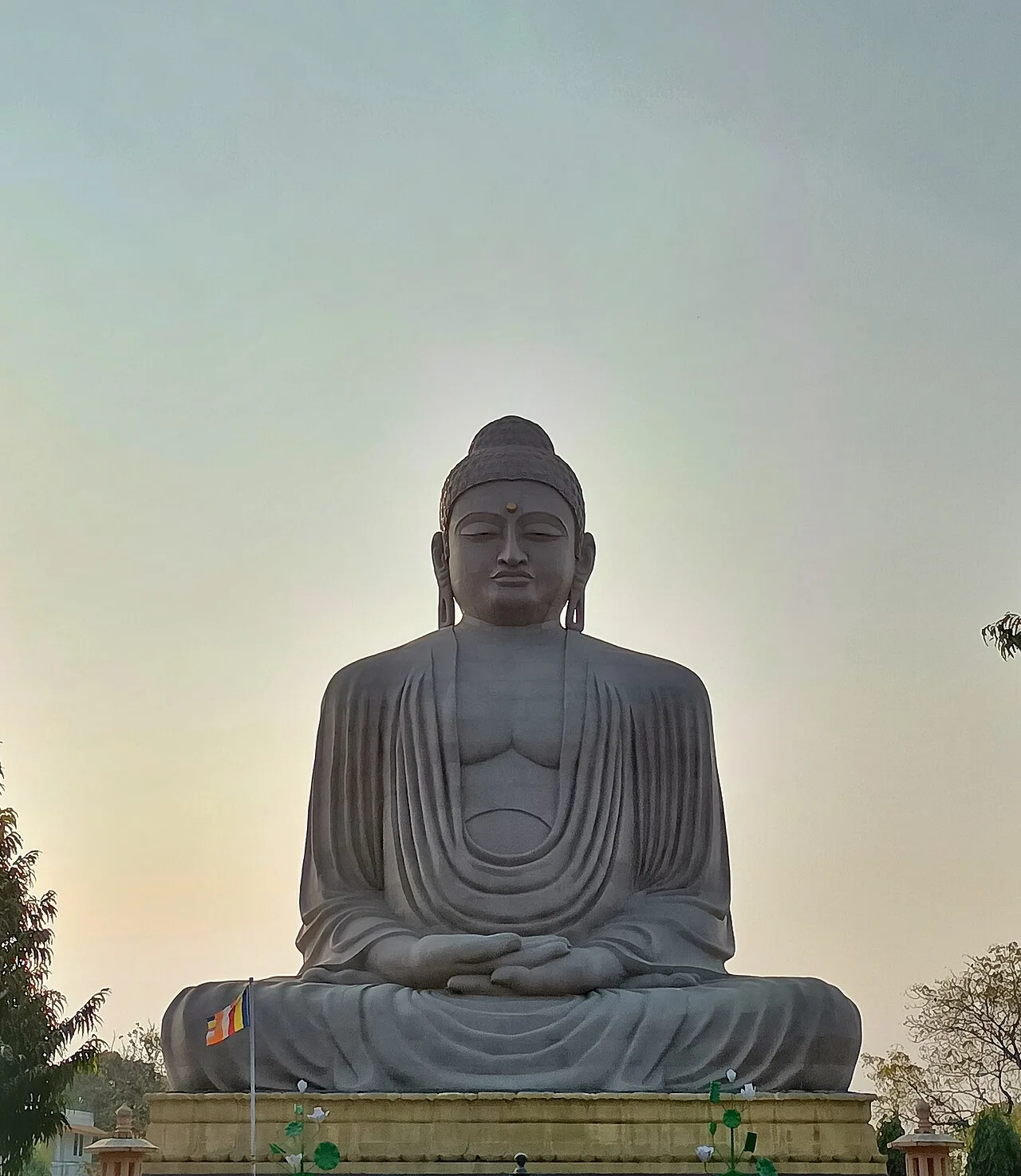
Great Buddha Statue

61 km away · Gaya district

Great Buddha Statue

The Great Buddha Statue at Bodh Gaya is a major Buddhist monument in Bihar. Pilgrims and other visitors come to see its large seated figure, distinctive construction and surrounding sculptures.

Map

Nawada on the map

  1. 1Kakolat Falls
  2. 2Pawapuri
  3. 3Vishwa Shanti Stupa
  4. 4Nalanda mahavihara
  5. 5Barabar Caves
  6. 6Bodhi tree
  7. 7Mahabodhi Temple
  8. 8Great Buddha Statue

Bihar

Other cities to explore