Ghumoopedia — Explore, Discover, Experience
Sign in
Buxar Fort, near Bela

City guide · Bihar

Bela

Bela is a locality on the edge of Darbhanga, in north Bihar’s Mithila region, rather than a large independent tourist centre. Its importance is closely tied to Darbhanga: residents use the wider city for education, healthcare, administration, shopping and transport, while Bela’s industrial area is a notable part of the local economy.

Famous for

  • Bela industrial area
  • Mithila cultural traditions
  • Makhana and local produce
  • Darbhanga-area markets
Plan a tripHotels near Bela

Why Bela matters

Bela is a locality on the edge of Darbhanga, in north Bihar’s Mithila region, rather than a large independent tourist centre. Its importance is closely tied to Darbhanga: residents use the wider city for education, healthcare, administration, shopping and transport, while Bela’s industrial area is a notable part of the local economy. Agriculture and services also shape livelihoods across the surrounding region.

Visitors generally come through Bela as part of a trip to Darbhanga and the wider Mithila area. The draw is the region’s cultural life, historic connections with the Darbhanga Raj, temples and markets, as well as its food traditions and seasonal festivals. Makhana, grown and traded across the region, is among the best-known local products. Bela is useful as a base for exploring nearby parts of Darbhanga, but travellers seeking major heritage sights will find more to see in the city centre and beyond. Its appeal is therefore practical and regional: a lived-in urban neighbourhood with access to Darbhanga’s services and Mithila’s traditions.
Famous for: crafts, trade & products

Bela’s clearest named economic feature is its industrial area, part of Darbhanga’s wider mix of small businesses, services and trade. It is not especially known for a distinct local textile, craft or GI-tagged product, so visitors should not expect a specialist craft quarter. The surrounding Mithila region is better known for makhana (fox nuts), agricultural produce and Madhubani painting; these are regional traditions and products, not necessarily made in Bela itself.

For everyday shopping, look to local shops and markets in Bela and the nearby commercial areas of Darbhanga and Laheriasarai. They serve residents with groceries, clothing, household goods and seasonal produce. Makhana and other packaged regional foods may be found in general food shops and markets, though selection varies. For Madhubani paintings or handicrafts, ask established art and handicraft sellers in Darbhanga or seek a specialist outlet rather than assuming ordinary Bela shops stock authentic work. The industrial area is a place of work, not a visitor market, and there is no widely recognised public craft bazaar or signature shopping street in Bela.

History

Bela lies within the historic Mithila region, whose cultural and political centres shifted over many centuries. Its modern development is closely connected with Darbhanga, a nearby city that became an important seat of the Darbhanga Raj. The Raj’s influence on the surrounding area included patronage and the growth of institutions and urban activity, although Bela’s own local history is not as well documented as that of Darbhanga.

Under British rule, Darbhanga developed as an administrative and commercial centre, and rail links strengthened its connections with other parts of Bihar and eastern India. Bela grew as part of the city’s expanding surroundings rather than as a separate historic capital. After independence, Darbhanga continued to serve the region through public services, education, healthcare and trade. The establishment of an industrial area added an employment and production role to Bela’s more residential and service-oriented character. Today, its development is best understood as part of Darbhanga’s outward growth and the changing economy of north Bihar.

Food, festivals & culture

Maithili is central to the region’s cultural identity; Hindi is also widely used, with Urdu spoken in some communities. Everyday food reflects Mithila’s rice-growing and riverine setting: rice, lentils, seasonal vegetables and fish are common. Makhana is a familiar regional ingredient and snack. Sweets and festive foods vary by household and season; visitors may encounter dishes such as thekua around Chhath, though it is not unique to Bela.

Chhath, observed in autumn and again in spring, is an important festival across Bihar, with worship and offerings made to the setting and rising sun. Durga Puja in autumn, Holi in spring and Eid are also observed. Sama-Chakeva, a Maithili folk festival associated with the post-monsoon season, celebrates sibling bonds and local traditions. Folk songs and storytelling remain part of community celebrations, while Madhubani painting is a prominent art tradition of the wider Mithila region. Places of worship and neighbourhood gathering spaces are part of daily life, but major religious and cultural landmarks are more readily found across Darbhanga than in Bela alone.

Visiting the city

October to March is generally the most comfortable time to visit, with cooler weather than the hot pre-monsoon months. Monsoon travel can be affected by heavy rain, so allow flexibility. Darbhanga Airport is the nearest airport, and Darbhanga Junction is the main railway station for reaching Bela.

Auto-rickshaws and e-rickshaws are practical for local journeys; confirm the destination with the driver, as Bela is part of Darbhanga’s wider urban area. Local roads connect it with Darbhanga and Laheriasarai, where visitors will find more shops, services and places to eat. Explore Bela’s industrial-area surroundings for a sense of its working-day character, then spend time in Darbhanga’s central markets and historic neighbourhoods for a fuller picture of the region. Bela is best treated as a convenient part of a Darbhanga visit rather than a destination with a large cluster of standalone attractions.

Trips from the city

Nearest places to visit from Bela

Our closest destination guides, by straight-line distance.

Buxar Fort

45 km away · Buxar district

Buxar Fort

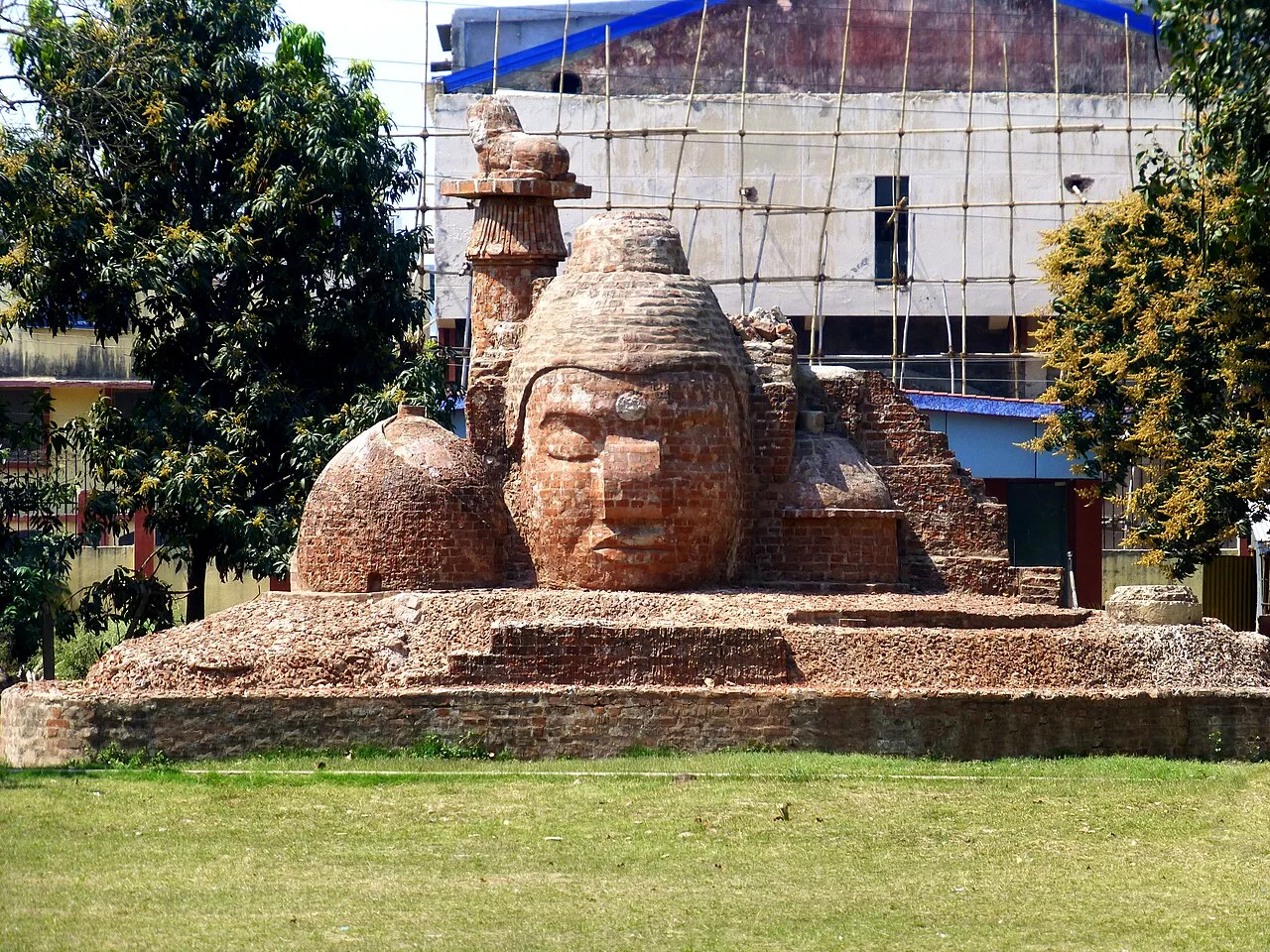
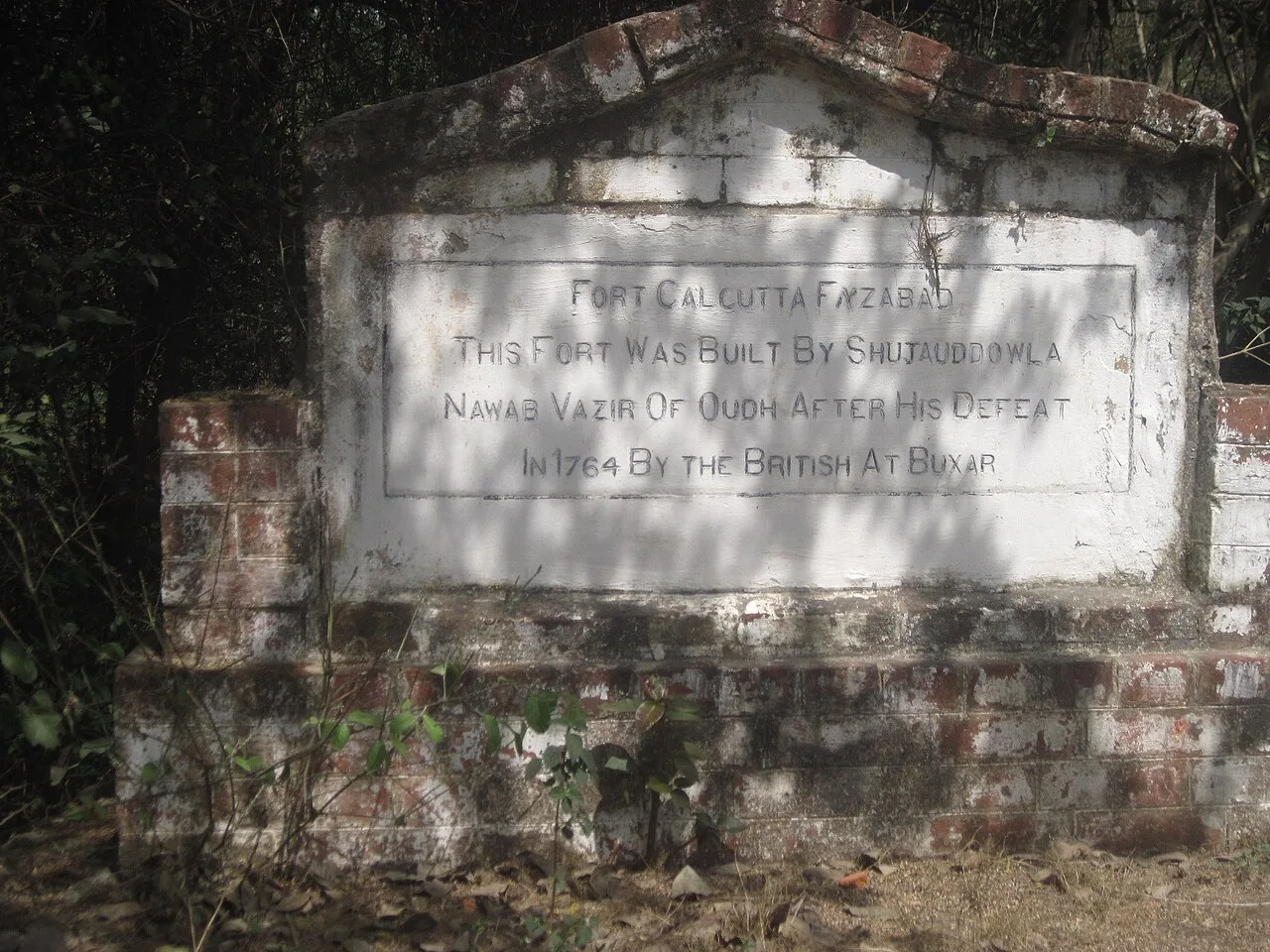
Buxar Fort is a fort in Bihar’s Buxar district, founded by King Rudra Deo. Its history and the city’s religious and cultural associations give visitors context for exploring the area.

Maner

46 km away · Patna district

Maner

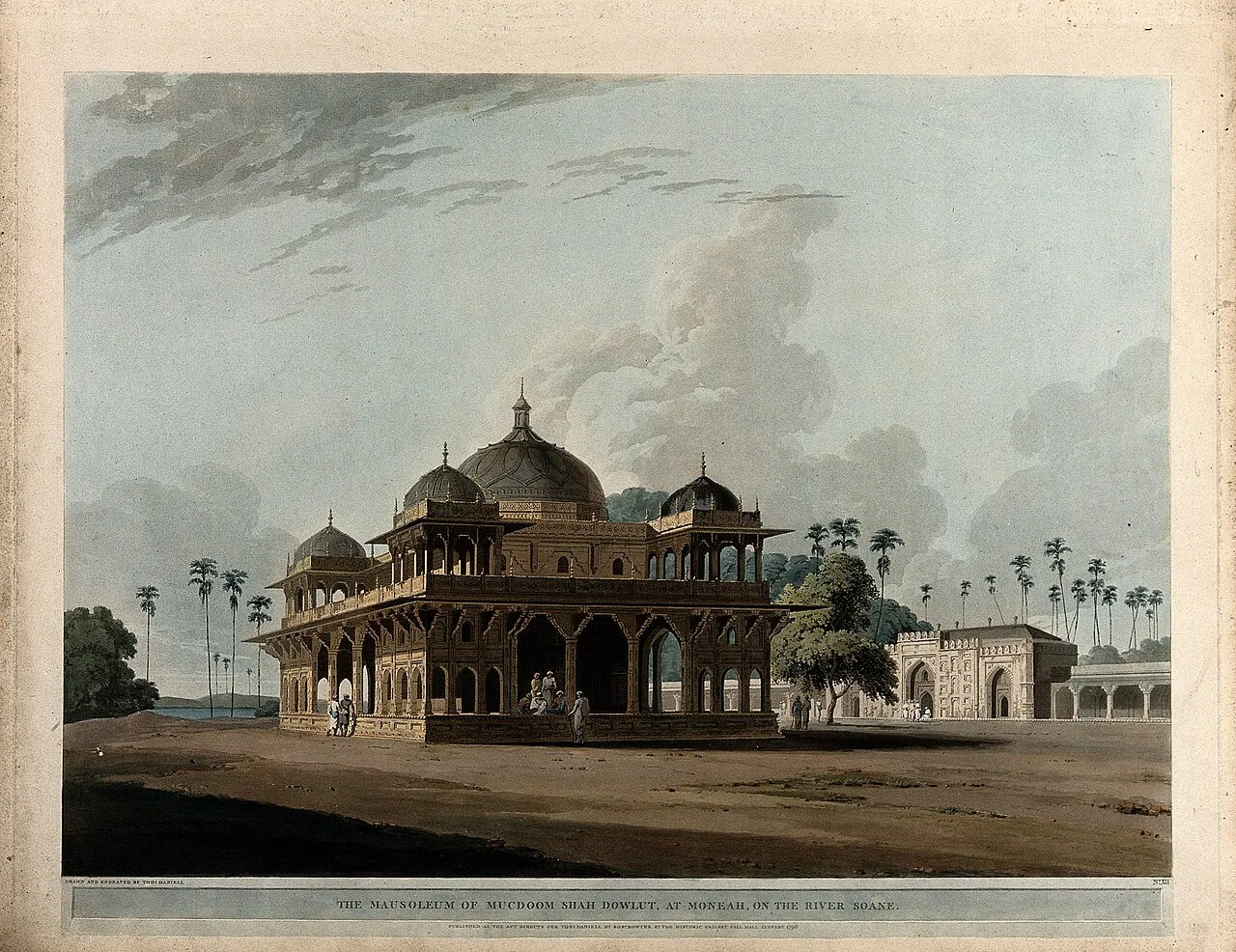
Maner, also called Maner Sharif, is a historic town and administrative block in Bihar’s Patna district. Visitors are drawn by its Mughal-era dargahs and its importance as a Sufi pilgrimage destination.

Patna Zoo

67 km away · Patna district

Patna Zoo

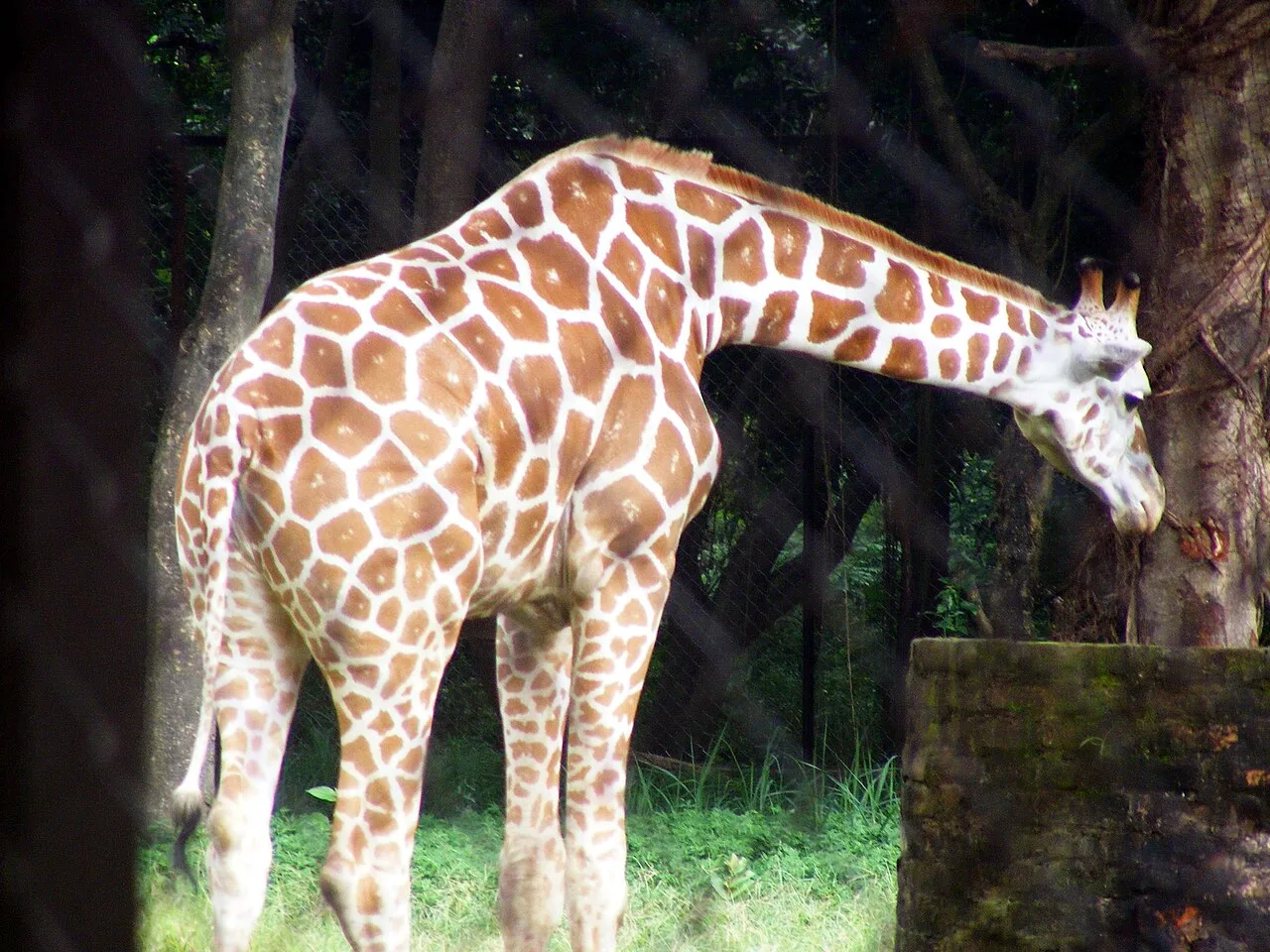
Patna Zoo is a zoological park in Bihar’s Patna district, near Bailey Road. People visit for picnics, with particularly large crowds on New Year’s Day.

Bihar Museum

69 km away · Patna district

Bihar Museum

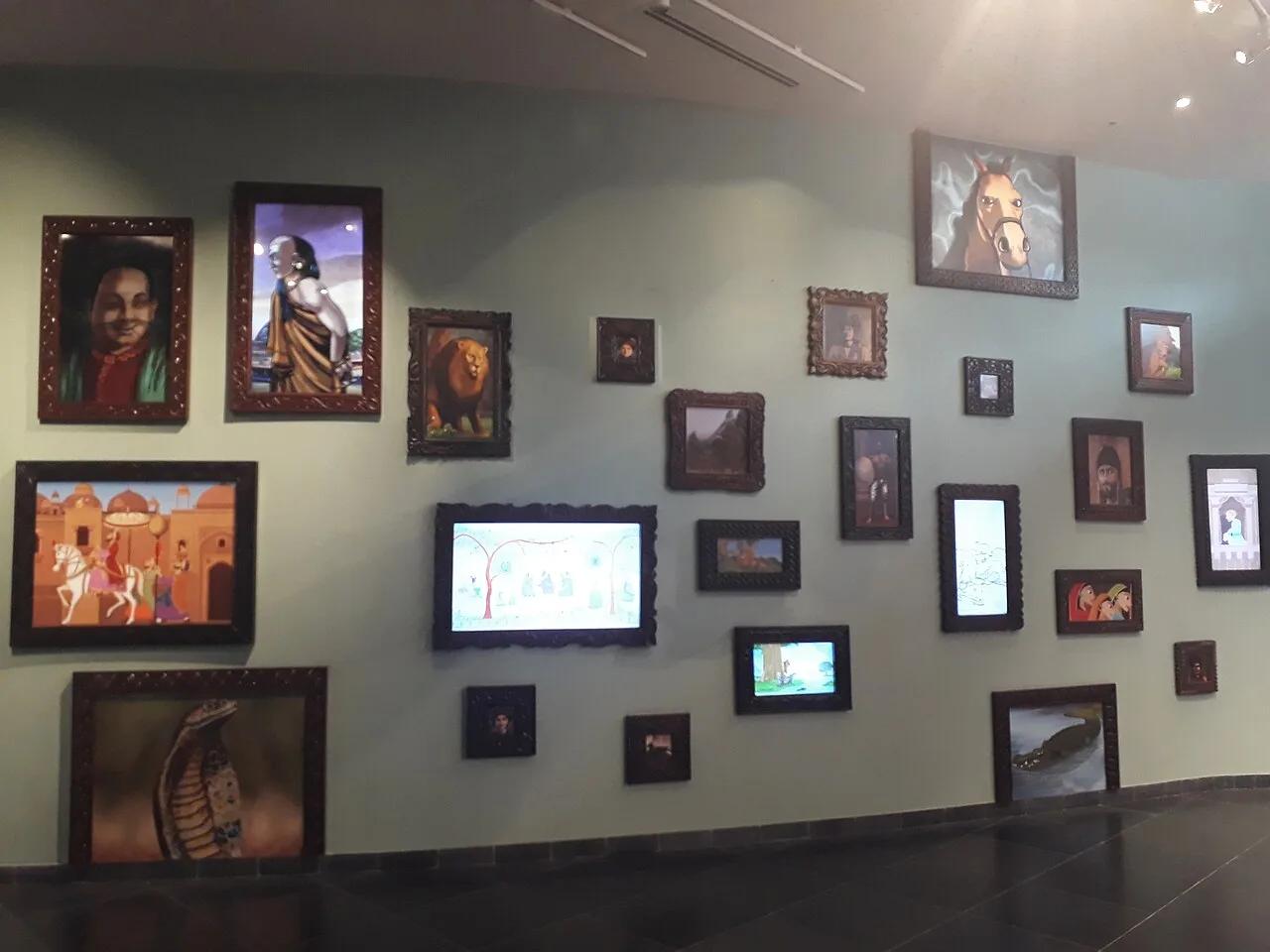
Bihar Museum is Patna’s state museum, with displays on Bihar’s history. Visitors can explore its galleries, children’s museum and distinctive arrangement of buildings and courtyards.

Golghar

71 km away · Patna district

Golghar

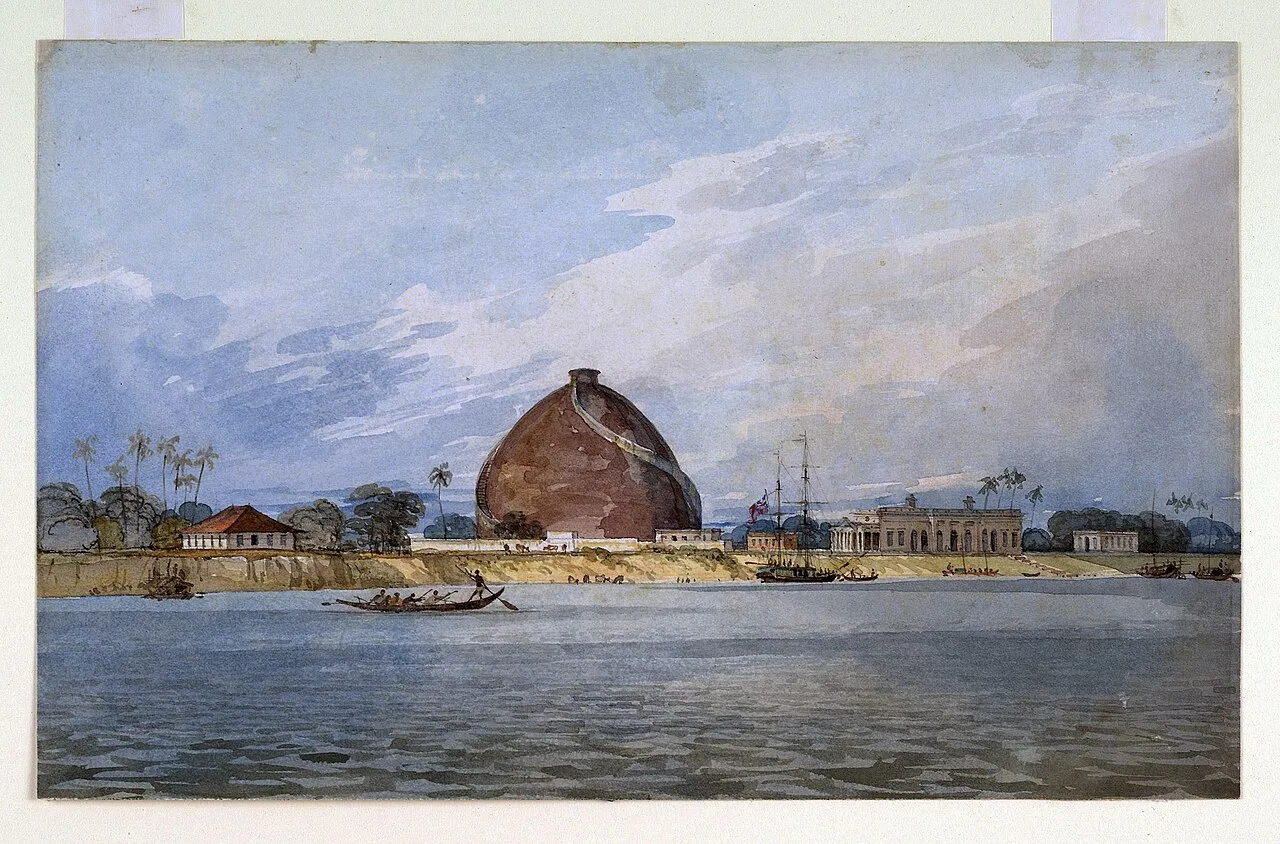
Golghar, also called Gol Ghar, is a substantial grain store in Patna, Bihar. Visitors come to see the granary west of Gandhi Maidan.

Mahavir Mandir

71 km away · Patna district

Mahavir Mandir

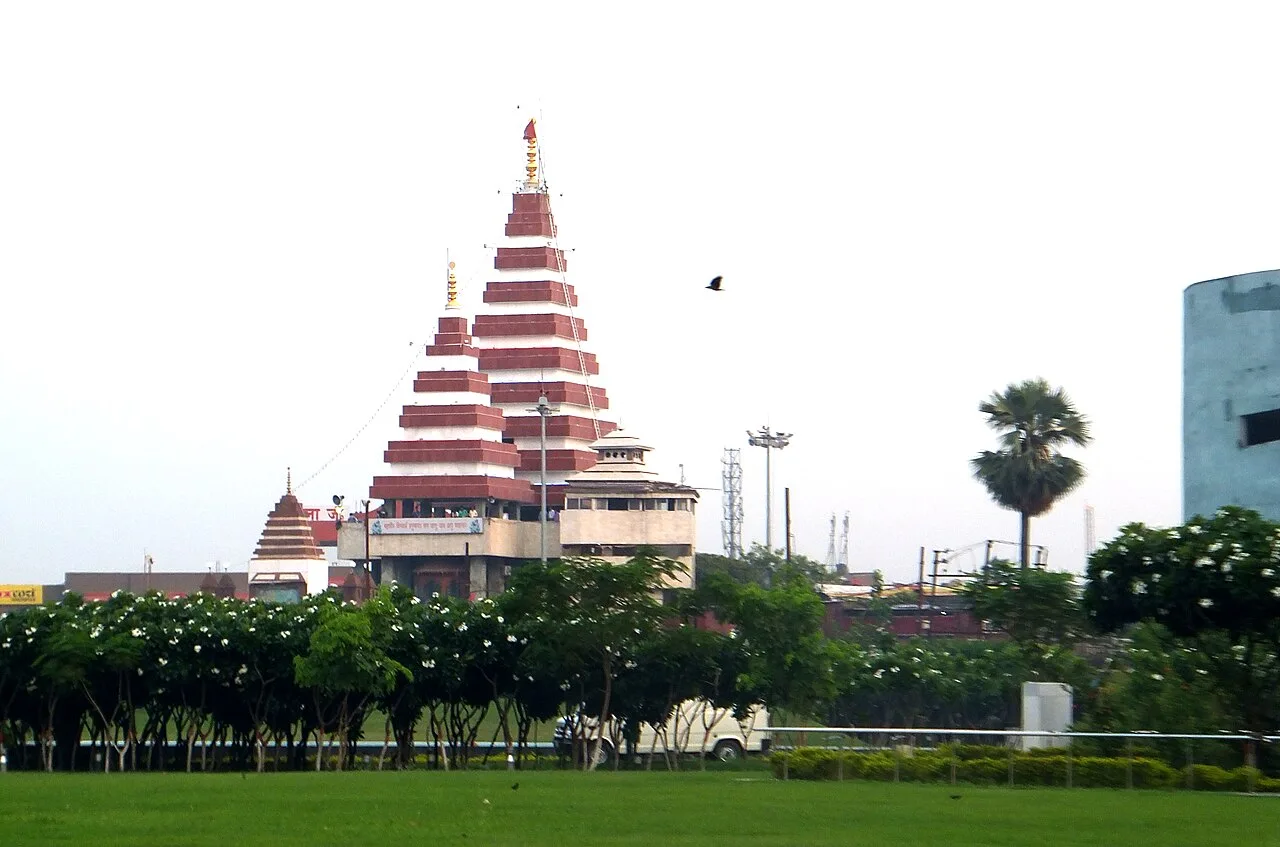
Mahavir Mandir is a Hanuman shrine in Patna, Bihar, visited by millions of pilgrims each year. Devotees also gather in large numbers for religious occasions, particularly Rama Navami.

Patna Museum

72 km away · Patna district

Patna Museum

Patna Museum is Bihar’s state museum in Patna district. Visitors come to see its historical collections and learn about the institute’s work in history and archaeology.

Gandhi Maidan

74 km away · Patna district

Gandhi Maidan

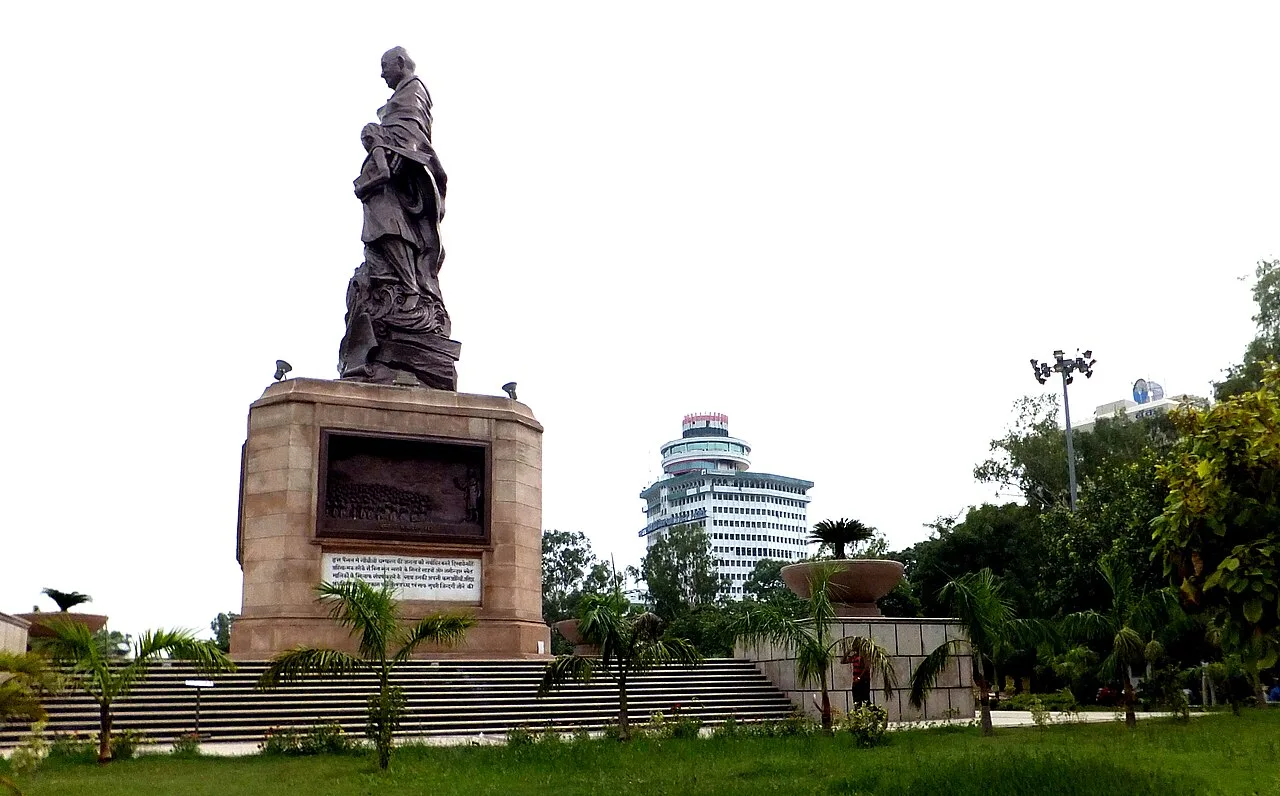
Gandhi Maidan is a historic open space in Patna, Bihar, near the Ganges. People visit a site linked to the freedom movement and significant political gatherings.

Map

Bela on the map

  1. 1Buxar Fort
  2. 2Maner
  3. 3Patna Zoo
  4. 4Bihar Museum
  5. 5Golghar
  6. 6Mahavir Mandir
  7. 7Patna Museum
  8. 8Gandhi Maidan

Bihar

Other cities to explore