Ghumoopedia — Explore, Discover, Experience
Sign in
Takht Sri Patna Sahib, near Fatuha

City guide · Bihar

Fatuha

Fatuha is a riverside town east of Patna, closely connected to the state capital while serving as a market and transport hub for surrounding villages. Its position near the meeting of the Ganges and Punpun rivers has shaped both its landscape and its religious identity.

Famous for

  • Handloom textile traditions
  • Ganga-Punpun confluence
  • Kachchi Dargah shrine
  • Tikri and Pantua sweets
  • Fatuha Junction
  • Rural produce markets

Why Fatuha matters

Fatuha is a riverside town east of Patna, closely connected to the state capital while serving as a market and transport hub for surrounding villages. Its position near the meeting of the Ganges and Punpun rivers has shaped both its landscape and its religious identity. The town is also known for handloom and textile work, small industries, and trade in agricultural produce, including vegetables grown in the fertile river plain.

Visitors come for the riverfront’s religious associations, local places of worship and the Sufi shrine at Kachchi Dargah. Fatuha’s temples and confluence are linked in local tradition with stories from Hindu epics, while the town also has a history of Kabirpanthi and Sufi activity. Its railway junction and road links make it a useful stopping point for journeys between Patna and destinations in central Bihar. Fatuha is not a large tourist centre, but it offers a view of the region’s everyday market life, devotional traditions and textile heritage.
Famous for: crafts, trade & products

Fatuha has a longstanding association with textile production and handloom work. Local accounts connect the town’s name and growth with the Patwa community, traditionally skilled in textile crafts. The heritage is part of the town’s identity, although visitors should not expect a dedicated, established tourist bazaar for handloom shopping. Ask locally about working units and sellers, and check the product and its origin before buying. No particular GI-tagged textile or craft is associated with Fatuha.

The town’s markets serve Fatuha and nearby villages, trading in farm produce, vegetables—especially onions—and rural goods and handicrafts. Small industries make products including farm tractors and scooters, and the town also has an LPG bottling plant. These are working commercial and industrial activities rather than visitor attractions, so access may be limited. For a visitor, the central market area is the most practical place to look for everyday goods and local sweets. Fatuha’s notable institutional landmark is Sant Kabir Mahant Vidyanand Mahavidyalaya, established on land donated by the local Kabir monastery.

History

Fatuha’s location beside the Ganges and Punpun made it a natural crossing point and a centre of settlement and exchange. The river meeting is revered locally as a sacred confluence; the name Triveni reflects a tradition that the Gandak once joined the rivers here. Epic and religious accounts associate the area with figures including Rama, Krishna, Buddha and Mahavira, but these are matters of local and religious tradition rather than documented episodes in the town’s history.

Fatuha developed as a textile-producing centre, with Patwa craftspeople prominent in the trade. In the medieval period, the town also became associated with Kabirpanthi activity and Sufi devotion; Kachchi Dargah remains an important shrine. During British rule, the railway corridor linking eastern and northern India helped connect Fatuha with wider regional trade. In modern Bihar, its junction, road links and proximity to Patna have supported its role as a market and industrial town. Manufacturing and transport continue alongside agriculture and traditional textile work.

Food, festivals & culture

Fatuha’s food traditions include Tikri, a local sweet, as well as Pantua and Mirjai, sweets made with flour, sugar and oil. The town’s markets are also shaped by the produce of nearby farms. Hindi is widely used, alongside regional speech and Urdu in parts of the community; everyday language varies between households and settings.

Religious life includes Hindu observances at temples and the river confluence, and visits to Kachchi Dargah, a Sufi shrine where Thursdays and Fridays are considered especially auspicious. Mahashivratri, usually in February or March, draws worshippers to the Shiva temple at Baikunthpur, while the temple is also active during Shravan, generally in July and August. Chhath, observed in autumn and again in spring, is a major Bihar festival closely associated with river worship. Eid is observed by Muslim residents. Devotional singing and prayer form part of worship, though performances and celebrations vary by place and year.

Visiting the city

The cooler months, roughly October to March, are generally the most comfortable time to visit. Fatuha Junction is the town’s main railway station on the Howrah–Delhi route. The nearest major airport is Jay Prakash Narayan International Airport in Patna; from there, continue by road or rail. Fatuha is about 24 km east of Patna, and local auto-rickshaws and other road transport can help with short journeys.

Explore the town centre and its market for everyday commerce and local sweets, then visit Kachchi Dargah and the riverside confluence. Baikunthpur’s Shiva temple is another religious landmark, particularly during Mahashivratri and Shravan, though visitors should check locally about access and conditions. The Kabir monastery and Sant Kabir Mahant Vidyanand Mahavidyalaya offer a glimpse of the town’s Kabirpanthi heritage. Riverbanks can be busy or uneven, so take care near the water.

Trips from the city

Nearest places to visit from Fatuha

Our closest destination guides, by straight-line distance.

Takht Sri Patna Sahib

12 km away · Patna district

Takht Sri Patna Sahib

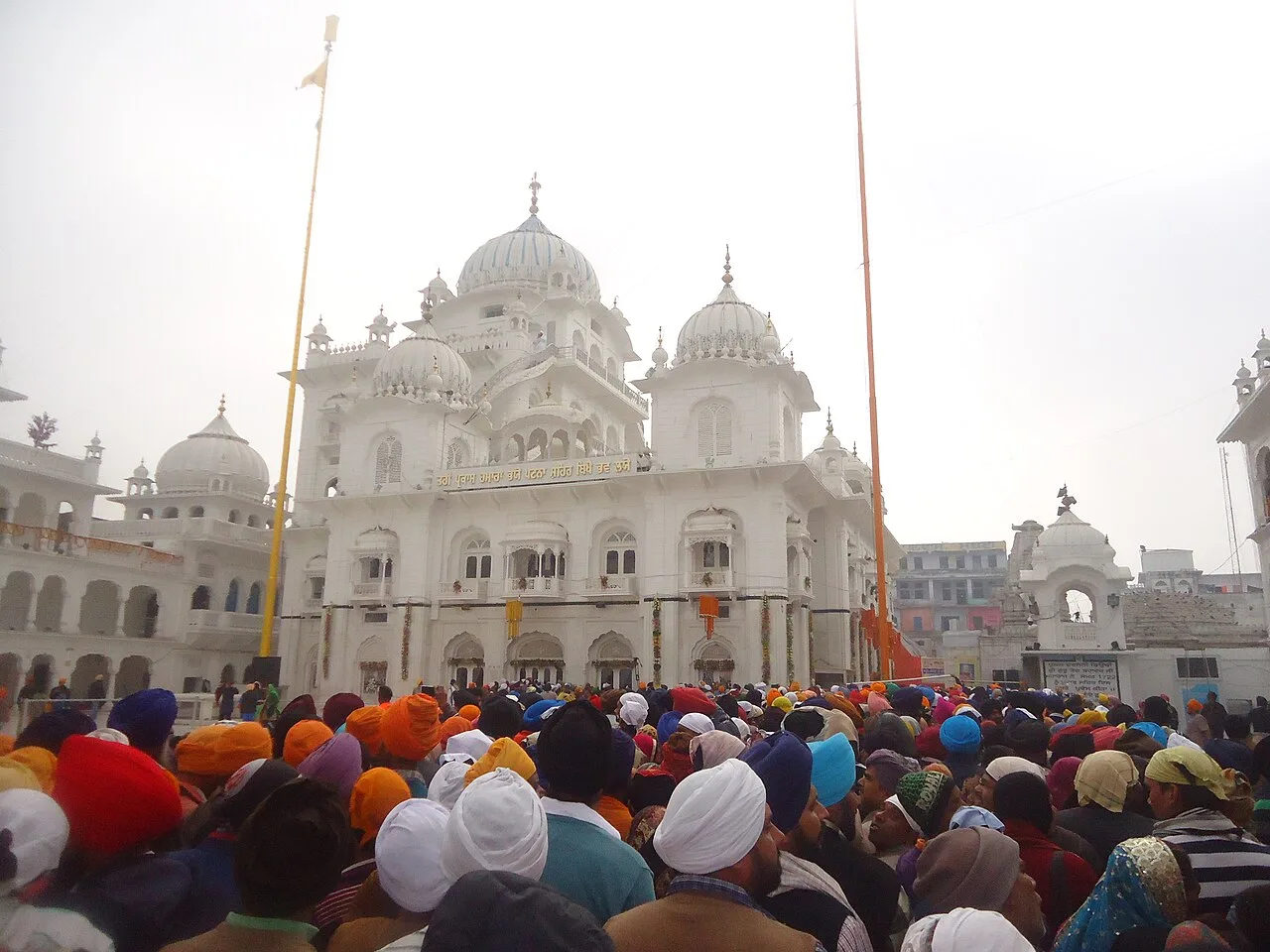
Takht Sri Patna Sahib, in Patna, Bihar, is among Sikhism’s five takhts. Visitors come to worship and pay their respects at this important Sikh religious site.

Agam Kuan

15 km away · Patna district

Agam Kuan

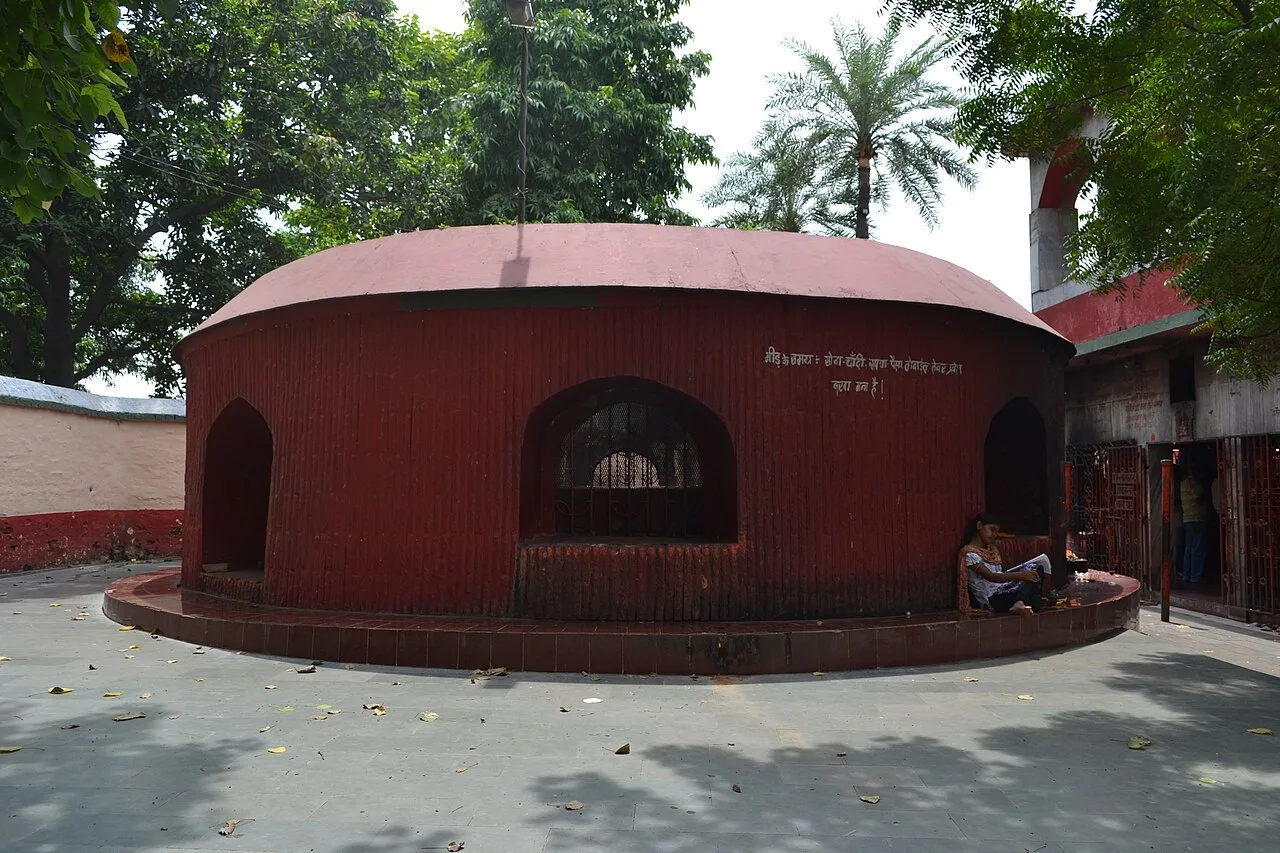
Agam Kuan is a historic circular well and archaeological site in Patna, Bihar, traditionally linked to Ashoka’s Mauryan era. Visitors also worship at the adjoining Shitala Devi temple, where the goddess and Saptamatrikas are venerated.

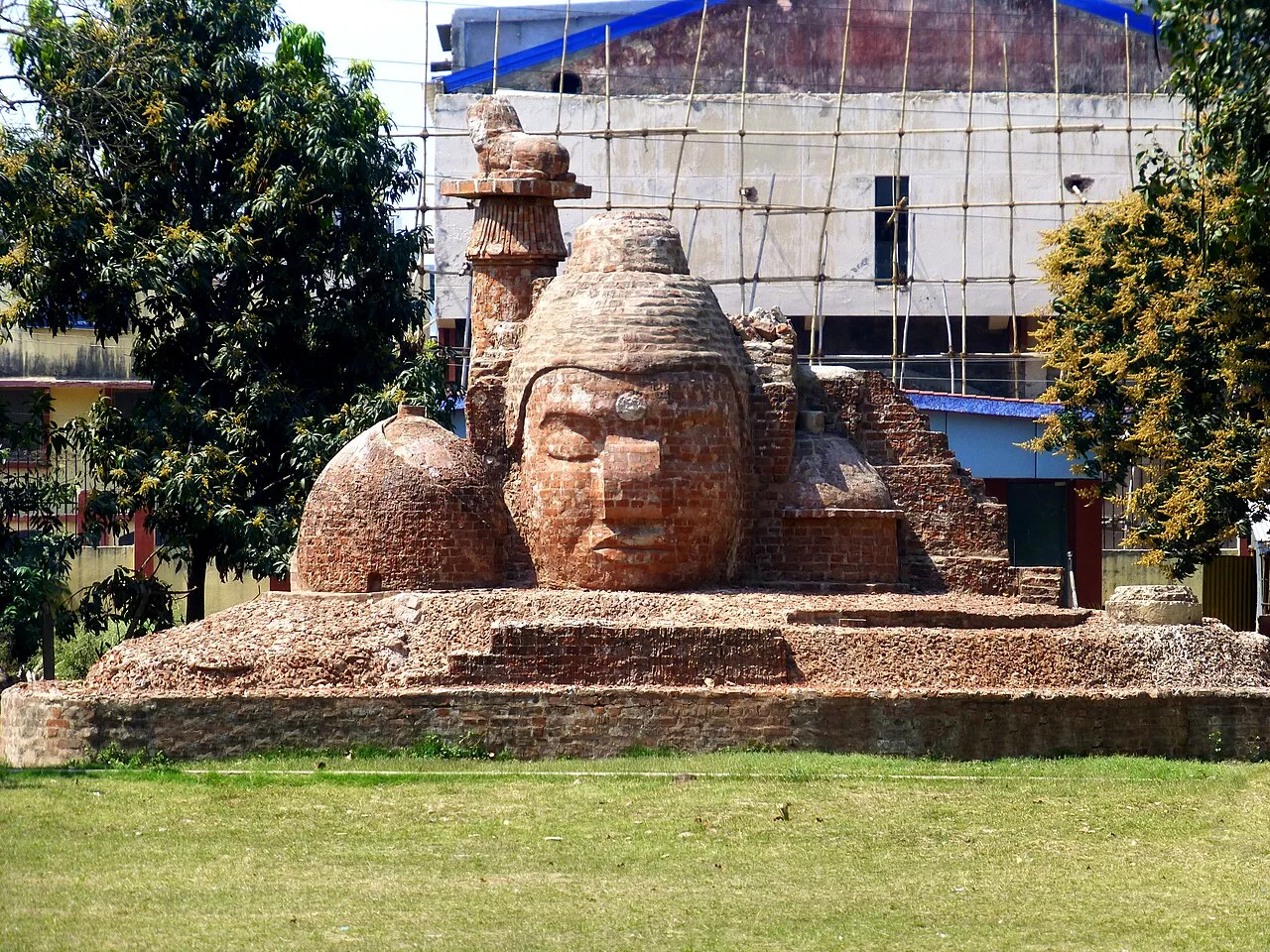
Kumhrar

16 km away · Patna district

Kumhrar

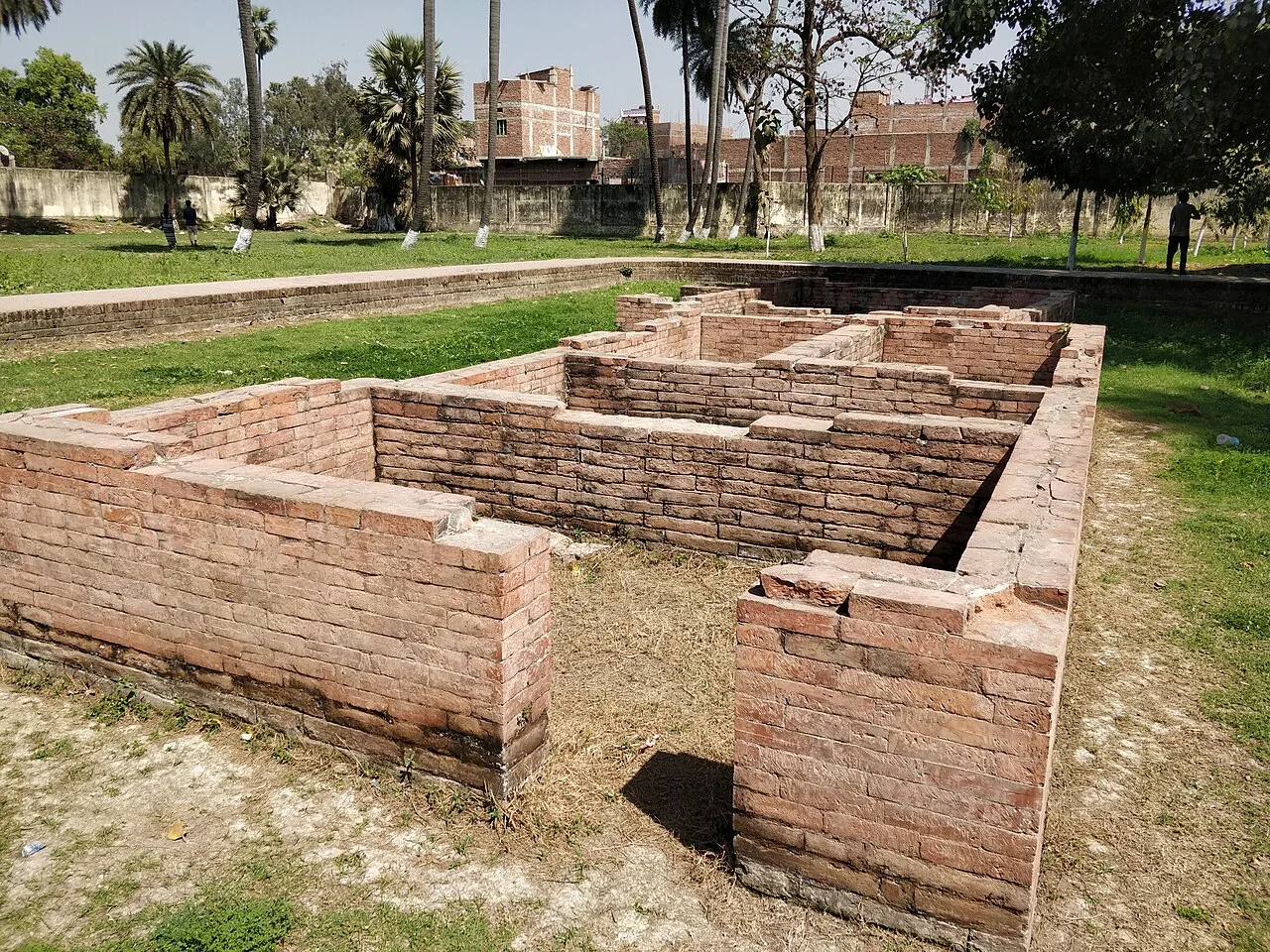
Kumhrar is an archaeological site in Patna connected with the remains of Pataliputra. Visitors come to see excavated traces of the city, including the remains of an 80-pillared hall.

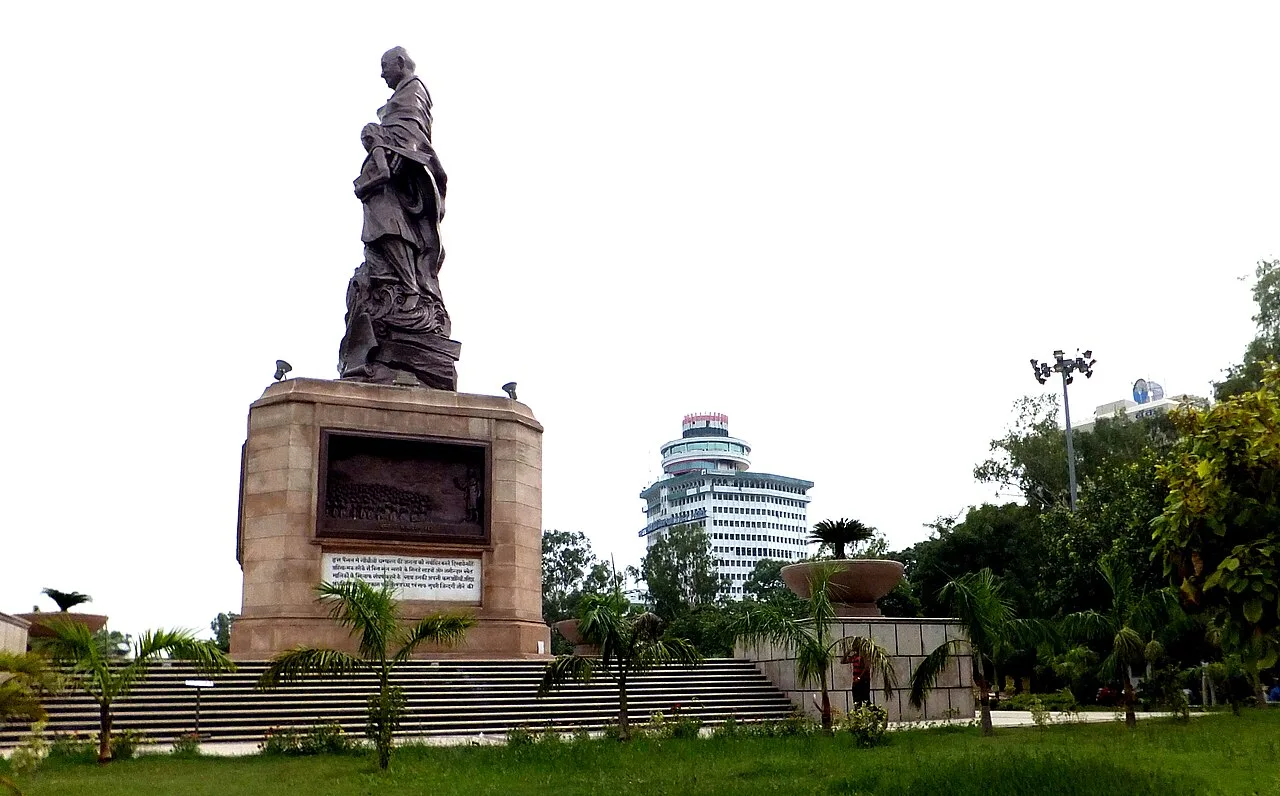
Gandhi Maidan

18 km away · Patna district

Gandhi Maidan

Gandhi Maidan is a historic open space in Patna, Bihar, near the Ganges. People visit a site linked to the freedom movement and significant political gatherings.

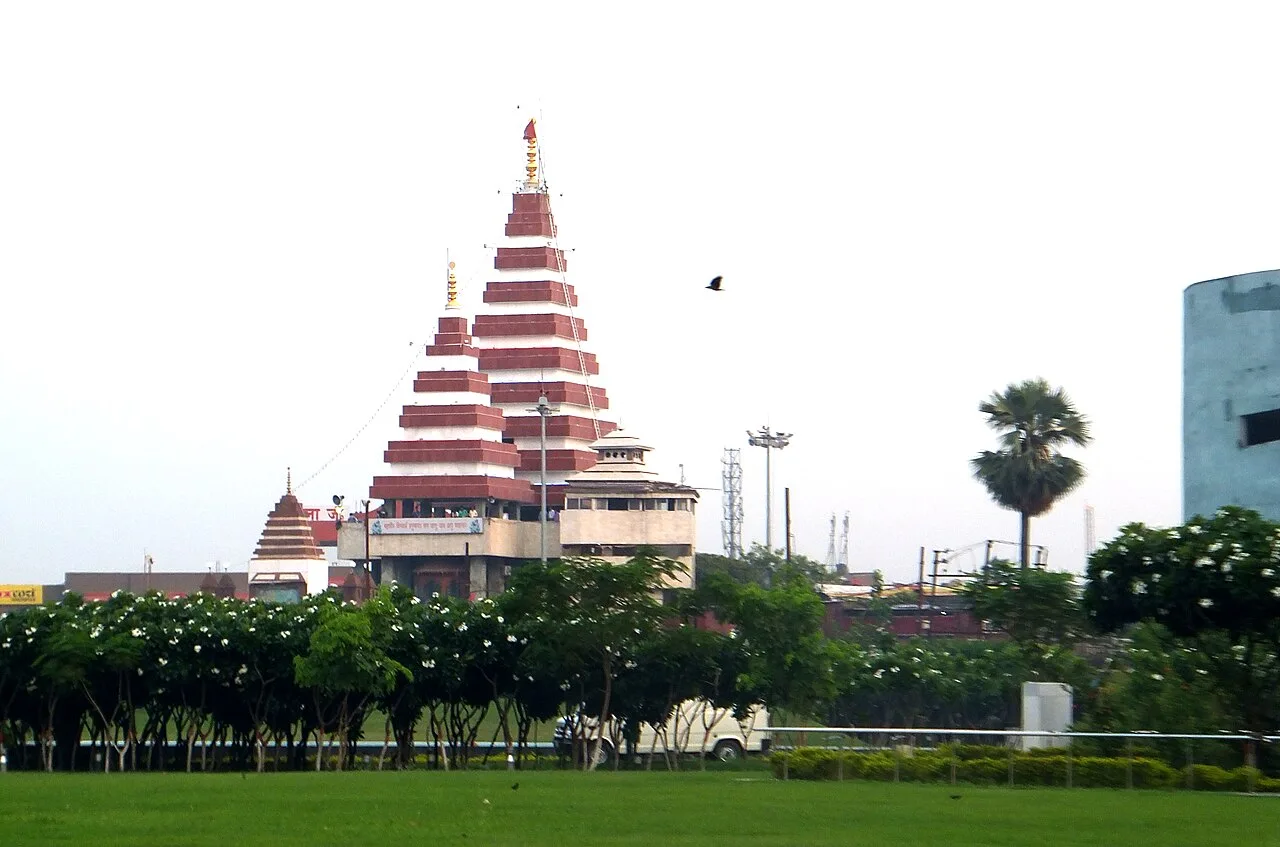
Mahavir Mandir

20 km away · Patna district

Mahavir Mandir

Mahavir Mandir is a Hanuman shrine in Patna, Bihar, visited by millions of pilgrims each year. Devotees also gather in large numbers for religious occasions, particularly Rama Navami.

Patna Museum

20 km away · Patna district

Patna Museum

Patna Museum is Bihar’s state museum in Patna district. Visitors come to see its historical collections and learn about the institute’s work in history and archaeology.

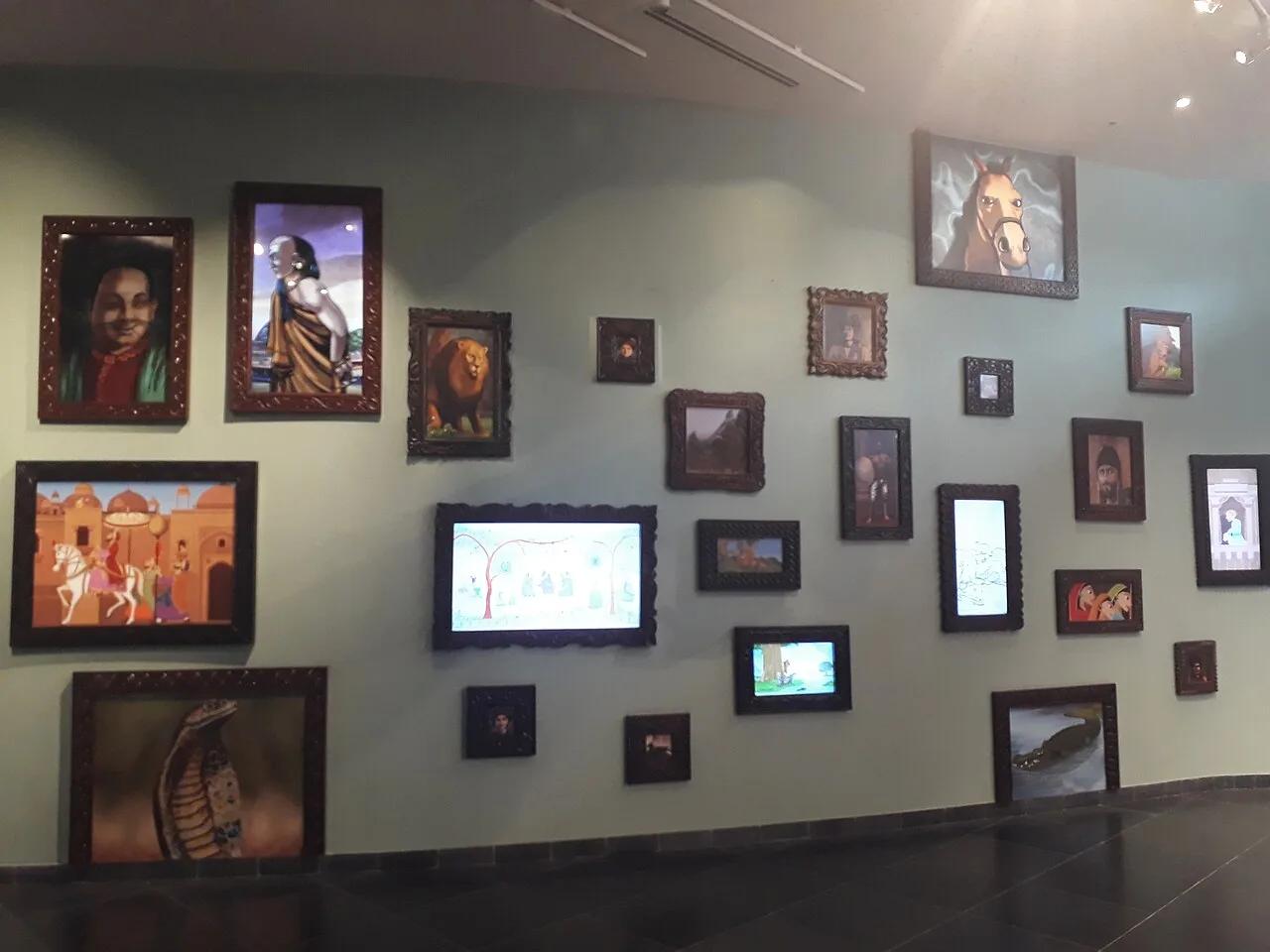
Bihar Museum

21 km away · Patna district

Bihar Museum

Bihar Museum is Patna’s state museum, with displays on Bihar’s history. Visitors can explore its galleries, children’s museum and distinctive arrangement of buildings and courtyards.

Golghar

21 km away · Patna district

Golghar

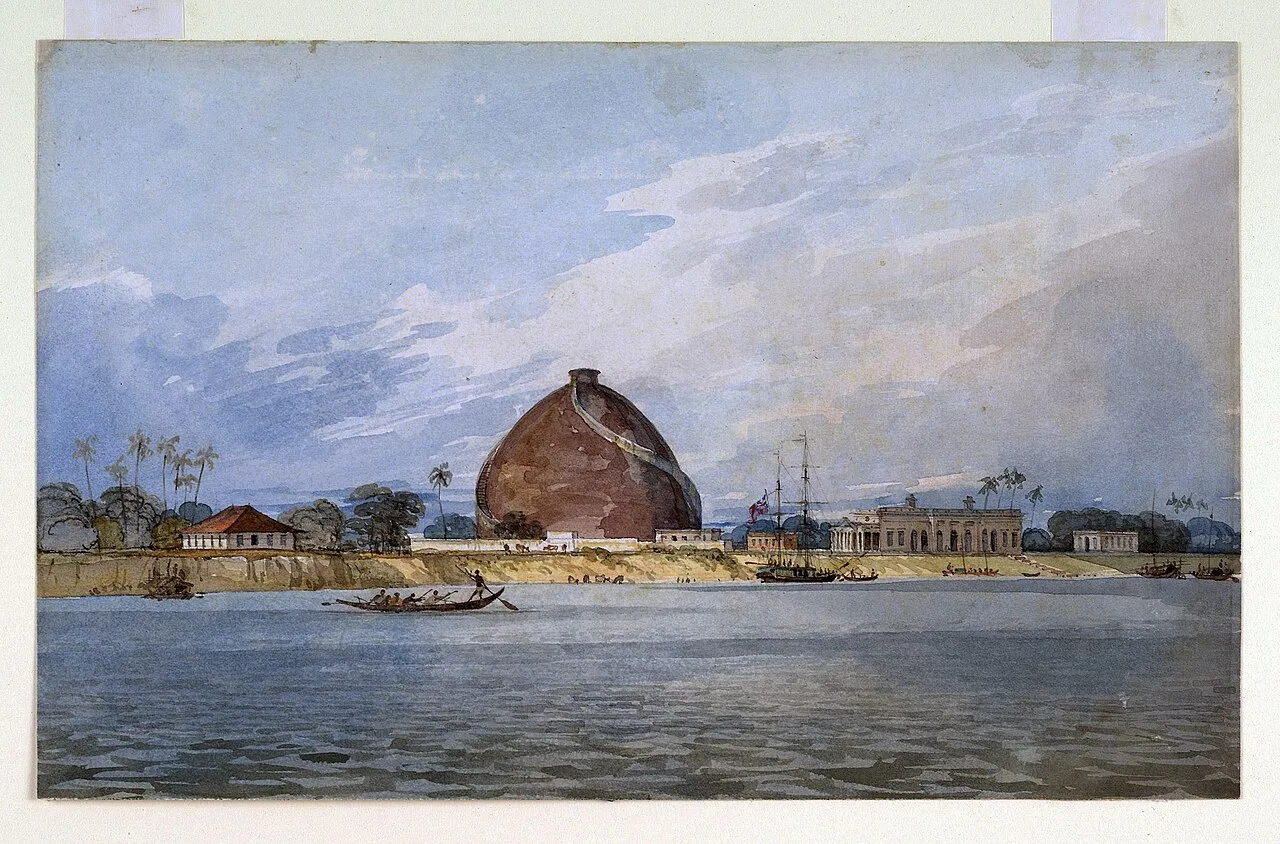
Golghar, also called Gol Ghar, is a substantial grain store in Patna, Bihar. Visitors come to see the granary west of Gandhi Maidan.

Map

Fatuha on the map

  1. 1Takht Sri Patna Sahib
  2. 2Agam Kuan
  3. 3Kumhrar
  4. 4Gandhi Maidan
  5. 5Mahavir Mandir
  6. 6Patna Museum
  7. 7Bihar Museum
  8. 8Golghar

Bihar

Other cities to explore