Ghumoopedia — Explore, Discover, Experience
Sign in
Munger Fort, near Bangaon

City guide · Bihar

Bangaon

Bangaon is a historic village in Saharsa district, in the Kosi region of north Bihar. It is known for a long tradition of learning: local accounts connect the settlement with Vedic and Sanskrit scholarship, while today education and public service remain part of its identity.

Famous for

  • Maithil scholarly tradition
  • Pala-era copper plate
  • Apannigam identification debate
  • Paddy and maize farming
  • Laxminath Gosain legacy

Why Bangaon matters

Bangaon is a historic village in Saharsa district, in the Kosi region of north Bihar. It is known for a long tradition of learning: local accounts connect the settlement with Vedic and Sanskrit scholarship, while today education and public service remain part of its identity. The village has several colleges and schools and has produced professionals in fields including administration, medicine, engineering and teaching.

Bangaon also attracts interest from people tracing the region’s early religious and political history. Some historians identify it with Apannigam, a place mentioned in Buddhist literature, though this identification is disputed. The village’s Pala-period copper plate adds another important historical connection. Its rural setting and farming life offer a view of the Kosi basin beyond the larger towns. Visitors interested in regional heritage can also make an excursion to nearby Kandaha, known for its Sun Temple. Bangaon is best approached as a place of local history, education and village culture rather than as a conventional tourist centre.

Famous for: crafts, trade & products

Bangaon is not especially known for a signature textile, handicraft, GI-tagged product or large manufacturing industry. Its local economy and identity are more closely tied to farming and education. Paddy is a prominent crop, alongside maize, wheat and moong; the harvest and seasonal availability of these crops shape village life. Fresh paddy is also used to make chura, commonly eaten with curd and jaggery.

For everyday goods and seasonal farm produce, visitors can ask at village shops or local markets; Saharsa town offers a broader range of shopping and services. There is no well-established tourist craft bazaar or recognised local product market to seek out. Bangaon’s institutions are a more distinctive part of its public profile: the village has multiple schools and colleges and is associated with generations of teachers, scholars and professionals. Those interested in the area’s historical heritage may ask locally about the Bangaon copper plate and its story; the inscription itself is not presented here as a public display or regular visitor attraction. Nearby Kandaha is known for its Sun Temple, a regional heritage stop rather than a Bangaon product or institution.

History

Bangaon’s history is connected with wider debates about the ancient Kosi region. Buddhist texts refer to Apannigam, associated with the ancient territory of Anguttarap, and describe visits by Gautama Buddha. Some historians place Apannigam at present-day Bangaon; others locate it elsewhere in the Kosi region. The identification remains uncertain, so it is best treated as a historical debate rather than a settled fact.

A more tangible link to the past is the Bangaon copper plate, found in 1950. The inscription dates to the reign of Pala ruler Vigrahapala III, in the eleventh century, and records a land grant. It names Kanchanpur as the place from which the charter was issued; some accounts associate Kanchanpur with nearby Kandaha. In more recent times, Bangaon has developed as a village within Kahra block, organised across Bangaon North, South and East panchayats. Its modern profile is marked by education, farming and professional life. No single colonial-era episode is central to the village’s commonly noted history.

Food, festivals & culture

Village life reflects the agricultural seasons and the largely Maithil Hindu community, alongside a smaller Muslim population. Maithili and Hindi are useful languages for visitors; local speech may also include regional forms of both. A familiar seasonal food is chura made from fresh paddy, served with curd and jaggery. Rice-based meals and locally grown produce are common features of the area’s everyday cooking.

Durga Puja and Diwali are observed in autumn, followed by Bhai Dooj and Chhath. Chhath, celebrated with devotion to the Sun, is among Bihar’s most important festivals; devotional songs are an integral part of the observance. Worship and community religious life are centred on local traditions and places of prayer. The village also honours the memory of Laxminath Gosain, known locally as Babaji. Nearby Kandaha’s Sun Temple is a significant regional place of worship and a possible heritage excursion. Visitors should ask residents about local customs before entering religious spaces or photographing ceremonies.

Visiting the city

October to March is generally the most comfortable period to visit, with cooler weather and harvest-season activity. The monsoon months can bring heavy rain in the Kosi basin, so check local conditions before travelling. Darbhanga Airport is the nearest major commercial airport, while Saharsa Junction is the main railway station for reaching the area.

From Saharsa, continue by road using local taxis, auto-rickshaws or other shared vehicles, confirming the route with local residents. Bangaon’s North, South and East panchayat areas provide a sense of village life, but there is no formal sightseeing circuit. Allow time to visit nearby Kandaha and its Sun Temple if regional heritage is of interest. Ask before photographing people, homes or places of worship.

Trips from the city

Nearest places to visit from Bangaon

Our closest destination guides, by straight-line distance.

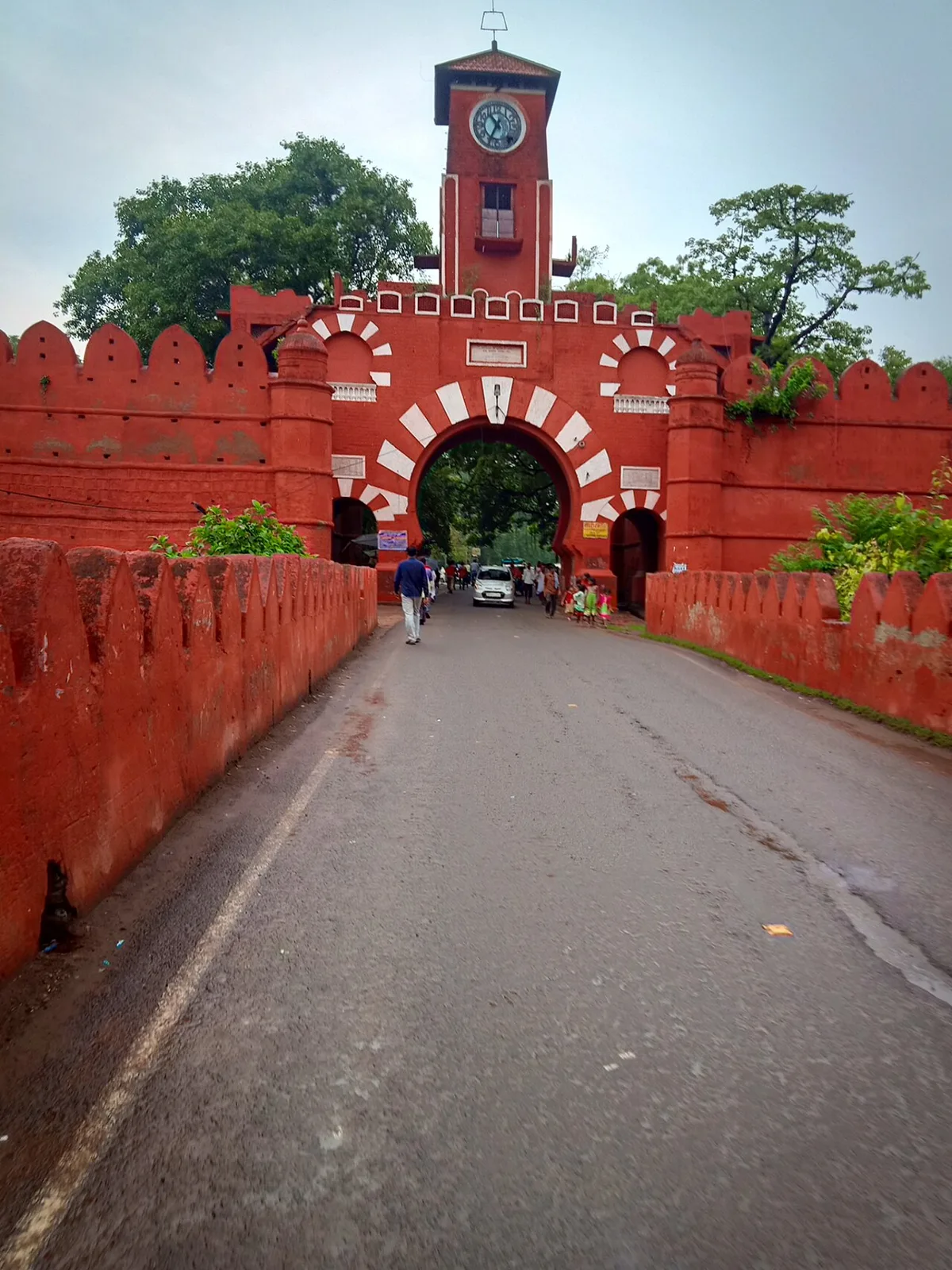
Munger Fort

54 km away · Munger district

Munger Fort

Munger Fort is a historic stronghold in Bihar, set on a rocky rise beside the Ganges. Visitors come to see its tombs, palace, temple, riverside ghat and British-era cemetery.

Darbhanga

70 km away · Darbhanga district

Darbhanga

Darbhanga is a major city and municipal corporation in Bihar, serving as the administrative centre of its district and division. Visitors encounter a longstanding centre of Mithila’s cultural, literary and musical traditions.

Madhubani

70 km away · Madhubani district

Madhubani

Madhubani is a city in Bihar’s Mithila region and the headquarters of its district. Visitors may be drawn by its regional identity and administrative importance.

Bhimbandh Wildlife Sanctuary

75 km away · Munger district

Bhimbandh Wildlife Sanctuary

In Bihar’s Munger district, Bhimbandh Wildlife Sanctuary is a sanctuary devoted to wildlife. Visitors come to spend time in this wildlife-focused place in the district’s south-west.

Vikramshila University Ruins

98 km away · Bhagalpur district

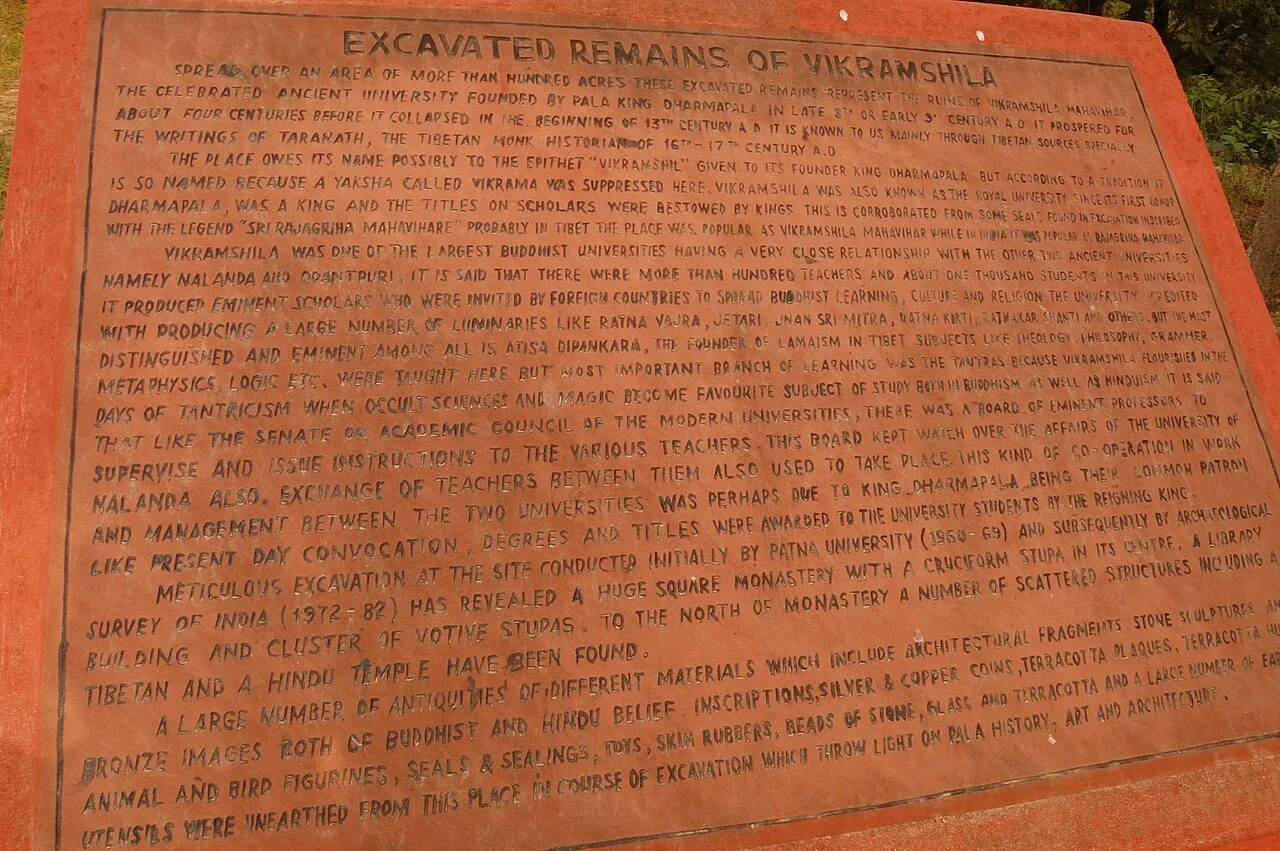
Vikramshila University Ruins

Vikramshila University Ruins mark a major Buddhist centre of learning in Bihar. Visitors come to explore the site and learn about its scholars and place in Buddhist education.

Katihar

113 km away · Purnia district

Katihar

Katihar is a major city in Bihar, known for its regional commercial, educational and administrative roles. Travellers also use it as a railway hub linking routes towards North Bengal and the north-east.

Vishwa Shanti Stupa

122 km away · Gaya district

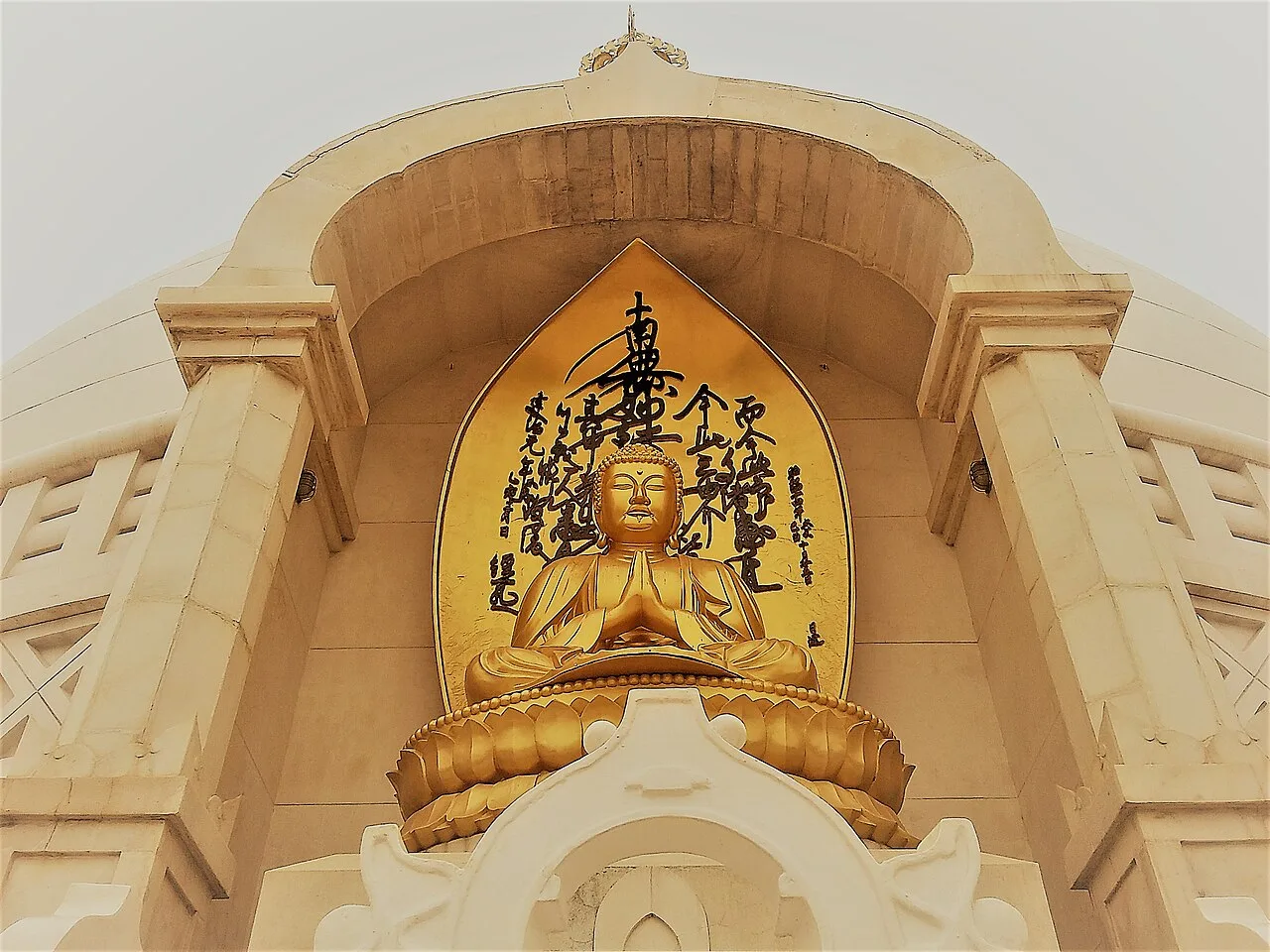
Vishwa Shanti Stupa

Vishwa Shanti Stupa is a white Buddhist pagoda in Rajgir, visited for its Buddha statues, nearby Japanese temple and park, and prayers for peace.

Mandar Hill

126 km away · Bhagalpur district

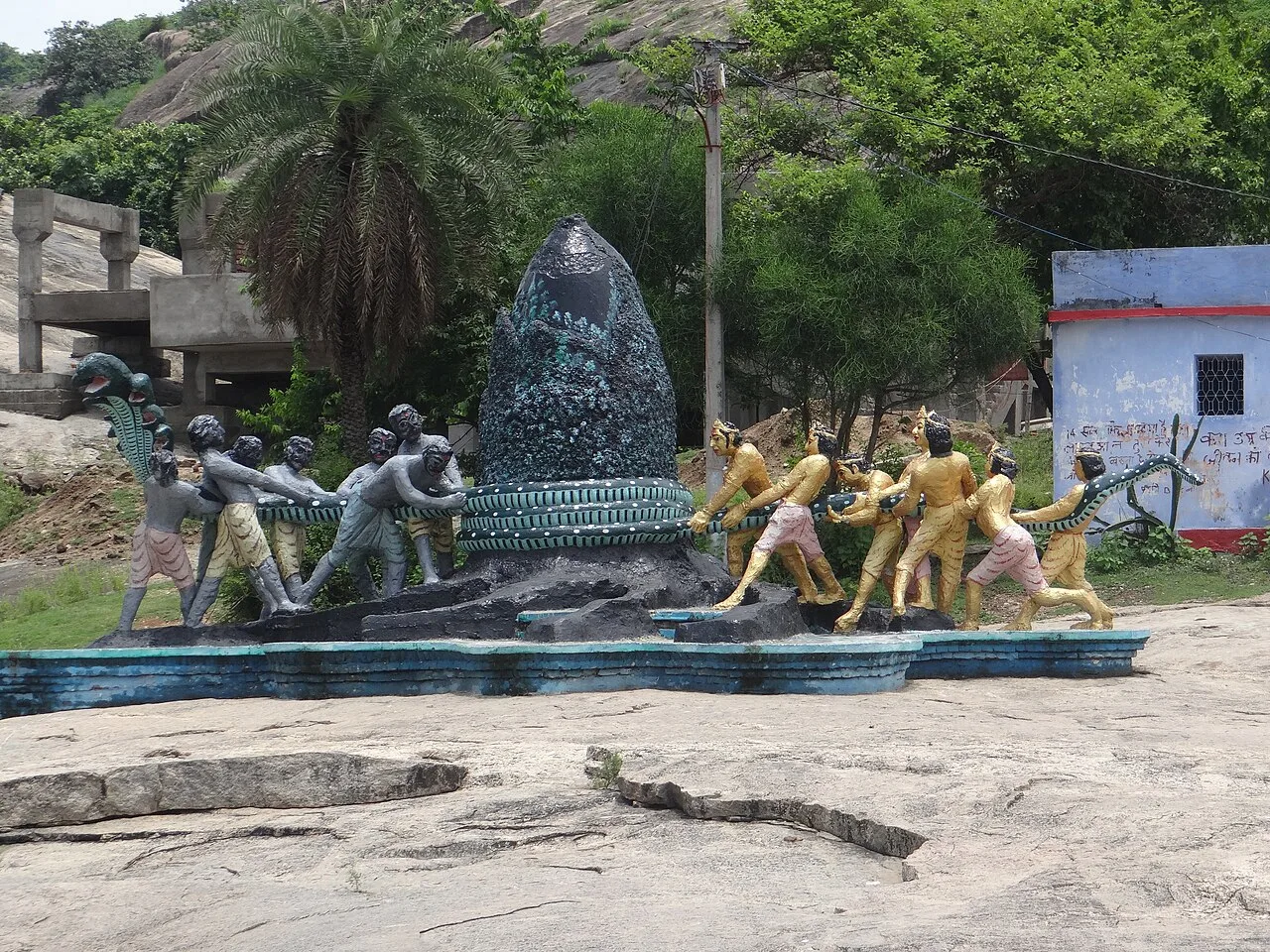
Mandar Hill

Mandar Hill, also called Mandar Parvat, is a roughly 700-foot hill at Bounsi in Bihar’s Banka district. Hindus and Jains visit it as a place of pilgrimage.

Map

Bangaon on the map

  1. 1Munger Fort
  2. 2Darbhanga
  3. 3Madhubani
  4. 4Bhimbandh Wildlife Sanctuary
  5. 5Vikramshila University Ruins
  6. 6Katihar
  7. 7Vishwa Shanti Stupa
  8. 8Mandar Hill

Bihar

Other cities to explore