Ghumoopedia — Explore, Discover, Experience
Sign in
Vishwa Shanti Stupa, near Barbigha

City guide · Bihar

Barbigha

Barbigha is a municipality and administrative block in Sheikhpura district, serving as a local centre for nearby villages and smaller settlements. Its market and public services make it a practical hub for the surrounding area, while road links connect it with Sheikhpura, Patna and other parts of south Bihar.

Famous for

  • Vishnudham temple
  • Samas temple
  • Panchvadan Sthan
  • Historic local marketplace
  • Sheikhpura road connections

Why Barbigha matters

Barbigha is a municipality and administrative block in Sheikhpura district, serving as a local centre for nearby villages and smaller settlements. Its market and public services make it a practical hub for the surrounding area, while road links connect it with Sheikhpura, Patna and other parts of south Bihar. National highways NH 33 and NH 333A pass through the town, and the Bihta–Sarmera highway runs nearby, around Gopalbad.

For visitors, Barbigha is best approached as a modest town with regional importance rather than a large sightseeing destination. Its appeal lies in local life, historic marketplace connections and nearby places of worship. Vishnudham, Samas and Panchvadan Sthan at Kusedhi are among the temples associated with the area. They offer reasons to explore beyond the town centre and may be of particular interest to visitors following religious or heritage routes through Sheikhpura district. Barbigha can also serve as a convenient stop when travelling between Patna and towns in the district.
Famous for: crafts, trade & products

Barbigha is primarily known as a local market and service centre, not as a major manufacturing or specialist craft destination. There is no widely established Barbigha-specific textile, handicraft or GI-tagged product to seek out. Visitors should therefore treat its shops as places for everyday local trade rather than expect a dedicated craft quarter or signature product.

The town’s market area is the most practical place to browse for groceries, household goods, clothing and seasonal produce used by residents of Barbigha and nearby villages. Small shops and food sellers reflect ordinary commerce in Sheikhpura district; particular stock can vary, and locally made items are not necessarily produced in town. For a sense of the area’s identity, visitors can combine a walk through the market with trips to Vishnudham, Samas or Panchvadan Sthan at Kusedhi. These religious sites are more recognisable local points of interest than any documented specialised industry. Travellers seeking a particular Bihar craft or regional product may find a wider selection in larger commercial centres, while Barbigha is best suited to everyday purchases and observing local trade.

History

Barbigha’s name is commonly explained as a combination of the Hindi words barah and bigha, referring to twelve bighas; the explanation is associated with the town’s early extent. The settlement appears in early nineteenth-century accounts under the spelling Barabigha. Francis Buchanan referred to it in 1812, and an account from 1838 describes it as a marketplace, pointing to its role as a local trading centre.

Records from the colonial period also note the growth of civic and administrative links. A post office is mentioned by 1894, and a police station by 1901. In that year, Barbigha and Sheikhpura police stations were transferred from the Jamui subdivision to the Monghyr subdivision. A report from 1903 records work on a district road to Sheikhpura intended to feed into the South Bihar Railway. The Barbigha police station later reported the discovery of a hoard of Delhi Sultanate coins in 1919–20. In modern Bihar, Barbigha has continued as a municipality and one of Sheikhpura district’s administrative blocks, supported by regional road connections.

Food, festivals & culture

Daily food in Barbigha reflects the wider food traditions of Bihar. Rice, dal, seasonal vegetables and sattu are familiar staples, while litti chokha is a well-known regional meal that visitors may find at local eateries. Thekua is commonly associated with Chhath observances across Bihar, though availability and household recipes vary. Barbigha is not especially known for a distinct town-specific sweet or cuisine.

Chhath, celebrated mainly in autumn and again in spring, is an important festival in Bihar, alongside Holi, Diwali and Durga Puja. Observances often bring families and communities together for worship, seasonal foods and folk songs. Hindi and Magahi are commonly used in the area, with other languages also heard among residents and visitors. Hindu worship is part of the town’s public and community life; Vishnudham, Samas and Panchvadan Sthan at Kusedhi are notable places of worship in and around Barbigha. Visitors should be mindful of local customs at temples, especially during festivals.

Visiting the city

The cooler months, roughly October to March, are generally the most comfortable time to visit; summer can be very hot, while monsoon rains may affect road travel. The nearest major airport is Jay Prakash Narayan International Airport in Patna. Rail access is generally via Sheikhpura Junction, with onward travel to Barbigha by road; check current connections before setting out.

Within town, auto-rickshaws and local shared transport are practical for short journeys, while hired vehicles are useful for visiting temples outside the centre. Explore the market and central streets for a feel of everyday town life, then plan separate trips to Vishnudham, Samas and Panchvadan Sthan at Kusedhi. Barbigha’s highway links also make it a possible stop on a wider journey through Sheikhpura district.

Trips from the city

Nearest places to visit from Barbigha

Our closest destination guides, by straight-line distance.

Vishwa Shanti Stupa

23 km away · Gaya district

Vishwa Shanti Stupa

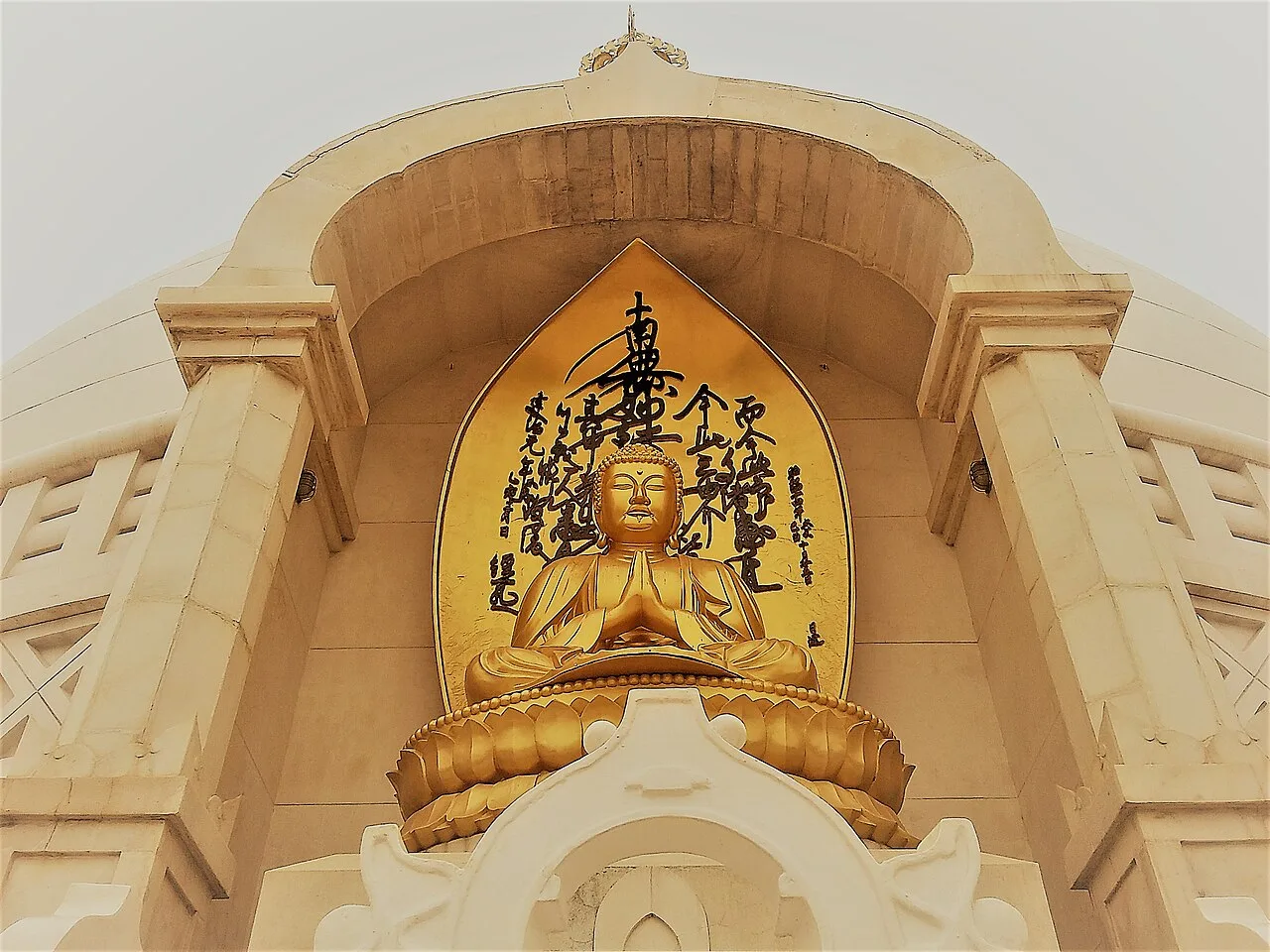
Vishwa Shanti Stupa is a white Buddhist pagoda in Rajgir, visited for its Buddha statues, nearby Japanese temple and park, and prayers for peace.

Pawapuri

24 km away · Gaya district

Pawapuri

Pawapuri, also called Pavapuri, is a Jain sacred site in Bihar’s Nalanda district. People travel there on pilgrimage because it is associated with Mahavira’s nirvana.

Nalanda mahavihara

30 km away · Nalanda district

Nalanda mahavihara

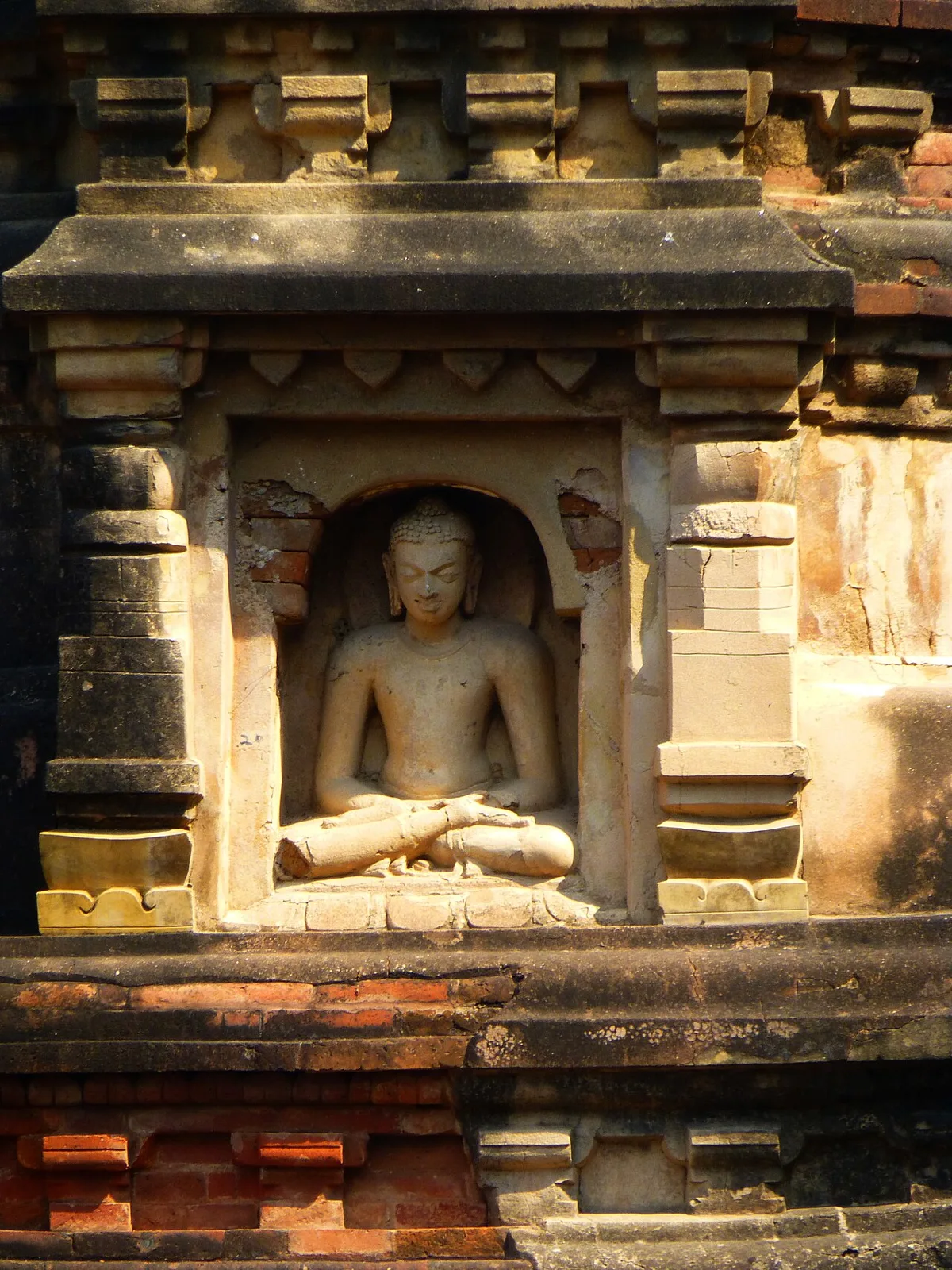
Nalanda is the site of a major Buddhist monastery in Bihar, visited for its history as a long-lived centre of learning and its role in Mahayana Buddhism.

Bhimbandh Wildlife Sanctuary

55 km away · Munger district

Bhimbandh Wildlife Sanctuary

In Bihar’s Munger district, Bhimbandh Wildlife Sanctuary is a sanctuary devoted to wildlife. Visitors come to spend time in this wildlife-focused place in the district’s south-west.

Kakolat Falls

58 km away · Nawada district

Kakolat Falls

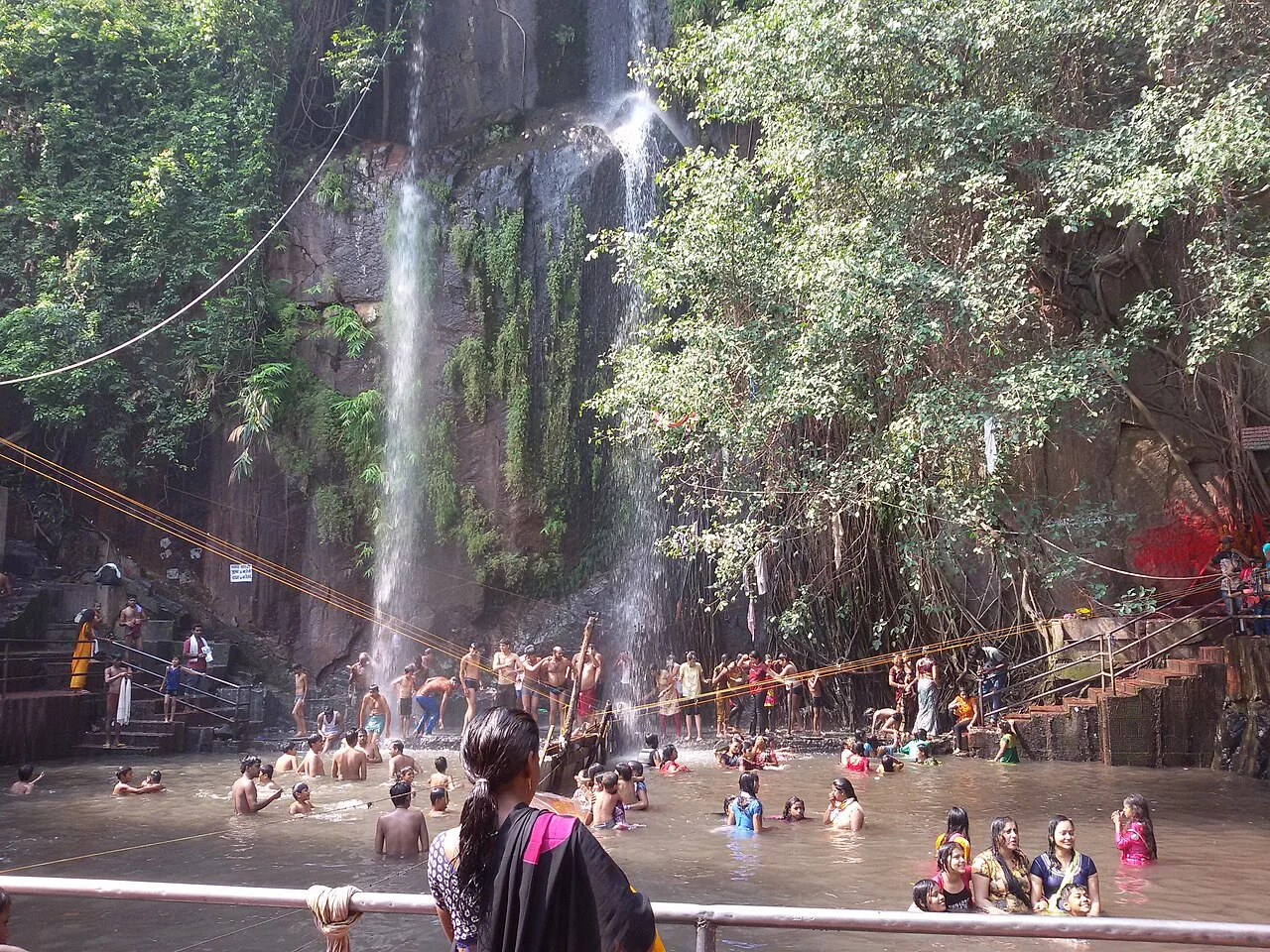
Kakolat Falls is a waterfall in Bihar’s Nawada district. Visitors come to see the falling water, making it a destination centred on this natural feature.

Takht Sri Patna Sahib

66 km away · Patna district

Takht Sri Patna Sahib

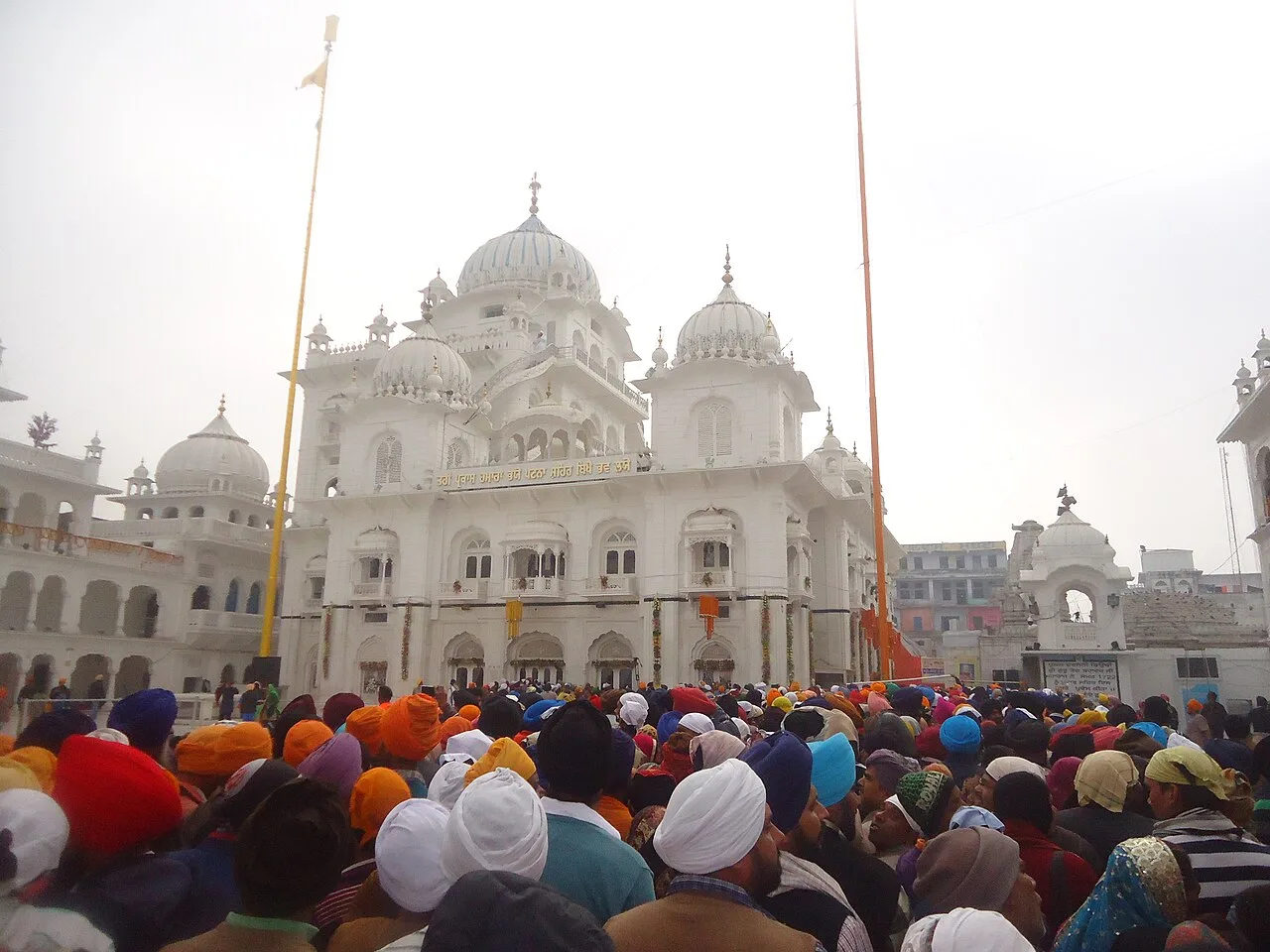
Takht Sri Patna Sahib, in Patna, Bihar, is among Sikhism’s five takhts. Visitors come to worship and pay their respects at this important Sikh religious site.

Agam Kuan

69 km away · Patna district

Agam Kuan

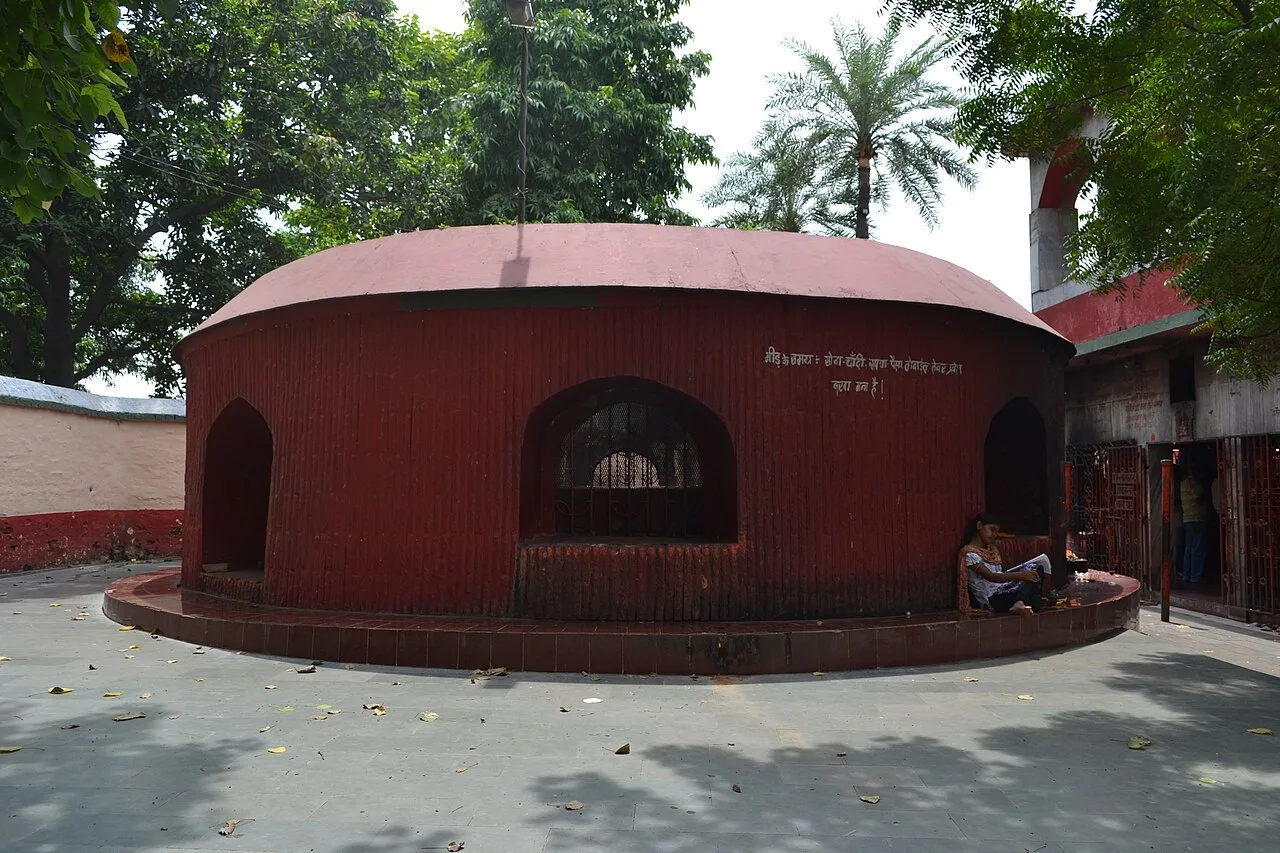
Agam Kuan is a historic circular well and archaeological site in Patna, Bihar, traditionally linked to Ashoka’s Mauryan era. Visitors also worship at the adjoining Shitala Devi temple, where the goddess and Saptamatrikas are venerated.

Kumhrar

70 km away · Patna district

Kumhrar

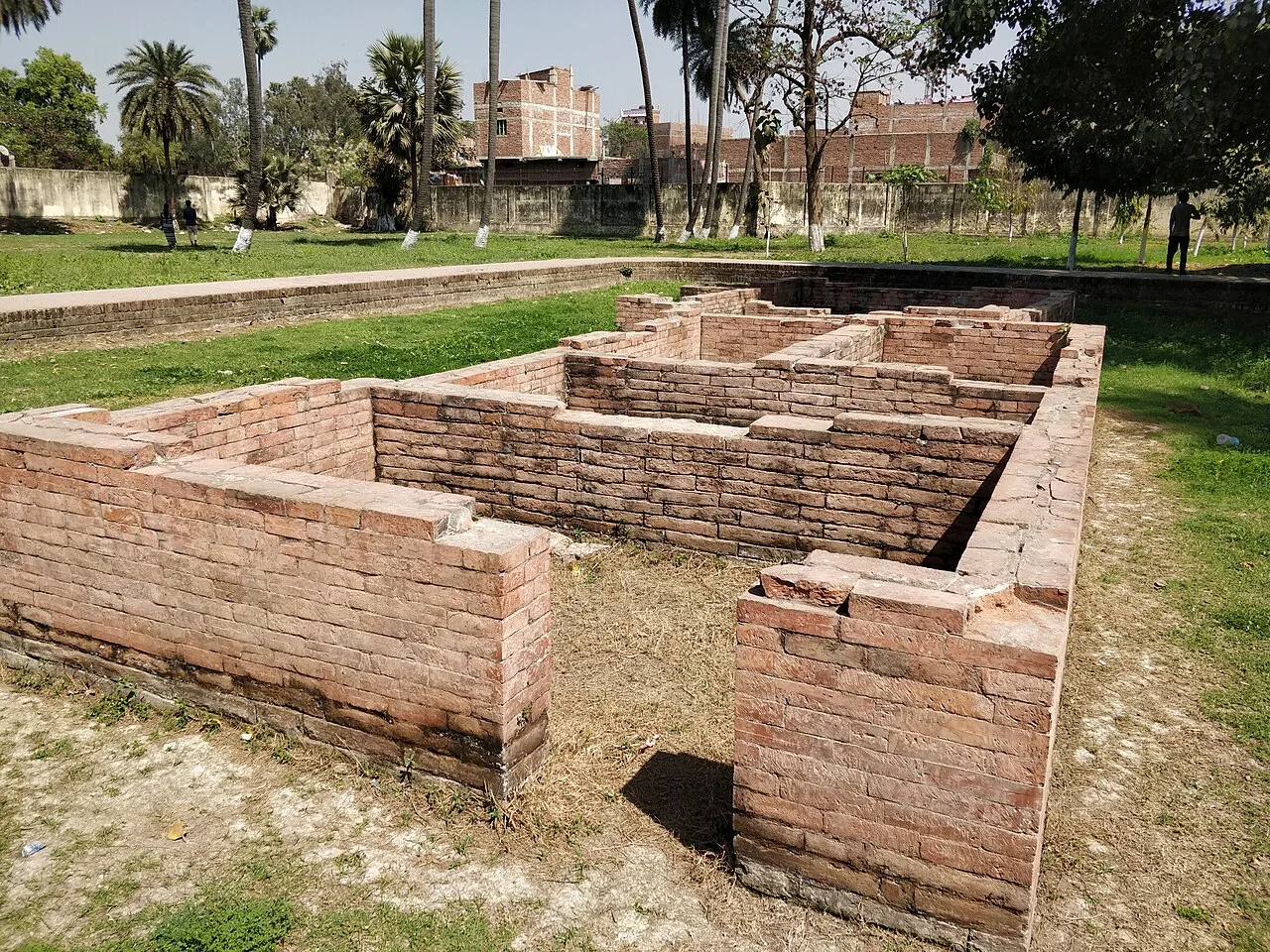
Kumhrar is an archaeological site in Patna connected with the remains of Pataliputra. Visitors come to see excavated traces of the city, including the remains of an 80-pillared hall.

Map

Barbigha on the map

  1. 1Vishwa Shanti Stupa
  2. 2Pawapuri
  3. 3Nalanda mahavihara
  4. 4Bhimbandh Wildlife Sanctuary
  5. 5Kakolat Falls
  6. 6Takht Sri Patna Sahib
  7. 7Agam Kuan
  8. 8Kumhrar

Bihar

Other cities to explore