Ghumoopedia — Explore, Discover, Experience
Sign in
Bhimbandh Wildlife Sanctuary, near Jamui

City guide · Bihar

Jamui

Jamui is the administrative centre of Jamui district in southern Bihar and an important service and market town for the surrounding communities. Its setting marks a transition between the Gangetic plain and the wooded, hillier uplands toward the Chota Nagpur Plateau.

Famous for

  • Jain heritage
  • Mahavira’s enlightenment tradition
  • Kiul River setting
  • Jamui district headquarters
  • Nearby Gidhaur heritage

Why Jamui matters

Jamui is the administrative centre of Jamui district in southern Bihar and an important service and market town for the surrounding communities. Its setting marks a transition between the Gangetic plain and the wooded, hillier uplands toward the Chota Nagpur Plateau. The Kiul River flows to the east, while forests and low hills shape the wider district’s landscape.

The town’s strongest historical association is with Jain tradition. Local histories connect the name Jamui with Jambhiya Gram, associated with Vardhaman Mahavira’s attainment of kevala jnana, or omniscience; another proposed origin is Jambuwani. This heritage gives the area particular interest for Jain visitors, though sites connected with it are spread across the district. Jamui also makes a practical base for exploring nearby places such as Gidhaur, known for surviving buildings from the era of princely rule, and Simultala, a hill retreat in the wider region. Visitors come for this mix of religious history, local life and access to the district’s rural landscape.
Famous for: crafts, trade & products

Jamui is not widely identified with a particular textile, handicraft or GI-tagged product. Its importance is chiefly as a district headquarters and regional trading centre, serving residents and villages across the surrounding area. Shops and everyday markets in the town are the most practical places to look for household goods, clothing, food and locally traded produce; visitors should not expect a single specialist craft bazaar or a nationally recognised signature product.

The area’s more distinctive draw is its Jain heritage, rather than a manufactured souvenir. Information about places associated with Jain history is best sought locally, since relevant sites are distributed across the district. Jamui’s administrative offices, schools and other public institutions also reflect its role as the region’s service centre. Nearby Gidhaur offers an architectural point of interest: Minto Tower and other surviving buildings recall the period when the town was a seat of local rulers. For a visit focused on shopping, the central commercial streets are the natural starting point, while travellers seeking craft or specialty products may find a wider selection in larger regional centres.

History

Jamui’s historical associations reach back to traditions connected with the Mahabharata era, while archaeological and historical evidence points to a long relationship with Jainism. One proposed origin of the name links it to Jambhiya Gram, associated with Mahavira’s attainment of omniscience; another connects it with Jambuwani. An early historic landmark in the district is the old Indpegarh fort, south of the town.

Before independence, the area came under the Gidhaur chieftaincy, founded by Chandel Rajputs. At the turn of the twentieth century, Jamui was described as a long market street, with residential lanes branching from it and government, police and medical facilities nearby. The Kiul’s flood in 1949 destroyed a bridge northeast of town, which was subsequently replaced. Schools, a cooperative bank, a public library and other civic facilities expanded in the decades that followed. Jamui became a separate district on 21 February 1991, after its separation from Munger, and today serves as the district headquarters within Munger Division.

Food, festivals & culture

Daily life in Jamui reflects the wider customs of southern Bihar. Hindi is widely used, alongside regional speech varieties that may include Angika and Magahi. Everyday meals commonly draw on Bihar’s staples, including rice, lentils, seasonal vegetables and wheat-based breads; sattu and litti-chokha are familiar regional foods. There is no single dessert or dish that is especially established as Jamui’s signature, so visitors will find local versions of popular Bihar snacks and sweets rather than a distinct city specialty.

Hindu festivals such as Chhath, usually observed in autumn and again in spring, bring families to riverbanks and other water bodies for ritual observances. Holi in spring and Diwali in autumn are widely celebrated, while Eid is marked by Muslim communities. Jain visitors may be interested in the area’s association with Mahavira and observances such as Mahavir Jayanti, generally held in spring. Folk music and dance are part of regional celebrations, though styles vary across communities. Hindu temples, mosques and Jain places of worship serve local residents; ask locally for directions to sites connected with Jain history.

Visiting the city

October to March is generally the most comfortable period to visit, with milder weather than the hot summer and monsoon months. The nearest railway access is Malaypur railway station, also known as Jamui railway station, about 3 km from town and on the Delhi–Howrah rail line. Patna’s Lok Nayak Jayaprakash Airport is about 161 km away; Gaya Airport is about 136 km away. Road connections link Jamui with towns across the region.

Auto-rickshaws and local vehicles are useful for getting around town; arrange transport locally for sites farther afield. Begin around the central market streets and Railway Road to experience everyday commerce, then explore the civic centre and the eastern side of town near the Kiul. Gidhaur, about 17 km away, is a worthwhile nearby excursion for historic architecture. Simultala offers a hill-country change of scene in the wider district.

Trips from the city

Nearest places to visit from Jamui

Our closest destination guides, by straight-line distance.

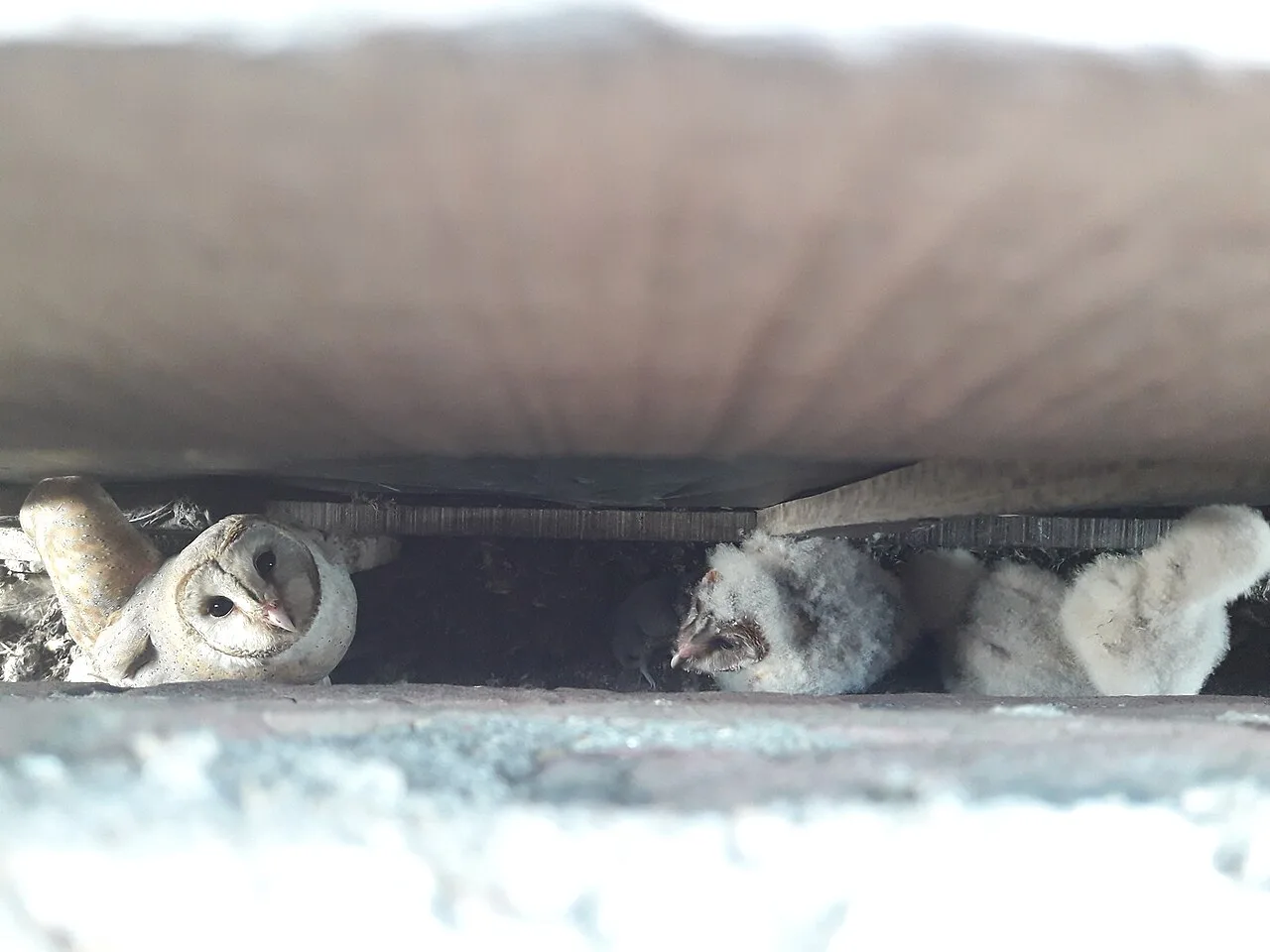
Bhimbandh Wildlife Sanctuary

34 km away · Munger district

Bhimbandh Wildlife Sanctuary

In Bihar’s Munger district, Bhimbandh Wildlife Sanctuary is a sanctuary devoted to wildlife. Visitors come to spend time in this wildlife-focused place in the district’s south-west.

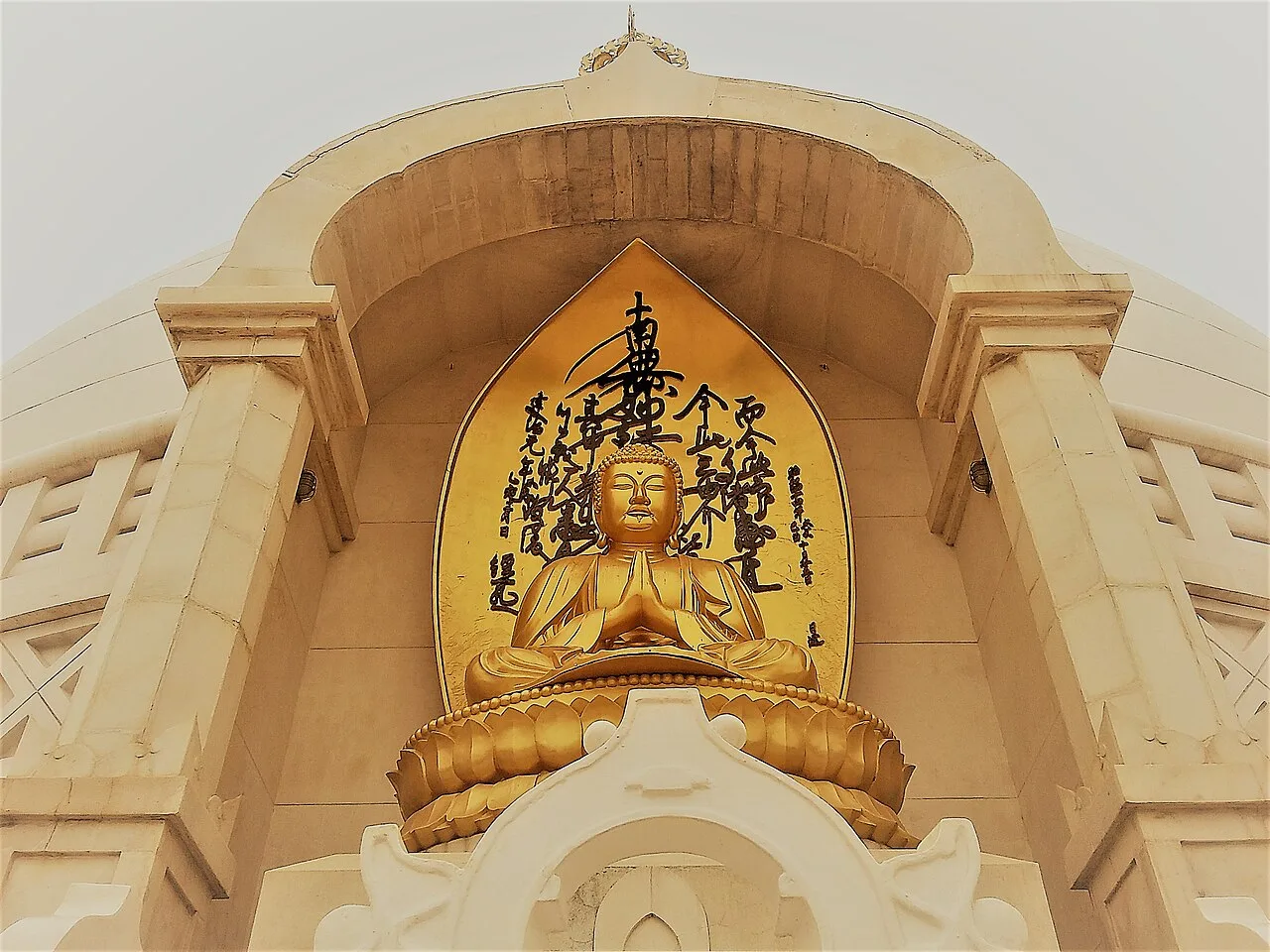
Vishwa Shanti Stupa

49 km away · Gaya district

Vishwa Shanti Stupa

Vishwa Shanti Stupa is a white Buddhist pagoda in Rajgir, visited for its Buddha statues, nearby Japanese temple and park, and prayers for peace.

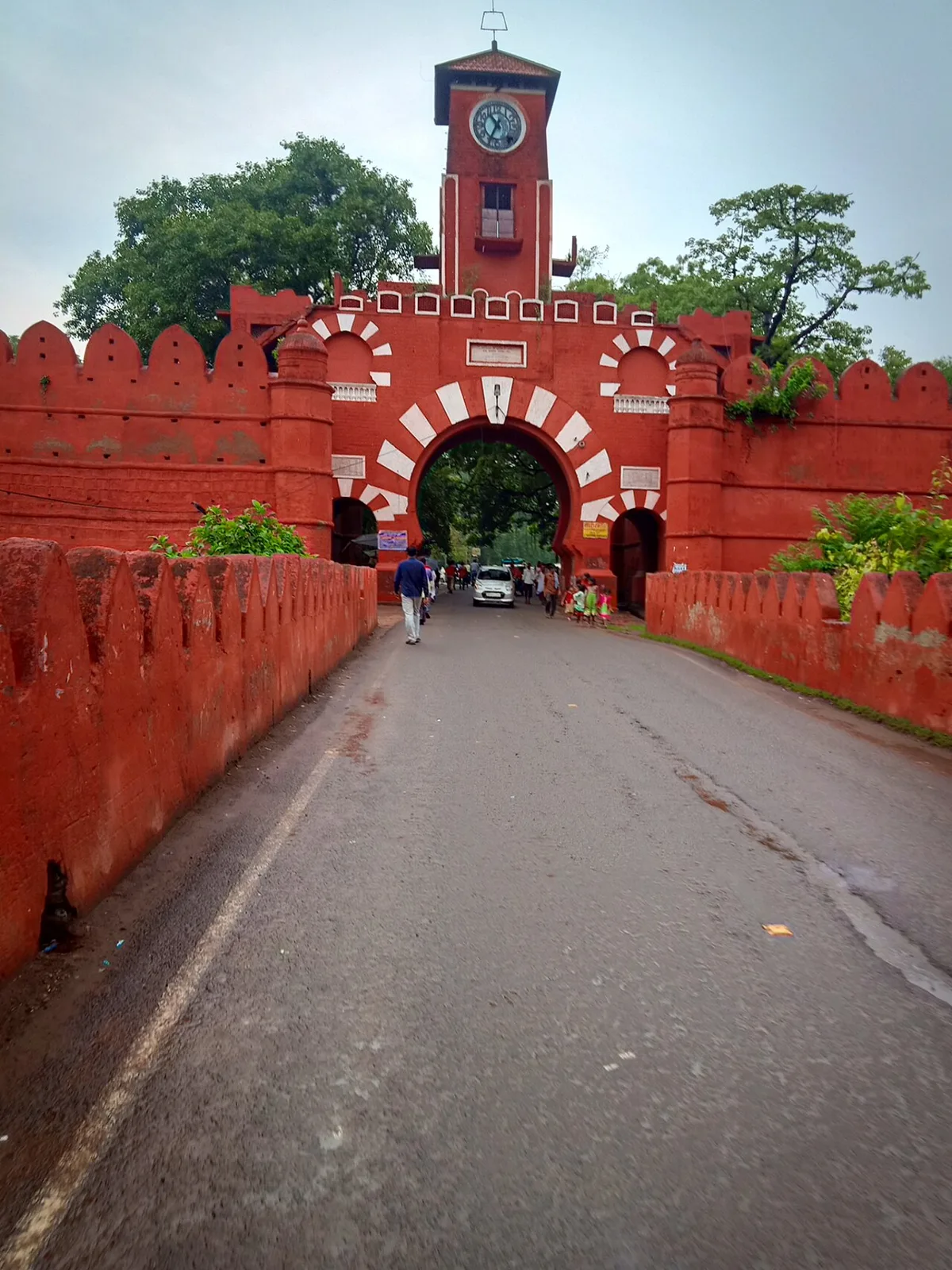
Munger Fort

56 km away · Munger district

Munger Fort

Munger Fort is a historic stronghold in Bihar, set on a rocky rise beside the Ganges. Visitors come to see its tombs, palace, temple, riverside ghat and British-era cemetery.

Kakolat Falls

65 km away · Nawada district

Kakolat Falls

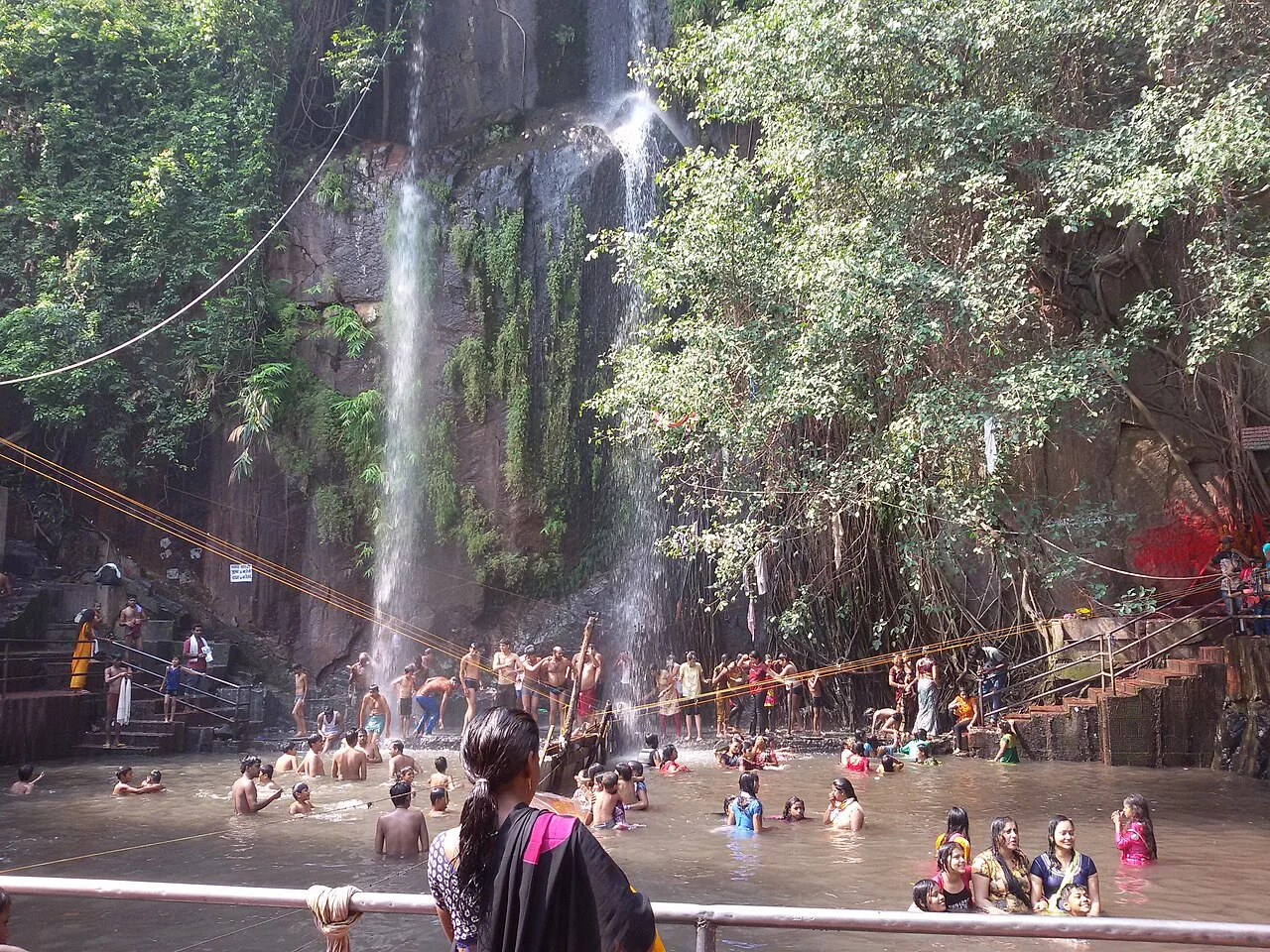
Kakolat Falls is a waterfall in Bihar’s Nawada district. Visitors come to see the falling water, making it a destination centred on this natural feature.

Pawapuri

72 km away · Gaya district

Pawapuri

Pawapuri, also called Pavapuri, is a Jain sacred site in Bihar’s Nalanda district. People travel there on pilgrimage because it is associated with Mahavira’s nirvana.

Mandar Hill

82 km away · Bhagalpur district

Mandar Hill

Mandar Hill, also called Mandar Parvat, is a roughly 700-foot hill at Bounsi in Bihar’s Banka district. Hindus and Jains visit it as a place of pilgrimage.

Nalanda mahavihara

82 km away · Nalanda district

Nalanda mahavihara

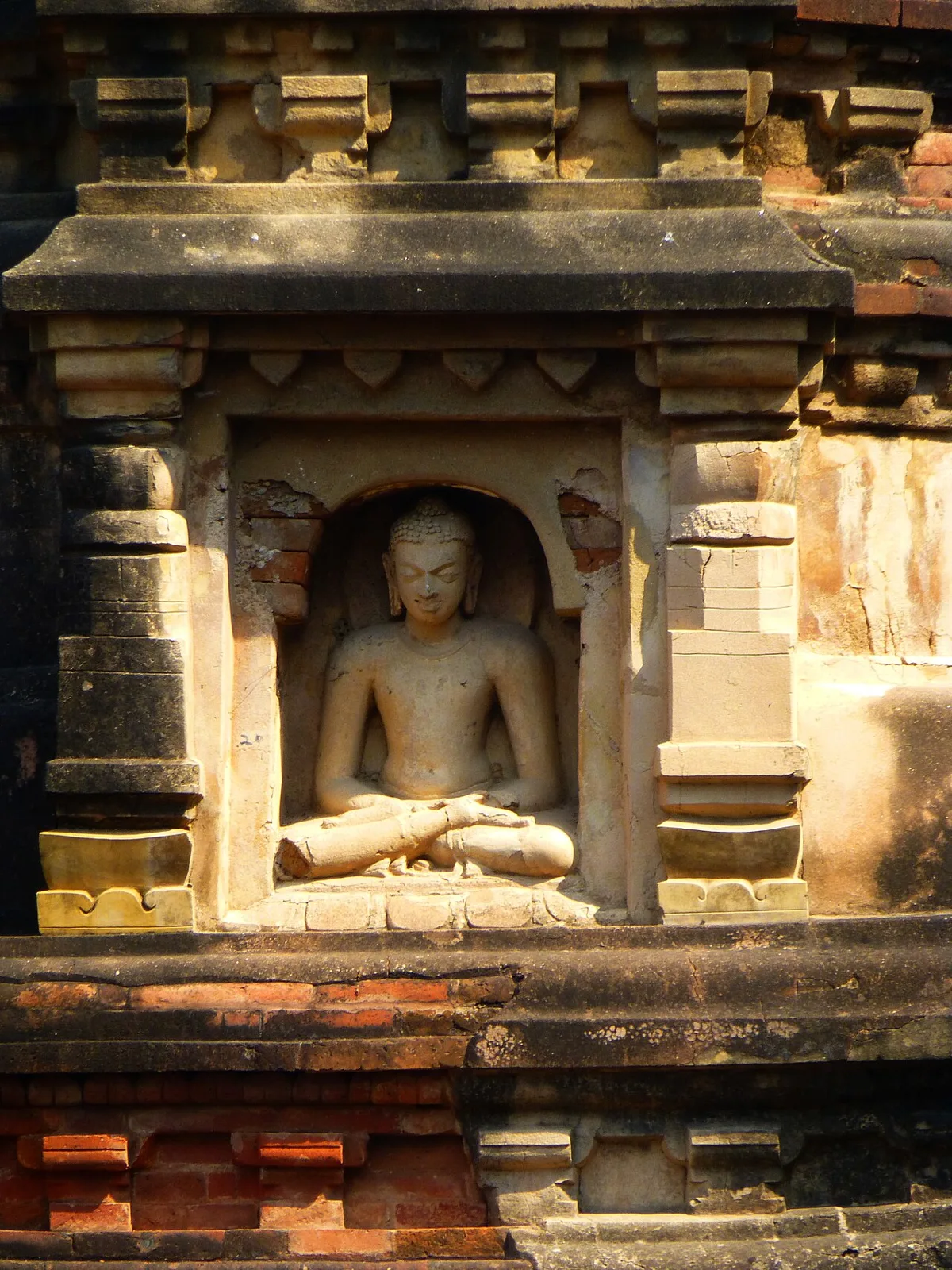
Nalanda is the site of a major Buddhist monastery in Bihar, visited for its history as a long-lived centre of learning and its role in Mahayana Buddhism.

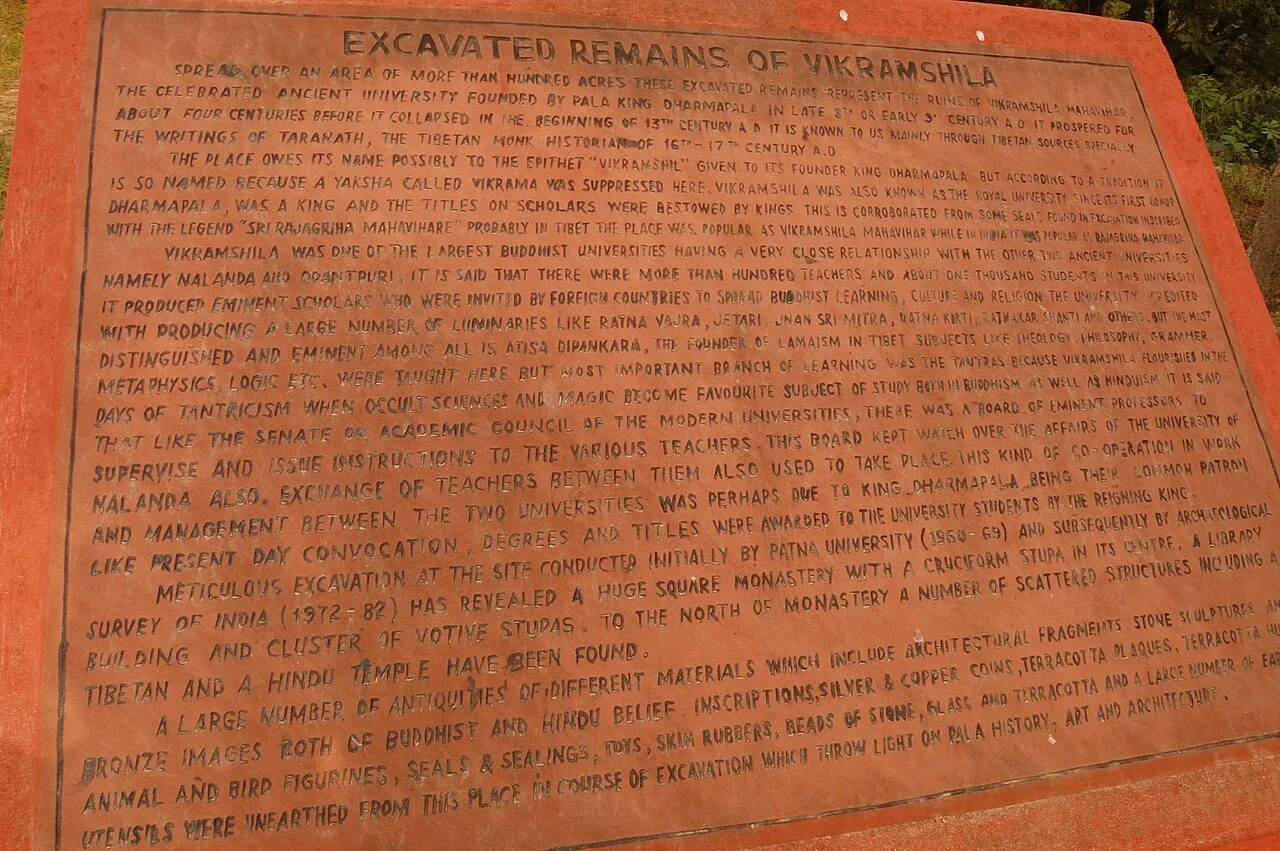
Vikramshila University Ruins

116 km away · Bhagalpur district

Vikramshila University Ruins

Vikramshila University Ruins mark a major Buddhist centre of learning in Bihar. Visitors come to explore the site and learn about its scholars and place in Buddhist education.

Map

Jamui on the map

  1. 1Bhimbandh Wildlife Sanctuary
  2. 2Vishwa Shanti Stupa
  3. 3Munger Fort
  4. 4Kakolat Falls
  5. 5Pawapuri
  6. 6Mandar Hill
  7. 7Nalanda mahavihara
  8. 8Vikramshila University Ruins

Bihar

Other cities to explore