Ghumoopedia — Explore, Discover, Experience
Sign in
Kesaria stupa, near Siwan

City guide · Bihar

Siwan

Siwan is the administrative headquarters of Siwan district in western Bihar, close to the Uttar Pradesh border. Its location makes it a practical service and trading centre for nearby towns and villages, as well as a regional stop on the rail network.

Famous for

  • Siwan Junction rail hub
  • Bhojpuri-speaking culture
  • Daha River
  • District administrative centre
  • Ziradei heritage nearby

Why Siwan matters

Siwan is the administrative headquarters of Siwan district in western Bihar, close to the Uttar Pradesh border. Its location makes it a practical service and trading centre for nearby towns and villages, as well as a regional stop on the rail network. Siwan Junction connects the city with other parts of Bihar and northern India, while the central markets and public offices serve residents from across the district.

The city is best understood through its everyday life and its links to the surrounding Bhojpuri-speaking countryside rather than through a concentration of major monuments. Visitors may use Siwan as a base for exploring district landmarks, including Ziradei, associated with India’s first president, Dr Rajendra Prasad. The Daha River runs along the western side of the city, giving the urban landscape a local geographical feature that changes with the seasons. Siwan’s importance today rests on its administrative role, transport connections, local commerce and place within the cultural life of western Bihar.
Famous for: crafts, trade & products

Siwan is primarily a regional trading and service centre rather than a destination known for one signature textile, craft or manufactured product. Its shops and markets serve the city and surrounding rural communities, with everyday goods such as clothing, household items, groceries and agricultural produce. The central bazaar and commercial streets are the most useful places to browse local retail life and buy routine supplies.

The wider district is strongly connected to agriculture, so seasonal crops and food ingredients shape local trade and cooking. Small businesses and workshops contribute to the city’s economy, but Siwan is not especially associated with a widely recognized GI-tagged product or a nationally prominent handicraft tradition. Visitors looking for specialist crafts or branded regional textiles may find a broader selection in larger cities. For an impression of what the area produces and consumes, explore the ordinary markets, ask vendors about seasonal local goods and look for regional snacks and sweets in neighbourhood shops. These everyday exchanges offer a more representative picture of Siwan’s commercial character than a single designated craft market.

History

Siwan’s urban growth has been closely tied to administration and regional trade. The wider Saran region formed part of successive larger states and empires over the centuries, though the city’s documented development is more clearly associated with its later role as a local administrative centre. Under British rule, Siwan served as the headquarters of a subdivision within Saran district, and improved transport links helped connect it with surrounding settlements and markets.

A municipal council was established in 1924, reflecting the growth of civic administration. After independence, Siwan continued to develop as a service centre for western Bihar. In 1972, when Siwan district was formed, the city became its headquarters. Government offices, education, commerce and railway connections have since shaped much of its modern character. Rather than being defined by a single royal capital or surviving palace complex, Siwan’s history is visible in its evolution from a subdivision centre into the principal administrative city of its district.

Food, festivals & culture

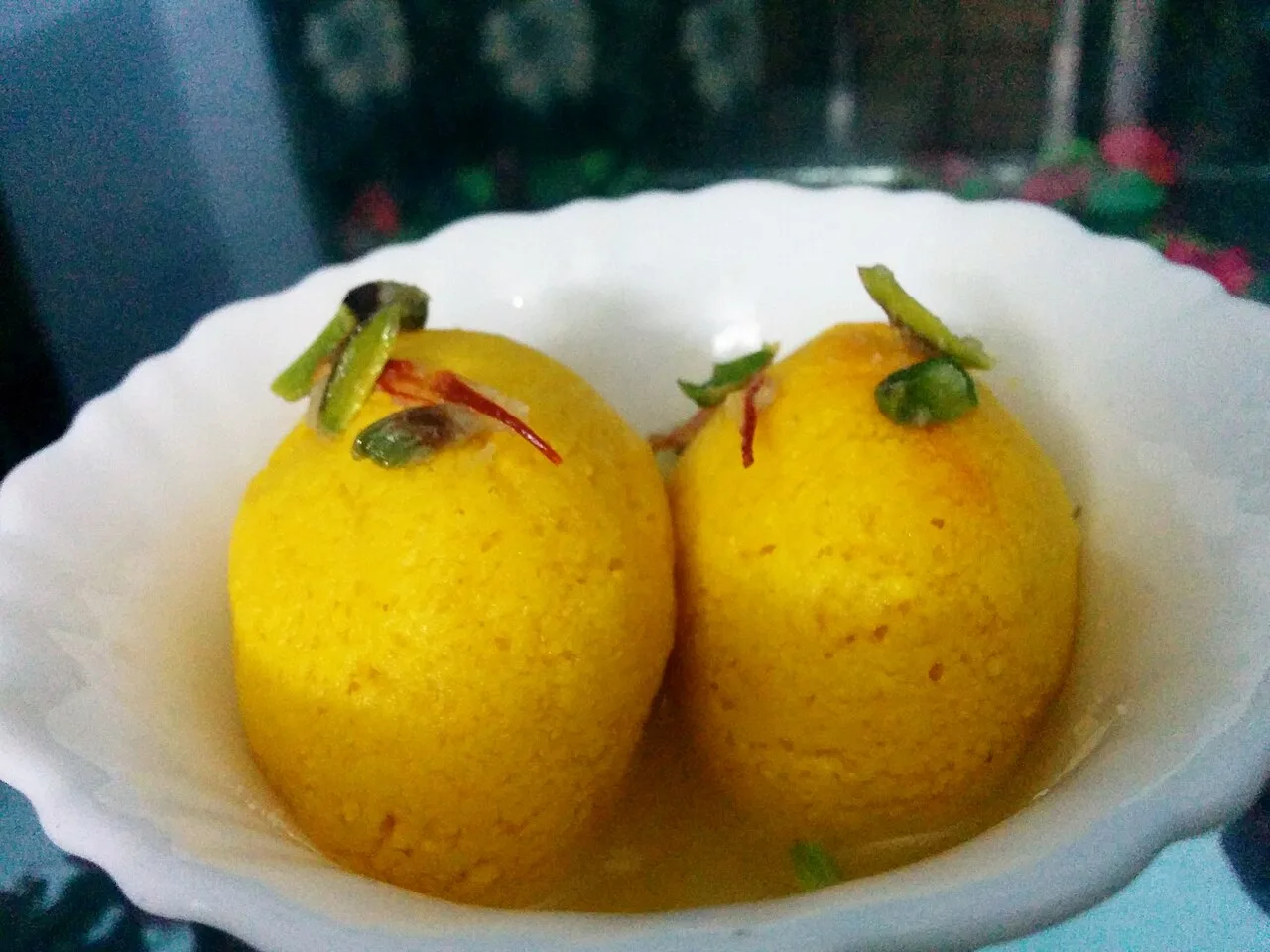
Siwan shares the food traditions of western Bihar and the Bhojpuri belt. Everyday meals often feature rice or roti with lentils, vegetables and seasonal ingredients; litti-chokha and sattu-based foods are familiar regional favourites. Thekua is commonly associated with festival offerings, while local sweet shops sell familiar North Indian and Bihari sweets. Recipes and tastes vary between households, and the markets are a good place to sample simple snacks and sweets.

Chhath Puja, observed mainly in autumn and again in spring, is a major occasion, with worshippers gathering at water bodies for ritual offerings. Holi, Diwali, Eid and Muharram are also observed by the city’s diverse communities. Bhojpuri and Hindi are widely used, with Urdu also heard. Folk forms from the Bhojpuri region—including biraha, kajri, chaita and sohar songs—feature at social and seasonal gatherings. Temples, mosques and other neighbourhood places of worship serve as important centres of community life.

Visiting the city

The most comfortable time to visit is generally from October to March, when days are cooler than in the hot pre-monsoon months. Monsoon rain can affect local travel, while summer brings high temperatures. Siwan Junction is the city’s main railway station. The nearest major airport is Gorakhpur Airport in Uttar Pradesh; Patna’s Jay Prakash Narayan International Airport is another option, though farther away by road.

Auto-rickshaws and cycle-rickshaws are useful for getting around the city, with taxis available for longer trips. The station area and central bazaar are practical places to explore for shops, food and a feel for daily city life. The western side offers views of the Daha River, whose flow varies by season. Visitors interested in district history can plan a separate outing to Ziradei, outside the city, associated with Dr Rajendra Prasad.

Trips from the city

Nearest places to visit from Siwan

Our closest destination guides, by straight-line distance.

Kesaria stupa

51 km away · East Champaran district

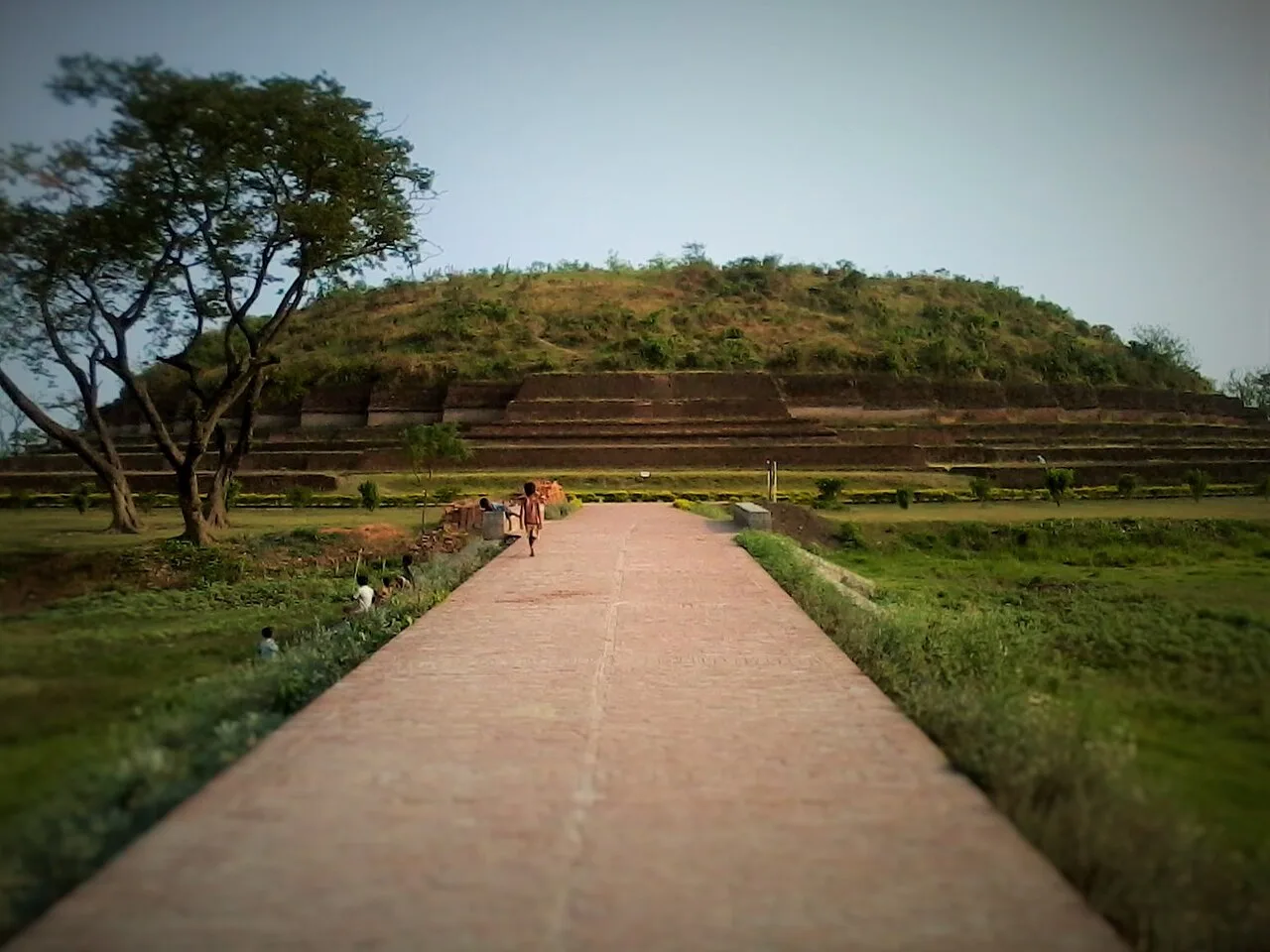
Kesaria stupa

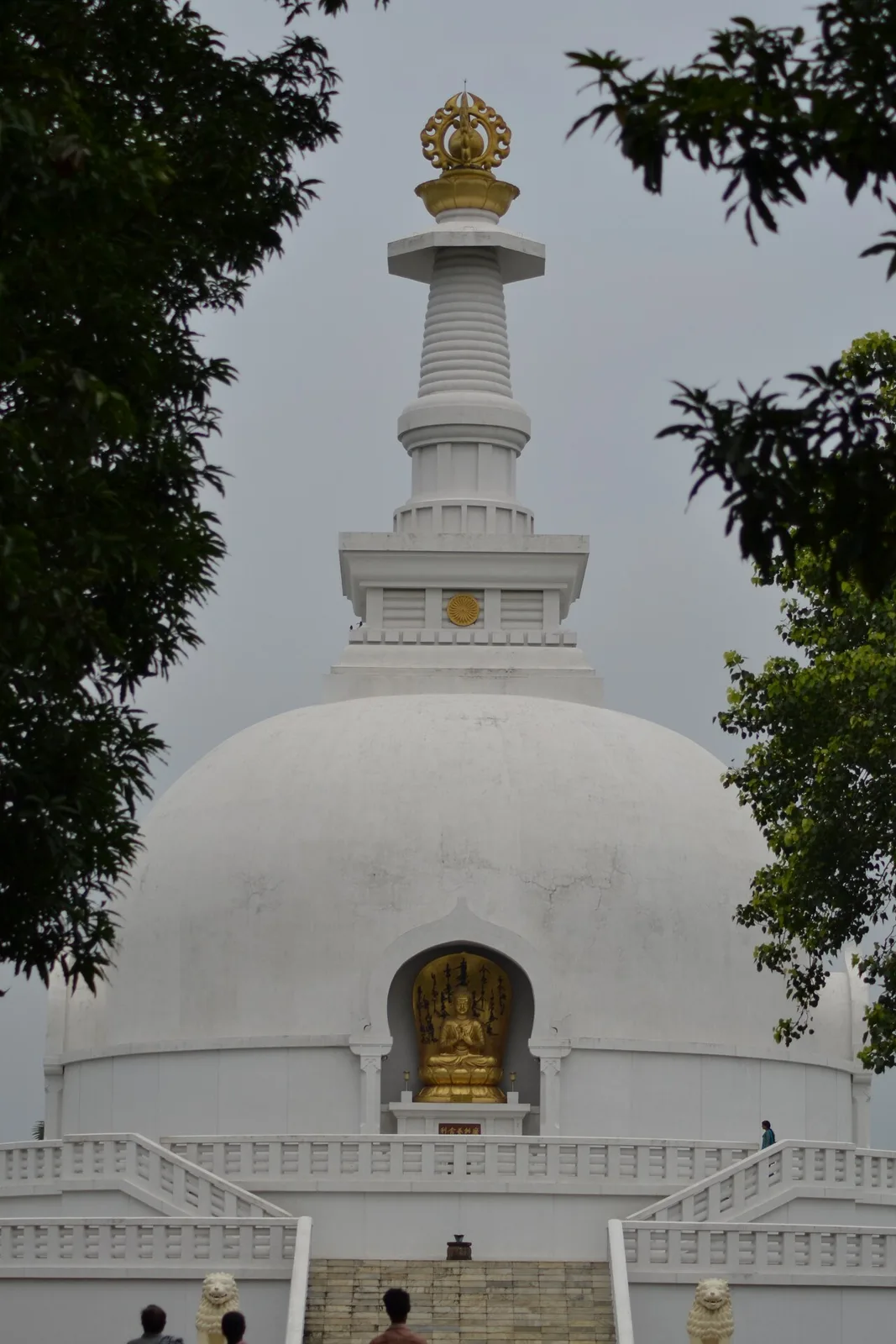
Kesariya Stupa is a Buddhist monument in Bihar’s East Champaran district, at Kesariya near Mehsi. Visitors come to see the structure, whose construction began in the third century BCE.

Vaishali

79 km away · Vaishali district

Vaishali

Vaishali is an archaeological site in Bihar associated with an ancient republic and important events in Buddhist and Jain history. Visitors come to see its stupas and Ashokan pillar and to explore these religious connections.

Buxar Fort

82 km away · Buxar district

Buxar Fort

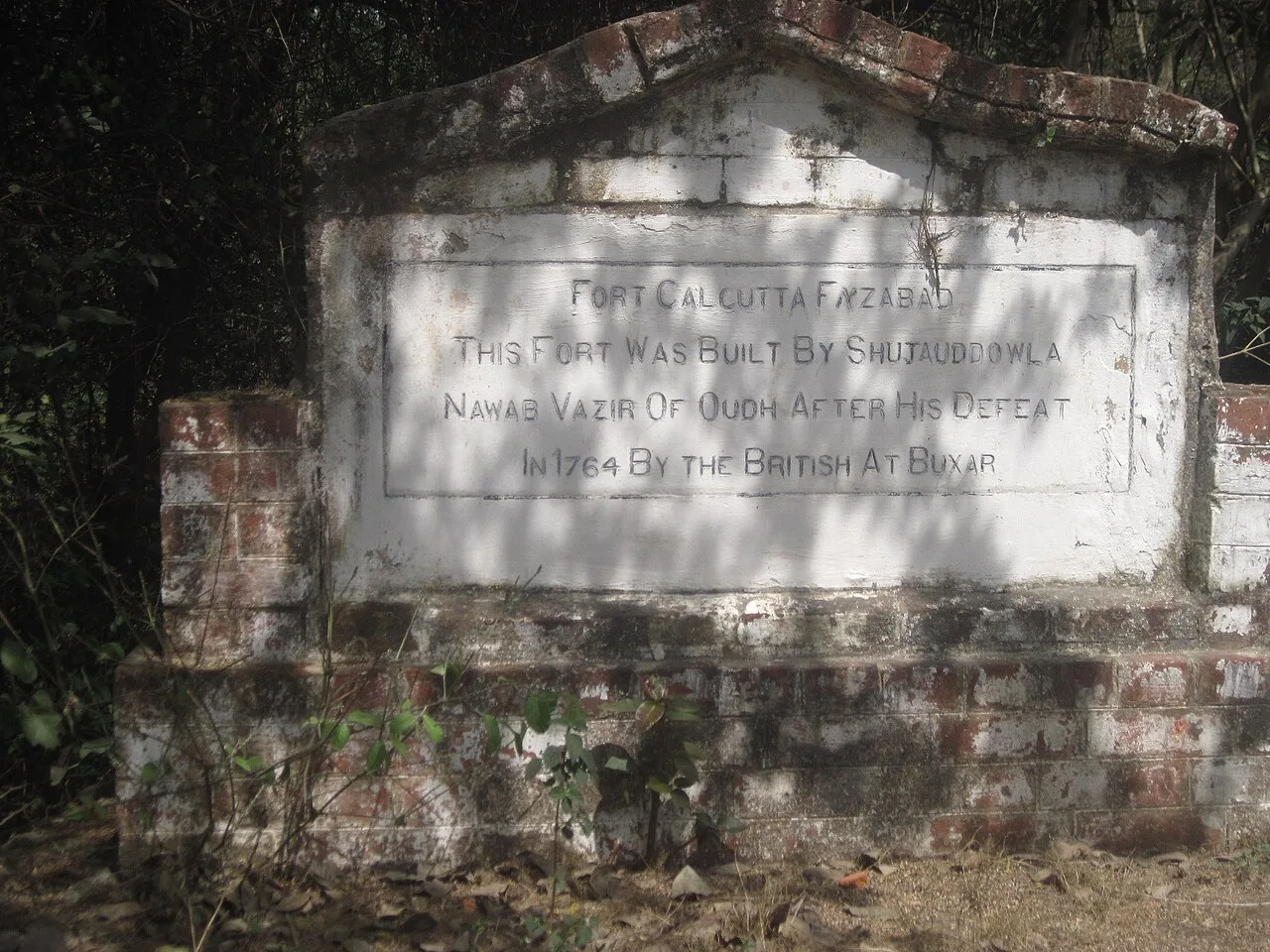
Buxar Fort is a fort in Bihar’s Buxar district, founded by King Rudra Deo. Its history and the city’s religious and cultural associations give visitors context for exploring the area.

Maner

82 km away · Patna district

Maner

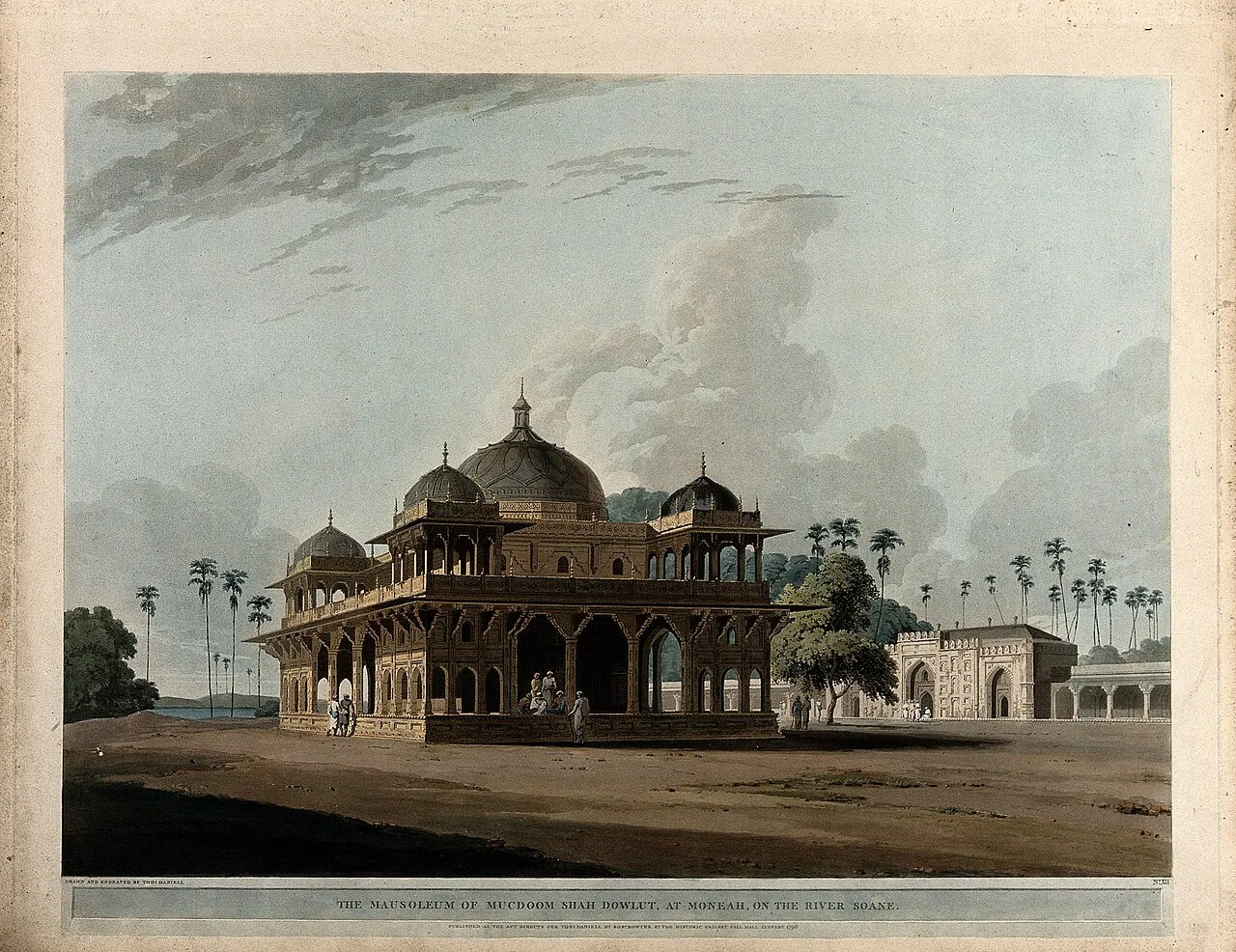
Maner, also called Maner Sharif, is a historic town and administrative block in Bihar’s Patna district. Visitors are drawn by its Mughal-era dargahs and its importance as a Sufi pilgrimage destination.

Lauria Nandangarh

87 km away · East Champaran district

Lauria Nandangarh

Lauria Nandangarh is a historic settlement in Bihar’s West Champaran district, known for an Ashokan pillar and a nearby mound, with Mauryan-period remains found in the area.

Sonpur

101 km away · Saran district

Sonpur

Sonpur, officially known as Sonepur, is a city in Bihar’s Saran district, beside the Gandaki and Ganges rivers. Visitors come for its cattle fair, which begins on Kartik Poornima and is Asia’s largest.

Bihar Museum

102 km away · Patna district

Bihar Museum

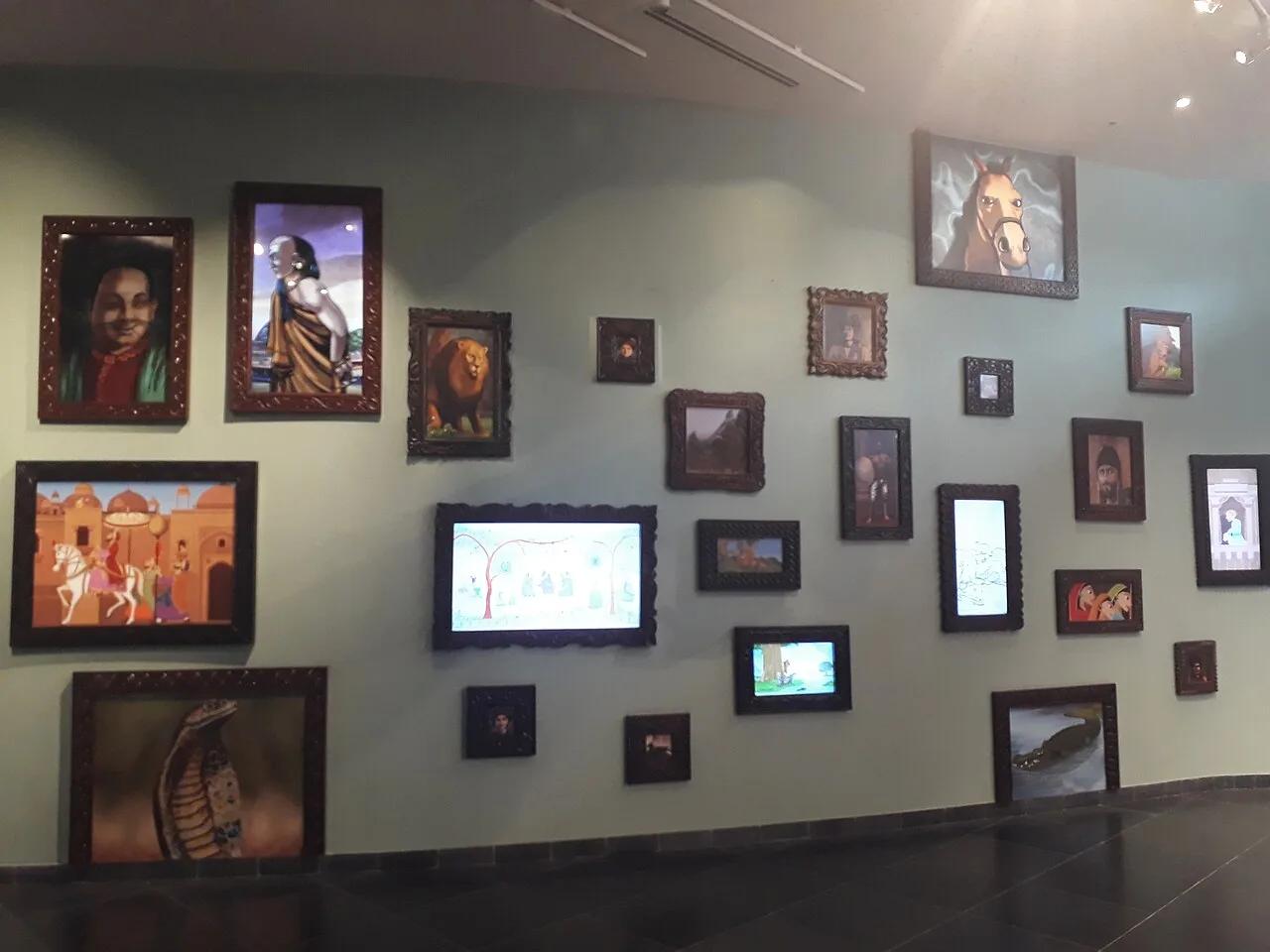
Bihar Museum is Patna’s state museum, with displays on Bihar’s history. Visitors can explore its galleries, children’s museum and distinctive arrangement of buildings and courtyards.

Patna Zoo

102 km away · Patna district

Patna Zoo

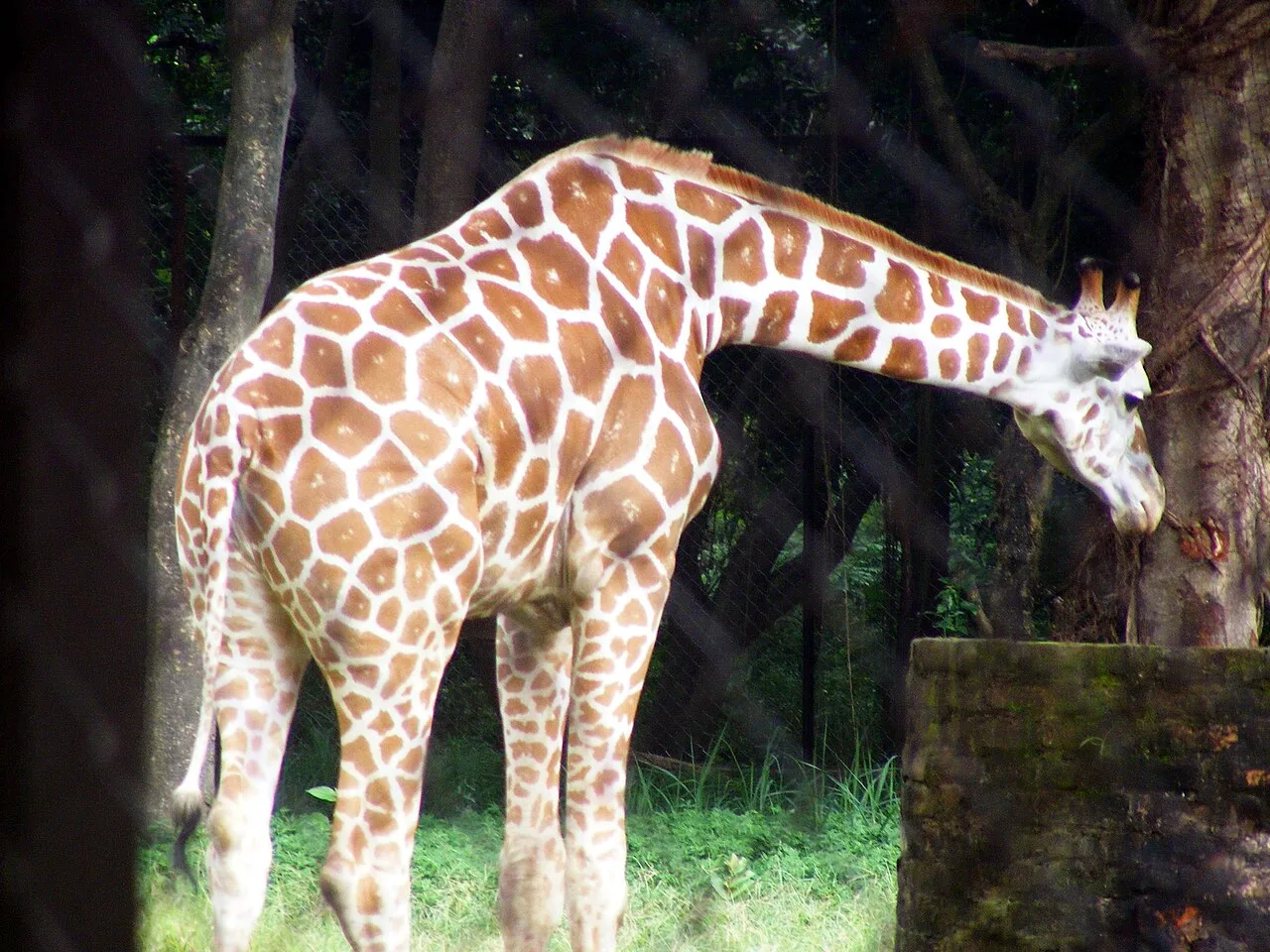
Patna Zoo is a zoological park in Bihar’s Patna district, near Bailey Road. People visit for picnics, with particularly large crowds on New Year’s Day.

Map

Siwan on the map

  1. 1Kesaria stupa
  2. 2Vaishali
  3. 3Buxar Fort
  4. 4Maner
  5. 5Lauria Nandangarh
  6. 6Sonpur
  7. 7Bihar Museum
  8. 8Patna Zoo

Bihar

Other cities to explore