Ghumoopedia — Explore, Discover, Experience
Sign in
Darbhanga, near Samastipur

City guide · Bihar

Samastipur

Samastipur is an administrative and transport centre in north Bihar. It is the headquarters of Samastipur district and belongs to Darbhanga division.

Famous for

  • Samastipur Junction
  • Burhi Gandak River
  • Pusa agricultural university
  • Mithila cultural traditions
  • Regional produce markets

Why Samastipur matters

Samastipur is an administrative and transport centre in north Bihar. It is the headquarters of Samastipur district and belongs to Darbhanga division. The Burhi Gandak flows through the city, while Samastipur Junction connects it with towns and cities across Bihar and beyond. The station is a major rail hub for North Bihar, and the city also serves as the headquarters of one of the East Central Railway’s divisions.

For visitors, Samastipur is less a destination of grand monuments than a useful base for experiencing the region’s everyday life. Its busy markets, river setting and links to the surrounding agricultural countryside give it a distinctly local character. Nearby Pusa is associated with agricultural education and research through Dr Rajendra Prasad Central Agricultural University, an important institution for the region. Travellers may stop here en route to other parts of Mithila, or use the city to explore local food, festivals and market life. The city’s importance lies in the combination of administration, railways and agriculture that supports communities across the district.
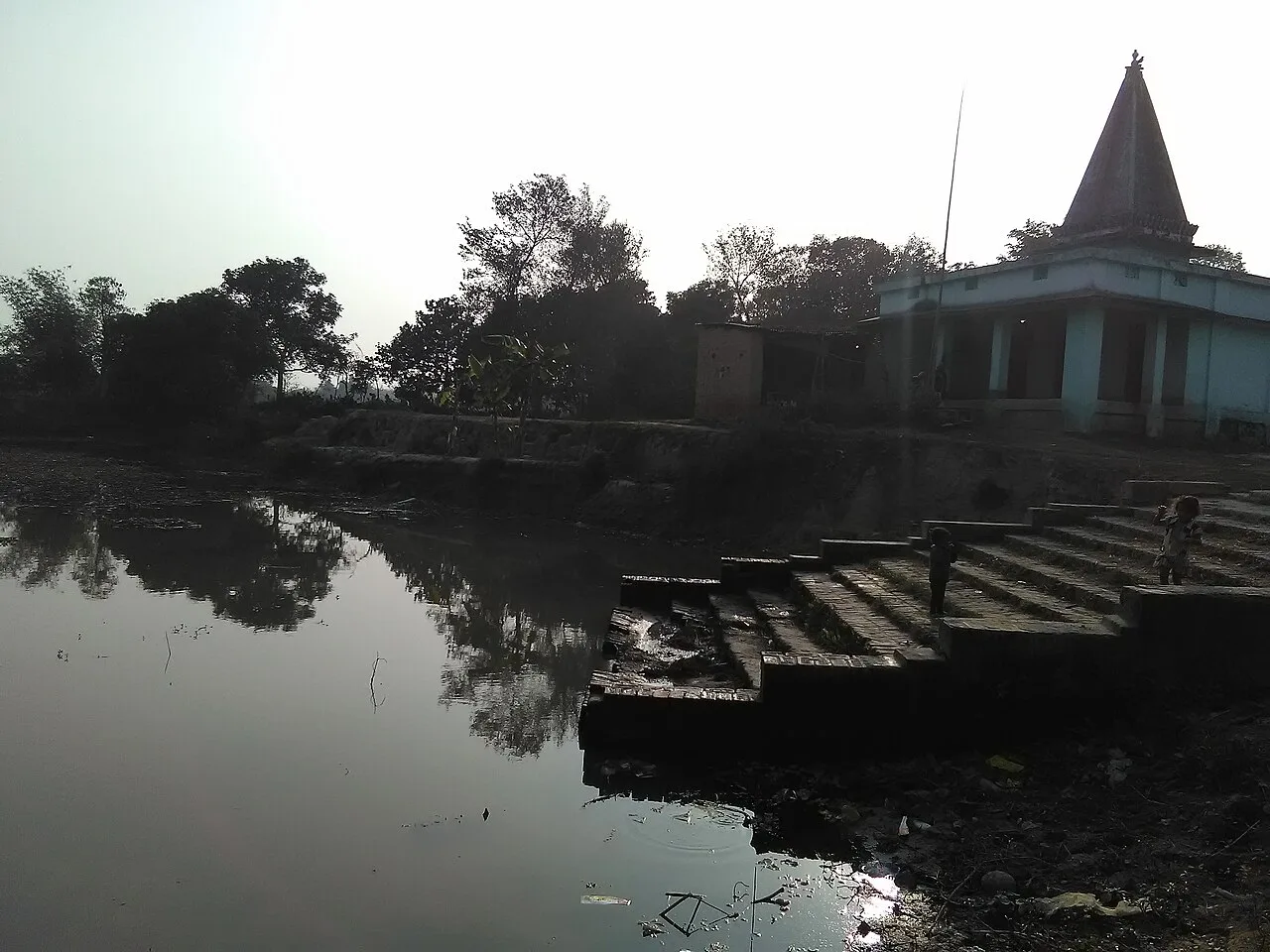
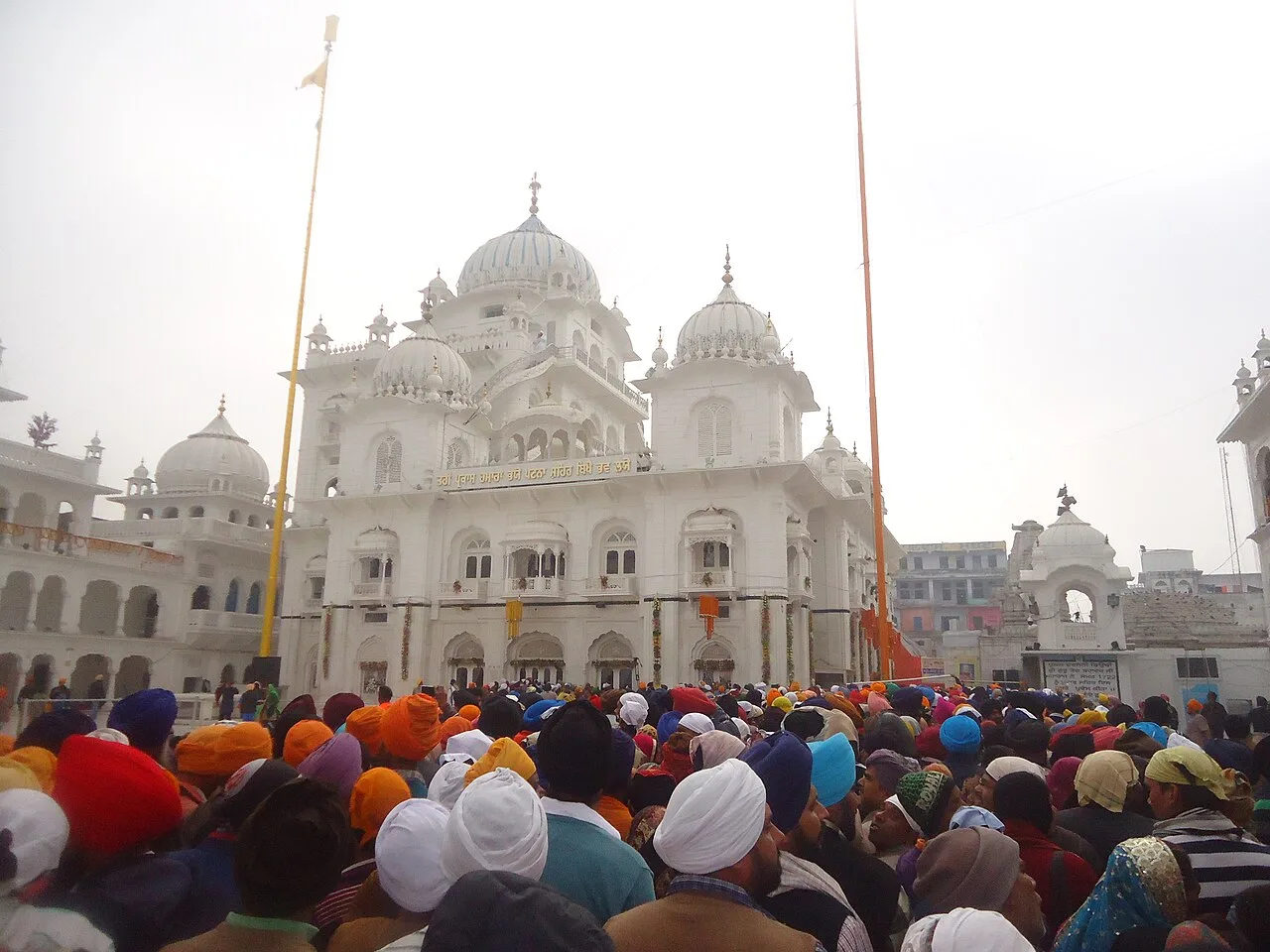
Famous for: crafts, trade & products

Samastipur is best known for its railway and administrative roles rather than for a signature textile, craft or GI-tagged product. The surrounding district is agriculturally productive, and town markets serve local shoppers and traders with everyday goods and produce from the wider countryside. Depending on the season, market stalls may offer fresh vegetables, grains and other regional foods. For a feel of local commerce, explore the central bazaar streets and the busy areas around the railway station; these are practical places to browse shops and sample snacks, rather than specialist craft-shopping districts.

The city’s strongest institutional association is with agriculture. Pusa, near Samastipur, is home to Dr Rajendra Prasad Central Agricultural University, whose work and educational role connect the city to farming across Bihar. Visitors interested in this agricultural identity can learn about the region through the university’s public-facing activities where available, while respecting campus access rules. Samastipur does not have a widely established reputation for a particular saree tradition or handicraft, so shoppers looking for those are better served by asking locally about current markets and regional sellers rather than expecting a dedicated craft quarter.

History

Samastipur’s development reflects its position in the Mithila region, where settlements and local centres grew around farming, river routes and changing systems of administration. The area passed through the influence of successive regional and north Indian powers, though the city is not chiefly known for a surviving royal complex or a single monumental historic site. Its older story is better understood through the wider history of north Bihar and the communities that have lived along the Burhi Gandak.

Railway expansion during the colonial period helped transform Samastipur into a significant junction and encouraged the growth of trade and services around the station. In modern India, it became the district headquarters and a major railway administrative centre within the East Central Railway network. Agricultural education and research at nearby Pusa further strengthened the area’s role in farming and rural development. Today, Samastipur’s identity is shaped by these practical functions: district administration, rail connections and its links to the agricultural hinterland.

Food, festivals & culture

Samastipur shares the food traditions of north Bihar and Mithila. Everyday meals commonly draw on rice, lentils, seasonal vegetables and locally available produce. Litti chokha, sattu preparations and snacks made from flattened rice are familiar regional choices; thekua, a sweet often prepared for Chhath, is especially associated with festive offerings. Sweets and savoury snacks are available from neighbourhood shops and market stalls, though menus vary by season and household.

Chhath, observed mainly in autumn and again in spring, is a major festival in the region, with worship and offerings made to the Sun. Holi, Diwali, Durga Puja, Eid and local religious observances also shape the calendar. Maithili and Hindi are widely used, with Urdu and other regional languages heard in the area. Folk songs and devotional music are important at family and community gatherings. Temples and mosques across the city serve local worshippers; during festivals, neighbourhood shrines and river-facing spaces can become especially active. Mithila’s cultural traditions are part of daily life, alongside the city’s busy, modern rhythm.

Visiting the city

The cooler, drier months from roughly October to March are generally the most comfortable time to visit. Summers can be hot, while the monsoon brings heavy rain and may affect local travel. The nearest airport is Darbhanga Airport; Patna’s airport is another option for broader flight connections. Samastipur Junction is the city’s main railway station and a major arrival point.

Auto-rickshaws and local taxis are practical for getting around; confirm the destination before setting off. Explore the central market streets for everyday shopping and food, the station area for its bustle, and accessible stretches near the Burhi Gandak for a sense of the city’s river setting. Pusa, with its agricultural university, is a nearby point of interest, but check access arrangements before visiting. Samastipur also works well as a base for journeys around the district.

Trips from the city

Nearest places to visit from Samastipur

Our closest destination guides, by straight-line distance.

Darbhanga

36 km away · Darbhanga district

Darbhanga

Darbhanga is a major city and municipal corporation in Bihar, serving as the administrative centre of its district and division. Visitors encounter a longstanding centre of Mithila’s cultural, literary and musical traditions.

Madhubani

62 km away · Madhubani district

Madhubani

Madhubani is a city in Bihar’s Mithila region and the headquarters of its district. Visitors may be drawn by its regional identity and administrative importance.

Takht Sri Patna Sahib

62 km away · Patna district

Takht Sri Patna Sahib

Takht Sri Patna Sahib, in Patna, Bihar, is among Sikhism’s five takhts. Visitors come to worship and pay their respects at this important Sikh religious site.

Sonpur

63 km away · Saran district

Sonpur

Sonpur, officially known as Sonepur, is a city in Bihar’s Saran district, beside the Gandaki and Ganges rivers. Visitors come for its cattle fair, which begins on Kartik Poornima and is Asia’s largest.

Agam Kuan

65 km away · Patna district

Agam Kuan

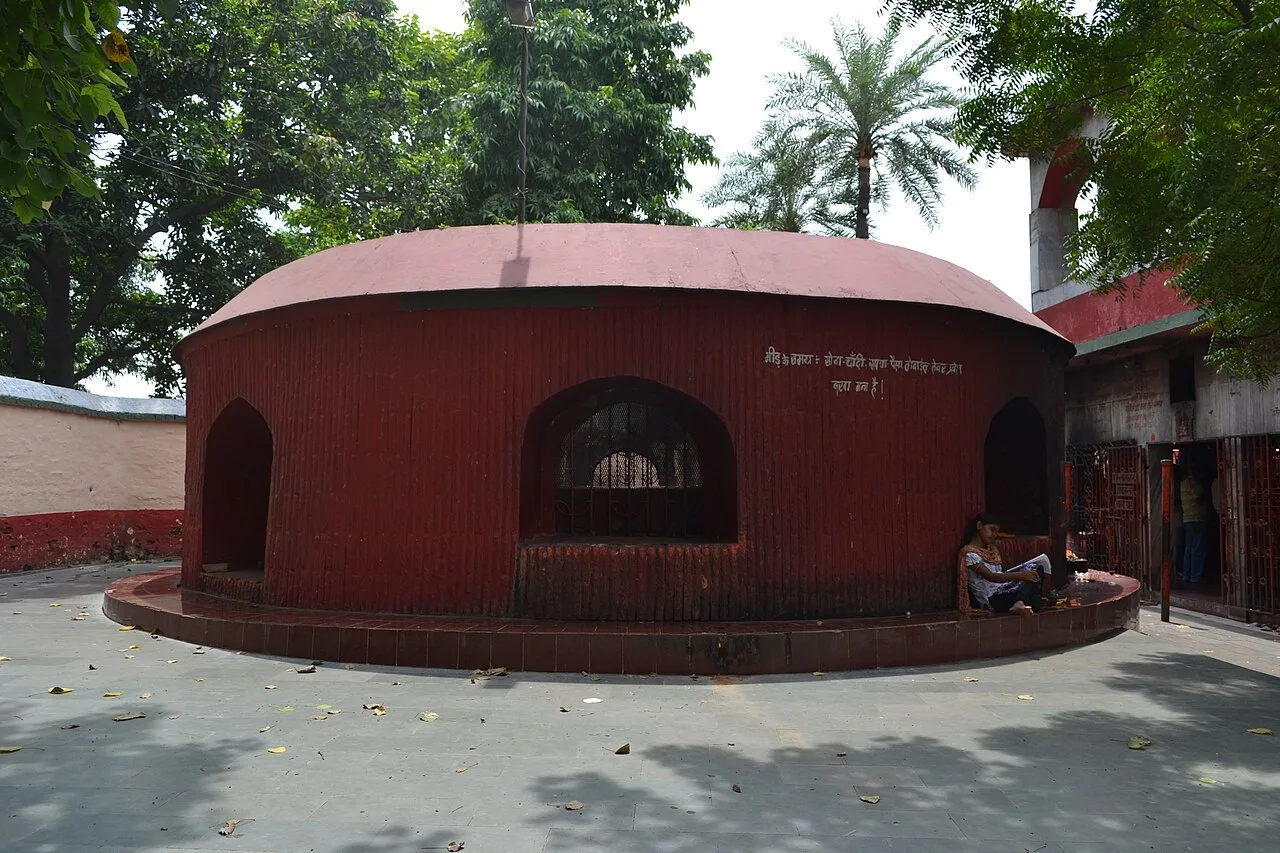
Agam Kuan is a historic circular well and archaeological site in Patna, Bihar, traditionally linked to Ashoka’s Mauryan era. Visitors also worship at the adjoining Shitala Devi temple, where the goddess and Saptamatrikas are venerated.

Kumhrar

66 km away · Patna district

Kumhrar

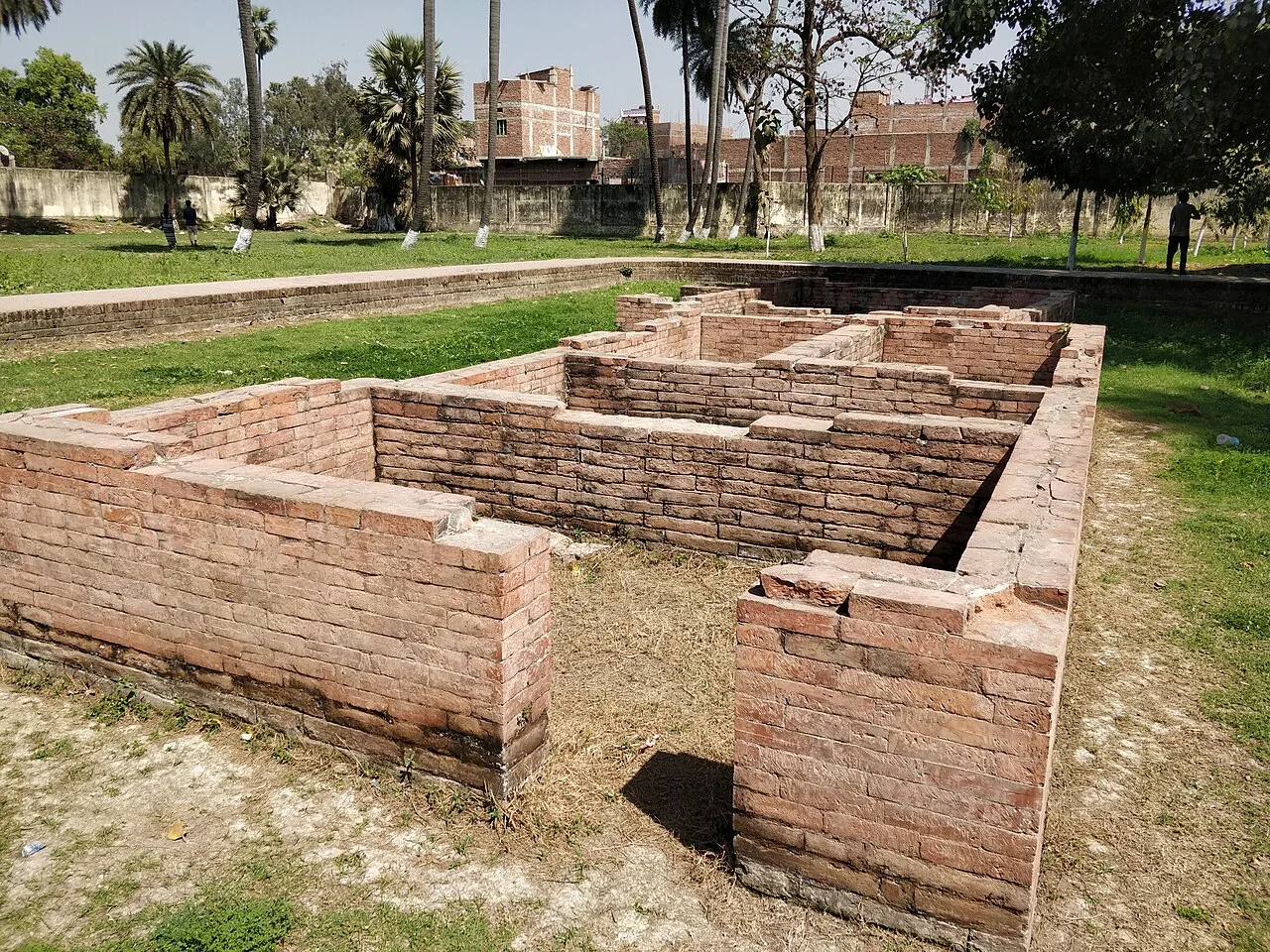
Kumhrar is an archaeological site in Patna connected with the remains of Pataliputra. Visitors come to see excavated traces of the city, including the remains of an 80-pillared hall.

Gandhi Maidan

68 km away · Patna district

Gandhi Maidan

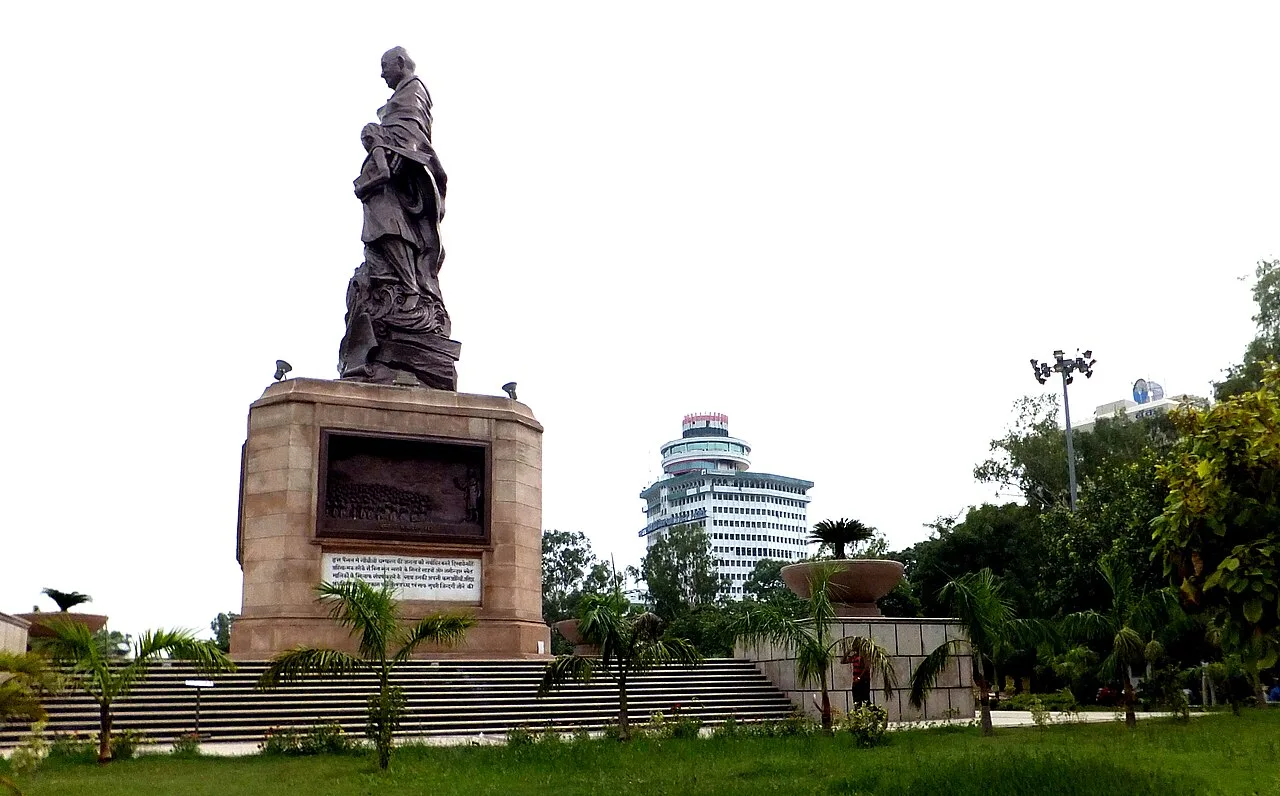
Gandhi Maidan is a historic open space in Patna, Bihar, near the Ganges. People visit a site linked to the freedom movement and significant political gatherings.

Vaishali

69 km away · Vaishali district

Vaishali

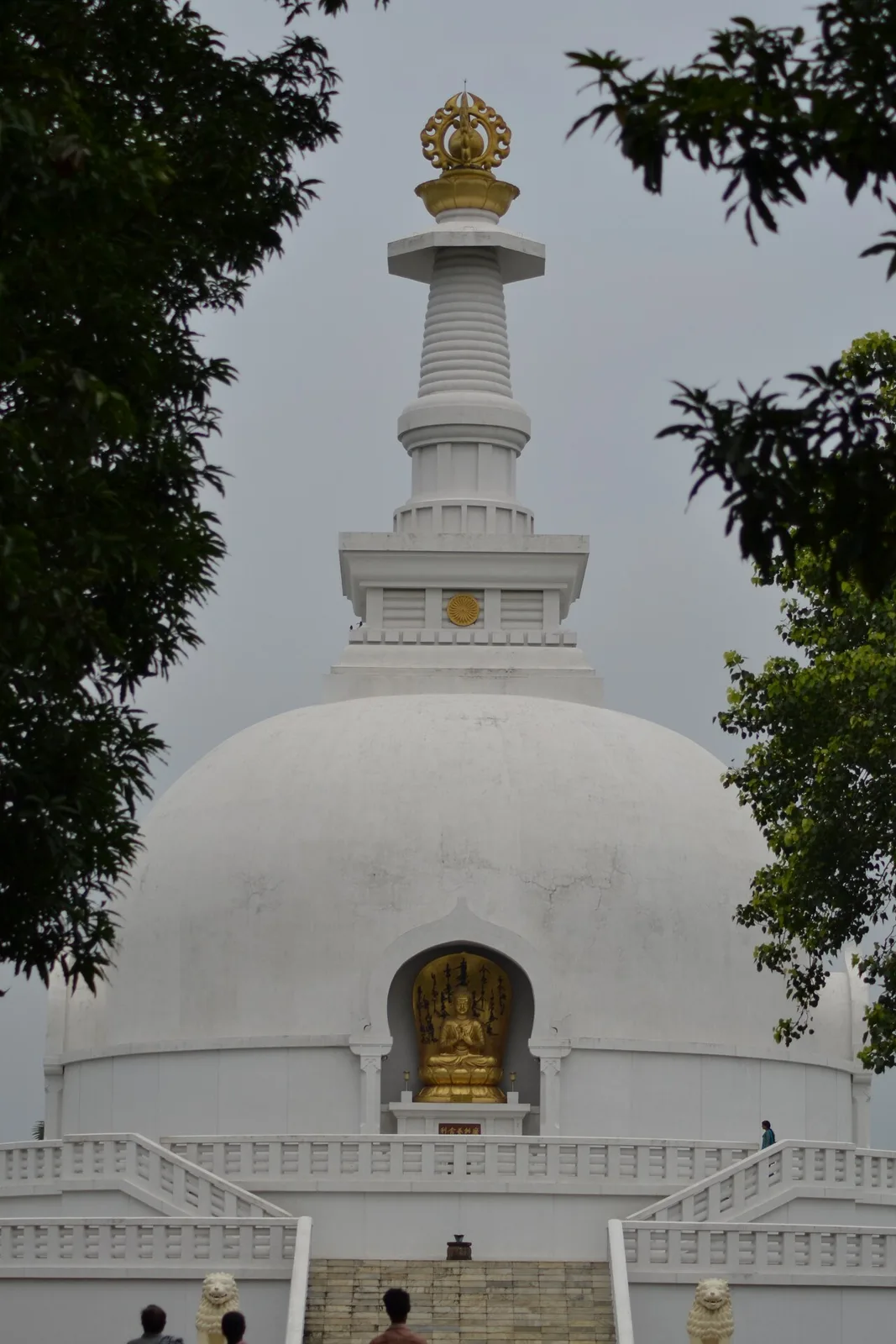
Vaishali is an archaeological site in Bihar associated with an ancient republic and important events in Buddhist and Jain history. Visitors come to see its stupas and Ashokan pillar and to explore these religious connections.

Map

Samastipur on the map

  1. 1Darbhanga
  2. 2Madhubani
  3. 3Takht Sri Patna Sahib
  4. 4Sonpur
  5. 5Agam Kuan
  6. 6Kumhrar
  7. 7Gandhi Maidan
  8. 8Vaishali

Bihar

Other cities to explore