Ghumoopedia — Explore, Discover, Experience
Sign in
Bhimbandh Wildlife Sanctuary, near Mokama

City guide · Bihar

Mokama

Mokama is a town in Patna district, about 90 km east of Patna on the southern bank of the Ganges. Its position makes it an important link between north and south Bihar.

Famous for

  • Ganges-side location
  • Mokama lentil trade
  • Prafulla Chaki memorial
  • Bharat Wagon legacy
  • Rail-road connections

Why Mokama matters

Mokama is a town in Patna district, about 90 km east of Patna on the southern bank of the Ganges. Its position makes it an important link between north and south Bihar. Rail services run through Mokama Junction on the Patna–Howrah main line, while road connections meet around nearby Hathidah, where NH 80 and NH 31 intersect. The river is also part of the wider National Waterway 1 corridor.

The town’s importance is rooted in agriculture, transport and industry. The surrounding region is known for lentil cultivation, and local trade serves farming communities as well as travellers moving through this part of the state. Mokama’s post-independence industrial story is associated with the Bharat Wagon engineering works, whose legacy remains significant to local families. Visitors may come to see the Ganges-side landscape and the Shaheed Gate commemorating freedom fighter Prafulla Chaki. Mokama is best understood as a working regional centre: a useful stop on Bihar’s transport network, with a history and identity shaped by movement, farming and civic memory.
Famous for: crafts, trade & products

Mokama is best known for its agricultural setting and lentil production. Lentils and other farm goods are handled through local trade and markets, which serve the town and the surrounding rural area. Visitors looking for local produce can explore the town’s general market areas and ask vendors about seasonal pulses. The town is not particularly known for a signature textile, handicraft or GI-tagged product, so it is better approached as an agricultural and transport centre than as a specialist craft-shopping destination.

Industry is another part of Mokama’s identity. The Bharat Wagon engineering works emerged as an important source of employment after independence, and the company’s history remains closely associated with the town, even though its former industrial role should not be mistaken for a guaranteed operating attraction today. Mokama’s rail connection and its proximity to the road junction at Hathidah have also supported commerce and movement of goods. For travellers, the most accessible way to experience this working-town character is to visit the central market streets and observe the everyday trade rather than expect a curated craft district or dedicated product museum.

History

Mokama’s location beside the Ganges and along routes linking northern and southern Bihar has long given it a practical importance as a crossing and market town. Its growth has been shaped less by a famous royal court or monumental urban centre than by regional movement, agriculture and transport. Rail connections strengthened its role, with Mokama Junction serving the Patna–Howrah main line and nearby Hathidah linking major highways.

During British rule, Mokama was connected to the struggle for independence. Prafulla Chaki, the revolutionary freedom fighter, was martyred here; a Shaheed Gate marks the place associated with his death, and residents commemorate his sacrifice. Lalldin Saheb, another freedom activist from Mokama, was imprisoned under British rule and later became known for public service. After independence, the town developed as an industrial area, with Bharat Wagon Engineering Company becoming an important employer. Its reopening was also associated with Lalldin Saheb’s efforts. Agriculture, transport and the changing fortunes of local industry have continued to shape Mokama’s modern identity.

Food, festivals & culture

Everyday food in Mokama reflects the broader cuisine of Bihar: rice or roti with dal, seasonal vegetables, and familiar home-style dishes. Litti-chokha is widely associated with the region, while sweets and snacks are available through local shops and markets; Mokama is not especially known for a single signature dish. Hindi is widely used, and Magahi is also heard in local conversation, alongside other languages spoken by residents and visitors.

Chhath is a major festival in the region, observed in autumn after Diwali and again in spring, with prayers and offerings made at rivers and other water bodies. Holi, Diwali, and Eid are also part of the town’s calendar. Devotional songs and regional folk music are heard at festivals and family gatherings; performance traditions vary by event rather than being centred on a single local dance form. Hindu temples, mosques and neighbourhood places of worship serve residents, while the Ganges-side ghats become especially meaningful during religious observances. Visitors should be respectful at worship sites and during festival rituals.

Visiting the city

October to March is generally the most comfortable period to visit, with cooler weather than the hot summer months and less monsoon disruption. The nearest major airport is Jay Prakash Narayan International Airport in Patna. Mokama Junction is the town’s main railway station, on the Patna–Howrah main line. Road access is convenient through the highway junction at nearby Hathidah.

Auto-rickshaws and local road transport are practical for getting around town; confirm the destination before setting out. Explore the central market streets for everyday local life, the Ganges-side ghats for river views, and the Shaheed Gate area for its freedom-movement association. Hathidah is also worth noting as a nearby transport junction. Mokama is primarily a working town, so plan visits around its markets, riverfront and memorial rather than expecting a large cluster of visitor facilities.

Trips from the city

Nearest places to visit from Mokama

Our closest destination guides, by straight-line distance.

Bhimbandh Wildlife Sanctuary

40 km away · Munger district

Bhimbandh Wildlife Sanctuary

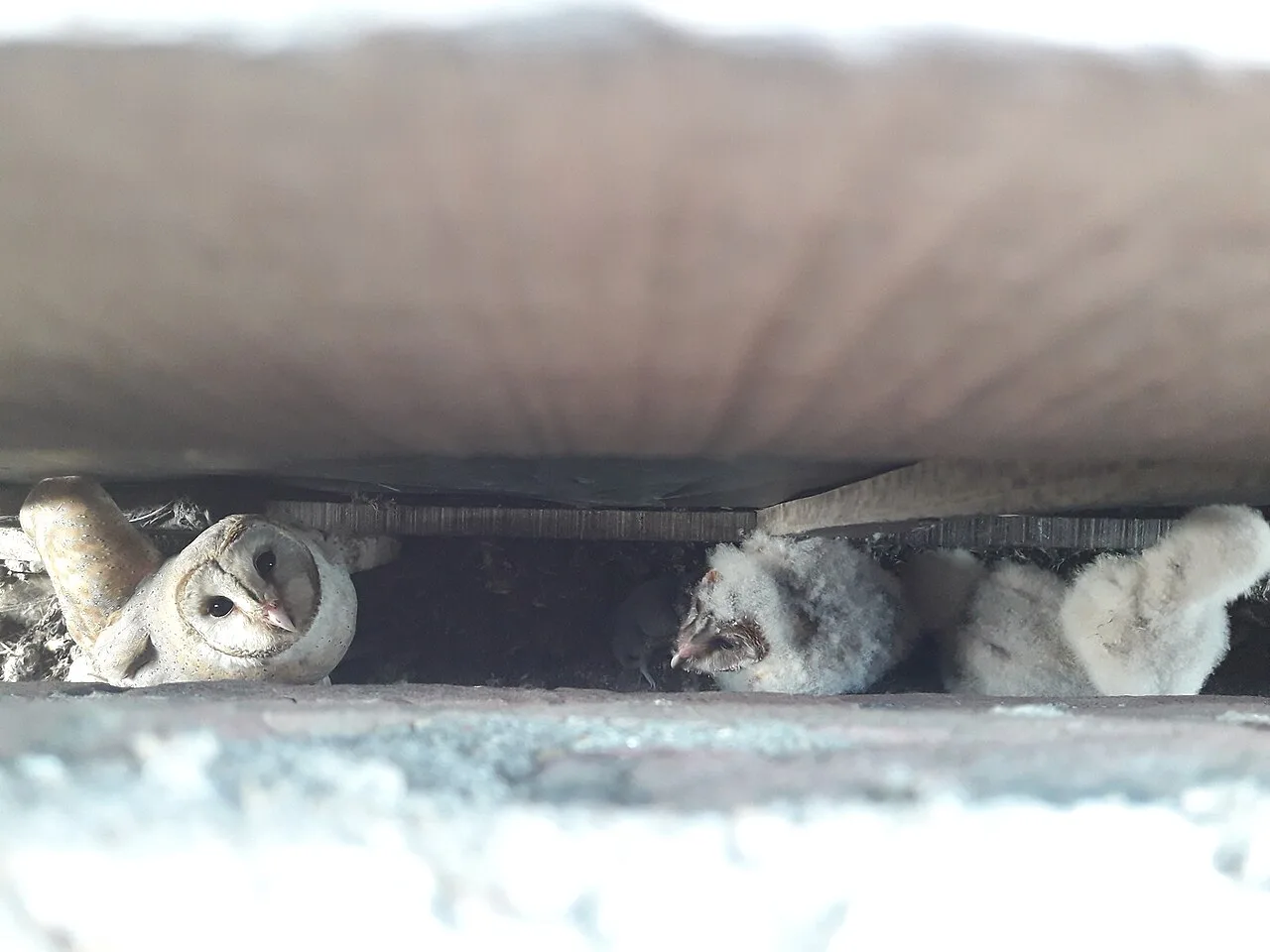
In Bihar’s Munger district, Bhimbandh Wildlife Sanctuary is a sanctuary devoted to wildlife. Visitors come to spend time in this wildlife-focused place in the district’s south-west.

Vishwa Shanti Stupa

46 km away · Gaya district

Vishwa Shanti Stupa

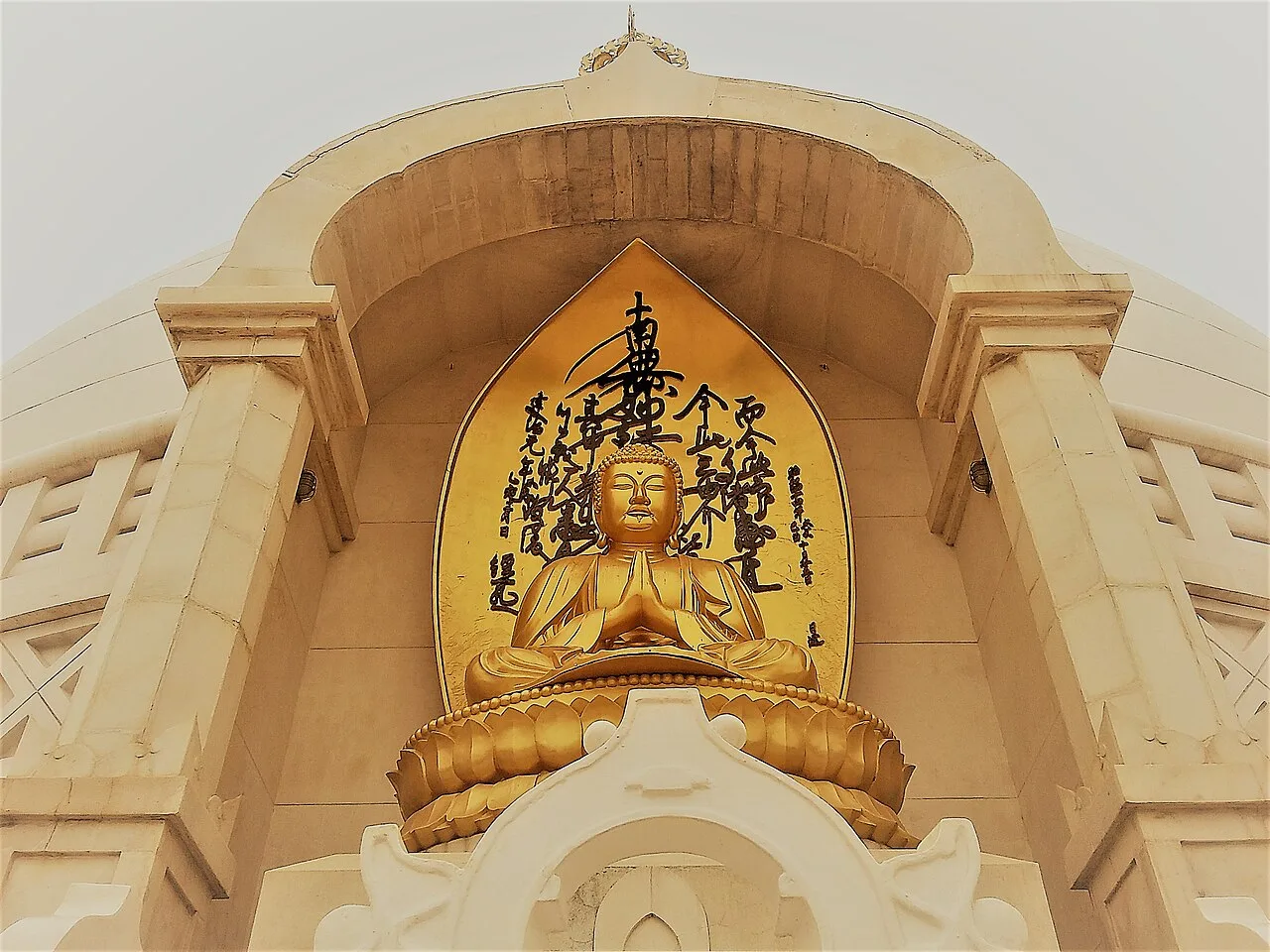
Vishwa Shanti Stupa is a white Buddhist pagoda in Rajgir, visited for its Buddha statues, nearby Japanese temple and park, and prayers for peace.

Pawapuri

51 km away · Gaya district

Pawapuri

Pawapuri, also called Pavapuri, is a Jain sacred site in Bihar’s Nalanda district. People travel there on pilgrimage because it is associated with Mahavira’s nirvana.

Munger Fort

55 km away · Munger district

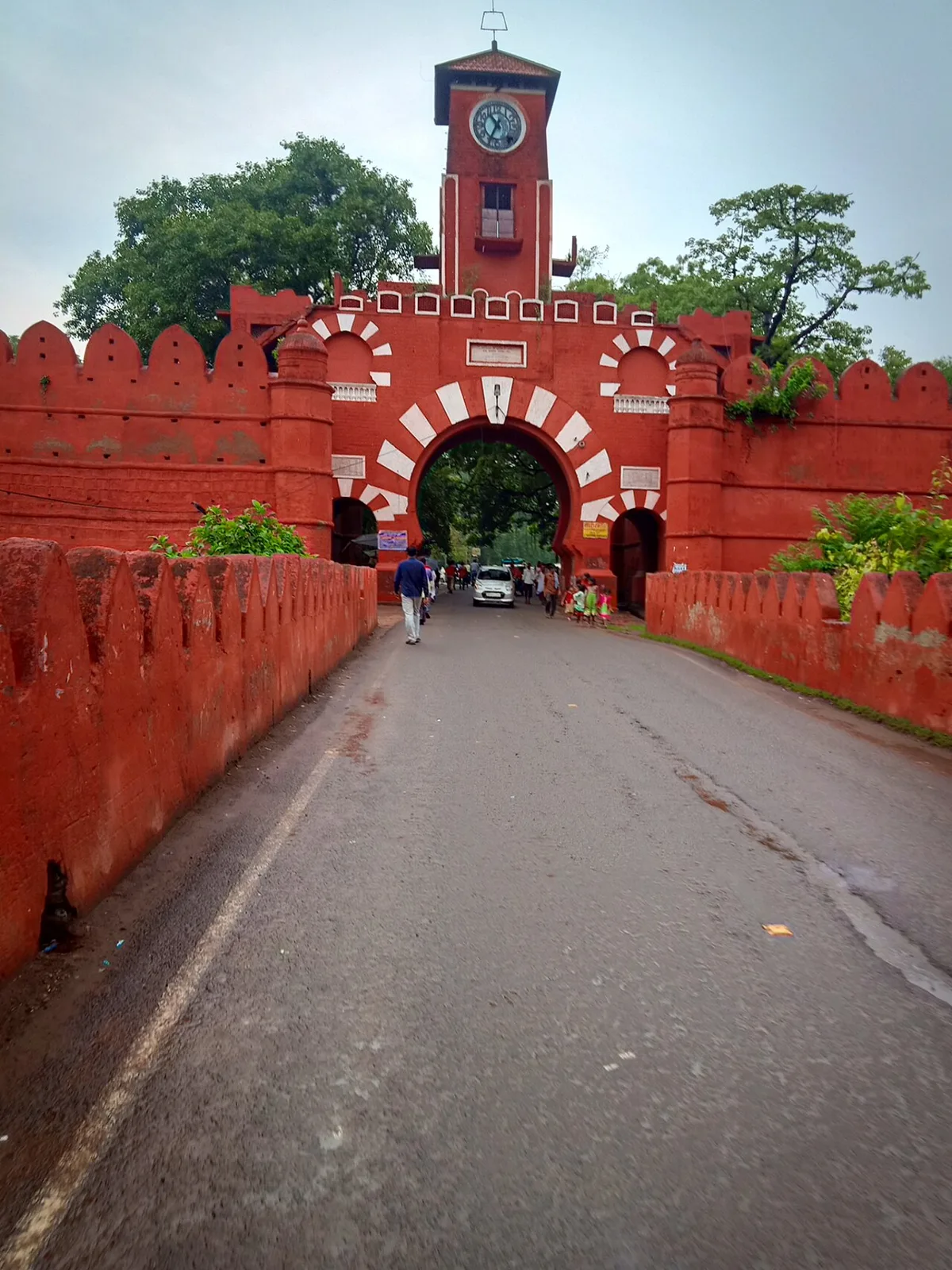
Munger Fort

Munger Fort is a historic stronghold in Bihar, set on a rocky rise beside the Ganges. Visitors come to see its tombs, palace, temple, riverside ghat and British-era cemetery.

Nalanda mahavihara

56 km away · Nalanda district

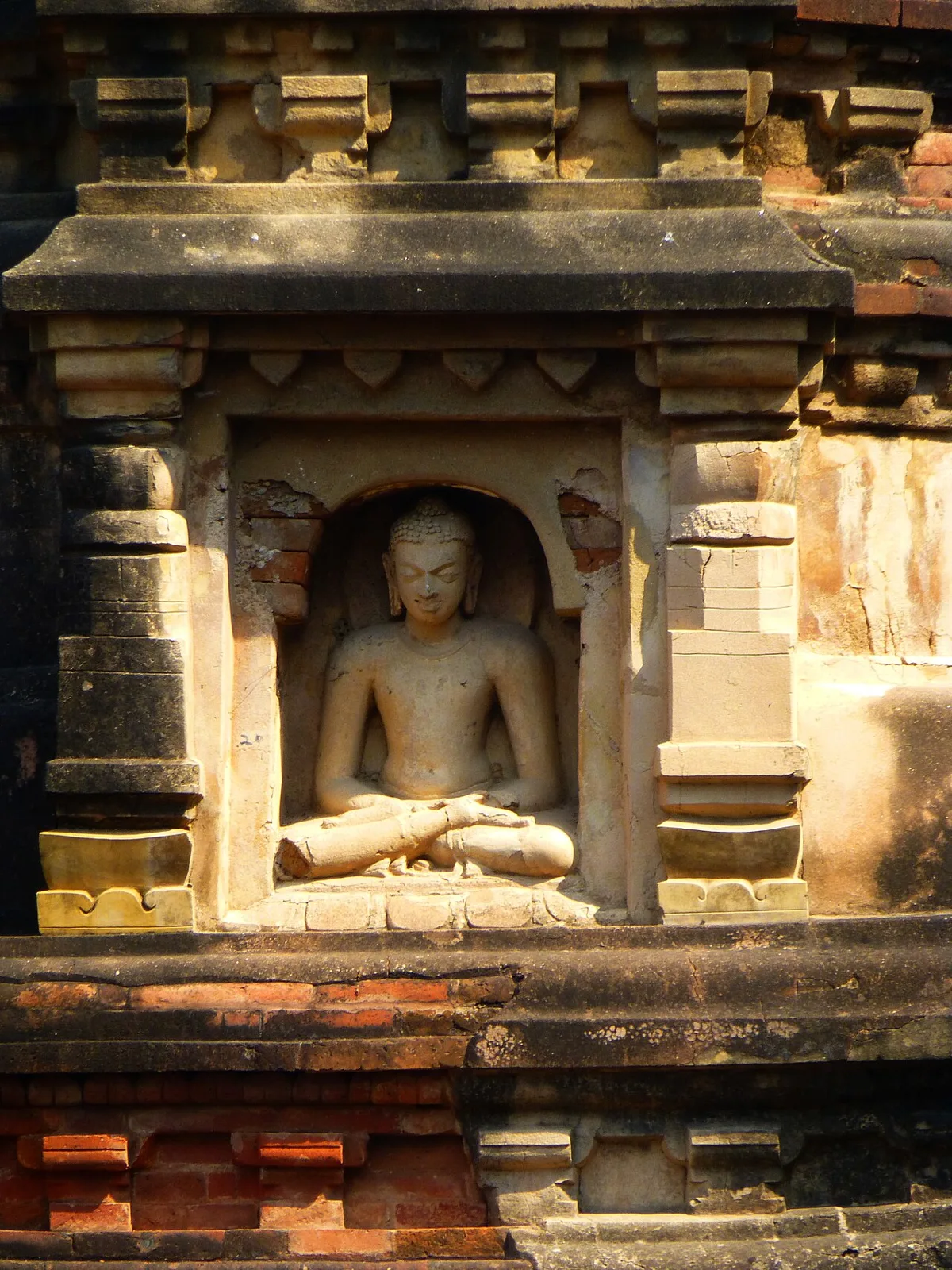
Nalanda mahavihara

Nalanda is the site of a major Buddhist monastery in Bihar, visited for its history as a long-lived centre of learning and its role in Mahayana Buddhism.

Takht Sri Patna Sahib

73 km away · Patna district

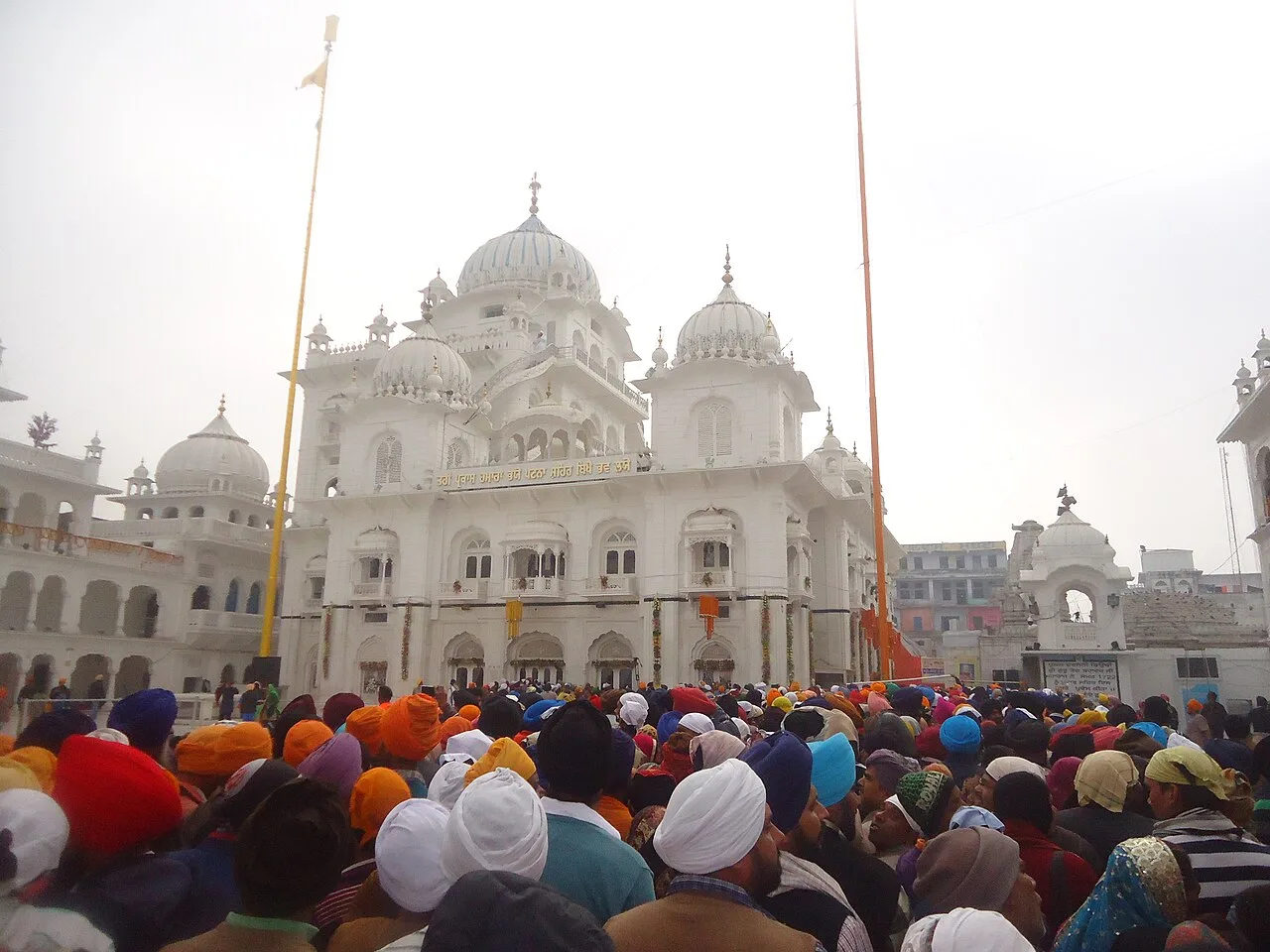
Takht Sri Patna Sahib

Takht Sri Patna Sahib, in Patna, Bihar, is among Sikhism’s five takhts. Visitors come to worship and pay their respects at this important Sikh religious site.

Agam Kuan

76 km away · Patna district

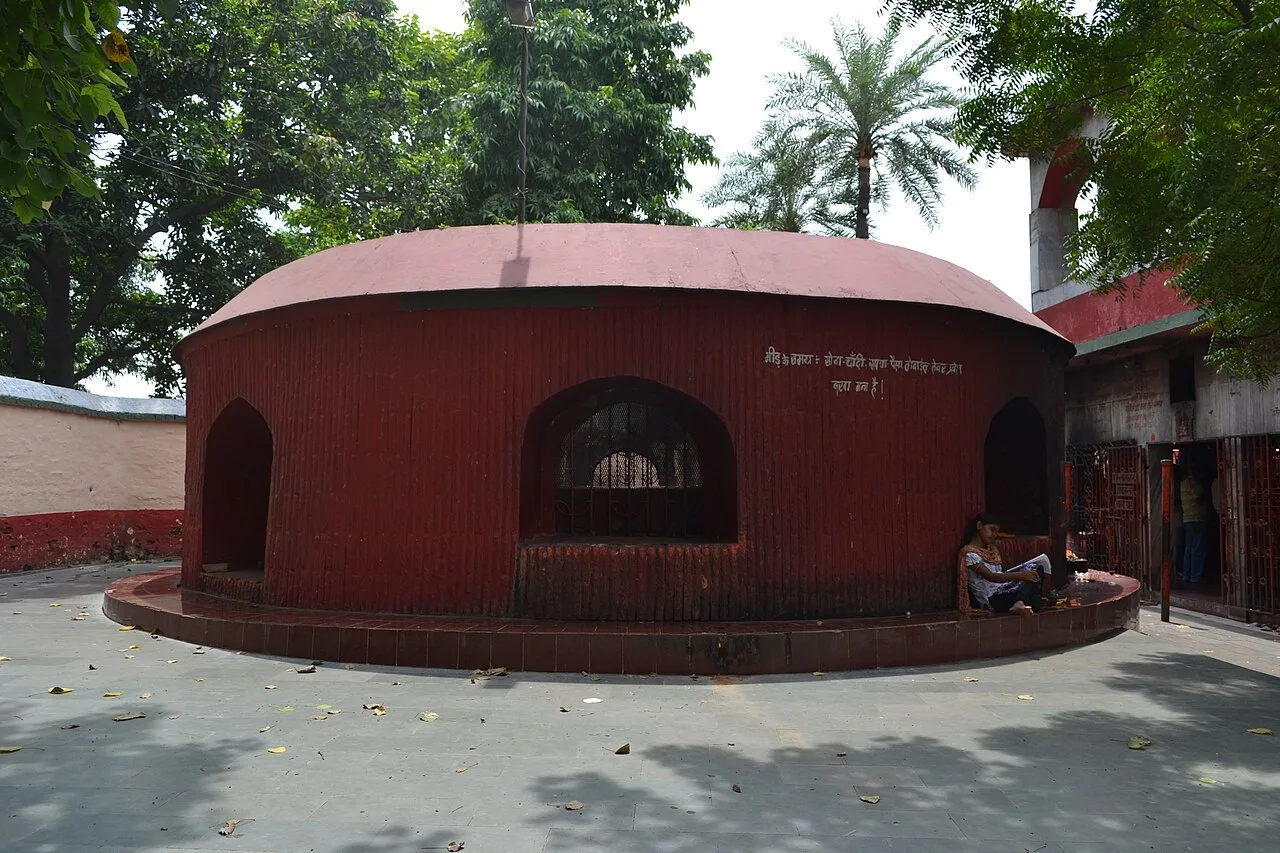
Agam Kuan

Agam Kuan is a historic circular well and archaeological site in Patna, Bihar, traditionally linked to Ashoka’s Mauryan era. Visitors also worship at the adjoining Shitala Devi temple, where the goddess and Saptamatrikas are venerated.

Kumhrar

77 km away · Patna district

Kumhrar

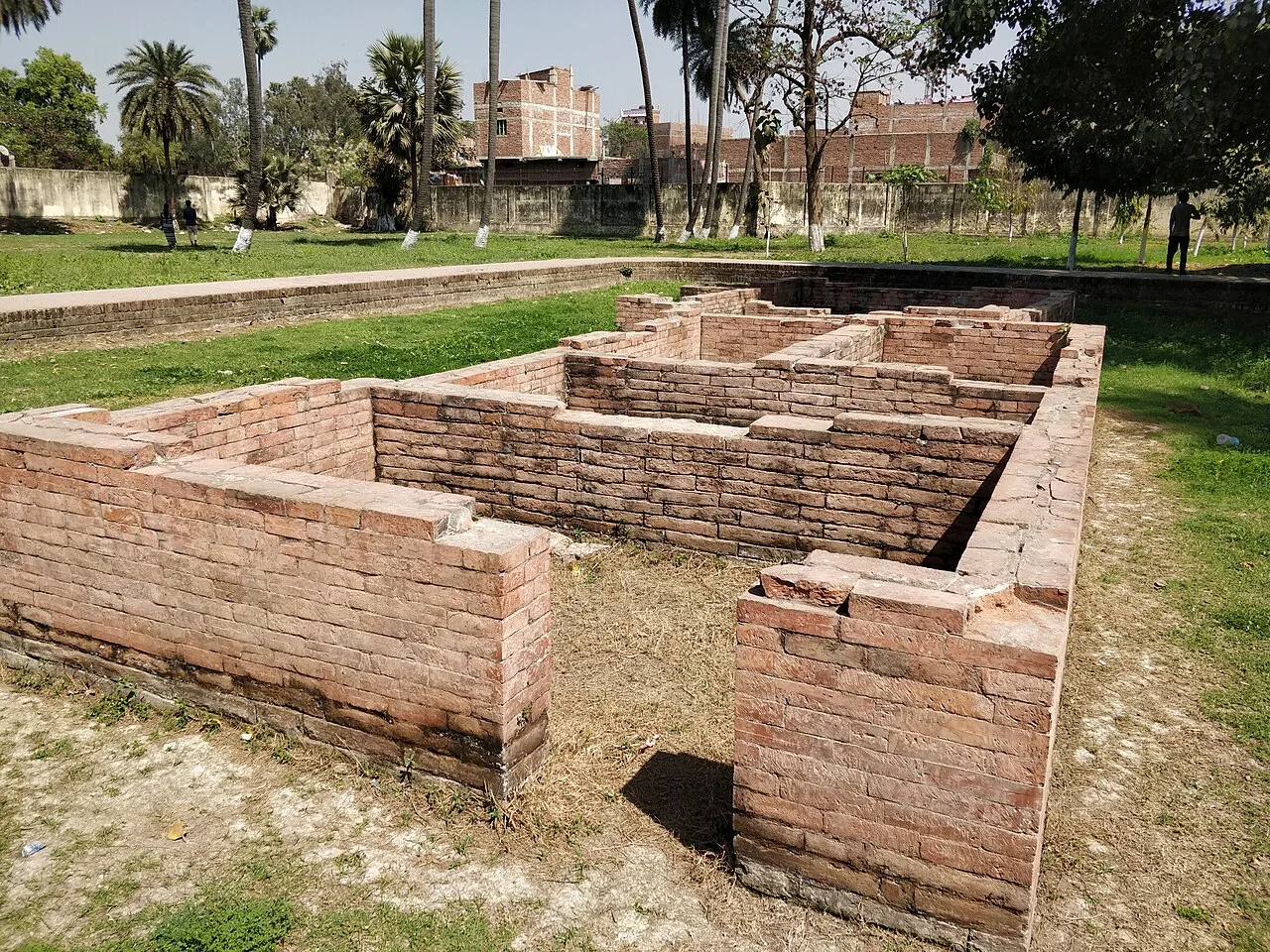
Kumhrar is an archaeological site in Patna connected with the remains of Pataliputra. Visitors come to see excavated traces of the city, including the remains of an 80-pillared hall.

Map

Mokama on the map

  1. 1Bhimbandh Wildlife Sanctuary
  2. 2Vishwa Shanti Stupa
  3. 3Pawapuri
  4. 4Munger Fort
  5. 5Nalanda mahavihara
  6. 6Takht Sri Patna Sahib
  7. 7Agam Kuan
  8. 8Kumhrar

Bihar

Other cities to explore