Ghumoopedia — Explore, Discover, Experience
Sign in
Katihar, near Purnia

City guide · Bihar

Purnia

Purnia, also officially spelled Purnea, is an important administrative and commercial centre in northeastern Bihar. It is the headquarters of Purnia district and division, serving nearby towns and villages with government services, education, healthcare and markets.

Famous for

  • Purandevi Temple
  • City Kali Bari
  • Saura River
  • Agricultural trade
  • Regional administrative centre

Why Purnia matters

Purnia, also officially spelled Purnea, is an important administrative and commercial centre in northeastern Bihar. It is the headquarters of Purnia district and division, serving nearby towns and villages with government services, education, healthcare and markets. Its position on the alluvial plains of the Kosi basin has also made it a gathering point for trade in the region’s agricultural produce.

Visitors come for the city’s temples and the mix of cultural influences found across this part of Bihar. Purandevi Temple is a major place of worship, while City Kali Bari, beside the Saura River, reflects the area’s Bengali religious traditions. Other destinations in the wider district include sites associated with the Prahlad-Narasimha legend and temples in Banmankhi. Purnia’s appeal is less about a single monument than about its role as a lively regional hub, its riverine setting and its connections to the varied histories and communities of the eastern Gangetic plain.
Famous for: crafts, trade & products

Purnia is better known for regional commerce and agriculture than for a signature textile, handicraft or locally identified GI-tagged product. Its markets serve a broad rural hinterland, with trade in crops and everyday goods supporting the city’s role as a business centre. Maize, paddy and jute are among the crops associated with the wider district; availability and trading activity vary with season and local harvests.

For visitors, the central market streets are the most practical places to browse for daily-use goods, clothing, household items and seasonal produce. Rather than expecting a dedicated craft bazaar or a named local saree tradition, look for ordinary shops and produce sellers serving local residents. The city is also an education and administrative centre, with colleges and government offices drawing people from across the division. Religious institutions are another visible part of its identity: Purandevi Temple and City Kali Bari are among the best-known places to visit, while local shops around busy neighbourhoods offer snacks and customary festival goods.

History

Purnia lies in a region shaped by the histories of Mithila, Anga and Pundra. In the ancient period, Mithila became an important centre under the Videha kingdom; the area’s early political and cultural boundaries shifted over time. From the medieval period, Purnia’s position on the eastern frontier made it significant to regional rulers and, later, the Mughal administration. Under Mughal rule it served as a military and revenue outpost, with Jalalgarh among the frontier defences.

The district came under British control in 1765, and more direct colonial administration followed in 1770. European landholders and indigo planters later established estates and factories in and around the town. Their residences, open grounds and institutions influenced its development, though the indigo economy was built on colonial power and exploitation. In modern Bihar, Purnia developed as the headquarters of its district and division and as a service and trade centre for surrounding communities.

Food, festivals & culture

Everyday food in Purnia draws on the wider cuisines of Bihar and eastern India. Rice, lentils, seasonal vegetables and fish are common, alongside familiar snacks such as litti-chokha and sattu preparations. The broader region also uses makhana in cooking, while sweets and festive foods vary between households and communities. Small eateries and local sweet shops are easy places to sample everyday fare.

Chhath, observed in autumn and again in spring, is an important festival, with prayers and offerings connected to the Sun. Durga Puja and Kali Puja bring prominent seasonal celebrations, while Holi, Diwali and Eid are also observed. Hindi is widely used; Maithili, Urdu, Bengali and regional varieties such as Surjapuri can also be heard. Folk and devotional music accompany religious occasions and community gatherings. Purandevi Temple, City Kali Bari, Mata Sthan and Panchmukhi Mandir are among the city’s notable places of worship; the wider district has additional temples, including sites in Banmankhi.

Visiting the city

October to March is generally the most comfortable period to visit, with cooler, drier weather than the hot summer and monsoon months. Heavy monsoon rain can affect travel across the low-lying region, so check local conditions before setting out. The nearest airport with regular commercial services is Bagdogra Airport, near Siliguri; Purnia’s airfield is a military facility rather than a usual scheduled passenger airport. Purnia Junction is the main railway station serving the city.

Auto-rickshaws, e-rickshaws and taxis are useful for getting around. Explore the central market area, the Saura River surroundings and Rambagh, where the town’s colonial-era residential history is associated with the old settlement. Allow time for Purandevi Temple and City Kali Bari, and arrange separate transport for attractions elsewhere in the district. Roads can be busy, so allow flexibility for local journeys.

Trips from the city

Nearest places to visit from Purnia

Our closest destination guides, by straight-line distance.

Katihar

30 km away · Purnia district

Katihar

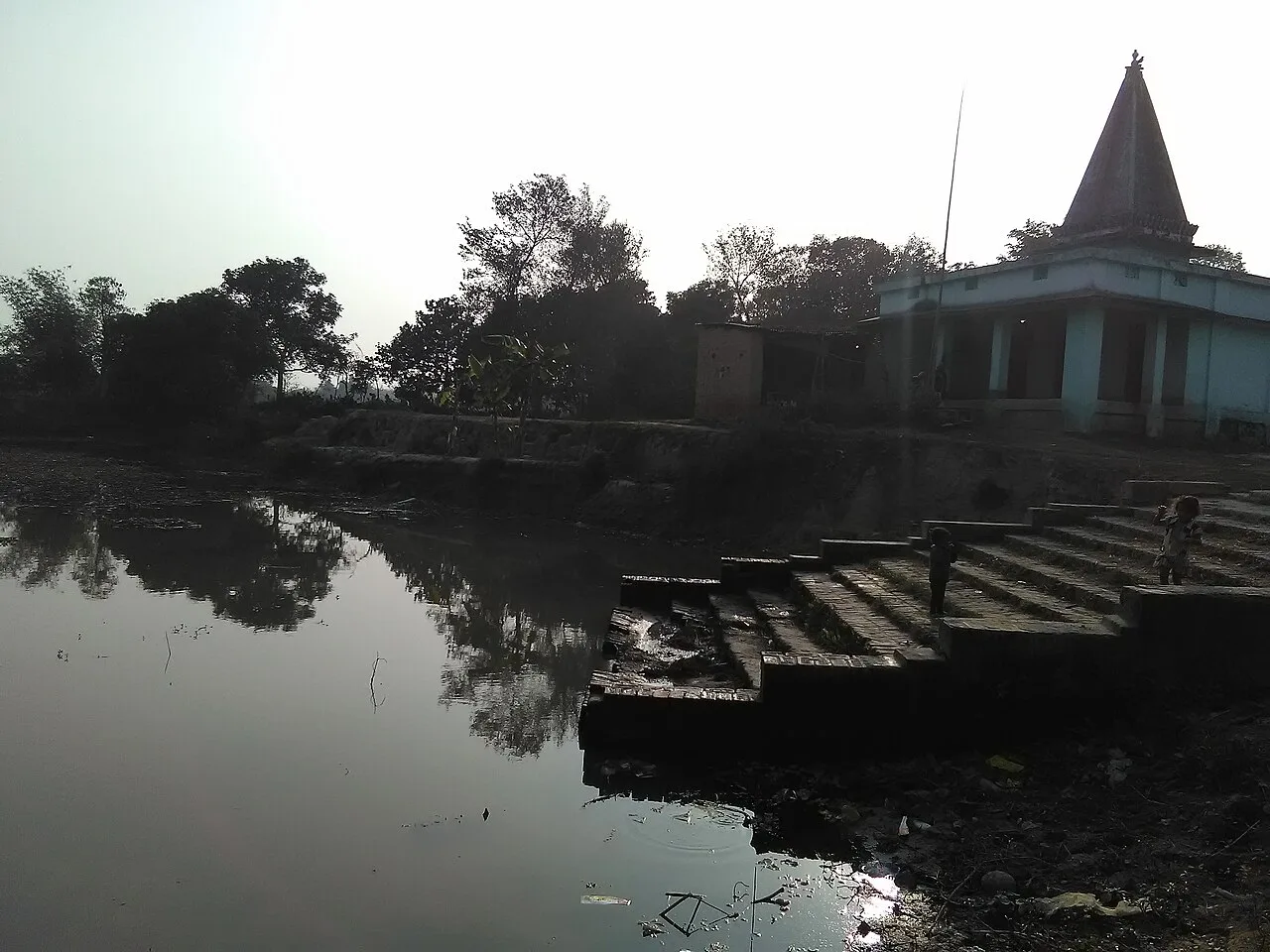
Katihar is a major city in Bihar, known for its regional commercial, educational and administrative roles. Travellers also use it as a railway hub linking routes towards North Bengal and the north-east.

Vikramshila University Ruins

54 km away · Bhagalpur district

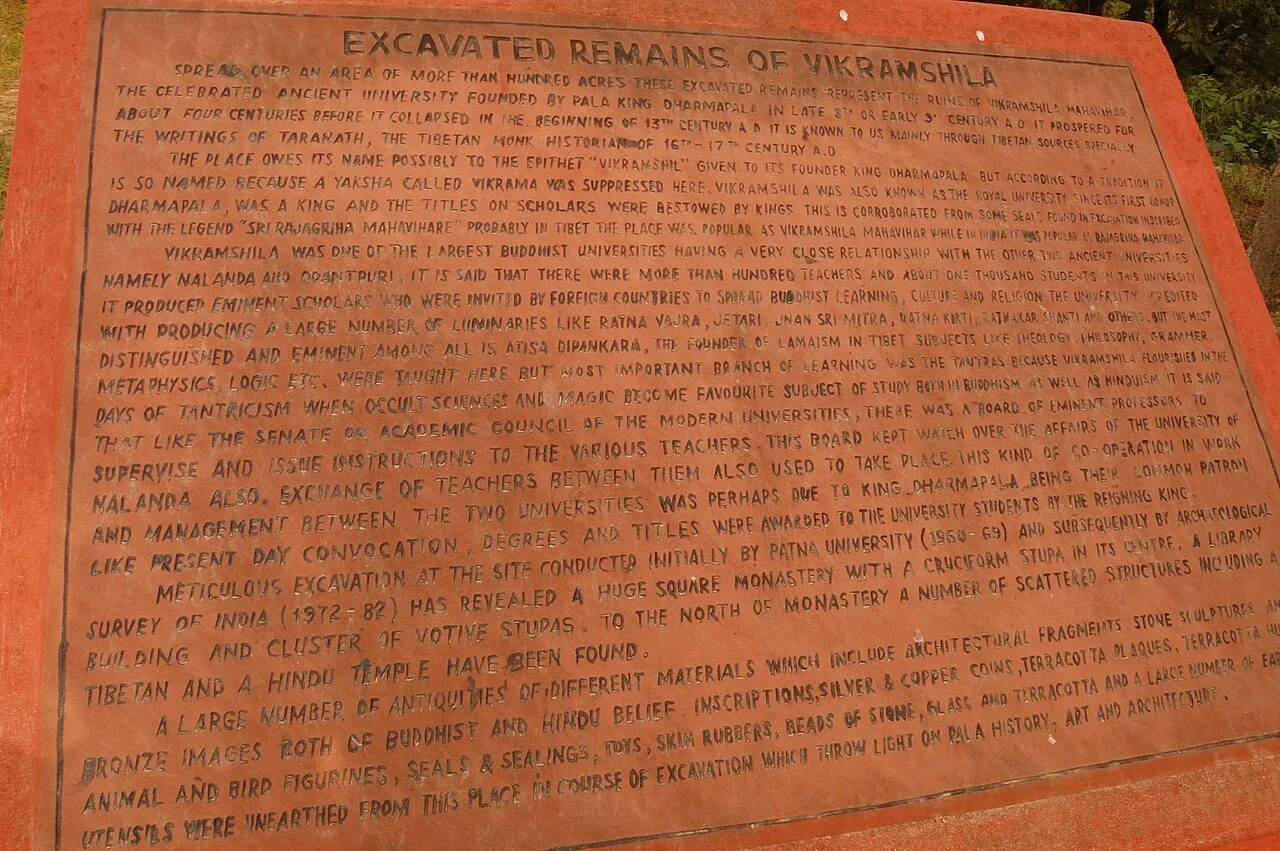
Vikramshila University Ruins

Vikramshila University Ruins mark a major Buddhist centre of learning in Bihar. Visitors come to explore the site and learn about its scholars and place in Buddhist education.

Munger Fort

110 km away · Munger district

Munger Fort

Munger Fort is a historic stronghold in Bihar, set on a rocky rise beside the Ganges. Visitors come to see its tombs, palace, temple, riverside ghat and British-era cemetery.

Mandar Hill

113 km away · Bhagalpur district

Mandar Hill

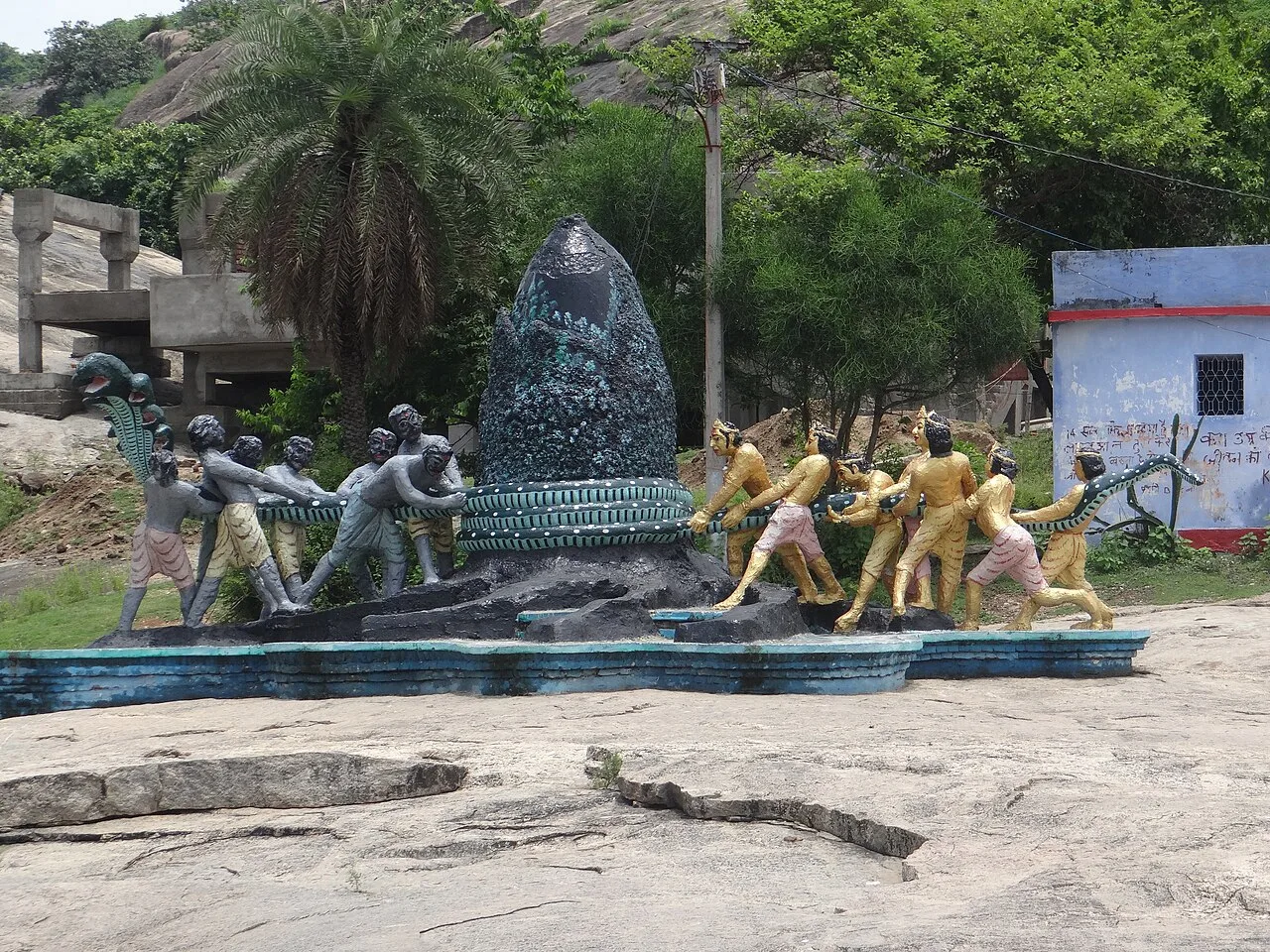
Mandar Hill, also called Mandar Parvat, is a roughly 700-foot hill at Bounsi in Bihar’s Banka district. Hindus and Jains visit it as a place of pilgrimage.

Bhimbandh Wildlife Sanctuary

134 km away · Munger district

Bhimbandh Wildlife Sanctuary

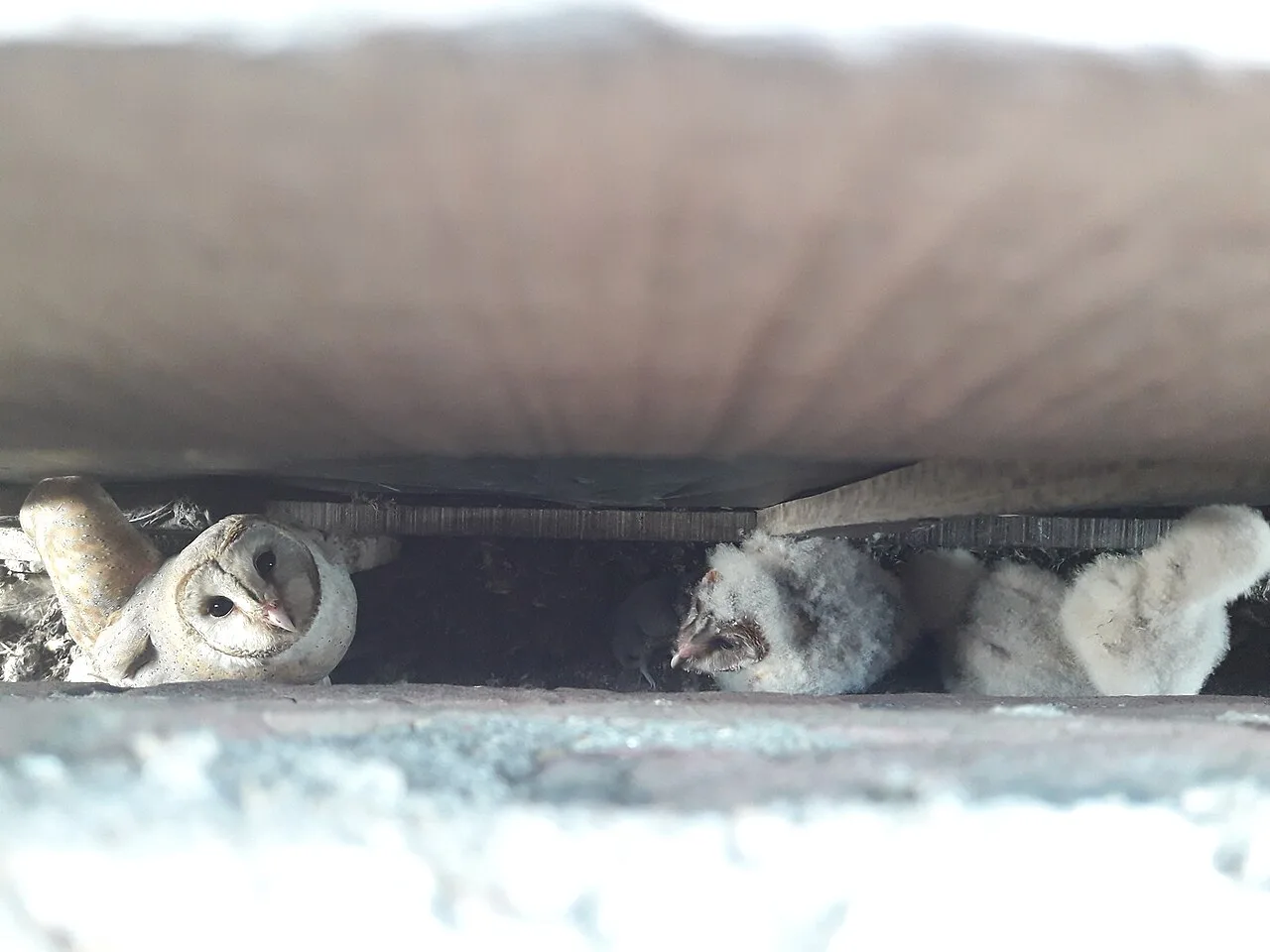
In Bihar’s Munger district, Bhimbandh Wildlife Sanctuary is a sanctuary devoted to wildlife. Visitors come to spend time in this wildlife-focused place in the district’s south-west.

Madhubani

154 km away · Madhubani district

Madhubani

Madhubani is a city in Bihar’s Mithila region and the headquarters of its district. Visitors may be drawn by its regional identity and administrative importance.

Darbhanga

163 km away · Darbhanga district

Darbhanga

Darbhanga is a major city and municipal corporation in Bihar, serving as the administrative centre of its district and division. Visitors encounter a longstanding centre of Mithila’s cultural, literary and musical traditions.

Vishwa Shanti Stupa

193 km away · Gaya district

Vishwa Shanti Stupa

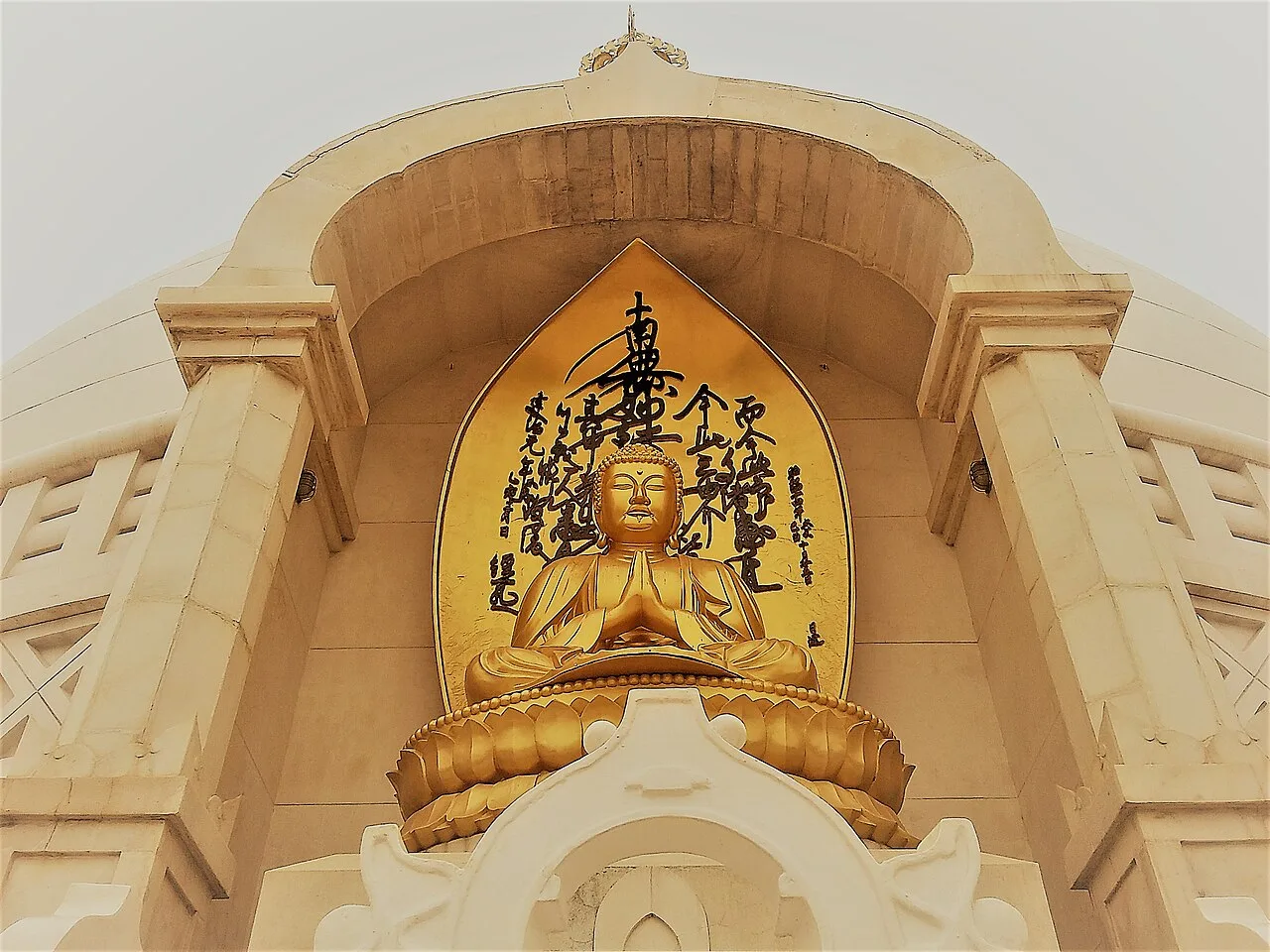
Vishwa Shanti Stupa is a white Buddhist pagoda in Rajgir, visited for its Buddha statues, nearby Japanese temple and park, and prayers for peace.

Map

Purnia on the map

  1. 1Katihar
  2. 2Vikramshila University Ruins
  3. 3Munger Fort
  4. 4Mandar Hill
  5. 5Bhimbandh Wildlife Sanctuary
  6. 6Madhubani
  7. 7Darbhanga
  8. 8Vishwa Shanti Stupa

Bihar

Other cities to explore