Ghumoopedia — Explore, Discover, Experience
Sign in
Buxar Fort, near Jagdispur

City guide · Bihar

Jagdispur

Jagdishpur is a historic town in Bhojpur district, western Bihar, best known as the seat of the Jagdishpur Raj and the home of Kunwar Singh, a leading figure in the Indian Rebellion of 1857 in Bihar. Its old fort and the town’s association with the Ujjainiya Rajputs give it a distinctive place in the region’s history.

Famous for

  • Kunwar Singh heritage
  • Jagdishpur Fort
  • Ujjainiya Rajput history
  • Shivratri fair
  • Bhojpuri culture

Why Jagdispur matters

Jagdishpur is a historic town in Bhojpur district, western Bihar, best known as the seat of the Jagdishpur Raj and the home of Kunwar Singh, a leading figure in the Indian Rebellion of 1857 in Bihar. Its old fort and the town’s association with the Ujjainiya Rajputs give it a distinctive place in the region’s history. Visitors come chiefly to explore this heritage and to learn about Kunwar Singh’s role in the uprising.

Today, Jagdishpur also serves as a local administrative and market centre for surrounding settlements. The town’s everyday character is shaped by its bazaars and by Bhojpuri-speaking communities, while annual religious observances bring people together from nearby areas. It is a quieter heritage stop than the larger centres of Bihar, and works well for travellers interested in regional history rather than a large collection of formal attractions. A visit can be combined with time in Ara and other parts of Bhojpur district.
Famous for: crafts, trade & products

Jagdishpur is not widely identified with a signature textile, handicraft, or GI-tagged product. Its best-known legacy is historical: the town was a Rajput estate capital, and its fort is closely associated with Kunwar Singh. For visitors, the historic fort precinct and the surrounding town centre are the most relevant places to explore this heritage.

The local bazaar serves residents and nearby villages, with everyday household goods, food supplies and seasonal local produce. It is useful for experiencing the town’s routine commerce, but Jagdishpur is not generally promoted as a specialist shopping destination. Travellers looking for a particular craft, branded regional product or a wider choice of shops may find more options in larger nearby centres such as Ara. There is no single established market or institution that visitors need to seek out for a distinctive local product. Ask shopkeepers about seasonal goods and regional snacks, and treat the bazaar as a place for ordinary local shopping rather than a curated handicraft market.

History

Jagdishpur’s association with Ujjainiya Rajput rulers reaches back to the sixteenth century. Gajpati Sahi fortified the settlement and made it a capital before 1539. After Sher Shah Suri’s victory at Chausa, Gajpati received the title of Raja, but conflict with rival claimant Dilpati Sahi and Mughal intervention reshaped the ruling house. Jagdishpur remained an important stronghold even after the capital shifted elsewhere.

In 1702, Sujan Sahi established a Rajput zamindari estate with Jagdishpur as its capital. His successor Udwant Singh expanded its territory. Kunwar Singh later renovated the fort, developed markets and waterworks, and encouraged fairs and festivals. During the 1857 rebellion he became one of the most prominent leaders in Bihar. He also began building a Shiva temple, though the project was never completed. In modern times, Jagdishpur has developed as a town and local administrative centre, while its historic identity remains closely tied to the Raj and the rebellion.

Food, festivals & culture

Jagdishpur shares the food traditions of the Bhojpuri region. Everyday meals commonly draw on rice or wheat, lentils, seasonal vegetables and sattu; litti chokha is a familiar Bihar favourite. Sweets and snacks vary by season and household, and the town’s bazaar is a practical place to sample ordinary local fare rather than a single celebrated speciality.

Shivratri has a particular historical association here: Kunwar Singh encouraged a large fair linked to the festival. Its timing follows the Hindu lunar calendar, usually falling in February or March. Chhath, generally observed in autumn, is another major regional celebration, alongside Holi and Diwali. Hindi and Bhojpuri are widely used in everyday life. Bhojpuri folk songs and performance traditions are part of community celebrations and family occasions. Local temples and shrines are among the town’s places of worship; Kunwar Singh’s planned Shiva temple is notable as a historical project that was left unfinished.

Visiting the city

October to March is generally the most comfortable period to visit, with milder weather for exploring the town. The nearest major airport is Jay Prakash Narayan International Airport in Patna. Ara Junction is the main railway station commonly used for access to Jagdishpur; from Ara, continue by road. Buses and shared vehicles serve local and regional journeys, while auto-rickshaws or hired vehicles can help with trips within town. Confirm onward transport locally, especially later in the day.

Start around the old fort precinct to understand Jagdishpur’s association with Kunwar Singh, then explore the nearby town centre and bazaar for a sense of everyday life. The historic estate area and local places of worship are also worth seeing respectfully. Jagdishpur is a compact heritage stop, and visitors can use Ara as a base for wider exploration of Bhojpur district.

Trips from the city

Nearest places to visit from Jagdispur

Our closest destination guides, by straight-line distance.

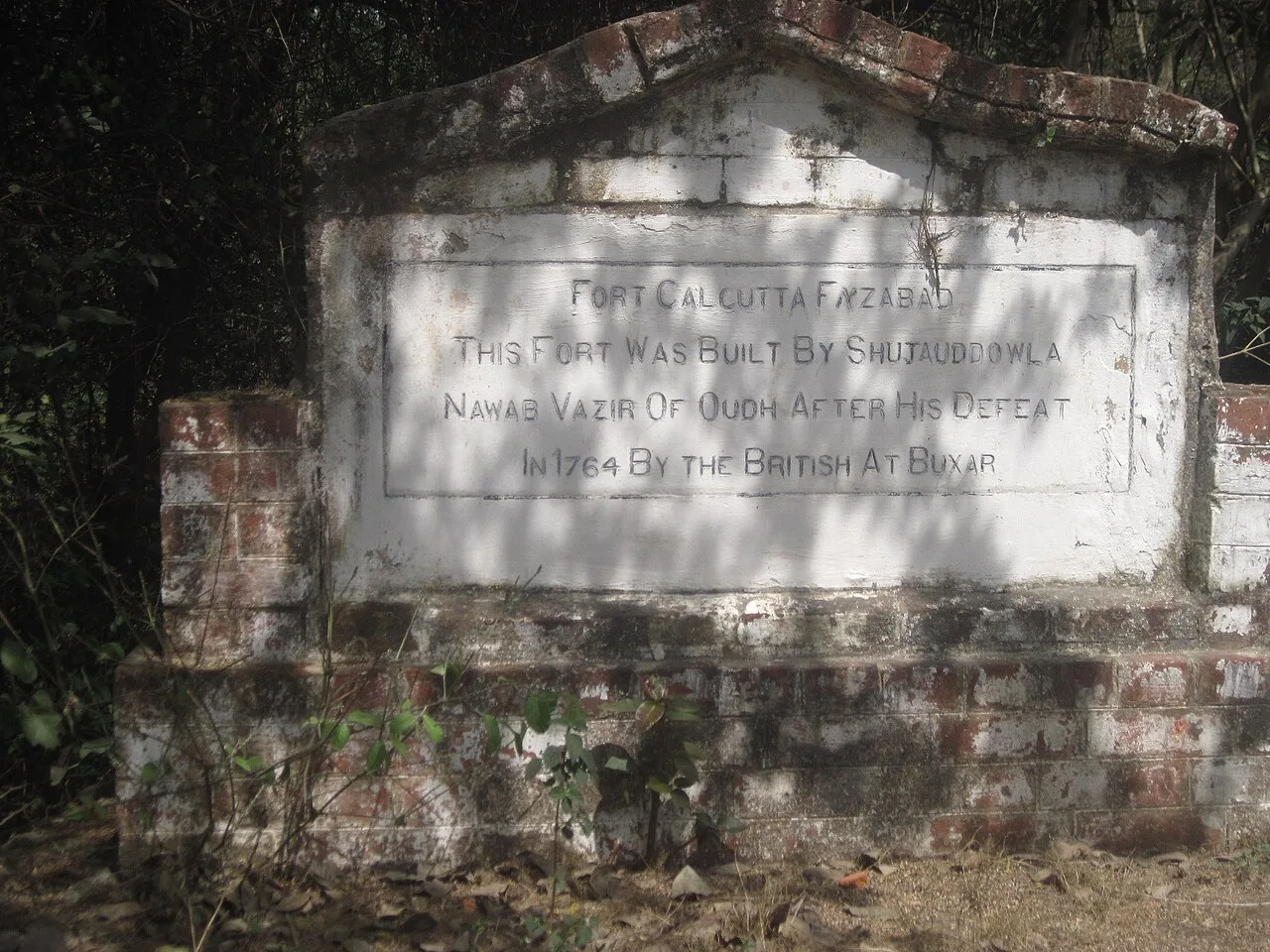
Buxar Fort

45 km away · Buxar district

Buxar Fort

Buxar Fort is a fort in Bihar’s Buxar district, founded by King Rudra Deo. Its history and the city’s religious and cultural associations give visitors context for exploring the area.

Maner

50 km away · Patna district

Maner

Maner, also called Maner Sharif, is a historic town and administrative block in Bihar’s Patna district. Visitors are drawn by its Mughal-era dargahs and its importance as a Sufi pilgrimage destination.

Patna Zoo

70 km away · Patna district

Patna Zoo

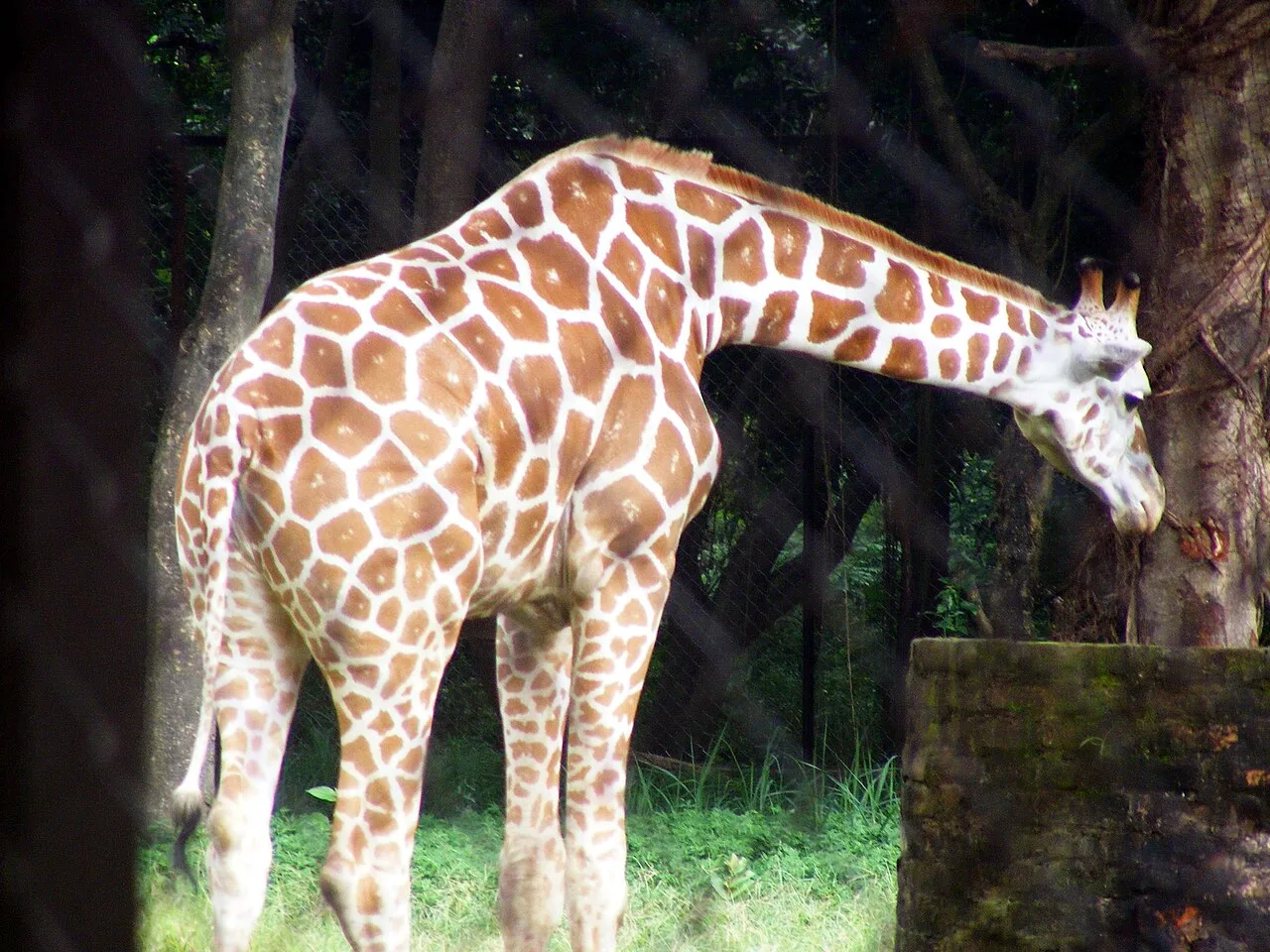
Patna Zoo is a zoological park in Bihar’s Patna district, near Bailey Road. People visit for picnics, with particularly large crowds on New Year’s Day.

Tomb of Sher Shah Suri

71 km away · Rohtas district

Tomb of Sher Shah Suri

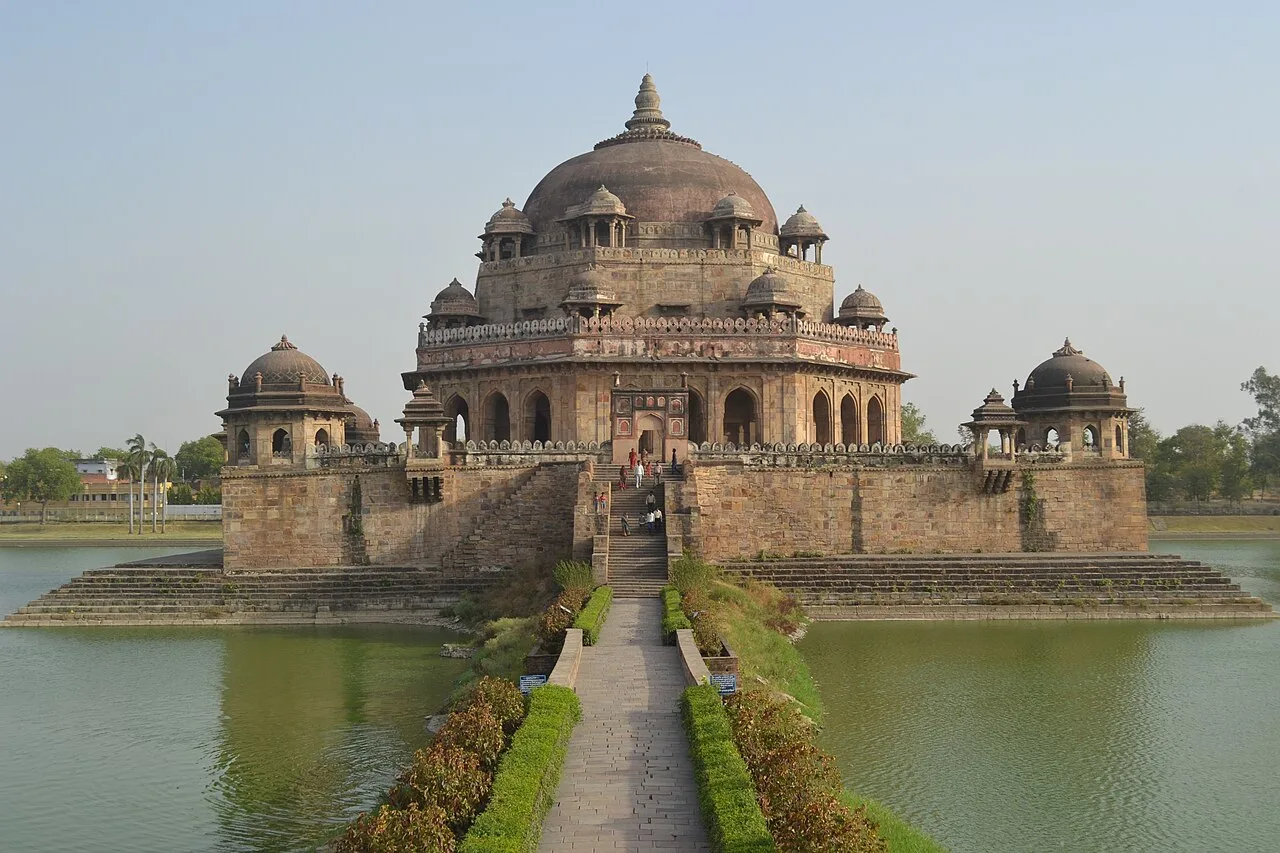
Sher Shah Suri’s mausoleum in Sasaram, Bihar, is noted for its lake setting and distinctive octagonal form. Visitors come to see a major example of Indo-Islamic architecture and an important monument of the region.

Bihar Museum

72 km away · Patna district

Bihar Museum

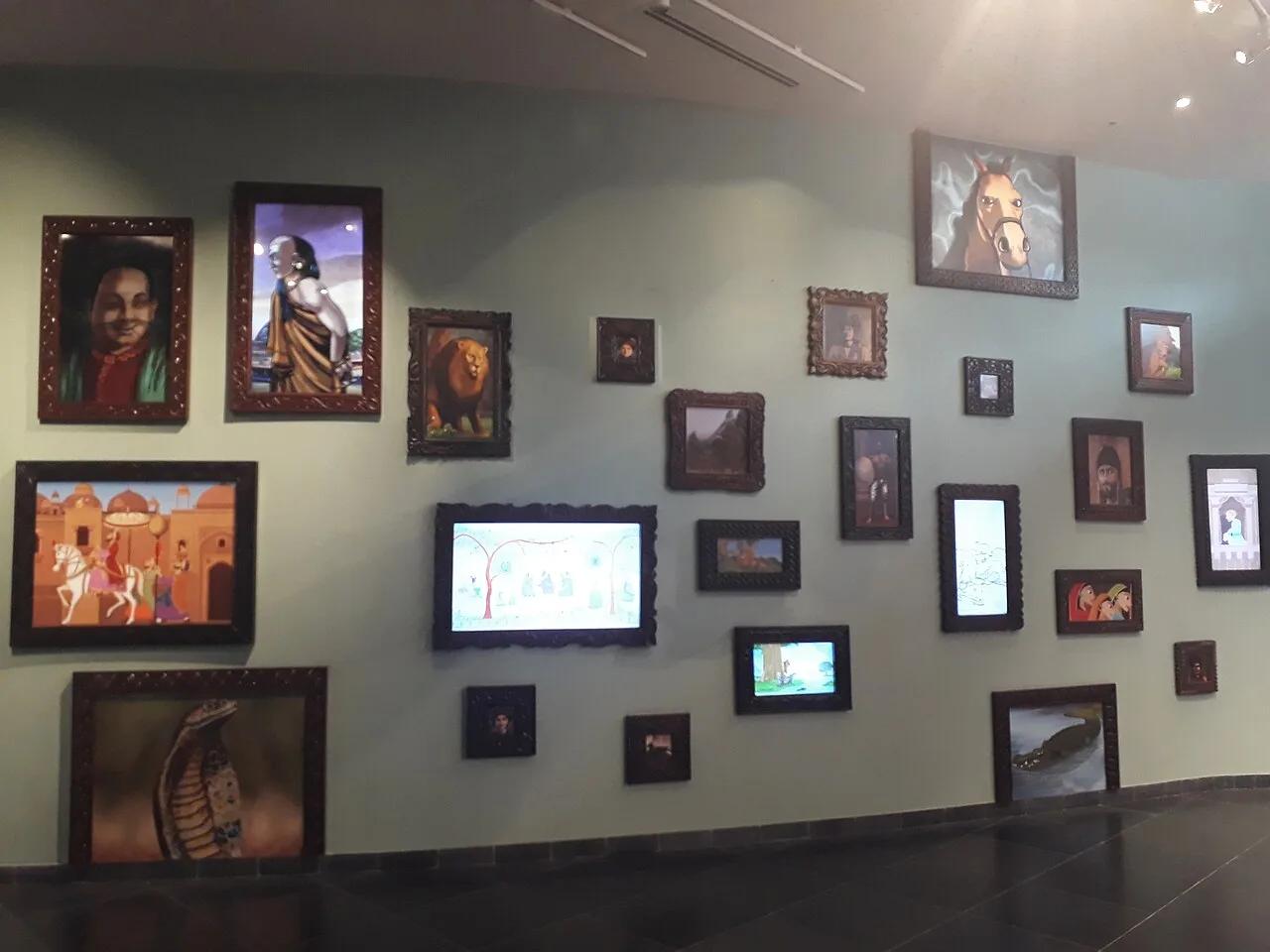
Bihar Museum is Patna’s state museum, with displays on Bihar’s history. Visitors can explore its galleries, children’s museum and distinctive arrangement of buildings and courtyards.

Golghar

74 km away · Patna district

Golghar

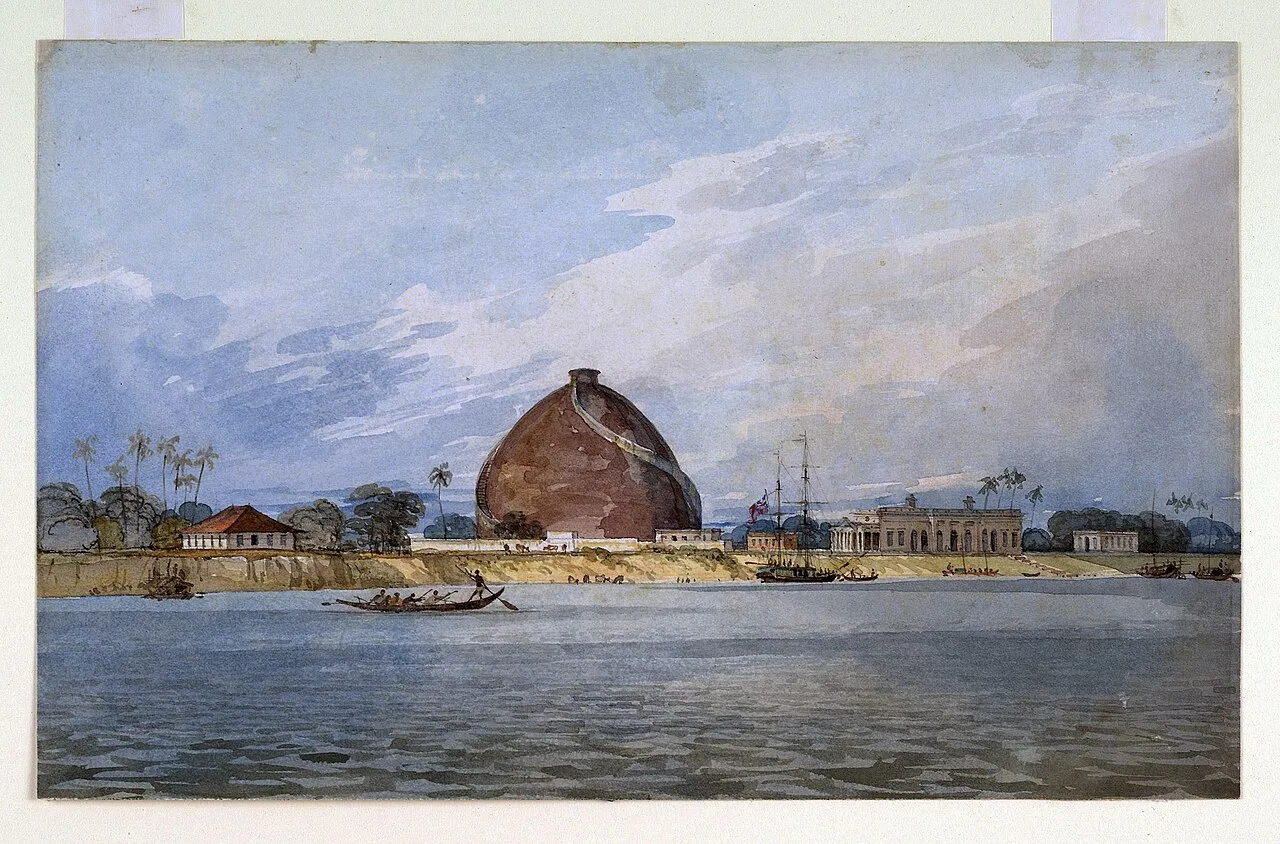
Golghar, also called Gol Ghar, is a substantial grain store in Patna, Bihar. Visitors come to see the granary west of Gandhi Maidan.

Mahavir Mandir

74 km away · Patna district

Mahavir Mandir

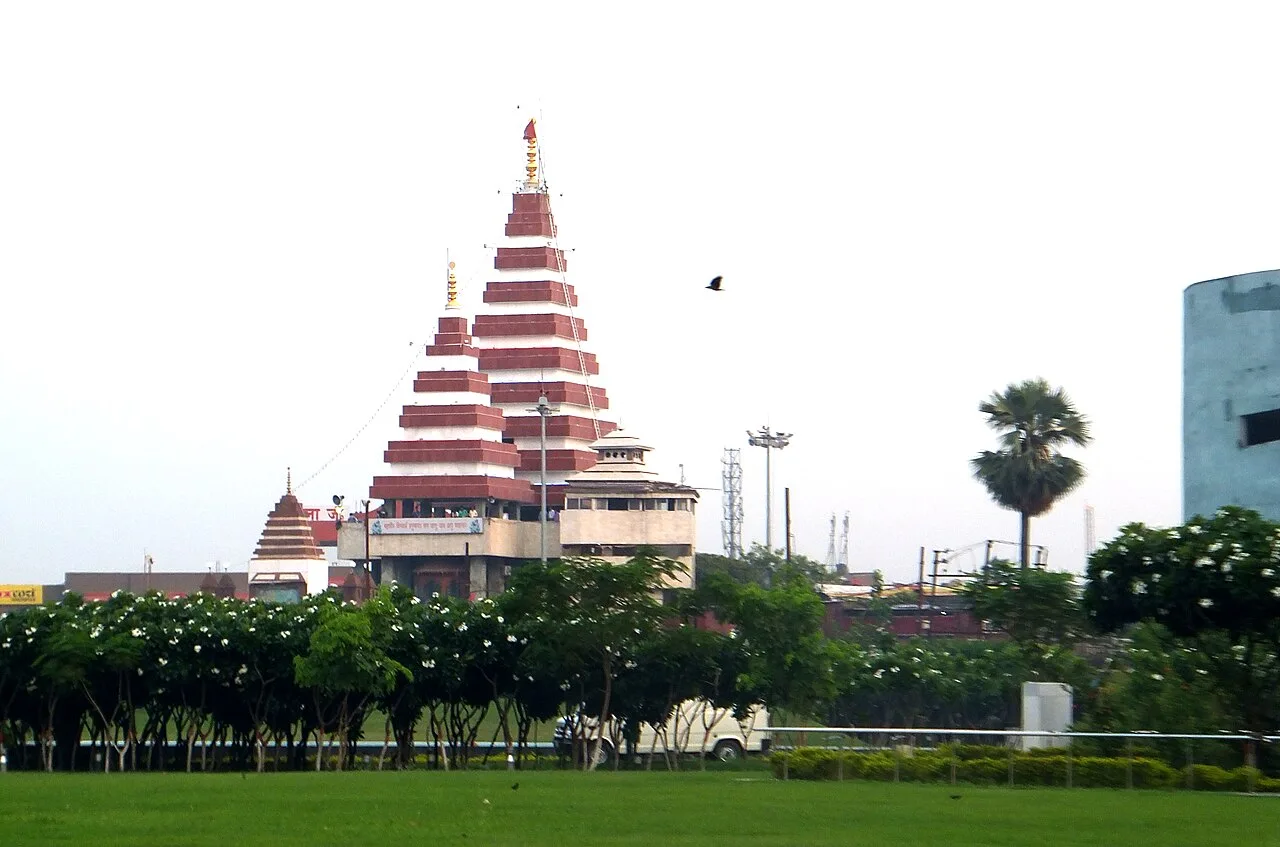
Mahavir Mandir is a Hanuman shrine in Patna, Bihar, visited by millions of pilgrims each year. Devotees also gather in large numbers for religious occasions, particularly Rama Navami.

Patna Museum

74 km away · Patna district

Patna Museum

Patna Museum is Bihar’s state museum in Patna district. Visitors come to see its historical collections and learn about the institute’s work in history and archaeology.

Map

Jagdispur on the map

  1. 1Buxar Fort
  2. 2Maner
  3. 3Patna Zoo
  4. 4Tomb of Sher Shah Suri
  5. 5Bihar Museum
  6. 6Golghar
  7. 7Mahavir Mandir
  8. 8Patna Museum

Bihar

Other cities to explore