Ghumoopedia — Explore, Discover, Experience
Sign in
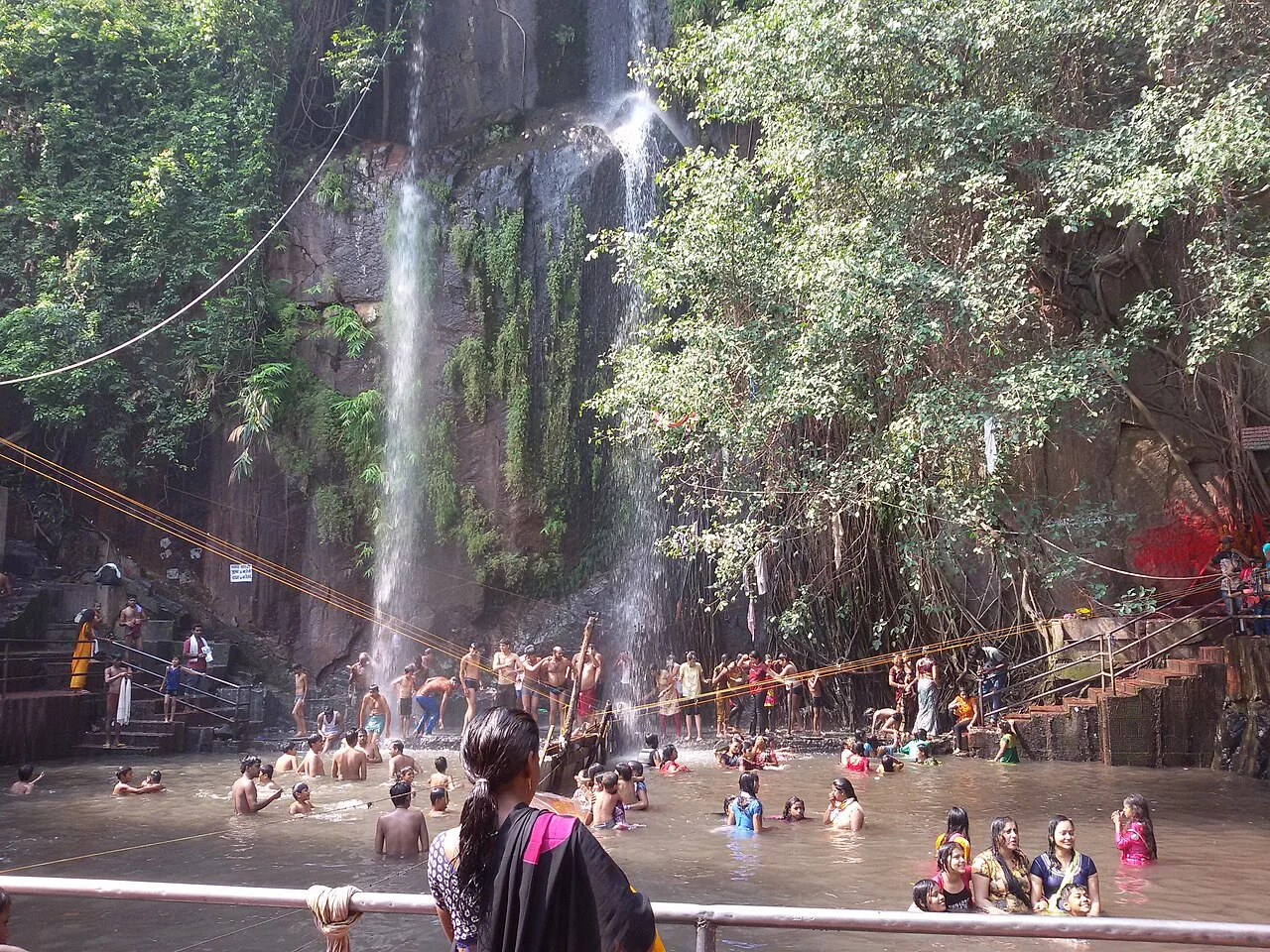
Kakolat Falls, near Hisua

City guide · Bihar

Hisua

Hisua is a municipality in Nawada district, set beside the Tilaiya River on the road linking Gaya and Nawada. Its location makes it a local centre for nearby villages, with road connections supporting everyday trade, services and travel across this part of southern Bihar.

Famous for

  • Traditional pottery
  • Local poetry
  • Gold jewellery shops
  • Tilkut and lai
  • Anarsa and khaja

Why Hisua matters

Hisua is a municipality in Nawada district, set beside the Tilaiya River on the road linking Gaya and Nawada. Its location makes it a local centre for nearby villages, with road connections supporting everyday trade, services and travel across this part of southern Bihar. Agriculture remains central to livelihoods in the surrounding countryside, and the town’s markets serve residents as well as people coming in from nearby settlements.

Hisua is best known locally for pottery, poetry and gold jewellery shops, along with traditional sweets such as tilkut, lai, anarsa and khaja. It is not a large sightseeing destination, but visitors can get a feel for a working Bihar town by exploring its bazaar, observing local commerce and sampling sweets. The Tilaiya river setting and the town’s position between Nawada and Gaya add to its regional character. Hisua is also a useful stop for travellers exploring the wider Nawada area, rather than a place built around a single major monument or resort attraction.
Famous for: crafts, trade & products

Hisua’s best-known craft is pottery, a local tradition connected with the everyday needs of households and markets. Visitors may find earthenware and other pottery through local sellers, though availability can vary. The town is also noted for its gold jewellery shops, which serve local customers and visitors from surrounding communities. Hisua’s bazaar is the most practical place to look for these goods and to see the town’s small-scale retail trade in action.

Food products are another part of Hisua’s identity. Tilkut, lai, anarsa and khaja are among the sweets associated with the town and are commonly sought in local sweet shops, especially around festive occasions. Agriculture shapes the wider local economy, while the town’s reputation for poetry points to a cultural life beyond trade and farming. Hisua is not particularly identified with a major textile industry or a formally recognised GI-tagged product, so visitors should not expect a specialised craft district or dedicated tourist market. For a straightforward introduction, browse the central bazaar, ask shopkeepers about local pottery and sweets, and look for jewellery among the town’s established retailers.

History

Hisua’s growth is closely tied to agriculture, local commerce and its position on the road between Gaya and Nawada. For generations, the surrounding farmland was organised under zamindari, a system in which large estates collected revenue and controlled extensive agricultural holdings. The local estate was associated with the Hisua Darbar, the name used for the zamindar family’s residence. Its influence extended across parts of the wider region, and the family also held land connected with mica mining, which was later leased to companies.

Zamindari continued into the early post-independence period and ended in 1953 as the system was abolished. Agricultural land was subsequently distributed among local villagers, marking a significant change in ownership and rural life. Hisua developed further as a municipality and market town serving the surrounding settlements. Its location beside the Tilaiya River and near the railway connection helped sustain links with other centres. Today, agriculture, retail and local services remain important to its role in Nawada district.

Food, festivals & culture

Hisua’s food culture reflects both regional Bihar tastes and local sweet-making. Tilkut and lai are familiar festive treats, while anarsa and khaja are also associated with the town. Local sweet shops are a good place to look for them, with availability often especially noticeable during festival periods. Everyday meals draw on the ingredients and cooking traditions common across the region, with rice, pulses, vegetables and seasonal produce forming part of home cooking.

Hindi and Magahi are widely used in daily life, alongside other languages spoken in the surrounding area. The town is known for local poetry, and oral expression and informal gatherings contribute to its cultural character. Hindu festivals such as Chhath, usually observed in autumn, and Holi and Diwali are celebrated, while Muslim festivals are also part of the town’s calendar. Chhath rituals may bring worshippers to local water edges, including the river. Temples and mosques serve neighbourhood communities; visitors should be respectful of worship and local customs. Music and celebration are often community-based, rather than centred on large performance venues.

Visiting the city

October to March is generally the most comfortable season to visit, with cooler weather than the hot summer months and less disruption from the monsoon. Gaya Airport is the nearest airport serving the area; Patna is another option for a wider range of connections. Tilaiya Junction is the railway station associated with Hisua, while the Gaya–Nawada road provides the main road approach.

Auto-rickshaws and local shared transport are useful for moving around town; confirm the destination before setting out. The central bazaar is a good area to explore for sweets, jewellery and everyday commerce. Visitors can also walk near the Tilaiya river and look around the station area to understand the town’s transport links. Hisua works well as a short stop or as a base for visits to nearby places in Nawada district.

Trips from the city

Nearest places to visit from Hisua

Our closest destination guides, by straight-line distance.

Kakolat Falls

26 km away · Nawada district

Kakolat Falls

Kakolat Falls is a waterfall in Bihar’s Nawada district. Visitors come to see the falling water, making it a destination centred on this natural feature.

Pawapuri

31 km away · Gaya district

Pawapuri

Pawapuri, also called Pavapuri, is a Jain sacred site in Bihar’s Nalanda district. People travel there on pilgrimage because it is associated with Mahavira’s nirvana.

Nalanda mahavihara

34 km away · Nalanda district

Nalanda mahavihara

Nalanda is the site of a major Buddhist monastery in Bihar, visited for its history as a long-lived centre of learning and its role in Mahayana Buddhism.

Vishwa Shanti Stupa

39 km away · Gaya district

Vishwa Shanti Stupa

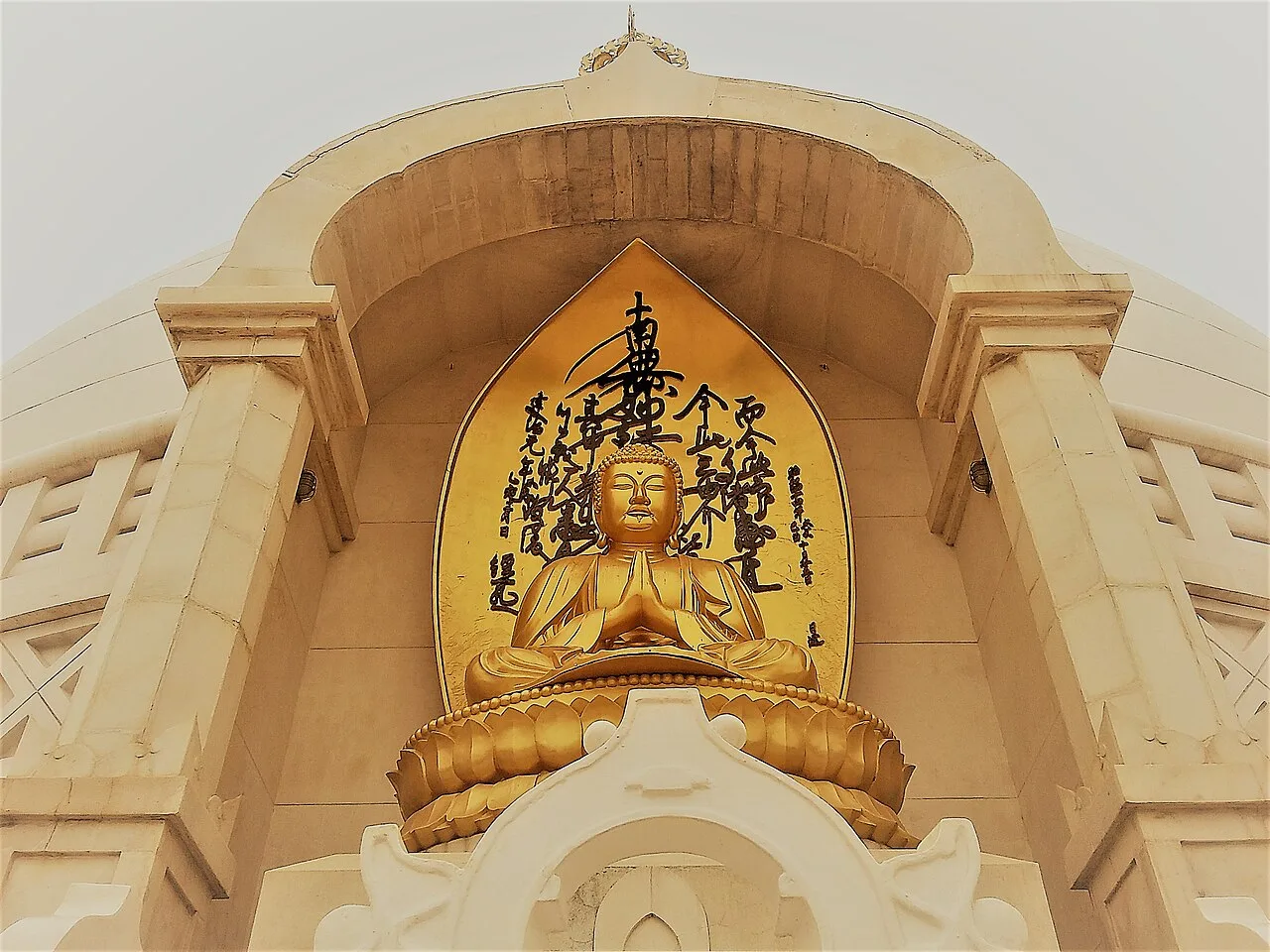
Vishwa Shanti Stupa is a white Buddhist pagoda in Rajgir, visited for its Buddha statues, nearby Japanese temple and park, and prayers for peace.

Barabar Caves

40 km away · Jehanabad district

Barabar Caves

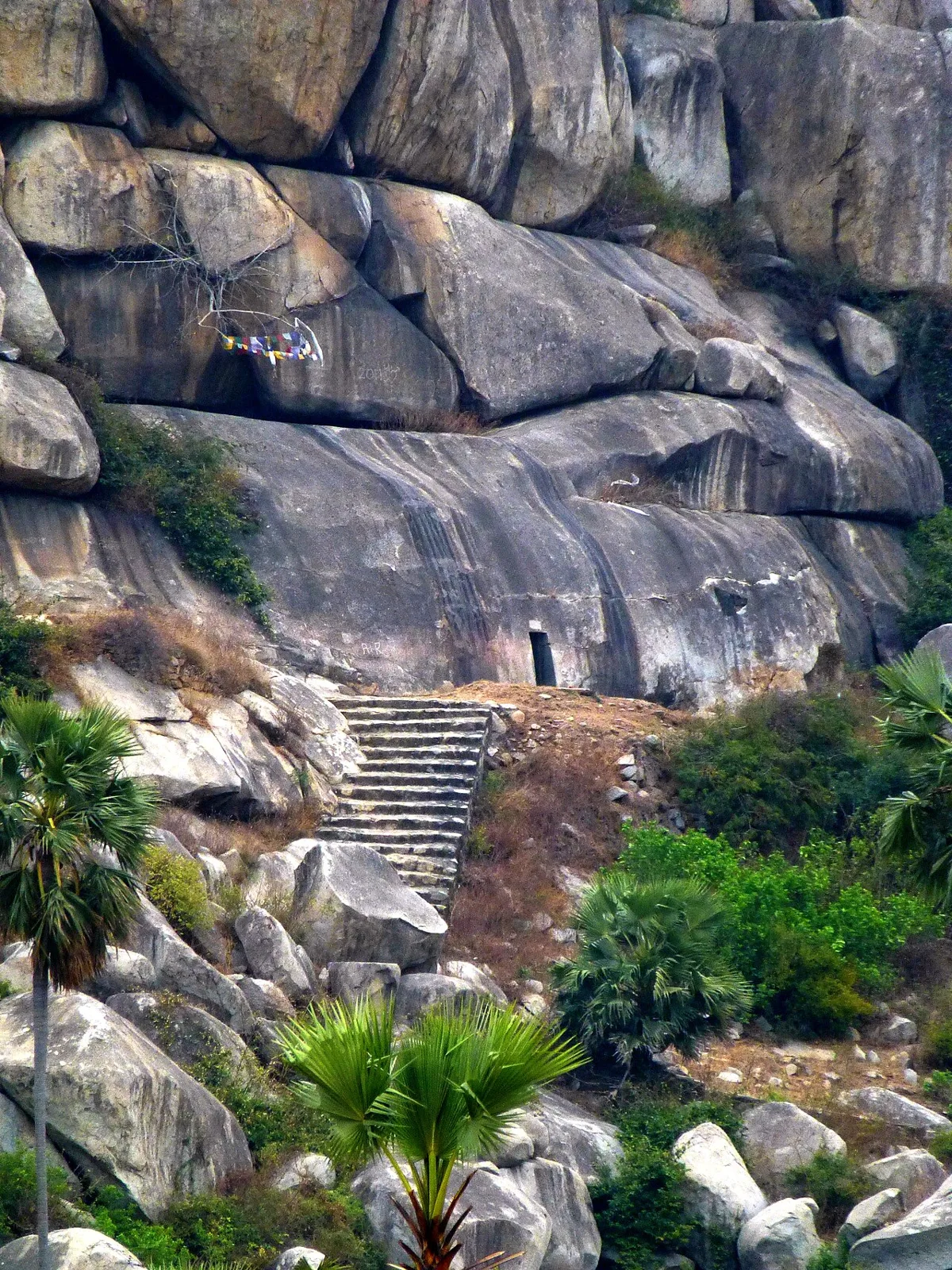
This Mauryan-era cave complex in Bihar extends across Barabar and Nagarjuni hills. Visitors come to see its inscriptions, polished granite chambers and early examples of Indian rock-cut architecture.

Bodhi tree

46 km away · Gaya district

Bodhi tree

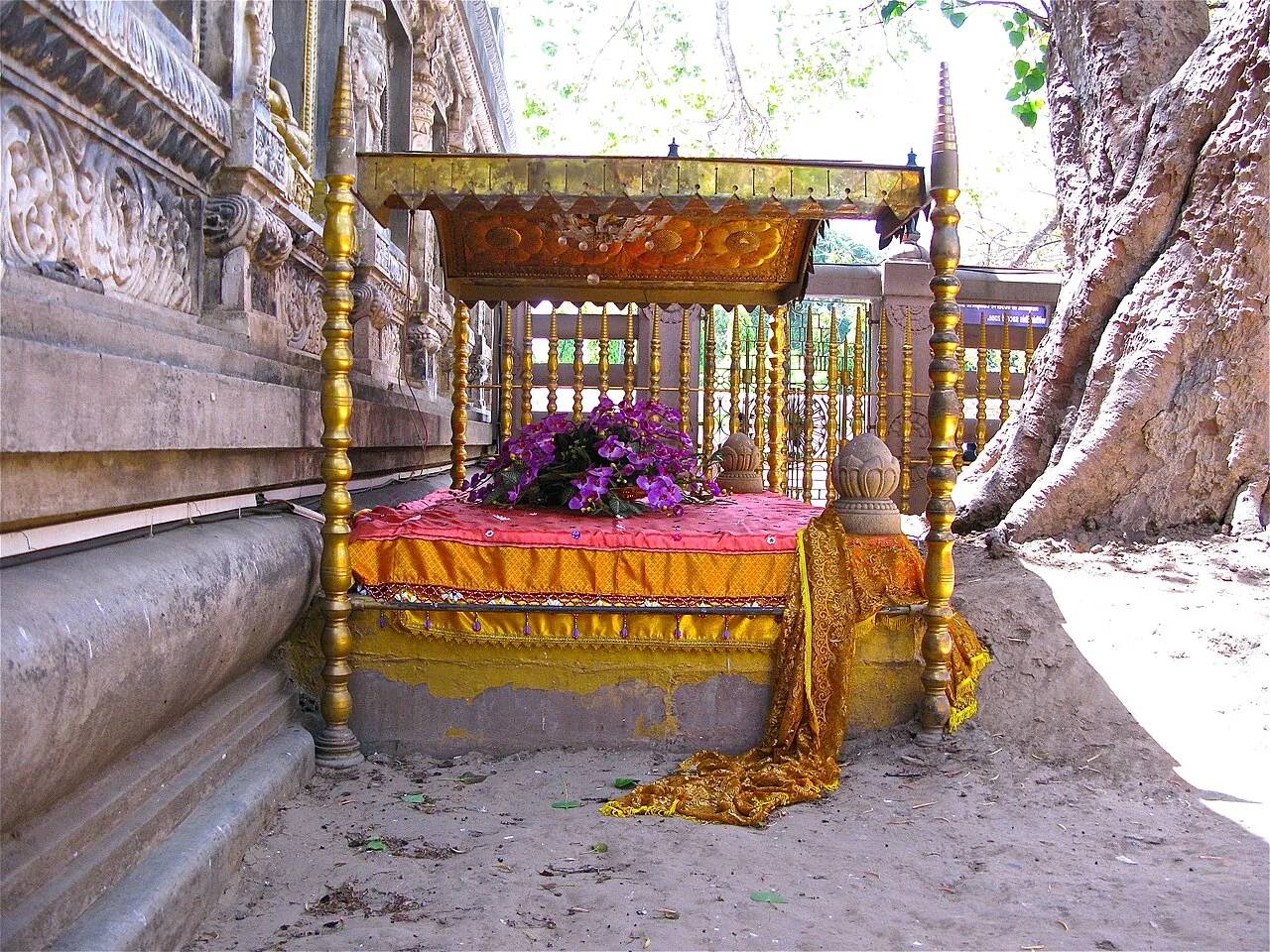
The Bodhi tree is a sacred fig at the Mahabodhi Temple in Bodh Gaya, Bihar. Buddhists visit this revered site because tradition links it to the Buddha’s enlightenment.

Mahabodhi Temple

46 km away · Gaya district

Mahabodhi Temple

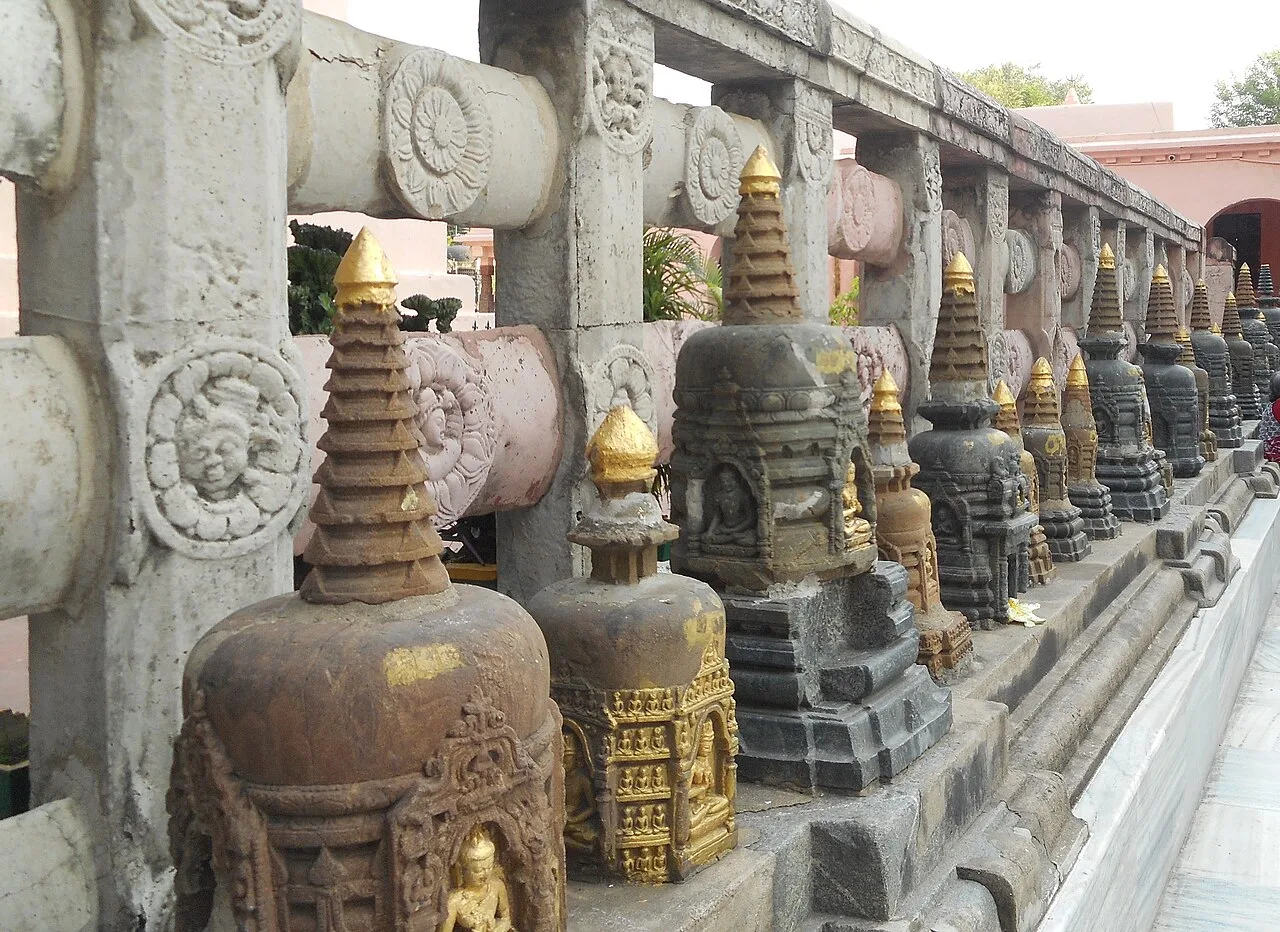
The Mahabodhi Temple is a Buddhist sanctuary in Bodh Gaya, Bihar, associated with the Buddha’s enlightenment. Pilgrims visit its sacred tree and Vajrasana, while the complex is recognised as a UNESCO World Heritage Site.

Great Buddha Statue

47 km away · Gaya district

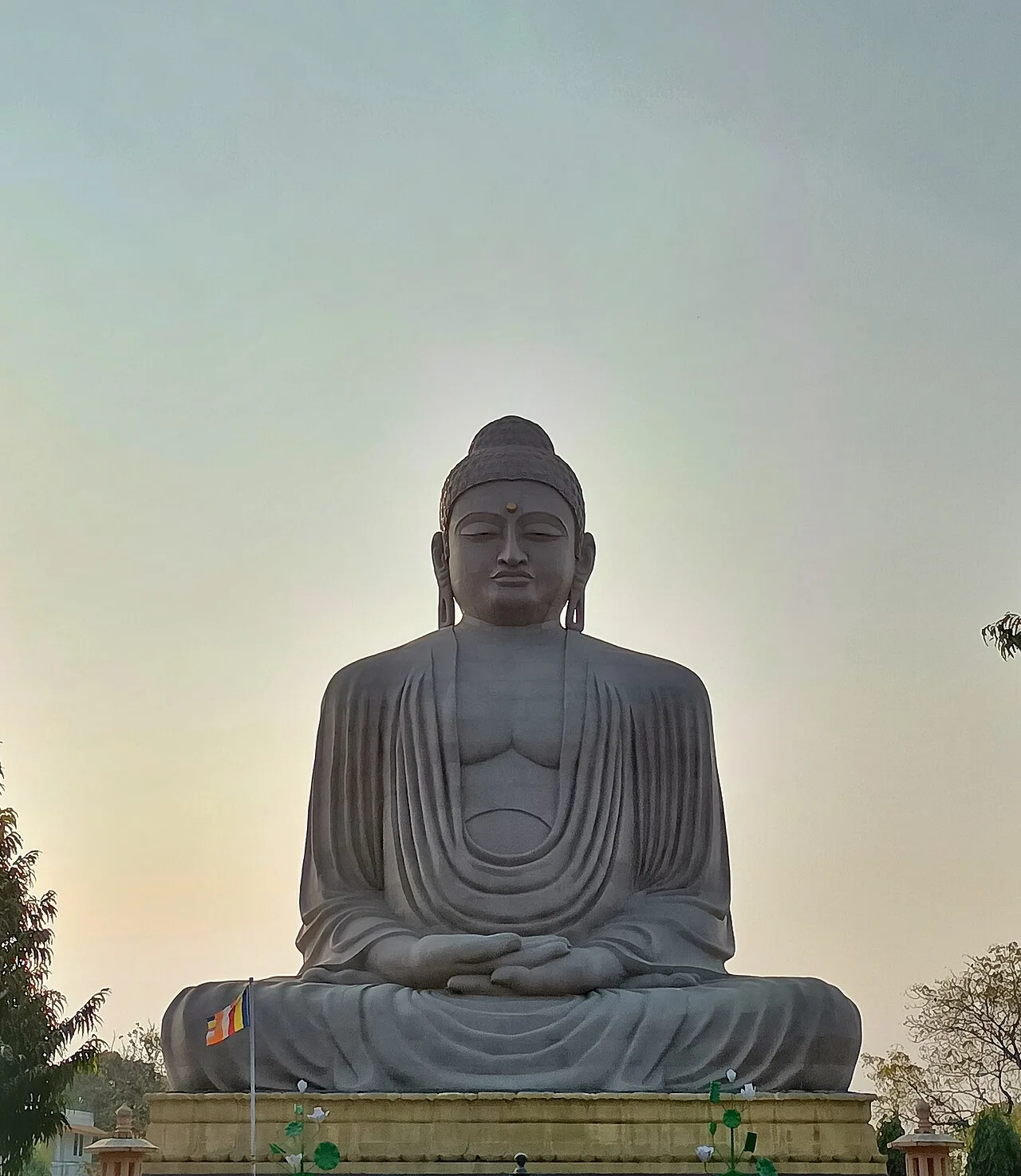
Great Buddha Statue

The Great Buddha Statue at Bodh Gaya is a major Buddhist monument in Bihar. Pilgrims and other visitors come to see its large seated figure, distinctive construction and surrounding sculptures.

Map

Hisua on the map

  1. 1Kakolat Falls
  2. 2Pawapuri
  3. 3Nalanda mahavihara
  4. 4Vishwa Shanti Stupa
  5. 5Barabar Caves
  6. 6Bodhi tree
  7. 7Mahabodhi Temple
  8. 8Great Buddha Statue

Bihar

Other cities to explore