Ghumoopedia — Explore, Discover, Experience
Sign in
Vikramshila University Ruins, near Bihariganj

City guide · Bihar

Bihariganj

Bihariganj is a market town and administrative block in Madhepura district, in the Kosi division of northeastern Bihar. Its importance comes chiefly from its role as a service and trading centre for nearby villages, including Gangaura, Rajganj, Mohanpur, Babhangama, Tulsia and Gamail.

Famous for

  • Mithila-region market town
  • Historic Gamail Gola market
  • Jute, rice and wheat trade
  • Bihariganj railway station
  • Kosi-region connections

Why Bihariganj matters

Bihariganj is a market town and administrative block in Madhepura district, in the Kosi division of northeastern Bihar. Its importance comes chiefly from its role as a service and trading centre for nearby villages, including Gangaura, Rajganj, Mohanpur, Babhangama, Tulsia and Gamail. Residents come into town for everyday commerce and local services, while agricultural goods link the surrounding countryside to its markets. The town lies about 41 kilometres southeast of Madhepura, the district headquarters, and forms part of the culturally distinctive Mithila region.

Bihariganj is not primarily a destination for monumental architecture or a large set of formal tourist attractions. Its appeal is more grounded in the rhythms of a working small town: busy junctions, market activity and connections between settlements across the plains. Its history is associated with the changing course of the Koshi and with the old Gamail Gola trading area. Visitors interested in regional life can explore the central market and the town’s named chauks, then continue to nearby villages. The railway station and road links also make Bihariganj a useful local point of connection.
Famous for: crafts, trade & products

Bihariganj is best known for commerce serving the surrounding agricultural villages rather than for a signature textile, handicraft or manufactured product. Jute, rice, wheat and other farm and trading goods have featured in the area’s market life. The historic Gamail Gola market, around two kilometres from the town’s main centre, was an important place for buying and selling these commodities. Today, visitors can look for everyday produce and household goods in Bihariganj’s central market; availability varies with season and local trade.

The town is not widely identified as a centre for a particular GI-tagged product, specialist saree tradition or large-scale craft industry. Shoppers seeking Mithila paintings or other regional crafts may find them more reliably in larger cultural and commercial centres elsewhere in Mithila. In Bihariganj, the most characteristic places to observe local trade are the market streets and busy junctions, including Gandhi Chauk, Jawahar Chauk, Shastri Chauk and Babhangama Chauk. These are useful orientation points as well as meeting places for people arriving from nearby villages. Ask locally about current market days and where particular goods are sold.

History

Bihariganj’s older name is recorded as Nishankhpur Kodha. In medieval times, the area was ruled by the Sen dynasty. Its later history was shaped in part by the Koshi River: in the sixteenth century, one of the river’s main channels ran through the area and was known as the ha-ha dhar. A small market lay nearby, while Gamail Gola developed as a trading place for jute, rice, wheat and other goods.

Railway access became another important feature of the town’s development. Bihariganj railway station is regarded as one of the older stations in northern India, though a precise establishment date is not specified here. Rail and road connections helped strengthen the town’s role as a centre for the surrounding settlements. In modern administration, Bihariganj is a block of Madhepura district and belongs to the Kosi division. Its growth has remained closely tied to local transport, agricultural exchange and the needs of nearby villages rather than to a single major industrial or royal centre.

Food, festivals & culture

Bihariganj shares the everyday food and customs of the Mithila and wider Bihar region. Meals commonly centre on rice, lentils, seasonal vegetables and locally available produce; household recipes vary, and the town is not especially known for a single signature dish or sweet. Hindi and Maithili are useful languages for visitors, alongside local forms of speech. Folk songs and seasonal singing are part of regional life, especially around religious observances and family celebrations; no particular dance form is uniquely associated with the town.

Chhath, observed mainly in autumn after Diwali, is an important festival across Bihar and is marked with prayers and offerings to the sun. Holi in spring and Diwali in autumn are also widely celebrated. In Mithila, Sama-Chakeva is a seasonal festival associated with autumn and local folk traditions. Worship is centred on household practices and neighbourhood shrines, with local temples serving their communities; Bihariganj is not known for a single major pilgrimage site. Visitors should ask residents about nearby places of worship and festival gatherings, as observances are often organised locally.

Visiting the city

The cooler months, roughly October to March, are generally the most comfortable time to visit. Summer can be hot, while monsoon travel may be affected by heavy rain, so check local conditions before setting out. The nearest major scheduled airport is generally Darbhanga Airport; onward travel to Bihariganj is by road. Bihariganj railway station is the town’s main rail station. Confirm current transport connections before travelling, as services can change.

Auto-rickshaws and local shared vehicles are practical for getting around town and reaching nearby settlements. Start around the central market, then explore the named junctions such as Gandhi Chauk, Panchwati Chauk and Jawahar Chauk to get a sense of local life. Gamail and the historic Gamail Gola market area are nearby points of interest; ask locally about access and current activity. Surrounding villages such as Babhangama, Tulsia and Gangaura offer a glimpse of the rural communities the town serves.

Trips from the city

Nearest places to visit from Bihariganj

Our closest destination guides, by straight-line distance.

Vikramshila University Ruins

55 km away · Bhagalpur district

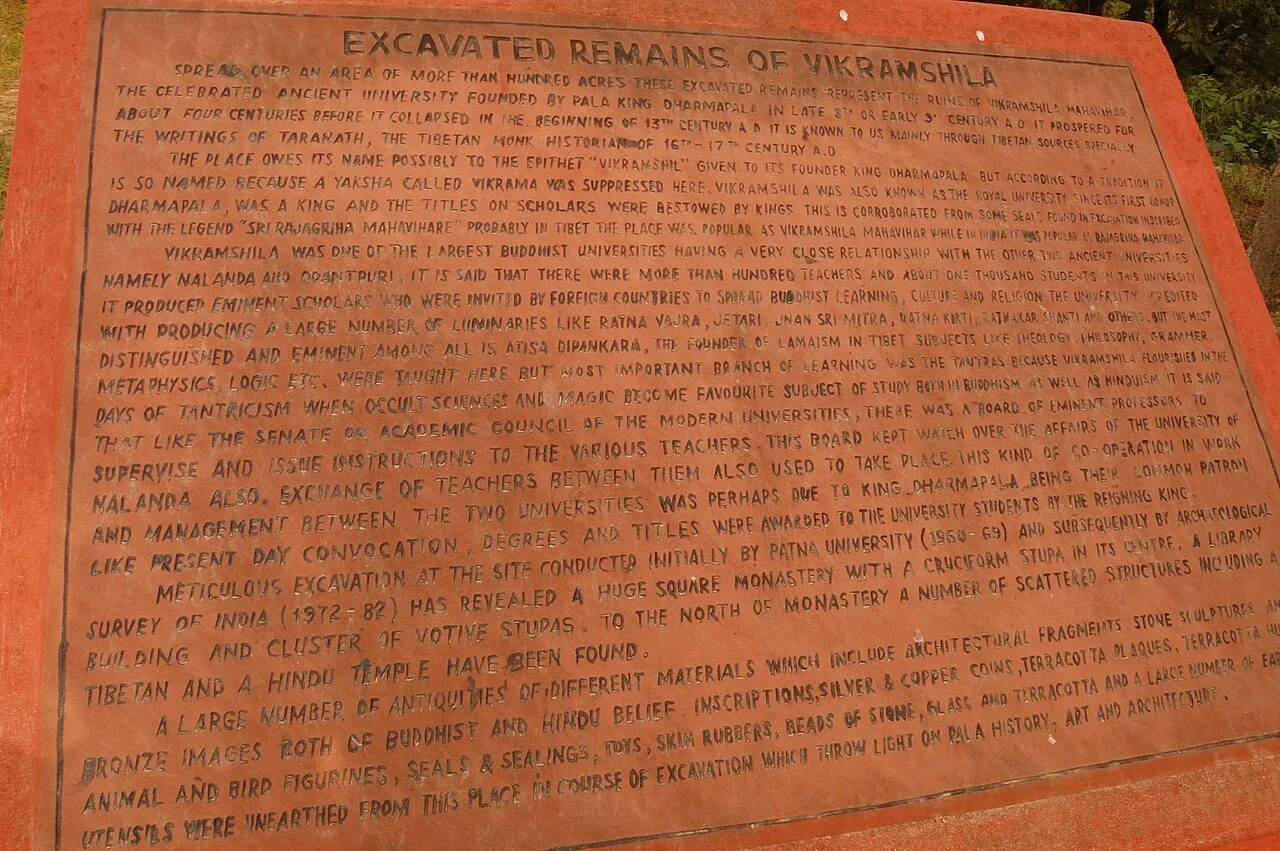
Vikramshila University Ruins

Vikramshila University Ruins mark a major Buddhist centre of learning in Bihar. Visitors come to explore the site and learn about its scholars and place in Buddhist education.

Katihar

64 km away · Purnia district

Katihar

Katihar is a major city in Bihar, known for its regional commercial, educational and administrative roles. Travellers also use it as a railway hub linking routes towards North Bengal and the north-east.

Munger Fort

66 km away · Munger district

Munger Fort

Munger Fort is a historic stronghold in Bihar, set on a rocky rise beside the Ganges. Visitors come to see its tombs, palace, temple, riverside ghat and British-era cemetery.

Bhimbandh Wildlife Sanctuary

91 km away · Munger district

Bhimbandh Wildlife Sanctuary

In Bihar’s Munger district, Bhimbandh Wildlife Sanctuary is a sanctuary devoted to wildlife. Visitors come to spend time in this wildlife-focused place in the district’s south-west.

Mandar Hill

99 km away · Bhagalpur district

Mandar Hill

Mandar Hill, also called Mandar Parvat, is a roughly 700-foot hill at Bounsi in Bihar’s Banka district. Hindus and Jains visit it as a place of pilgrimage.

Madhubani

114 km away · Madhubani district

Madhubani

Madhubani is a city in Bihar’s Mithila region and the headquarters of its district. Visitors may be drawn by its regional identity and administrative importance.

Darbhanga

119 km away · Darbhanga district

Darbhanga

Darbhanga is a major city and municipal corporation in Bihar, serving as the administrative centre of its district and division. Visitors encounter a longstanding centre of Mithila’s cultural, literary and musical traditions.

Vishwa Shanti Stupa

148 km away · Gaya district

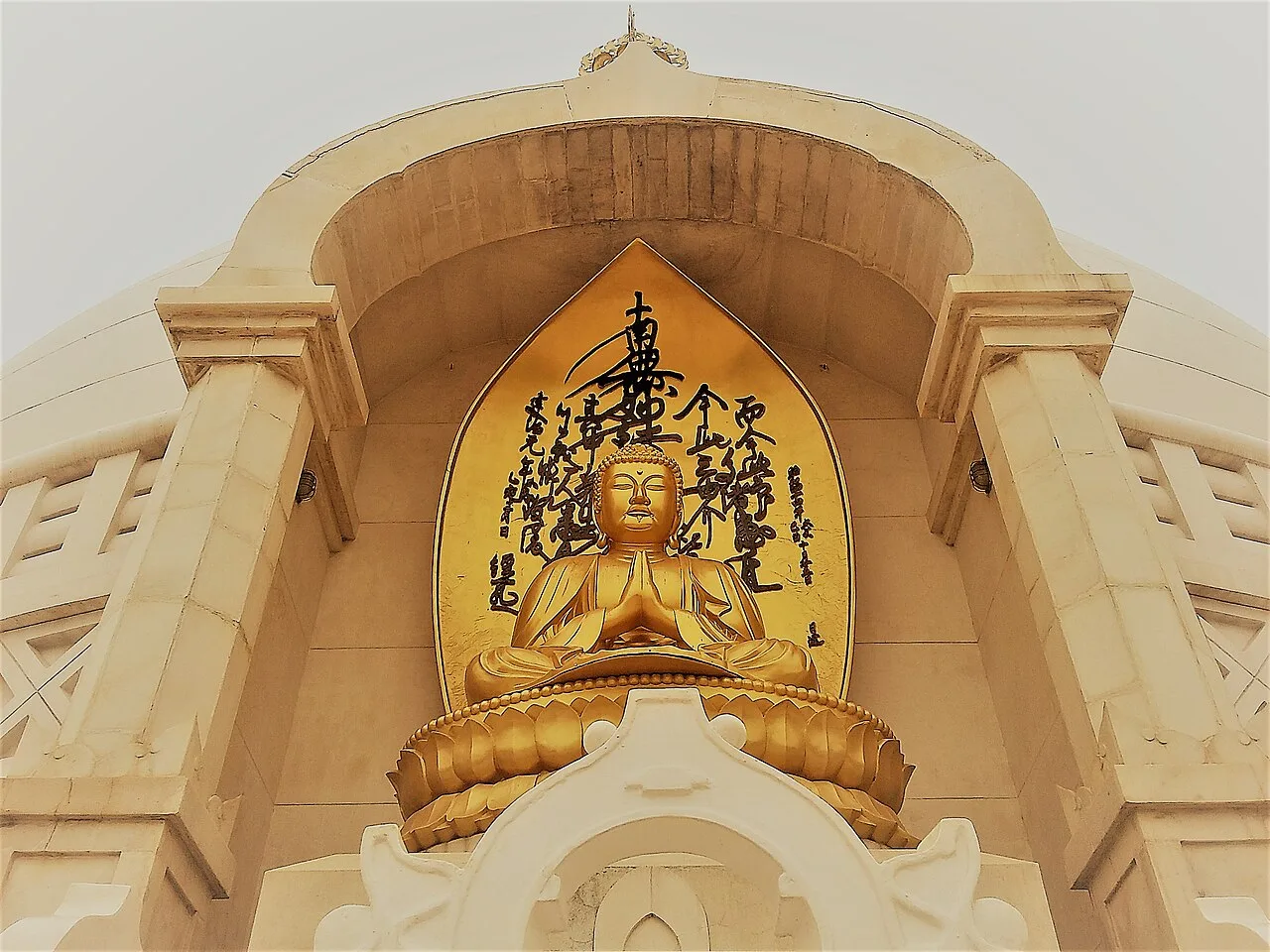
Vishwa Shanti Stupa

Vishwa Shanti Stupa is a white Buddhist pagoda in Rajgir, visited for its Buddha statues, nearby Japanese temple and park, and prayers for peace.

Map

Bihariganj on the map

  1. 1Vikramshila University Ruins
  2. 2Katihar
  3. 3Munger Fort
  4. 4Bhimbandh Wildlife Sanctuary
  5. 5Mandar Hill
  6. 6Madhubani
  7. 7Darbhanga
  8. 8Vishwa Shanti Stupa

Bihar

Other cities to explore