Ghumoopedia — Explore, Discover, Experience
Sign in
Sitamarhi, near Dhaka

City guide · Bihar

Dhaka

Dhaka is a town and Nagar Parishad in East Champaran district, northern Bihar. Its importance today comes chiefly from its role as the headquarters of the Sikrahana subdivision: government offices, schools, shops and everyday services make it a centre for nearby towns and villages.

Famous for

  • Sikrahana subdivision headquarters
  • Northern East Champaran trade
  • Regional education and services
  • Links to Champaran’s freedom movement
  • Routes towards Nepal

Why Dhaka matters

Dhaka is a town and Nagar Parishad in East Champaran district, northern Bihar. Its importance today comes chiefly from its role as the headquarters of the Sikrahana subdivision: government offices, schools, shops and everyday services make it a centre for nearby towns and villages. It is also part of a wider regional network linking the district’s southern areas with northern border settlements and Nepal-facing routes.

Visitors are more likely to come for local business, administrative work or to explore the wider Champaran region than for a large concentration of landmark attractions. Mehsi, about 43 kilometres away, is a key transport and trading hub; Motihari and Raxaul are other useful reference points. Dhaka is best known locally for its markets and public services, its connections to the region’s political life, and its place in a district associated with the Champaran freedom movement. It offers a practical glimpse of a working north Bihar town rather than a purpose-built tourist destination.
Famous for: crafts, trade & products

Dhaka is not especially associated with a documented signature textile, handicraft, GI-tagged product or large-scale industry. Its profile is more closely tied to administration, education, local commerce and services. Shops and everyday markets in the town centre cater mainly to residents and surrounding villages, with household goods, clothing, groceries and farm-related needs forming part of ordinary trade. There is no established specialist craft quarter or single product market that defines the town.

For visitors, the central bazaar is the most useful place to browse local retail and observe daily commerce. The broader trading network connects Dhaka with Mehsi, a major transport and trade centre, and with Motihari and Raxaul. These neighbouring towns offer additional services and market choices. Dhaka’s schools and public offices are important to its local identity, although the town is not widely promoted as a destination for a particular institution or commercial product. Travellers seeking a specific craft or regional specialty may find a wider selection by asking in local shops or exploring markets across East Champaran.

History

Dhaka’s growth has been shaped less by a single monument or royal centre than by its position in northern East Champaran and its role in local administration and trade. Its development as the headquarters of the Sikrahana subdivision helped establish it as a service centre for surrounding settlements. Over time, shops, educational institutions and public offices strengthened that regional role.

The area’s modern historical identity is closely connected with the wider story of Champaran during British rule. Nearby Ruphara was home to freedom fighters Vishwanath Singh and Namdev Prasad Shrivastava, who were associated with Gandhi’s Champaran Satyagraha and the Quit India Movement. Dhaka and its surrounding constituency have also produced political figures active in Bihar’s public life after independence. The town’s present-day character reflects these layers: a practical administrative centre, connected to a historically significant district, and serving a largely rural hinterland.

Food, festivals & culture

Daily life in Dhaka reflects the mixed rural and small-town culture of north Bihar. Hindi and Bhojpuri are widely used in everyday interaction, while Urdu is also spoken in the area. Regional foods commonly found in Bihar, such as litti-chokha, sattu preparations and seasonal sweets, are part of the broader local food tradition; they are not unique to Dhaka. Small eateries and market shops are convenient places to sample everyday meals.

The annual calendar includes Chhath Puja, usually observed in autumn, as well as Holi in spring and Diwali in autumn. Eid and Muharram are also important occasions for many residents. Devotional songs, Bhojpuri folk music and community celebrations are part of local cultural life. Neighbourhood temples and mosques serve as places of worship, though Dhaka is not chiefly known for a single major pilgrimage site or a distinctive performing-arts tradition. Festival dates follow the lunar calendar and vary from year to year.

Visiting the city

The cooler months, roughly October to March, are generally the most comfortable time to visit; summer can be hot and the monsoon brings rain. Darbhanga Airport is a nearby air gateway, while Patna Airport offers another option with broader connections. For rail travel, Mehsi is a useful station to check for services serving the region; confirm the best connection for your route before travelling.

Within Dhaka, local auto-rickshaws and shared vehicles are practical for short journeys, while road transport connects the town with Mehsi, Motihari and Raxaul. The central bazaar and the area around the subdivision’s public offices are the most useful places to explore on foot. Dhaka works well as a base for local errands or as a stop within a wider East Champaran journey.

Trips from the city

Nearest places to visit from Dhaka

Our closest destination guides, by straight-line distance.

Sitamarhi

34 km away · Sitamarhi district

Sitamarhi

Sitamarhi is a city in Bihar’s Tirhut Division and the administrative centre of its district. Visitors are drawn by the Hindu tradition linking it to Sītā’s birth.

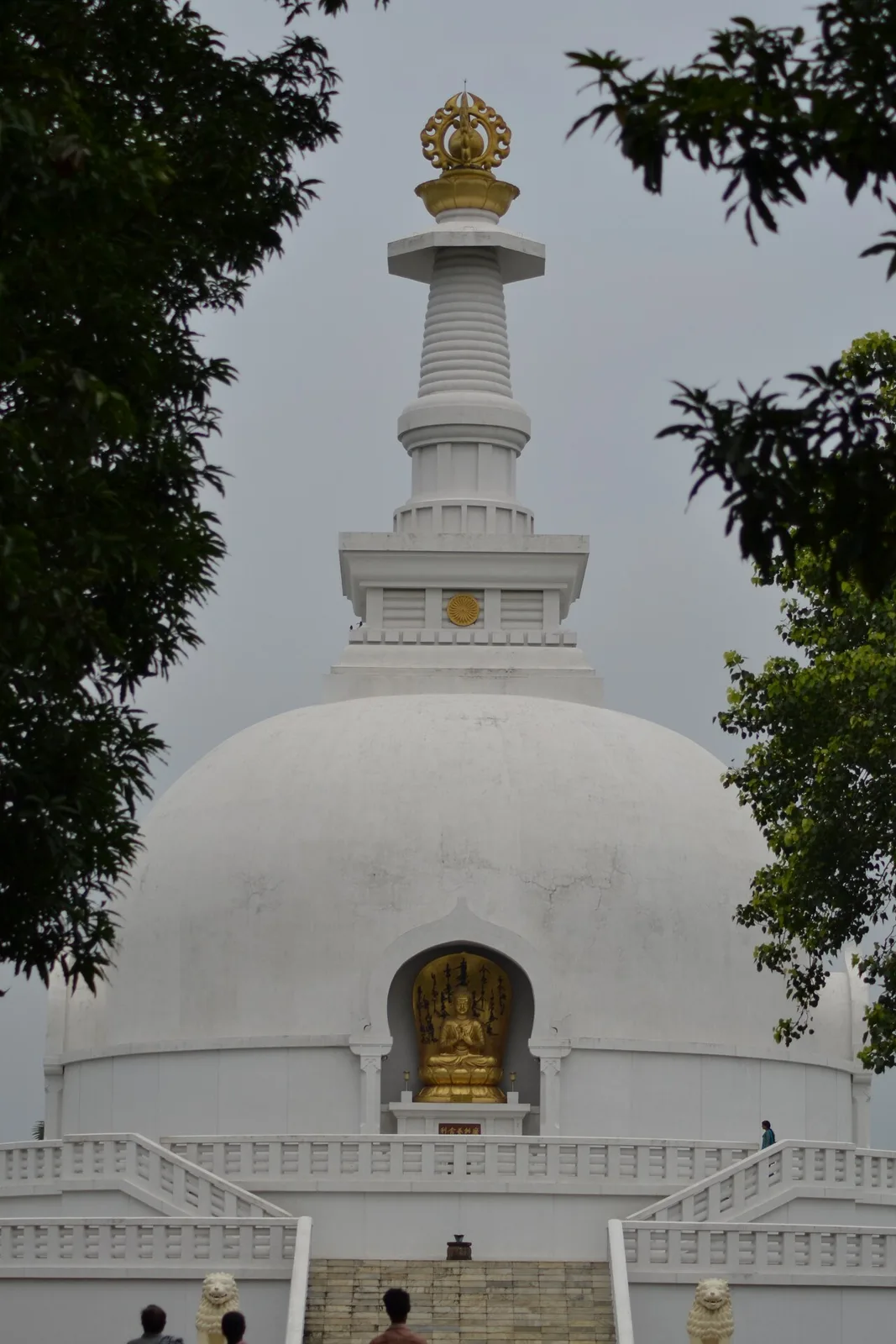
Kesaria stupa

49 km away · East Champaran district

Kesaria stupa

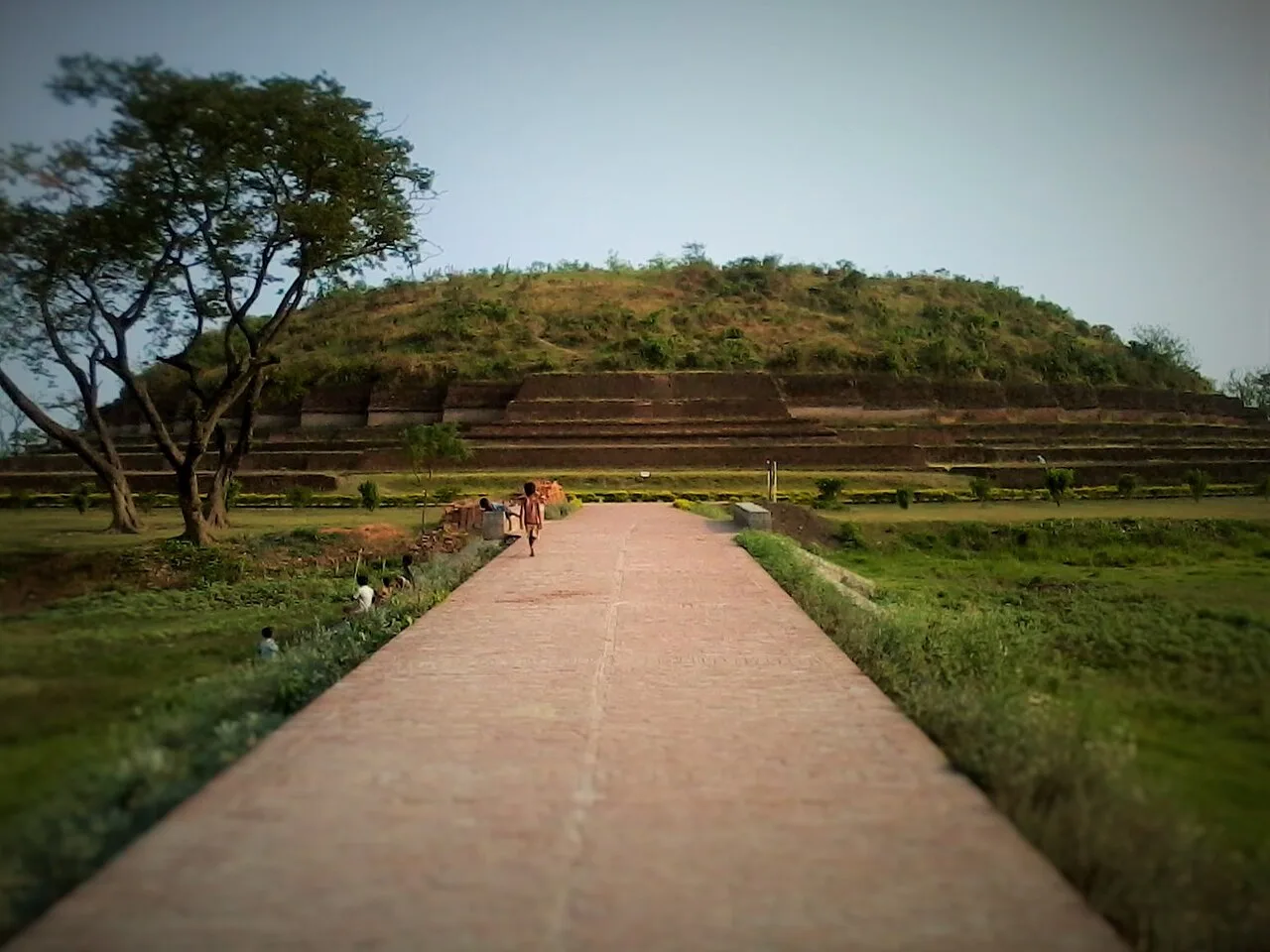
Kesariya Stupa is a Buddhist monument in Bihar’s East Champaran district, at Kesariya near Mehsi. Visitors come to see the structure, whose construction began in the third century BCE.

Vaishali

74 km away · Vaishali district

Vaishali

Vaishali is an archaeological site in Bihar associated with an ancient republic and important events in Buddhist and Jain history. Visitors come to see its stupas and Ashokan pillar and to explore these religious connections.

Lauria Nandangarh

83 km away · East Champaran district

Lauria Nandangarh

Lauria Nandangarh is a historic settlement in Bihar’s West Champaran district, known for an Ashokan pillar and a nearby mound, with Mauryan-period remains found in the area.

Darbhanga

92 km away · Darbhanga district

Darbhanga

Darbhanga is a major city and municipal corporation in Bihar, serving as the administrative centre of its district and division. Visitors encounter a longstanding centre of Mithila’s cultural, literary and musical traditions.

Madhubani

97 km away · Madhubani district

Madhubani

Madhubani is a city in Bihar’s Mithila region and the headquarters of its district. Visitors may be drawn by its regional identity and administrative importance.

Sonpur

108 km away · Saran district

Sonpur

Sonpur, officially known as Sonepur, is a city in Bihar’s Saran district, beside the Gandaki and Ganges rivers. Visitors come for its cattle fair, which begins on Kartik Poornima and is Asia’s largest.

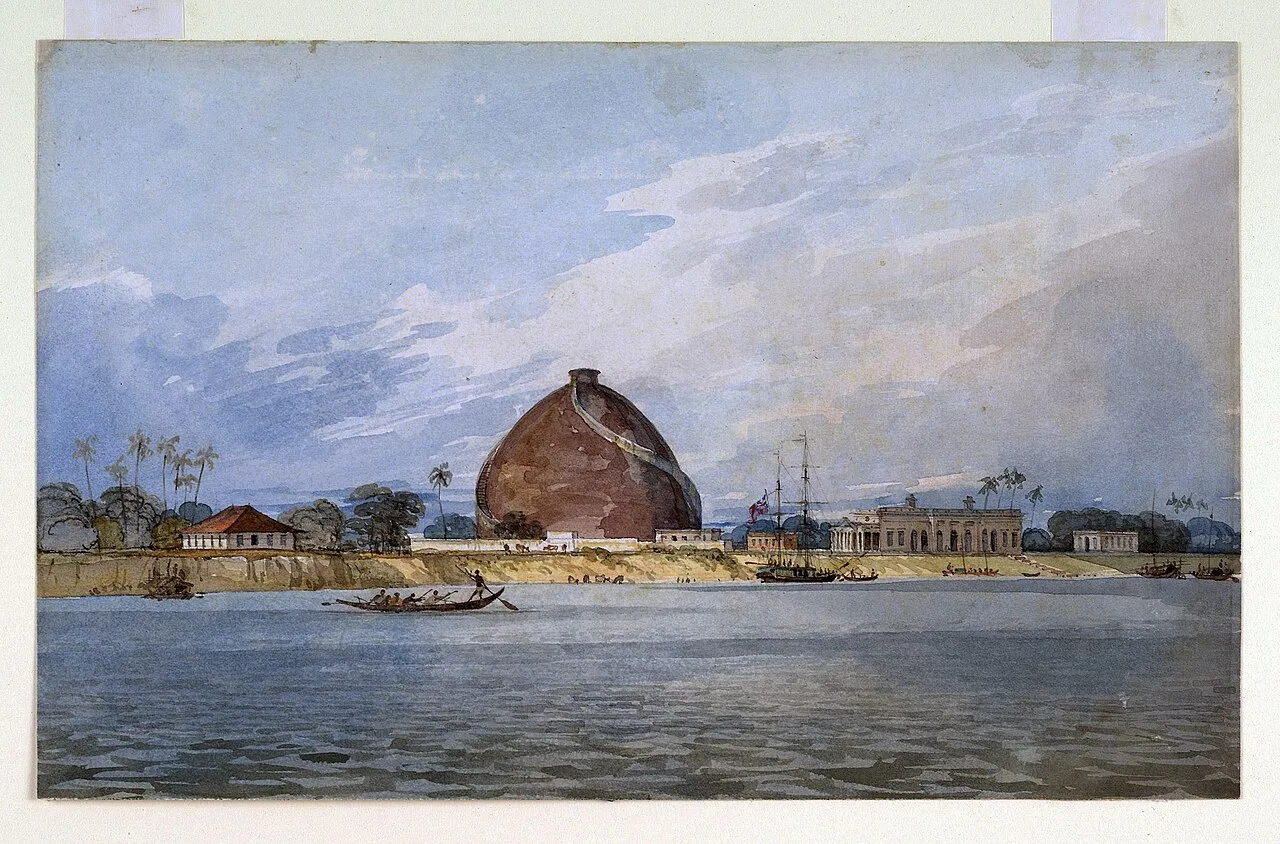
Golghar

117 km away · Patna district

Golghar

Golghar, also called Gol Ghar, is a substantial grain store in Patna, Bihar. Visitors come to see the granary west of Gandhi Maidan.

Map

Dhaka on the map

  1. 1Sitamarhi
  2. 2Kesaria stupa
  3. 3Vaishali
  4. 4Lauria Nandangarh
  5. 5Darbhanga
  6. 6Madhubani
  7. 7Sonpur
  8. 8Golghar

Bihar

Other cities to explore