Ghumoopedia — Explore, Discover, Experience
Sign in
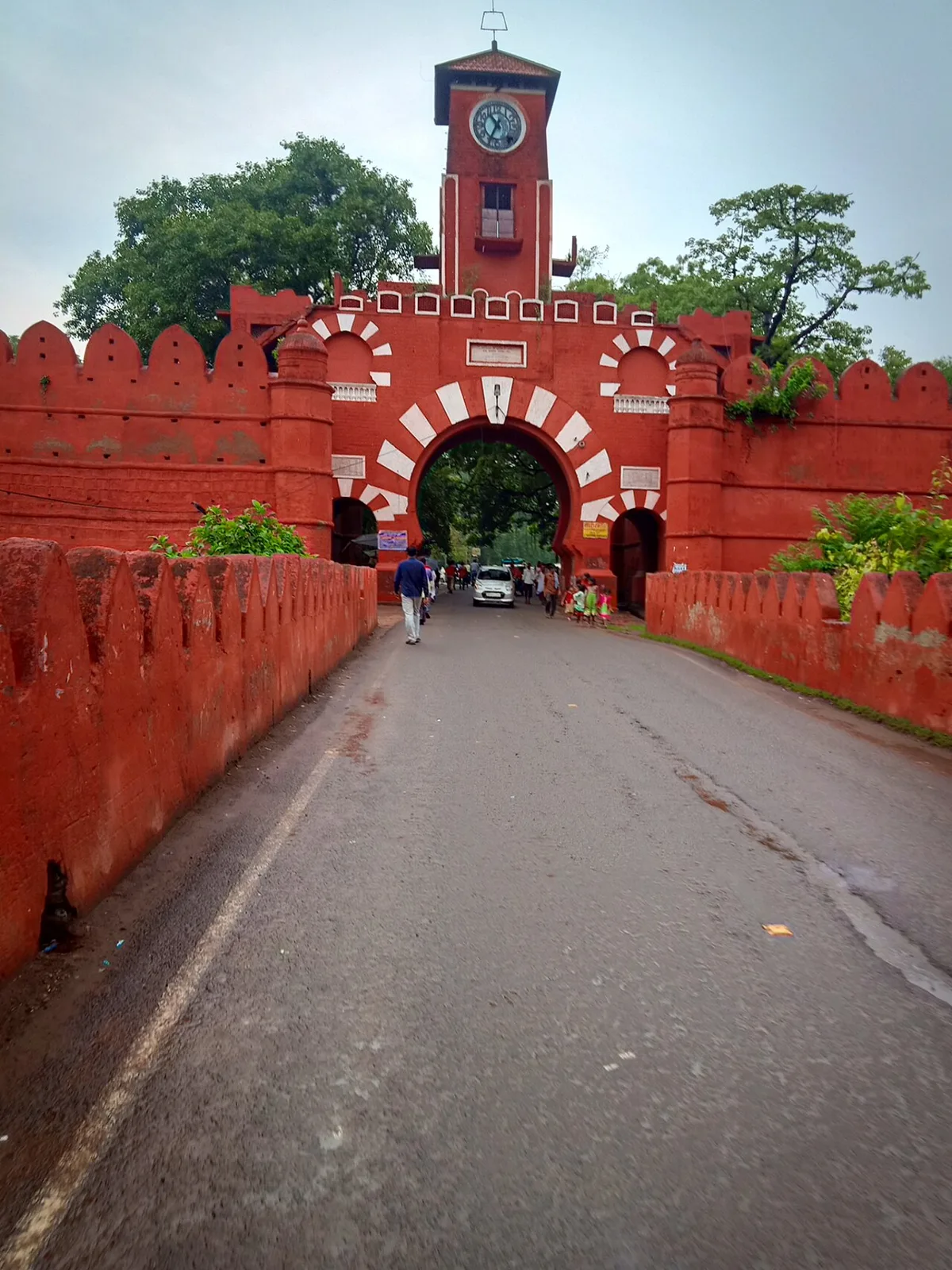
Munger Fort, near Khagaria

City guide · Bihar

Khagaria

Khagaria is an administrative and transport centre in north Bihar. As the headquarters of Khagaria district and part of Munger division, it serves residents and visitors from nearby towns and rural areas who come for government services, shopping and onward travel.

Famous for

  • Katyayani Temple pilgrimage
  • Khagaria Junction
  • Khagaria district headquarters
  • Regional agricultural markets
  • Chhath observances

Why Khagaria matters

Khagaria is an administrative and transport centre in north Bihar. As the headquarters of Khagaria district and part of Munger division, it serves residents and visitors from nearby towns and rural areas who come for government services, shopping and onward travel. Its position on the railway network makes Khagaria Junction an important point of access to the district and the wider region.

The town is also a base for visiting places of worship in the surrounding area, including the Katyayani shrine near Dhamara Ghat, which attracts devotees. Khagaria is not primarily a monument-focused tourist destination; its appeal lies in everyday regional life, local markets and its role as a convenient stop between larger centres. Travellers can experience the food, festivals and languages of north Bihar here, then use the town as a starting point for journeys through the district. Its connections with nearby Munger and other parts of Bihar give Khagaria practical importance beyond its size as a town.
Famous for: crafts, trade & products

Khagaria is better known as a district market and service centre than as a specialised craft or textile destination. It does not have a widely established local identity for a particular saree, handicraft or GI-tagged product. Trade in the town serves its rural hinterland, where agricultural goods and everyday necessities move through local shops and markets. Visitors looking for regional produce or household goods can browse the town-centre bazaars and shops around the main commercial and railway areas; availability varies with season and local supply.

Rather than a dedicated craft quarter, Khagaria’s commercial life is made up of general markets, food shops and small businesses serving residents and travellers. The town’s administrative offices, transport links and retail activity are part of its importance to the district. For distinctive Bihar handicrafts or specialised textiles, travellers may find a wider selection in larger regional centres. In Khagaria, it is sensible to ask local shopkeepers about seasonal produce and locally made goods, while treating any product claims as local trade rather than as a recognised city-wide craft tradition.

History

Khagaria’s history is closely connected to the wider Munger and north Bihar region. It is not generally known as the seat of a major royal court or a fortified capital; its growth has centred on settlement, regional commerce and administration. Over time, the area was governed through the changing political and administrative systems of Bihar and the broader north Indian plains.

During the colonial period, modern administrative structures and rail transport helped connect the region more closely with other towns. Khagaria Junction remains an important part of that transport role, although the station’s opening history is not needed to understand the town’s present-day function. In independent India, Khagaria developed as a local administrative centre. Khagaria district was formed in 1981 from Munger district, and the town became its headquarters. Today it continues to serve the district through government offices, markets and rail connections, while remaining part of Munger division.

Food, festivals & culture

Everyday food in Khagaria reflects familiar cooking across Bihar: rice, lentils, seasonal vegetables and breads, with litti-chokha and sattu preparations also found in local eating habits. Sweets and snacks are available through ordinary bakeries and market shops, though the town is not especially associated with one signature sweet. During festivals, households prepare seasonal foods and share meals with family and neighbours.

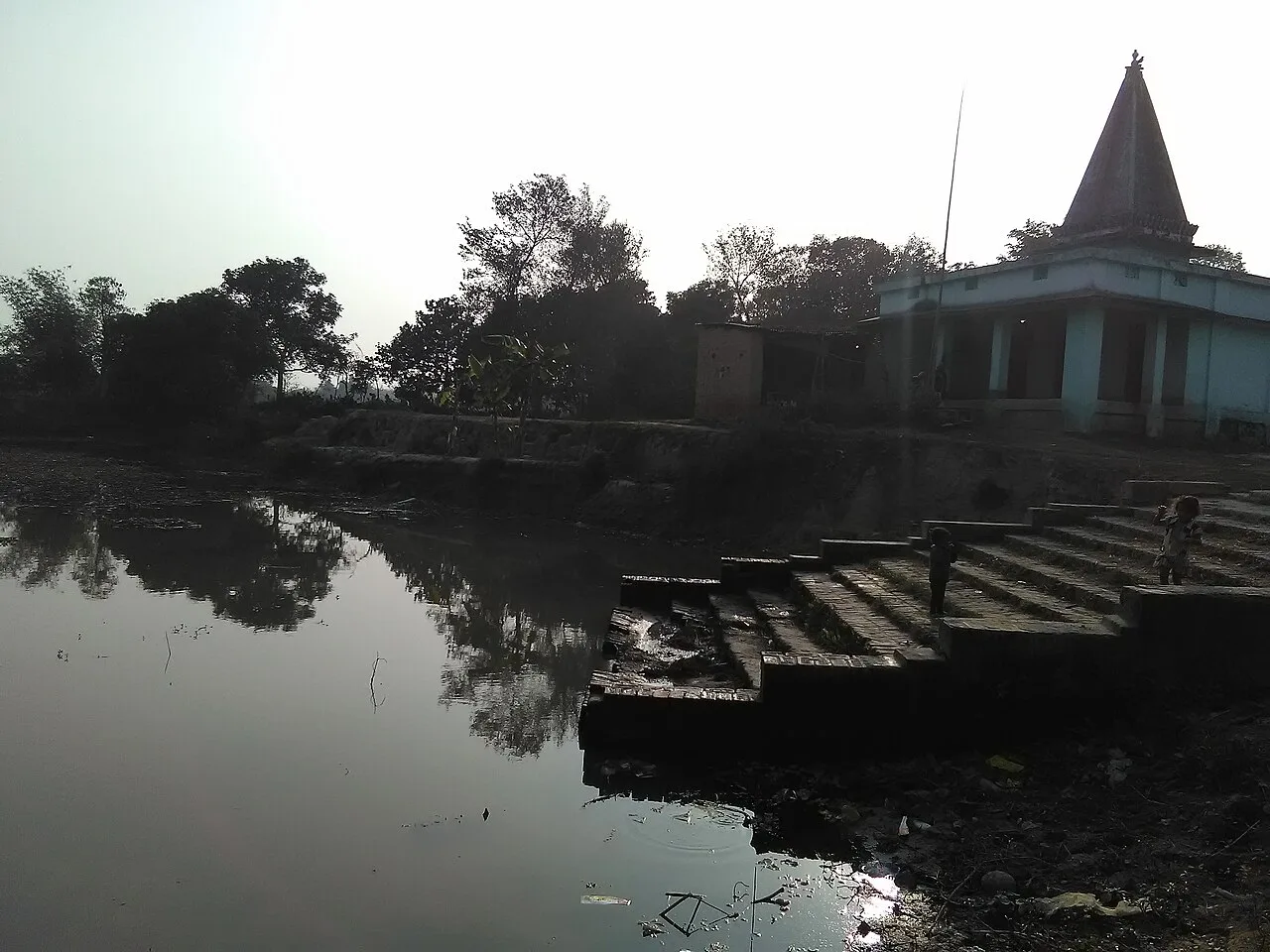
Chhath is a major observance in the region, usually celebrated in the autumn and again in spring, with devotional songs and offerings at water bodies. Holi, Diwali, Durga Puja and Eid are also observed. Hindi is widely used, alongside regional speech forms including Angika and Maithili. Folk and devotional singing are part of community and festival life. The Katyayani shrine near Dhamara Ghat is an important place of pilgrimage for devotees in the district; the town itself also has neighbourhood temples, mosques and other places of worship serving local communities.

Visiting the city

The cooler, drier months from about October to March are generally the most comfortable time to visit. Summers can be hot, while monsoon weather may make road journeys less convenient. Khagaria Junction is the town’s main railway station. Darbhanga Airport is a nearby commercial air gateway; Patna’s airport is another option, with onward travel by road or rail.

Auto-rickshaws and local vehicles are useful for getting around town, while taxis or hired cars can help with trips beyond it. The central market area is a practical place to explore shops and sample everyday food. The station surroundings are busy and convenient for travellers, while the district-office area offers a glimpse of Khagaria’s administrative role. Check local transport arrangements before travelling to nearby pilgrimage sites such as the Katyayani shrine near Dhamara Ghat.

Trips from the city

Nearest places to visit from Khagaria

Our closest destination guides, by straight-line distance.

Munger Fort

14 km away · Munger district

Munger Fort

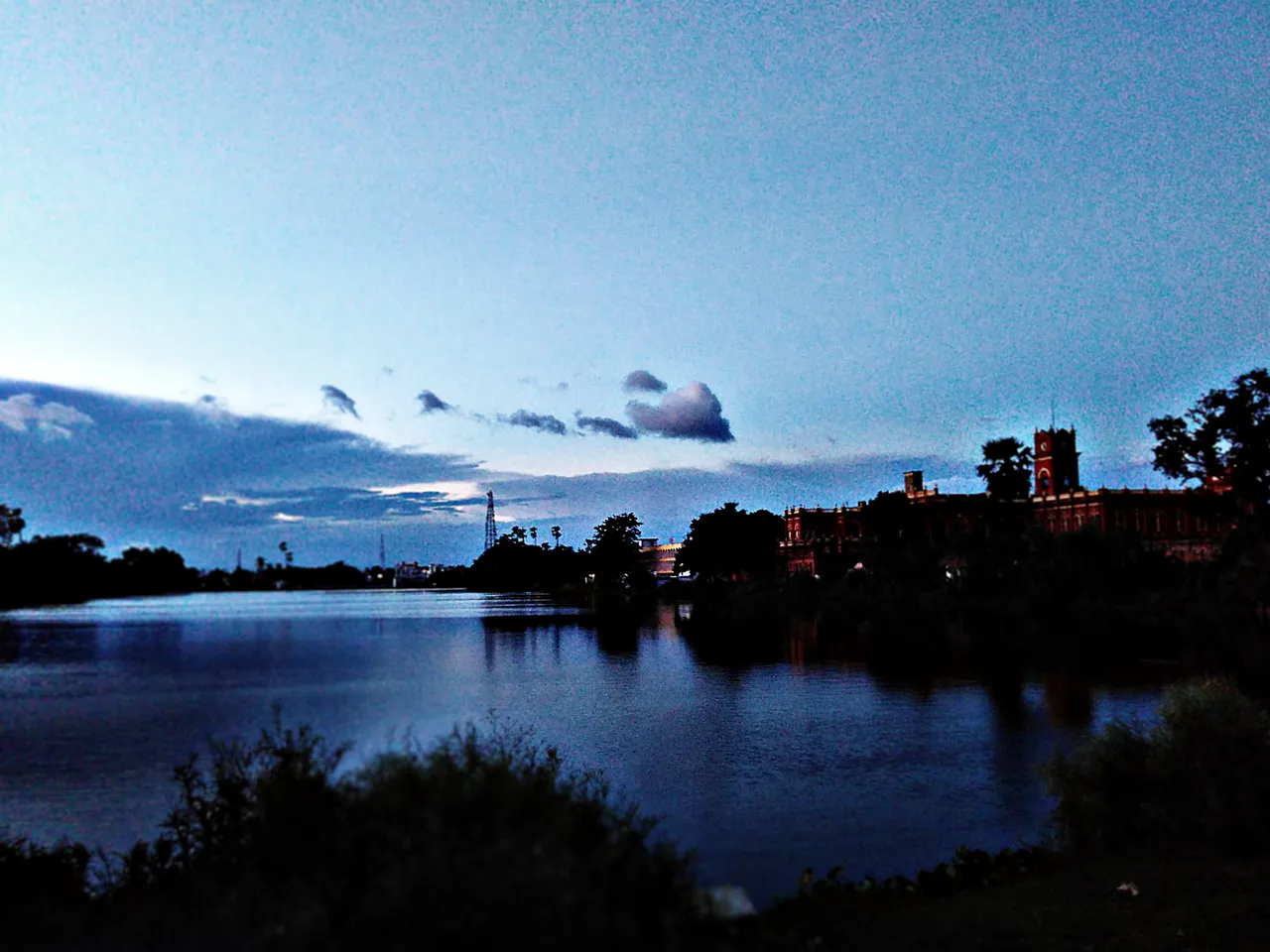
Munger Fort is a historic stronghold in Bihar, set on a rocky rise beside the Ganges. Visitors come to see its tombs, palace, temple, riverside ghat and British-era cemetery.

Bhimbandh Wildlife Sanctuary

36 km away · Munger district

Bhimbandh Wildlife Sanctuary

In Bihar’s Munger district, Bhimbandh Wildlife Sanctuary is a sanctuary devoted to wildlife. Visitors come to spend time in this wildlife-focused place in the district’s south-west.

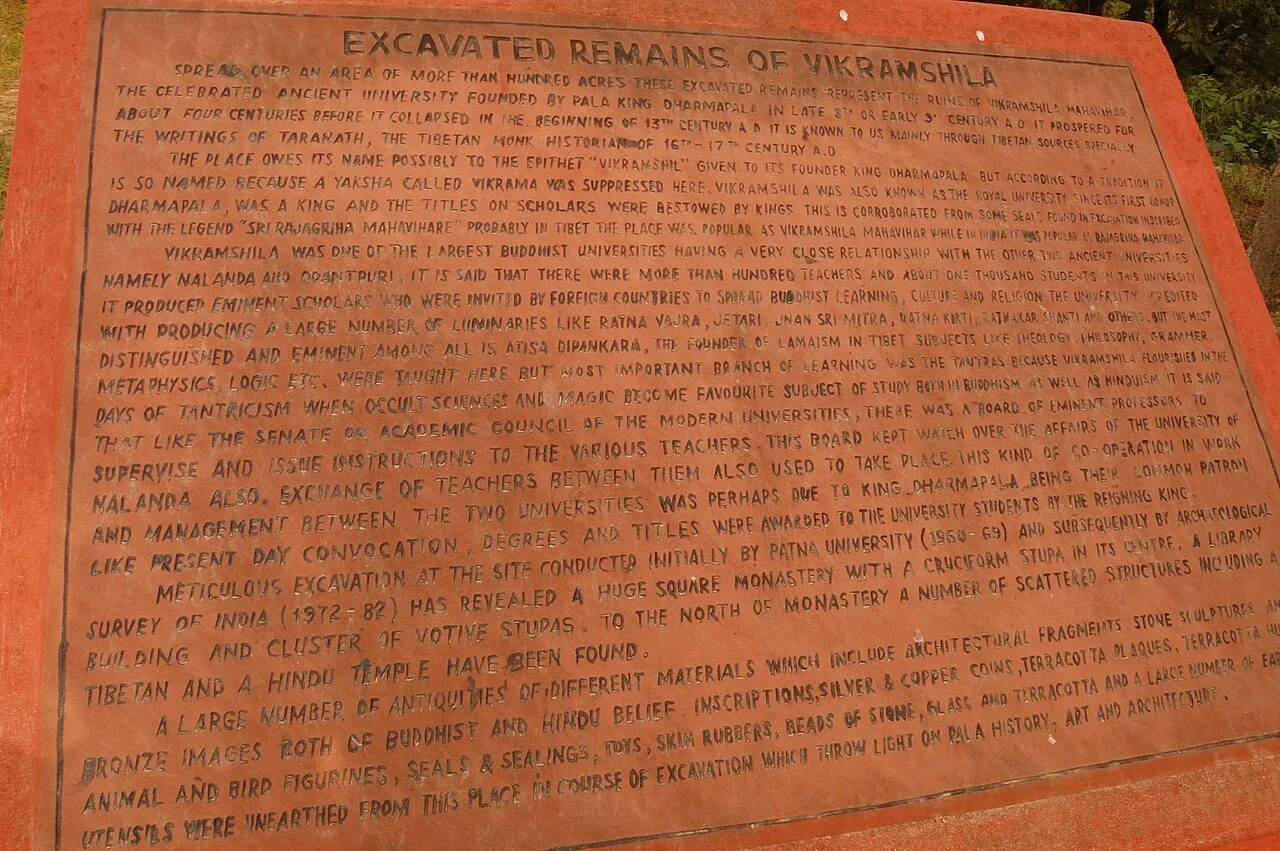
Vikramshila University Ruins

85 km away · Bhagalpur district

Vikramshila University Ruins

Vikramshila University Ruins mark a major Buddhist centre of learning in Bihar. Visitors come to explore the site and learn about its scholars and place in Buddhist education.

Vishwa Shanti Stupa

91 km away · Gaya district

Vishwa Shanti Stupa

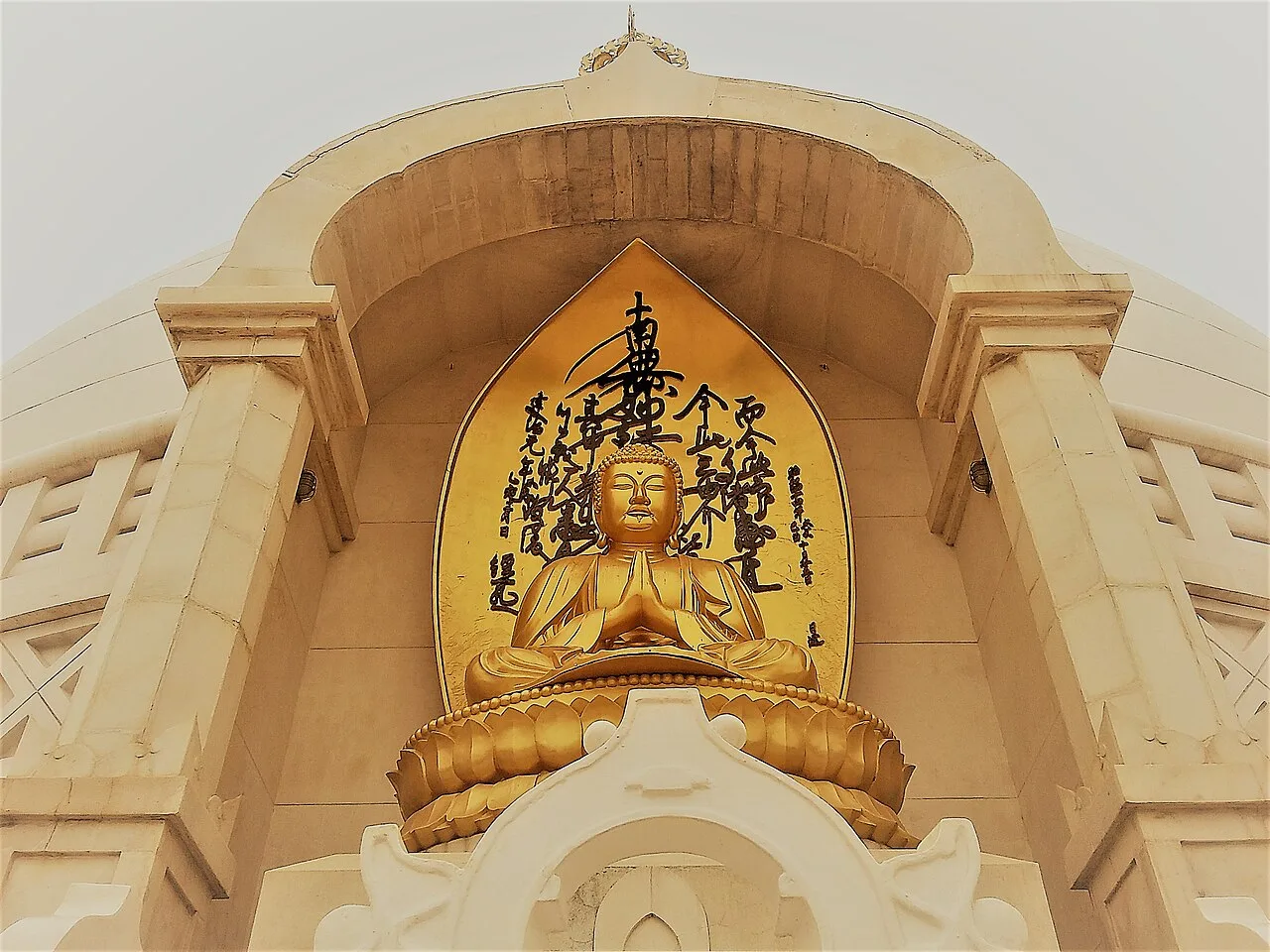
Vishwa Shanti Stupa is a white Buddhist pagoda in Rajgir, visited for its Buddha statues, nearby Japanese temple and park, and prayers for peace.

Darbhanga

93 km away · Darbhanga district

Darbhanga

Darbhanga is a major city and municipal corporation in Bihar, serving as the administrative centre of its district and division. Visitors encounter a longstanding centre of Mithila’s cultural, literary and musical traditions.

Mandar Hill

93 km away · Bhagalpur district

Mandar Hill

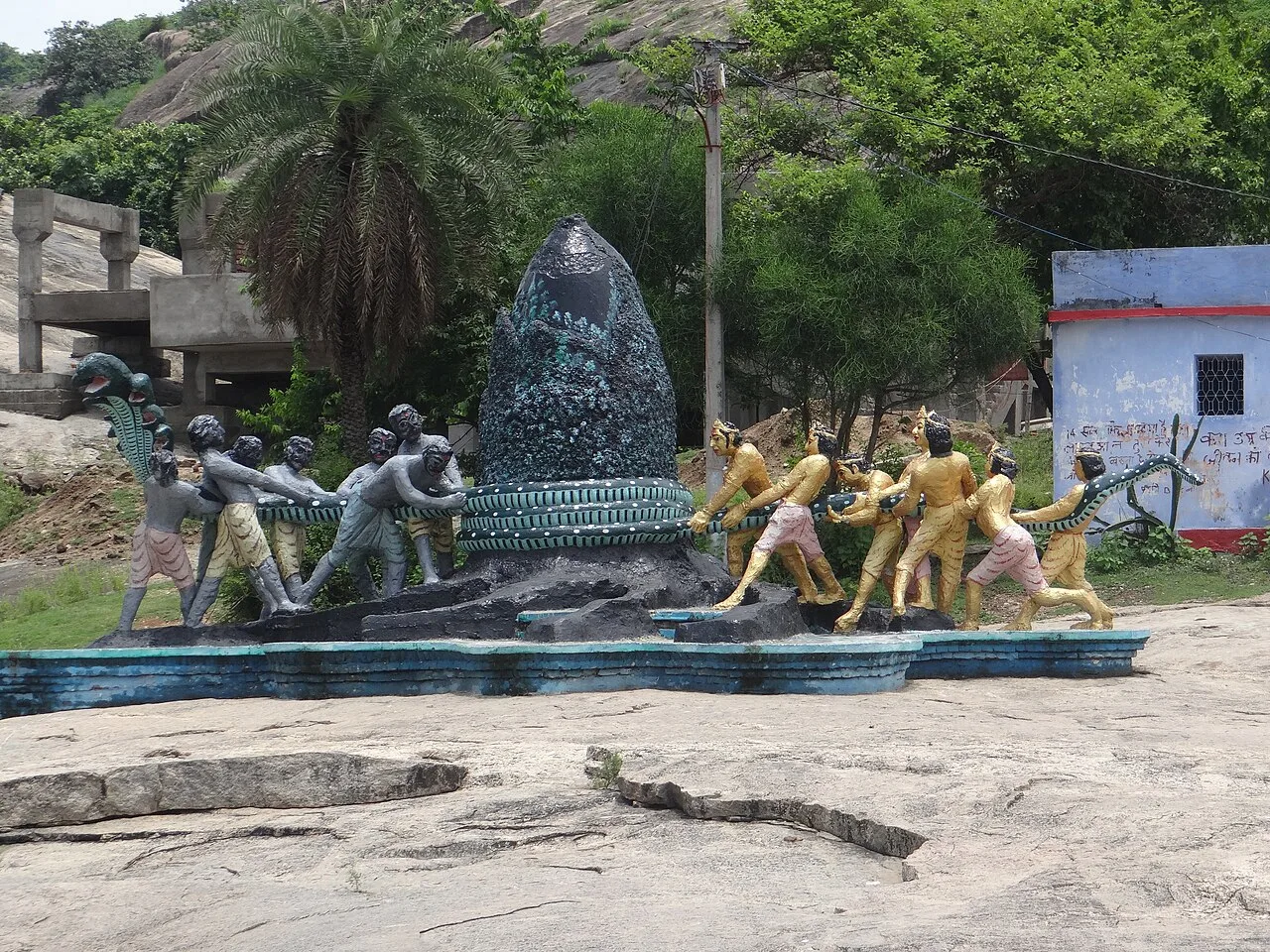
Mandar Hill, also called Mandar Parvat, is a roughly 700-foot hill at Bounsi in Bihar’s Banka district. Hindus and Jains visit it as a place of pilgrimage.

Madhubani

102 km away · Madhubani district

Madhubani

Madhubani is a city in Bihar’s Mithila region and the headquarters of its district. Visitors may be drawn by its regional identity and administrative importance.

Pawapuri

104 km away · Gaya district

Pawapuri

Pawapuri, also called Pavapuri, is a Jain sacred site in Bihar’s Nalanda district. People travel there on pilgrimage because it is associated with Mahavira’s nirvana.

Map

Khagaria on the map

  1. 1Munger Fort
  2. 2Bhimbandh Wildlife Sanctuary
  3. 3Vikramshila University Ruins
  4. 4Vishwa Shanti Stupa
  5. 5Darbhanga
  6. 6Mandar Hill
  7. 7Madhubani
  8. 8Pawapuri

Bihar

Other cities to explore