Ghumoopedia — Explore, Discover, Experience
Sign in
Darbhanga, near Chaita

City guide · Bihar

Chaita

Chaita is best understood as a rural panchayat area in Gaya district rather than a large city. Its local importance comes from the villages and everyday services of the surrounding countryside.

Famous for

  • Alipur village marketplace
  • Agricultural livelihoods
  • Nearby Hindu temples
  • Local village services
  • Road link to Tikari

Why Chaita matters

Chaita is best understood as a rural panchayat area in Gaya district rather than a large city. Its local importance comes from the villages and everyday services of the surrounding countryside. Alipur, associated with Chaita Panchayat, has a marketplace serving nearby villages, while Tikari provides a larger commercial centre for goods and services not readily available locally.

Visitors are more likely to come for village connections, local worship and a glimpse of agricultural life than for a major tourist attraction. Alipur has government schooling through class 8 and a health and wellness centre, as well as a police station. Several Hindu temples there—including shrines dedicated to Shiva, Hanuman and the Sun—are part of the local religious landscape. Chaita’s appeal is therefore practical and community-based: it offers a rural point of connection between nearby settlements and the district’s larger towns.
Famous for: crafts, trade & products

Chaita is not known for a distinct textile tradition, handicraft industry or GI-tagged product. Its best-established commercial feature is the village marketplace at Alipur, which serves residents of nearby settlements. Everyday agricultural produce and household necessities form the setting for local trade, while Tikari is the larger market for a wider range of goods and services.

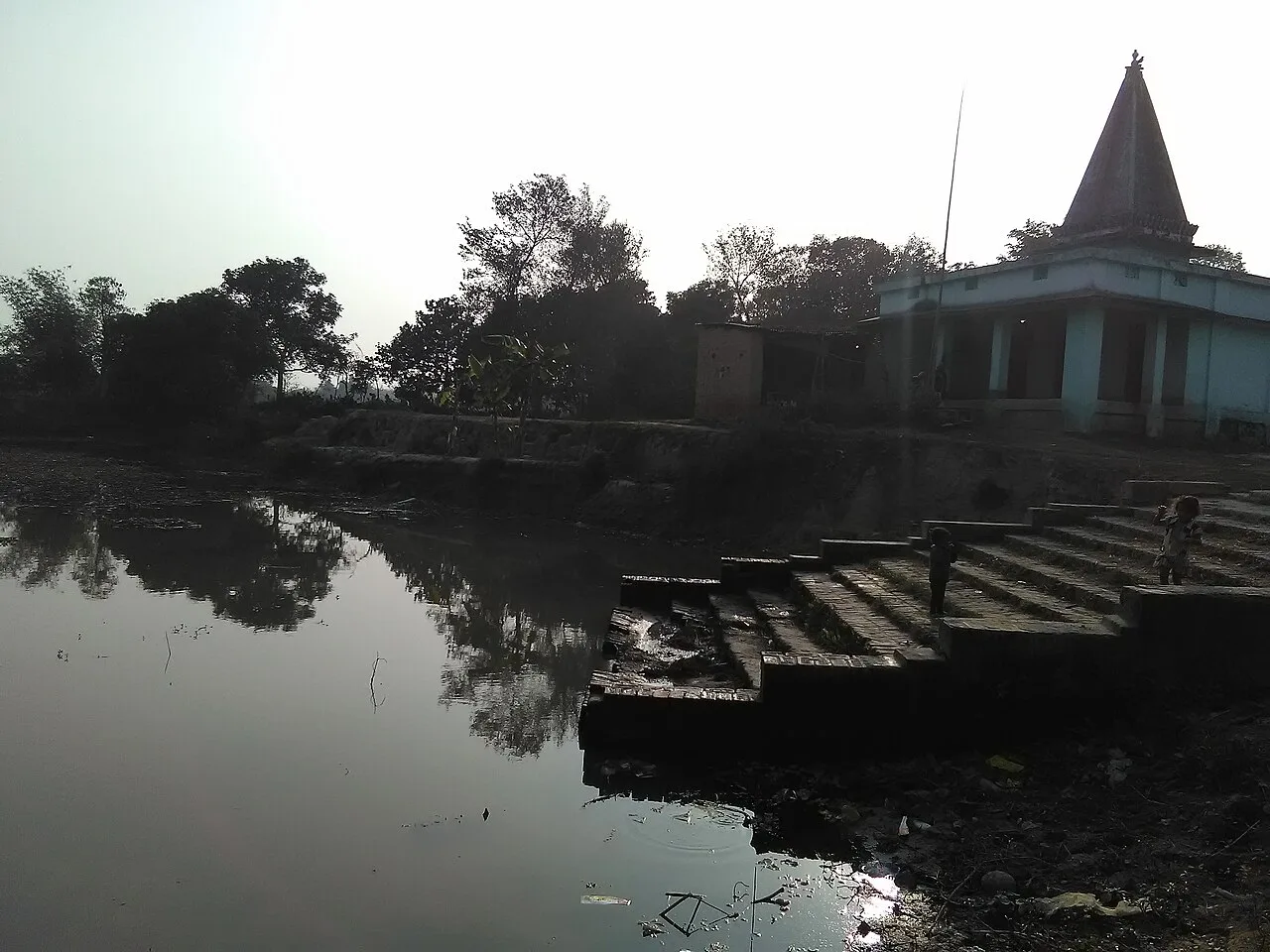
The marketplace and shops in Alipur are the most relevant places to look for routine local purchases. Visitors seeking specialised products should expect to find more choice in Tikari or Gaya rather than assume that Chaita has a dedicated craft market. The area’s other important institutions are practical rather than tourist-oriented: government schooling, a health and wellness centre and a police station. Temples in Alipur, including the Shiv Temple, Thakurbari, Devi Maa shrine and Sankat Mochan Hanuman Mandir, are notable community landmarks, not commercial attractions.

History

Chaita’s known development is rooted in village life and local administration. The surrounding area has long depended chiefly on agriculture, with household businesses and public- and private-sector employment also contributing to livelihoods. Alipur’s marketplace developed as a service point for nearby villages, while Tikari remained the larger commercial centre for needs beyond the local market.

There is little widely established information about a distinct royal or colonial-era history for Chaita, so specific rulers, events or architectural legacies should not be attributed to it without further evidence. In more recent local development, Alipur’s police station was established in 2001. Government schooling and a health and wellness centre are also part of the area’s contemporary civic infrastructure. Its present-day character is shaped less by a documented urban expansion story than by its links among villages, local services and the road network towards Tikari and Gaya.

Food, festivals & culture

The area’s culture is grounded in village routines, agriculture and Hindu worship. Temples in Alipur include shrines dedicated to Shiva, Hanuman, the Sun and Devi, as well as a Thakurbari and a Ram Janki temple under construction. These places serve local religious life; visitors should be considerate of worshippers and customs.

Hindi and Magahi are useful languages for visitors in this part of Gaya district. Chhath, usually observed in autumn, and festivals such as Holi and Diwali are widely celebrated across Bihar, though local observances vary by household and village. Everyday food is likely to reflect familiar Bihari staples such as rice, lentils, seasonal vegetables and sattu-based dishes; these are regional foods rather than specialities unique to Chaita. There is no well-documented local performance tradition to single out, so visitors should not expect a regular staged music or dance programme.

Visiting the city

The cooler months, roughly October to March, are generally the most comfortable for visiting; summer can be very hot and the monsoon brings rain. The nearest major air gateway is Gaya Airport, while Gaya Junction is the principal railway gateway for the district. Tikari is the nearest larger commercial town and a useful point for onward road travel.

Local travel is mainly by road, with private vehicles and locally available shared transport serving villages and nearby towns. Alipur is a practical area to explore for its marketplace, civic services and temples. Tikari offers a wider range of shops and services, while Gaya is the main place to look for broader transport connections and visitor facilities. Check local conditions before setting out, as village transport options may be limited.

Trips from the city

Nearest places to visit from Chaita

Our closest destination guides, by straight-line distance.

Darbhanga

45 km away · Darbhanga district

Darbhanga

Darbhanga is a major city and municipal corporation in Bihar, serving as the administrative centre of its district and division. Visitors encounter a longstanding centre of Mithila’s cultural, literary and musical traditions.

Madhubani

68 km away · Madhubani district

Madhubani

Madhubani is a city in Bihar’s Mithila region and the headquarters of its district. Visitors may be drawn by its regional identity and administrative importance.

Takht Sri Patna Sahib

68 km away · Patna district

Takht Sri Patna Sahib

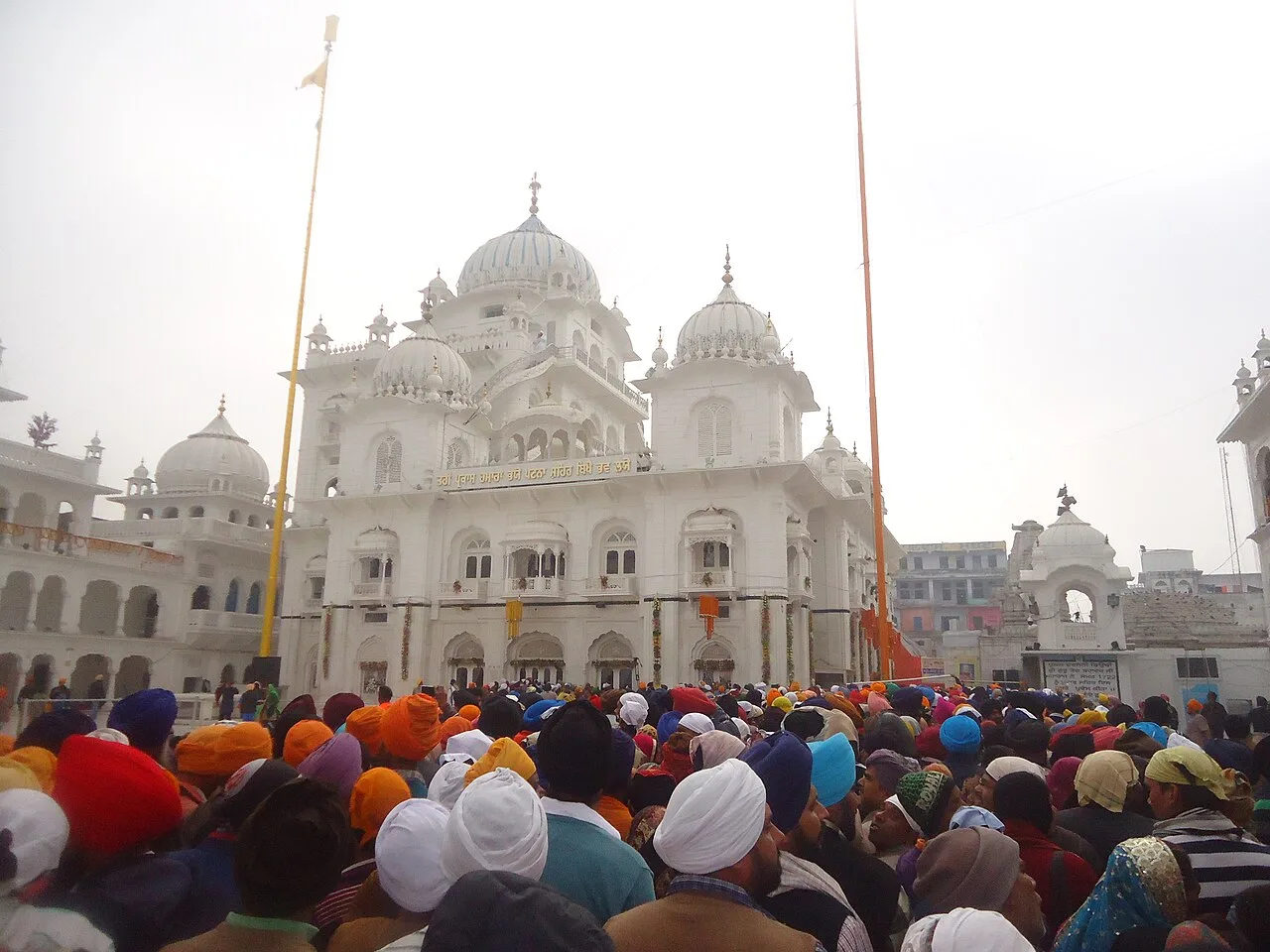
Takht Sri Patna Sahib, in Patna, Bihar, is among Sikhism’s five takhts. Visitors come to worship and pay their respects at this important Sikh religious site.

Sonpur

70 km away · Saran district

Sonpur

Sonpur, officially known as Sonepur, is a city in Bihar’s Saran district, beside the Gandaki and Ganges rivers. Visitors come for its cattle fair, which begins on Kartik Poornima and is Asia’s largest.

Agam Kuan

71 km away · Patna district

Agam Kuan

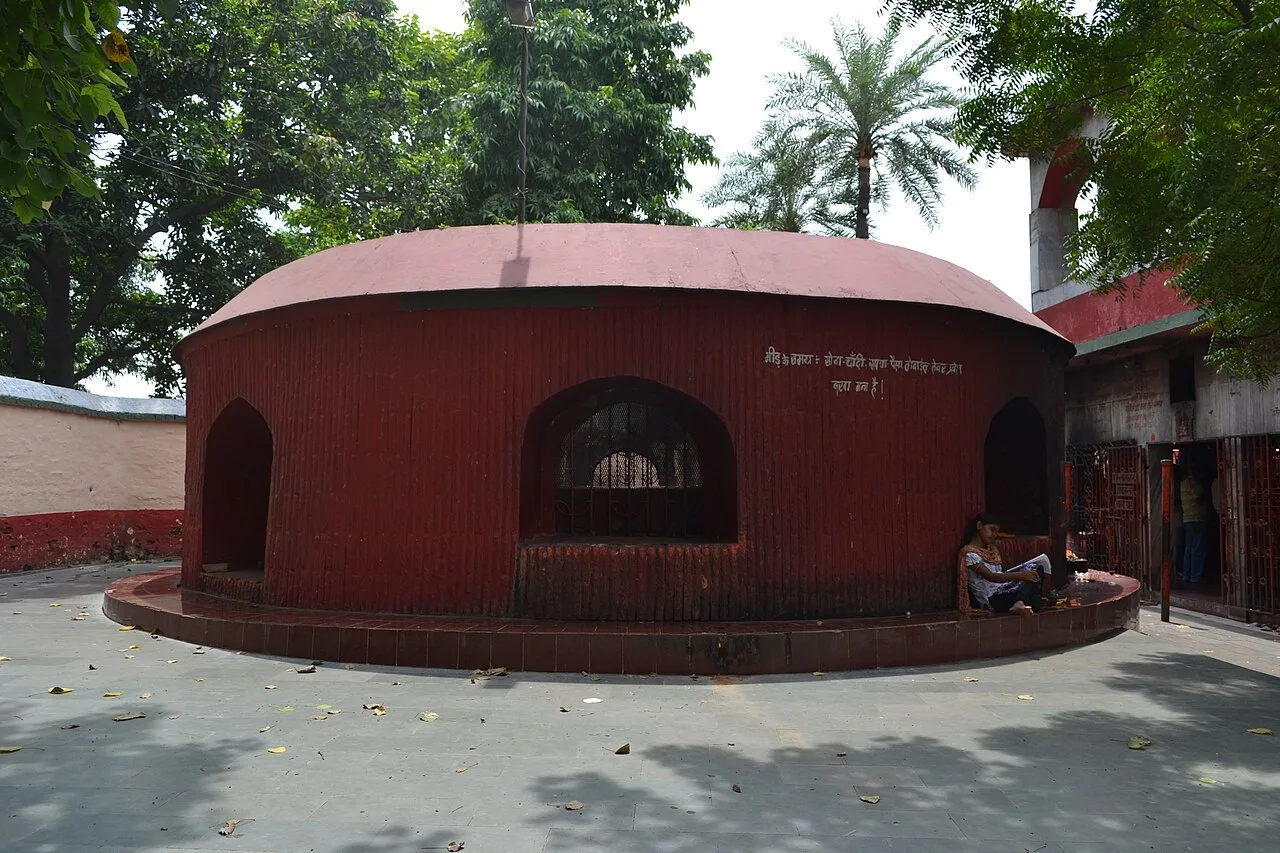
Agam Kuan is a historic circular well and archaeological site in Patna, Bihar, traditionally linked to Ashoka’s Mauryan era. Visitors also worship at the adjoining Shitala Devi temple, where the goddess and Saptamatrikas are venerated.

Bhimbandh Wildlife Sanctuary

72 km away · Munger district

Bhimbandh Wildlife Sanctuary

In Bihar’s Munger district, Bhimbandh Wildlife Sanctuary is a sanctuary devoted to wildlife. Visitors come to spend time in this wildlife-focused place in the district’s south-west.

Kumhrar

72 km away · Patna district

Kumhrar

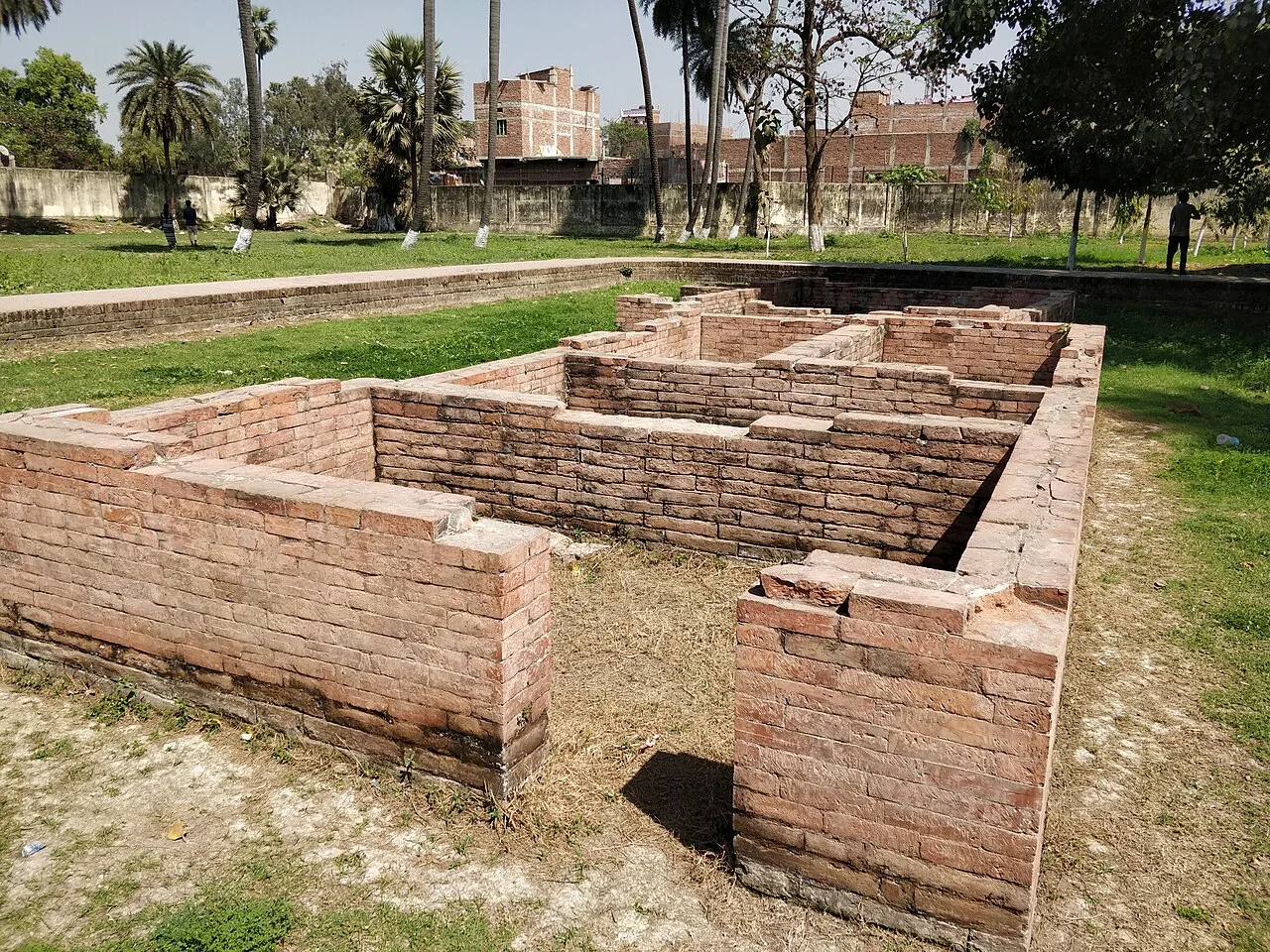
Kumhrar is an archaeological site in Patna connected with the remains of Pataliputra. Visitors come to see excavated traces of the city, including the remains of an 80-pillared hall.

Gandhi Maidan

73 km away · Patna district

Gandhi Maidan

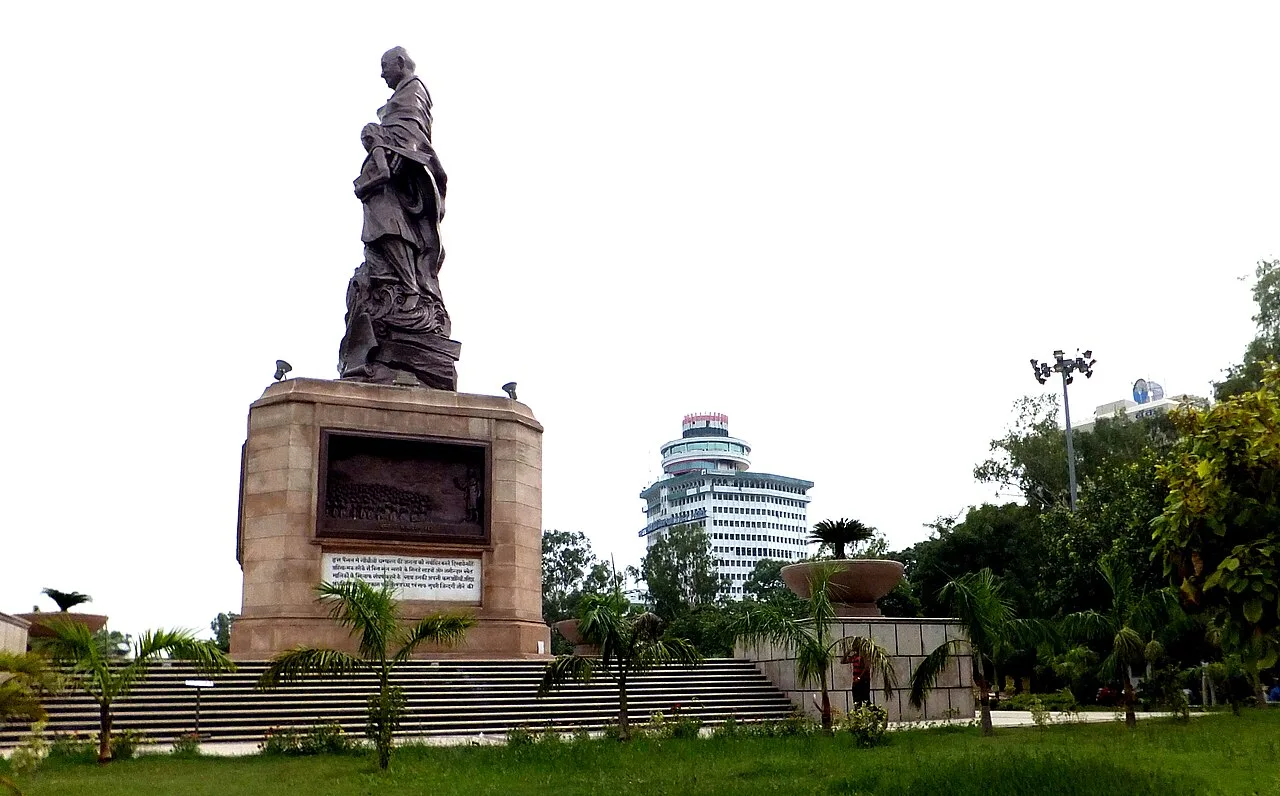
Gandhi Maidan is a historic open space in Patna, Bihar, near the Ganges. People visit a site linked to the freedom movement and significant political gatherings.

Map

Chaita on the map

  1. 1Darbhanga
  2. 2Madhubani
  3. 3Takht Sri Patna Sahib
  4. 4Sonpur
  5. 5Agam Kuan
  6. 6Bhimbandh Wildlife Sanctuary
  7. 7Kumhrar
  8. 8Gandhi Maidan

Bihar

Other cities to explore