Ghumoopedia — Explore, Discover, Experience
Sign in
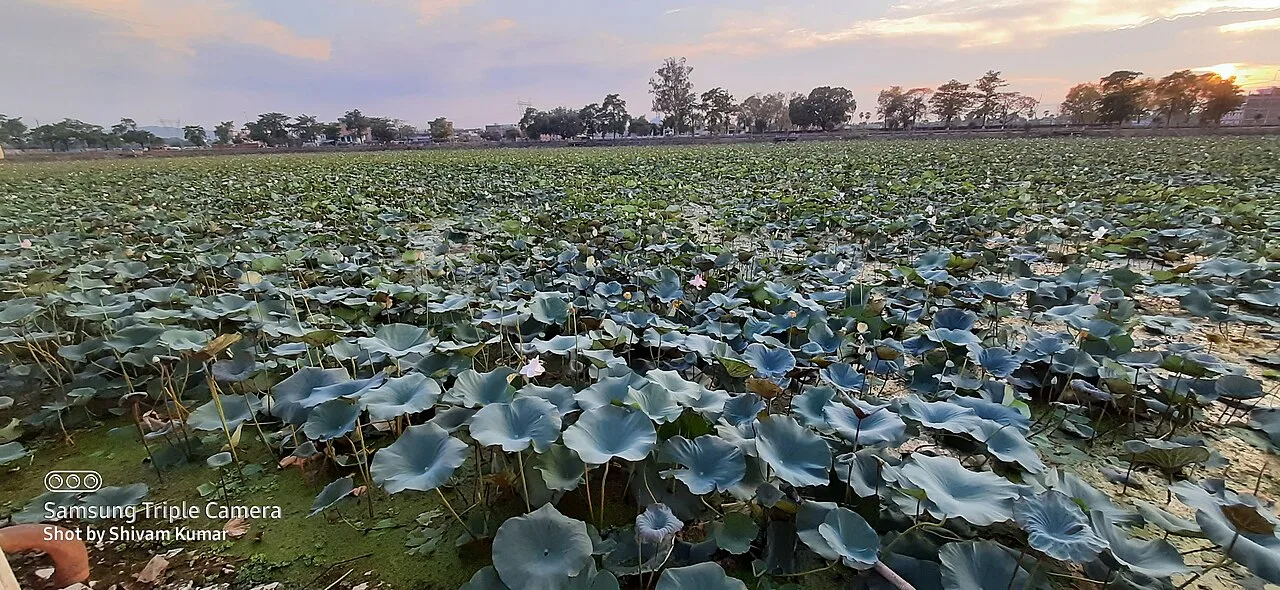
Bhimbandh Wildlife Sanctuary, near Barahiya

City guide · Bihar

Barahiya

Barahiya is a town and nagar parishad in Lakhisarai district, on the southern bank of the Ganges in Bihar. About 117 kilometres east of Patna, it serves as a local centre for nearby settlements, with shops, services and rail connections supporting everyday travel and trade.

Famous for

  • Maa Jagdamba Temple
  • Ganges riverbank
  • Chhath celebrations
  • Regional pilgrimage

Why Barahiya matters

Barahiya is a town and nagar parishad in Lakhisarai district, on the southern bank of the Ganges in Bihar. About 117 kilometres east of Patna, it serves as a local centre for nearby settlements, with shops, services and rail connections supporting everyday travel and trade. Its best-known visitor draw is the Maa Jagdamba Temple, which brings worshippers from Barahiya and surrounding areas. The riverbank also gives the town a strong connection to religious observances and the landscape of the Ganges plain.

Barahiya is not a large sightseeing destination with a concentration of monuments or visitor facilities. Its appeal is more local and devotional: people come to the temple, take part in seasonal festivals, and experience the rhythms of a working Bihar town. The bazaar and streets around the temple offer a glimpse of daily life, while the nearby river remains an important setting for worship and community gatherings. Barahiya is most rewarding for visitors interested in regional pilgrimage and small-town life rather than a packed itinerary.
Famous for: crafts, trade & products

Barahiya is best known locally for the Maa Jagdamba Temple and its role as a place of worship, rather than for a distinctive textile, craft or manufactured product. There is no widely established Barahiya-specific GI-tagged product or celebrated craft tradition to seek out. Visitors looking for local goods can browse the town’s general bazaar, where shops cater to residents and pilgrims with everyday necessities, snacks and items used for worship.

The market is the most practical place to look for seasonal produce and ordinary regional foods, though particular products and availability vary. Sweets and savoury snacks are sold as part of the everyday food trade, but Barahiya is not especially documented as a specialist sweets centre. The temple area is a natural place to find devotional offerings from local vendors. For textiles, handicrafts or a broader range of regional products, travellers may find more choice in larger commercial centres nearby. Barahiya’s importance in this regard is chiefly as a service town and pilgrimage stop for its surrounding area, not as a destination for a named local industry.

History

Barahiya’s local history is not widely recorded as a separate chronicle of rulers or a courtly capital. Its setting on the south bank of the Ganges places it within a landscape where river crossings, farming settlements and regional routes have long shaped community life. The nearby Lakhisarai region has its own wider historical associations, but these should not be taken as evidence for specific events or monuments in Barahiya itself.

During the colonial period, railways and administrative networks changed travel and trade across Bihar. Barahiya’s rail connection helped link the town with larger centres, although a precise founding date for the station or its effect on local growth is not firmly established here. In modern times, Barahiya has developed as a nagar parishad and local market centre serving nearby villages. The temple and the town’s position beside the Ganges remain important parts of its public identity, alongside its role in everyday regional transport and commerce.

Food, festivals & culture

Daily food in Barahiya follows the broader patterns of Bihar: rice and wheat, pulses, seasonal vegetables and dishes made with sattu are common. Litti-chokha is familiar across the state, while sweets and savoury snacks can be found in local shops; none should be treated as a uniquely Barahiya speciality. Hindi is widely used, alongside regional speech, including Magahi influences. Family, temple and neighbourhood gatherings give festivals a visible place in town life.

Chhath Puja, observed in spring and autumn, is especially connected with worship at rivers and other water bodies. Durga Puja and Navratri bring devotional activity around temples, while Holi and Diwali are also celebrated. Muslim residents observe Eid and other religious occasions. The Maa Jagdamba Temple is the principal named place of worship for visitors; smaller neighbourhood shrines and mosques serve local communities. Music and dance are often associated with festival and family occasions, with folk forms varying by performers and event rather than being presented as a single Barahiya style.

Visiting the city

October to March is generally the most comfortable period to visit, with cooler weather than the hot summer months and less risk of heavy monsoon rain. Jay Prakash Narayan International Airport in Patna is the nearest major airport. Barahiya railway station is the town’s main rail stop; Kiul Junction is another important station in the wider area. Check current connections before travelling.

Local shared autos and e-rickshaws are practical for short journeys, while walking suits the bazaar and temple area. Begin around Maa Jagdamba Temple, then explore nearby market streets and, where conditions allow, the Ganges-side areas. River access and facilities can vary, so ask locally about safe routes, particularly during high water or festival crowds. Barahiya is best approached as a short pilgrimage or regional town visit rather than a base for extensive sightseeing.

Trips from the city

Nearest places to visit from Barahiya

Our closest destination guides, by straight-line distance.

Bhimbandh Wildlife Sanctuary

27 km away · Munger district

Bhimbandh Wildlife Sanctuary

In Bihar’s Munger district, Bhimbandh Wildlife Sanctuary is a sanctuary devoted to wildlife. Visitors come to spend time in this wildlife-focused place in the district’s south-west.

Vishwa Shanti Stupa

41 km away · Gaya district

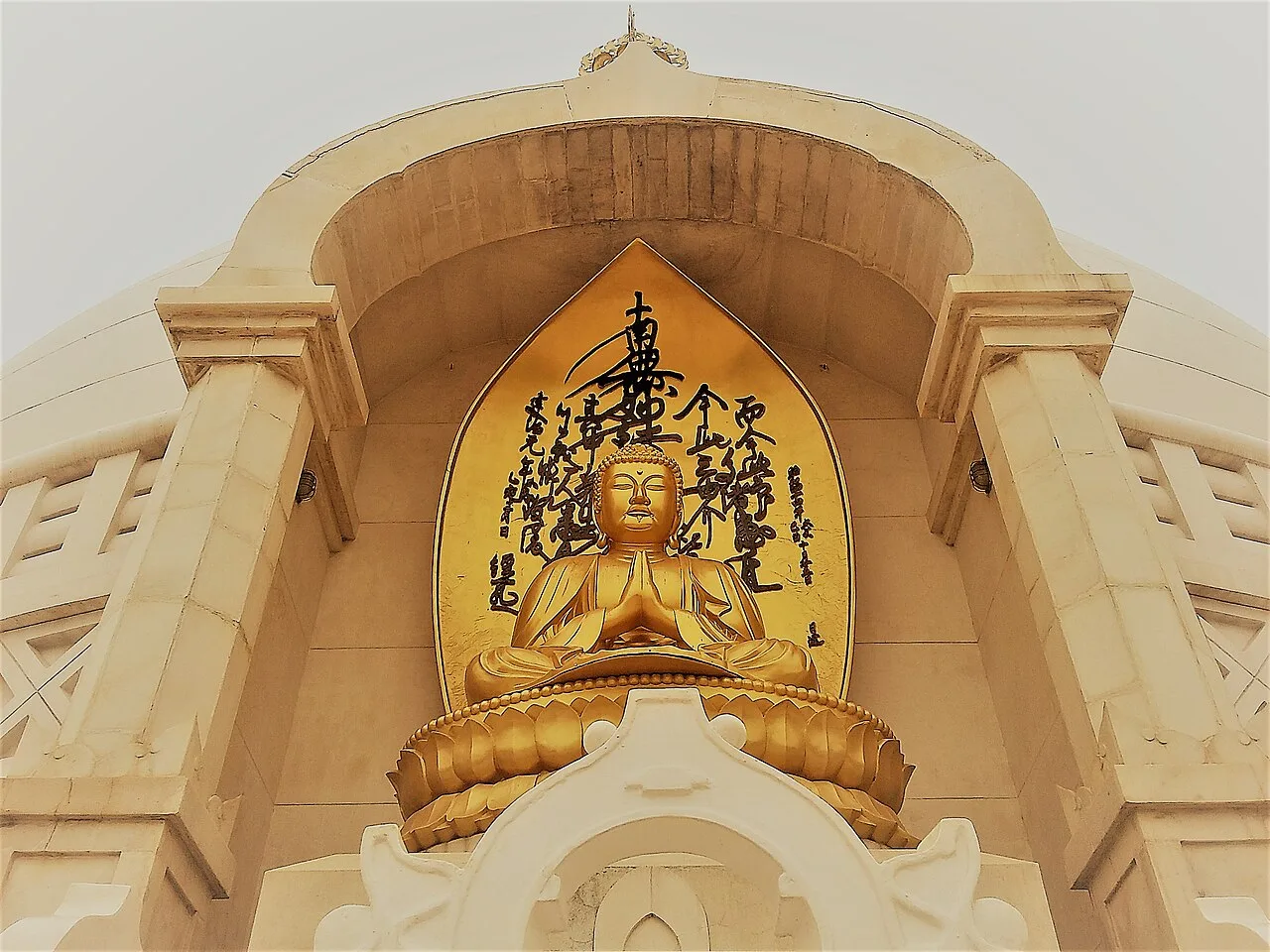
Vishwa Shanti Stupa

Vishwa Shanti Stupa is a white Buddhist pagoda in Rajgir, visited for its Buddha statues, nearby Japanese temple and park, and prayers for peace.

Munger Fort

46 km away · Munger district

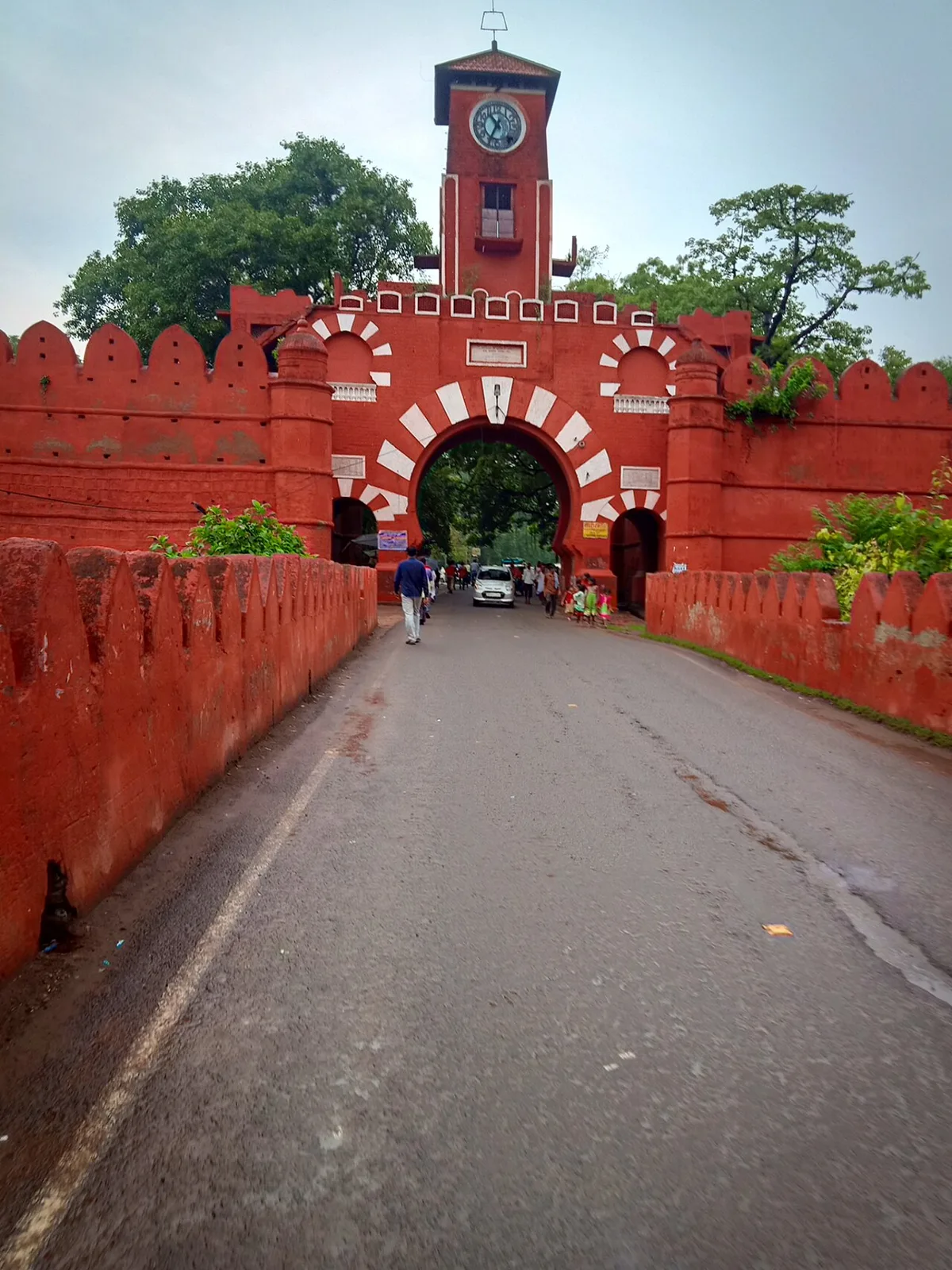
Munger Fort

Munger Fort is a historic stronghold in Bihar, set on a rocky rise beside the Ganges. Visitors come to see its tombs, palace, temple, riverside ghat and British-era cemetery.

Pawapuri

53 km away · Gaya district

Pawapuri

Pawapuri, also called Pavapuri, is a Jain sacred site in Bihar’s Nalanda district. People travel there on pilgrimage because it is associated with Mahavira’s nirvana.

Nalanda mahavihara

60 km away · Nalanda district

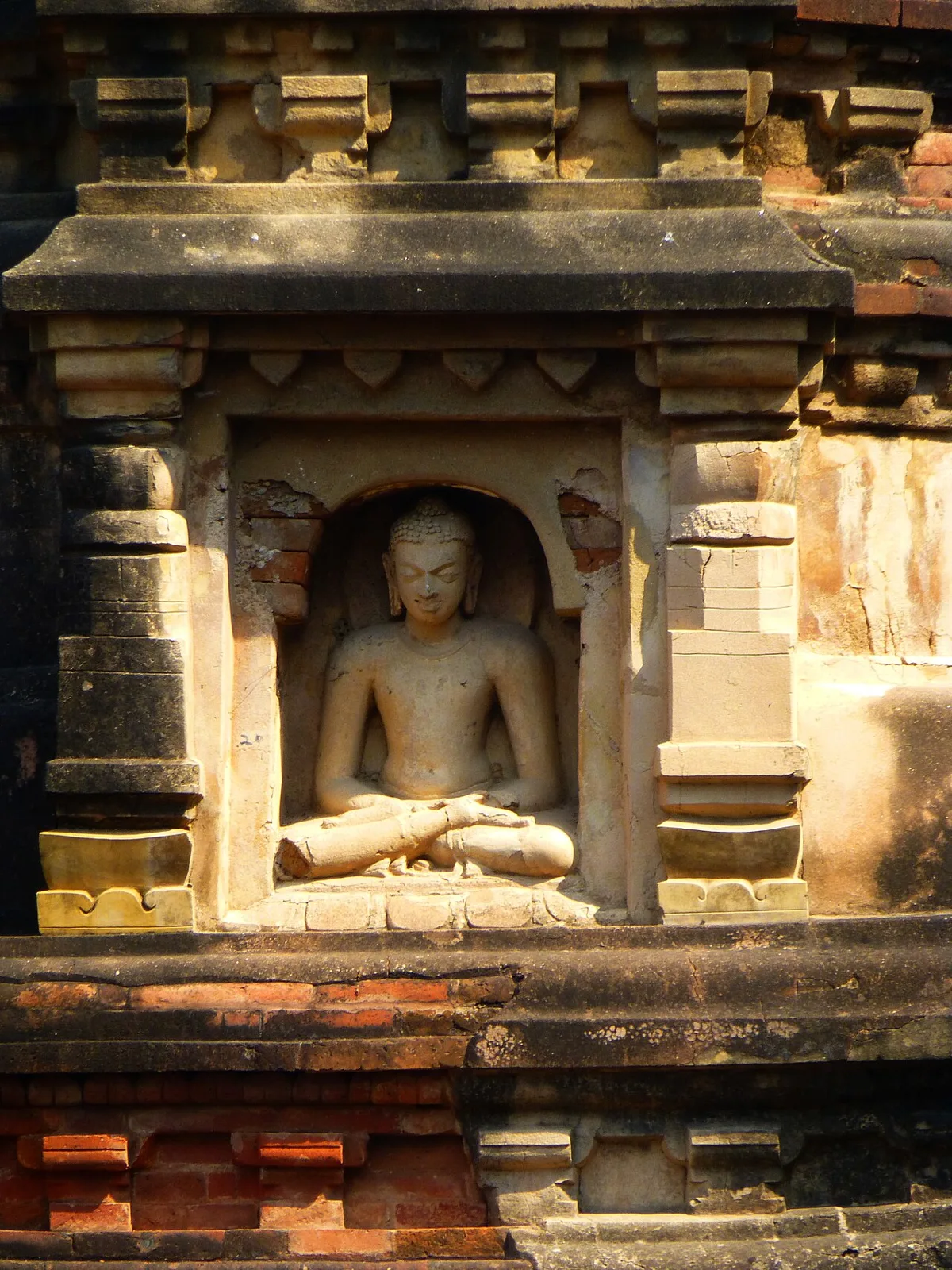
Nalanda mahavihara

Nalanda is the site of a major Buddhist monastery in Bihar, visited for its history as a long-lived centre of learning and its role in Mahayana Buddhism.

Kakolat Falls

76 km away · Nawada district

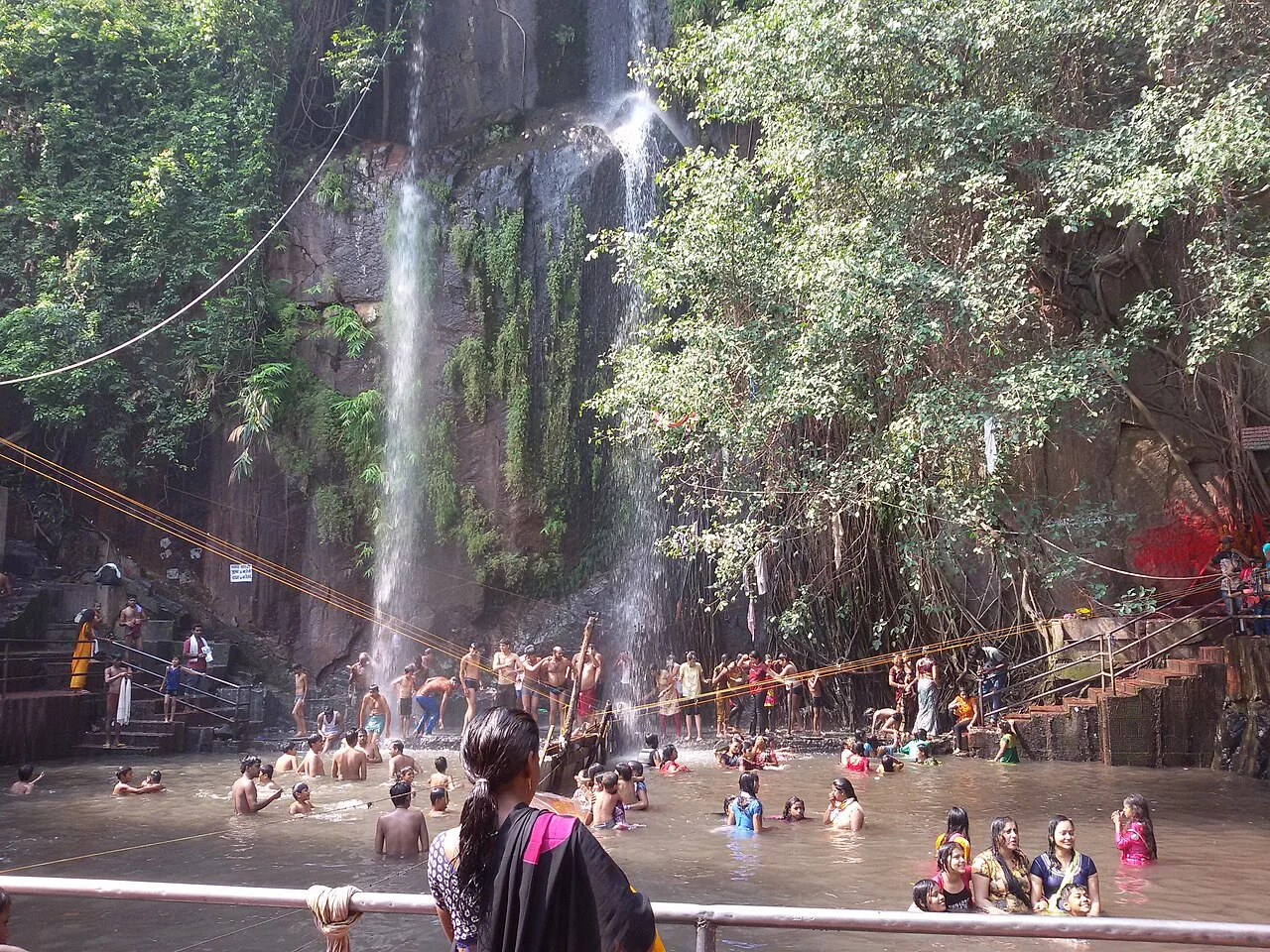
Kakolat Falls

Kakolat Falls is a waterfall in Bihar’s Nawada district. Visitors come to see the falling water, making it a destination centred on this natural feature.

Takht Sri Patna Sahib

86 km away · Patna district

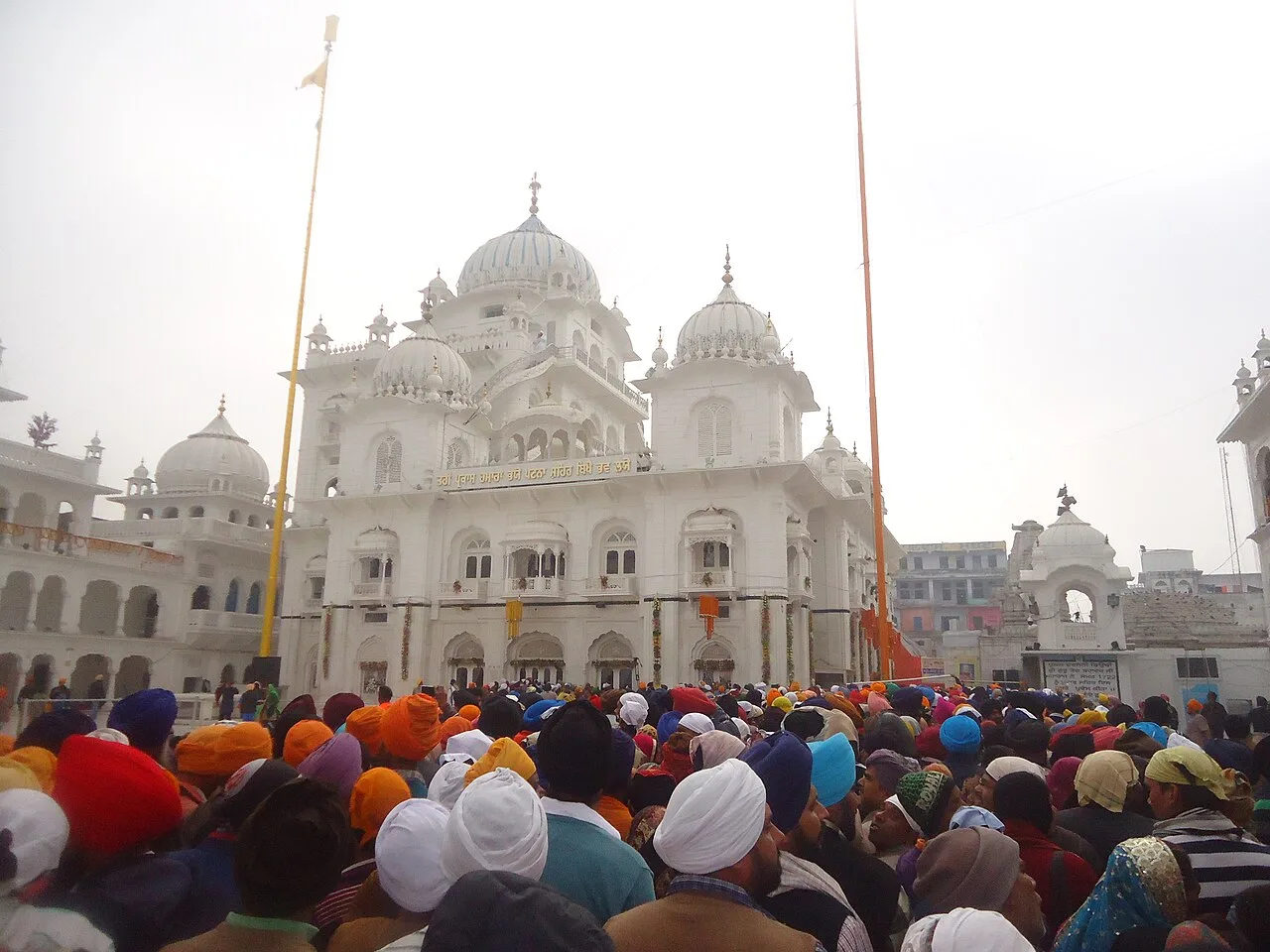
Takht Sri Patna Sahib

Takht Sri Patna Sahib, in Patna, Bihar, is among Sikhism’s five takhts. Visitors come to worship and pay their respects at this important Sikh religious site.

Agam Kuan

90 km away · Patna district

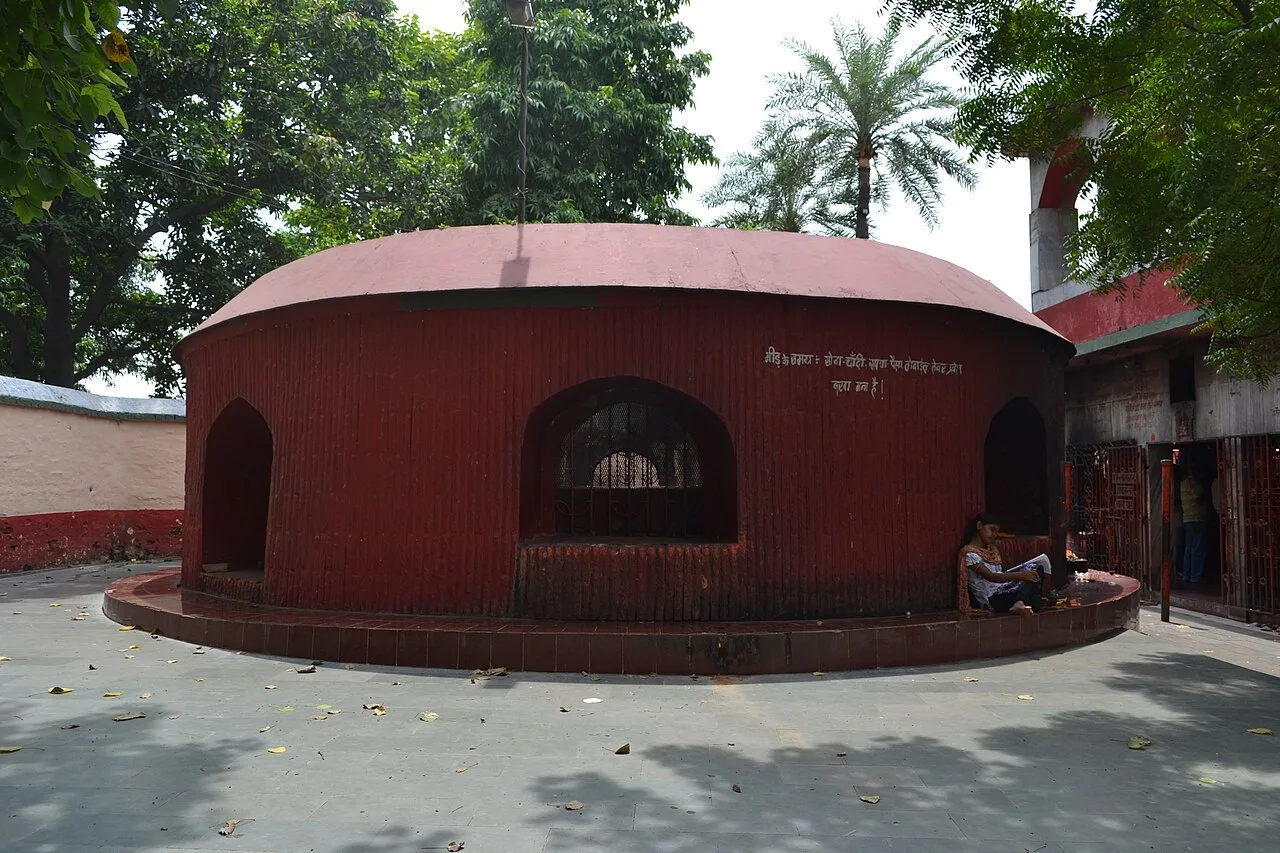
Agam Kuan

Agam Kuan is a historic circular well and archaeological site in Patna, Bihar, traditionally linked to Ashoka’s Mauryan era. Visitors also worship at the adjoining Shitala Devi temple, where the goddess and Saptamatrikas are venerated.

Map

Barahiya on the map

  1. 1Bhimbandh Wildlife Sanctuary
  2. 2Vishwa Shanti Stupa
  3. 3Munger Fort
  4. 4Pawapuri
  5. 5Nalanda mahavihara
  6. 6Kakolat Falls
  7. 7Takht Sri Patna Sahib
  8. 8Agam Kuan

Bihar

Other cities to explore