Ghumoopedia — Explore, Discover, Experience
Sign in
Darbhanga, near Dalsinghsarai

City guide · Bihar

Dalsinghsarai

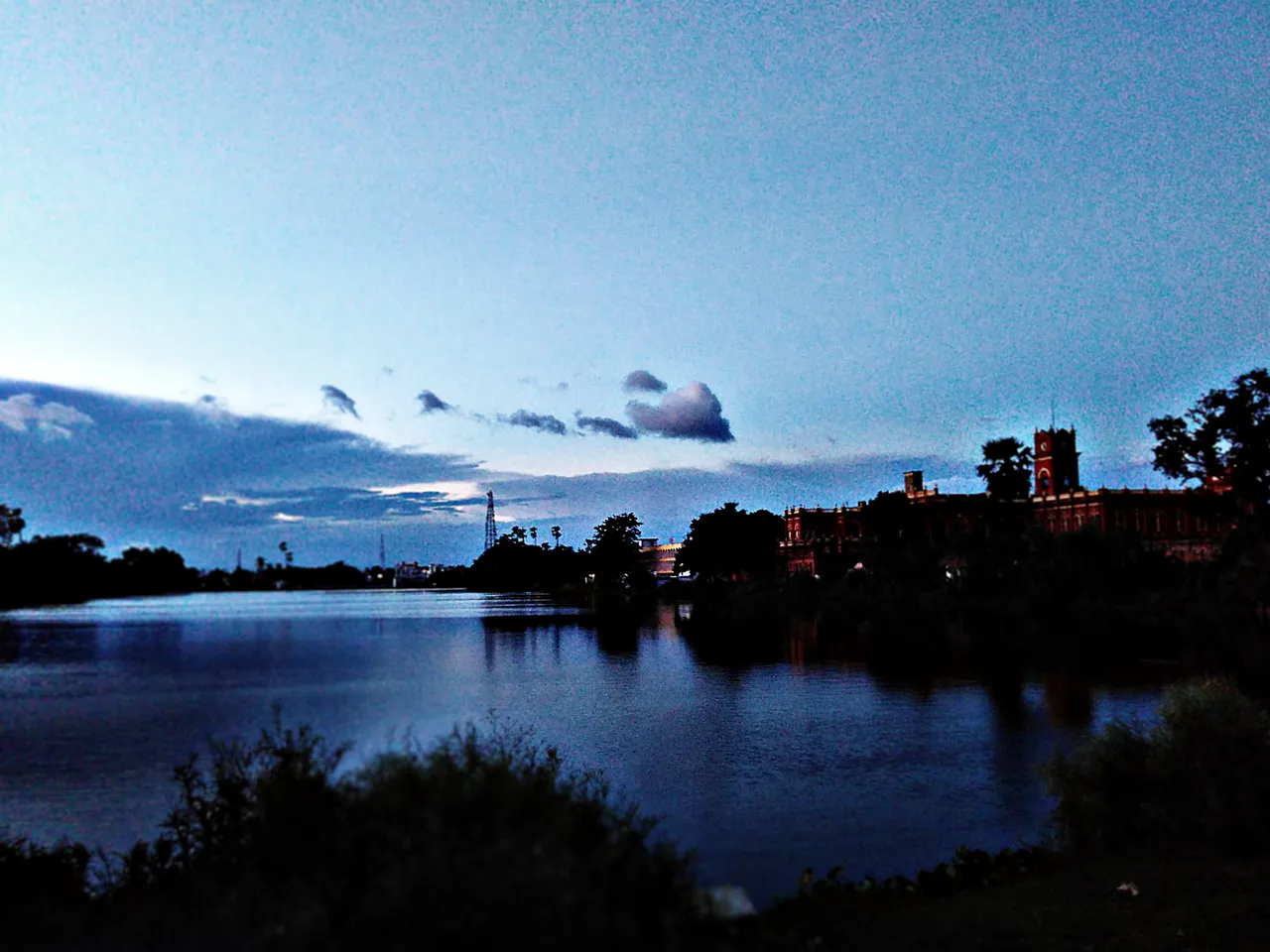
Dalsinghsarai is a town and municipal council in Samastipur district, serving as a local administrative centre and a market for the surrounding farming communities. Its location beside the Balan River and amid the fertile plains of north Bihar has long connected daily life and trade with agriculture.

Famous for

  • Historic indigo cultivation
  • Balan River setting
  • Pusa indigo research
  • Fertile agricultural belt
  • Rail-linked produce trade

Why Dalsinghsarai matters

Dalsinghsarai is a town and municipal council in Samastipur district, serving as a local administrative centre and a market for the surrounding farming communities. Its location beside the Balan River and amid the fertile plains of north Bihar has long connected daily life and trade with agriculture. The town also functions as a subdivision and block headquarters, bringing services and commerce together for nearby villages.

Visitors are more likely to encounter an everyday working town than a major sightseeing destination. Its railway station and busy local markets make it a practical stop for people travelling through the district, while the river and nearby fields offer a glimpse of the landscape that sustains the area. Dalsinghsarai is especially associated with the region’s colonial-era indigo cultivation; the history of that crop is linked to research established at nearby Pusa. Today, rice, wheat, maize, pulses and vegetables define much of the local economy. The town’s importance lies in this combination of agricultural trade, transport links and regional administration.
Famous for: crafts, trade & products

Dalsinghsarai is best known for its agricultural surroundings and historic association with indigo, rather than for a widely documented signature textile, handicraft or GI-tagged product. The area’s alluvial fields support crops including rice, wheat, maize, pulses and potatoes, as well as seasonal vegetables. Local markets are the most useful places to see this produce moving between nearby villages and town buyers; availability varies with the harvest and season. Litchi and mango are among the fruits grown in the wider area.

The town’s railway connection helps move farm produce to regional markets and supports its role as a trading centre. For visitors, the market streets and the area around the railway station offer a practical look at everyday commerce, food shops and agricultural supplies. Nearby Pusa is associated with the development of indigo research, including an institute opened there in 1902. That history gives the locality a distinctive place in the story of colonial-era cultivation, although visitors should not expect a dedicated indigo museum or a specialised heritage market in Dalsinghsarai. No particular local craft or manufactured product is established as a defining city specialty.

History

Dalsinghsarai’s growth reflects its position in the fertile agricultural plains of Samastipur district and beside the Balan River. Farming and the exchange of crops from surrounding villages helped it develop as a local market and service centre. Its administrative role expanded as it became a subdivision and block headquarters, while railway links strengthened connections with other towns in the region.

During British rule, the area became a centre of indigo cultivation. The crop was grown for commercial use, and the history of the industry is connected with research at nearby Pusa, where an indigo research institute opened in 1902. Indigo fields later gave way to a broader agricultural landscape, with food crops and other produce supporting the local economy. In the modern period, Dalsinghsarai has continued as a municipal and administrative centre serving nearby communities. Its present-day identity is shaped less by surviving colonial monuments than by agriculture, local trade, transport and public services.

Food, festivals & culture

Maithili is widely spoken in daily life, alongside Hindi; Urdu is also used, and Angika is heard in the broader district. Cultural life reflects the town’s place within the Mithila region, with family customs, seasonal observances and folk singing forming part of community gatherings. Local worship includes Hindu temples and Muslim places of prayer, though Dalsinghsarai is not especially known for a single major pilgrimage site.

Chhath, observed in autumn after the monsoon, is an important festival across Bihar and is marked by prayers connected with the sun and water. Holi in spring and Diwali in autumn are also widely celebrated, along with regional Mithila observances. Everyday food draws on the agricultural staples of the area: rice, lentils, wheat, maize and seasonal vegetables. Litti-chokha and sattu dishes are familiar regional foods, while sweets available in local shops vary. These are part of a broader Bihar and Mithila food culture rather than a uniquely documented Dalsinghsarai specialty.

Visiting the city

October to March is generally the most comfortable period to visit, with milder weather and less disruption from monsoon rain. The rainy season can bring flooding in the wider area, so check local conditions before travelling during that time. Darbhanga Airport is generally the nearest commercial airport; Dalsinghsarai railway station is the town’s main rail stop.

Auto-rickshaws and shared local vehicles are practical for getting around town and reaching nearby settlements. Explore the market streets around the railway station for everyday trade and food shops, then visit the Balan River area for a sense of the town’s setting. The surrounding villages and cultivated fields show the agricultural landscape behind the local economy. There is no major cluster of established tourist attractions, so Dalsinghsarai works best as a brief stop or a base for visiting nearby parts of Samastipur district.

Trips from the city

Nearest places to visit from Dalsinghsarai

Our closest destination guides, by straight-line distance.

Darbhanga

56 km away · Darbhanga district

Darbhanga

Darbhanga is a major city and municipal corporation in Bihar, serving as the administrative centre of its district and division. Visitors encounter a longstanding centre of Mithila’s cultural, literary and musical traditions.

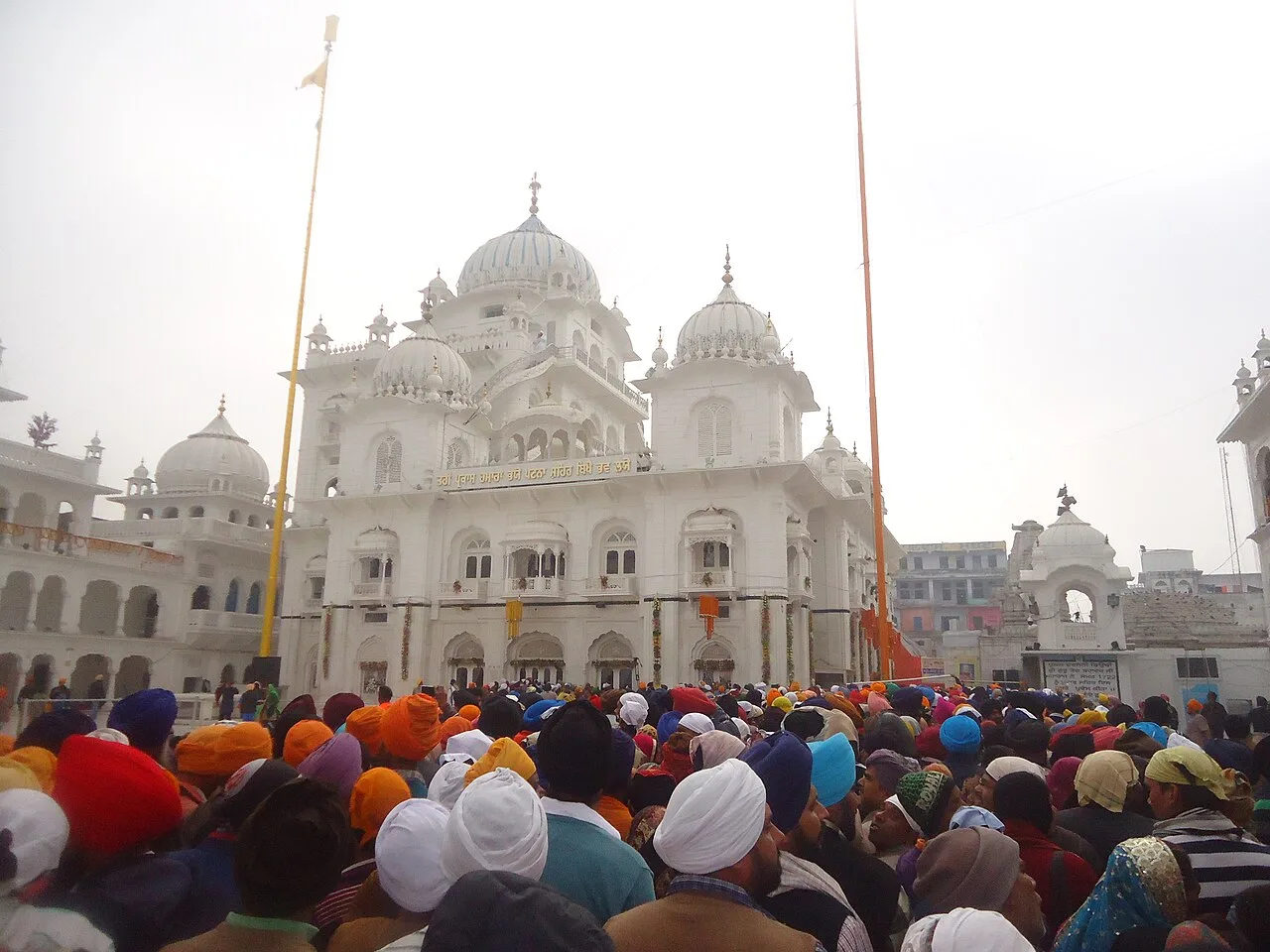
Takht Sri Patna Sahib

61 km away · Patna district

Takht Sri Patna Sahib

Takht Sri Patna Sahib, in Patna, Bihar, is among Sikhism’s five takhts. Visitors come to worship and pay their respects at this important Sikh religious site.

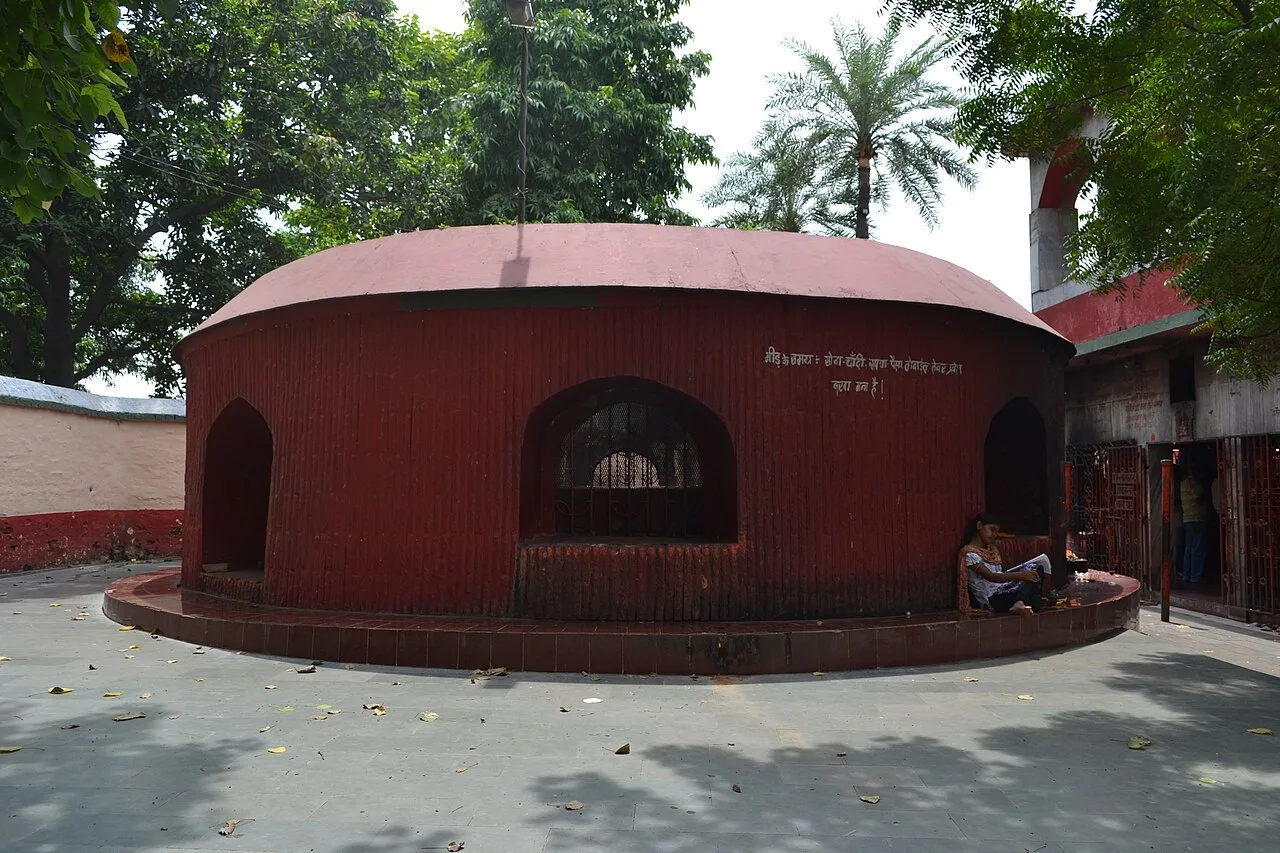
Agam Kuan

65 km away · Patna district

Agam Kuan

Agam Kuan is a historic circular well and archaeological site in Patna, Bihar, traditionally linked to Ashoka’s Mauryan era. Visitors also worship at the adjoining Shitala Devi temple, where the goddess and Saptamatrikas are venerated.

Bhimbandh Wildlife Sanctuary

66 km away · Munger district

Bhimbandh Wildlife Sanctuary

In Bihar’s Munger district, Bhimbandh Wildlife Sanctuary is a sanctuary devoted to wildlife. Visitors come to spend time in this wildlife-focused place in the district’s south-west.

Kumhrar

66 km away · Patna district

Kumhrar

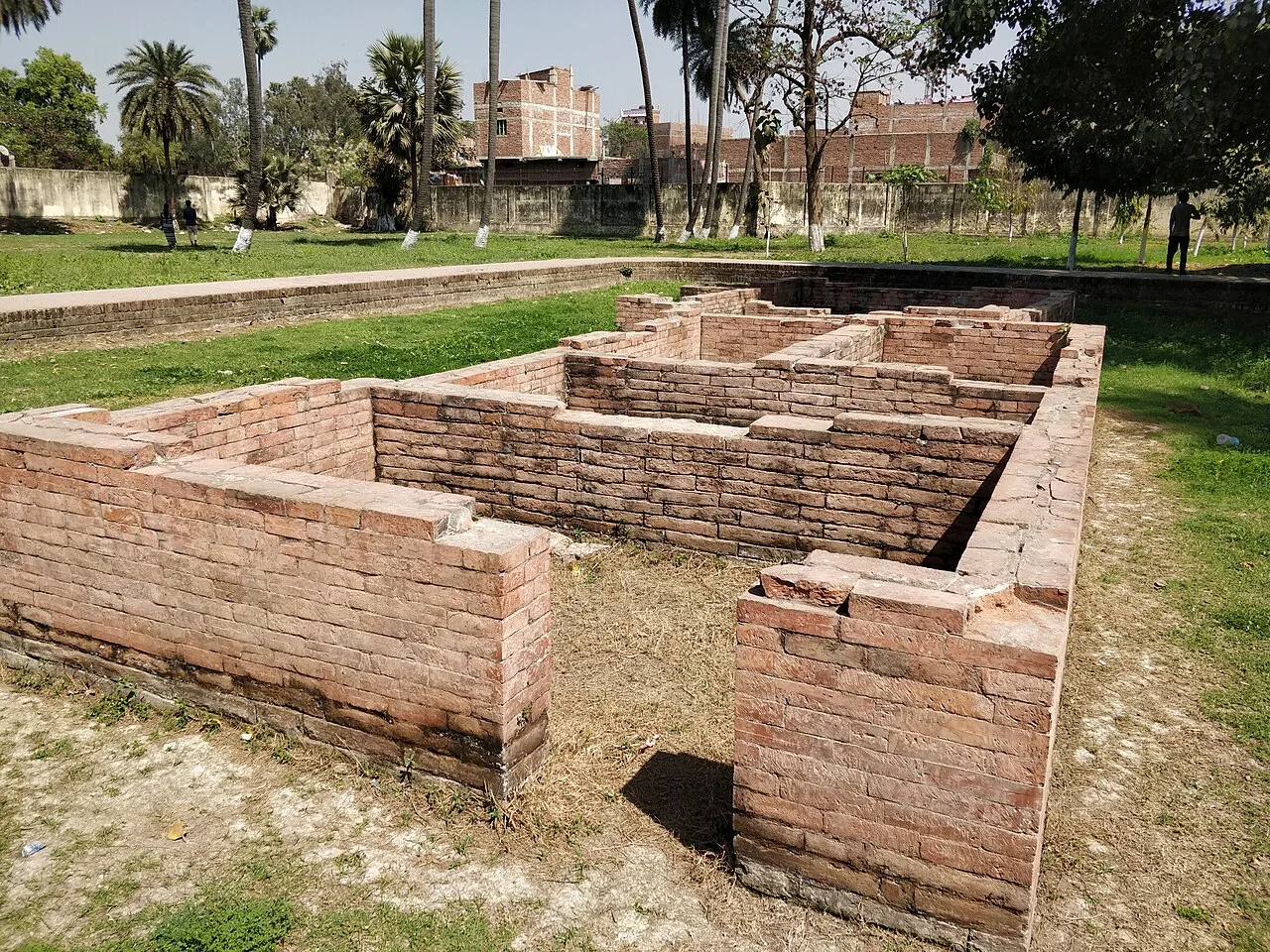
Kumhrar is an archaeological site in Patna connected with the remains of Pataliputra. Visitors come to see excavated traces of the city, including the remains of an 80-pillared hall.

Sonpur

66 km away · Saran district

Sonpur

Sonpur, officially known as Sonepur, is a city in Bihar’s Saran district, beside the Gandaki and Ganges rivers. Visitors come for its cattle fair, which begins on Kartik Poornima and is Asia’s largest.

Gandhi Maidan

67 km away · Patna district

Gandhi Maidan

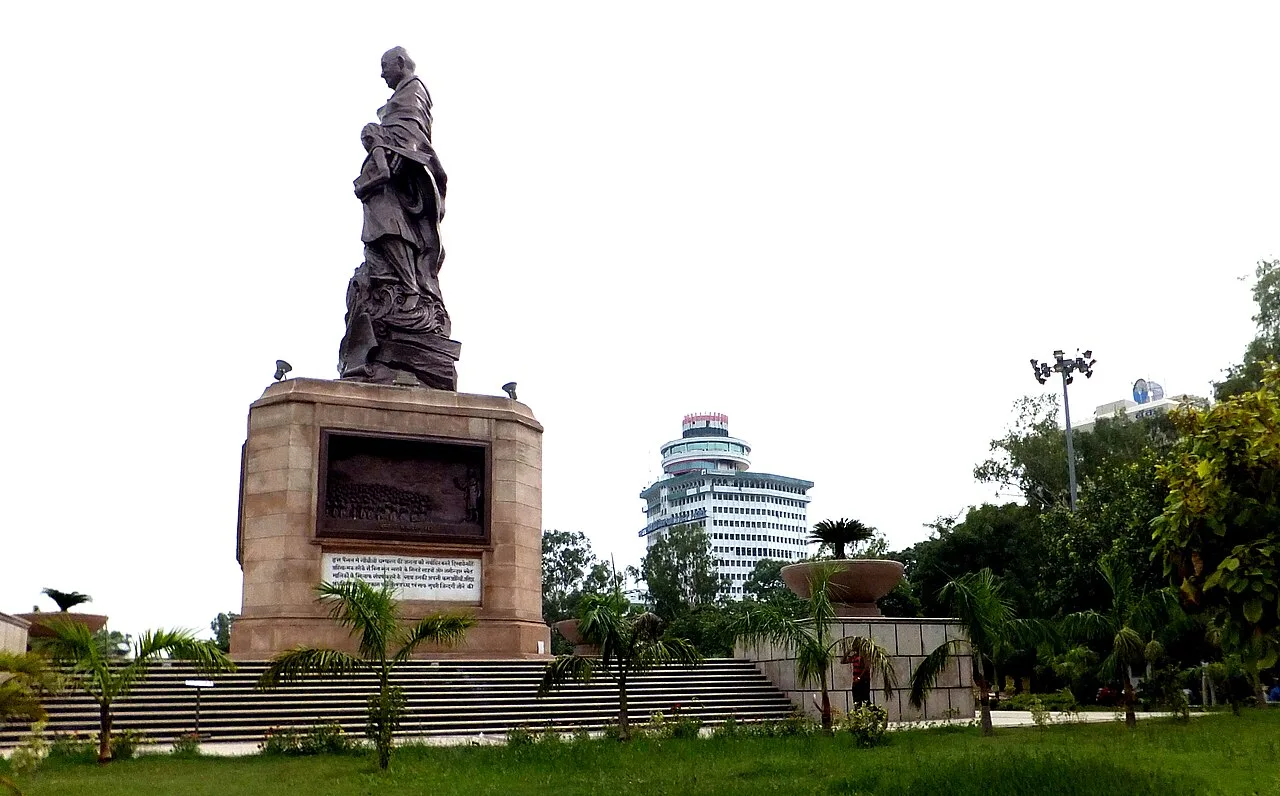
Gandhi Maidan is a historic open space in Patna, Bihar, near the Ganges. People visit a site linked to the freedom movement and significant political gatherings.

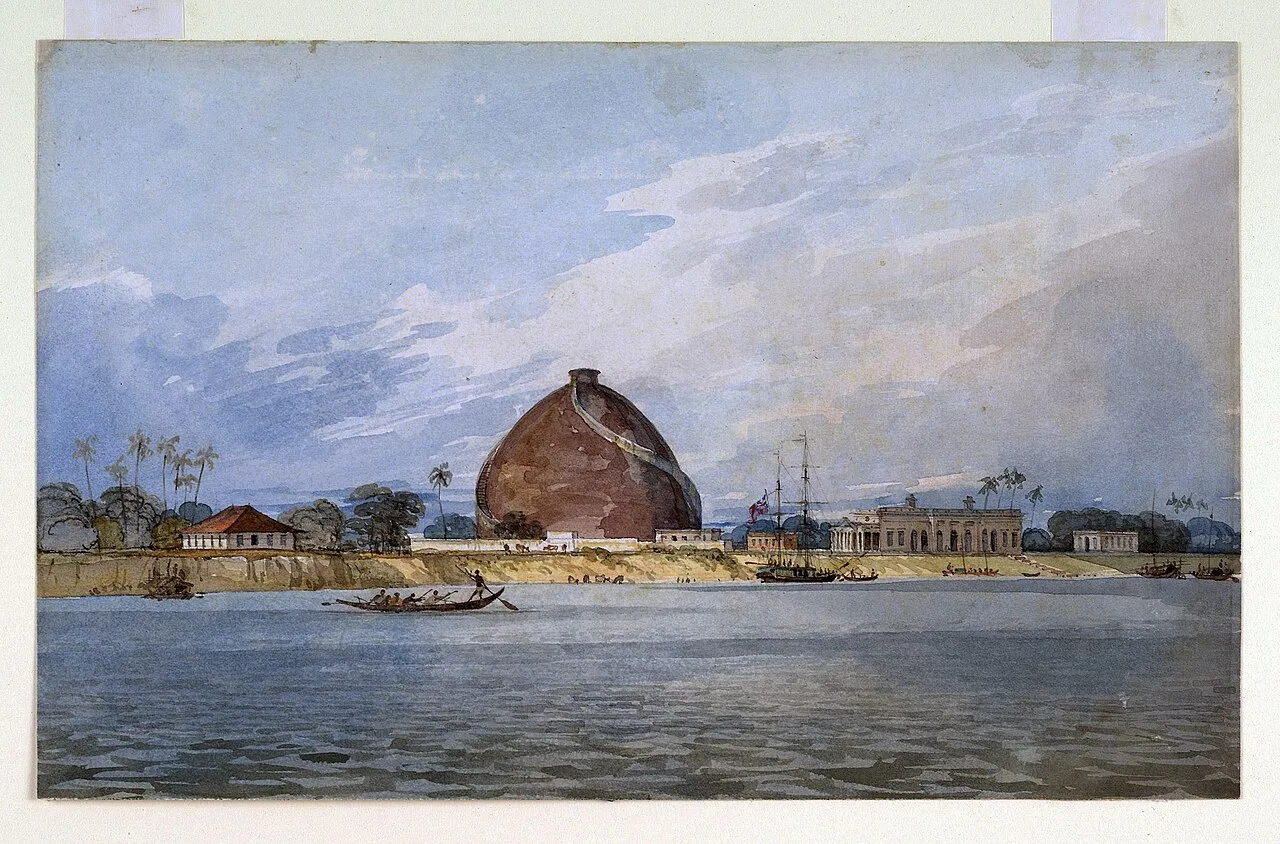
Golghar

70 km away · Patna district

Golghar

Golghar, also called Gol Ghar, is a substantial grain store in Patna, Bihar. Visitors come to see the granary west of Gandhi Maidan.

Map

Dalsinghsarai on the map

  1. 1Darbhanga
  2. 2Takht Sri Patna Sahib
  3. 3Agam Kuan
  4. 4Bhimbandh Wildlife Sanctuary
  5. 5Kumhrar
  6. 6Sonpur
  7. 7Gandhi Maidan
  8. 8Golghar

Bihar

Other cities to explore