Ghumoopedia — Explore, Discover, Experience
Sign in
Kesaria stupa, near Gopalganj

City guide · Bihar

Gopalganj

Gopalganj is the administrative and commercial centre of its district in north-western Bihar, close to the Uttar Pradesh border. Government offices, schools, health services and markets make it an important everyday destination for people from surrounding towns and villages.

Famous for

  • Thawe Durga Temple
  • Sugarcane agriculture
  • Bhojpuri-speaking culture
  • Chhath celebrations

Why Gopalganj matters

Gopalganj is the administrative and commercial centre of its district in north-western Bihar, close to the Uttar Pradesh border. Government offices, schools, health services and markets make it an important everyday destination for people from surrounding towns and villages. Its setting on the fertile plains supports an agricultural economy, with sugarcane among the notable crops. The Gandaki River and its flood-prone surroundings also shape life in the wider area.

For visitors, the best-known nearby place of worship is Thawe Durga Temple, which draws devotees throughout the year and especially during religious observances. Gopalganj is also a practical base for exploring the district’s market towns and rural landscape rather than a city of major monuments or large tourist facilities. Local bazaars, Bhojpuri-speaking communities and seasonal festivals offer a glimpse of everyday life in this part of Bihar. Its importance lies in this combination of district-level services, agricultural trade and regional pilgrimage.
Famous for: crafts, trade & products

Gopalganj is best known commercially as a service and trading centre for an agricultural district. Sugarcane cultivation has supported sugar processing in the surrounding area, while local markets handle farm produce and the everyday needs of nearby communities. Rice and wheat are also part of the wider agricultural landscape. The town’s bazaars are useful places to look for seasonal produce, household goods, clothing and locally made snacks, though there is no widely recognized textile, handicraft or GI-tagged product specifically associated with Gopalganj.

The district has had sugar mills, including facilities in the wider Sidhwalia and Sasamusa area; their operating status can change, so visitors should check locally before planning a visit. Gopalganj is not generally regarded as a specialist destination for sarees or traditional crafts. For everyday shopping, explore the central market streets and shops around the main town centre. Thawe, outside the central market area, is better known for its temple and pilgrimage trade, where small vendors typically serve visitors with worship items and refreshments.

History

Gopalganj developed as a market settlement serving the agricultural villages of the north-western Bihar plains. Before it became a district headquarters, the area formed part of the wider Saran region, whose administration and boundaries changed over time. Under British rule, local life remained closely connected to farming, rural trade and the administrative structures of the Saran area. The town’s growth was shaped less by monumental court architecture than by its role as a centre for markets and public services.

Gopalganj became a separate district in 1973, bringing district offices and related institutions to the town and strengthening its regional importance. Roads, rail connections and expanded public services have since supported its links with nearby settlements and with Uttar Pradesh. Sugarcane cultivation and processing have also contributed to the district’s modern economy. Today, Gopalganj’s history is reflected chiefly in its evolution from a local trading centre into an administrative hub, while nearby Thawe remains an important focus of religious pilgrimage.

Food, festivals & culture

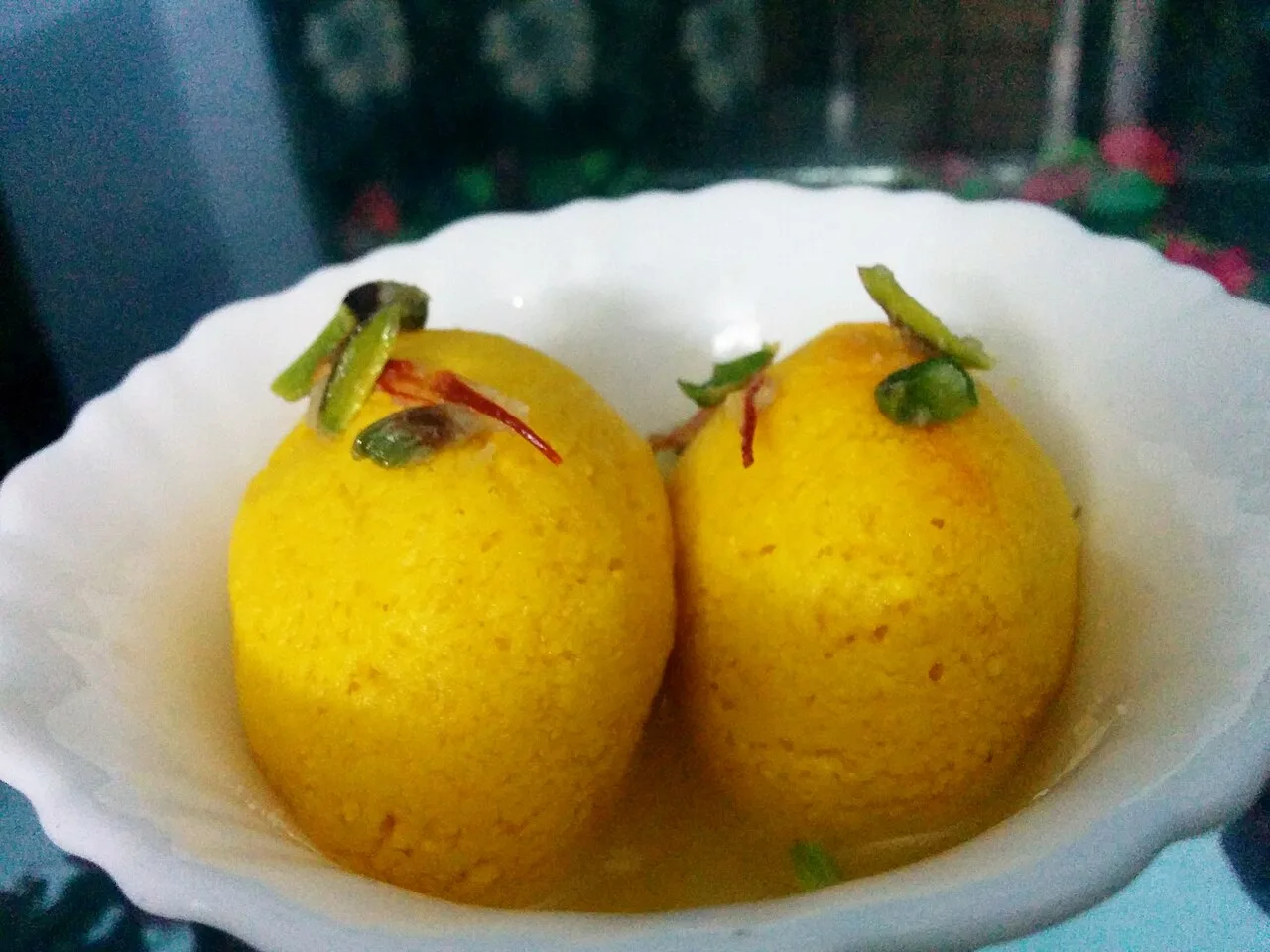
Everyday food in Gopalganj reflects the wider Bhojpuri and Bihari kitchen. Rice, lentils, seasonal vegetables, roti and dishes made with sattu are common; litti with chokha is a familiar regional favourite. Local sweet shops sell everyday milk-based sweets, while thekua is especially associated with Chhath offerings. Recipes and ingredients vary between households, and market stalls are a good place to sample simple snacks and sweets.

Bhojpuri is widely spoken, alongside Hindi and Urdu. Chhath, observed mainly in autumn and again in spring, is a major festival, with devotees gathering at water bodies for prayer and offerings. Durga Puja, Diwali and Holi are also celebrated, as are Eid festivities among Muslim communities. Thawe Durga Temple is the district’s prominent pilgrimage site; neighbourhood temples and mosques serve local worshippers. Bhojpuri songs, devotional music and folk performance are part of community celebrations, particularly around festivals and family occasions.

Visiting the city

The cooler, drier months from roughly October to March are generally the most comfortable for a visit. Monsoon rain can make travel difficult in low-lying areas, and flooding affects parts of the wider region. Gorakhpur Airport in Uttar Pradesh is a practical nearby air gateway; check current flight options before travelling. Gopalganj railway station serves the town, while Thawe Junction is another useful rail connection in the district.

Auto-rickshaws and e-rickshaws are convenient for short trips around town, with buses and shared vehicles connecting nearby settlements. The central bazaar is a good area to explore for everyday shops and food. Thawe is the main excursion for visitors interested in pilgrimage and local religious life. Confirm road and rail conditions locally during the rainy season.

Trips from the city

Nearest places to visit from Gopalganj

Our closest destination guides, by straight-line distance.

Kesaria stupa

44 km away · East Champaran district

Kesaria stupa

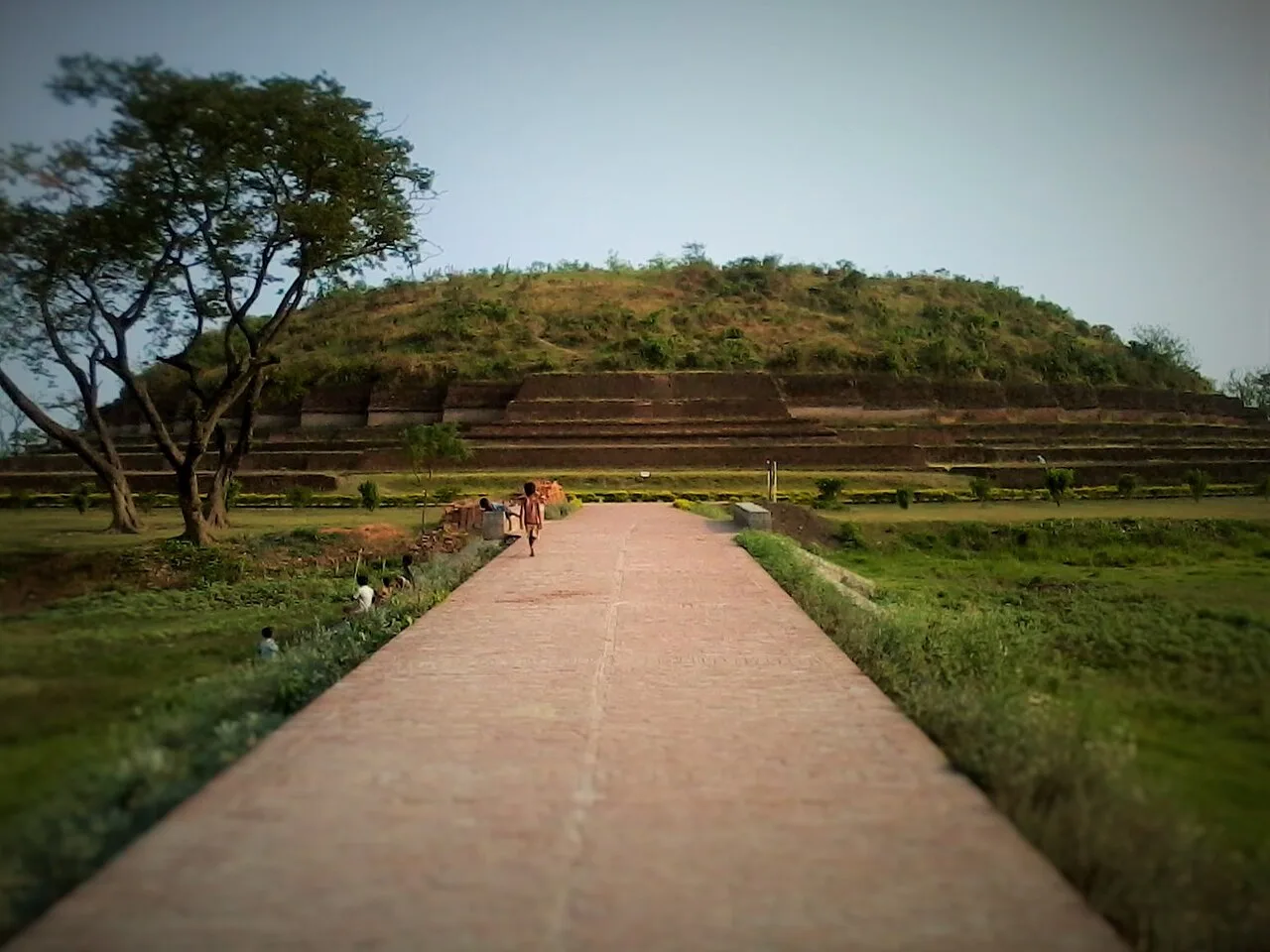
Kesariya Stupa is a Buddhist monument in Bihar’s East Champaran district, at Kesariya near Mehsi. Visitors come to see the structure, whose construction began in the third century BCE.

Lauria Nandangarh

59 km away · East Champaran district

Lauria Nandangarh

Lauria Nandangarh is a historic settlement in Bihar’s West Champaran district, known for an Ashokan pillar and a nearby mound, with Mauryan-period remains found in the area.

Vaishali

84 km away · Vaishali district

Vaishali

Vaishali is an archaeological site in Bihar associated with an ancient republic and important events in Buddhist and Jain history. Visitors come to see its stupas and Ashokan pillar and to explore these religious connections.

Valmiki National Park

100 km away · West Champaran district

Valmiki National Park

Valmiki National Park, in West Champaran district, Bihar, is the state’s only national park and a tiger reserve. Visitors come to experience its protected setting.

Maner

101 km away · Patna district

Maner

Maner, also called Maner Sharif, is a historic town and administrative block in Bihar’s Patna district. Visitors are drawn by its Mughal-era dargahs and its importance as a Sufi pilgrimage destination.

Sitamarhi

106 km away · Sitamarhi district

Sitamarhi

Sitamarhi is a city in Bihar’s Tirhut Division and the administrative centre of its district. Visitors are drawn by the Hindu tradition linking it to Sītā’s birth.

Buxar Fort

111 km away · Buxar district

Buxar Fort

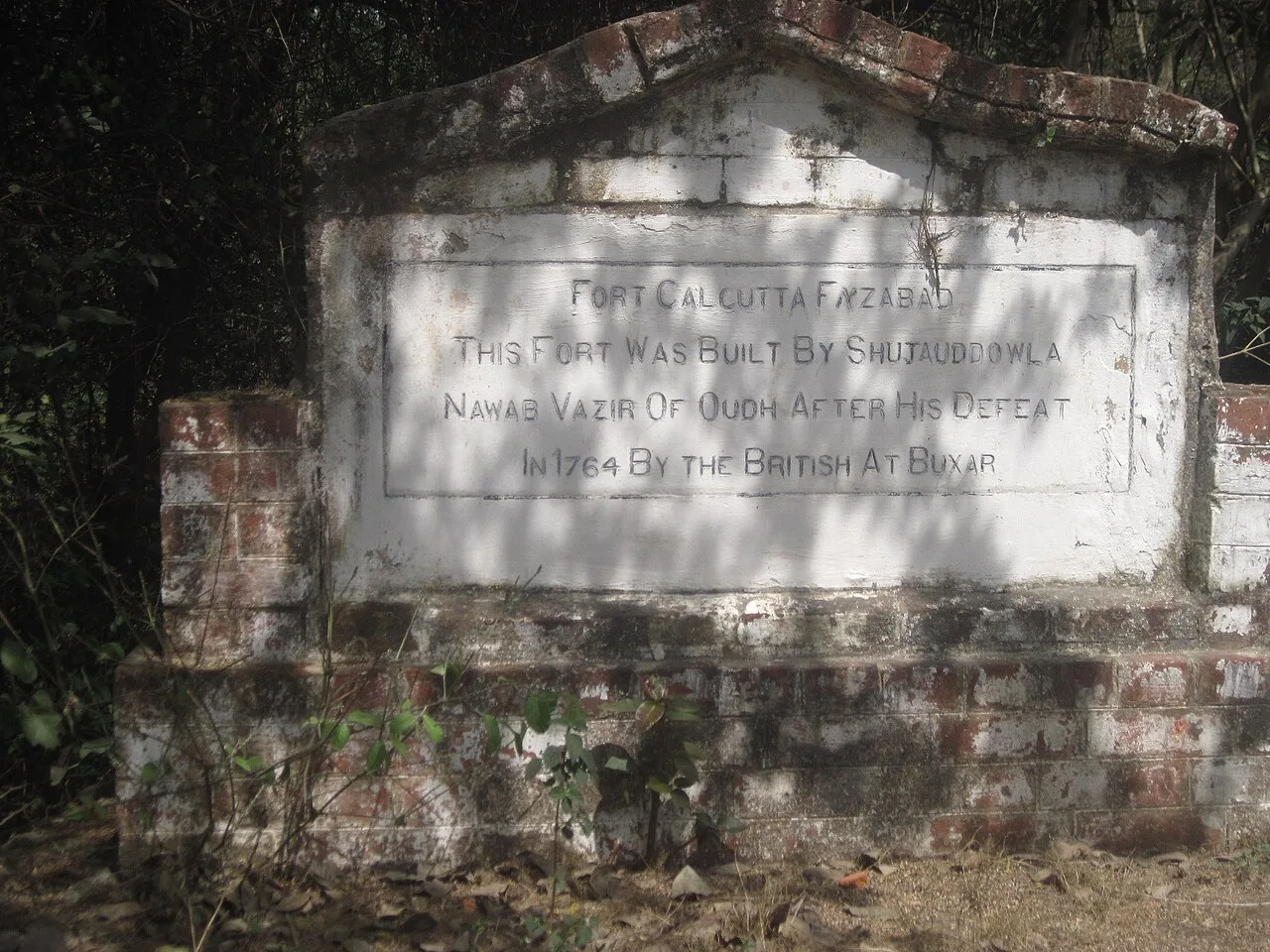
Buxar Fort is a fort in Bihar’s Buxar district, founded by King Rudra Deo. Its history and the city’s religious and cultural associations give visitors context for exploring the area.

Sonpur

113 km away · Saran district

Sonpur

Sonpur, officially known as Sonepur, is a city in Bihar’s Saran district, beside the Gandaki and Ganges rivers. Visitors come for its cattle fair, which begins on Kartik Poornima and is Asia’s largest.

Map

Gopalganj on the map

  1. 1Kesaria stupa
  2. 2Lauria Nandangarh
  3. 3Vaishali
  4. 4Valmiki National Park
  5. 5Maner
  6. 6Sitamarhi
  7. 7Buxar Fort
  8. 8Sonpur

Bihar

Other cities to explore