Ghumoopedia — Explore, Discover, Experience
Sign in
Lauria Nandangarh, near Bettiah

City guide · Bihar

Bettiah

Bettiah is the administrative headquarters of West Champaran district in north-western Bihar, close to the Nepal border. Its position makes it an important service and trading centre for the surrounding towns and rural communities, as well as a useful base for exploring the Champaran region.

Famous for

  • Bettiah Raj heritage
  • Bettiah Dhrupad tradition
  • Historic royal palace
  • Catholic heritage
  • West Champaran headquarters

Why Bettiah matters

Bettiah is the administrative headquarters of West Champaran district in north-western Bihar, close to the Nepal border. Its position makes it an important service and trading centre for the surrounding towns and rural communities, as well as a useful base for exploring the Champaran region. The city’s history is closely tied to the Bettiah Raj, whose rulers once controlled much of the district.

Visitors come for traces of this royal past, including the former Bettiah Raj palace, now used as a marketplace, and for the city’s distinctive musical and religious heritage. Bettiah is associated with a tradition of Dhrupad singing known as the Bettiah Gharana, and with an old Catholic community whose origins date to an eighteenth-century mission. Today, colleges, hospitals, government offices and busy local markets give the city a practical, everyday character. Bettiah is not a resort town; its appeal lies in its layered history and its role as a gateway to West Champaran.
Famous for: crafts, trade & products

Bettiah is better known for its history, music and regional markets than for a signature textile, handicraft or GI-tagged product. The old Bettiah Raj palace is now part of the commercial life of the city, making the surrounding market area a place to browse everyday goods and see how historic space has been absorbed into modern trade. Shops and bazaars serve residents from Bettiah and nearby settlements, with clothing, household wares and provisions among the ordinary local purchases.

The city’s most distinctive cultural association is the Bettiah Gharana of Dhrupad, a classical vocal tradition that developed under the patronage of the Bettiah rulers. It is a heritage to seek out through local cultural institutions or performances when available, rather than a craft sold in shops. M.J.K. College and M.J.K. Hospital are prominent institutions named for Maharani Janki Kunwar, while the former palace remains the clearest link between the city’s royal past and its present-day commerce. For locally made goods or regional specialties, ask in the central markets; offerings can vary, and Bettiah is not widely identified with a single branded product.

History

Bettiah’s political history is associated with the Bettiah Raj. The family’s recorded origins in Champaran reach back to the thirteenth century; later, Agar Sen acquired extensive lands, and his son Raja Gaj Singh built the family palace at Bettiah after succeeding him in 1659. The palace survives as a marketplace. By the time the East India Company acquired the Diwani in 1765, the Bettiah Raj held most of Champaran, apart from territory associated with Ramnagar Raj.

A Roman Catholic mission was established in the city in the eighteenth century, helping form a long-standing Christian community. Maharaja Sir Harendra Kishore Singh, the last ruler of Bettiah Raj, died without an heir in 1893. Bettiah became a municipality in 1869 and grew as a district centre under colonial and later Indian administration. In 2020 it became a municipal corporation, incorporating nearby localities as the city expanded. Its present role as West Champaran’s headquarters continues that evolution from royal seat to regional service centre.

Food, festivals & culture

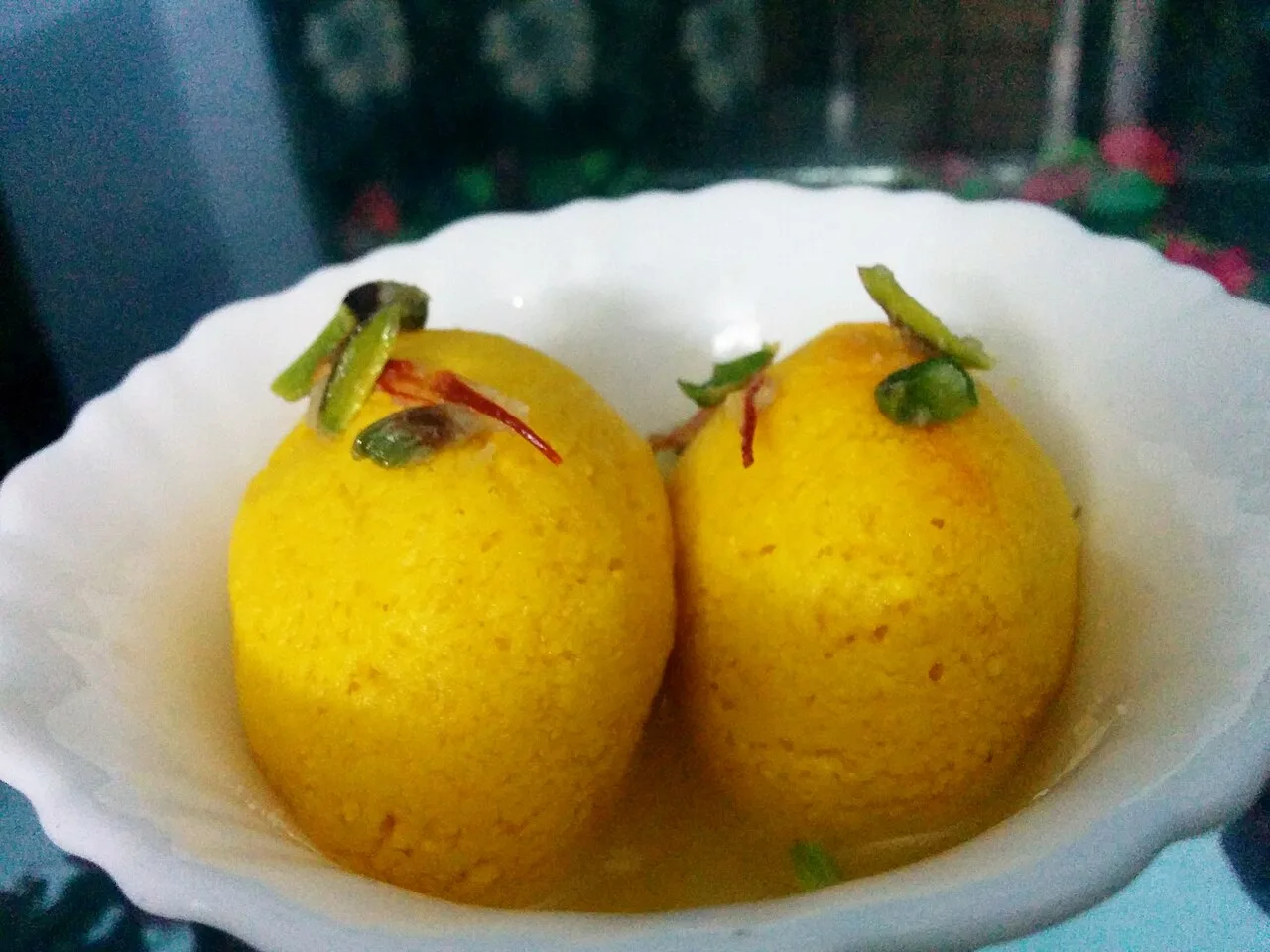
Bettiah shares the food traditions of Bihar and the Bhojpuri-speaking Champaran region. Everyday meals commonly draw on rice or wheat, lentils, seasonal vegetables and pulses; litti-chokha and sattu preparations are familiar regional choices. Sweets and snacks are widely available in local shops, though the city is not especially associated with one signature confection. Hindi and Bhojpuri are widely used, with Urdu also spoken in the area.

The Bettiah Gharana gives the city a notable place in the history of Dhrupad, a classical vocal form. Music is an important part of its heritage, although regular public performances are not guaranteed. Chhath is a major Bihar festival, observed chiefly in autumn and again in spring, with worship and offerings at water bodies. Holi, Diwali, Eid and Christmas are also observed by the city’s diverse communities. Places of worship include Hindu temples, mosques and churches; Bettiah’s Catholic heritage dates to an eighteenth-century mission. Festival dates follow the lunar calendar and vary each year.

Visiting the city

October to March is generally the most comfortable time to visit, with cooler conditions than the hot, rainy monsoon season. Bettiah is served by Bettiah railway station. The nearest major airport commonly used by travellers is Gorakhpur Airport in Uttar Pradesh; Patna’s airport is another option, but is farther away. Check current connections before planning onward travel.

Auto-rickshaws and cycle-rickshaws are useful for getting around the city, while taxis or hired vehicles suit trips farther afield. Explore the central market area, where the former Bettiah Raj palace is now part of the commercial district, and ask locally about access to historic religious sites and cultural events. M.J.K. College and the surrounding civic centre offer a glimpse of the city’s institutional life. Bettiah also makes a practical base for visiting other parts of West Champaran; allow for road conditions and seasonal rain when arranging excursions.

Trips from the city

Nearest places to visit from Bettiah

Our closest destination guides, by straight-line distance.

Lauria Nandangarh

24 km away · East Champaran district

Lauria Nandangarh

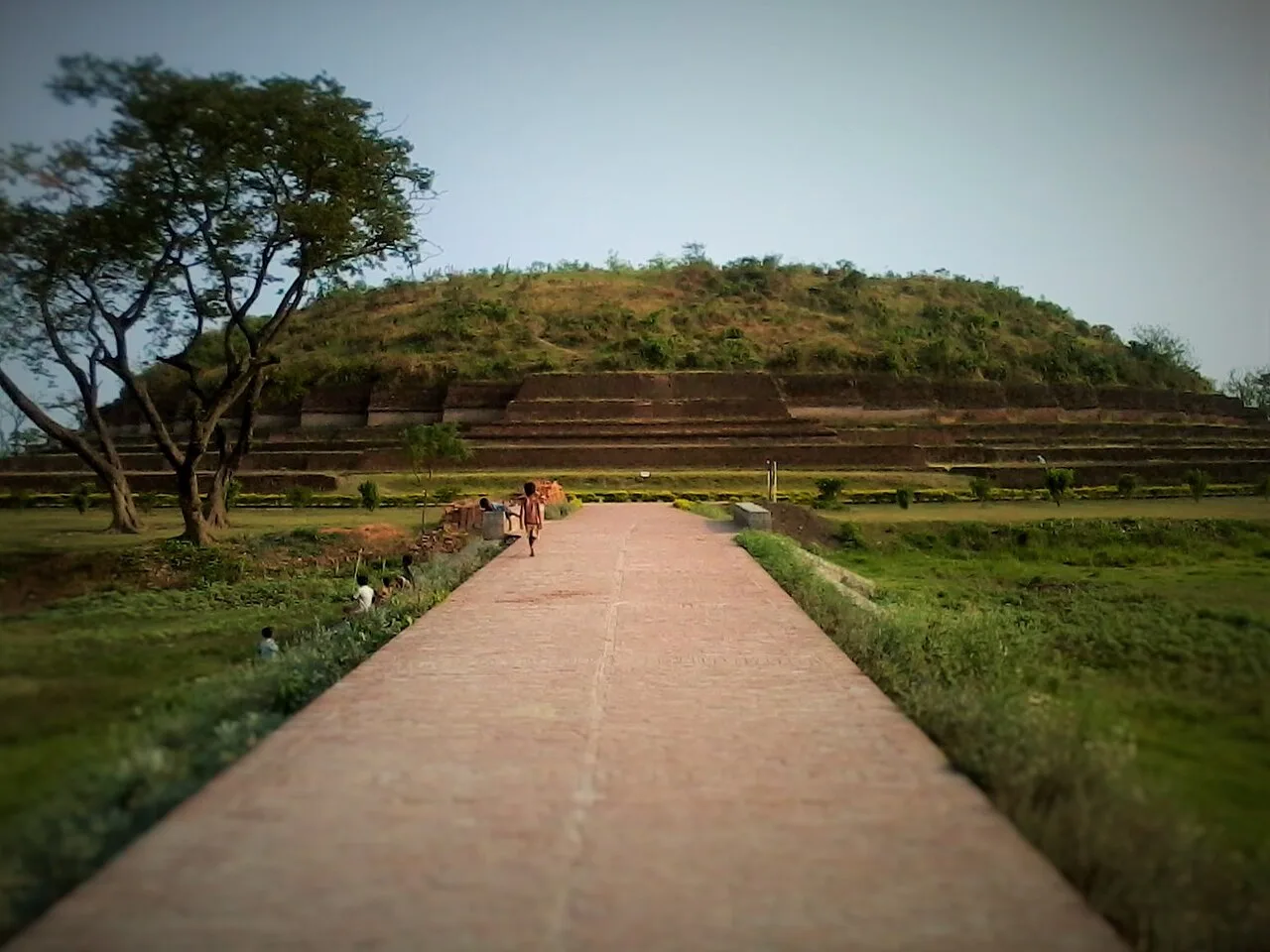
Lauria Nandangarh is a historic settlement in Bihar’s West Champaran district, known for an Ashokan pillar and a nearby mound, with Mauryan-period remains found in the area.

Kesaria stupa

63 km away · East Champaran district

Kesaria stupa

Kesariya Stupa is a Buddhist monument in Bihar’s East Champaran district, at Kesariya near Mehsi. Visitors come to see the structure, whose construction began in the third century BCE.

Valmiki National Park

68 km away · West Champaran district

Valmiki National Park

Valmiki National Park, in West Champaran district, Bihar, is the state’s only national park and a tiger reserve. Visitors come to experience its protected setting.

Sitamarhi

102 km away · Sitamarhi district

Sitamarhi

Sitamarhi is a city in Bihar’s Tirhut Division and the administrative centre of its district. Visitors are drawn by the Hindu tradition linking it to Sītā’s birth.

Vaishali

106 km away · Vaishali district

Vaishali

Vaishali is an archaeological site in Bihar associated with an ancient republic and important events in Buddhist and Jain history. Visitors come to see its stupas and Ashokan pillar and to explore these religious connections.

Maner

134 km away · Patna district

Maner

Maner, also called Maner Sharif, is a historic town and administrative block in Bihar’s Patna district. Visitors are drawn by its Mughal-era dargahs and its importance as a Sufi pilgrimage destination.

Sonpur

140 km away · Saran district

Sonpur

Sonpur, officially known as Sonepur, is a city in Bihar’s Saran district, beside the Gandaki and Ganges rivers. Visitors come for its cattle fair, which begins on Kartik Poornima and is Asia’s largest.

Bihar Museum

146 km away · Patna district

Bihar Museum

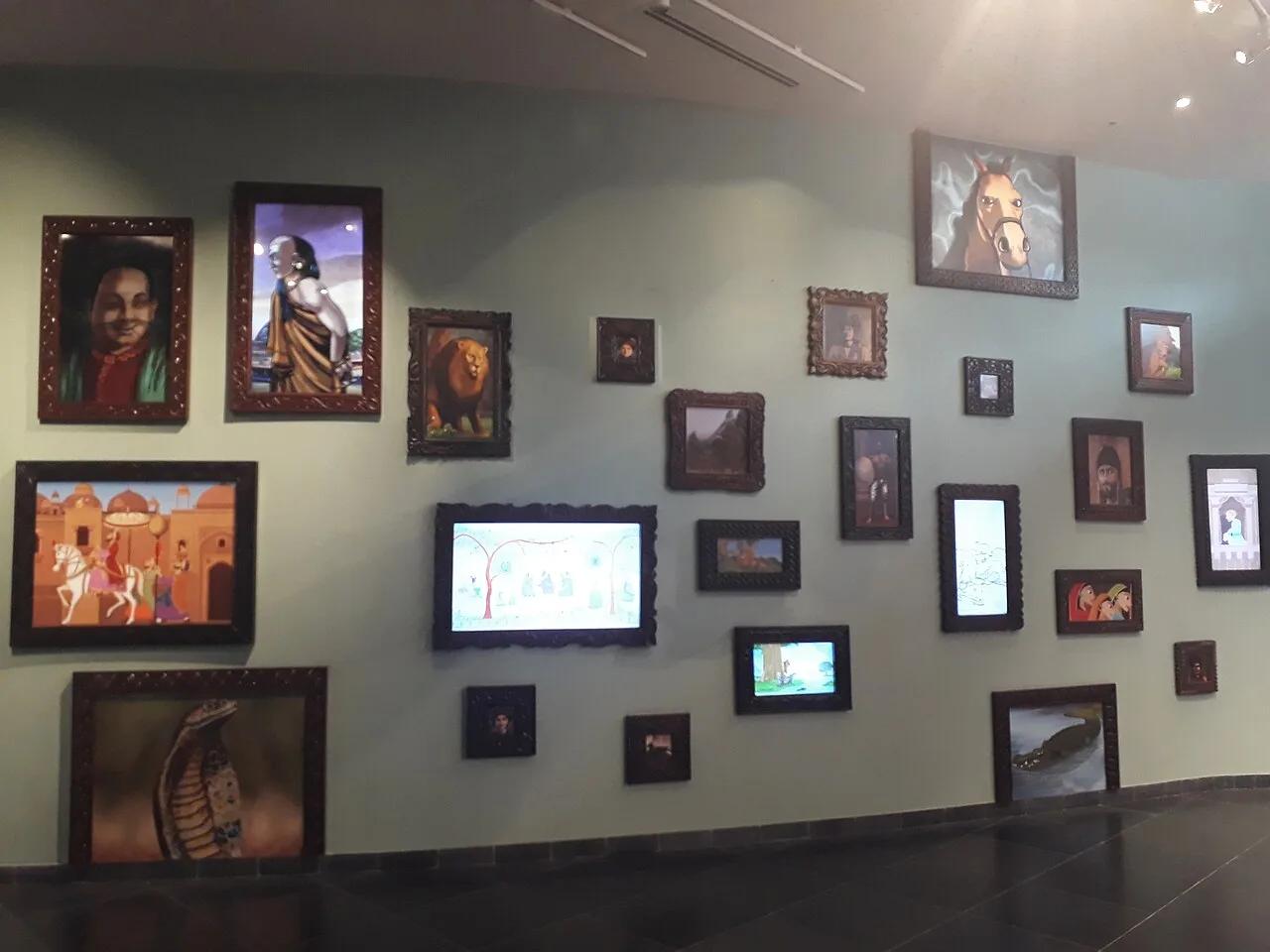
Bihar Museum is Patna’s state museum, with displays on Bihar’s history. Visitors can explore its galleries, children’s museum and distinctive arrangement of buildings and courtyards.

Map

Bettiah on the map

  1. 1Lauria Nandangarh
  2. 2Kesaria stupa
  3. 3Valmiki National Park
  4. 4Sitamarhi
  5. 5Vaishali
  6. 6Maner
  7. 7Sonpur
  8. 8Bihar Museum

Bihar

Other cities to explore