Ghumoopedia — Explore, Discover, Experience
Sign in
Vaishali, near Kantai

City guide · Bihar

Kantai

Kantai, commonly written Kanti, is a small town in Muzaffarpur district in north Bihar. Its significance today is mainly regional: it serves residents of nearby settlements with local shops and everyday services, while Muzaffarpur city is the larger centre for education, healthcare and commerce.

Famous for

  • Kanti Thermal Power Station
  • Muzaffarpur district setting
  • North Bihar market life
  • Chhath festival traditions

Why Kantai matters

Kantai, commonly written Kanti, is a small town in Muzaffarpur district in north Bihar. Its significance today is mainly regional: it serves residents of nearby settlements with local shops and everyday services, while Muzaffarpur city is the larger centre for education, healthcare and commerce. The town is also associated with the Kanti Thermal Power Station, a major energy facility in the area that gives it an industrial profile alongside its agricultural surroundings.

Kantai is not a major sightseeing destination, and visitors are more likely to pass through for local business or to explore the wider Muzaffarpur region. The town offers a view of everyday life in north Bihar, where market activity, farming and transport links shape the rhythm of the day. Nearby Muzaffarpur is known for its litchi-growing belt, especially during the early-summer season, and provides a broader range of visitor services. For travellers, Kantai is best understood as a working regional town rather than a place with a large collection of established monuments or tourist attractions.
Famous for: crafts, trade & products

Kanti Thermal Power Station is the town’s most prominent industrial landmark and an important part of its modern identity. It is a power-generation facility, not a visitor attraction; access to operational areas is controlled. Beyond this, Kantai’s economy is tied to the needs of nearby communities, with small shops, service businesses and local trade serving residents and people from surrounding villages.

There is no widely recognised Kantai-specific textile, handicraft, GI-tagged product or signature manufactured good to seek out. Visitors can browse the local market for everyday groceries, seasonal produce and household items, though it is not known as a specialist craft or wholesale-shopping destination. Agriculture is an important feature of the surrounding landscape. Muzaffarpur’s wider district is associated with litchi cultivation, and seasonal fruit may appear in regional markets, but it should not be treated as a product unique to Kantai. For a greater choice of shops and regional goods, Muzaffarpur city is the practical nearby centre.

History

Kantai’s local history is not widely documented as a separate account from that of the surrounding Muzaffarpur region. The town developed within the historic Tirhut area of north Bihar, whose settlements have long been shaped by farming, local exchange and connections between market towns. Under British rule, the region became part of the colonial administrative system centred on Muzaffarpur; rail and road links later strengthened the movement of people and goods across the district.

In the post-independence period, growth in services, transport and public infrastructure helped connect smaller towns such as Kantai more closely with Muzaffarpur. The establishment and expansion of the Kanti Thermal Power Station added an industrial dimension and brought the town greater regional visibility. Today, Kantai remains a modest urban centre whose development is closely tied to nearby villages, the district headquarters and the energy facility. Its story is best understood through these regional changes rather than through a well-known palace, battlefield or dynasty specific to the town.

Food, festivals & culture

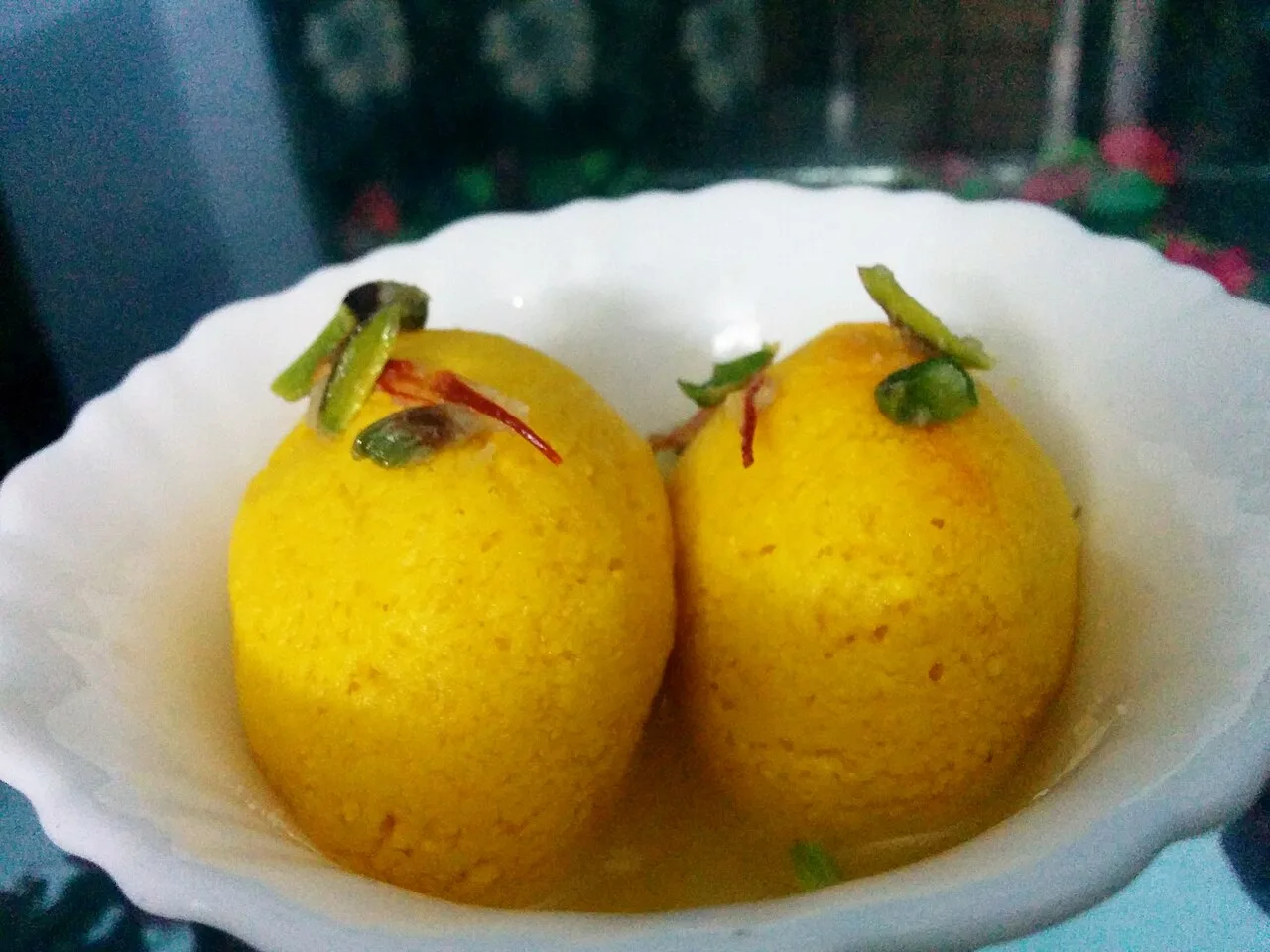
Daily life in Kantai reflects the wider culture of north Bihar. Hindi is widely used, while Maithili and other regional speech forms may be heard in homes and markets. Food is based on familiar local staples such as rice, lentils, seasonal vegetables and flatbreads; sattu preparations and litti chokha are popular across Bihar, though menus vary between households and eateries. Sweets and snacks are generally easiest to find in local shops and market stalls rather than at destination restaurants.

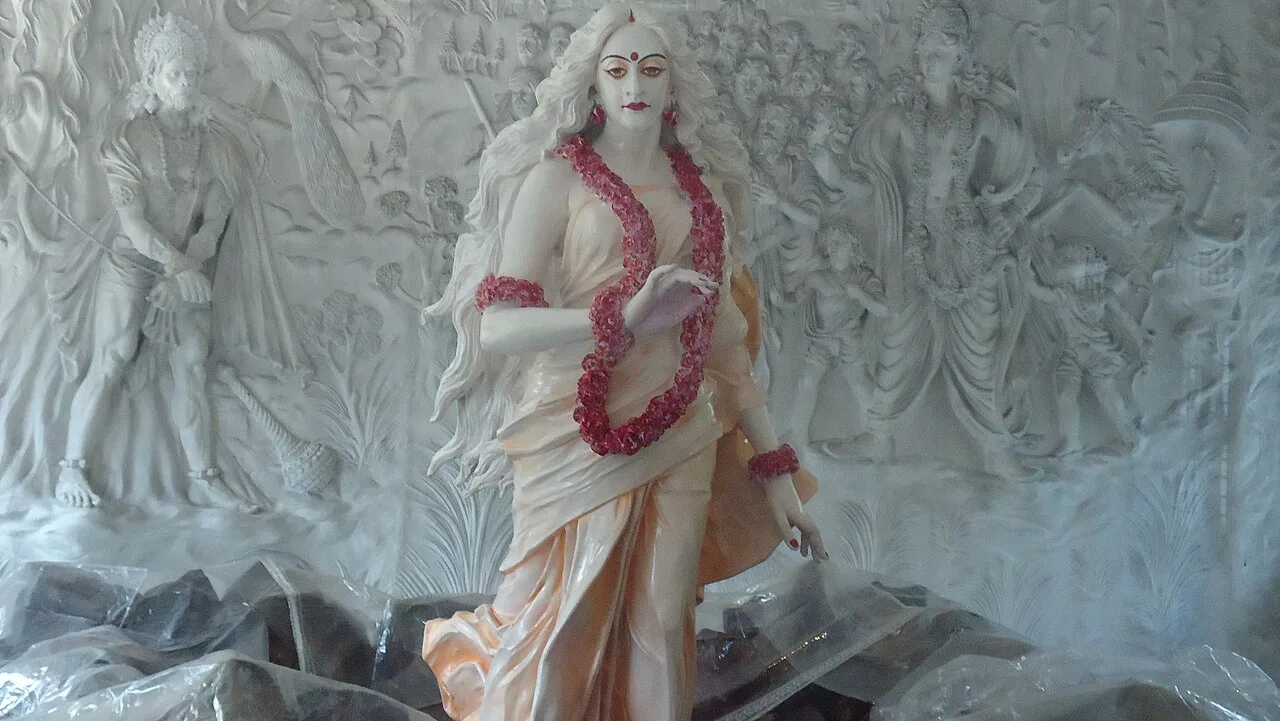
Chhath Puja, observed in autumn and again in spring, is among the region’s most important festivals, with worship centred on the sun and water. Holi, Diwali, Durga Puja and Eid are also marked by family gatherings and community observances. Folk songs and devotional music are part of festival life, while regional dance and performance traditions are more often encountered at celebrations than in formal venues. Local temples and mosques serve neighbourhood worshippers; visitors should ask locally about particular congregations or observances, as Kantai is not known for a major pilgrimage site.

Visiting the city

The cooler months, roughly from October to March, are generally the most comfortable time to visit. Summers can be very hot, while the monsoon brings rain and humid conditions. Darbhanga Airport is generally the nearest airport with scheduled passenger services; Patna Airport is another option with a broader range of connections. Kanti railway station serves the town, while Muzaffarpur Junction is the main nearby rail hub for wider connections.

Auto-rickshaws and local road transport are practical for short trips; confirm the route locally before setting out. The bazaar and station area offer the clearest sense of everyday town life, and Muzaffarpur is the best base for a wider range of hotels, services and regional excursions. The thermal power station is an operating industrial site, not a public sightseeing venue.

Trips from the city

Nearest places to visit from Kantai

Our closest destination guides, by straight-line distance.

Vaishali

29 km away · Vaishali district

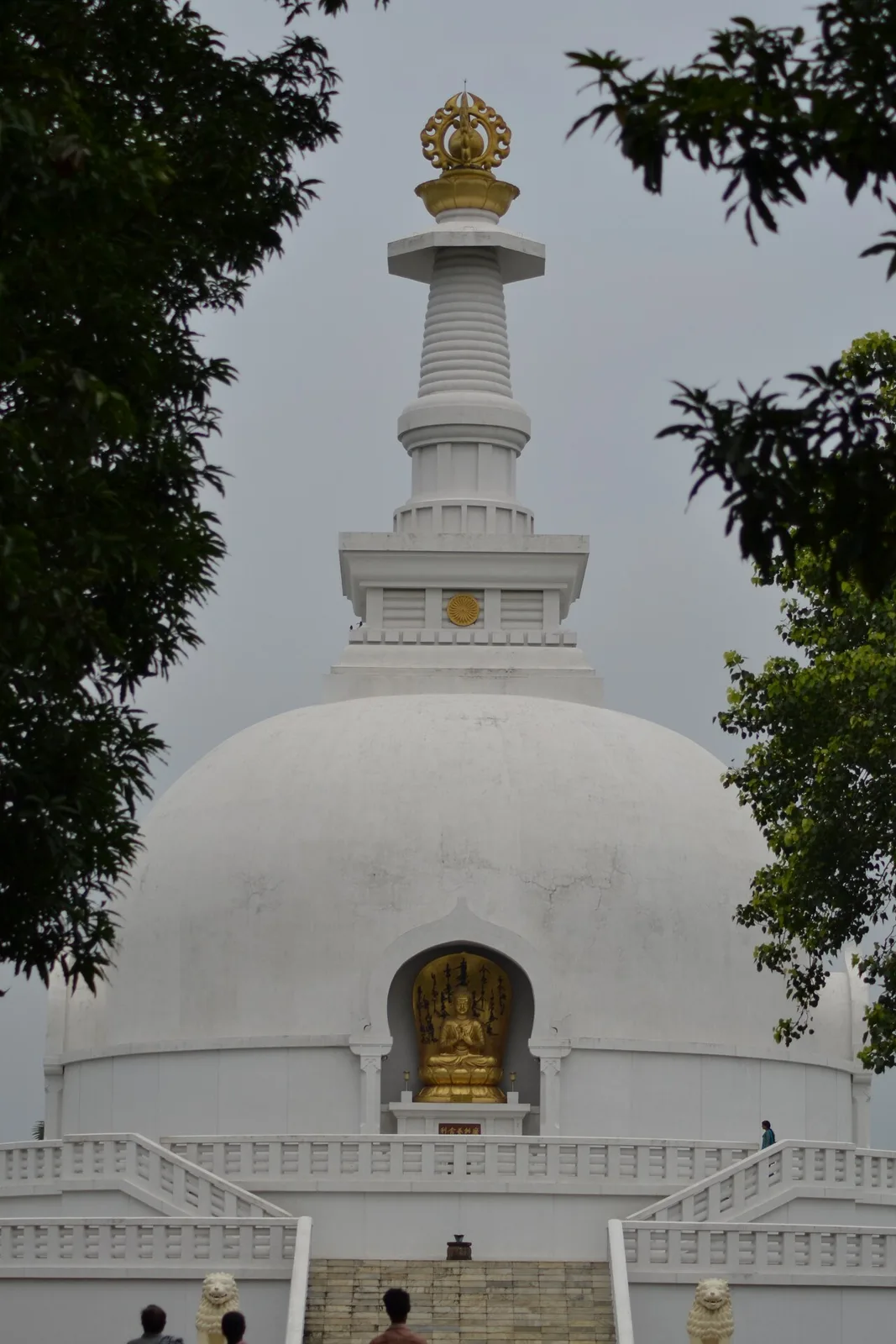
Vaishali

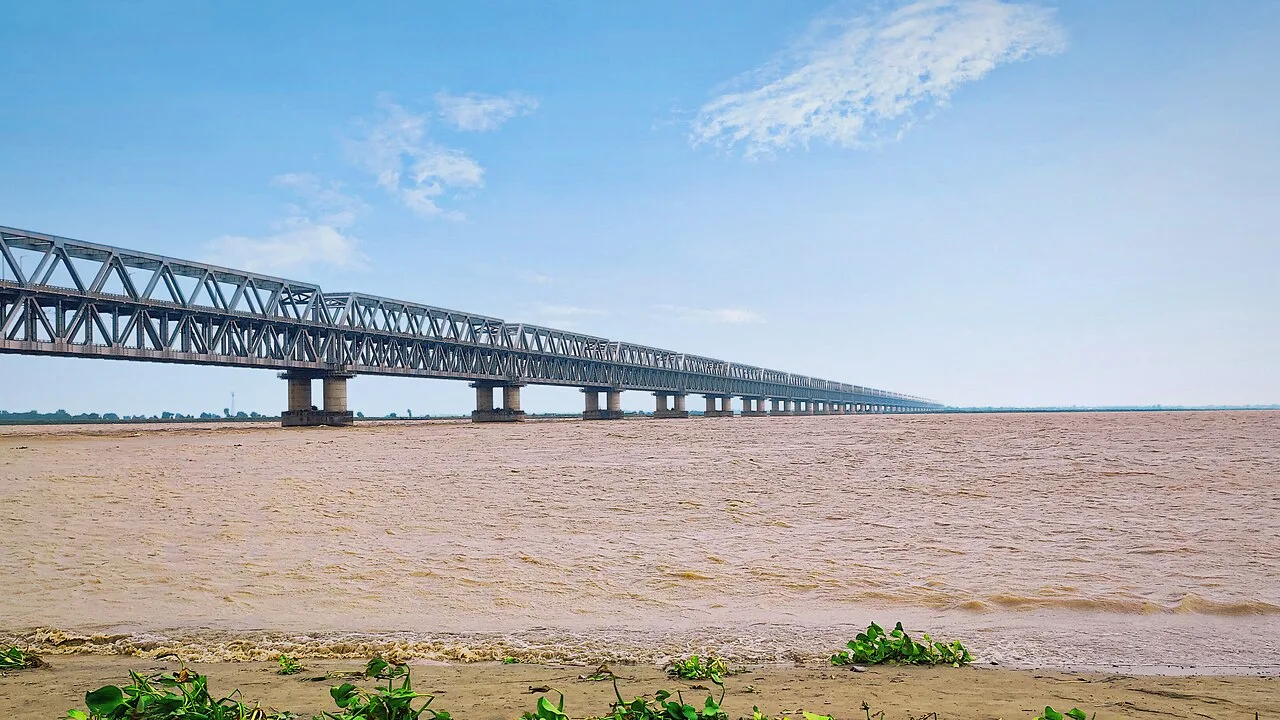
Vaishali is an archaeological site in Bihar associated with an ancient republic and important events in Buddhist and Jain history. Visitors come to see its stupas and Ashokan pillar and to explore these religious connections.

Kesaria stupa

46 km away · East Champaran district

Kesaria stupa

Kesariya Stupa is a Buddhist monument in Bihar’s East Champaran district, at Kesariya near Mehsi. Visitors come to see the structure, whose construction began in the third century BCE.

Sitamarhi

47 km away · Sitamarhi district

Sitamarhi

Sitamarhi is a city in Bihar’s Tirhut Division and the administrative centre of its district. Visitors are drawn by the Hindu tradition linking it to Sītā’s birth.

Sonpur

58 km away · Saran district

Sonpur

Sonpur, officially known as Sonepur, is a city in Bihar’s Saran district, beside the Gandaki and Ganges rivers. Visitors come for its cattle fair, which begins on Kartik Poornima and is Asia’s largest.

Darbhanga

60 km away · Darbhanga district

Darbhanga

Darbhanga is a major city and municipal corporation in Bihar, serving as the administrative centre of its district and division. Visitors encounter a longstanding centre of Mithila’s cultural, literary and musical traditions.

Golghar

68 km away · Patna district

Golghar

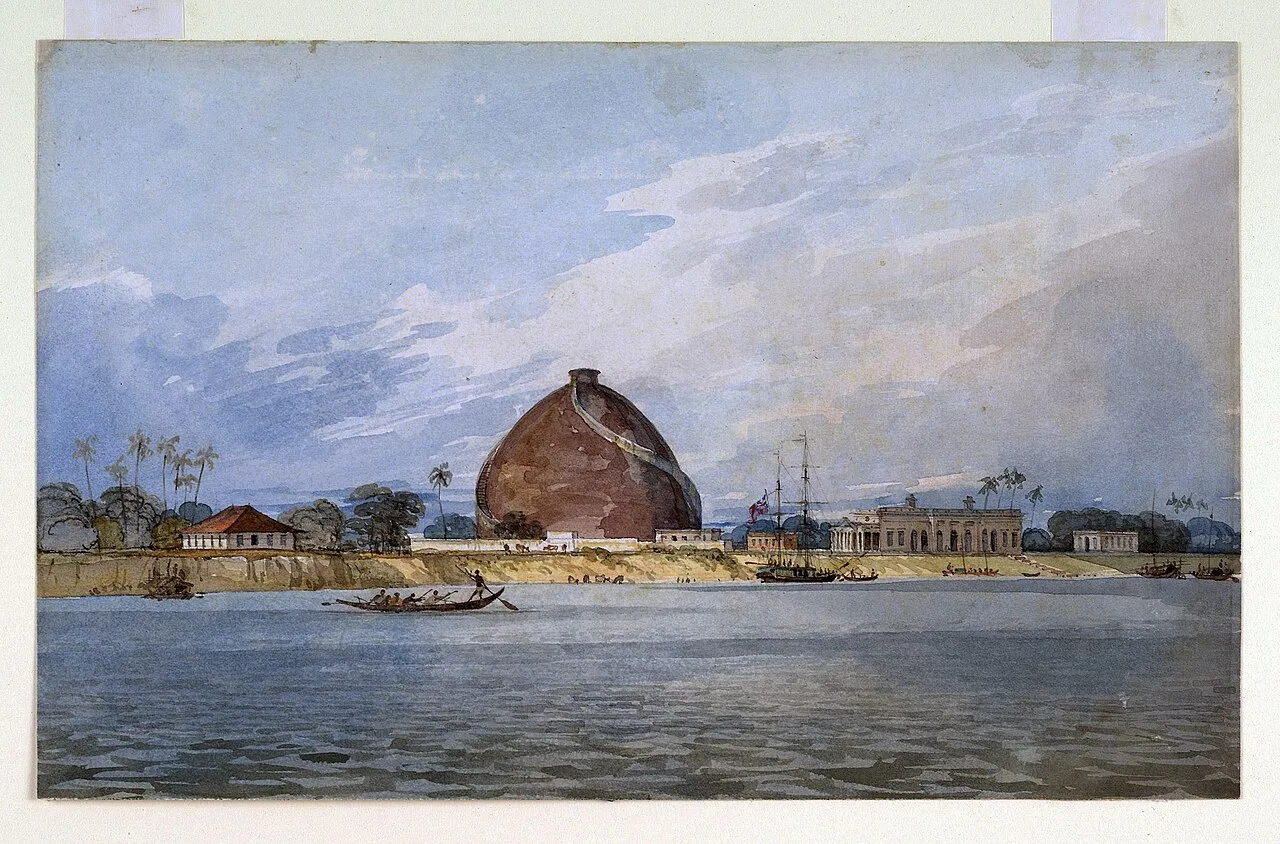
Golghar, also called Gol Ghar, is a substantial grain store in Patna, Bihar. Visitors come to see the granary west of Gandhi Maidan.

Agam Kuan

69 km away · Patna district

Agam Kuan

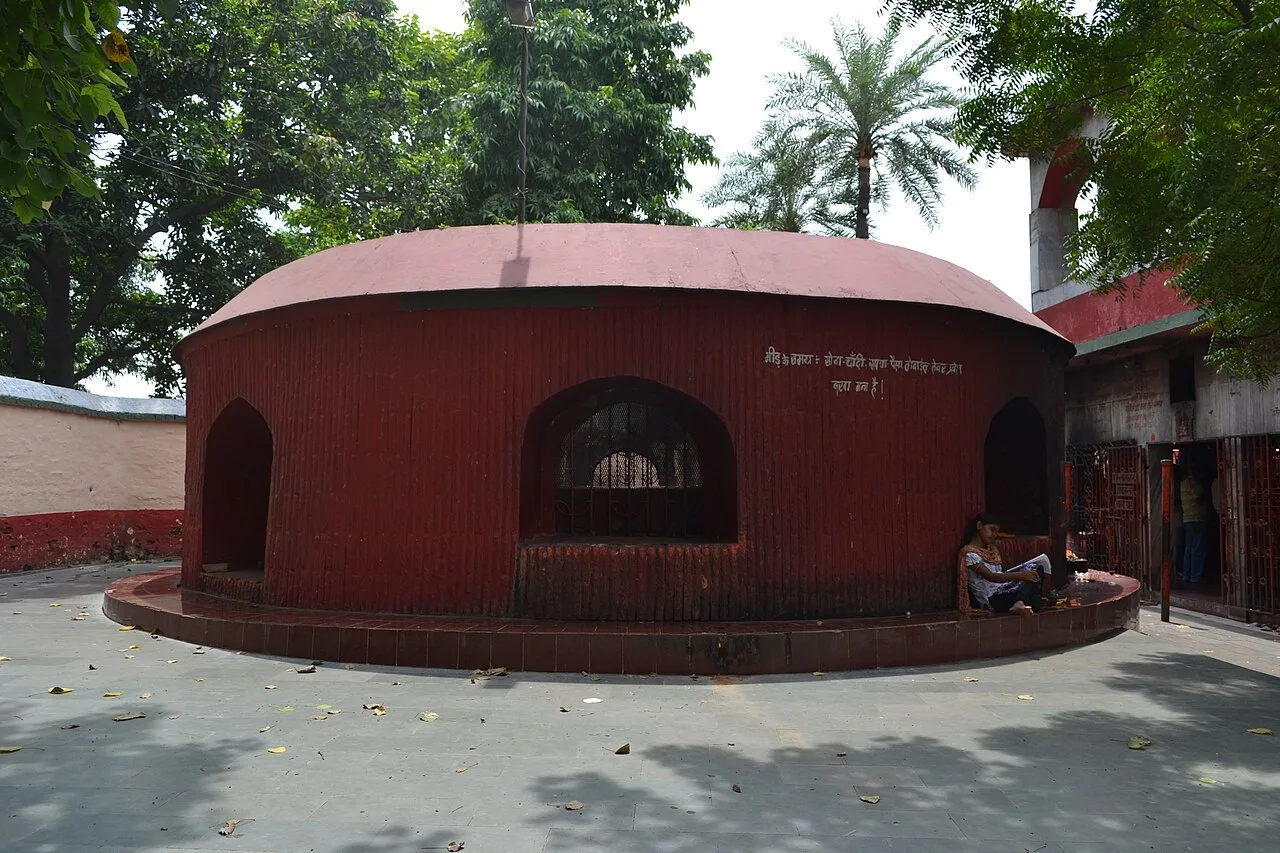
Agam Kuan is a historic circular well and archaeological site in Patna, Bihar, traditionally linked to Ashoka’s Mauryan era. Visitors also worship at the adjoining Shitala Devi temple, where the goddess and Saptamatrikas are venerated.

Gandhi Maidan

69 km away · Patna district

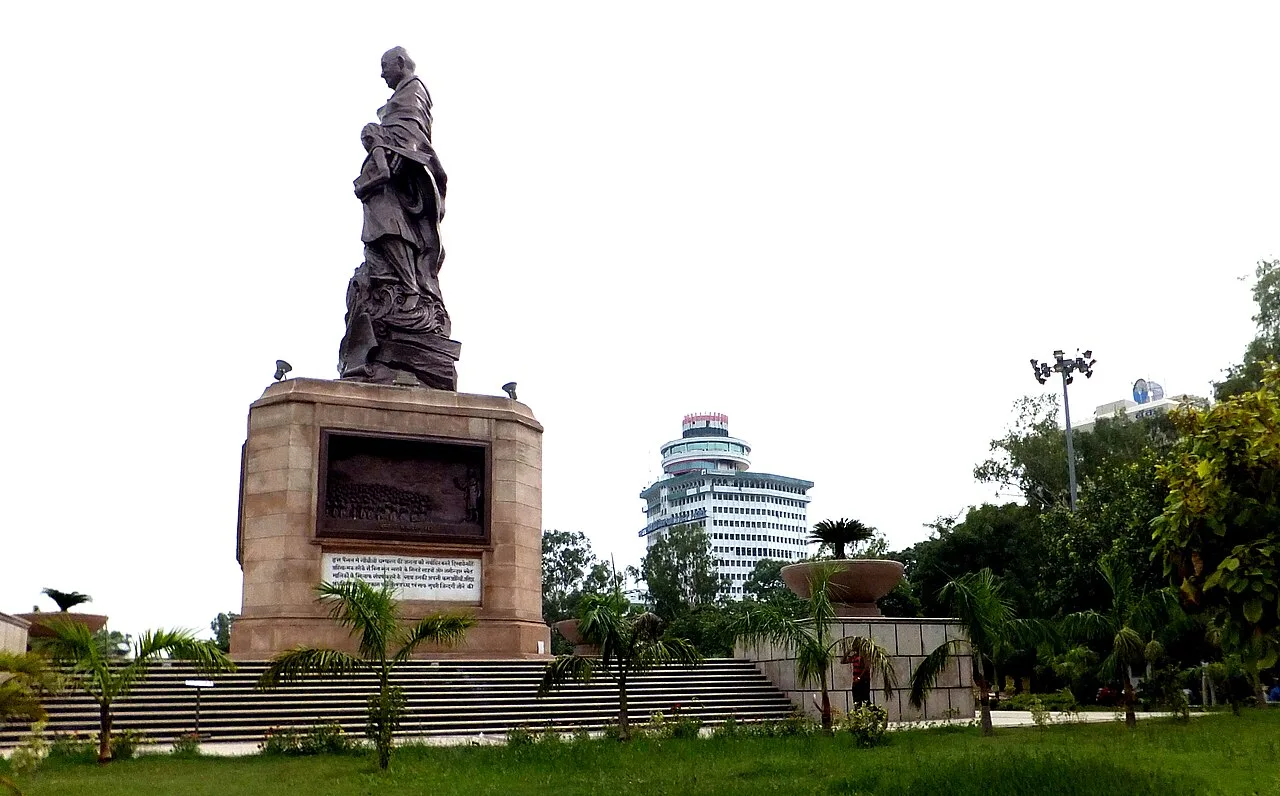
Gandhi Maidan

Gandhi Maidan is a historic open space in Patna, Bihar, near the Ganges. People visit a site linked to the freedom movement and significant political gatherings.

Map

Kantai on the map

  1. 1Vaishali
  2. 2Kesaria stupa
  3. 3Sitamarhi
  4. 4Sonpur
  5. 5Darbhanga
  6. 6Golghar
  7. 7Agam Kuan
  8. 8Gandhi Maidan

Bihar

Other cities to explore