Ghumoopedia — Explore, Discover, Experience
Sign in
Madhubani, near Supaul

City guide · Bihar

Supaul

Supaul is a municipality in northeastern Bihar and the administrative headquarters of Supaul district. It serves as a centre for government services, education, healthcare and trade for surrounding towns and villages.

Famous for

  • Mithila-region heritage
  • Kosi plain and river life
  • Supaul district headquarters
  • Maithili language and festivals
  • Regional agricultural markets

Why Supaul matters

Supaul is a municipality in northeastern Bihar and the administrative headquarters of Supaul district. It serves as a centre for government services, education, healthcare and trade for surrounding towns and villages. Its location in the Mithila region gives the city a strong connection to Maithili language and customs, while its place in the wider Kosi basin shapes everyday life and the area’s agricultural economy.

Visitors are more likely to come for family, business or district affairs than for a major sightseeing circuit. The town offers a useful introduction to the markets and daily rhythms of this part of Bihar, and can serve as a base for exploring nearby settlements and the broader Kosi region. Regional food, seasonal produce and festivals are part of its appeal. Supaul is best understood as a working administrative town rather than a destination built around a single monument or tourist attraction.

Famous for: crafts, trade & products

Supaul is not widely identified with a signature textile, craft or large manufacturing industry. Its importance lies more in its role as a district market and service centre. Shops and trading areas in the central bazaar and around the railway station cater to everyday needs, while local commerce connects the town with the agricultural communities of the Kosi plain. Paddy, maize, vegetables and fish are among the products associated with the wider region, though availability varies by season.

Mithila Makhana is a GI-tagged regional product, and makhana is part of the broader food economy of Mithila; it should not be mistaken for a craft unique to Supaul city. Regional produce and packaged foods can be sought in the town’s grocery and produce markets. The district headquarters also brings together government offices and public institutions that serve nearby communities. Visitors looking for specialist handicrafts or a dedicated craft market may find a wider selection in other Mithila towns; Supaul’s markets are primarily local, practical trading centres.

History

Supaul’s history is closely linked to Mithila, the cultural region that includes much of north Bihar. The wider area is associated in tradition with ancient Videha, but the town’s own documented story is more administrative and regional than monument-led. Older accounts place Supaul within a settled landscape of villages, agriculture and local trade. Its position in the Kosi basin has also meant that water, floods and changing river conditions have influenced life and settlement across the surrounding region.

Under British rule, the area formed part of the colonial administration of Bihar, though a detailed account of the town’s changing status is not well established. In modern times Supaul developed as a local administrative and commercial centre. It was formerly part of Saharsa district; Supaul district was established in 1991, making the town its headquarters. Roads, rail connections and district institutions have since strengthened its role as a service hub for nearby rural areas.

Food, festivals & culture

Maithili and Hindi are widely used in Supaul, with Maithili reflecting the town’s place in Mithila. Everyday cooking draws on the food traditions of north Bihar: rice, lentils, seasonal vegetables, fish and snacks made with gram flour or sattu. Litti-chokha and thekua are familiar regional foods, while sweets and festive dishes vary between households. Local markets are a good place to encounter everyday snacks and seasonal produce rather than a single dish unique to the city.

Chhath, observed in autumn and again in spring, is among the most important festivals across the region. Durga Puja, Diwali, Holi and the Maithili festival of Sama-Chakeva are also celebrated. Folk songs and family customs remain part of festival life, alongside popular music and contemporary entertainment. Hindu temples and neighbourhood shrines serve local communities; worship and gatherings are especially visible during festival periods. The city’s cultural character is shaped as much by its links to village life and the Mithila region as by its urban institutions.

Visiting the city

The cooler, drier months from October to March are generally the most comfortable for a visit. Summer can be very hot, while monsoon rains may disrupt travel in the Kosi region, so check local conditions before setting out. Supaul railway station is the main rail access point. Darbhanga Airport is a useful Indian domestic-air gateway; Biratnagar Airport in Nepal may be geographically closer, but using it involves an international border crossing and its own entry requirements.

Auto-rickshaws and local road transport are useful for getting around town; agree on the destination before travelling. The central bazaar is a practical area to explore for shops and local food, while the railway-station surroundings and district administrative centre show the town’s everyday civic and commercial life. Supaul also works as a base for visits to nearby communities, though regional journeys may take longer during the rainy season.

Trips from the city

Nearest places to visit from Supaul

Our closest destination guides, by straight-line distance.

Madhubani

58 km away · Madhubani district

Madhubani

Madhubani is a city in Bihar’s Mithila region and the headquarters of its district. Visitors may be drawn by its regional identity and administrative importance.

Darbhanga

70 km away · Darbhanga district

Darbhanga

Darbhanga is a major city and municipal corporation in Bihar, serving as the administrative centre of its district and division. Visitors encounter a longstanding centre of Mithila’s cultural, literary and musical traditions.

Munger Fort

83 km away · Munger district

Munger Fort

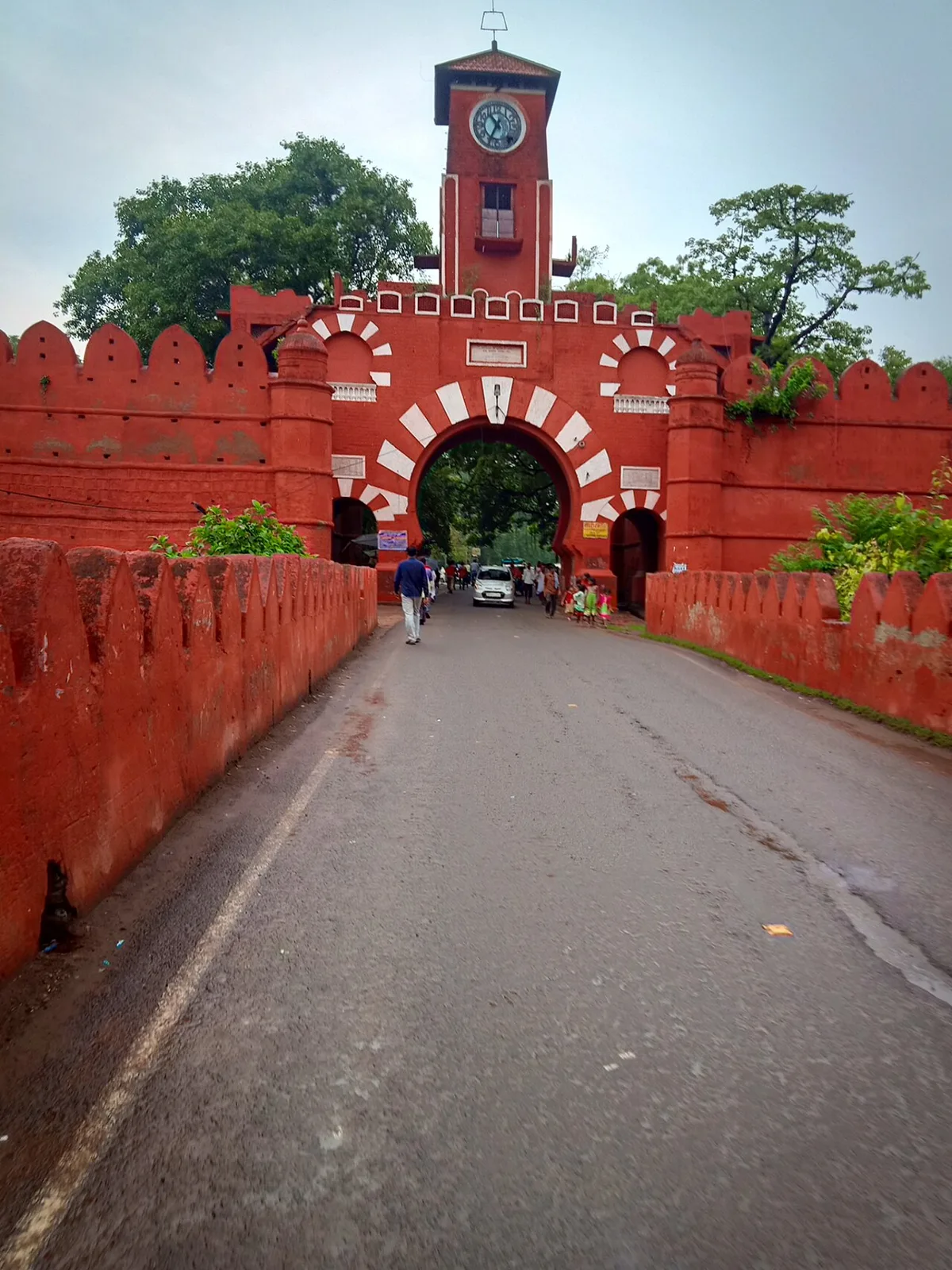
Munger Fort is a historic stronghold in Bihar, set on a rocky rise beside the Ganges. Visitors come to see its tombs, palace, temple, riverside ghat and British-era cemetery.

Bhimbandh Wildlife Sanctuary

103 km away · Munger district

Bhimbandh Wildlife Sanctuary

In Bihar’s Munger district, Bhimbandh Wildlife Sanctuary is a sanctuary devoted to wildlife. Visitors come to spend time in this wildlife-focused place in the district’s south-west.

Vikramshila University Ruins

112 km away · Bhagalpur district

Vikramshila University Ruins

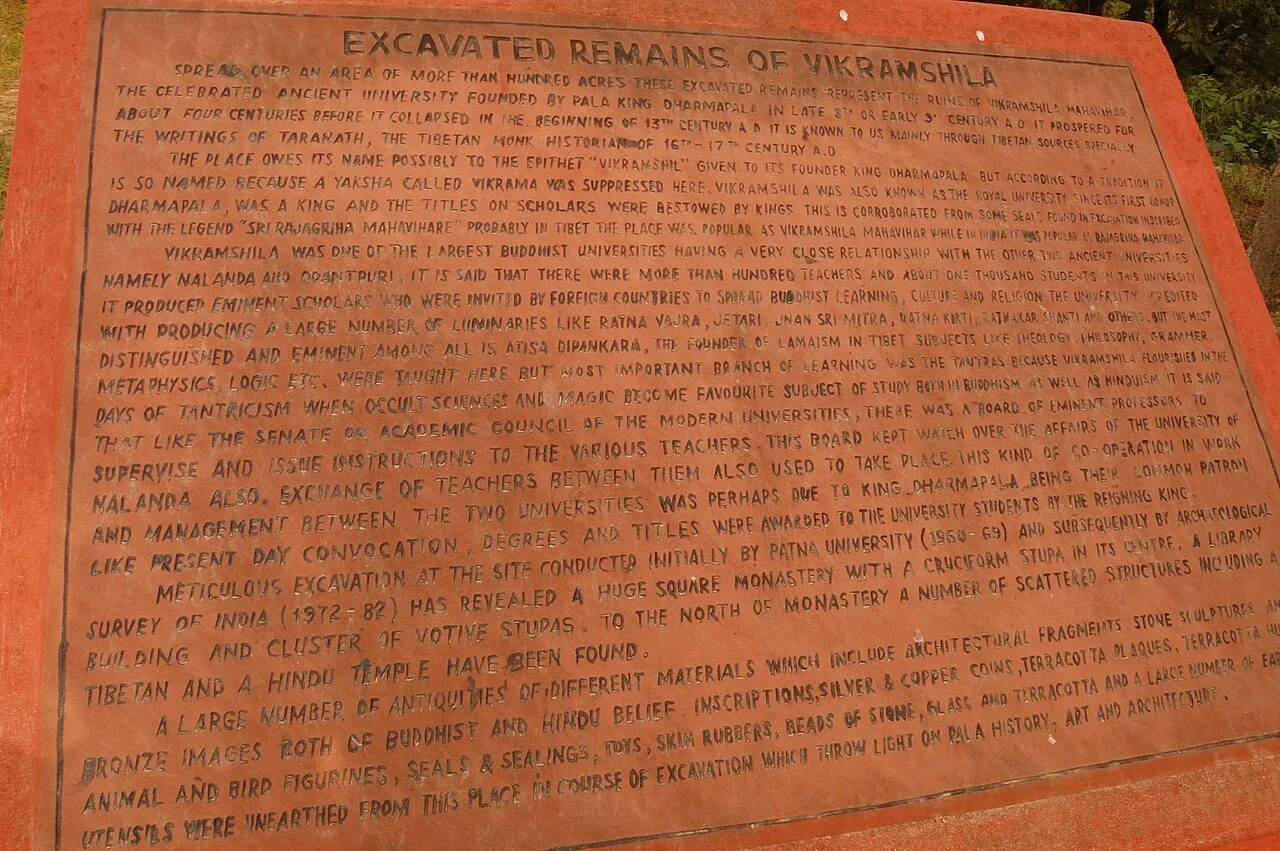
Vikramshila University Ruins mark a major Buddhist centre of learning in Bihar. Visitors come to explore the site and learn about its scholars and place in Buddhist education.

Katihar

118 km away · Purnia district

Katihar

Katihar is a major city in Bihar, known for its regional commercial, educational and administrative roles. Travellers also use it as a railway hub linking routes towards North Bengal and the north-east.

Sitamarhi

121 km away · Sitamarhi district

Sitamarhi

Sitamarhi is a city in Bihar’s Tirhut Division and the administrative centre of its district. Visitors are drawn by the Hindu tradition linking it to Sītā’s birth.

Mandar Hill

148 km away · Bhagalpur district

Mandar Hill

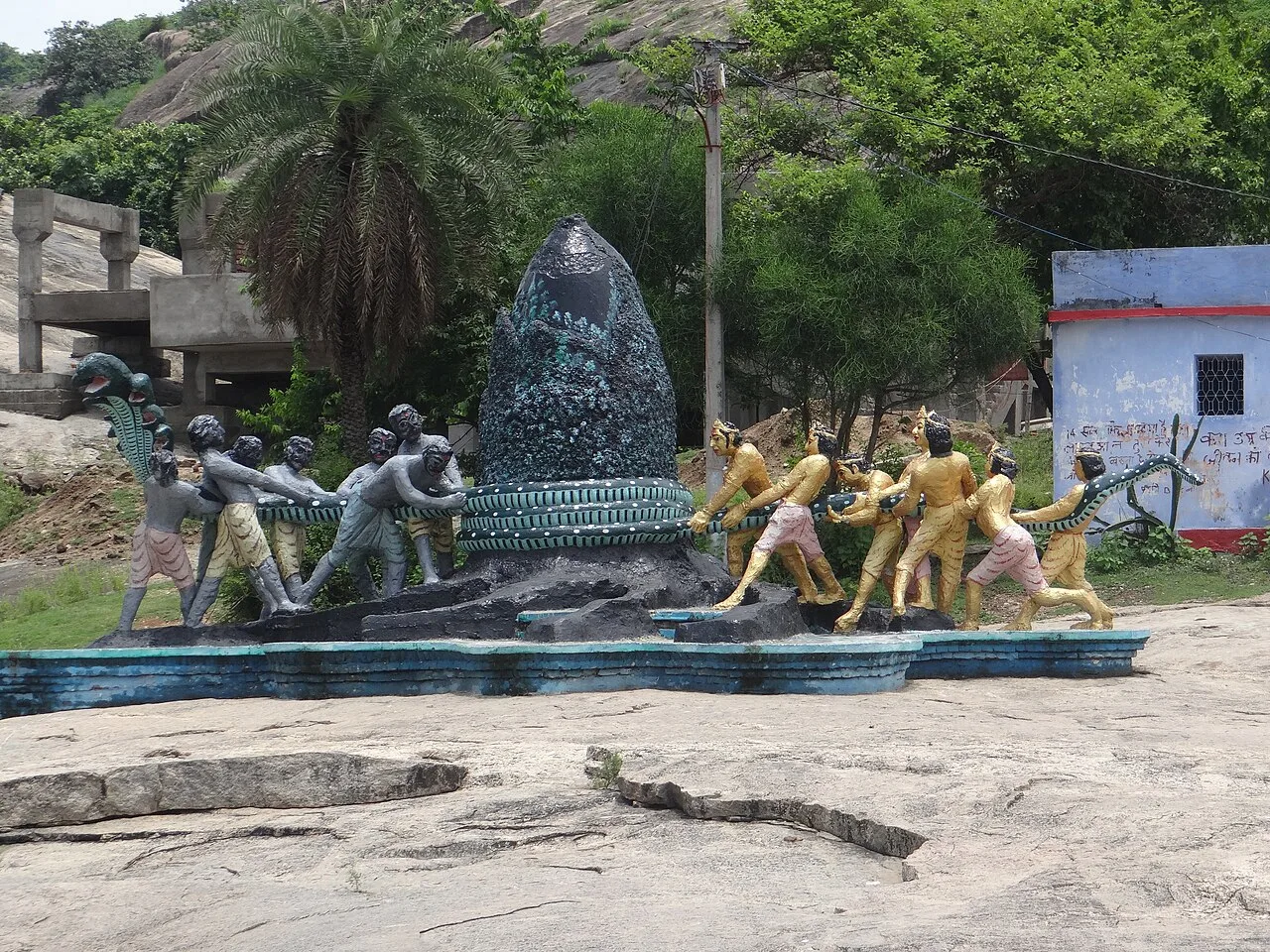
Mandar Hill, also called Mandar Parvat, is a roughly 700-foot hill at Bounsi in Bihar’s Banka district. Hindus and Jains visit it as a place of pilgrimage.

Map

Supaul on the map

  1. 1Madhubani
  2. 2Darbhanga
  3. 3Munger Fort
  4. 4Bhimbandh Wildlife Sanctuary
  5. 5Vikramshila University Ruins
  6. 6Katihar
  7. 7Sitamarhi
  8. 8Mandar Hill

Bihar

Other cities to explore