Ghumoopedia — Explore, Discover, Experience
Sign in
Nalanda mahavihara, near Barh

City guide · Bihar

Barh

Barh is a town and subdivision headquarters in Patna district, set on the southern bank of the Ganga. Its importance today is practical as well as geographic: it serves as an administrative and commercial centre for surrounding settlements and connects them with Patna and other towns along the river corridor.

Famous for

  • Umanath Dham
  • Ganga riverfront
  • Barh Super Thermal Power Station
  • Chhath observances
Plan a tripHotels near Barh

Why Barh matters

Barh is a town and subdivision headquarters in Patna district, set on the southern bank of the Ganga. Its importance today is practical as well as geographic: it serves as an administrative and commercial centre for surrounding settlements and connects them with Patna and other towns along the river corridor. Barh railway station is a useful link for residents and visitors travelling through the region.

The town’s best-known visitor draw is Umanath Dham, a Shiva temple associated with the Ganga and local pilgrimage. The river ghats become especially active during Chhath, when families gather for rituals at sunrise and sunset. Barh is also known for the Barh Super Thermal Power Station, a major modern infrastructure project in the area, though access to the facility is controlled. Rather than a conventional sightseeing destination, Barh offers a view of everyday life in a Bihar river town: religious activity, local trade and the rhythms of travel between Patna and the smaller communities of the district.

Famous for: crafts, trade & products

Barh is not widely associated with a particular textile, handicraft or GI-tagged product. Its profile is shaped more by its role as a local market and administrative centre, its riverside religious sites and the nearby Barh Super Thermal Power Station. The town’s shops and market streets mainly serve residents and nearby villages, with everyday household goods, clothing, food and agricultural necessities rather than a specialised craft trade.

Visitors looking to browse can explore the central market area and shops around the railway station, where small retailers and food sellers cater to local needs. Seasonal produce and familiar Bihar snacks are more likely finds than products made exclusively in Barh. Umanath Dham is the town’s most recognisable cultural destination, while the power station is a landmark of regional industry rather than a visitor attraction; entry is subject to its access rules. For distinctive textiles, handicrafts or GI-tagged goods, travellers may need to look beyond Barh to larger markets elsewhere in Bihar.

History

Barh’s setting on the southern bank of the Ganga has long placed it within a river corridor linking settlements across the Patna region. The river supported movement and local livelihoods, while the fertile surrounding land helped sustain village agriculture. The town’s history is not chiefly identified with a single royal court or a widely documented dynasty, so its development is best understood through its position in this larger regional landscape.

During the colonial period, railway connections strengthened links between Barh, Patna and towns farther east, complementing older river and road routes. The station remains important to the town’s everyday connections. In independent India, Barh developed as one of Patna district’s subdivisions, with administrative services and a market serving nearby communities. The Barh Super Thermal Power Station represents a more recent phase of development, bringing major energy infrastructure to the area. Together, administration, transport, river life and industry have shaped the town’s modern character.

Food, festivals & culture

Hindi and Magahi are commonly heard in Barh and its surrounding communities. Religious life is visible at Umanath Dham and along the Ganga, where Chhath Puja is a major occasion. Celebrated chiefly in autumn, and also in spring, Chhath brings families to the river for prayers and offerings at sunset and sunrise. Durga Puja, Diwali and Holi are also observed, with neighbourhood gatherings and seasonal worship.

Everyday meals reflect the wider food traditions of Bihar: rice, dal, vegetables, sattu and, in many households, litti with chokha. Local sweet shops offer familiar regional sweets, though Barh is not especially known for a signature confection. Folk and devotional songs are heard at festivals, particularly Chhath; music and performances are generally community-based rather than tied to a distinctive local stage tradition. The town’s ghats and temple are the most visible places to experience its religious and social life, especially during festival periods.

Visiting the city

October to March is generally the most comfortable season to visit, with cooler weather than the hot summer months. Chhath is a meaningful time to see the riverfront traditions, but ghats can be busy during the festival. The nearest airport is Jay Prakash Narayan International Airport in Patna; Barh railway station is the main rail stop for the town.

Auto-rickshaws and e-rickshaws are useful for local journeys, while the station area and central market are practical starting points for exploring. Umanath Dham and the Ganga ghats are the principal places to visit. Check locally about river conditions and access before going to the water’s edge. The thermal power station is an industrial facility, not a general sightseeing site, and access may be restricted.

Trips from the city

Nearest places to visit from Barh

Our closest destination guides, by straight-line distance.

Nalanda mahavihara

47 km away · Nalanda district

Nalanda mahavihara

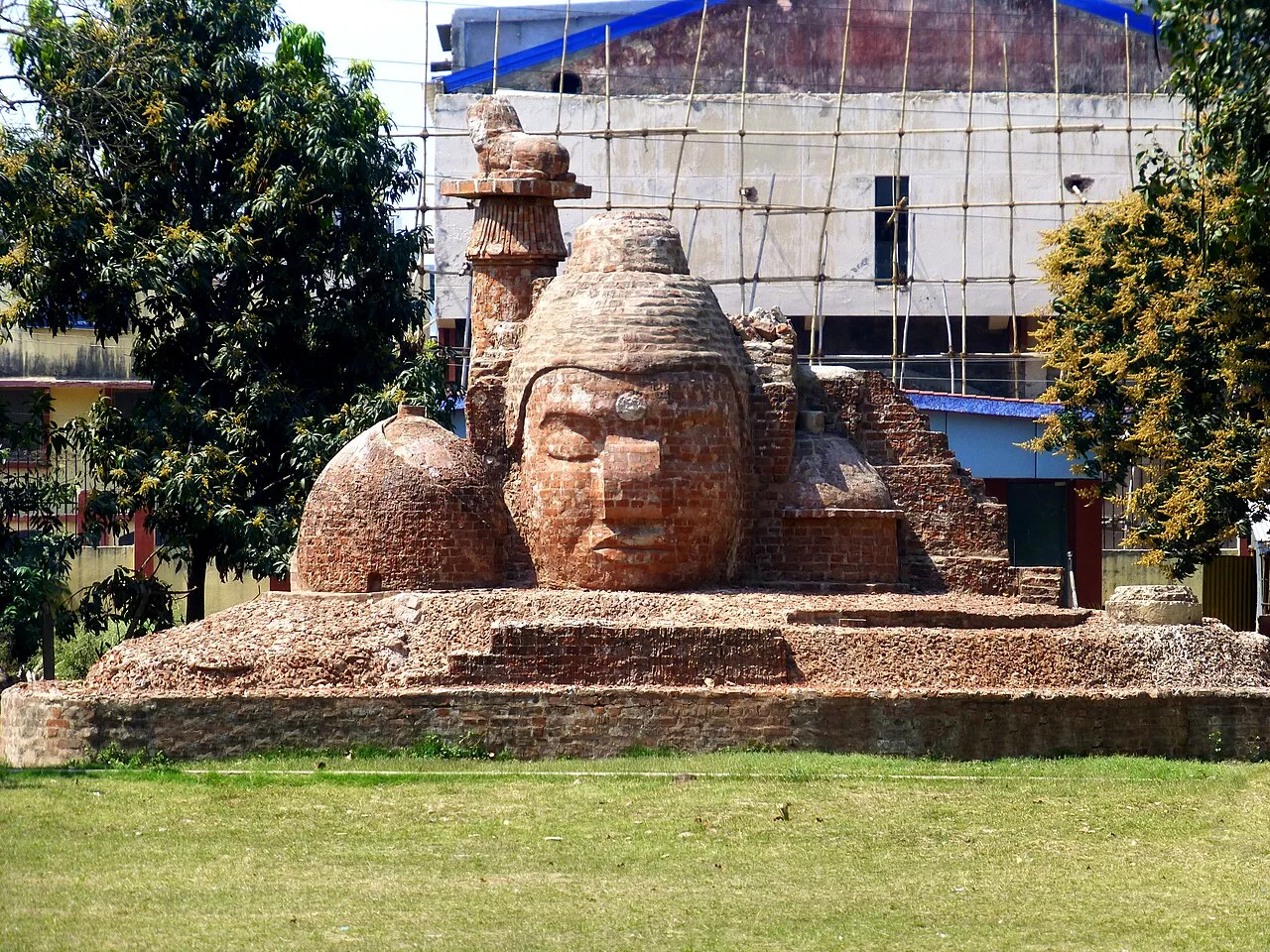
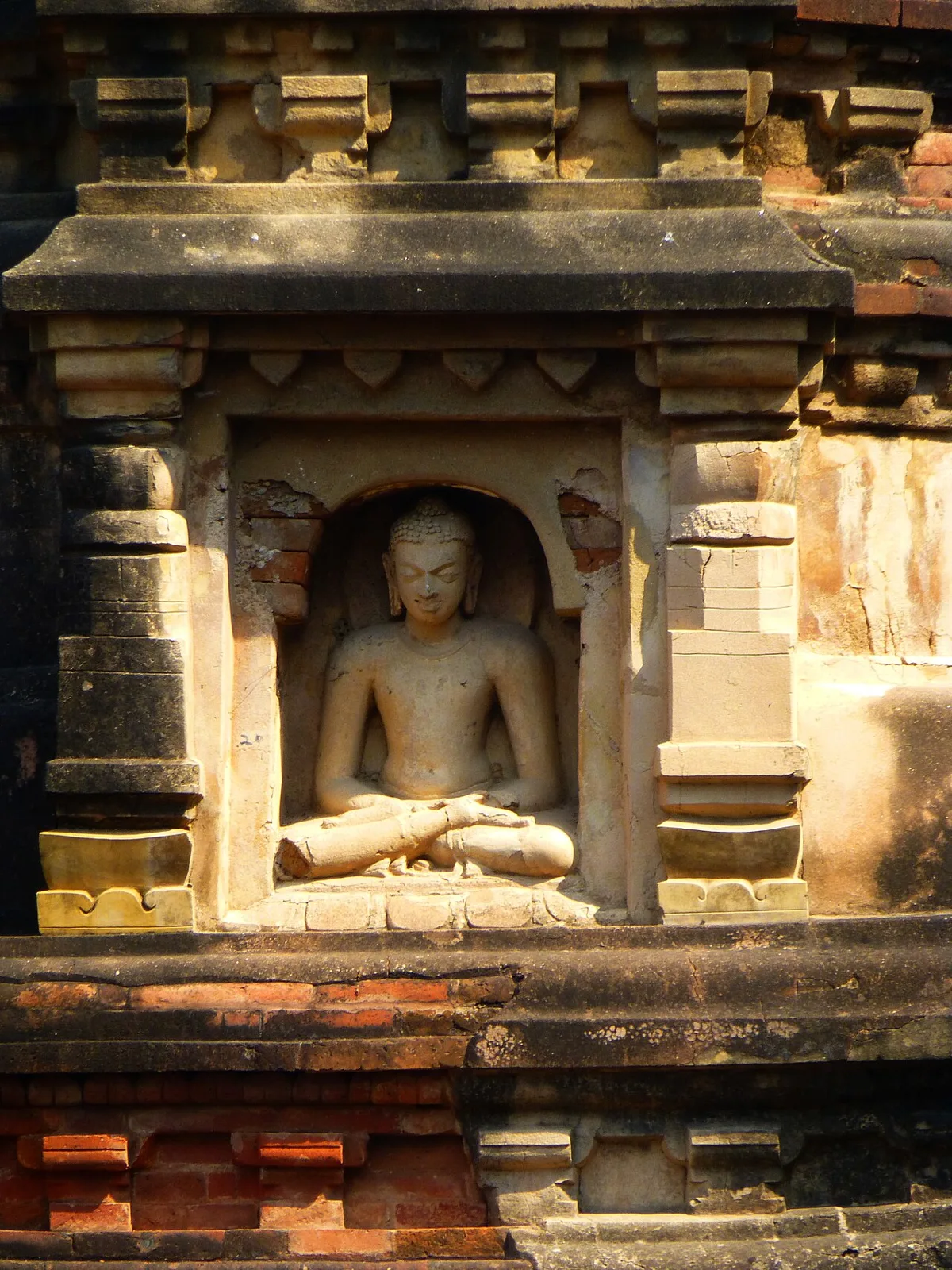
Nalanda is the site of a major Buddhist monastery in Bihar, visited for its history as a long-lived centre of learning and its role in Mahayana Buddhism.

Pawapuri

47 km away · Gaya district

Pawapuri

Pawapuri, also called Pavapuri, is a Jain sacred site in Bihar’s Nalanda district. People travel there on pilgrimage because it is associated with Mahavira’s nirvana.

Takht Sri Patna Sahib

50 km away · Patna district

Takht Sri Patna Sahib

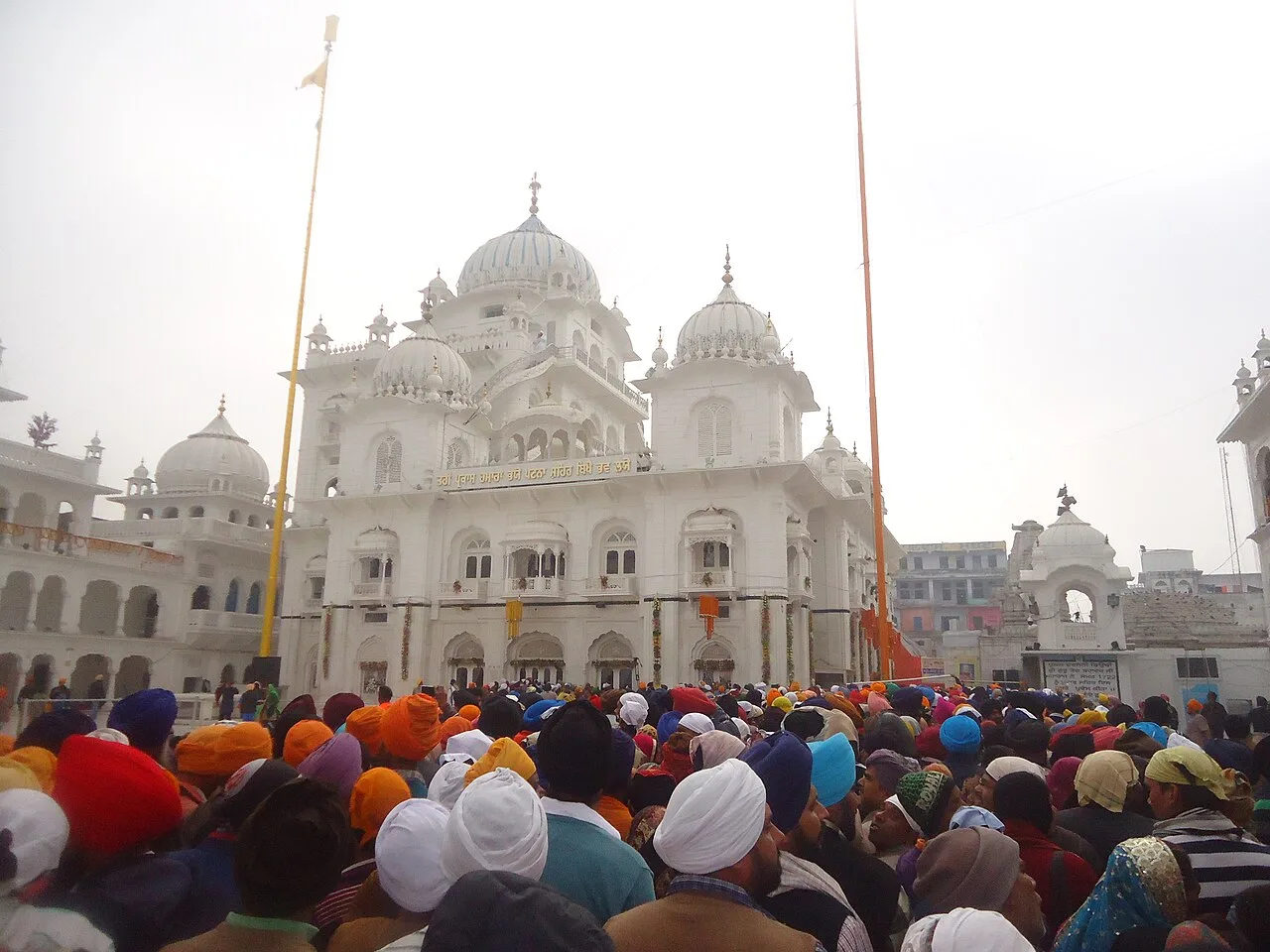
Takht Sri Patna Sahib, in Patna, Bihar, is among Sikhism’s five takhts. Visitors come to worship and pay their respects at this important Sikh religious site.

Agam Kuan

53 km away · Patna district

Agam Kuan

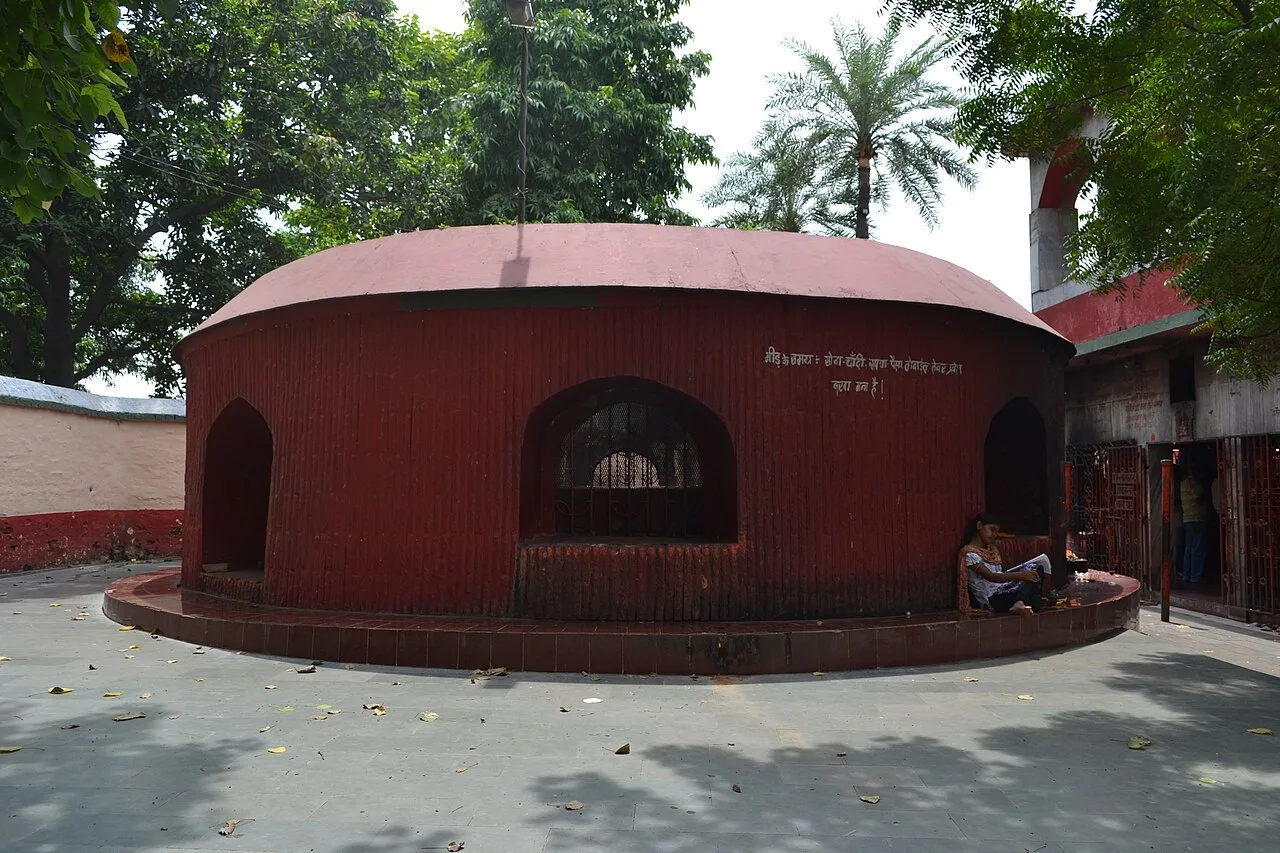
Agam Kuan is a historic circular well and archaeological site in Patna, Bihar, traditionally linked to Ashoka’s Mauryan era. Visitors also worship at the adjoining Shitala Devi temple, where the goddess and Saptamatrikas are venerated.

Vishwa Shanti Stupa

53 km away · Gaya district

Vishwa Shanti Stupa

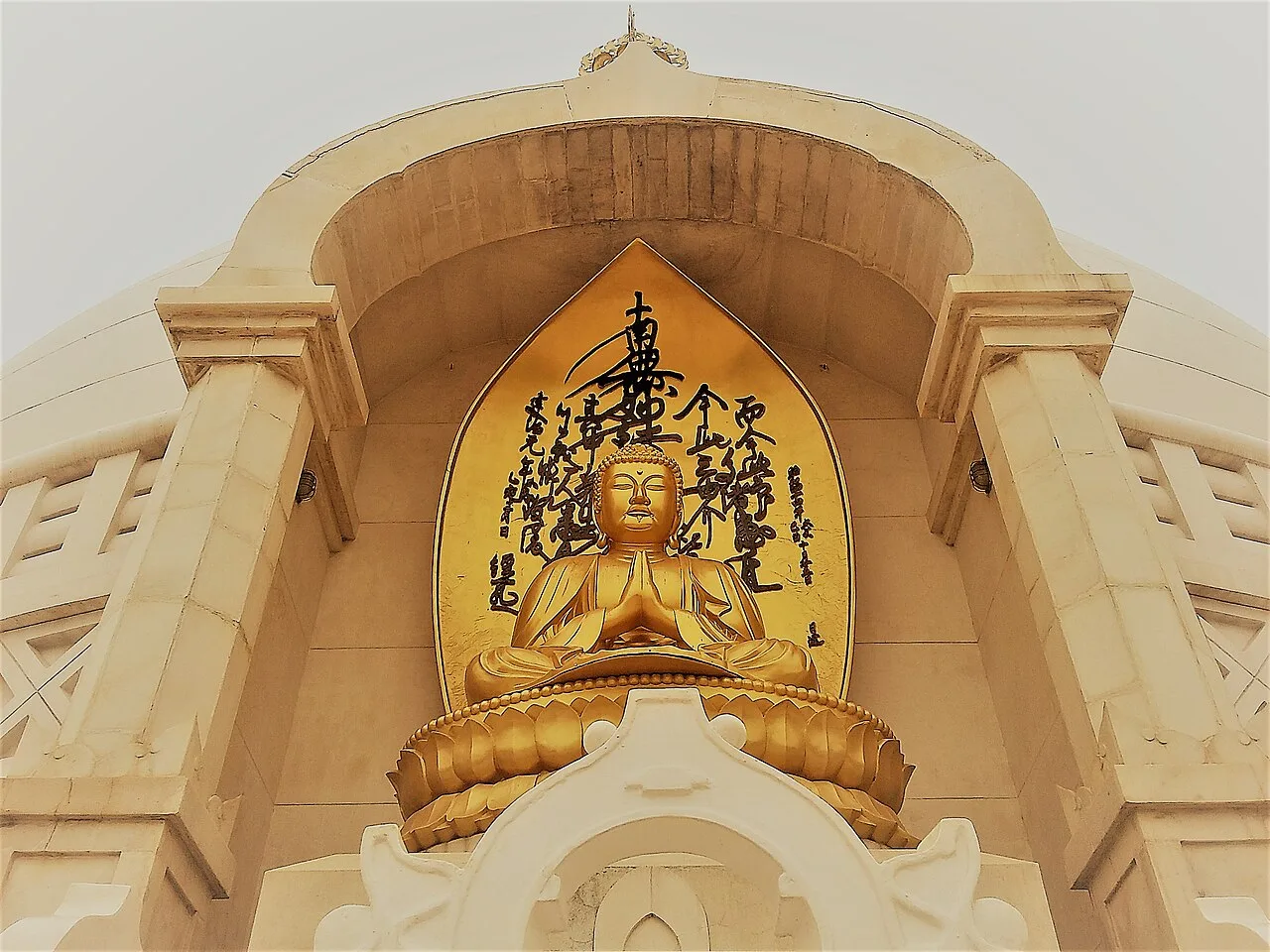
Vishwa Shanti Stupa is a white Buddhist pagoda in Rajgir, visited for its Buddha statues, nearby Japanese temple and park, and prayers for peace.

Kumhrar

54 km away · Patna district

Kumhrar

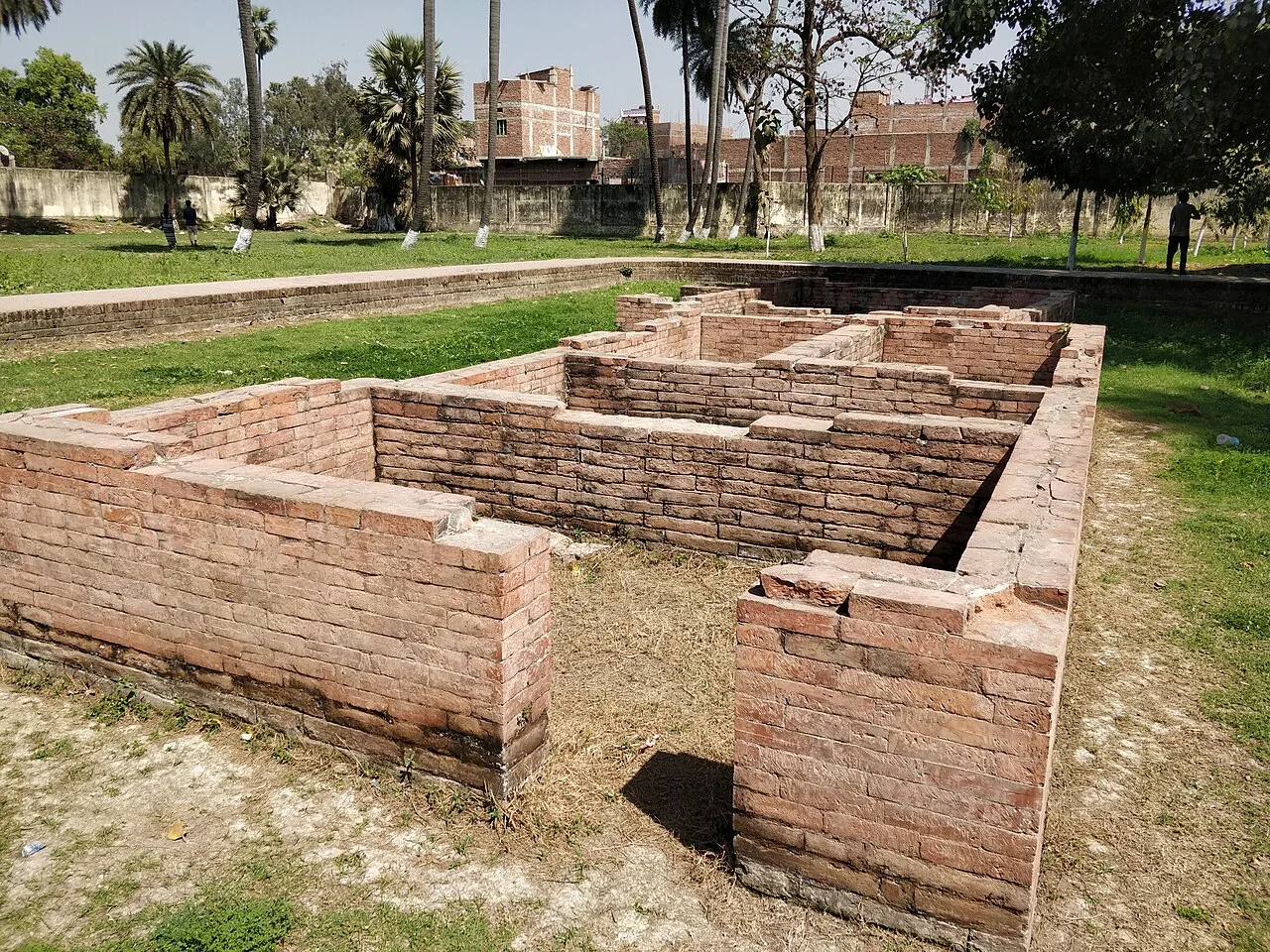
Kumhrar is an archaeological site in Patna connected with the remains of Pataliputra. Visitors come to see excavated traces of the city, including the remains of an 80-pillared hall.

Gandhi Maidan

56 km away · Patna district

Gandhi Maidan

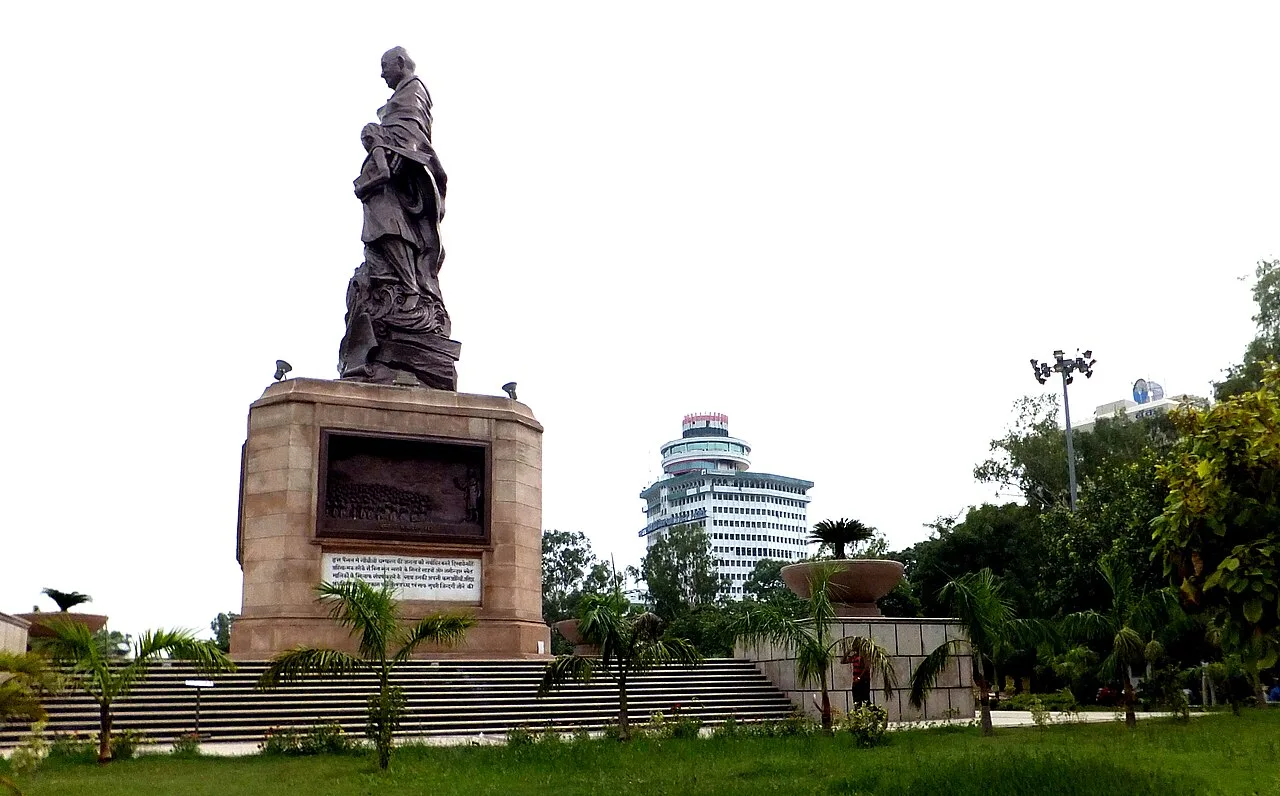
Gandhi Maidan is a historic open space in Patna, Bihar, near the Ganges. People visit a site linked to the freedom movement and significant political gatherings.

Patna Museum

58 km away · Patna district

Patna Museum

Patna Museum is Bihar’s state museum in Patna district. Visitors come to see its historical collections and learn about the institute’s work in history and archaeology.

Map

Barh on the map

  1. 1Nalanda mahavihara
  2. 2Pawapuri
  3. 3Takht Sri Patna Sahib
  4. 4Agam Kuan
  5. 5Vishwa Shanti Stupa
  6. 6Kumhrar
  7. 7Gandhi Maidan
  8. 8Patna Museum

Bihar

Other cities to explore