Ghumoopedia — Explore, Discover, Experience
Sign in

City guide · Bihar

Kishanganj

Kishanganj is an important town in Bihar’s Seemanchal region, close to the West Bengal border and linked by road and rail with communities across the eastern Gangetic plain. Its position makes it a local centre for trade, travel and public services, as well as a useful stop for journeys between north Bihar and the Northeast.

Famous for

  • Kishanganj tea gardens
  • Seemanchal trade hub
  • Surjapuri food traditions
  • Borderland rail connections

Why Kishanganj matters

Kishanganj is an important town in Bihar’s Seemanchal region, close to the West Bengal border and linked by road and rail with communities across the eastern Gangetic plain. Its position makes it a local centre for trade, travel and public services, as well as a useful stop for journeys between north Bihar and the Northeast. The town also serves the surrounding countryside, where agriculture and tea cultivation contribute to the regional economy.

Visitors come for a glimpse of a lively borderland culture shaped by Bihar, Bengal and neighbouring areas. The wider district’s tea-growing landscape offers a contrast to the busy town markets, while local food and the mix of languages reflect the region’s diverse communities. Kishanganj is not a large, formal sightseeing destination; its appeal lies more in its everyday bustle, transport links and regional character. It is also home to an Aligarh Muslim University centre, adding an educational presence to its role as a commercial and administrative hub.
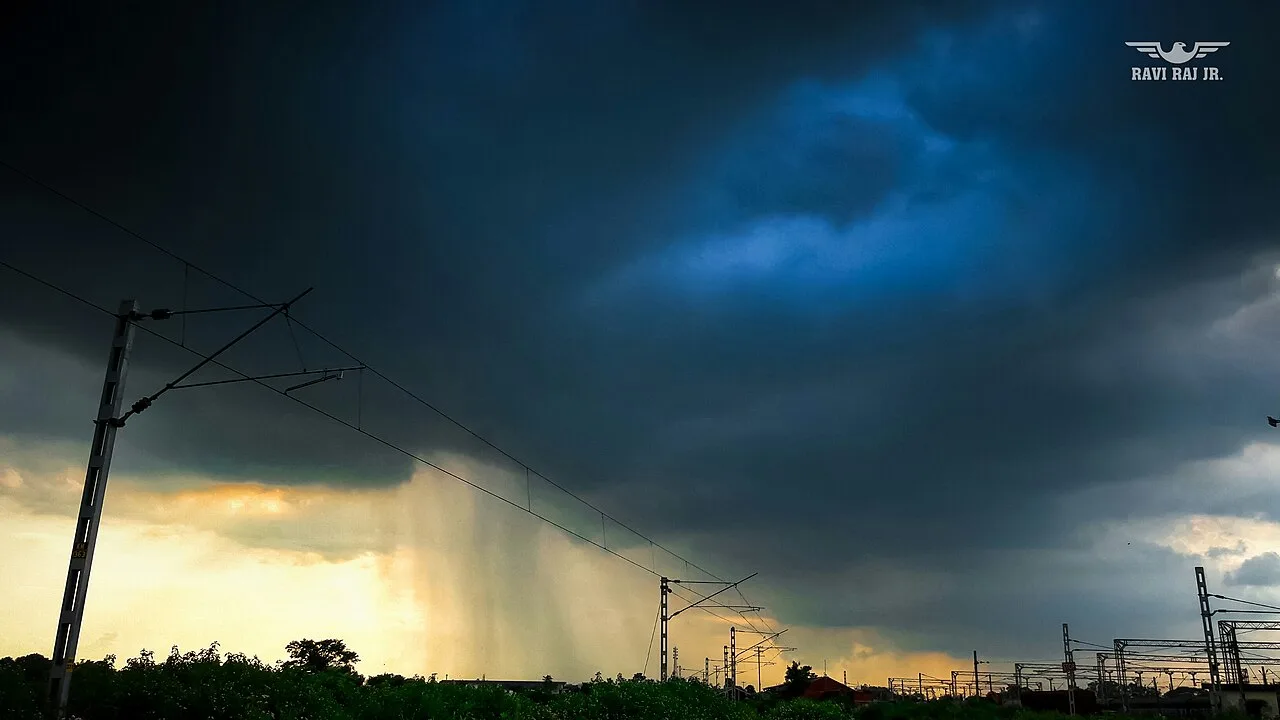
Famous for: crafts, trade & products

Kishanganj is best known in the region for tea cultivation and trade. Tea gardens are found in the wider district and countryside around the town, and locally produced tea may be available through shops and traders in the central market. Agriculture also supports commerce in staples and produce from nearby rural areas. The town’s shops serve residents from a broad catchment, so its markets are practical places to look for everyday goods and regional foods rather than a specialised handicraft quarter.

Kishanganj is not especially associated with a signature saree, nationally recognised craft or GI-tagged product. Visitors should not expect a dedicated textile or souvenir market; ask local shopkeepers about seasonal produce and tea if looking for items tied to the area. The town’s educational profile includes the Kishanganj centre of Aligarh Muslim University. For a sense of local trade, explore the central bazaar and the shops around the main town streets, where food retailers, general stores and small businesses reflect the needs of the surrounding Seemanchal region.

History

Kishanganj’s development is closely connected to the history of the wider Purnea region and its position near the Bengal border. For generations, this borderland linked communities and markets across what are now Bihar and West Bengal. Under British rule, the area was administered as part of the larger Purnea district; its location helped sustain movement and exchange between the plains and the eastern routes.

Rail and road connections later strengthened Kishanganj’s role as a market town and a transit point. After Independence, it remained part of Purnea district in Bihar, serving an agricultural hinterland with varied linguistic and cultural ties. Kishanganj district was created in 1990, giving the town a more prominent administrative role as its headquarters. In recent decades, its transport links, expanding local commerce and educational institutions have reinforced its importance to Seemanchal. The town’s modern identity reflects both its place within Bihar and its close connections with neighbouring regions.

Food, festivals & culture

Kishanganj’s food reflects the meeting of Bihar and Bengal, with rice, lentils, vegetables, fish and meat common in everyday meals. Local kitchens draw on Surjapuri and neighbouring food traditions; visitors will also find familiar snacks, tea stalls and sweet shops around the market. Mithai counters offer popular regional-style sweets, though there is no single sweet for which the town is widely known.

Eid is an important celebration for many residents, while Durga Puja, Chhath, Holi and Diwali are also observed across the town and surrounding communities. Their dates vary with the lunar or seasonal calendar. Hindi, Urdu, Surjapuri and Bengali are among the languages heard in daily life, alongside other regional speech. Music and dance are largely part of family, community and festival gatherings, with folk traditions shared across the Seemanchal-Bengal borderland. The town’s religious landscape includes mosques and temples, reflecting its diverse communities; visitors should dress and behave respectfully at places of worship.

Visiting the city

The cooler, drier months from roughly October to March are generally the most comfortable for exploring Kishanganj. Summers can be hot, while the monsoon season brings heavy rain to the region. Kishanganj railway station is the town’s main rail stop. Bagdogra Airport, near Siliguri in West Bengal, is a major established airport option for air travel; check current connections before planning a journey.

Auto-rickshaws and cycle rickshaws are useful for getting around town, with taxis or hired cars better suited to longer trips. The central bazaar is a good place to experience everyday commerce and sample local food. The railway-station area is convenient for arrivals, while tea-growing countryside and villages beyond the town offer a broader view of the district. Roads can be affected by seasonal rain, so allow flexibility when travelling outside town.

Trips from the city

Nearest places to visit from Kishanganj

Our closest destination guides, by straight-line distance.

Katihar

74 km away · Purnia district

Katihar

Katihar is a major city in Bihar, known for its regional commercial, educational and administrative roles. Travellers also use it as a railway hub linking routes towards North Bengal and the north-east.

Vikramshila University Ruins

109 km away · Bhagalpur district

Vikramshila University Ruins

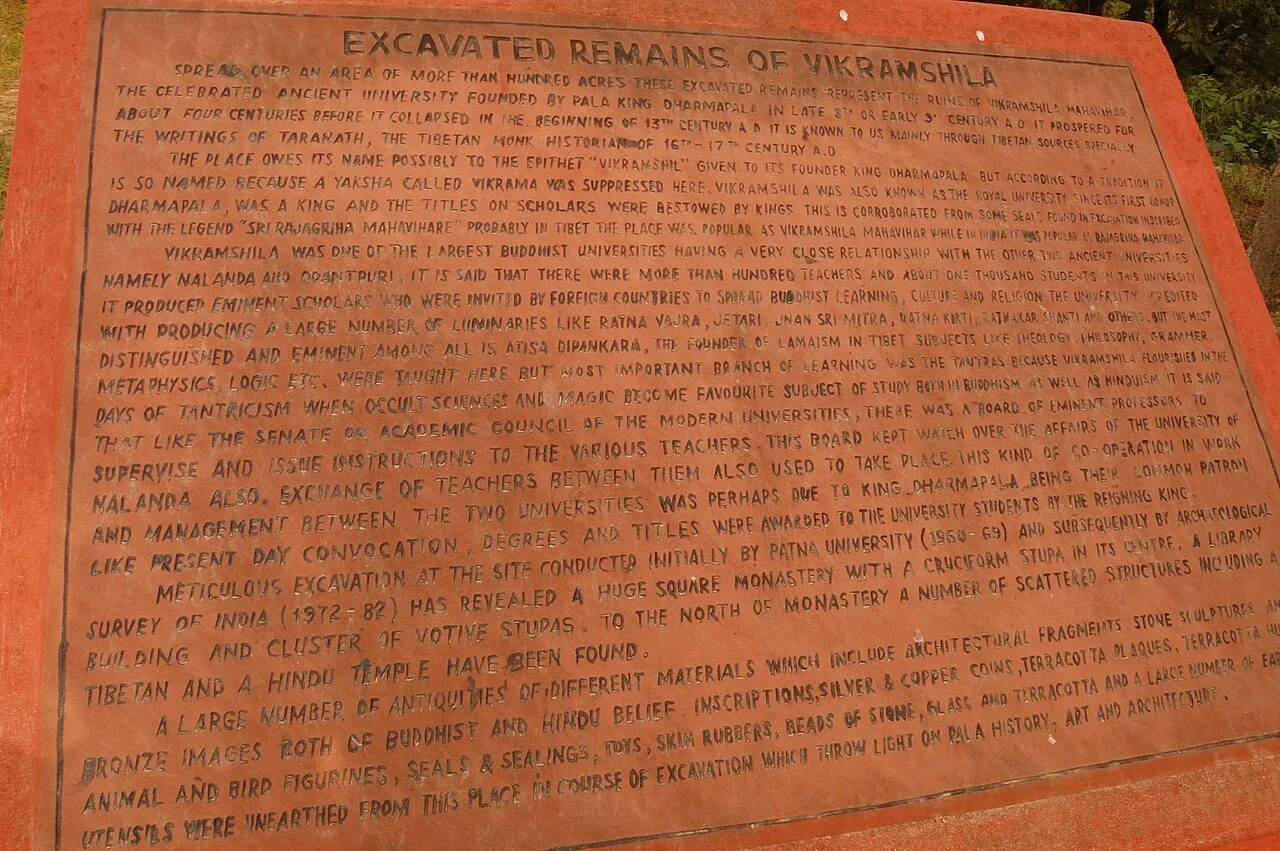
Vikramshila University Ruins mark a major Buddhist centre of learning in Bihar. Visitors come to explore the site and learn about its scholars and place in Buddhist education.

Mandar Hill

168 km away · Bhagalpur district

Mandar Hill

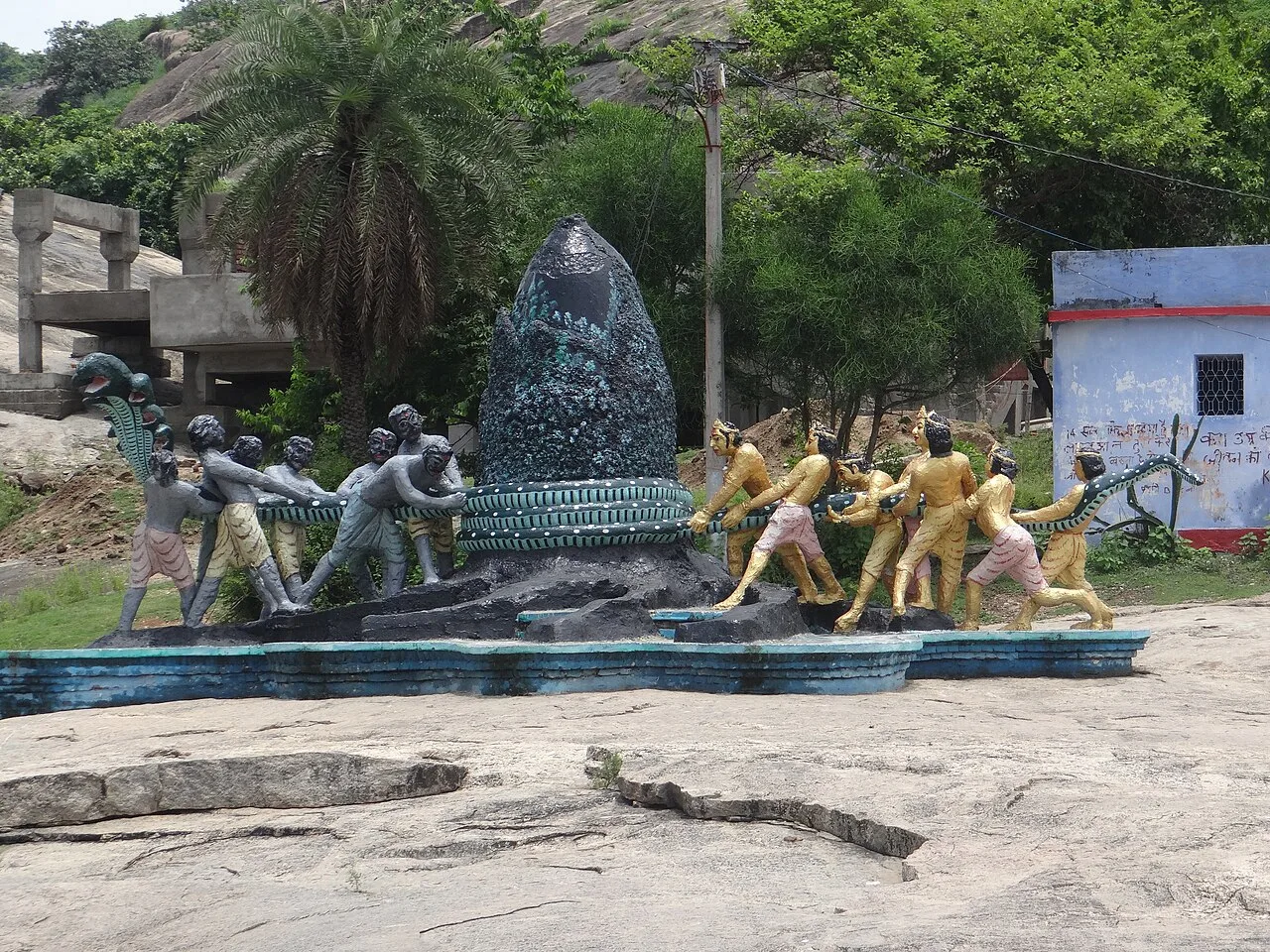
Mandar Hill, also called Mandar Parvat, is a roughly 700-foot hill at Bounsi in Bihar’s Banka district. Hindus and Jains visit it as a place of pilgrimage.

Munger Fort

169 km away · Munger district

Munger Fort

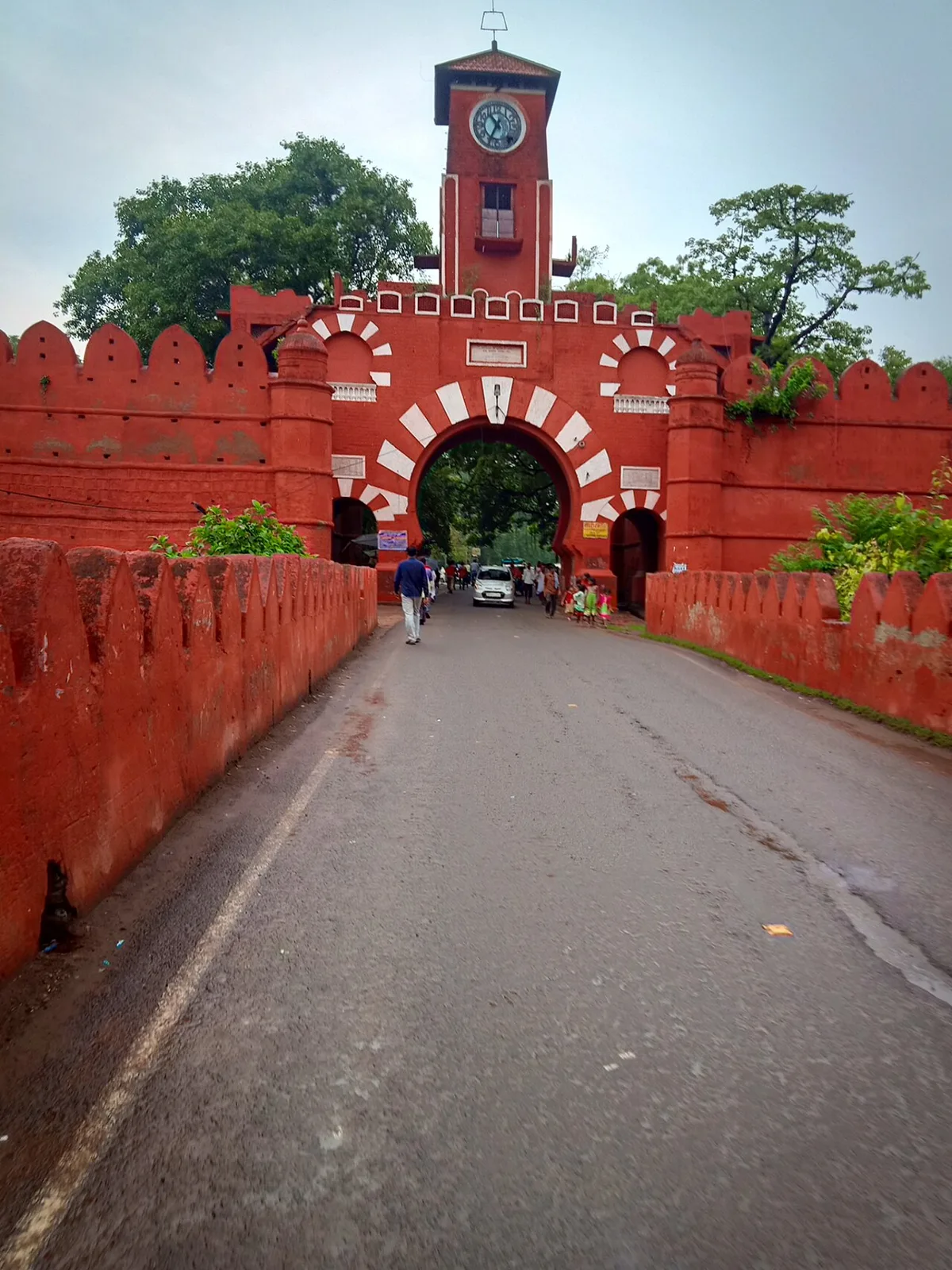
Munger Fort is a historic stronghold in Bihar, set on a rocky rise beside the Ganges. Visitors come to see its tombs, palace, temple, riverside ghat and British-era cemetery.

Madhubani

190 km away · Madhubani district

Madhubani

Madhubani is a city in Bihar’s Mithila region and the headquarters of its district. Visitors may be drawn by its regional identity and administrative importance.

Bhimbandh Wildlife Sanctuary

194 km away · Munger district

Bhimbandh Wildlife Sanctuary

In Bihar’s Munger district, Bhimbandh Wildlife Sanctuary is a sanctuary devoted to wildlife. Visitors come to spend time in this wildlife-focused place in the district’s south-west.

Darbhanga

205 km away · Darbhanga district

Darbhanga

Darbhanga is a major city and municipal corporation in Bihar, serving as the administrative centre of its district and division. Visitors encounter a longstanding centre of Mithila’s cultural, literary and musical traditions.

Sitamarhi

251 km away · Sitamarhi district

Sitamarhi

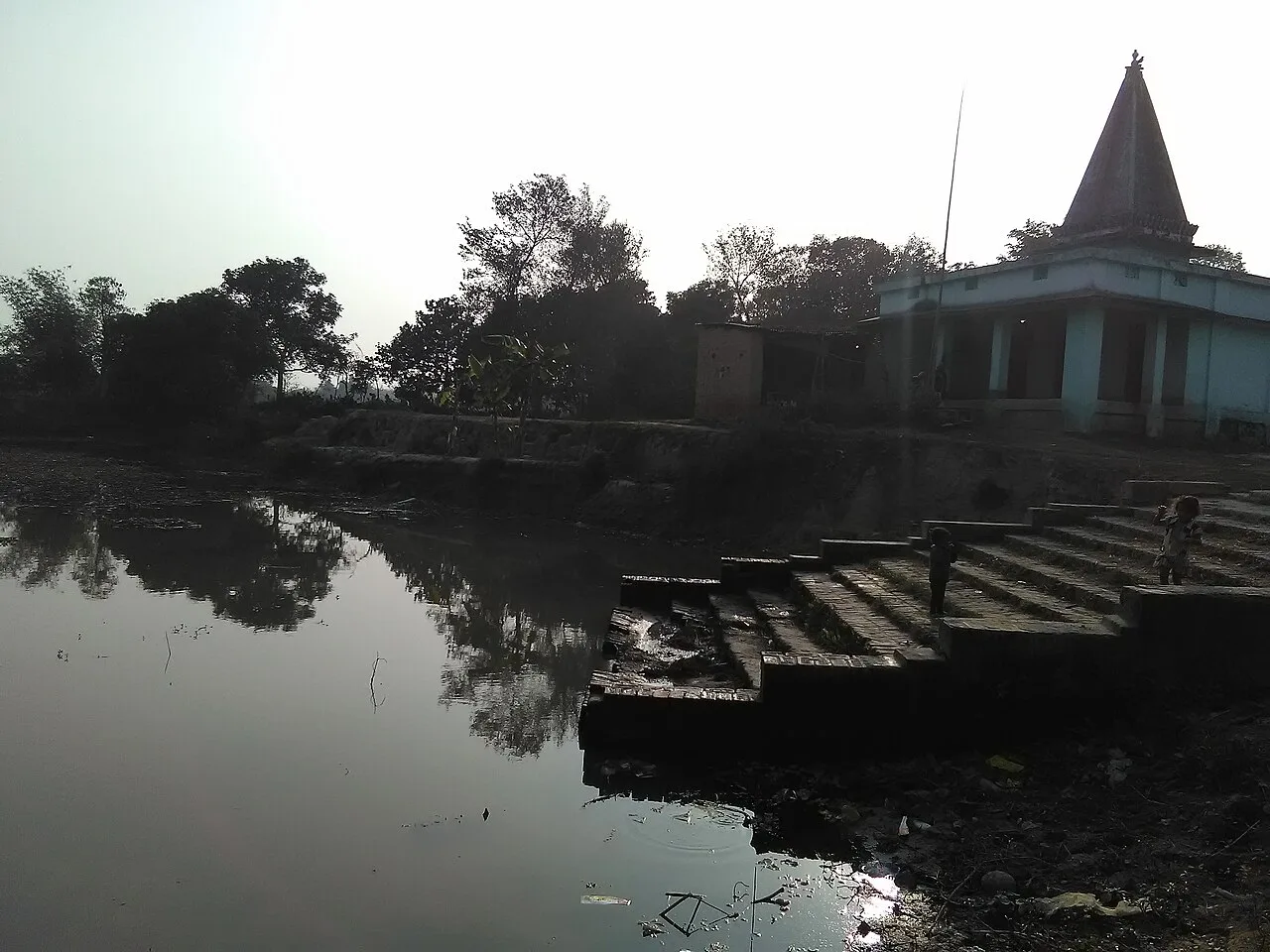
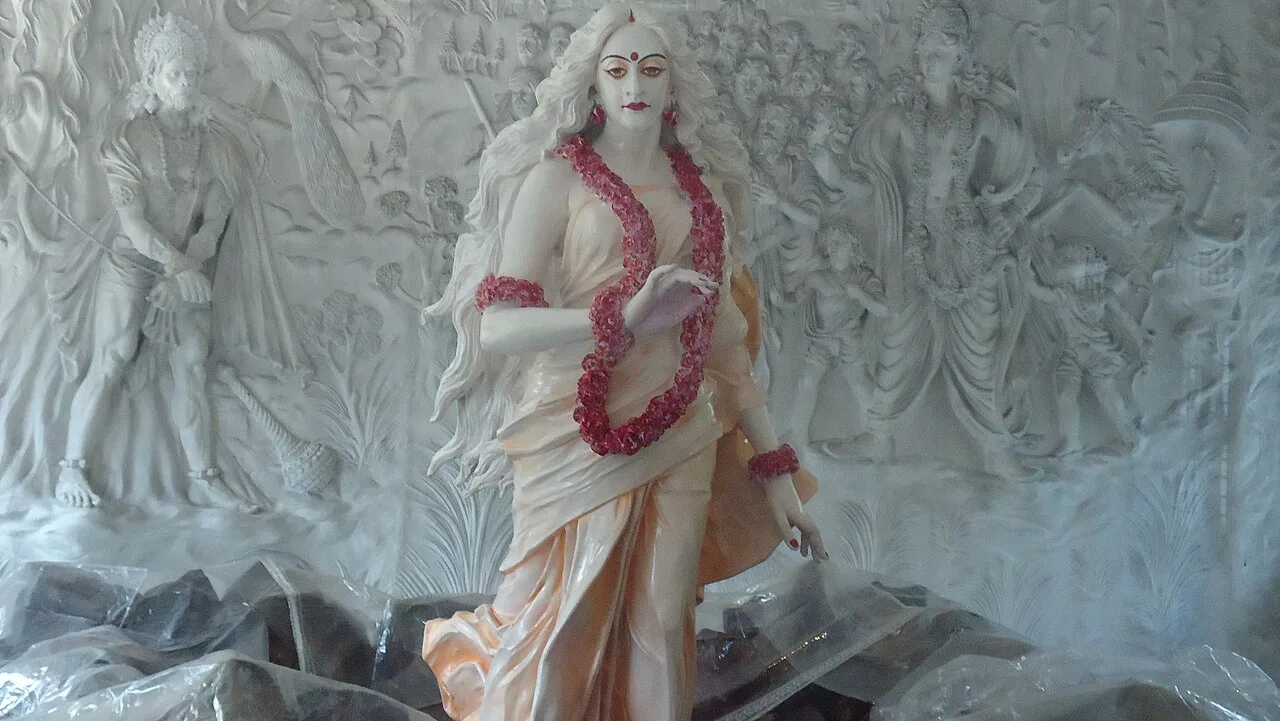
Sitamarhi is a city in Bihar’s Tirhut Division and the administrative centre of its district. Visitors are drawn by the Hindu tradition linking it to Sītā’s birth.

Map

Kishanganj on the map

  1. 1Katihar
  2. 2Vikramshila University Ruins
  3. 3Mandar Hill
  4. 4Munger Fort
  5. 5Madhubani
  6. 6Bhimbandh Wildlife Sanctuary
  7. 7Darbhanga
  8. 8Sitamarhi

Bihar

Other cities to explore