Ghumoopedia — Explore, Discover, Experience
Sign in
Munger Fort, near Sultanganj

City guide · Bihar

Sultanganj

Sultanganj is a riverfront pilgrimage town in Bhagalpur district, best known for Ajgaibinath Dham and its place on the Ganga. The river turns north here, a sacred feature known as the Uttarvahini Ganga.

Famous for

  • Ajgaibinath Temple
  • Shravani Mela pilgrimage
  • Uttarvahini Ganga
  • Sultanganj Buddha
  • Jahnu sage legends

Why Sultanganj matters

Sultanganj is a riverfront pilgrimage town in Bhagalpur district, best known for Ajgaibinath Dham and its place on the Ganga. The river turns north here, a sacred feature known as the Uttarvahini Ganga. The temple and nearby ghats draw worshippers throughout the year, while the Shravani Mela brings especially large crowds. Many pilgrims collect Ganga water here and walk more than 100 kilometres to Baidyanath Temple in Deoghar, Jharkhand.

The town also matters for its archaeological heritage. The Sultanganj Buddha, a monumental copper image dating to the Gupta–Pala period, was found here in 1861 and is now held by Birmingham Museum and Art Gallery in the United Kingdom. Local tradition connects the river and the town’s older name, Jahngira, with the sage Jahnu. Sultanganj serves as a pilgrimage stop and local market for communities along this stretch of the Ganga. Its river setting, living religious traditions and historic finds give it significance beyond its role as a gateway to nearby Bhagalpur.

Famous for: crafts, trade & products

Sultanganj’s most visible local trade is closely tied to pilgrimage. Shops and stalls around the temple approaches and riverfront serve visitors with पूजा offerings, flowers, incense, devotional items and everyday provisions. During the Shravani Mela, the town’s markets become especially busy with pilgrims preparing for the onward journey to Deoghar. These are visitor-oriented markets rather than a widely recognised centre for a particular craft or textile.

The wider Bhagalpur region is known for Bhagalpur silk, a GI-recognised textile. Visitors looking for a broader range of silk garments and handloom products will generally find more choice in Bhagalpur city, where textile shops serve both residents and visitors. Sultanganj itself is better known for its sacred riverfront, temple visits and pilgrimage supplies than for a distinct local manufacturing tradition. The town’s heritage is also reflected in the Sultanganj Buddha, though the statue is no longer displayed locally. Around the ghats and temple precinct, the main things to browse are practical religious offerings and seasonal goods, rather than specialist craft workshops.

History

Sultanganj is associated in regional tradition with the ancient kingdom of Anga and the Mahabharata figure Karna. A local legend links the town to Sage Jahnu: after swallowing the Ganga, he released the river, giving it the name Jahnavi. The older name Jahngira is commonly connected with Jahnu and a hill or high place. These stories remain part of the town’s religious identity, though they are distinct from archaeological evidence.

Finds indicate settlement in early medieval times. The best-known discovery is the Sultanganj Buddha, a large copper statue attributed broadly to the Gupta–Pala period and found in 1861. It is now in Birmingham Museum and Art Gallery. Under British rule, Sultanganj formed part of the Bhagalpur district; the statue’s discovery belongs to this colonial-era record. In modern times, the town has developed as a pilgrimage centre and local service hub, with rail and road links supporting travel to the Ganga, Ajgaibinath Dham and the wider Bhagalpur region.

Food, festivals & culture

Religious life centres on Ajgaibinath Temple and the Ganga ghats. Shravani Mela, held during the monsoon month of Shravan, is the town’s defining annual gathering: pilgrims take river water and set out on foot for Baidyanath Temple at Deoghar. Maha Shivaratri is also important for Shiva worship. Chhath, observed in autumn and again in spring, brings worshippers to the river to offer prayers at sunrise and sunset. Crowds and activity are particularly intense during major observances.

Hindi and Angika are widely used in daily life, with other regional languages also heard. Devotional songs and bhajans are common around worship and pilgrimage, while folk singing accompanies seasonal and family celebrations. Food reflects the broader Bihar region: everyday meals often include rice or roti, lentils and vegetables; litti-chokha and sattu-based dishes are familiar choices. Thekua is associated with Chhath offerings, and sweets are available in local shops, though Sultanganj is not especially known for a signature confection. Visitors can experience the town’s culture most directly at the temple precinct and riverfront.

Visiting the city

October to March is generally comfortable for exploring the town. The Shravani Mela takes place during the monsoon season and offers a vivid pilgrimage experience, but the temple and roads can be very crowded. River conditions and access around the ghats may vary with the season.

Sultanganj has its own railway station, Sultanganj railway station. Deoghar Airport is a nearby air gateway; Patna is another option with broader connections. Check current routes before setting out. Local auto-rickshaws and taxis can help with short trips, while the temple precinct, riverfront ghats, old-town lanes and local bazaar are best explored at an unhurried pace. Allow time for the riverside setting and be mindful of worshippers, boat activity and changing water levels.

Trips from the city

Nearest places to visit from Sultanganj

Our closest destination guides, by straight-line distance.

Munger Fort

31 km away · Munger district

Munger Fort

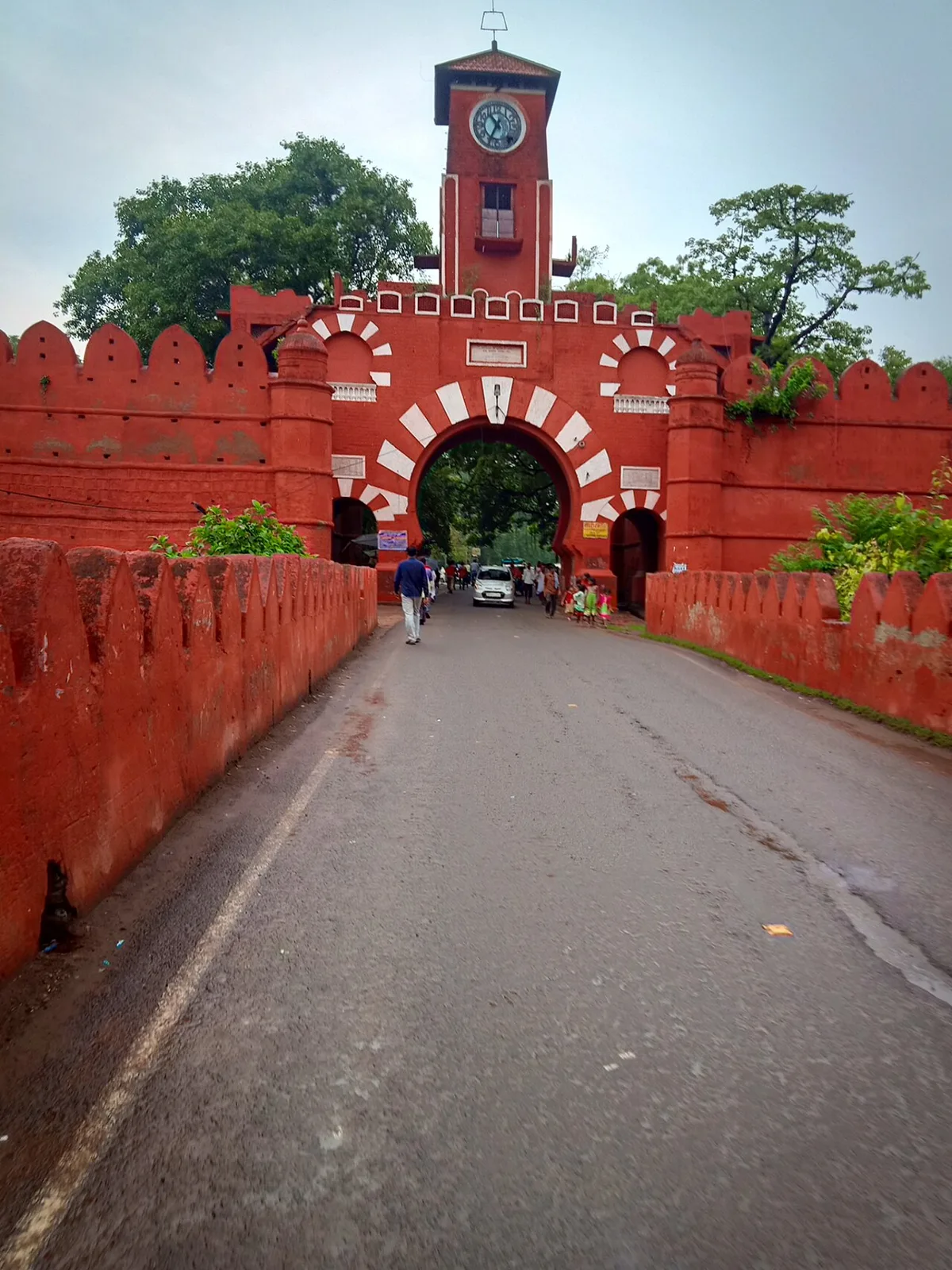
Munger Fort is a historic stronghold in Bihar, set on a rocky rise beside the Ganges. Visitors come to see its tombs, palace, temple, riverside ghat and British-era cemetery.

Bhimbandh Wildlife Sanctuary

46 km away · Munger district

Bhimbandh Wildlife Sanctuary

In Bihar’s Munger district, Bhimbandh Wildlife Sanctuary is a sanctuary devoted to wildlife. Visitors come to spend time in this wildlife-focused place in the district’s south-west.

Mandar Hill

53 km away · Bhagalpur district

Mandar Hill

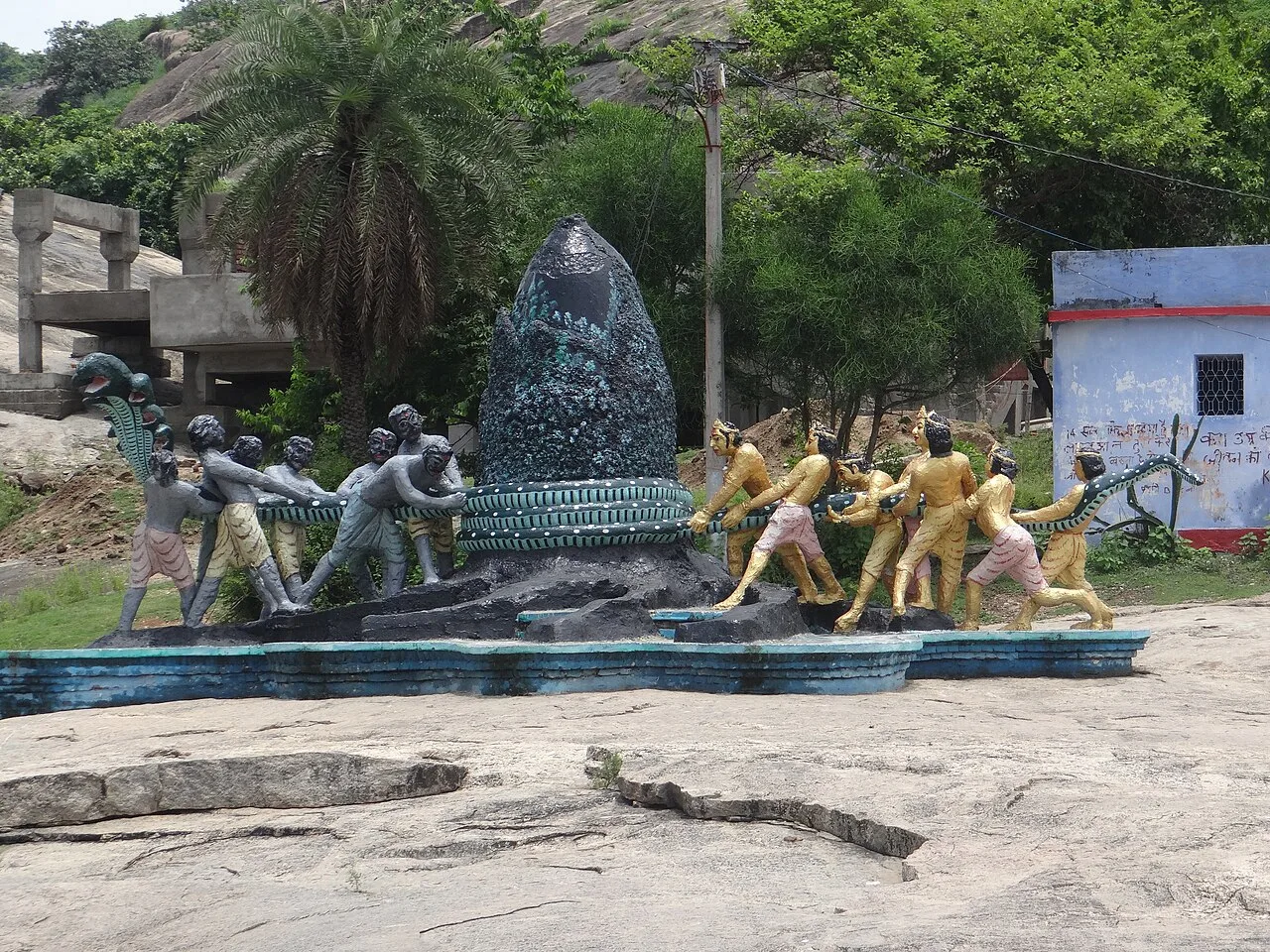
Mandar Hill, also called Mandar Parvat, is a roughly 700-foot hill at Bounsi in Bihar’s Banka district. Hindus and Jains visit it as a place of pilgrimage.

Vikramshila University Ruins

56 km away · Bhagalpur district

Vikramshila University Ruins

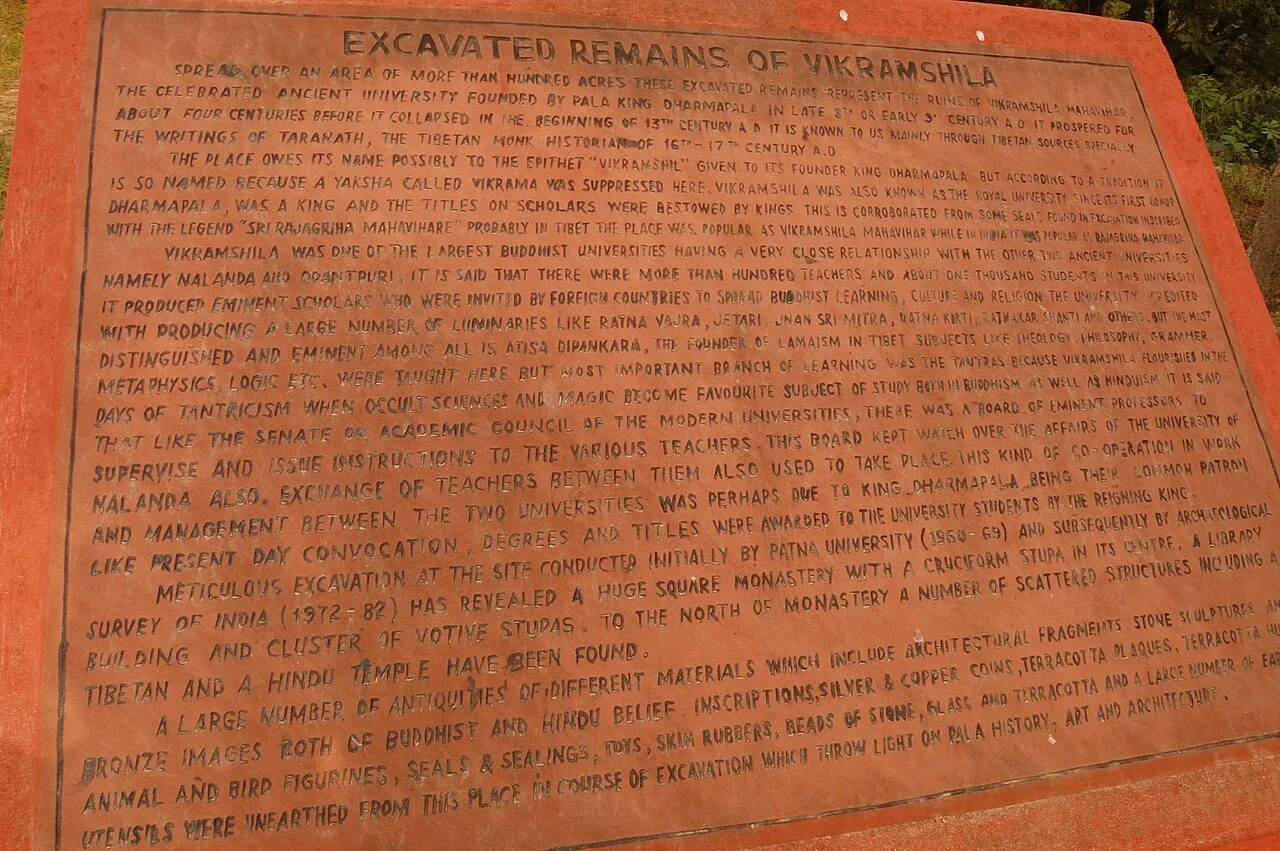
Vikramshila University Ruins mark a major Buddhist centre of learning in Bihar. Visitors come to explore the site and learn about its scholars and place in Buddhist education.

Katihar

91 km away · Purnia district

Katihar

Katihar is a major city in Bihar, known for its regional commercial, educational and administrative roles. Travellers also use it as a railway hub linking routes towards North Bengal and the north-east.

Vishwa Shanti Stupa

103 km away · Gaya district

Vishwa Shanti Stupa

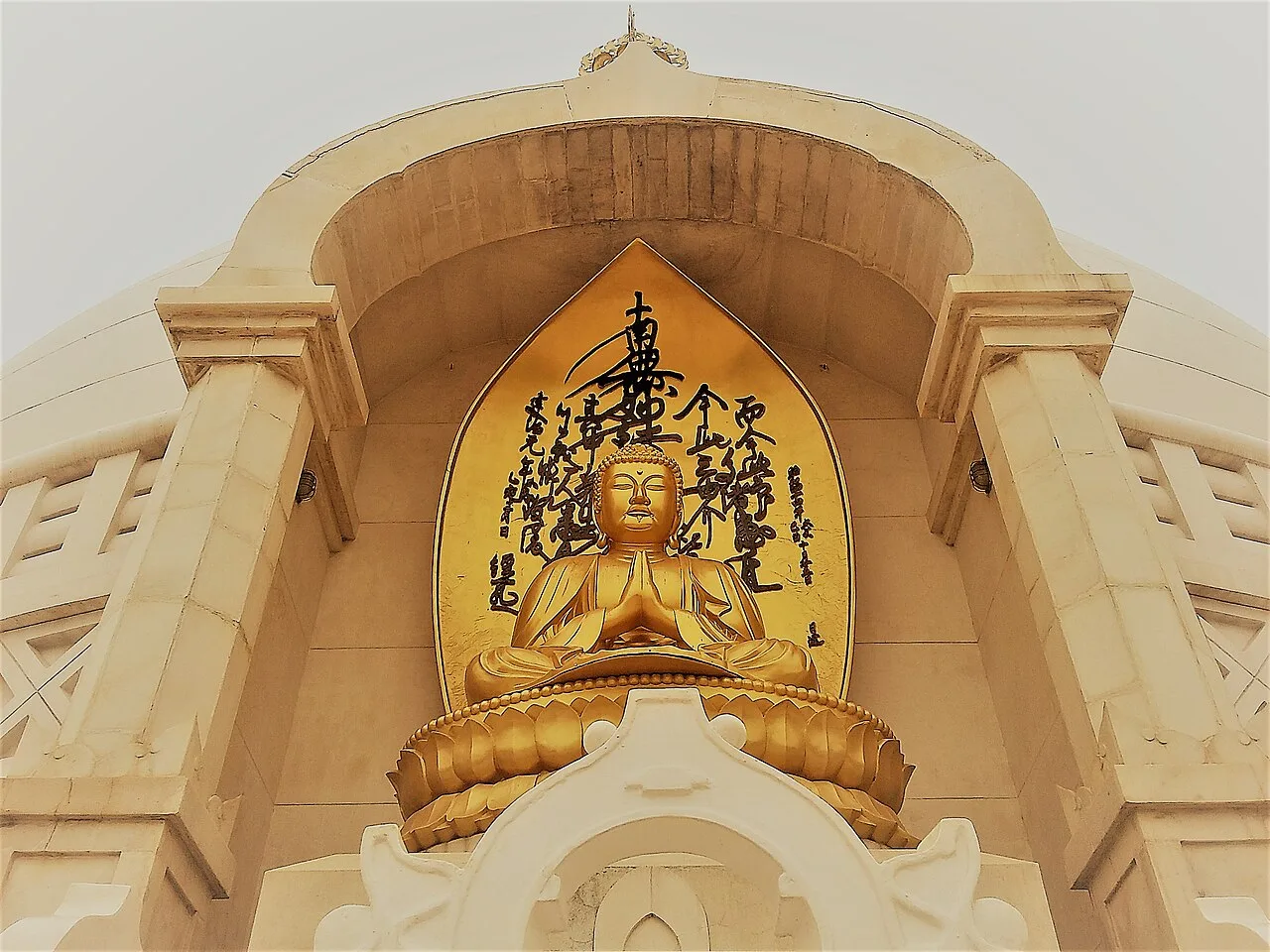
Vishwa Shanti Stupa is a white Buddhist pagoda in Rajgir, visited for its Buddha statues, nearby Japanese temple and park, and prayers for peace.

Pawapuri

122 km away · Gaya district

Pawapuri

Pawapuri, also called Pavapuri, is a Jain sacred site in Bihar’s Nalanda district. People travel there on pilgrimage because it is associated with Mahavira’s nirvana.

Kakolat Falls

127 km away · Nawada district

Kakolat Falls

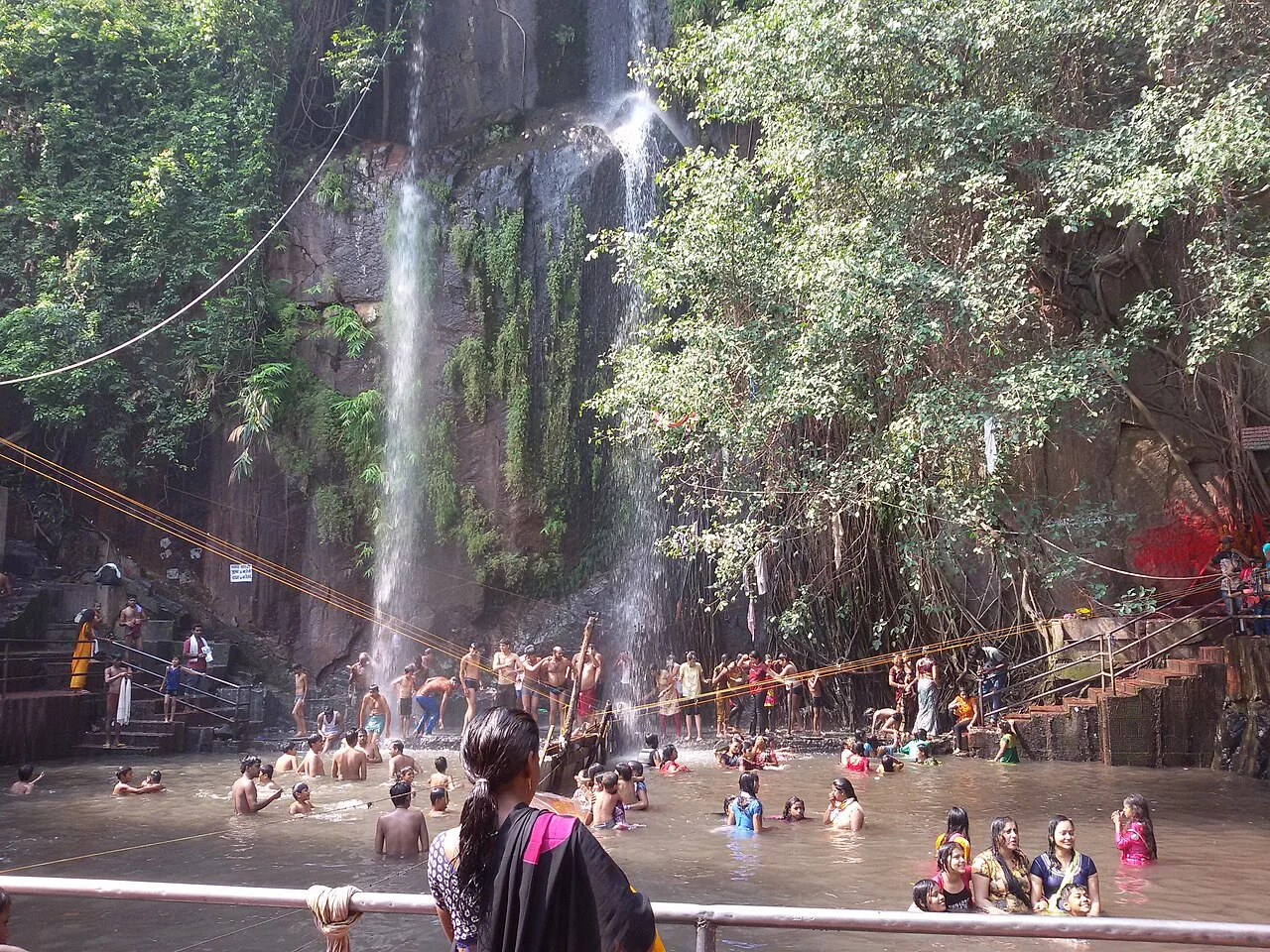
Kakolat Falls is a waterfall in Bihar’s Nawada district. Visitors come to see the falling water, making it a destination centred on this natural feature.

Map

Sultanganj on the map

  1. 1Munger Fort
  2. 2Bhimbandh Wildlife Sanctuary
  3. 3Mandar Hill
  4. 4Vikramshila University Ruins
  5. 5Katihar
  6. 6Vishwa Shanti Stupa
  7. 7Pawapuri
  8. 8Kakolat Falls

Bihar

Other cities to explore