Ghumoopedia — Explore, Discover, Experience
Sign in
Sitamarhi, near Sheohar

City guide · Bihar

Sheohar

Sheohar is the administrative headquarters of Sheohar district in north Bihar and is part of the Tirhut Division. Its importance today is chiefly regional: district offices and everyday services make the city a centre for residents of nearby settlements, while road connections link it with Mehsi, Motihari and Muzaffarpur.

Famous for

  • Sheohar district headquarters
  • Tirhut regional connections
  • North Bihar road links
  • Mehsi railway access

Why Sheohar matters

Sheohar is the administrative headquarters of Sheohar district in north Bihar and is part of the Tirhut Division. Its importance today is chiefly regional: district offices and everyday services make the city a centre for residents of nearby settlements, while road connections link it with Mehsi, Motihari and Muzaffarpur. These routes tie Sheohar into the wider movement of people and agricultural trade across Tirhut and Champaran.

Sheohar is not a large, established sightseeing destination, and visitors are more likely to come for local business, family visits or district-related work than for a single landmark. Its appeal lies in seeing the pace of a north Bihar district town, visiting its markets and places of worship, and exploring the surrounding countryside. The nearest railway access is at Mehsi, while the city itself serves as a practical base for travel within the district. For travellers crossing the region, Sheohar offers a useful stop between better-connected urban centres rather than a conventional tourist circuit.
Famous for: crafts, trade & products

Sheohar is not widely identified with a particular textile, handicraft, GI-tagged product or major manufacturing industry. Its best-known role is as a district service and trading centre. Local shops and markets cater mainly to daily needs and nearby rural communities; visitors can look around the central market area for household goods, clothing and seasonal produce, although there is no distinct city-wide craft bazaar to seek out.

Trade is linked to the agricultural economy of north Bihar and to road connections with Mehsi, Motihari and Muzaffarpur. The wider region has varied farm produce, but specific crops or processed foods should not be treated as Sheohar specialities without local confirmation. Nor is there a widely documented signature saree or craft associated with the city. Travellers hoping to buy regional items can ask shopkeepers about products from nearby villages, or browse general markets for locally made and seasonal goods. For a broader selection of specialist products, larger commercial centres such as Muzaffarpur may offer more choice.

History

Sheohar’s growth into a town centre is closely tied to its modern administrative role. The surrounding area forms part of the wider Tirhut region, whose history has been shaped by changing regional administrations and, later, British rule in Bihar. No single ruler, palace or colonial-era monument is widely associated with the present-day city, so its history is best understood through the development of local settlement, markets and administration rather than through one celebrated historic site.

A major change in the modern period came when Sheohar became a separate district in 1994, having previously been part of Sitamarhi district. The city then developed as the district headquarters, bringing government offices and related services into a local centre. Its links to Mehsi, Motihari and Muzaffarpur have also supported movement between rural communities and larger trading centres. Today, administration and regional connectivity remain central to Sheohar’s development.

Food, festivals & culture

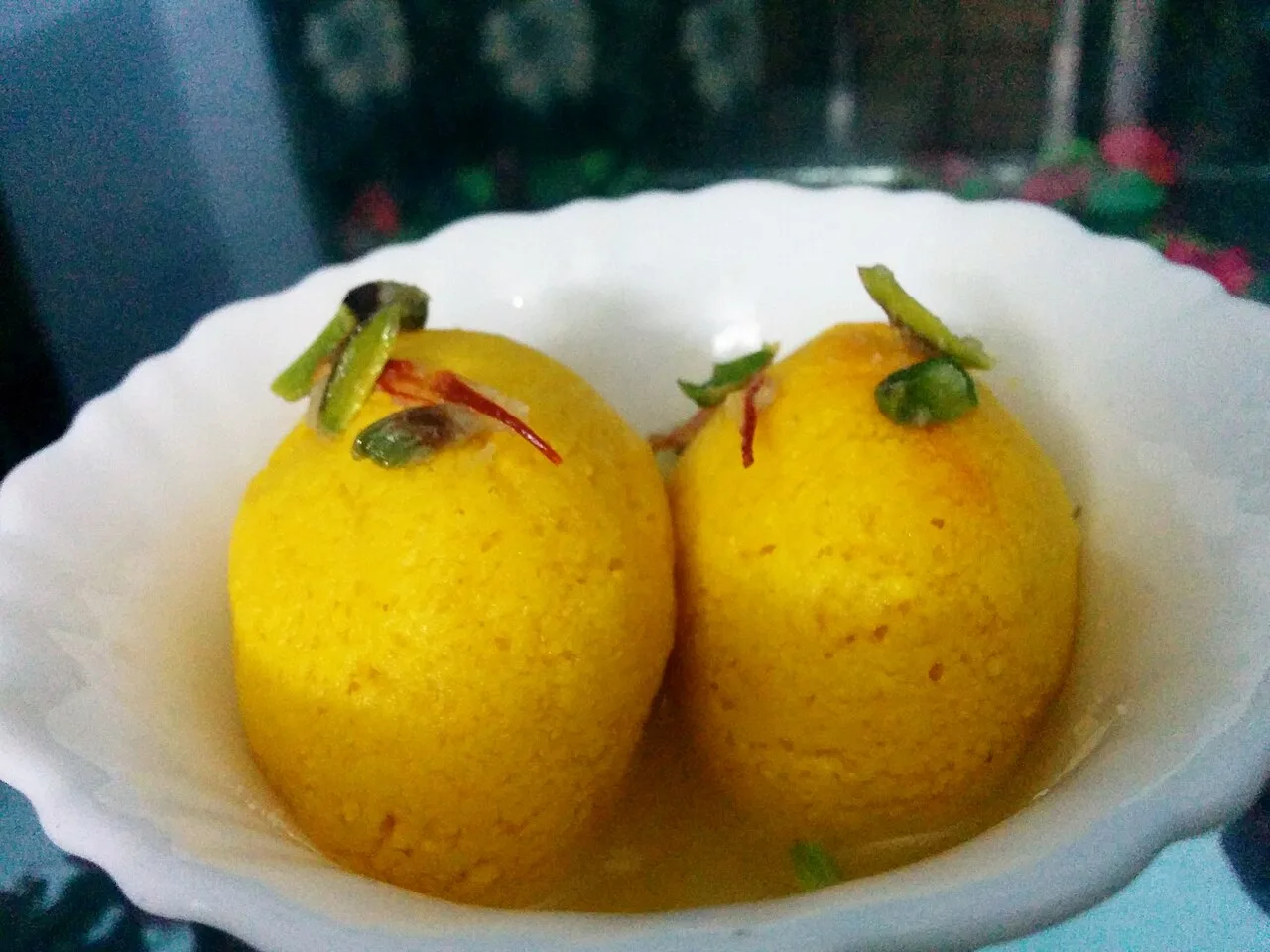
Everyday food in Sheohar reflects the wider cooking traditions of north Bihar. Meals commonly draw on rice, lentils, seasonal vegetables and wheat-based breads; litti-chokha and sattu preparations are familiar regional choices rather than exclusive city specialities. Thekua, a sweet often prepared around Chhath, is a seasonal treat, while local shops serve other everyday sweets and snacks. Recipes and menus vary between households and neighbourhoods.

Chhath, observed in autumn, is an important festival across Bihar, alongside Holi in spring, Diwali in autumn and Eid, whose date follows the lunar calendar. Hindi is widely used, while Bajjika and other regional speech forms are part of local conversation. Family and community gatherings, devotional songs and seasonal folk music contribute to festival life; forms of dance and music are shared with the broader region rather than being uniquely identified with Sheohar. Hindu temples and Muslim places of worship serve local communities, though the city is not especially known for a single celebrated shrine.

Visiting the city

October to March is generally the most comfortable time to visit, with cooler weather than the hot summer months. Darbhanga Airport is a nearby air-travel option; check onward road connections when planning a journey. The main railway access for Sheohar is Mehsi railway station, about 27 km away, on the Muzaffarpur–Gorakhpur line. From there, continue by road. Sheohar is also connected by road with Mehsi, Motihari and Muzaffarpur.

Auto-rickshaws and local road transport are useful for short trips, while hired vehicles suit journeys between towns or into the surrounding countryside. Start with the central market and administrative area to get a sense of daily life, then visit local places of worship or nearby rural settlements if time and transport allow. Sheohar is a modest district town rather than a destination with a defined sightseeing neighbourhood.

Trips from the city

Nearest places to visit from Sheohar

Our closest destination guides, by straight-line distance.

Sitamarhi

22 km away · Sitamarhi district

Sitamarhi

Sitamarhi is a city in Bihar’s Tirhut Division and the administrative centre of its district. Visitors are drawn by the Hindu tradition linking it to Sītā’s birth.

Kesaria stupa

48 km away · East Champaran district

Kesaria stupa

Kesariya Stupa is a Buddhist monument in Bihar’s East Champaran district, at Kesariya near Mehsi. Visitors come to see the structure, whose construction began in the third century BCE.

Vaishali

59 km away · Vaishali district

Vaishali

Vaishali is an archaeological site in Bihar associated with an ancient republic and important events in Buddhist and Jain history. Visitors come to see its stupas and Ashokan pillar and to explore these religious connections.

Darbhanga

72 km away · Darbhanga district

Darbhanga

Darbhanga is a major city and municipal corporation in Bihar, serving as the administrative centre of its district and division. Visitors encounter a longstanding centre of Mithila’s cultural, literary and musical traditions.

Madhubani

80 km away · Madhubani district

Madhubani

Madhubani is a city in Bihar’s Mithila region and the headquarters of its district. Visitors may be drawn by its regional identity and administrative importance.

Sonpur

91 km away · Saran district

Sonpur

Sonpur, officially known as Sonepur, is a city in Bihar’s Saran district, beside the Gandaki and Ganges rivers. Visitors come for its cattle fair, which begins on Kartik Poornima and is Asia’s largest.

Golghar

101 km away · Patna district

Golghar

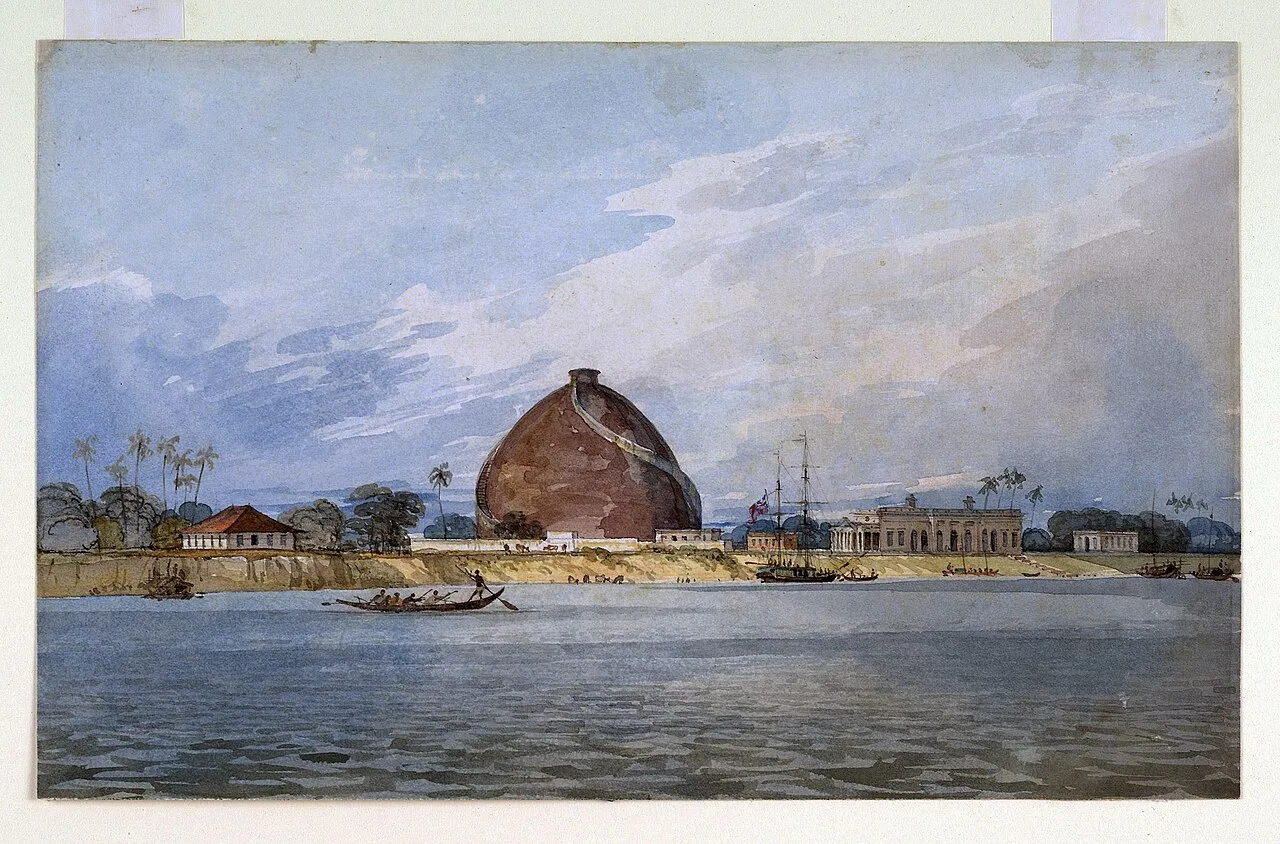
Golghar, also called Gol Ghar, is a substantial grain store in Patna, Bihar. Visitors come to see the granary west of Gandhi Maidan.

Patna Museum

101 km away · Patna district

Patna Museum

Patna Museum is Bihar’s state museum in Patna district. Visitors come to see its historical collections and learn about the institute’s work in history and archaeology.

Map

Sheohar on the map

  1. 1Sitamarhi
  2. 2Kesaria stupa
  3. 3Vaishali
  4. 4Darbhanga
  5. 5Madhubani
  6. 6Sonpur
  7. 7Golghar
  8. 8Patna Museum

Bihar

Other cities to explore