Ghumoopedia — Explore, Discover, Experience
Sign in
Lauria Nandangarh, near Sagauli

City guide · Bihar

Sagauli

Sagauli, also written as Sugauli, is a town in East Champaran district in north Bihar. Its name has a place in South Asian history: the Treaty of Sagauli, concluded in 1816 between the British East India Company and Nepal, is associated with the town.

Famous for

  • Treaty of Sagauli
  • Champaran Satyagraha associations
  • Rikki-Tikki-Tavi setting
  • East Champaran market town

Why Sagauli matters

Sagauli, also written as Sugauli, is a town in East Champaran district in north Bihar. Its name has a place in South Asian history: the Treaty of Sagauli, concluded in 1816 between the British East India Company and Nepal, is associated with the town. Sagauli is also linked to the wider history of the Champaran Satyagraha, the movement led by Mahatma Gandhi that challenged the treatment of indigo cultivators. In Rudyard Kipling’s story “Rikki-Tikki-Tavi,” the setting is called Segowlee, an older spelling of the town’s name.

Today Sagauli serves local communities as a modest commercial and transport centre. Its appeal is chiefly historical rather than that of a large monument district or resort. Travellers interested in the treaty, Champaran’s colonial-era history or Kipling’s literary association may find it a worthwhile stop while exploring East Champaran. The town’s everyday markets, railway connections and surrounding countryside offer a glimpse of life in this part of Bihar.
Famous for: crafts, trade & products

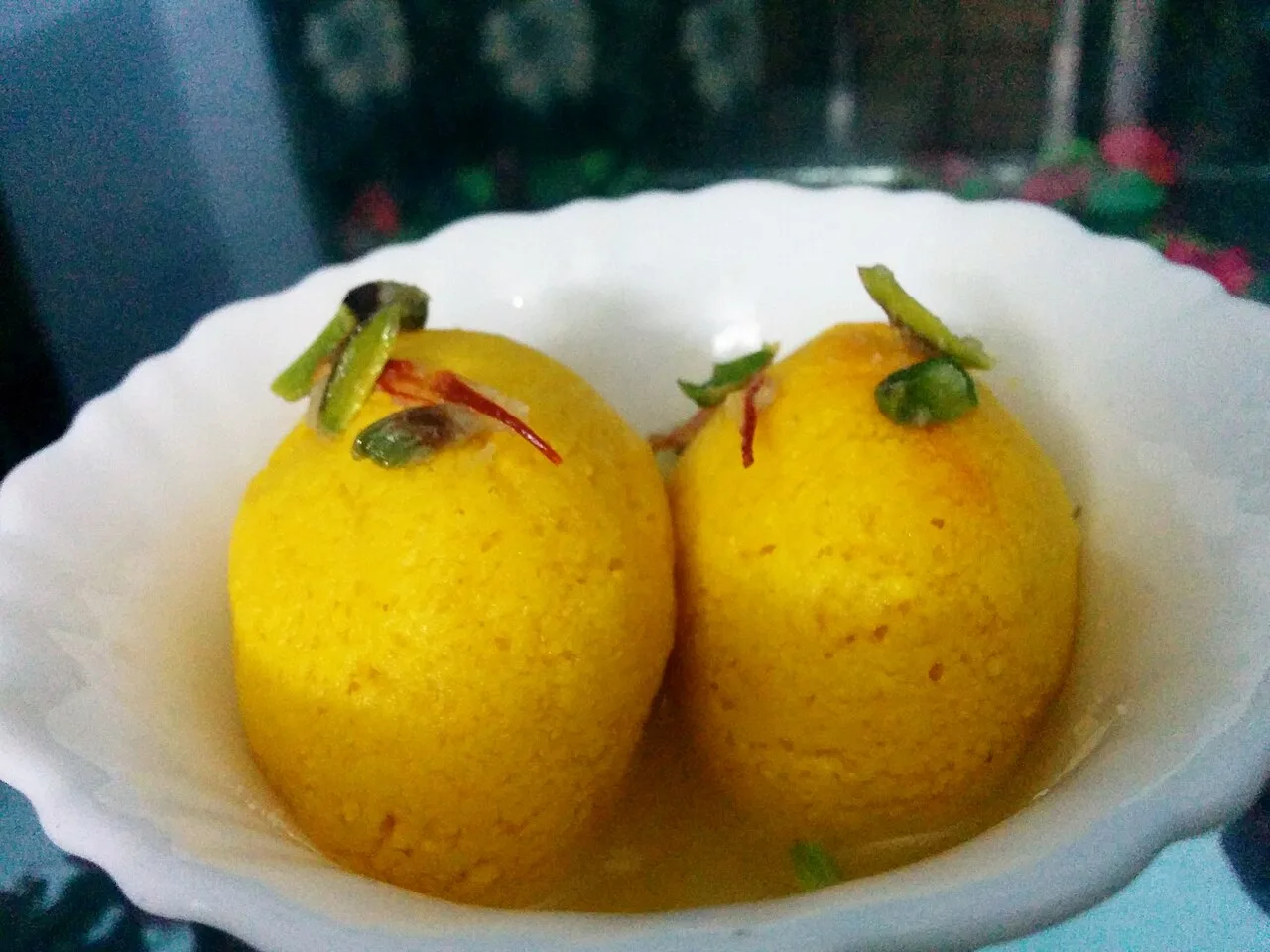
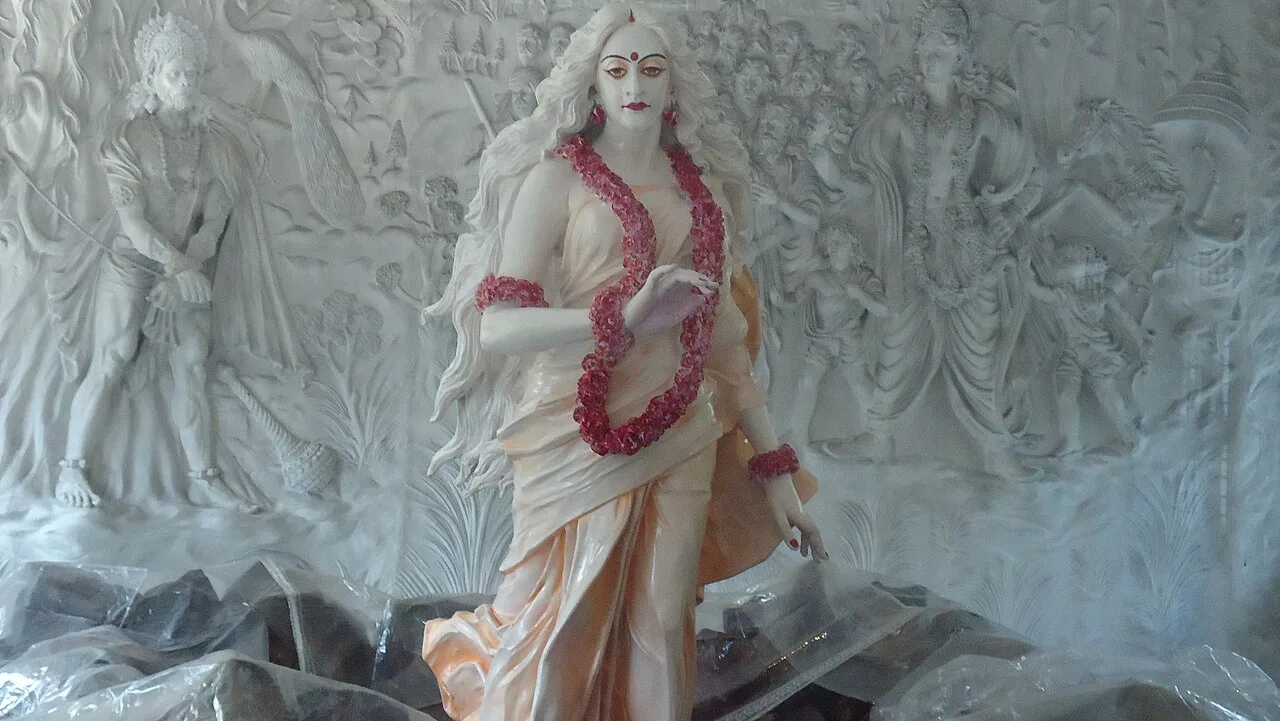
Sagauli is best known beyond the district for its historical associations, rather than for a widely recognised textile, handicraft or GI-tagged product. There is no well-established signature saree or craft that visitors can reliably identify as a town specialty. Its shops and local markets mainly serve residents and villages in the surrounding area, with everyday goods, food and household shopping forming the focus. Visitors looking for regional products can browse the town centre and the streets around the railway station, but should treat these as general local shopping areas rather than specialist craft markets.

Agriculture shapes the wider East Champaran economy, and local trade reflects the needs of farming communities as well as commuters. Bihar foods and packaged regional goods may be available in ordinary shops, though selection varies. Sagauli’s strongest cultural markers are its connection to the 1816 treaty and its place in the wider story of Champaran’s indigo cultivators and Gandhi’s campaign. Those interested in these subjects may find more interpretive material by combining a stop in Sagauli with visits to other historical sites in the district. Ask locally about access to any treaty-related locations; do not assume a preserved or clearly marked monument is open to visitors.

History

Sagauli’s best-known historical association comes from the Anglo-Nepalese War and the settlement that followed it. The Treaty of Sagauli, signed in 1816 between Nepal and the British East India Company, reshaped relations and boundaries between them. The town’s name also entered English-language literature through Rudyard Kipling’s “Rikki-Tikki-Tavi,” where it appears as Segowlee.

During British rule, the surrounding Champaran region became associated with indigo cultivation and the grievances of tenant farmers. Mahatma Gandhi’s Champaran Satyagraha brought national attention to these conditions in 1917; Sagauli is part of this broader regional history, though the movement’s major events took place across Champaran. In the decades since independence, Sagauli has developed as a local town serving nearby settlements, with rail and road links supporting travel and commerce. Its modern identity remains closely tied to the historical reputation of the wider district, alongside the routines of a regional market town.

Food, festivals & culture

Everyday meals in Sagauli reflect the food of north Bihar: rice, lentils, seasonal vegetables and breads are common, while litti-chokha is a familiar regional favourite. Tea stalls and small eateries cater to residents and travellers, and sweets associated with Bihar may be found in local shops. Offerings vary, so the town is better approached as a place to sample everyday regional food than as a destination with a single celebrated dish.

Chhath Puja, observed mainly in autumn, is an important festival across Bihar, with prayers and offerings made to the Sun. Holi in spring, Diwali in autumn and Durga Puja are also widely celebrated; Eid is marked by Muslim communities. Hindi and Bhojpuri are commonly heard, with Urdu and other regional speech also part of local life. Folk and devotional songs accompany festivals and family occasions. Residents worship at neighbourhood temples and mosques, alongside other places of worship; visitors should dress respectfully and follow local customs.

Visiting the city

The cooler months, roughly October to March, are generally the most comfortable time to visit; summer can be hot and the monsoon brings heavy rain. Sagauli Junction is the town’s main railway station and a practical arrival point. For air travel, Patna’s Jay Prakash Narayan International Airport is a commonly used option; check current connections and onward road travel before setting out.

Auto-rickshaws and local vehicles are useful for getting around town, while buses and hired cars connect with nearby places in East Champaran. The central bazaar and the streets around the station are convenient areas to explore for everyday town life and food. Visitors focused on history can ask locally about treaty-related sites, as there may not be a formal visitor centre or a clearly maintained monument. Allow time for travel between Sagauli and other Champaran destinations.

Trips from the city

Nearest places to visit from Sagauli

Our closest destination guides, by straight-line distance.

Lauria Nandangarh

42 km away · East Champaran district

Lauria Nandangarh

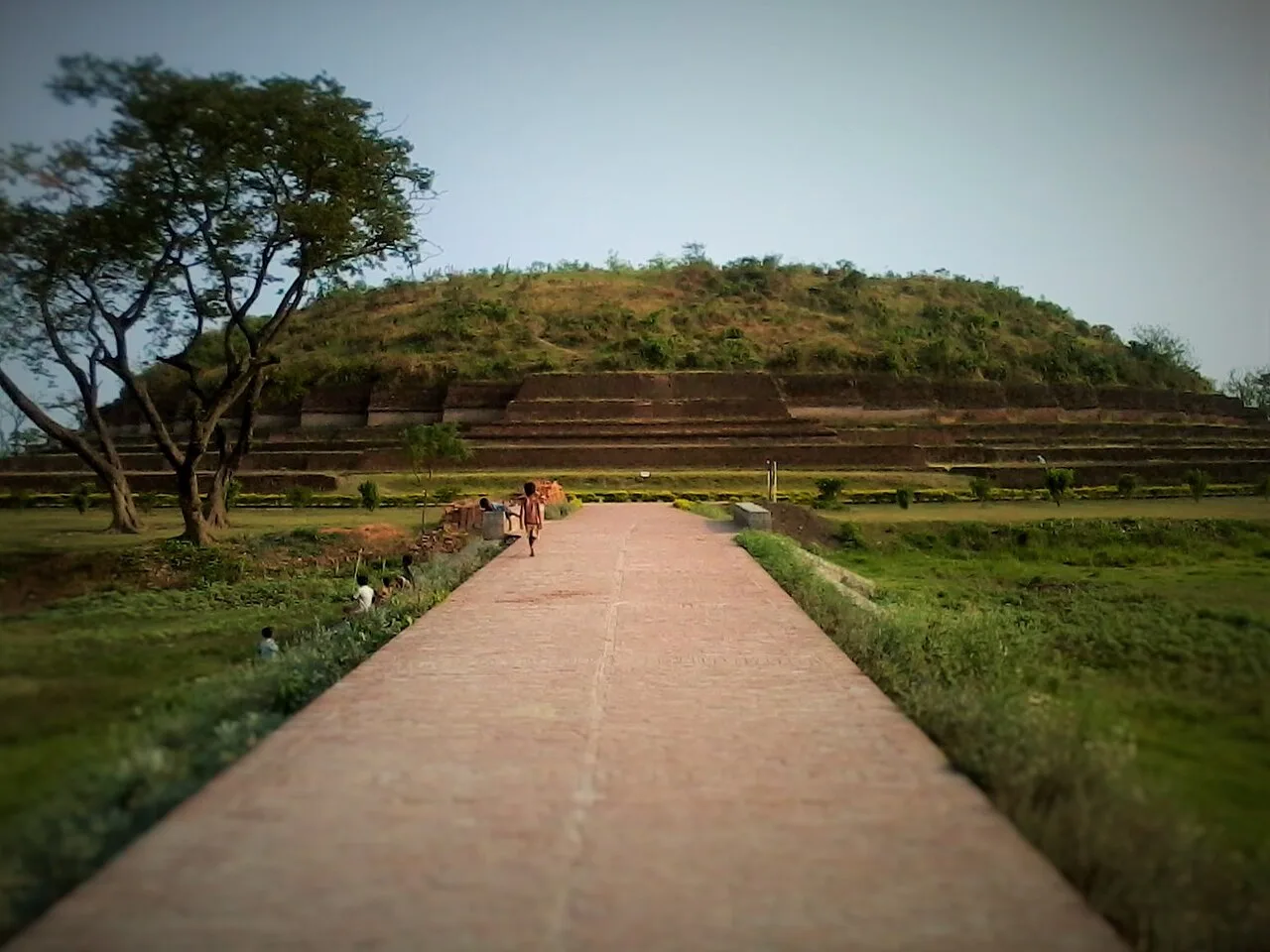
Lauria Nandangarh is a historic settlement in Bihar’s West Champaran district, known for an Ashokan pillar and a nearby mound, with Mauryan-period remains found in the area.

Kesaria stupa

49 km away · East Champaran district

Kesaria stupa

Kesariya Stupa is a Buddhist monument in Bihar’s East Champaran district, at Kesariya near Mehsi. Visitors come to see the structure, whose construction began in the third century BCE.

Sitamarhi

78 km away · Sitamarhi district

Sitamarhi

Sitamarhi is a city in Bihar’s Tirhut Division and the administrative centre of its district. Visitors are drawn by the Hindu tradition linking it to Sītā’s birth.

Valmiki National Park

85 km away · West Champaran district

Valmiki National Park

Valmiki National Park, in West Champaran district, Bihar, is the state’s only national park and a tiger reserve. Visitors come to experience its protected setting.

Vaishali

91 km away · Vaishali district

Vaishali

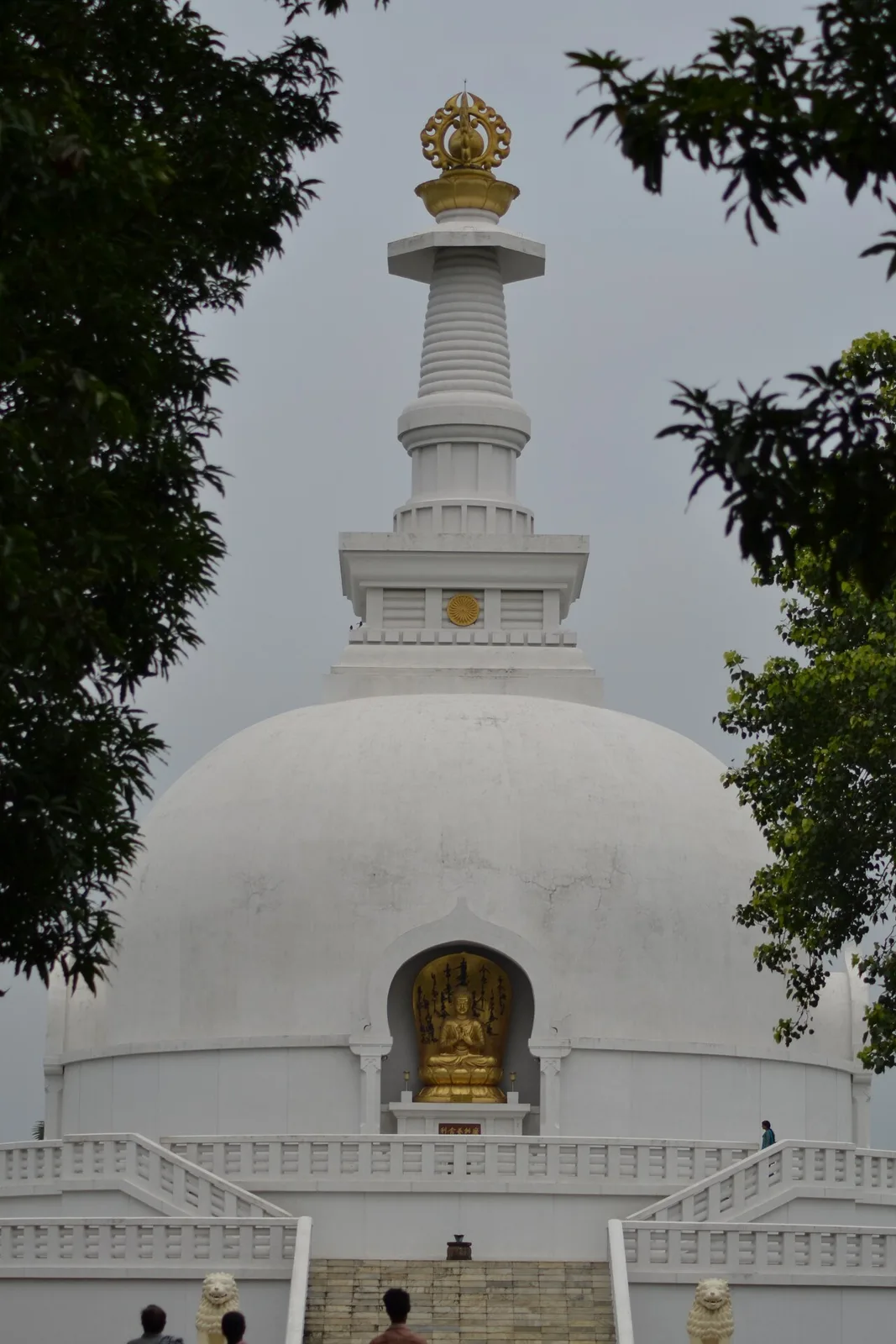
Vaishali is an archaeological site in Bihar associated with an ancient republic and important events in Buddhist and Jain history. Visitors come to see its stupas and Ashokan pillar and to explore these religious connections.

Maner

125 km away · Patna district

Maner

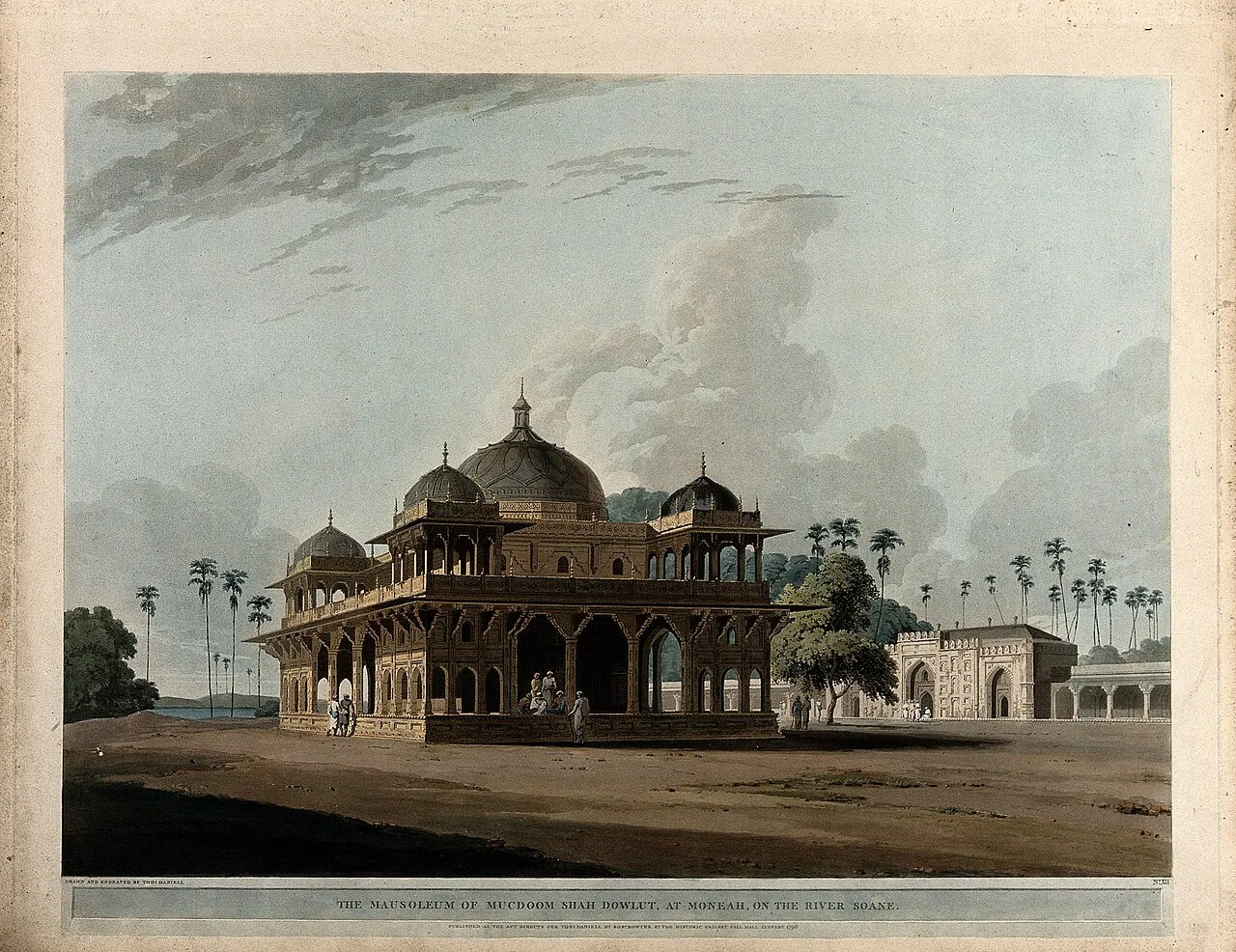
Maner, also called Maner Sharif, is a historic town and administrative block in Bihar’s Patna district. Visitors are drawn by its Mughal-era dargahs and its importance as a Sufi pilgrimage destination.

Sonpur

126 km away · Saran district

Sonpur

Sonpur, officially known as Sonepur, is a city in Bihar’s Saran district, beside the Gandaki and Ganges rivers. Visitors come for its cattle fair, which begins on Kartik Poornima and is Asia’s largest.

Darbhanga

133 km away · Darbhanga district

Darbhanga

Darbhanga is a major city and municipal corporation in Bihar, serving as the administrative centre of its district and division. Visitors encounter a longstanding centre of Mithila’s cultural, literary and musical traditions.

Map

Sagauli on the map

  1. 1Lauria Nandangarh
  2. 2Kesaria stupa
  3. 3Sitamarhi
  4. 4Valmiki National Park
  5. 5Vaishali
  6. 6Maner
  7. 7Sonpur
  8. 8Darbhanga

Bihar

Other cities to explore