Ghumoopedia — Explore, Discover, Experience
Sign in
Bhimbandh Wildlife Sanctuary, near Begusarai

City guide · Bihar

Begusarai

Begusarai is an administrative and commercial centre in north Bihar, set on the Ganges plain in the Mithila region. Its importance comes from a mix of district services, farming and trade, and major industry around nearby Barauni, including an Indian Oil refinery.

Famous for

  • Kanwar Lake Bird Sanctuary
  • Ramsar-listed wetland
  • Barauni oil refinery
  • Simaria Ghat pilgrimage
  • Mithila folk traditions

Why Begusarai matters

Begusarai is an administrative and commercial centre in north Bihar, set on the Ganges plain in the Mithila region. Its importance comes from a mix of district services, farming and trade, and major industry around nearby Barauni, including an Indian Oil refinery. The river also gives the wider area a strong religious connection, especially at Simaria Ghat, a pilgrimage destination on the Ganges.

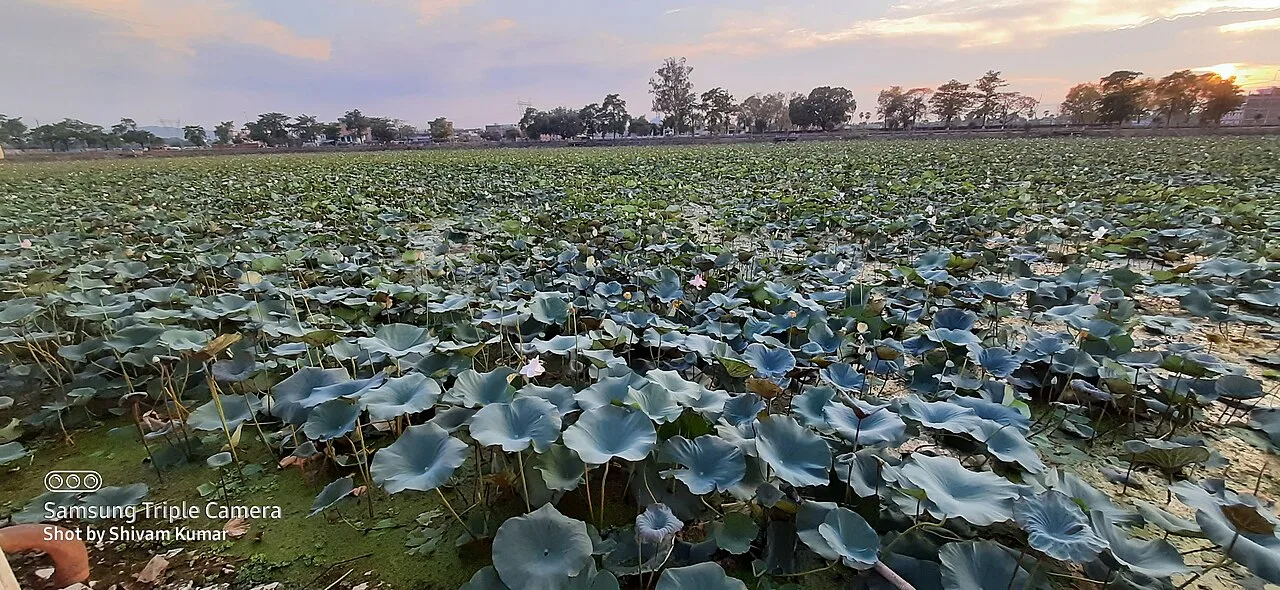
Nature is another reason to visit. Kanwar Lake Bird Sanctuary, a Ramsar-listed wetland in Begusarai district, attracts birdwatchers, particularly during the cooler months when migratory birds visit. The city is also associated with Mithila’s folk traditions and seasonal festivals. Its markets and neighbourhoods offer a look at everyday life in Bihar, while nearby wetlands and river ghats provide quieter excursions. Begusarai is sometimes described as the cultural capital of Mithila, though visitors will find that its appeal is as much regional and industrial as it is cultural. Air quality can be a concern in this industrial area, so conditions may be worth checking before travel.
Famous for: crafts, trade & products

Begusarai is better known for industry and regional trade than for a signature textile or handicraft. The major industrial presence is around Barauni, where the Indian Oil refinery and other large facilities anchor employment and transport links. The city’s everyday commerce is centred on general markets and shops selling clothing, household goods, farm supplies and food; the town centre and market streets are practical places to browse and buy local provisions.

Mithila Makhana, a GI-tagged product from the wider Mithila region, is sold in Bihar markets and may be found in Begusarai, but it is not exclusive to the city. Local food shops and market vendors are the best places to look for it, including roasted makhana and ingredients for sweets. Seasonal agricultural produce also passes through local trade, although availability varies. Visitors should not expect a dedicated craft quarter or a city-specific saree tradition; for a wider choice of Mithila crafts and textiles, explore specialist sellers elsewhere in the region. Begusarai’s most distinctive institutions are industrial and administrative rather than craft-based.

History

Begusarai grew as a market and administrative centre in the Mithila region, on the north bank of the Ganges. The name has two commonly repeated explanations: one links it to Begu, associated with a historic marketplace or sarai; another derives it from “Begum’s Sarai,” said to refer to a resting place used during a pilgrimage to Simaria. These remain local etymological traditions rather than settled historical accounts.

For much of the colonial period, the area was administered as part of the larger Munger (then Monghyr) district. Begusarai became a separate district in 1972, strengthening its role as a centre for government and services in north Bihar. After independence, industrial development around Barauni brought large-scale oil refining and power generation to the region, alongside established agriculture and river trade. The town’s modern growth has therefore been shaped by both its administrative role and its proximity to industry, the Ganges and the wetlands of the district.

Food, festivals & culture

Begusarai’s food reflects everyday Bihari and Mithila cooking. Litti chokha, sattu preparations, seasonal vegetables and rice-based meals are common choices; sweets and snacks vary by shop and season. Makhana is used across the region in savoury dishes and desserts such as kheer. During Chhath, families prepare traditional offerings, including thekua, for prayers by rivers and ponds.

Chhath, usually observed in autumn and again in spring, is among the most visible festivals, with Simaria Ghat drawing worshippers for rituals by the Ganges. Holi and Diwali are widely celebrated, while Mithila traditions such as Sama-Chakeva are observed in some communities in the cooler months. Hindi and Maithili are widely heard, alongside local speech. Folk songs accompany festivals, weddings and family ceremonies; traditions include women’s seasonal and ritual singing. Hindu temples and shrines, including Bari Durga Maharani, sit alongside mosques and other places of worship, reflecting the city’s varied community life.

Visiting the city

October to March is generally the most comfortable season to visit, and winter is especially suitable for birdwatching at Kanwar Lake. Summers can be very hot, while monsoon rain may affect travel around wetlands. The nearest major airport is Jay Prakash Narayan International Airport in Patna. Begusarai railway station serves the city; Barauni Junction, nearby, is a major rail hub for the region.

Auto-rickshaws and local taxis are useful for getting around town, while hired vehicles are convenient for trips to Kanwar Lake, Manjhaul and Simaria Ghat. Explore the central market area for shops and everyday city life, and visit Barauni to understand the region’s industrial character. Simaria offers river views and pilgrimage activity; allow extra time for the journey to the bird sanctuary, whose wetland conditions vary seasonally. Check local conditions before setting out, especially during heavy rain or periods of poor air quality.

Trips from the city

Nearest places to visit from Begusarai

Our closest destination guides, by straight-line distance.

Bhimbandh Wildlife Sanctuary

26 km away · Munger district

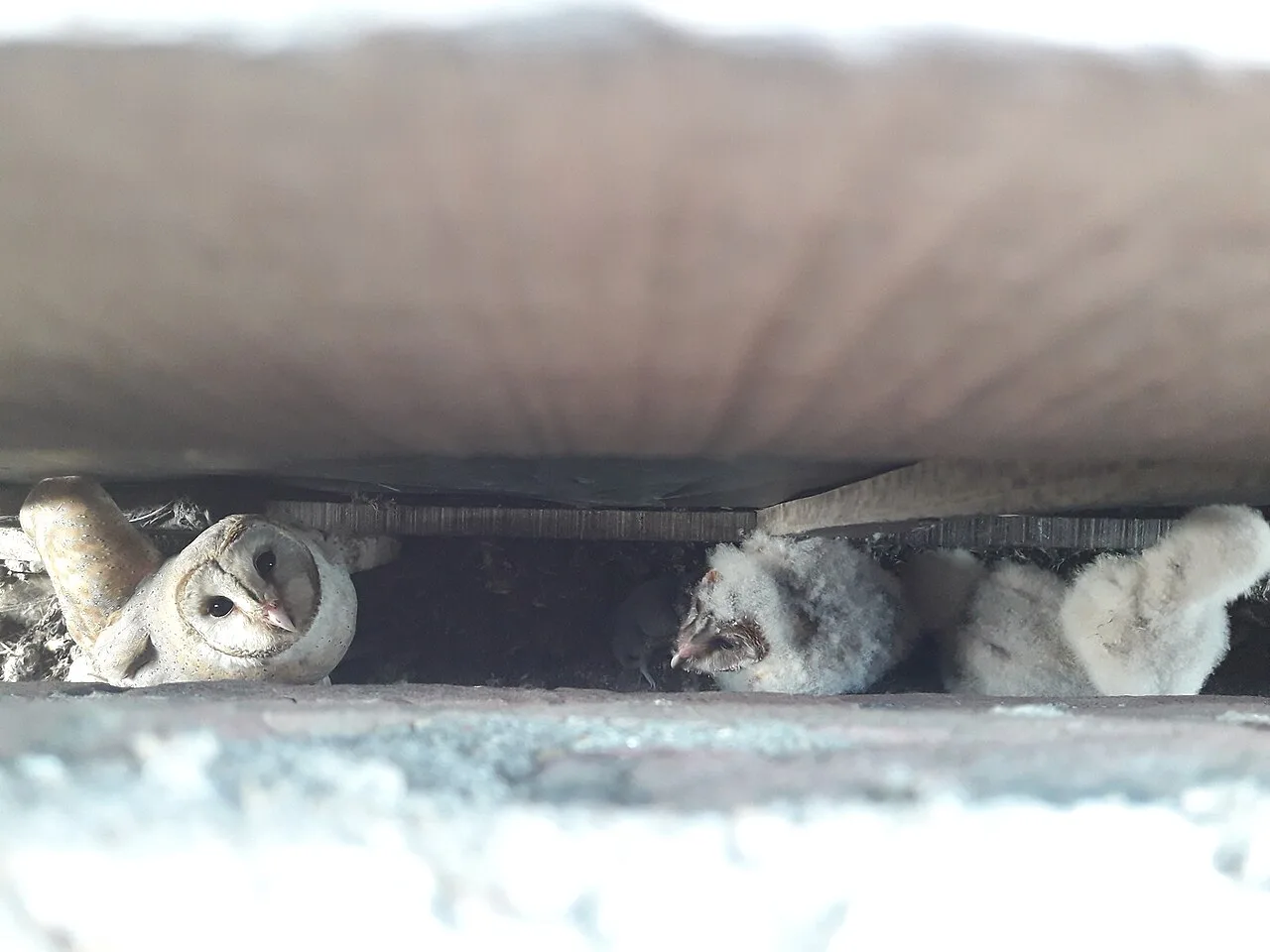
Bhimbandh Wildlife Sanctuary

In Bihar’s Munger district, Bhimbandh Wildlife Sanctuary is a sanctuary devoted to wildlife. Visitors come to spend time in this wildlife-focused place in the district’s south-west.

Munger Fort

34 km away · Munger district

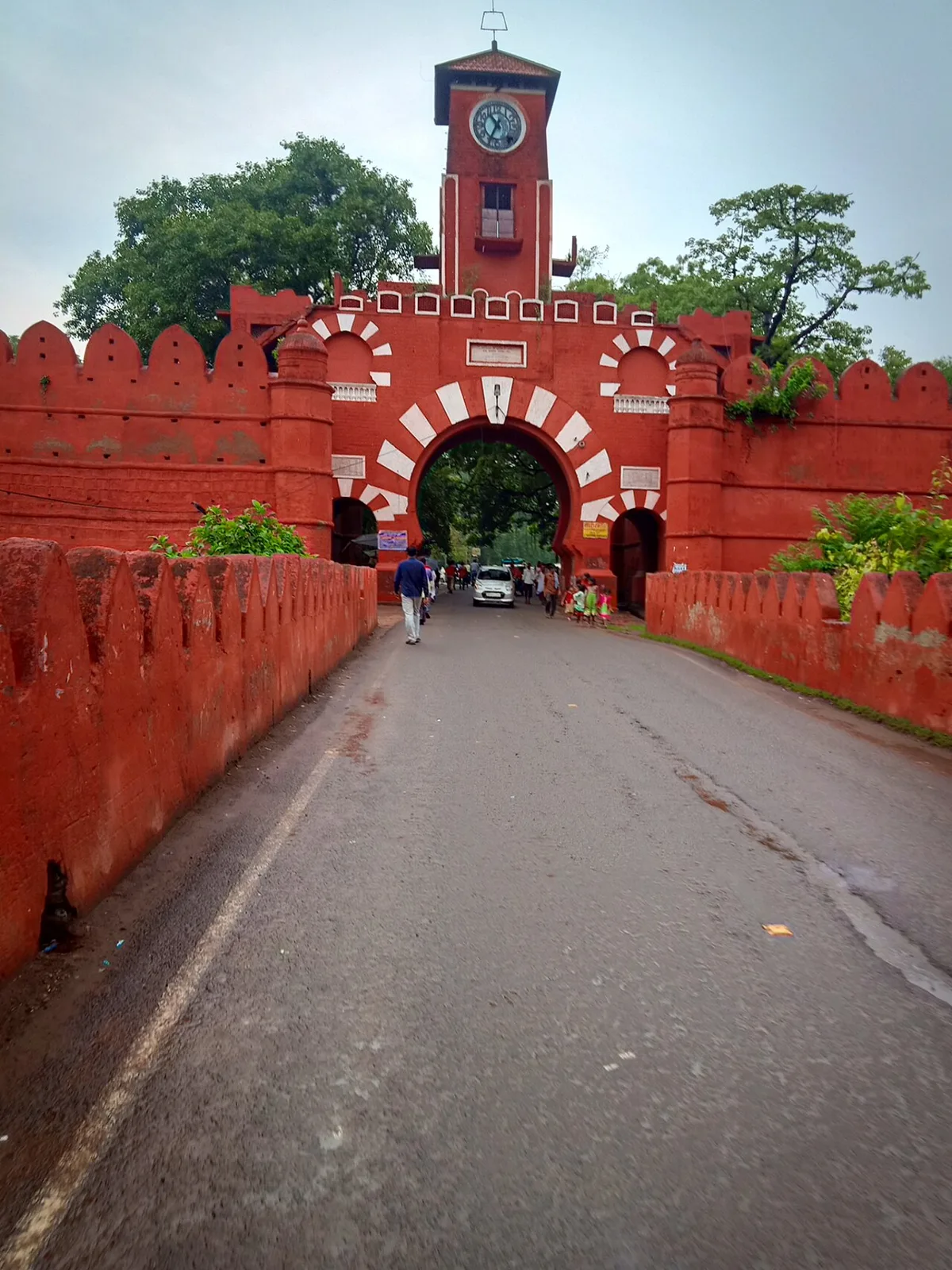
Munger Fort

Munger Fort is a historic stronghold in Bihar, set on a rocky rise beside the Ganges. Visitors come to see its tombs, palace, temple, riverside ghat and British-era cemetery.

Vishwa Shanti Stupa

60 km away · Gaya district

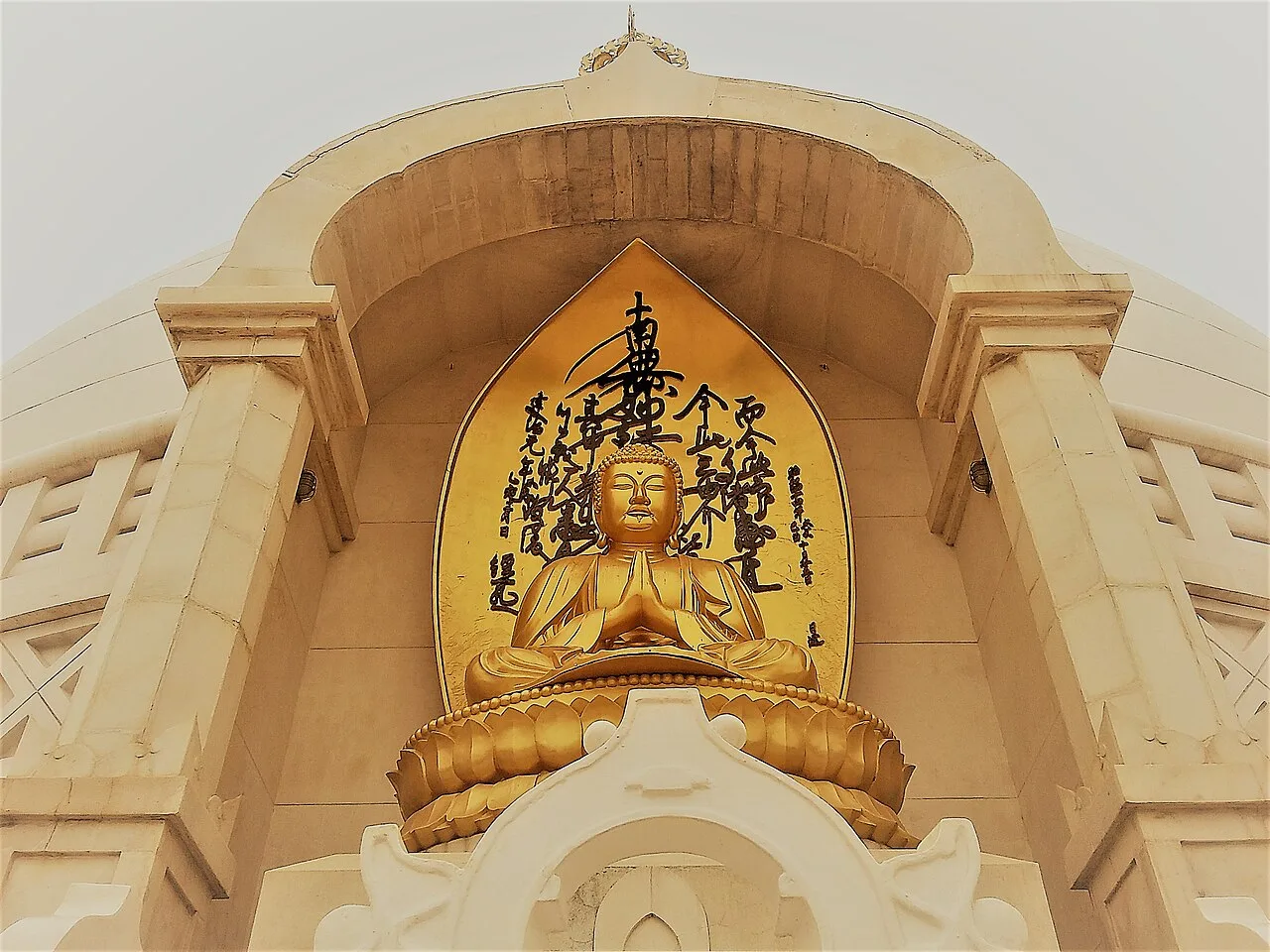
Vishwa Shanti Stupa

Vishwa Shanti Stupa is a white Buddhist pagoda in Rajgir, visited for its Buddha statues, nearby Japanese temple and park, and prayers for peace.

Pawapuri

70 km away · Gaya district

Pawapuri

Pawapuri, also called Pavapuri, is a Jain sacred site in Bihar’s Nalanda district. People travel there on pilgrimage because it is associated with Mahavira’s nirvana.

Nalanda mahavihara

76 km away · Nalanda district

Nalanda mahavihara

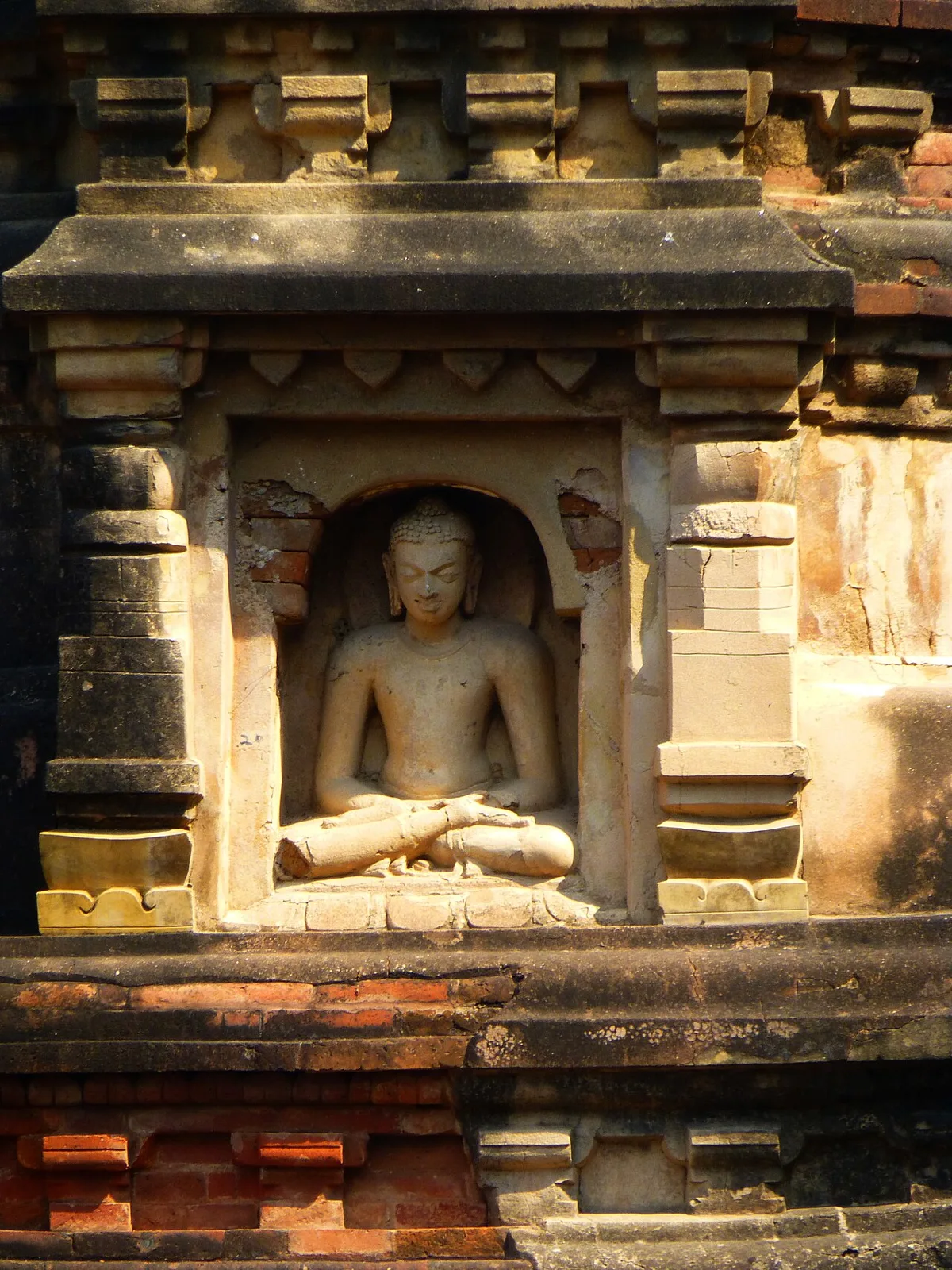
Nalanda is the site of a major Buddhist monastery in Bihar, visited for its history as a long-lived centre of learning and its role in Mahayana Buddhism.

Darbhanga

87 km away · Darbhanga district

Darbhanga

Darbhanga is a major city and municipal corporation in Bihar, serving as the administrative centre of its district and division. Visitors encounter a longstanding centre of Mithila’s cultural, literary and musical traditions.

Takht Sri Patna Sahib

93 km away · Patna district

Takht Sri Patna Sahib

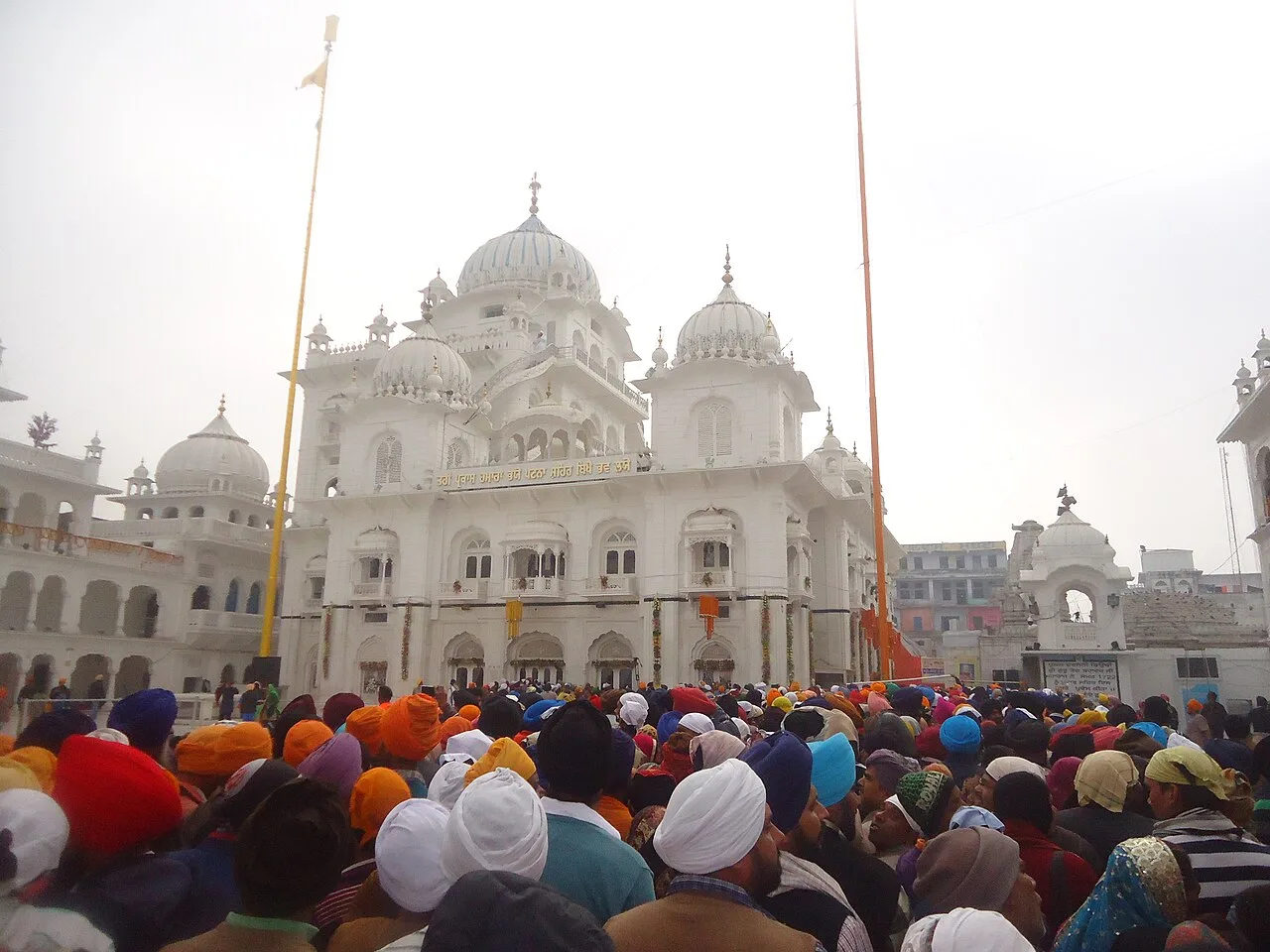
Takht Sri Patna Sahib, in Patna, Bihar, is among Sikhism’s five takhts. Visitors come to worship and pay their respects at this important Sikh religious site.

Kakolat Falls

95 km away · Nawada district

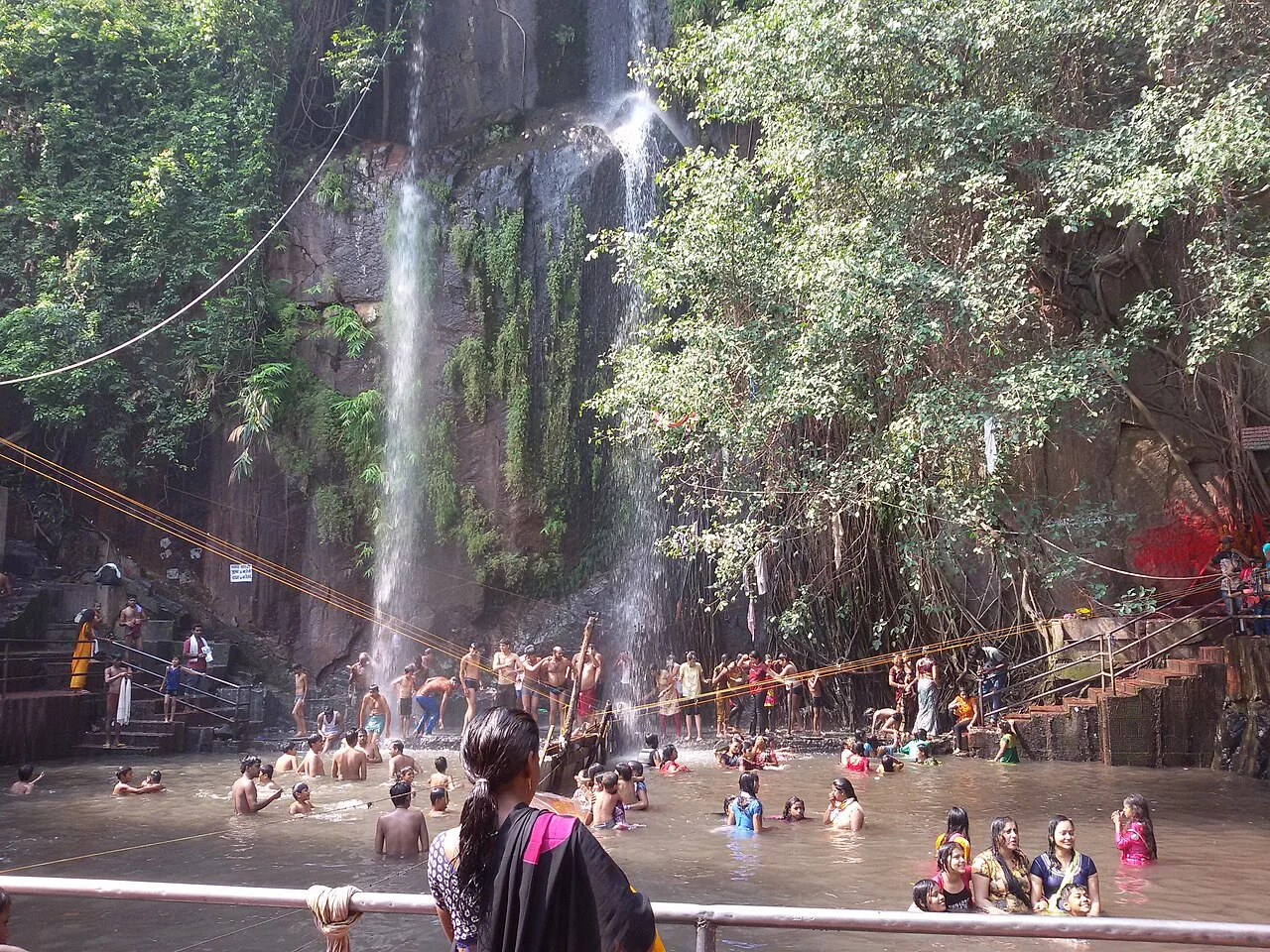
Kakolat Falls

Kakolat Falls is a waterfall in Bihar’s Nawada district. Visitors come to see the falling water, making it a destination centred on this natural feature.

Map

Begusarai on the map

  1. 1Bhimbandh Wildlife Sanctuary
  2. 2Munger Fort
  3. 3Vishwa Shanti Stupa
  4. 4Pawapuri
  5. 5Nalanda mahavihara
  6. 6Darbhanga
  7. 7Takht Sri Patna Sahib
  8. 8Kakolat Falls

Bihar

Other cities to explore