Ghumoopedia — Explore, Discover, Experience
Sign in
Maner, near Dighwara

City guide · Bihar

Dighwara

Dighwara is a Nagar Panchayat in Saran district, on the Ganges in northern Bihar. Its importance today is chiefly regional: it serves nearby communities and sits within a river-side corridor linking settlements across Saran and the wider Patna region.

Famous for

  • Ganges river setting
  • Dirgh-dwar name legend
  • Mahendrapala copper-plate record
  • Raghuvanshi feudal estate
  • Sitalpur Power Grid

Why Dighwara matters

Dighwara is a Nagar Panchayat in Saran district, on the Ganges in northern Bihar. Its importance today is chiefly regional: it serves nearby communities and sits within a river-side corridor linking settlements across Saran and the wider Patna region. Rail and road connections make it a practical stop for local travel, while its proximity to the river gives the town a strong place in the landscape and everyday life of the area.

Dighwara is of interest to visitors drawn to the Ganges, local history and the quieter towns of Bihar rather than to a major monument or resort. Its name is traditionally linked to “Dirgh-dwar,” or “large gate,” and to a legend about the entrance to the city of King Daksha; this is a local tradition, not a confirmed historical identification. The town is also associated with an early medieval copper-plate record and with modern regional infrastructure, including the Sitalpur Power Grid. These strands—river, story, history and connectivity—give Dighwara its distinctive local character.

Famous for: crafts, trade & products

Dighwara is not widely identified with a particular textile, handicraft, GI-tagged product or specialty food. Its public profile is more closely tied to its position on the Ganges, its local role in Saran district and infrastructure serving the surrounding area. Visitors should not expect a dedicated craft quarter or a nationally known shopping market; ordinary shops in the town centre are the most practical places to look for everyday goods and locally made items.

A notable modern institution in the area is the Sitalpur Power Grid, established in 2000 through collaboration between the Bihar government and Power Grid Corporation of India. It was developed to supply electricity to the Rail Wheel Plant at Bela and neighbouring villages. This makes power infrastructure part of Dighwara’s wider regional story, although the grid is not a visitor attraction or a retail destination. For local produce and household goods, explore general markets and shops around the town centre, where availability changes with the day and season. Dighwara’s strongest associations remain its river setting, historical record and role as a service town rather than a specific craft or product.

History

Dighwara’s recorded history reaches back to the early medieval period. Archaeological evidence associates the area with a copper-plate grant issued during the reign of King Mahendrapala in 898. The town’s name is often explained through the phrase “Dirgh-dwar,” meaning “large gate,” and local tradition connects it with the entrance to the mythological city of King Daksha. The derivation and legend are part of local lore rather than settled historical fact.

During British rule, Dighwara was a feudal estate governed by the Raghuvanshi family. Its location beside the Ganges shaped its connections with nearby settlements and the surrounding countryside. In modern times, Dighwara developed as a town and Nagar Panchayat in Saran district. Regional infrastructure has contributed to its contemporary role: the Sitalpur Power Grid was established in 2000 to serve the Rail Wheel Plant at Bela and nearby villages. A road bridge between Dighwara and Danapur has been planned, reflecting the continuing importance of cross-river connections.

Food, festivals & culture

Daily life in Dighwara reflects the wider culture of Saran and the Ganges plain. Hindi and Bhojpuri are commonly used in the region, with Bhojpuri especially present in informal conversation, folk expression and family life. Meals are typical of Bihar, often built around rice or wheat, lentils, seasonal vegetables and simple home-style preparations. Sweets and snacks found across the region may be available in local shops, but Dighwara is not especially known for a signature dish.

Chhath Puja is a major seasonal observance in Bihar, held in autumn and again in spring, with worship of the Sun and rituals connected to water. Holi in spring and Diwali in autumn are also widely celebrated, alongside local religious and family occasions. The Ganges has cultural and devotional significance, and residents may gather for worship or observances near the river. Local temples and neighbourhood shrines serve as places of worship; no single large landmark shrine defines the town’s visitor identity. Folk songs and devotional music are part of festival life, while regional dance and performance traditions are shared with the surrounding area.

Visiting the city

The most comfortable time to visit is generally from October to March, when temperatures are milder than during Bihar’s hot summer. The nearest major airport is Jay Prakash Narayan International Airport in Patna. Dighwara railway station is the main rail stop serving the town; confirm current connections before travelling. Road access links Dighwara with other settlements in Saran and the Patna region.

Auto-rickshaws and local vehicles are useful for getting around, while the town centre is best explored on foot for shops and everyday street life. The Ganges-side areas offer a sense of the town’s riverside setting, though visitors should follow local advice around the water, especially during high or fast-flowing conditions. Sitalpur and the wider Bela area are relevant to regional industry and infrastructure, but are not conventional sightseeing districts. Dighwara works best as a brief stop or as part of a broader journey through Saran.

Trips from the city

Nearest places to visit from Dighwara

Our closest destination guides, by straight-line distance.

Maner

17 km away · Patna district

Maner

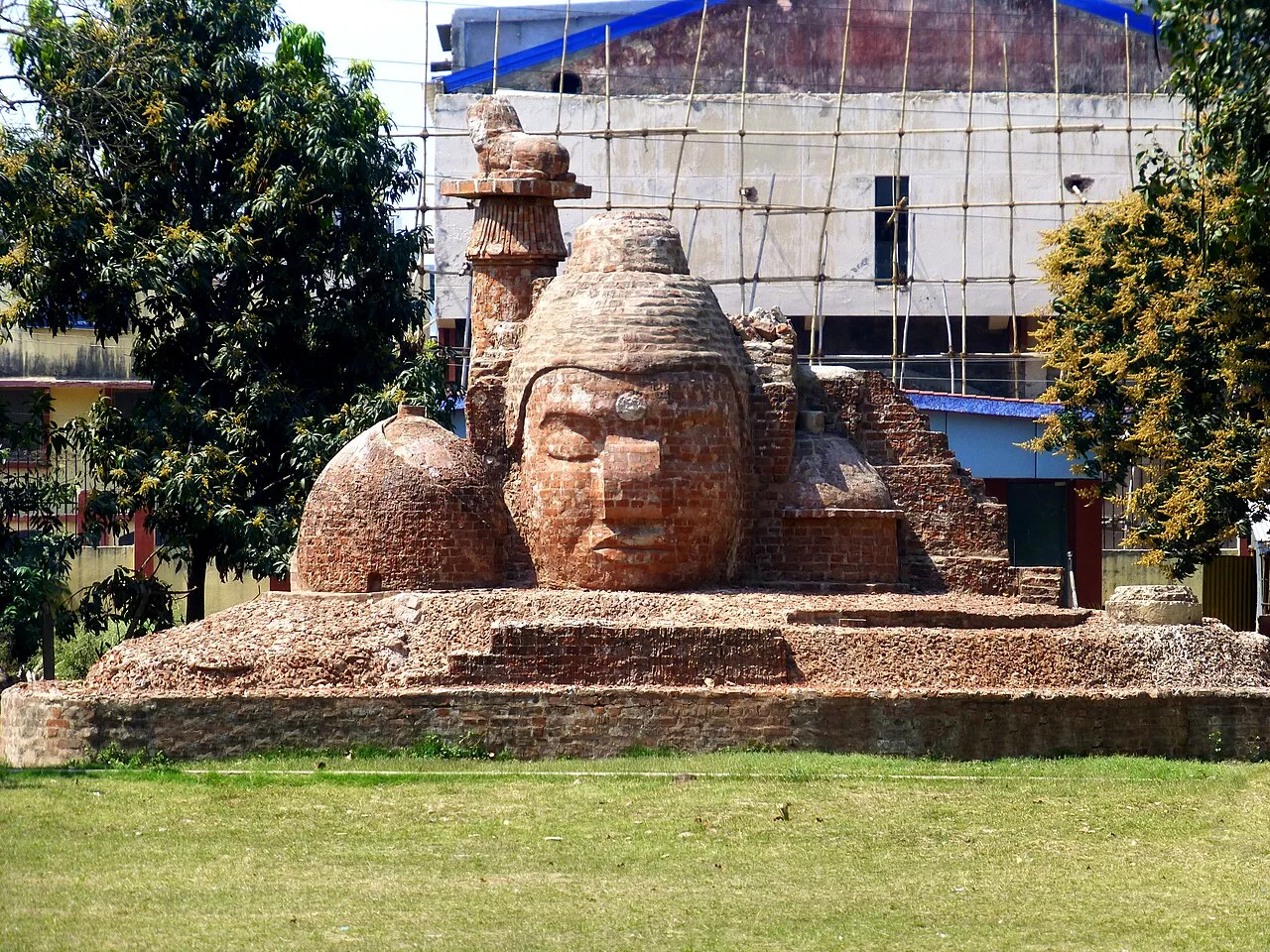
Maner, also called Maner Sharif, is a historic town and administrative block in Bihar’s Patna district. Visitors are drawn by its Mughal-era dargahs and its importance as a Sufi pilgrimage destination.

Sonpur

18 km away · Saran district

Sonpur

Sonpur, officially known as Sonepur, is a city in Bihar’s Saran district, beside the Gandaki and Ganges rivers. Visitors come for its cattle fair, which begins on Kartik Poornima and is Asia’s largest.

Bihar Museum

19 km away · Patna district

Bihar Museum

Bihar Museum is Patna’s state museum, with displays on Bihar’s history. Visitors can explore its galleries, children’s museum and distinctive arrangement of buildings and courtyards.

Golghar

19 km away · Patna district

Golghar

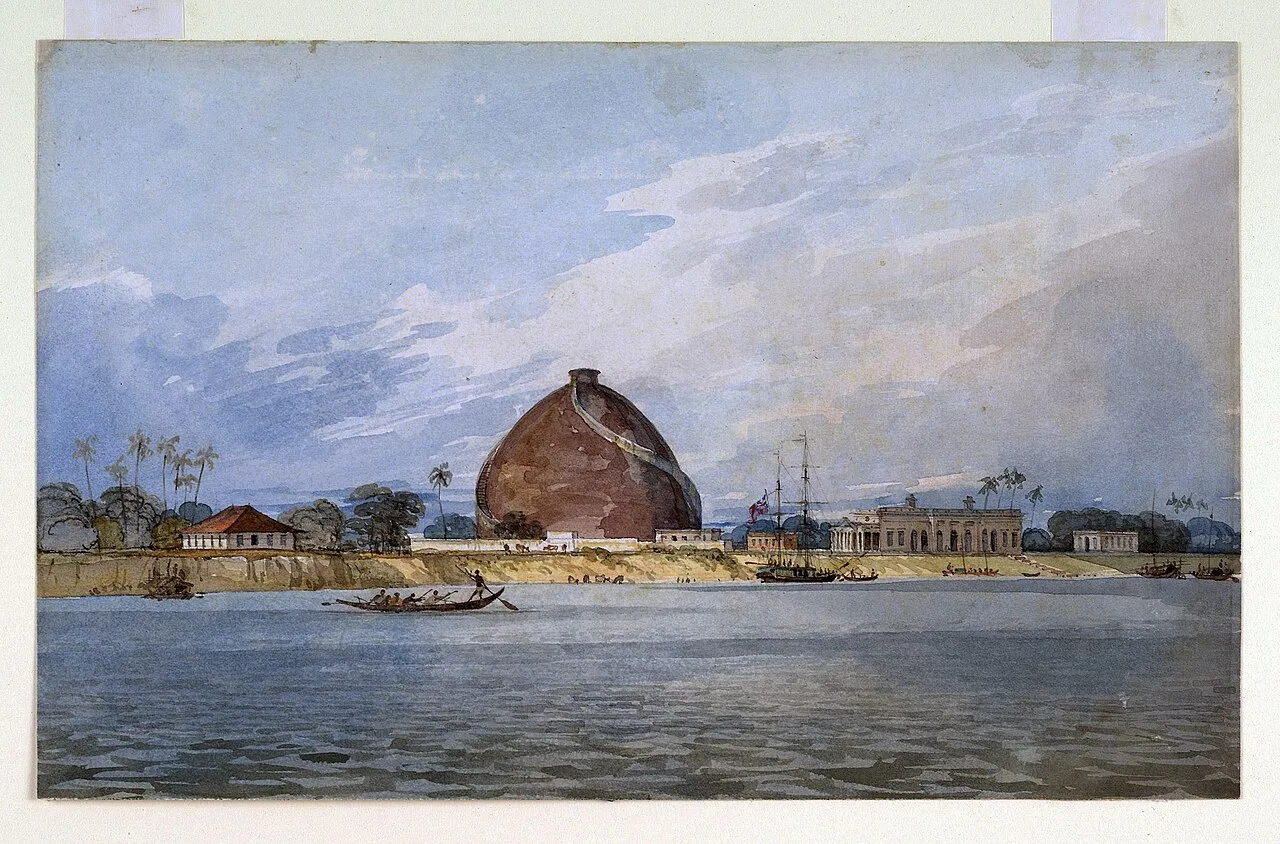
Golghar, also called Gol Ghar, is a substantial grain store in Patna, Bihar. Visitors come to see the granary west of Gandhi Maidan.

Patna Zoo

19 km away · Patna district

Patna Zoo

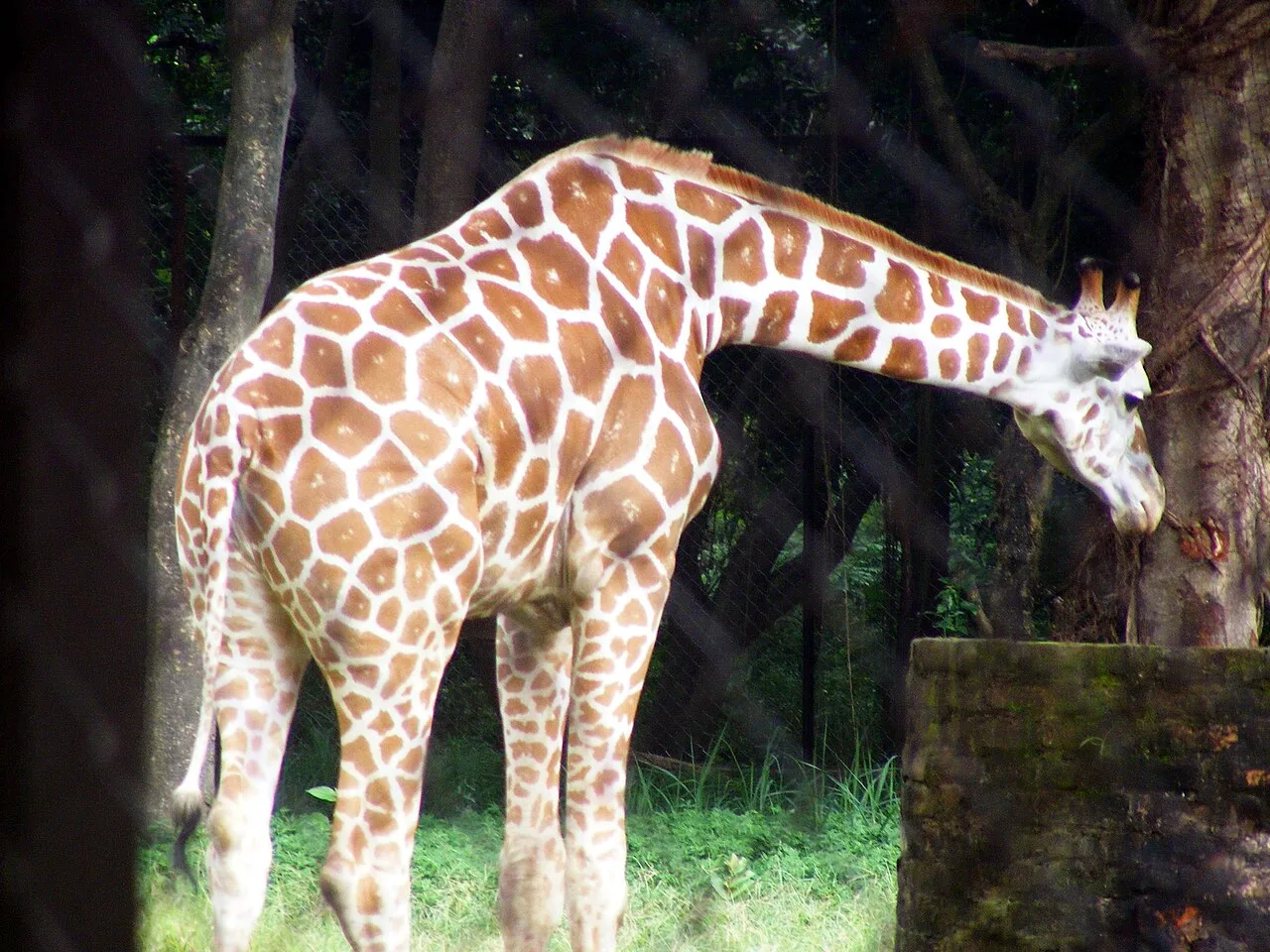
Patna Zoo is a zoological park in Bihar’s Patna district, near Bailey Road. People visit for picnics, with particularly large crowds on New Year’s Day.

Mahavir Mandir

20 km away · Patna district

Mahavir Mandir

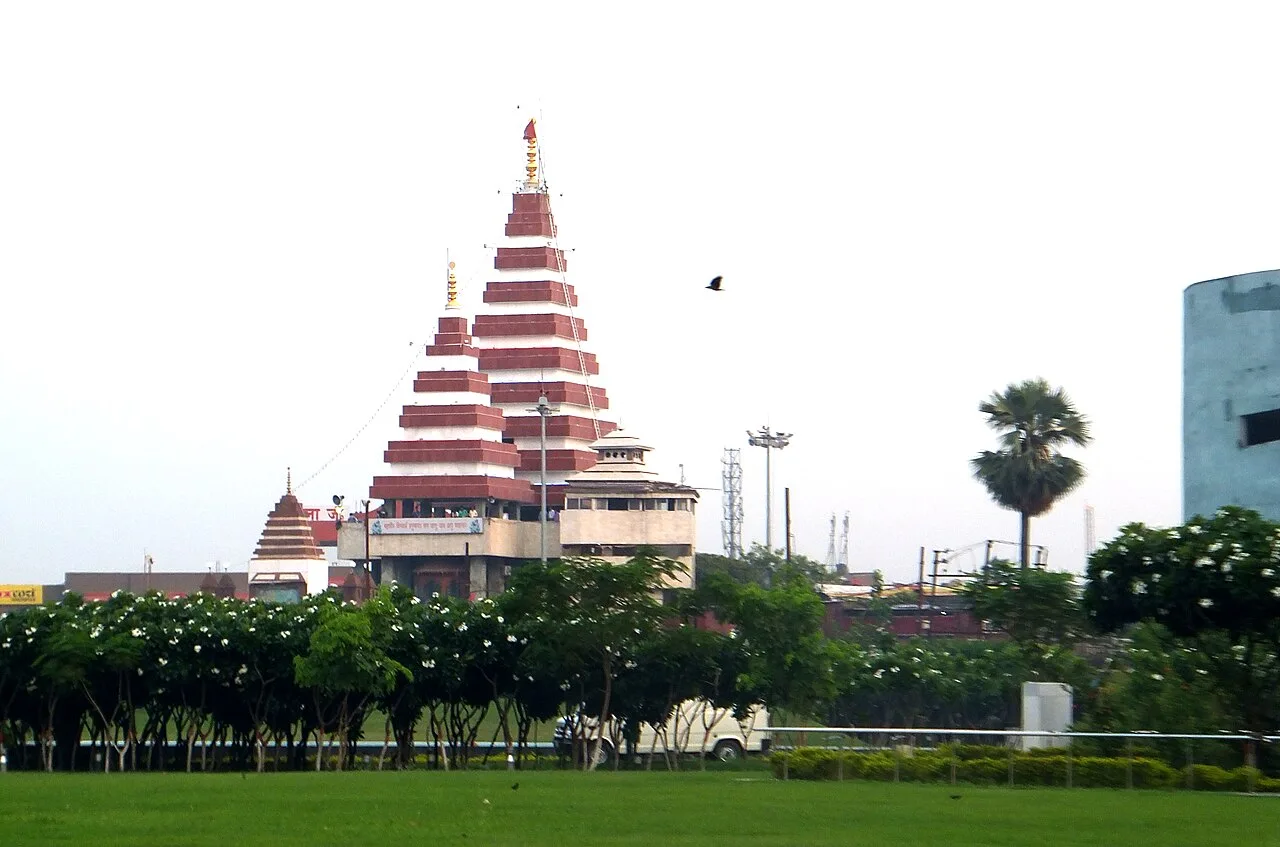
Mahavir Mandir is a Hanuman shrine in Patna, Bihar, visited by millions of pilgrims each year. Devotees also gather in large numbers for religious occasions, particularly Rama Navami.

Patna Museum

20 km away · Patna district

Patna Museum

Patna Museum is Bihar’s state museum in Patna district. Visitors come to see its historical collections and learn about the institute’s work in history and archaeology.

Gandhi Maidan

22 km away · Patna district

Gandhi Maidan

Gandhi Maidan is a historic open space in Patna, Bihar, near the Ganges. People visit a site linked to the freedom movement and significant political gatherings.

Map

Dighwara on the map

  1. 1Maner
  2. 2Sonpur
  3. 3Bihar Museum
  4. 4Golghar
  5. 5Patna Zoo
  6. 6Mahavir Mandir
  7. 7Patna Museum
  8. 8Gandhi Maidan

Bihar

Other cities to explore