
Nalanda Archaeological Museum
In Bihar’s Nalanda district, Nalanda Archaeological Museum is a museum and cultural centre. Visitors go there for its museum and cultural role.
Key facts · verified by Ghumoopedia editors
- Type of place
- Heritage monument
- Best time to visit
- October to March
- Verified
- 21 Nov 2026
Nalanda Archaeological Museum is located within Nalanda district, in the state of Bihar. It is identified as a museum and cultural centre, making it a place associated with both museum visits and cultural activity. For visitors, its defining feature is this museum and cultural identity. The name links the institution with Nalanda, while its location places it in Bihar. Together, these details describe a cultural destination in the district, without specifying particular collections or activities. The place can be understood as a museum and cultural centre within Nalanda district. People may visit in connection with those roles; no further details about the visitor experience are stated here. Bihar is the heart of ancient Magadha — the land of the Buddha's enlightenment, the Mahavihara of Nalanda, the Mauryan capital Pataliputra, Jain tirthankara Mahavira and the Maithili and Bhojpuri cultures. Bihar has very hot summers from April to June, a monsoon from June to September that can flood low-lying areas, and cool, pleasant winters from November to February with foggy mornings in December and January. The usual best time to visit is October to March. For official information, see Bihar Tourism at https://tourism.bihar.gov.in.
Why it matters
Nalanda Archaeological Museum preserves finds associated with the historic learning centre of Nalanda and helps visitors connect objects with the nearby excavated remains. The Archaeological Survey of India established the museum to house antiquities recovered from the site. The museum should not be confused with the Nalanda Mahavihara archaeological site, which UNESCO inscribed on its World Heritage List in 2016; that recognition applies to the archaeological property, not automatically to the museum building. Nalanda is important to Bihar’s Buddhist history and to the wider history of education and religious exchange in South Asia. The museum is listed in Ghumoopedia’s Bihar index, but visitors should verify its precise location and current arrangements before setting out.
The museum’s history is closely tied to the excavation and study of Nalanda Mahavihara, a major Buddhist monastic and educational centre in ancient Magadha. Nalanda developed over several centuries, with its principal period of activity generally placed between the fifth and thirteenth centuries. Gupta rulers are associated with its early growth, while later dynasties, including the Palas, supported Buddhist institutions in the region. Accounts by Chinese pilgrims, notably Xuanzang, provide important historical descriptions of Nalanda’s scholars and monastic life. The Archaeological Survey of India established the Nalanda Archaeological Museum in 1917 to preserve and display antiquities recovered during excavations. Its collections help document the site’s religious life, artistic production and everyday activity across different periods. Nalanda’s institutions declined and were eventually abandoned; the causes and sequence are discussed by historians, and popular accounts often connect the destruction of the monastic complex with the incursions of the late twelfth century. The museum is a modern place of preservation and interpretation, rather than a surviving part of the ancient monastery. Check current displays locally, as galleries and access arrangements can change.
Origin stories & folklore
The museum itself is not known for a distinct founding legend, but it stands within a landscape rich in Buddhist, Jain and Hindu traditions. According to local and religious traditions, the Buddha and Mahavira both travelled and taught in the wider Magadha region; stories associated with their lives are linked to several places around Nalanda and nearby Rajgir. Accounts of Nalanda’s name also vary: one popular explanation connects it with a legendary serpent or naga, while other interpretations relate the name to giving or generosity. These explanations should be treated as tradition or proposed etymology, not settled historical fact. Museum objects and archaeological evidence offer a different way to explore the region’s past.
Architecture & design
Nalanda Archaeological Museum is a modern museum building, distinct in form and purpose from the brick monasteries and temples of the ancient Nalanda complex. Its role is to protect and present excavated material, rather than to reproduce the architecture of the Mahavihara. The visitor experience centres on indoor display spaces, where objects can be viewed in a more controlled setting than among the open-air ruins. Do not assume that the museum’s design reflects the original monastic layout. Visitors interested in Nalanda’s historic architecture should also see the archaeological remains nearby, where brick foundations, courtyards and structural traces reveal the organised layout of monastic buildings. Confirm the museum entrance and current visitor route locally.
Important objects & sculptures
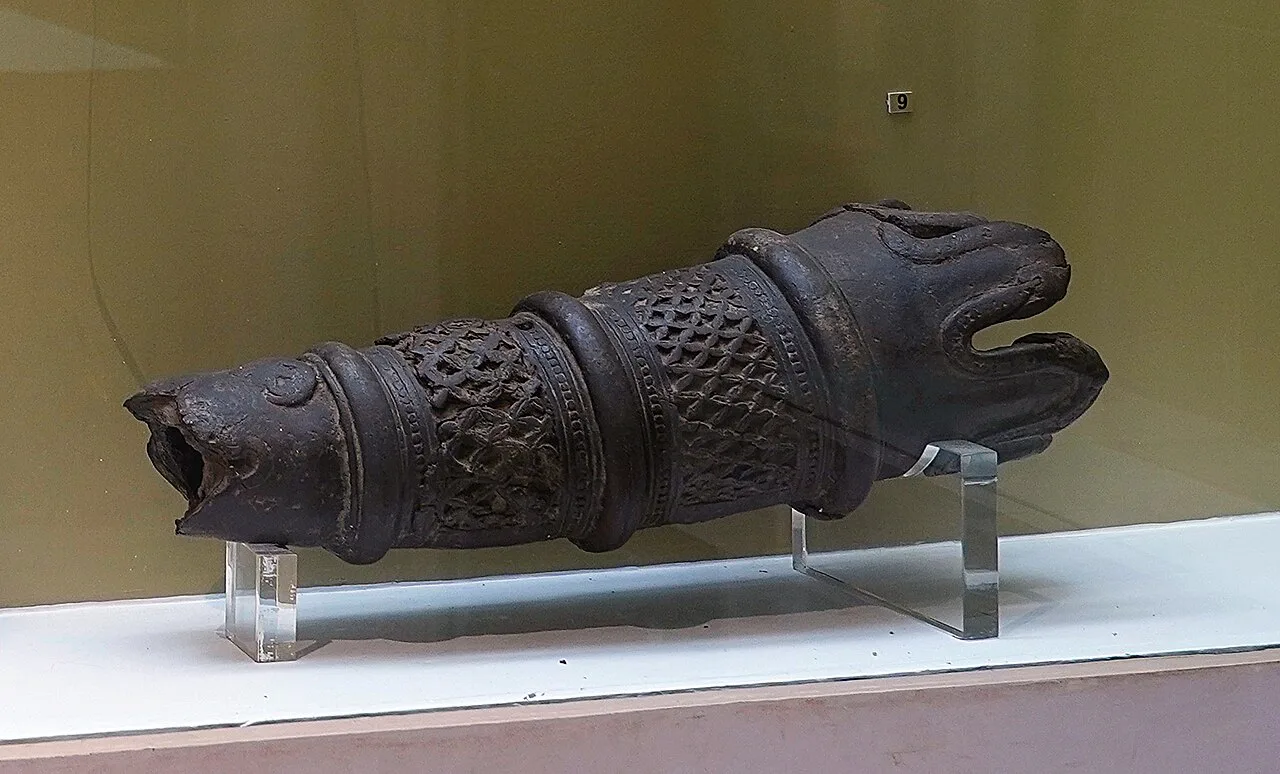
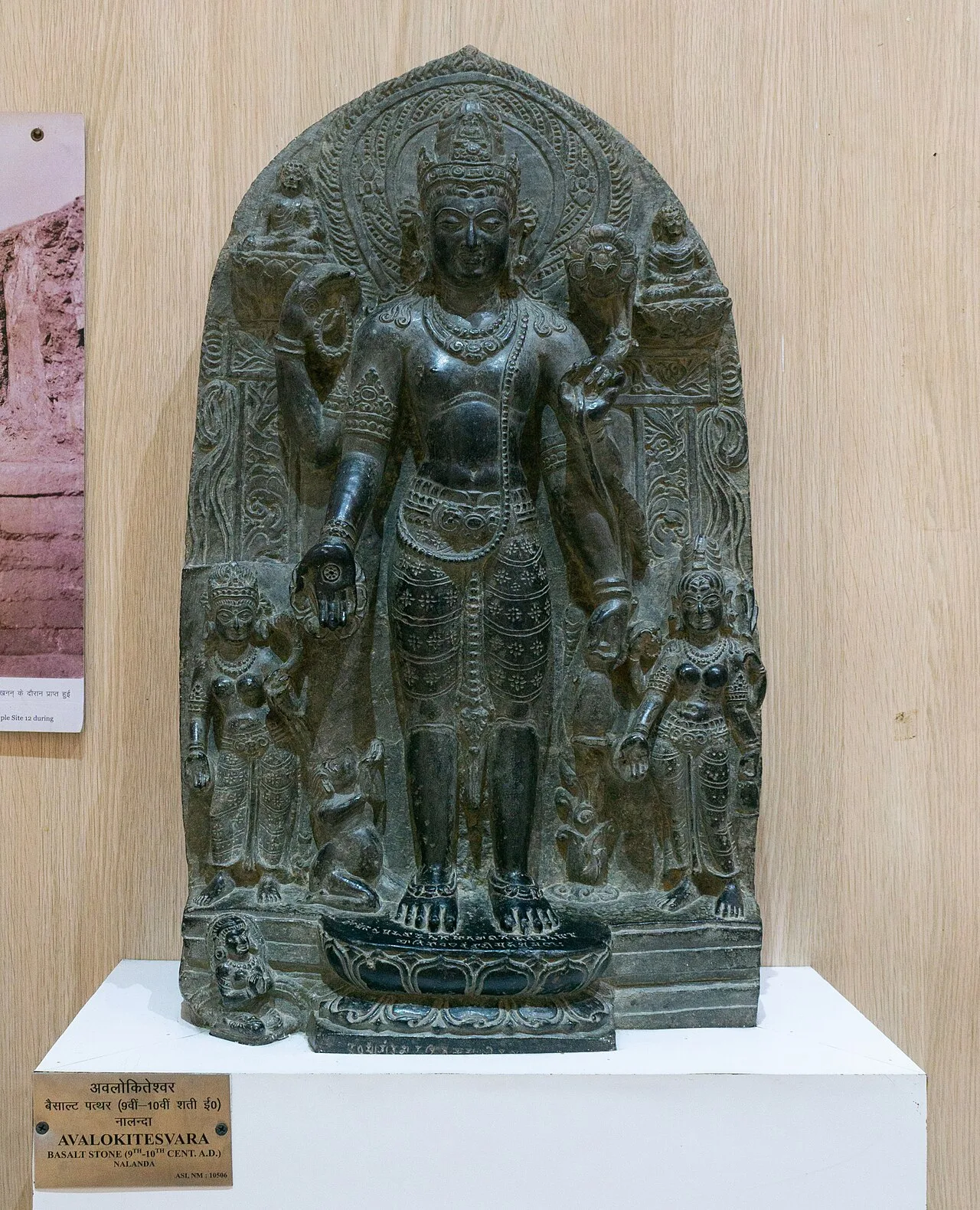
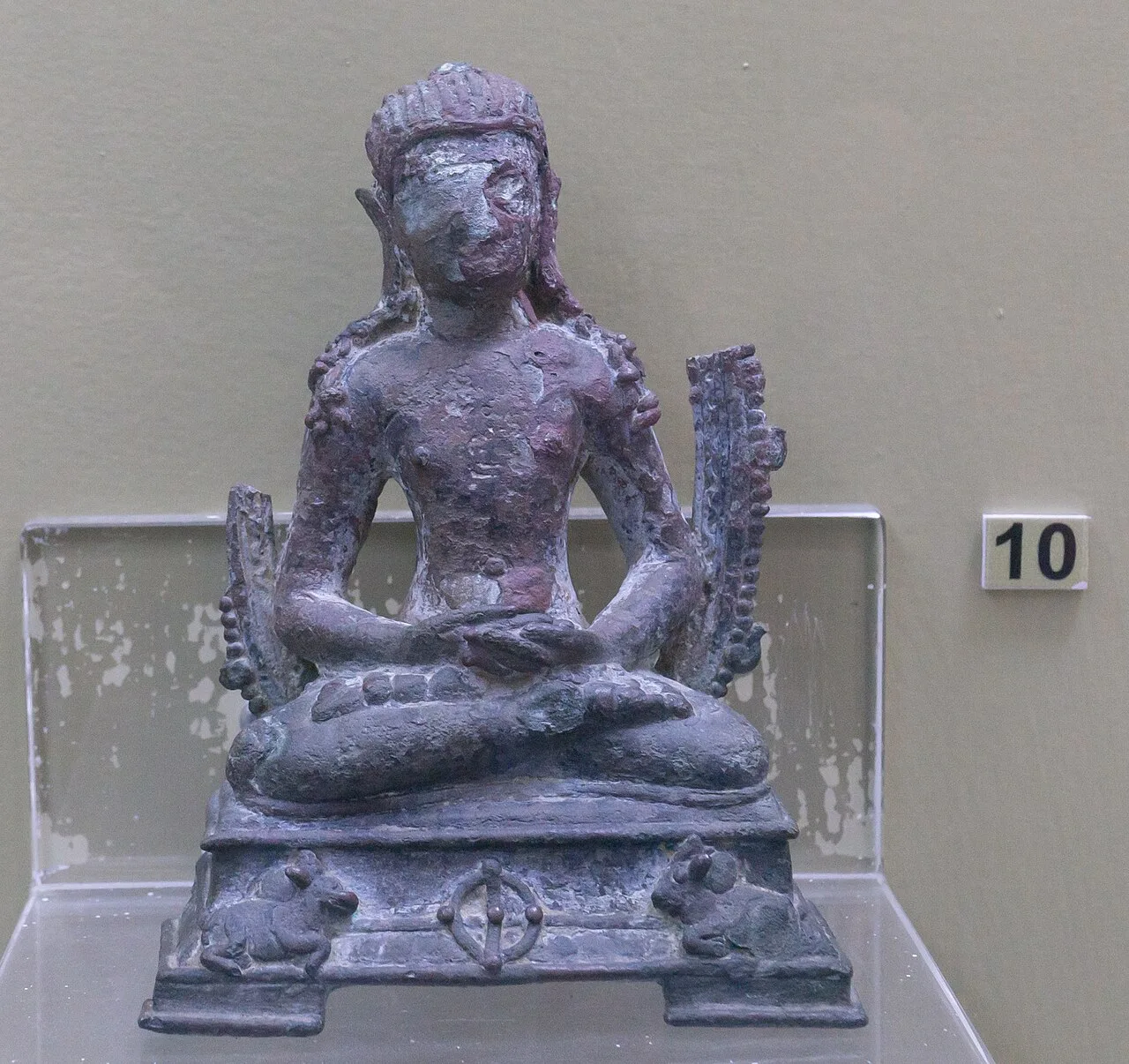
Look for archaeological material associated with Nalanda, including Buddhist sculptures and images, architectural fragments, inscriptions, coins, pottery and smaller objects recovered from the wider site. Stone and metal images can help visitors compare artistic styles and understand the religious communities that used the Mahavihara. Inscriptions and coins, where displayed, offer evidence about patrons, institutions and daily exchange; pottery and other fragments provide a more ordinary, material view of life at the settlement. The exact objects on view may vary, and not every excavated find is necessarily displayed. Read the labels carefully and avoid touching display cases or objects. If interpretation is limited, an authorised guide or official audio guide, where available, may help place individual finds in context.
Explore Nalanda Archaeological Museum slowly and read the interpretation boards, use the official audio guide where available or hire an authorised guide to understand its history. Check opening days, ticket counters and camera rules in advance; many monuments and museums close on one weekday and on some public holidays. Early morning gives softer light, cooler air and smaller crowds. A comfortable itinerary is one main visit in the morning, a local meal at midday and a short nearby stop before an afternoon return. Use the district list on this site to find other places in Nalanda, but check the route and its condition before combining stops. If a festival or fair is on — such as Chhath or the Sonepur fair — roads and stays can be busy, and the experience can be unforgettable. Leave no litter: many sites are protected by the communities around them.
Suggested itineraries
Half day: Confirm the museum entrance locally; spend about 1–2 hours viewing the collections, then allow 1–2 hours for the Nalanda Mahavihara archaeological site if open and accessible. Full day: Begin with the museum (about 1–2 hours), visit the Nalanda Mahavihara remains (about 2–3 hours), pause for a local meal, then choose Hiuen Tsang Memorial Hall or another nearby stop after checking routes and opening arrangements. Gentler option: Focus on the museum, take seated breaks as needed, and choose only one nearby stop with a confirmed drop-off point.
Nalanda’s living culture reflects the wider traditions of Bihar and the surrounding Magadh region. Hindi and Magahi are commonly heard locally, alongside other languages used by residents and visitors. Buddhist heritage remains an important part of the area’s identity, while Hindu and Jain traditions are also present across the district and nearby towns. Visitors may encounter customary hospitality, local food and seasonal religious observances, but the museum is primarily a heritage institution rather than a performance venue. Dress comfortably and respectfully, especially when combining the visit with temples or other religious sites. Ask before photographing people, and follow any instructions from museum staff or local custodians.
Festivals & events
Across Bihar, Chhath is widely observed, usually during the autumn and spring seasons, and can bring busy roads and crowded public spaces. Buddha Purnima is observed by Buddhist communities and may be marked at Buddhist heritage sites in the wider region. Rajgir, in the same broader travel circuit, has also hosted cultural events such as Rajgir Mahotsav, though programmes can vary by year. Festival schedules and locations should be checked locally rather than assumed to apply to the museum. During major observances, allow extra time for road travel and expect accommodation and transport in popular nearby towns to be busier.
Local food in Bihar includes litti chokha, sattu paratha, khaja (a layered sweet from Silao), tilkut and anarsa from Gaya, makhana (fox nuts) from the Mithila region, chana ghugni, malpua and thekua. Ask what is fresh that day; many small eateries cook a limited daily menu. Vegetarian travellers eat very well across this region, and most towns also have non-vegetarian options. Remote sites may have no restaurant at all. Carry water and snacks, eat a proper breakfast before long drives, and ask your accommodation for a packed lunch if you are heading out early. Try a home-cooked or dhaba meal when you can — it is often the best food on the route. Choose busy, clean places, drink sealed or filtered water, and carry your packaging back with you.
Shopping & local experiences
Look for everyday local markets in nearby settlements for snacks, seasonal produce and practical travel supplies. Visitors interested in regional crafts can ask locally about items made or sold in the wider district rather than assuming they are produced at the museum. Try a local meal or tea break in town, choosing a clean, busy establishment and checking ingredients if you have dietary needs. Buy souvenirs responsibly and avoid purchasing antiquities, archaeological fragments or objects presented as genuine historic finds.
October to March
These figures are calculated from map coordinates — actual road distance is longer. Patna Junction, Rajendra Nagar Terminal and Gaya Junction are the main rail gateways, and Patna and Gaya have airports; Varanasi airport serves the west of the state. For the final leg, Bihar State Road Transport Corporation (BSRTC) buses, private coaches and shared jeeps and autos link district towns; shared jeeps usually leave early in the morning. A private taxi gives more flexibility for remote sites. When comparing train, bus and flight, count the complete door-to-door time: a flight saves the most time only if the onward road transfer is short, while an overnight train can save a hotel night. Book your return before you leave, because seats fill quickly on weekends, festivals and holidays. Current train numbers, timings, return services and fares are not listed here; check IRCTC and NTES for trains and the airline's own schedule for flights. No permit is needed to visit Bihar. Buddhist circuit sites such as Bodh Gaya, Rajgir, Nalanda and Vaishali welcome visitors of all backgrounds; dress modestly at temples, monasteries and dargahs. The Sonepur fair, Chhath Puja and the Rajgir Mahotsav draw very large crowds, so book transport and stays well ahead.
Getting around
Nalanda is reached through district roads, with local movement generally possible by auto-rickshaw, taxi or shared vehicle from nearby towns and transport points. Walking may be practical when combining the museum with nearby heritage attractions, but check distances and road conditions on arrival rather than assuming sites are immediately adjacent. Parking availability should also be confirmed locally. Local buses and shared vehicles can be useful for broader connections, while a hired taxi offers more flexibility for a multi-stop day.
Hours, tickets & permissions
Entry may involve a ticket or other admission procedure, and rules can apply to bags, photography, filming and group visits. Before travelling, confirm opening days, hours, fees, camera permissions and any group or accessibility arrangements with the Archaeological Survey of India or Bihar Tourism. Do not rely on old listings or assume that museum and archaeological-site rules are identical.
Facilities
Museum facilities may include visitor information, display galleries and basic visitor services, but toilets, drinking water, seating and cloakroom arrangements should be checked on arrival. Food options are more likely to be found in nearby settlements than inside the museum; carry water, especially in warm weather, and use refill points only where safe and available. Parking, authorised guides and audio interpretation may be available, but none should be assumed without confirmation. ATMs and a wider choice of shops or meals are generally easier to find in larger nearby towns. Ask the managing authority or your host about current services before planning a long visit.
Accessibility
Entry thresholds, floor surfaces, door widths, seating and accessible toilets may vary, so wheelchair users and visitors with mobility needs should contact the managing authority before travelling. The nearby archaeological remains involve outdoor walking over uneven ground and may include long, exposed stretches; shade and resting places can be limited. Strollers may be manageable inside some areas but less convenient on rough paths. Older visitors may prefer to visit the museum first, take frequent breaks and arrange a vehicle close to confirmed entrances. Check routes and assistance options locally.
No permit is needed to visit Bihar. Buddhist circuit sites such as Bodh Gaya, Rajgir, Nalanda and Vaishali welcome visitors of all backgrounds; dress modestly at temples, monasteries and dargahs. The Sonepur fair, Chhath Puja and the Rajgir Mahotsav draw very large crowds, so book transport and stays well ahead. Carry a photo ID at all times and save the emergency number 112 and your accommodation's contact offline. Heat in summer and fog in winter are the main weather risks; carry water and allow extra travel time on foggy December–January mornings. Respect community rules, private property and posted instructions. Follow local guidance if access changes.
Photography
Soft morning light is useful for photographing the exterior and nearby archaeological remains, while indoor photography depends on the museum’s current rules. Flash, tripods or photography of particular objects may be restricted, so check notices and ask staff before taking pictures. Do not photograph through barriers or handle objects for a better view. Drone use around a museum, archaeological property or protected site may require permission and can be prohibited; do not fly without confirming the rules with the relevant authority. Be considerate of other visitors and ask permission before photographing people, worshippers or ceremonies.
Choose a stay by the full journey to Nalanda Archaeological Museum, not just the district name. Patna, Gaya and Bodh Gaya offer the widest choice, from pilgrim dharamshalas to international hotels; monastery guesthouses in Bodh Gaya are good value. In summer, check air-conditioning or coolers; in December and January, check hot water. Book in advance for weekends, festivals and the peak season (October to March). Confirm the exact location, meals included, check-in time and cancellation terms in writing. Avoid sending money to unverified contacts or touts at stations. Carry some cash, as card and digital payments can be unreliable in remote areas.
The principal companion visit is the Nalanda Mahavihara archaeological site, a separate heritage property whose remains help contextualise the museum’s finds. Hiuen Tsang Memorial Hall and Nava Nalanda Mahavihara are other Nalanda-area places visitors may consider, subject to current access and opening arrangements. Rajgir, in the wider district, is known for Buddhist, Jain and Hindu heritage, while Pawapuri is an important Jain pilgrimage town in Nalanda district. These stops may require separate road travel, so confirm routes and realistic travel times before combining them.
For couples, Nalanda Archaeological Museum rewards a slow pace: arrive early for soft light and fewer crowds, share a local meal and keep the evening free. Sunset on the Ganga at a Patna ghat or an evening under the Bodhi tree's descendant at Bodh Gaya is quietly memorable. Public displays of affection can be frowned upon in conservative communities and at religious sites, so be discreet. Keep a buffer in your itinerary, because weather and road conditions can delay plans.
Q: How much time should I allow for the museum? A: Allow around one to two hours as a planning guide, then add time for the archaeological site or other stops. Confirm current access before travelling. Q: When is a good season to visit? A: October to March is generally the most comfortable period in Bihar. Winter mornings can be foggy, so check conditions before setting out. Q: Is there an entry fee, and can I take photographs? A: Confirm fees, permissions and opening arrangements with the managing authority. Q: Is the visit suitable for children and older visitors? A: The museum can be a manageable cultural visit, but facilities and accessibility are unconfirmed. Allow breaks and check walking surfaces and assistance options beforehand. Q: Where should I stay nearby? A: Check accommodation options in Nalanda and nearby towns such as Rajgir or Bihar Sharif. Compare the route to the museum and confirm the exact location with your host.
Be the first to share photos, stories, advice or a helpful contact for Nalanda Archaeological Museum.
Loading…