Ghumoopedia — Explore, Discover, Experience
Sign in
Bhimbandh Wildlife Sanctuary, near Malhipur

City guide · Bihar

Malhipur

Malhipur is a small settlement in Bihar, where everyday life is closely connected to nearby villages, local roads and market centres. Its appeal is less about landmark sightseeing than experiencing the rhythms of rural life: fields and cultivated landscapes, neighbourhood shops, and community gatherings shaped by the seasons.

Famous for

  • Rural Bihar life
  • Village market trade
  • Agricultural surroundings
  • Regional festivals

Why Malhipur matters

Malhipur is a small settlement in Bihar, where everyday life is closely connected to nearby villages, local roads and market centres. Its appeal is less about landmark sightseeing than experiencing the rhythms of rural life: fields and cultivated landscapes, neighbourhood shops, and community gatherings shaped by the seasons. The larger towns of the surrounding region provide services, transport links and places to shop, making Malhipur part of a wider network of village and town life.

Visitors passing through can use the settlement as a starting point for discovering the ordinary textures of Bihar beyond its best-known heritage destinations. Local markets and places of worship offer glimpses of daily routines, while festivals bring families and neighbours together. Malhipur is best approached as a quiet stop within a broader regional journey rather than as a major standalone tourism centre. Its importance lies in its local connections and in the agricultural and community life characteristic of many parts of Bihar.
Famous for: crafts, trade & products

Malhipur is associated primarily with everyday rural trade rather than a widely recognised craft or branded product. Small shops and local market activity serve residents and nearby villages, with agricultural produce and household necessities forming part of the ordinary exchange. The surrounding countryside supports farming, and seasonal harvests influence what is grown, sold and prepared locally. Visitors can look to neighbourhood shops and market areas for a sense of this daily commerce.

There is no need to expect a dedicated textile district, major handicraft bazaar or a destination institution centred on shopping. For a broader selection of Bihar-made goods, visitors can explore larger towns in the region, where established markets are more likely to stock local specialities, clothing and regional foods. Malhipur’s character is better understood through its everyday shops, street-side vendors and links to nearby service centres than through a single signature product. Any shopping here is likely to be practical and local in scale, reflecting the needs of residents and surrounding villages.

History

Malhipur’s local story belongs to the wider history of Bihar, a region shaped by ancient kingdoms, changing dynasties and long-running networks of agriculture and trade. The settlement itself is best understood through the development of village communities and their ties to nearby market towns, rather than through a documented sequence of royal capitals or major monuments.

Under British rule, much of present-day Bihar was administered within the Bengal Presidency before Bihar became a separate province in 1912. Independence and later state development brought changes to roads, education, public services and connections between rural settlements and larger towns. As in many parts of Bihar, Malhipur’s growth has been influenced by these regional links, alongside farming, family networks and movement between villages and urban centres. Its history is reflected more in community life and the changing landscape than in a prominent historic precinct.

Food, festivals & culture

Daily culture in Malhipur is shaped by family life, village gatherings and the agricultural calendar. Hindi is used widely in public life, alongside the regional speech of the surrounding area. Meals draw on familiar Bihar staples such as rice, lentils, seasonal vegetables and breads; preparations made with sattu and dishes such as litti chokha are part of the broader culinary tradition. Tea and simple sweets are common offerings in local shops and homes.

Chhath Puja, observed mainly in autumn, is one of Bihar’s most significant festivals, with worship and community gatherings centred on the sun. Holi in spring and Diwali in autumn are also widely celebrated, while Eid follows the lunar calendar. Local observances may bring together families and neighbours around temples, mosques and community spaces. Folk songs and devotional music are heard especially during festivals and religious occasions; cultural life is primarily participatory and community-based rather than organised around formal performance venues.

Visiting the city

The cooler months from October to March are generally the most comfortable for a visit; summer can be hot, while the monsoon brings heavier rain and greener fields. Malhipur is a small settlement, so plan road travel through the nearest larger town and confirm local connections before setting out. For statewide air links, Jay Prakash Narayan International Airport in Patna is a principal gateway, and Patna Junction is a major rail hub; both may be some distance from Malhipur, so check the route from the settlement’s local district centre.

Local movement is usually by road, with shared vehicles, auto-rickshaws or private transport serving nearby communities. Explore the village lanes, local shops and places of worship respectfully, and use a larger nearby town for broader services, meals or onward connections. Malhipur works best as part of a regional itinerary rather than a base for extensive sightseeing.

Trips from the city

Nearest places to visit from Malhipur

Our closest destination guides, by straight-line distance.

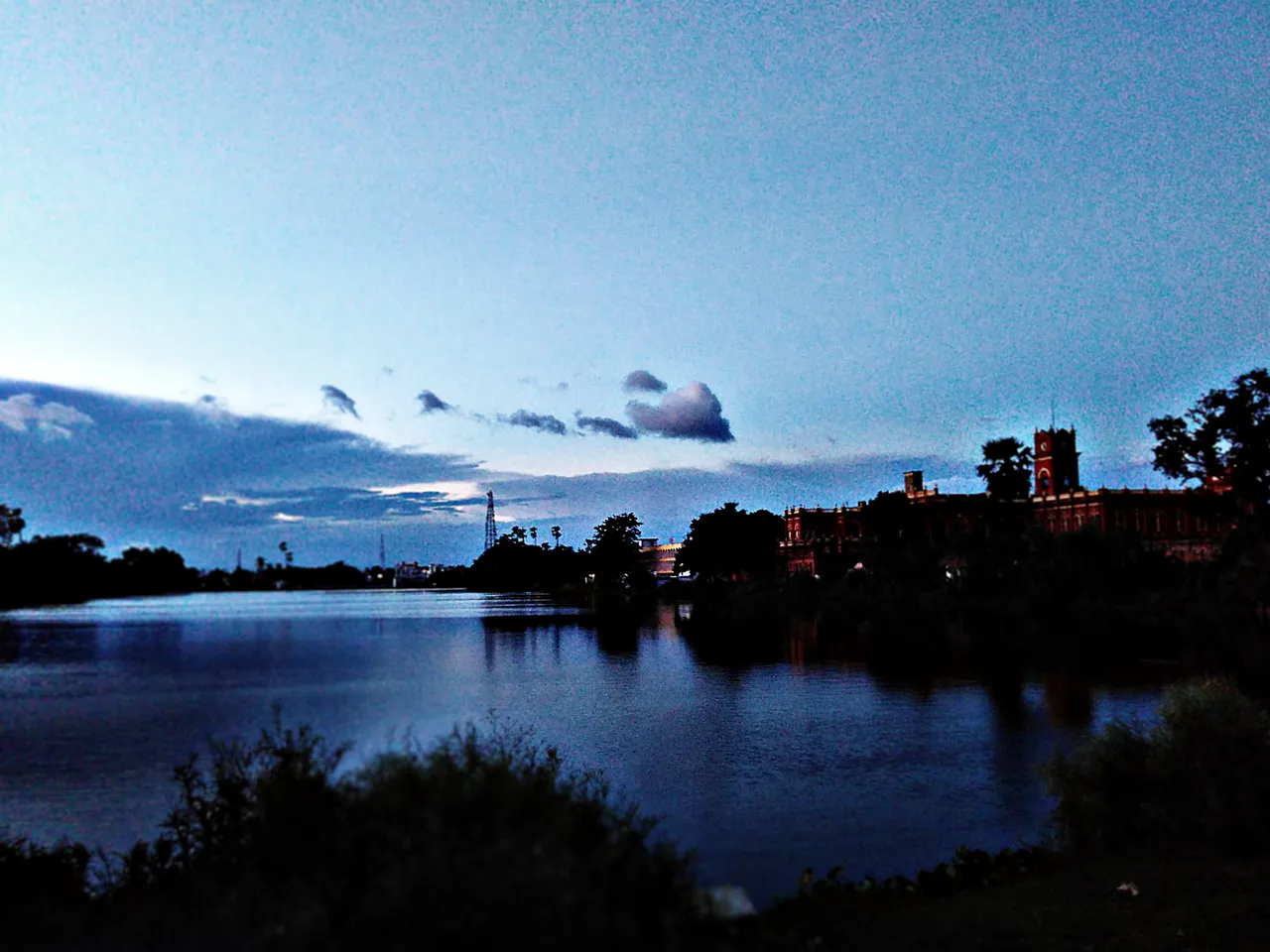
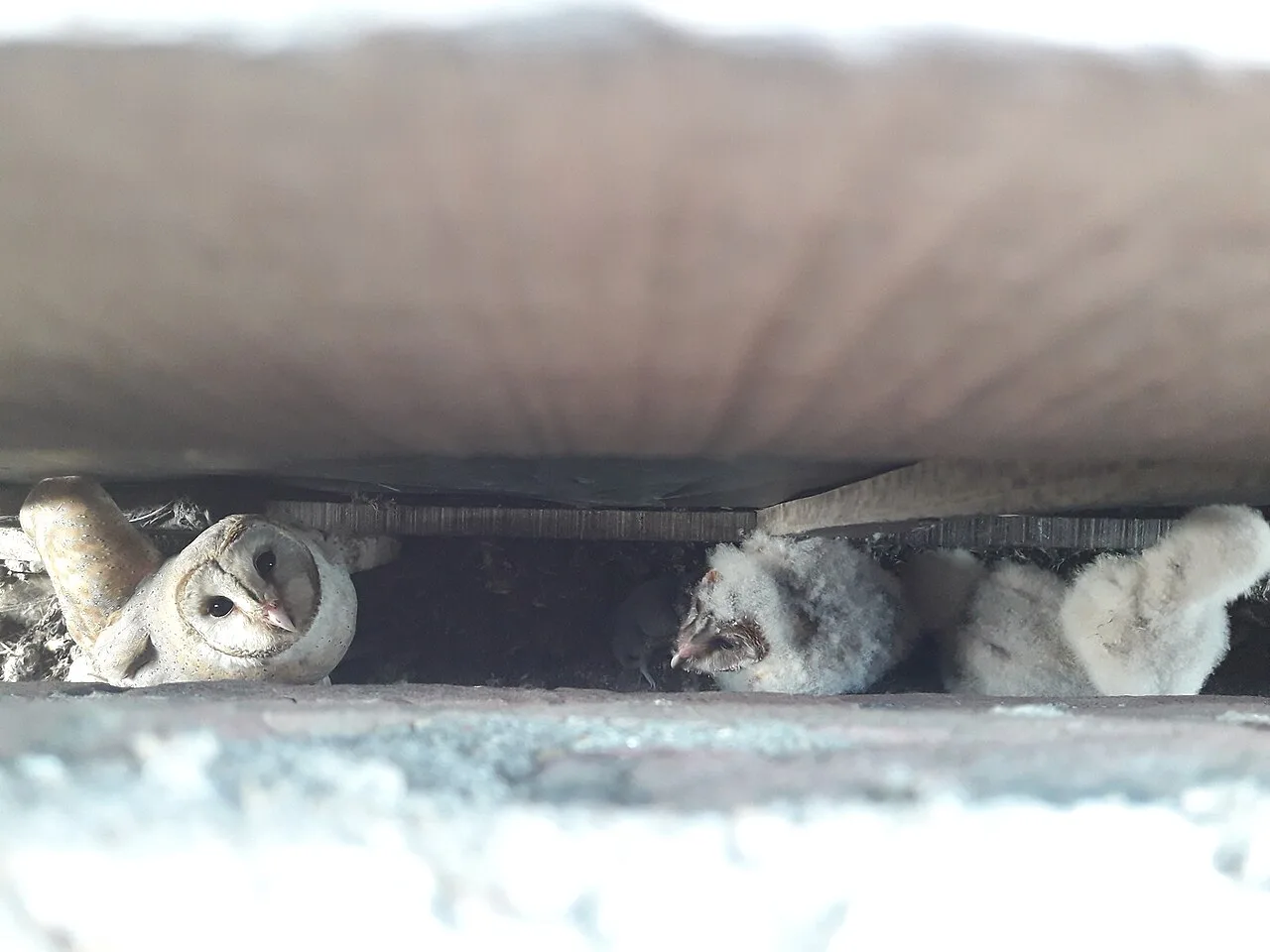
Bhimbandh Wildlife Sanctuary

32 km away · Munger district

Bhimbandh Wildlife Sanctuary

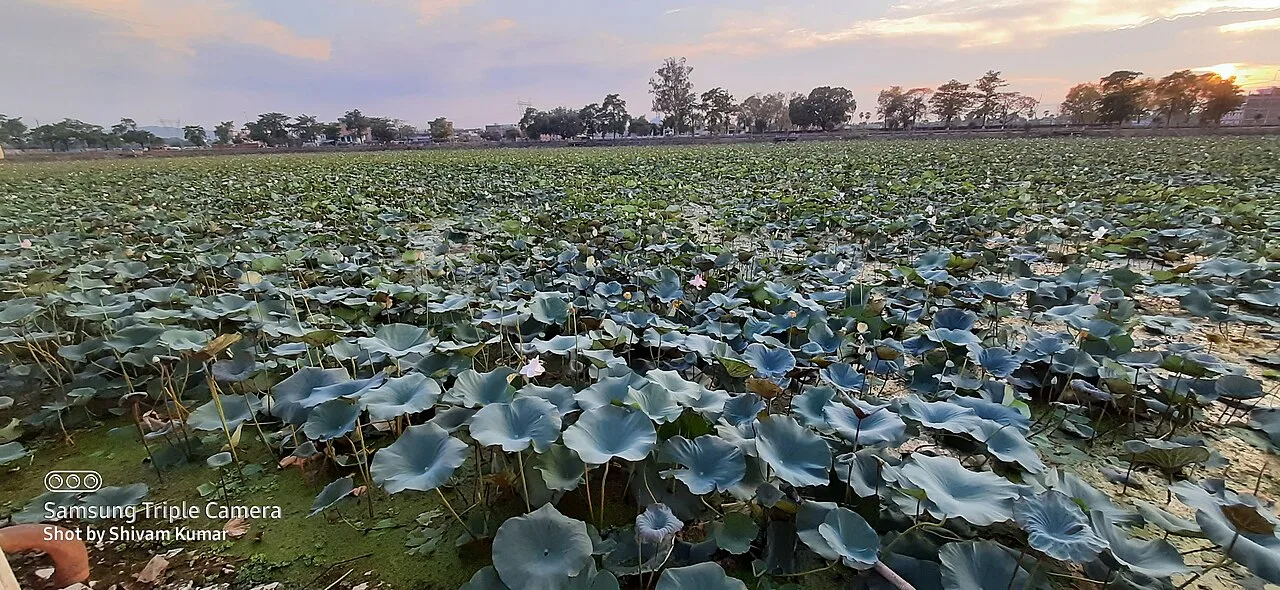
In Bihar’s Munger district, Bhimbandh Wildlife Sanctuary is a sanctuary devoted to wildlife. Visitors come to spend time in this wildlife-focused place in the district’s south-west.

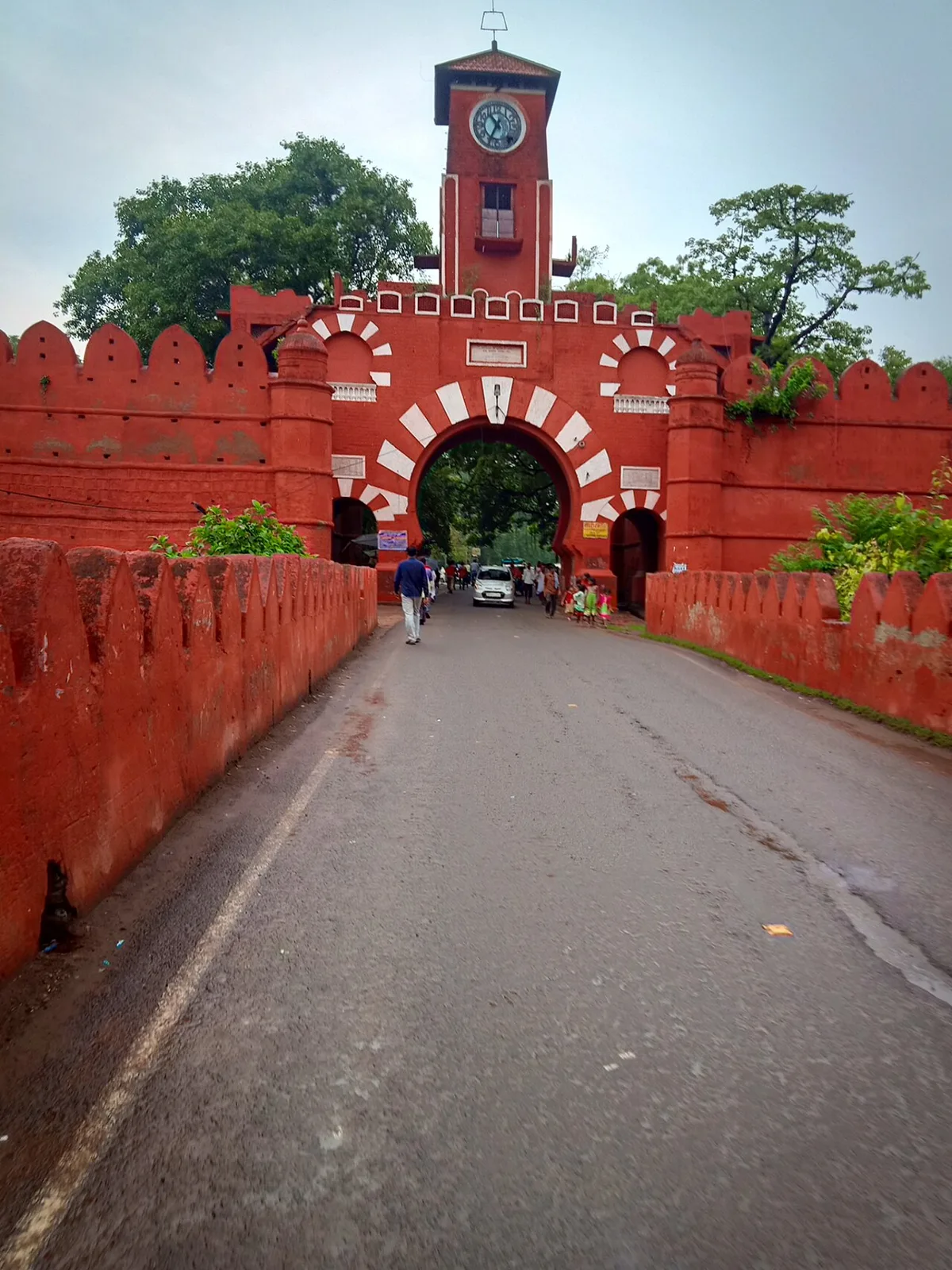
Munger Fort

45 km away · Munger district

Munger Fort

Munger Fort is a historic stronghold in Bihar, set on a rocky rise beside the Ganges. Visitors come to see its tombs, palace, temple, riverside ghat and British-era cemetery.

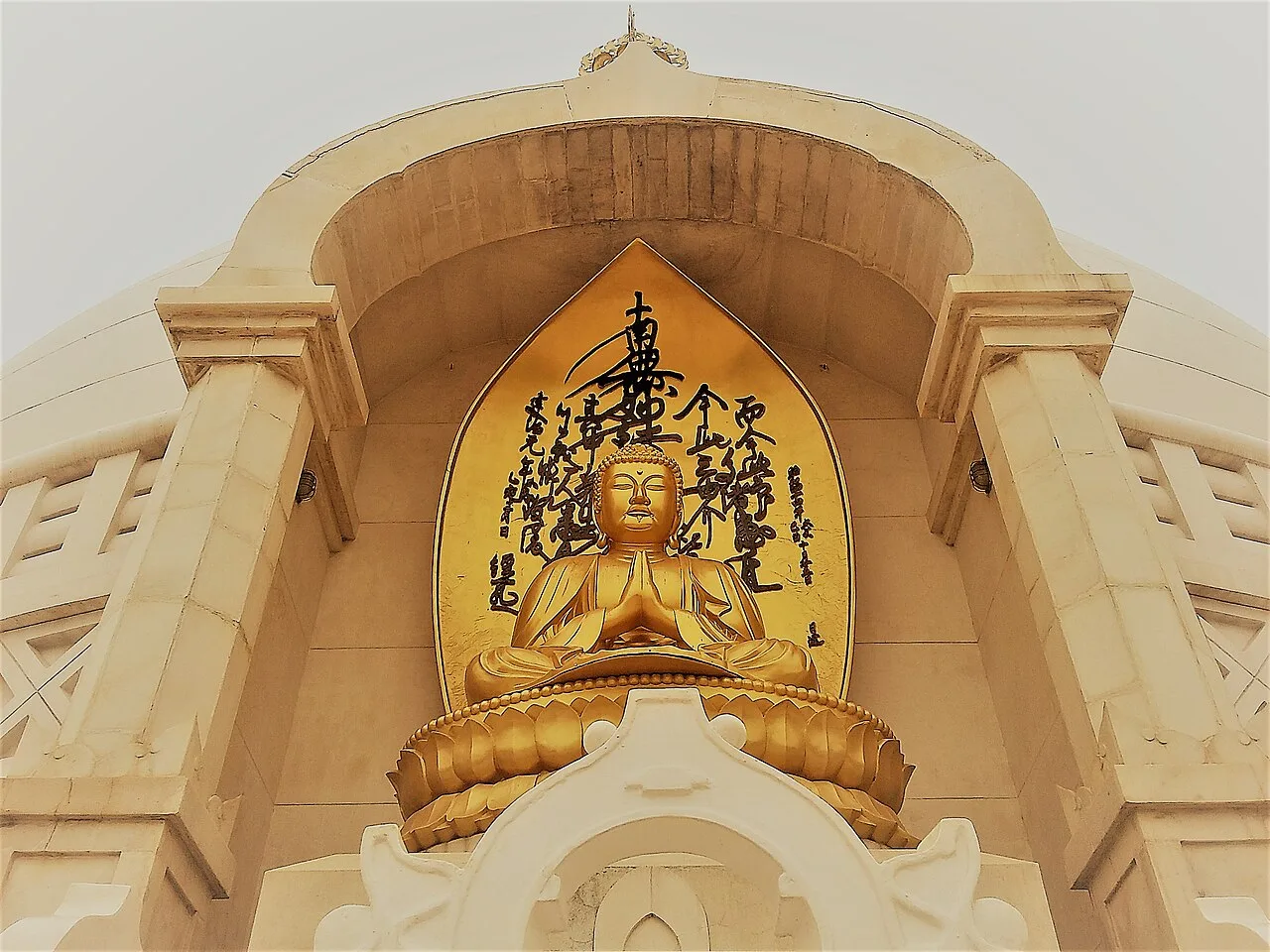
Vishwa Shanti Stupa

52 km away · Gaya district

Vishwa Shanti Stupa

Vishwa Shanti Stupa is a white Buddhist pagoda in Rajgir, visited for its Buddha statues, nearby Japanese temple and park, and prayers for peace.

Pawapuri

60 km away · Gaya district

Pawapuri

Pawapuri, also called Pavapuri, is a Jain sacred site in Bihar’s Nalanda district. People travel there on pilgrimage because it is associated with Mahavira’s nirvana.

Nalanda mahavihara

66 km away · Nalanda district

Nalanda mahavihara

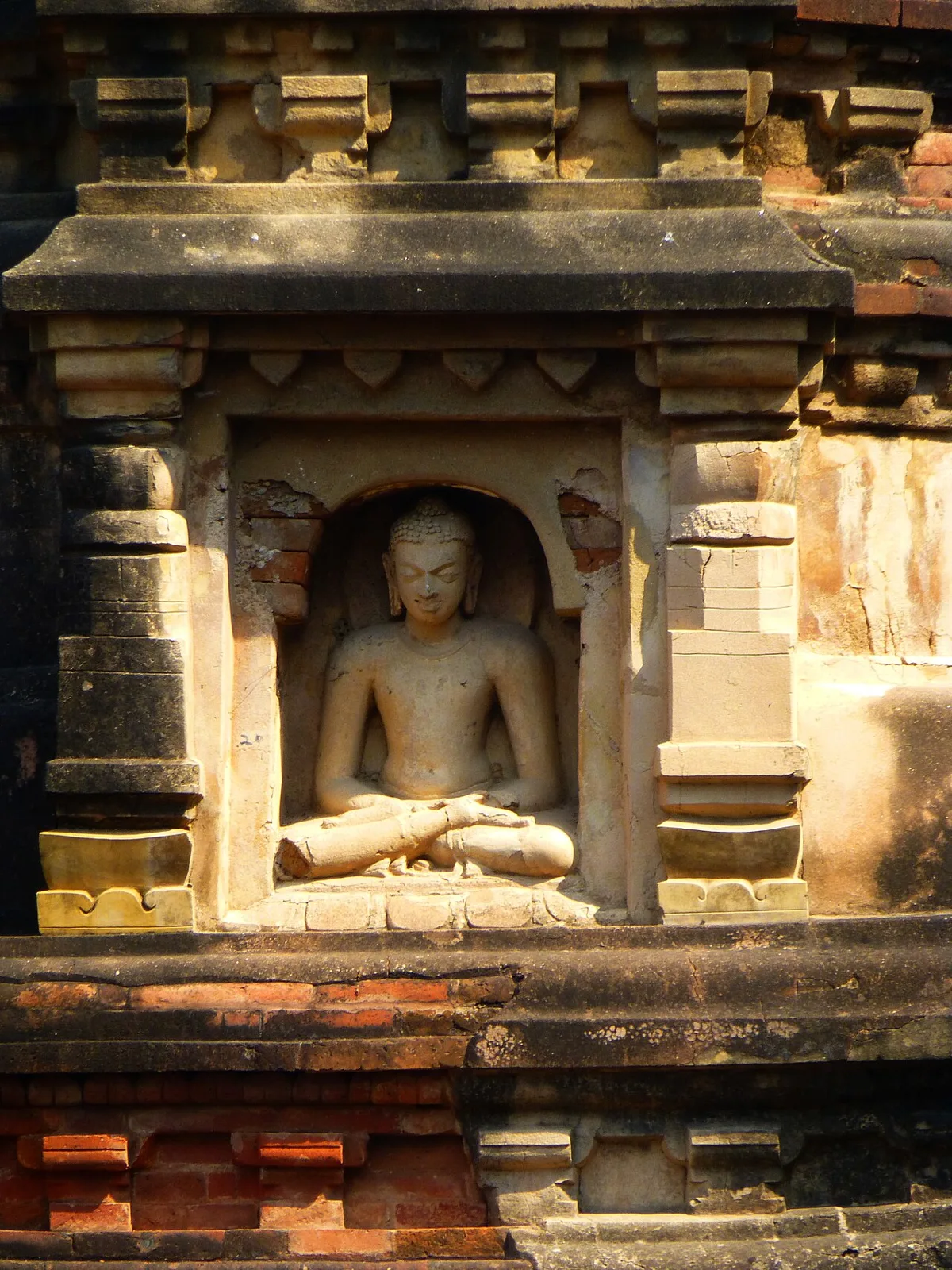
Nalanda is the site of a major Buddhist monastery in Bihar, visited for its history as a long-lived centre of learning and its role in Mahayana Buddhism.

Takht Sri Patna Sahib

82 km away · Patna district

Takht Sri Patna Sahib

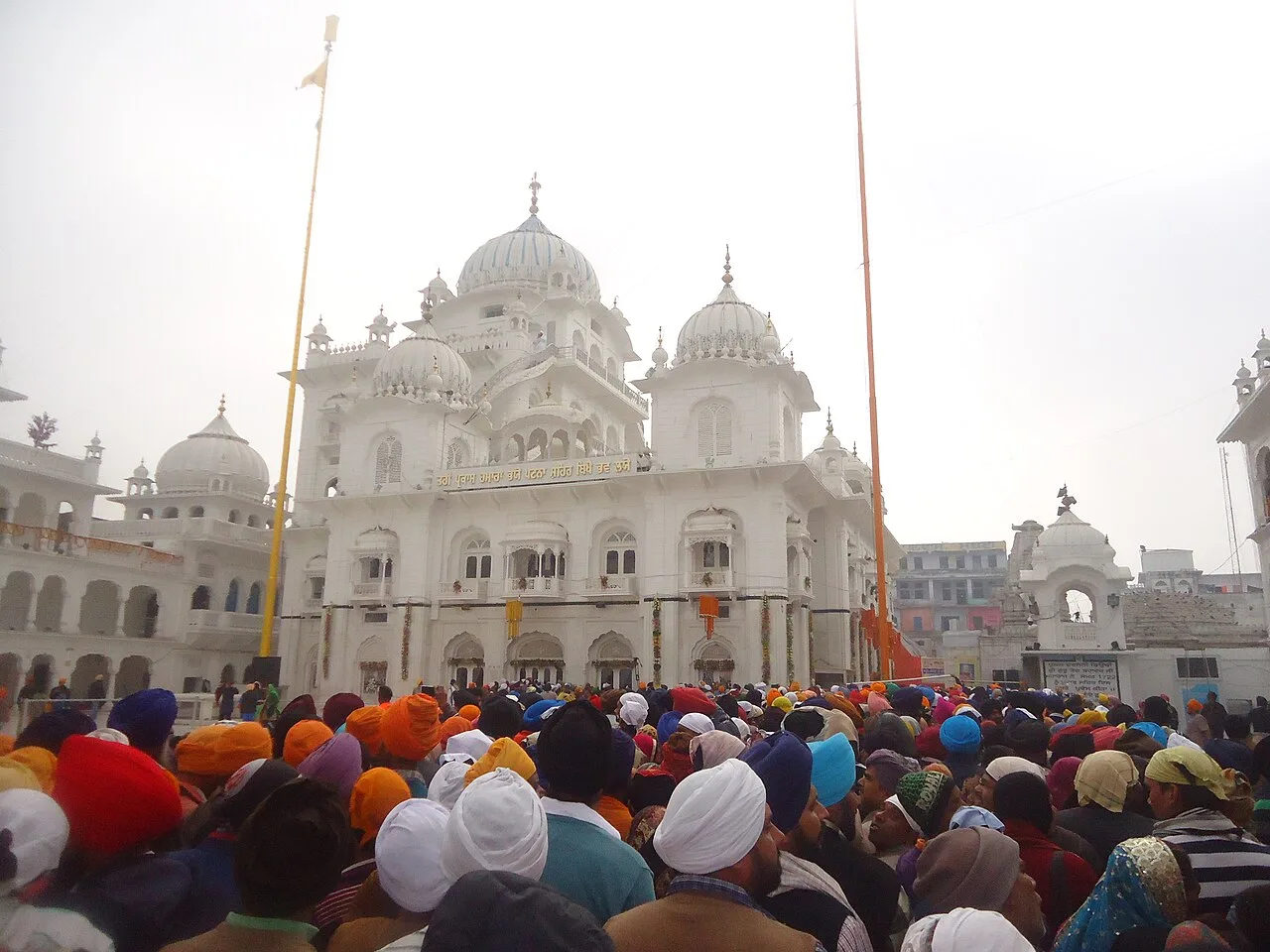
Takht Sri Patna Sahib, in Patna, Bihar, is among Sikhism’s five takhts. Visitors come to worship and pay their respects at this important Sikh religious site.

Agam Kuan

86 km away · Patna district

Agam Kuan

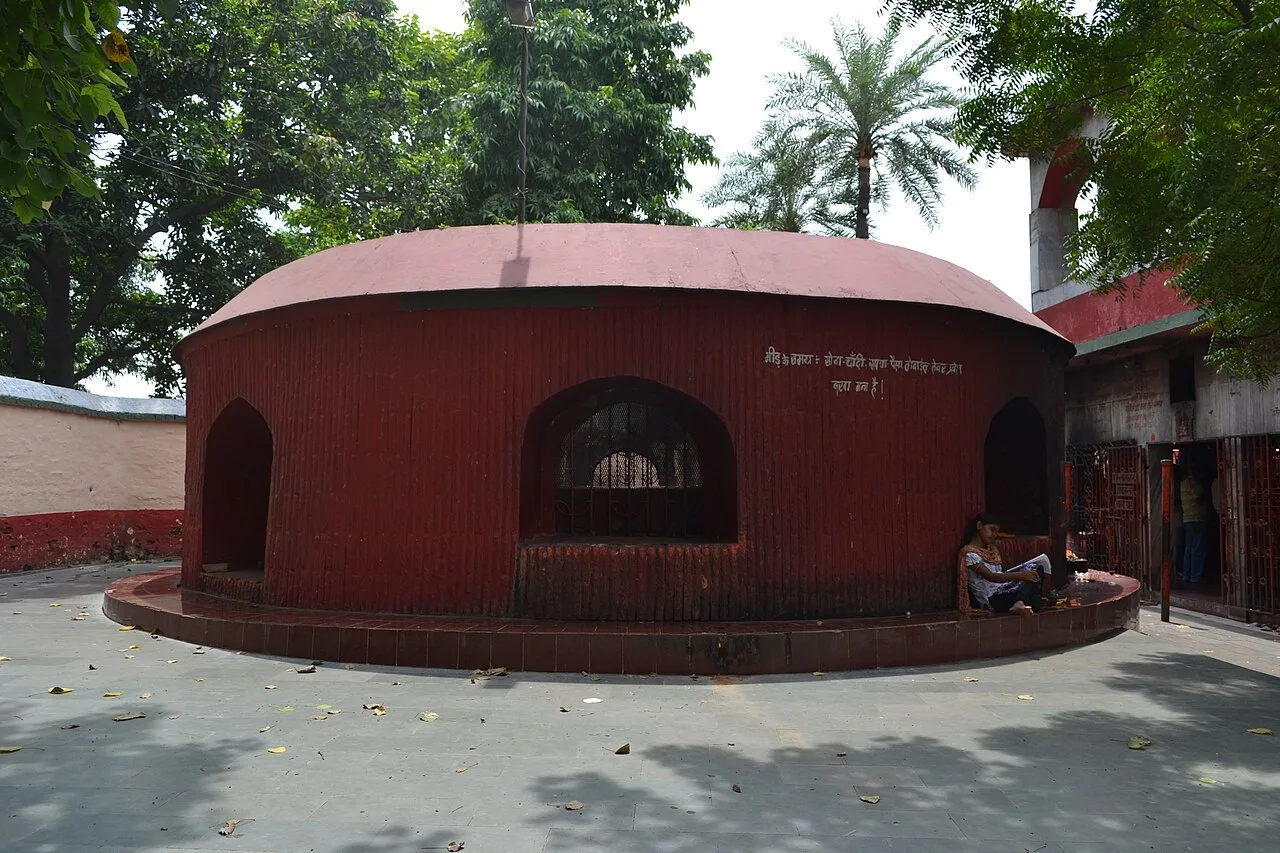
Agam Kuan is a historic circular well and archaeological site in Patna, Bihar, traditionally linked to Ashoka’s Mauryan era. Visitors also worship at the adjoining Shitala Devi temple, where the goddess and Saptamatrikas are venerated.

Darbhanga

86 km away · Darbhanga district

Darbhanga

Darbhanga is a major city and municipal corporation in Bihar, serving as the administrative centre of its district and division. Visitors encounter a longstanding centre of Mithila’s cultural, literary and musical traditions.

Map

Malhipur on the map

  1. 1Bhimbandh Wildlife Sanctuary
  2. 2Munger Fort
  3. 3Vishwa Shanti Stupa
  4. 4Pawapuri
  5. 5Nalanda mahavihara
  6. 6Takht Sri Patna Sahib
  7. 7Agam Kuan
  8. 8Darbhanga

Bihar

Other cities to explore