Ghumoopedia — Explore, Discover, Experience
Sign in
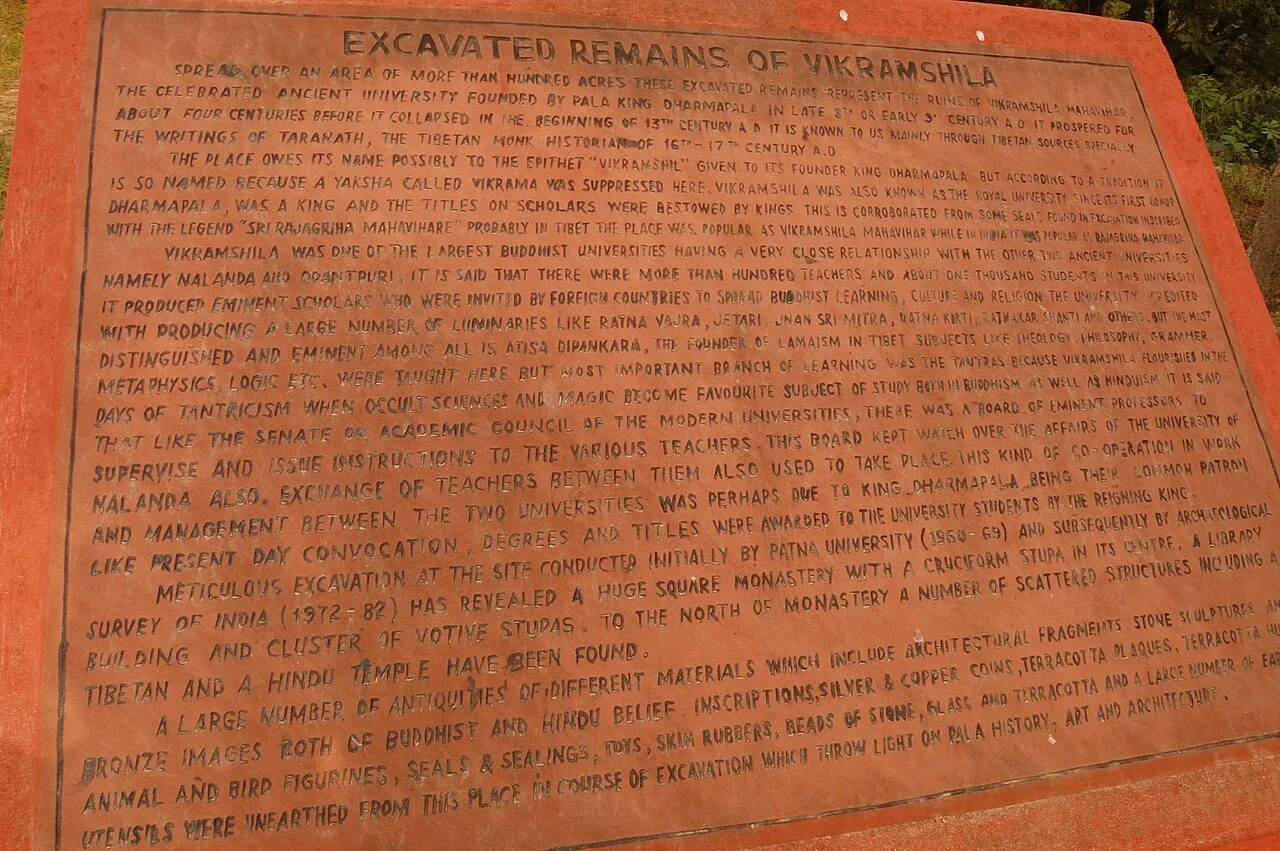
Vikramshila University Ruins, near Bhagalpur

City guide · Bihar

Bhagalpur

Bhagalpur is a major city in eastern Bihar and an administrative, educational and trading centre on the southern bank of the Ganges. Often called the Silk City, it is known for locally woven silk and the textile trade that links its workshops and markets with buyers across India.

Famous for

  • Bhagalpuri silk
  • Vikramshila Mahavihara
  • Gangetic dolphin sanctuary
  • Manasa Puja
  • Kali Puja processions

Why Bhagalpur matters

Bhagalpur is a major city in eastern Bihar and an administrative, educational and trading centre on the southern bank of the Ganges. Often called the Silk City, it is known for locally woven silk and the textile trade that links its workshops and markets with buyers across India. The city is also associated with ancient Champa, the capital of the Anga region, and serves as a base for exploring historic and natural sites nearby.

Visitors come for the remains of Vikramshila Mahavihara near Antichak, the Jain pilgrimage site at Champanagar and river landscapes around the Vikramshila Gangetic Dolphin Sanctuary. The sanctuary protects the Ganges’ endangered dolphins, India’s national aquatic animal. In the city, major draws include its silk-weaving neighbourhoods and lively festival calendar, especially Manasa Puja and the Kali Puja processions. Bhagalpur’s universities and technical institutions add to its role as a regional centre, while its location makes it a useful stop for journeys through the Ganges valley and eastern Bihar.
Famous for: crafts, trade & products

Bhagalpur is best known for its silk, especially the distinctive fabric sold as Bhagalpuri silk. Weavers and textile businesses work with silk yarn to make sarees, dress materials, scarves and other fabrics. Nathnagar and Champanagar are among the neighbourhoods associated with weaving and the silk trade; visitors can look for locally made textiles in workshops and fabric shops there, as well as in central markets. Ask about the fabric’s weave and finish, since products and quality vary between sellers.

Silk production and trading remain an important part of the city’s identity, alongside its role as a centre for education and public administration. Bhagalpur silk is recognised as a geographical indication, connecting the product’s name with its place of origin. The city is also home to Tilka Manjhi Bhagalpur University, Bihar Agricultural University and the Indian Institute of Information Technology Bhagalpur. For a closer look at the craft, explore the weaving areas and speak with local sellers; for ready-made pieces, central textile shops offer a convenient starting point.

History

Bhagalpur is closely linked with ancient Champa, traditionally identified with Champanagar, which was the capital of Anga. Its position beside the Ganges helped make the area a centre for settlement and exchange. The region’s best-known Buddhist landmark is Vikramshila Mahavihara, founded under the Pala ruler Dharmapala. Its ruins lie near Antichak, outside the city, and reflect the importance of Buddhist learning in medieval eastern India.

Under British rule, Bhagalpur developed as an administrative centre and a hub for river-linked trade. Its silk industry also helped shape the city’s reputation and commercial life. In modern Bihar, it remains the headquarters of Bhagalpur district and division, with universities and other institutions serving the wider region. Recent development has included its selection for the national Smart Cities Mission, while plans for a central university near the Vikramshila ruins highlight the continuing significance of the area’s historic legacy.

Food, festivals & culture

Bhagalpur’s food reflects the wider cuisine of Bihar. Everyday meals commonly feature rice or roti, lentils, seasonal vegetables and dishes made with sattu; litti chokha is a familiar regional favourite. Local sweet shops sell traditional Bihar sweets, with offerings that can include khaja, tilkut and anarsa. Recipes and availability vary by season and shop.

Chhath is an important autumn festival, marked by prayers and offerings to the Sun, often beside water. Durga Puja and Kali Puja bring neighbourhood celebrations, decorated pandals and processions; Manasa Puja is another distinctive part of local religious life. Hindi and Angika are widely heard, alongside Urdu and other regional languages. Hindu temples, including Budhanath Temple, and the Jain pilgrimage site at Champanagar reflect the city’s varied religious traditions. Folk music and dance from the Anga region feature at community celebrations, while festival gatherings are an especially good time to experience local performance and devotional music.

Visiting the city

The cooler months, roughly October to March, are generally the most comfortable time to visit. Summers can be very hot, and the monsoon brings rain and high humidity. Bhagalpur Airport is not a regular commercial gateway; Deoghar Airport is a nearby option for air travel, while Patna has a larger range of connections. Check current flight options before planning. Bhagalpur Junction, commonly called Bhagalpur railway station, is the city’s main rail station.

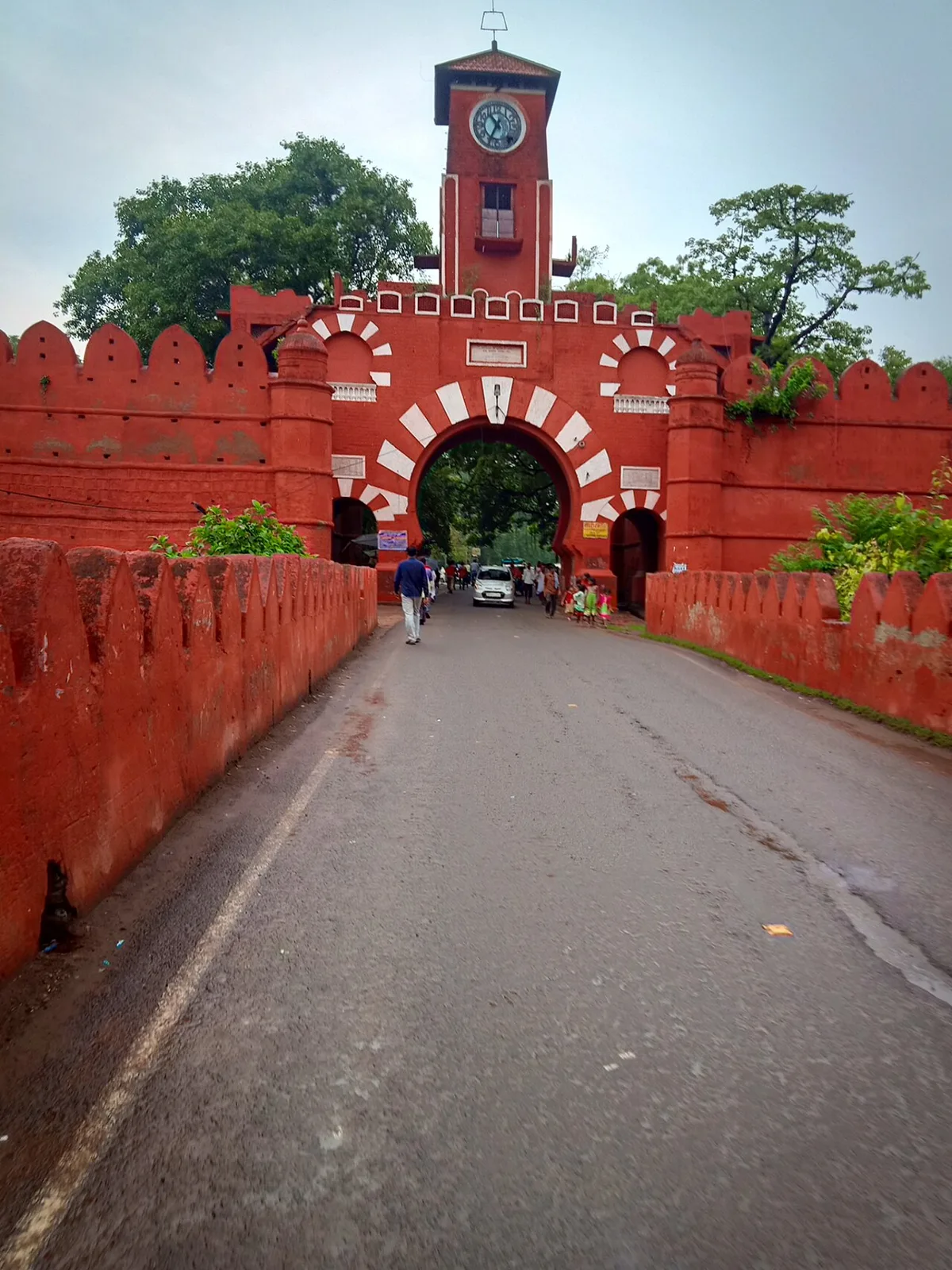
Auto-rickshaws and local taxis are useful for getting around; arrange a vehicle for sites outside the city, including Vikramshila Mahavihara and the dolphin sanctuary area. Champanagar and Nathnagar are good areas to explore for silk weaving and religious heritage. Central Bhagalpur, around Ghantaghar and Tilkamanjhi, offers shops and everyday city life. Allow extra time for travel beyond the centre and check local conditions before visiting riverbank sites.

Trips from the city

Nearest places to visit from Bhagalpur

Our closest destination guides, by straight-line distance.

Vikramshila University Ruins

33 km away · Bhagalpur district

Vikramshila University Ruins

Vikramshila University Ruins mark a major Buddhist centre of learning in Bihar. Visitors come to explore the site and learn about its scholars and place in Buddhist education.

Mandar Hill

45 km away · Bhagalpur district

Mandar Hill

Mandar Hill, also called Mandar Parvat, is a roughly 700-foot hill at Bounsi in Bihar’s Banka district. Hindus and Jains visit it as a place of pilgrimage.

Munger Fort

53 km away · Munger district

Munger Fort

Munger Fort is a historic stronghold in Bihar, set on a rocky rise beside the Ganges. Visitors come to see its tombs, palace, temple, riverside ghat and British-era cemetery.

Katihar

69 km away · Purnia district

Katihar

Katihar is a major city in Bihar, known for its regional commercial, educational and administrative roles. Travellers also use it as a railway hub linking routes towards North Bengal and the north-east.

Bhimbandh Wildlife Sanctuary

70 km away · Munger district

Bhimbandh Wildlife Sanctuary

In Bihar’s Munger district, Bhimbandh Wildlife Sanctuary is a sanctuary devoted to wildlife. Visitors come to spend time in this wildlife-focused place in the district’s south-west.

Vishwa Shanti Stupa

126 km away · Gaya district

Vishwa Shanti Stupa

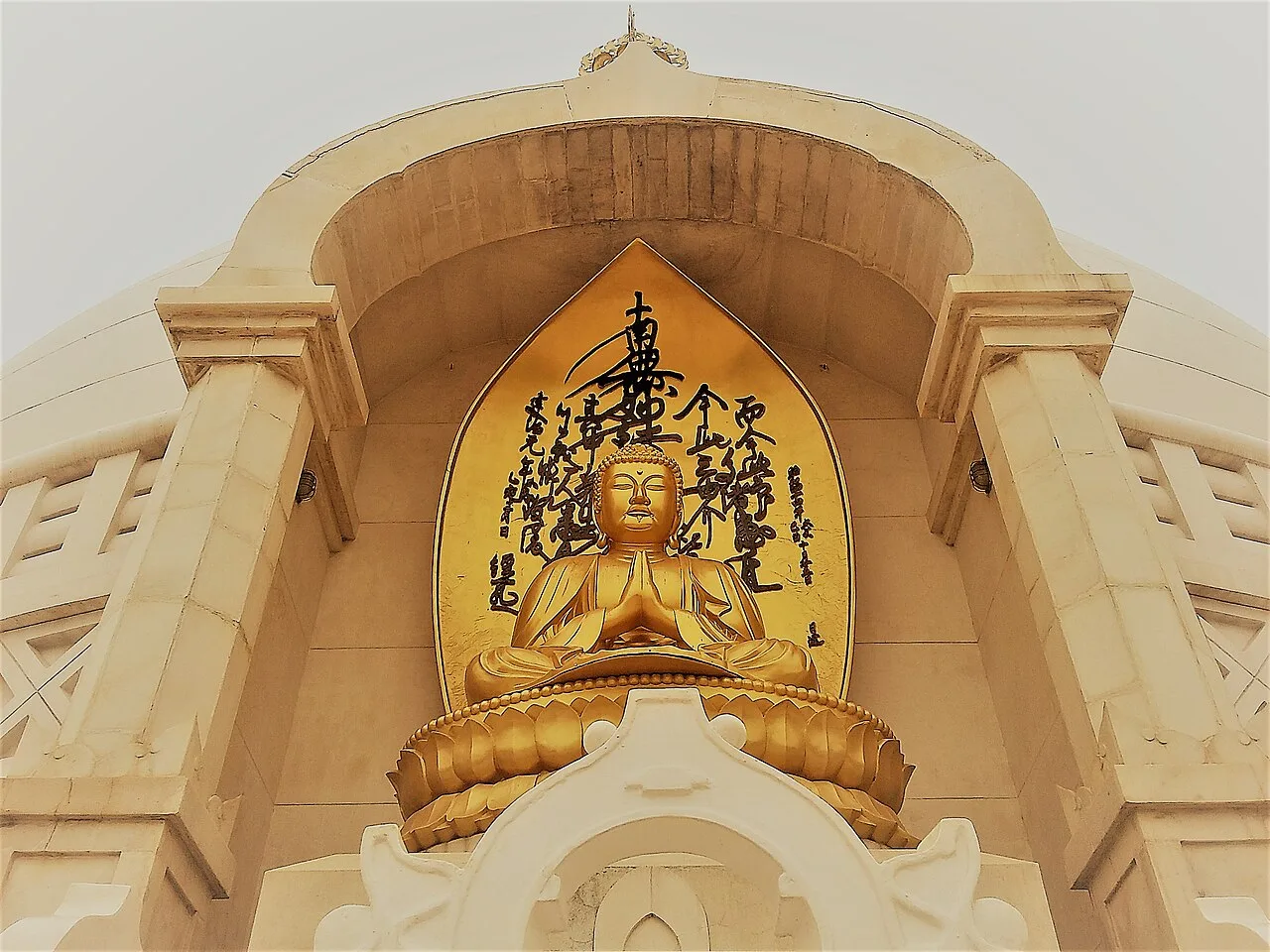
Vishwa Shanti Stupa is a white Buddhist pagoda in Rajgir, visited for its Buddha statues, nearby Japanese temple and park, and prayers for peace.

Pawapuri

145 km away · Gaya district

Pawapuri

Pawapuri, also called Pavapuri, is a Jain sacred site in Bihar’s Nalanda district. People travel there on pilgrimage because it is associated with Mahavira’s nirvana.

Kakolat Falls

148 km away · Nawada district

Kakolat Falls

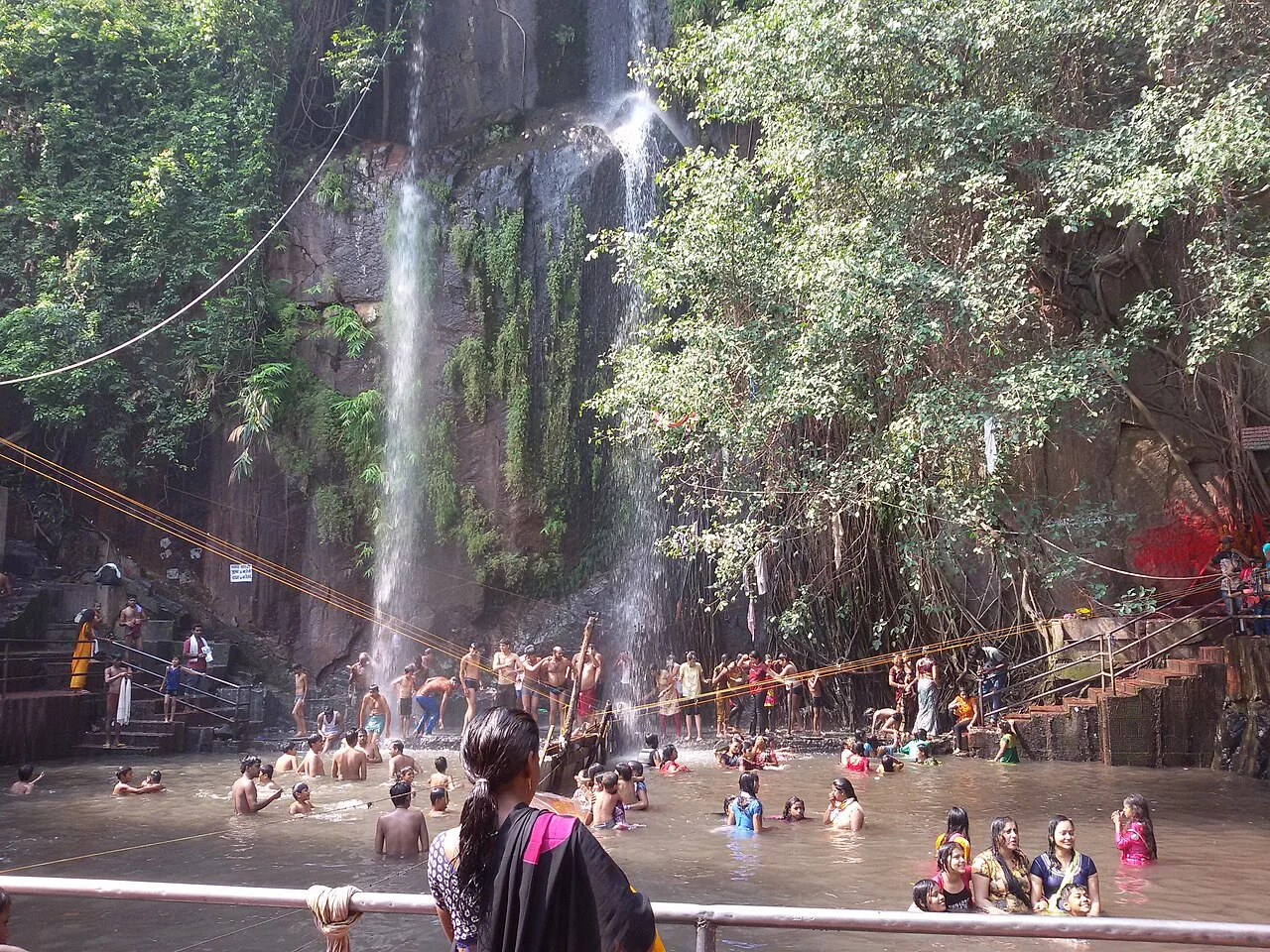
Kakolat Falls is a waterfall in Bihar’s Nawada district. Visitors come to see the falling water, making it a destination centred on this natural feature.

Map

Bhagalpur on the map

  1. 1Vikramshila University Ruins
  2. 2Mandar Hill
  3. 3Munger Fort
  4. 4Katihar
  5. 5Bhimbandh Wildlife Sanctuary
  6. 6Vishwa Shanti Stupa
  7. 7Pawapuri
  8. 8Kakolat Falls

Bihar

Other cities to explore