Ghumoopedia — Explore, Discover, Experience
Sign in
Lauria Nandangarh, near Kataiya

City guide · Bihar

Kataiya

Kataiya, also commonly spelled Kateya, is a small town in southwestern Gopalganj district, close to the Uttar Pradesh border. Its importance is chiefly regional: it serves nearby villages with everyday shopping, local services, education and connections to larger centres in Gopalganj and beyond.

Famous for

  • Gopalganj market town
  • Agricultural trade
  • Bhojpuri-speaking region
  • Chhath celebrations

Why Kataiya matters

Kataiya, also commonly spelled Kateya, is a small town in southwestern Gopalganj district, close to the Uttar Pradesh border. Its importance is chiefly regional: it serves nearby villages with everyday shopping, local services, education and connections to larger centres in Gopalganj and beyond. Rather than being a major sightseeing destination, Kataiya offers a glimpse of life in the market towns of the north Bihar countryside.

Visitors may come to meet family, attend local festivals or explore the surrounding rural landscape. The town’s bazaars are its busiest public spaces, especially on market days, when residents from nearby settlements gather to buy household goods and farm supplies. Local temples and mosques serve as centres of worship and community life. Kataiya can also be a starting point for exploring the wider district, including the well-known Thawe Durga Temple. Its appeal lies less in monumental attractions than in its everyday role as a practical, lively service centre for the surrounding area.
Famous for: crafts, trade & products

Kataiya is best understood as a local trading and service town, not as a centre for a nationally recognised textile, craft or GI-tagged product. Its shops and market stalls cater to residents of the town and nearby villages, with everyday provisions, clothing, household goods and agricultural supplies among the typical offerings. The main bazaar is the most convenient place to browse and see local commerce; availability and selection vary by season and market day.

The surrounding countryside supports agriculture, and trade in farm produce forms part of the wider local economy. However, there is no widely established signature product or dedicated craft quarter that visitors should expect to find. For locally made goods or seasonal produce, ask shopkeepers or residents about current market days and nearby sellers. Those seeking a broader range of shopping, services or district-level institutions can look to larger centres such as Gopalganj. Kataiya’s identity is therefore rooted in its everyday bazaar and its links with the villages around it, rather than in a specialised industry or tourist-oriented retail scene.

History

Kataiya’s history is best viewed through its role as a settlement serving the villages of the Gopalganj region. The town developed as a local centre for trade, administration and daily services, rather than as a major royal capital with a prominent surviving palace or fort. For generations, nearby agricultural communities relied on such market towns to exchange produce and obtain household necessities.

During British rule, the wider region was governed within the administrative landscape of Saran. After independence, the growth of roads, public services and local institutions strengthened connections between rural settlements and district centres. Gopalganj became a separate district in 1973, giving the area a more distinct administrative focus. In recent decades, Kataiya has continued to serve its surrounding communities as a small urban centre. Its historical character is most evident in this steady relationship between town and countryside, rather than in a single landmark or well-documented ruling dynasty.

Food, festivals & culture

Daily life in Kataiya reflects the Bhojpuri-speaking culture of western Bihar. Bhojpuri and Hindi are widely used, with Urdu also spoken in the region. Family and community gatherings are accompanied by folk songs, including seasonal Chaita and Kajri, as well as songs for weddings and other life events. Local religious places—temples and mosques—are important settings for worship and neighbourhood interaction.

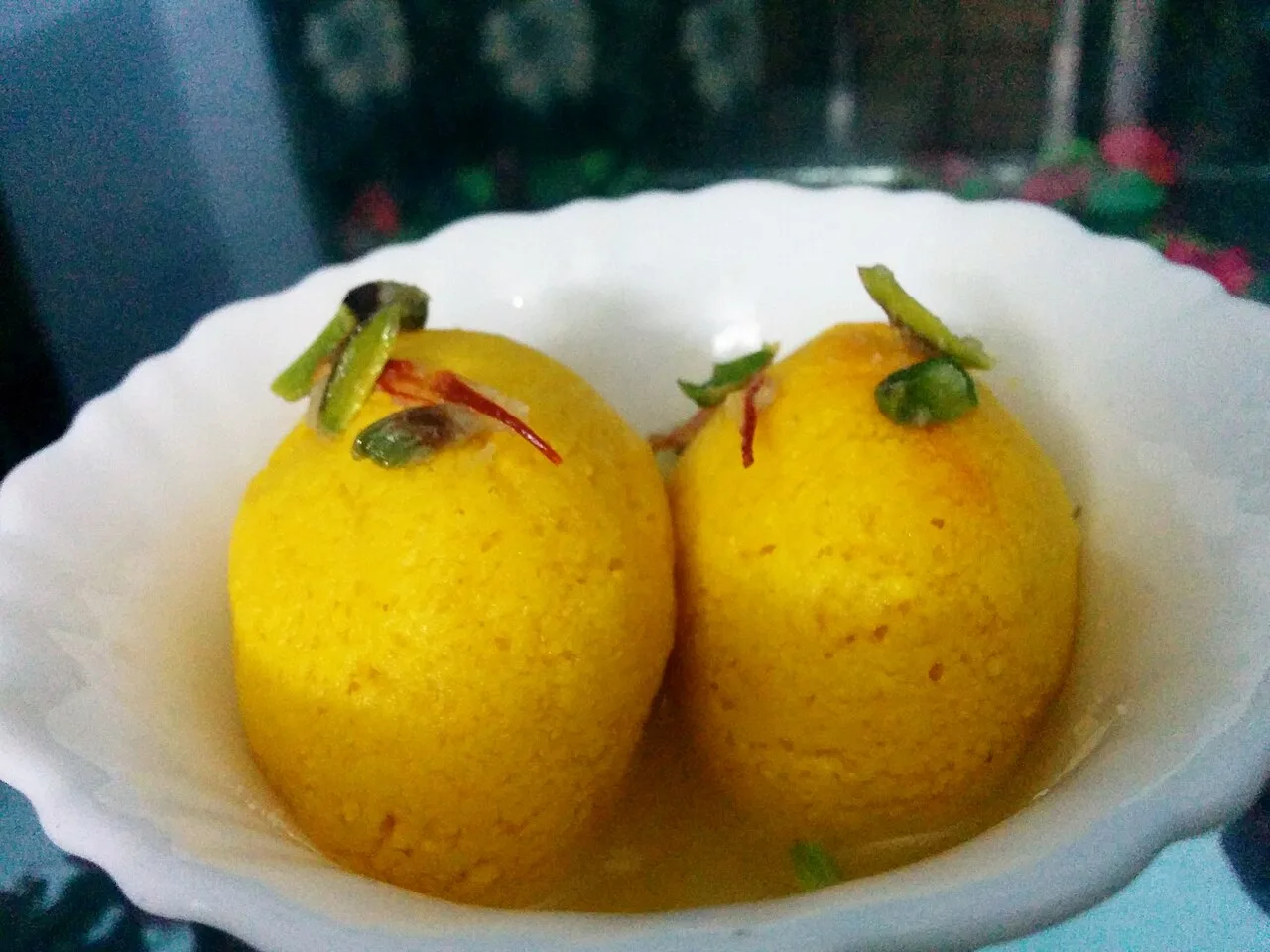
Chhath is among the most significant festivals, observed in autumn after Diwali and again in spring, with fasting, prayers and offerings at water. Holi, Diwali, Durga Puja and Eid are also celebrated, bringing families and neighbours together. Everyday meals draw on familiar regional staples such as rice, lentils, seasonal vegetables and roti; litti-chokha and sattu preparations are common across the wider Bihar region. Tea stalls and small eateries provide simple refreshments, while sweets are especially popular during festivals and family occasions. Menus and customs vary from household to household, so visitors may find the most distinctive tastes in home cooking and seasonal market foods.

Visiting the city

October to March is generally the most comfortable period to visit, with cooler weather than the hot summer months; monsoon travel can be affected by heavy rain. Kushinagar International Airport is a nearby air gateway, while Gorakhpur Airport may offer another option depending on flight connections. Check current services before setting out. Kateya railway station serves the town; Thawe Junction is a larger rail hub for connections in the district.

Auto-rickshaws and local shared vehicles are useful for short trips, while buses and road transport connect Kataiya with surrounding towns. The main bazaar is the best area to explore on foot for shops, food stalls and everyday town life. The station and bus-stand area are practical points for arriving and arranging onward travel. Allow extra time for local road conditions, particularly during the rainy season.

Trips from the city

Nearest places to visit from Kataiya

Our closest destination guides, by straight-line distance.

Lauria Nandangarh

58 km away · East Champaran district

Lauria Nandangarh

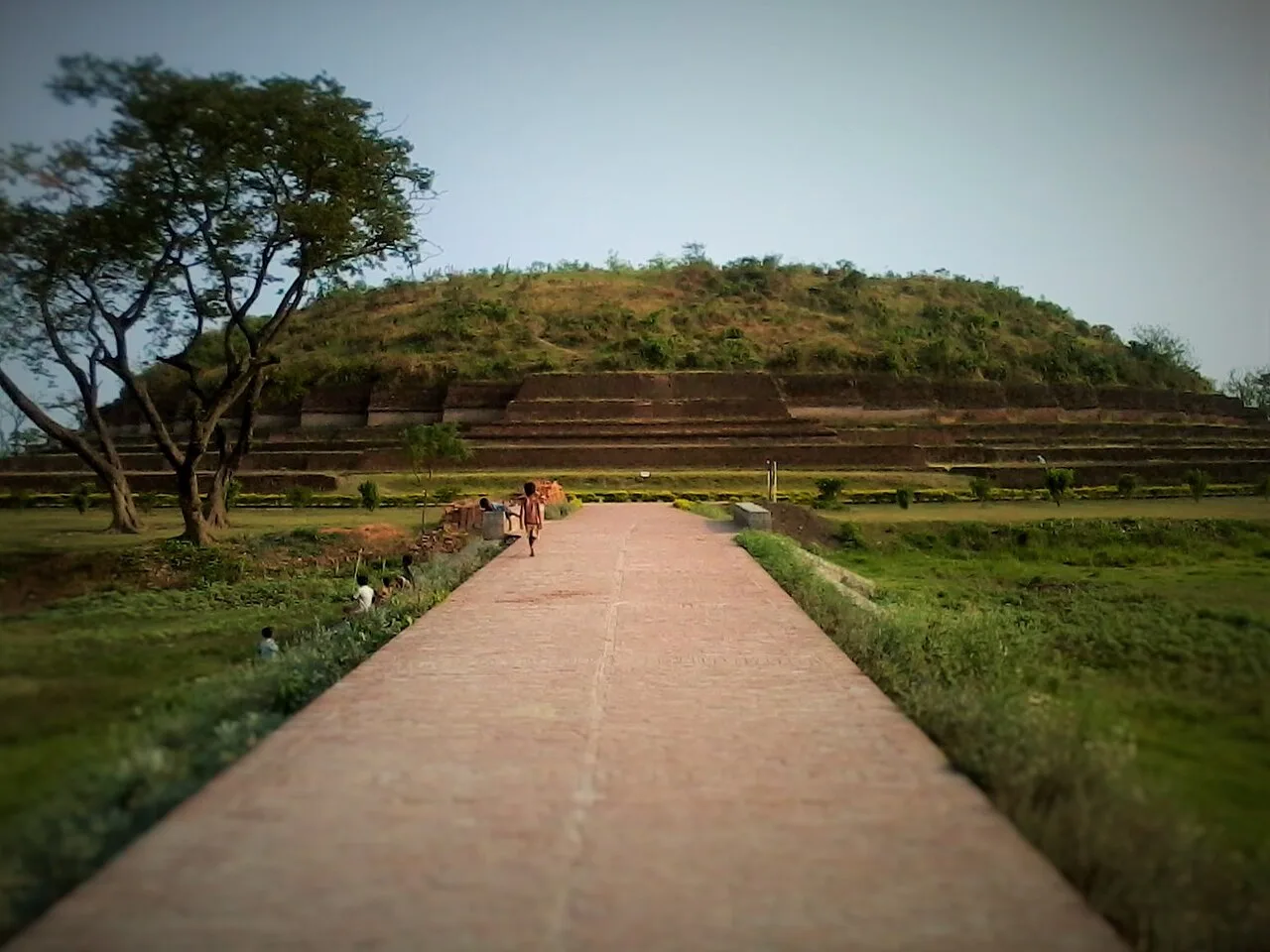
Lauria Nandangarh is a historic settlement in Bihar’s West Champaran district, known for an Ashokan pillar and a nearby mound, with Mauryan-period remains found in the area.

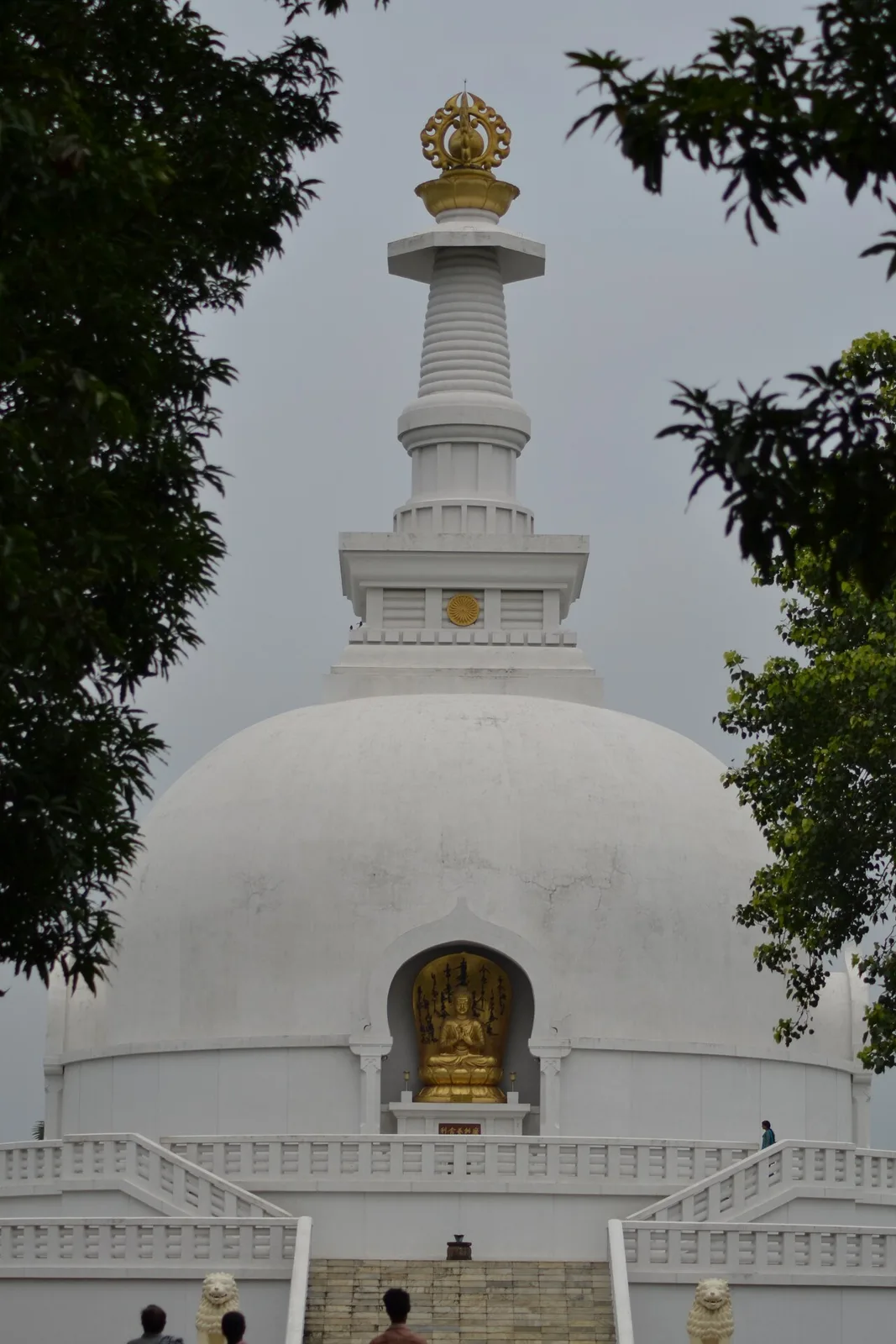
Kesaria stupa

81 km away · East Champaran district

Kesaria stupa

Kesariya Stupa is a Buddhist monument in Bihar’s East Champaran district, at Kesariya near Mehsi. Visitors come to see the structure, whose construction began in the third century BCE.

Valmiki National Park

85 km away · West Champaran district

Valmiki National Park

Valmiki National Park, in West Champaran district, Bihar, is the state’s only national park and a tiger reserve. Visitors come to experience its protected setting.

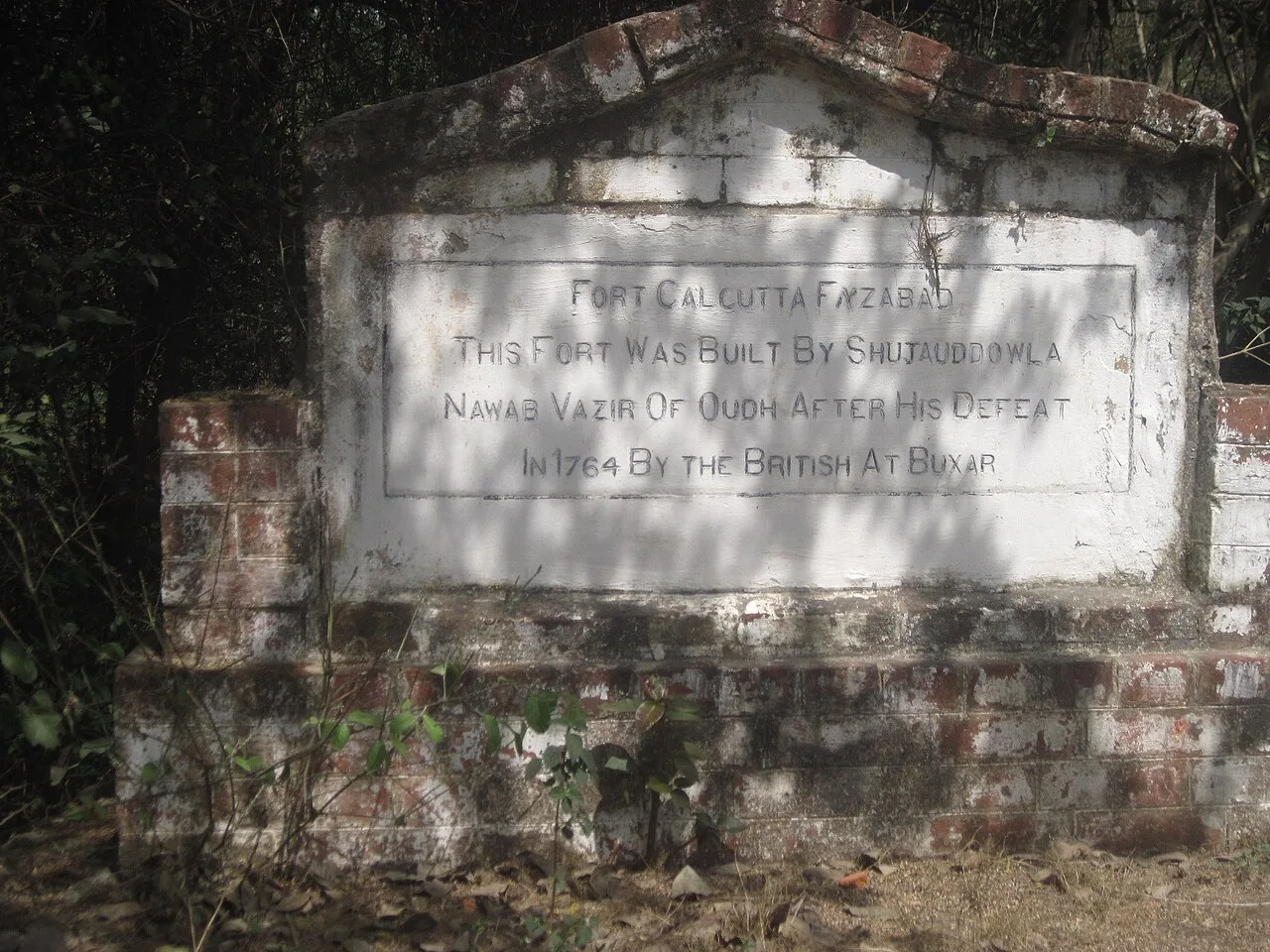
Buxar Fort

113 km away · Buxar district

Buxar Fort

Buxar Fort is a fort in Bihar’s Buxar district, founded by King Rudra Deo. Its history and the city’s religious and cultural associations give visitors context for exploring the area.

Vaishali

119 km away · Vaishali district

Vaishali

Vaishali is an archaeological site in Bihar associated with an ancient republic and important events in Buddhist and Jain history. Visitors come to see its stupas and Ashokan pillar and to explore these religious connections.

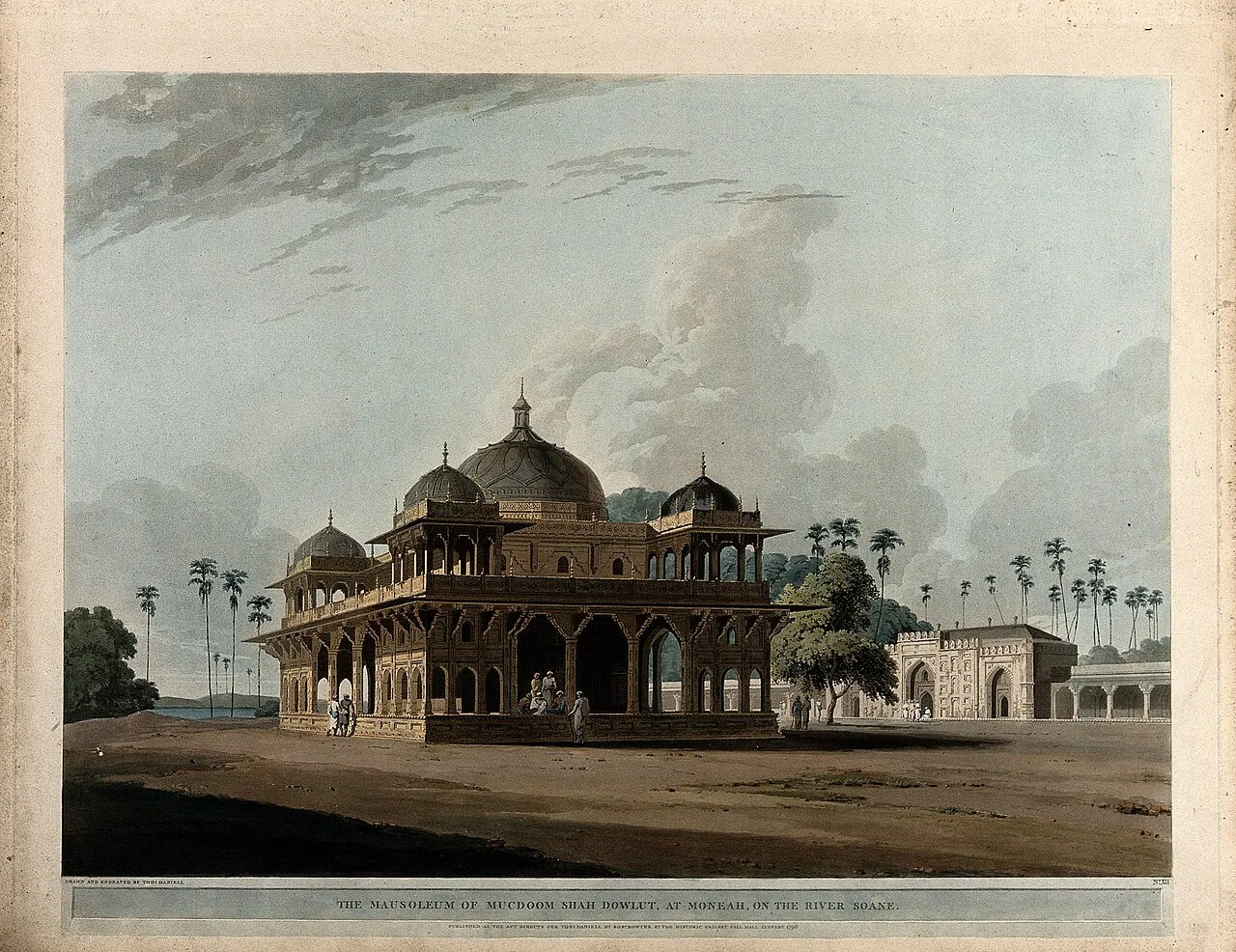
Maner

129 km away · Patna district

Maner

Maner, also called Maner Sharif, is a historic town and administrative block in Bihar’s Patna district. Visitors are drawn by its Mughal-era dargahs and its importance as a Sufi pilgrimage destination.

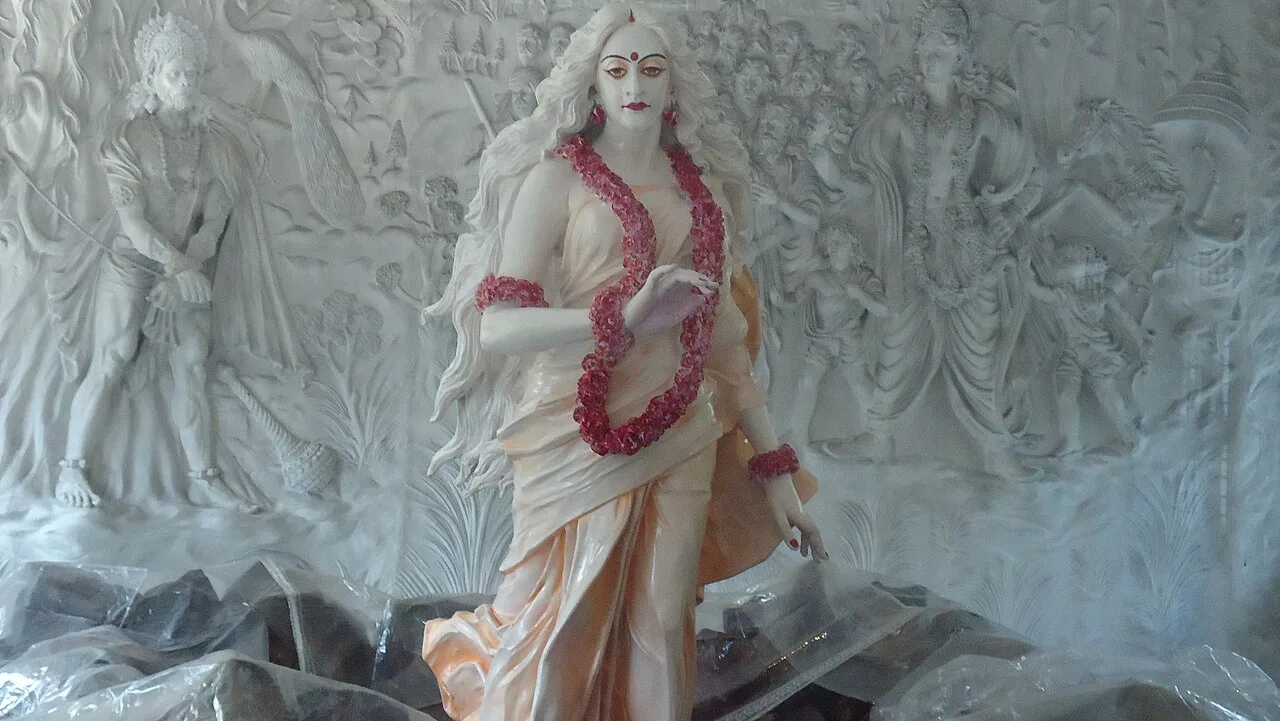
Sitamarhi

141 km away · Sitamarhi district

Sitamarhi

Sitamarhi is a city in Bihar’s Tirhut Division and the administrative centre of its district. Visitors are drawn by the Hindu tradition linking it to Sītā’s birth.

Sonpur

146 km away · Saran district

Sonpur

Sonpur, officially known as Sonepur, is a city in Bihar’s Saran district, beside the Gandaki and Ganges rivers. Visitors come for its cattle fair, which begins on Kartik Poornima and is Asia’s largest.

Map

Kataiya on the map

  1. 1Lauria Nandangarh
  2. 2Kesaria stupa
  3. 3Valmiki National Park
  4. 4Buxar Fort
  5. 5Vaishali
  6. 6Maner
  7. 7Sitamarhi
  8. 8Sonpur

Bihar

Other cities to explore