Ghumoopedia — Explore, Discover, Experience
Sign in
Nalanda mahavihara, near Rajgir

City guide · Bihar

Rajgir

Rajgir, in Bihar’s Nalanda district, is one of the region’s most important centres of pilgrimage and ancient history. Known in early sources as Rajagriha, or “royal house,” it was the first capital of Magadha, the kingdom that later became a major power in Indian history.

Famous for

  • Buddhist pilgrimage sites
  • Jain temples and heritage
  • Cyclopean stone walls
  • Natural hot springs
  • Rajgir Mahotsav

Why Rajgir matters

Rajgir, in Bihar’s Nalanda district, is one of the region’s most important centres of pilgrimage and ancient history. Known in early sources as Rajagriha, or “royal house,” it was the first capital of Magadha, the kingdom that later became a major power in Indian history. Hills ring the old settlement, where ruins of massive stone fortifications recall its strategic past.

Visitors come for places associated with the Buddha and Mahavira, including Venuvana, Griddhakuta (Vulture’s Peak), caves and hilltop Jain temples. Rajgir’s hot springs and wooded slopes add a natural dimension to the visit, while the ropeway provides access to the hilltop Vishwa Shanti Stupa. The ancient learning centre of Nalanda is nearby, as is the modern Nalanda University, founded in 2010. With Buddhist, Jain and Hindu sacred sites close together, Rajgir remains a distinctive destination for pilgrimage, heritage tourism and excursions across the wider Magadh region.

Famous for: crafts, trade & products

Rajgir is better known for pilgrimage, heritage and tourism than for a signature textile, saree or handicraft industry. It has no widely recognised local saree tradition or major craft market. Shops in the town centre and around busy visitor areas sell religious images, prayer beads, books, small souvenirs and everyday goods; selection varies, so these are best treated as visitor purchases rather than evidence of a large craft sector.

A notable regional speciality is Silao khaja, a crisp layered sweet associated with nearby Silao and recognised with a Geographical Indication tag. Visitors can look for it in Silao’s sweet shops or at shops serving travellers in the Rajgir area. The surrounding district also has agricultural trade, while hotels, transport services, eateries and shops support the steady flow of pilgrims and tourists. The principal institution associated with the town’s wider knowledge landscape is Nalanda University, located nearby. For locally made products, ask sellers about the place of production; goods offered in tourist stalls may come from elsewhere in Bihar or India.

History

Rajgir’s early history is closely tied to Magadha. It served as a capital under dynasties including the Haryankas, whose kings Bimbisara and Ajatashatru are linked with the city. Buddhist traditions associate the Buddha with its hills and monasteries, while Jain traditions connect Rajgir with Mahavira and other Tirthankaras. The Mahabharata also remembers the city through the story of King Jarasandha. The age of the settlement is uncertain, but archaeological finds and the extensive Cyclopean walls point to a long-established fortified centre.

The capital shifted to Pataliputra under Udayin, and Rajgir gradually lost political prominence, though it remained an important sacred place. During British rule, the town formed part of colonial Bihar, and its ancient remains attracted archaeological attention. Since independence, pilgrimage and heritage tourism have shaped its development. Roads, rail connections and visitor facilities have grown, and the nearby Nalanda University, founded in 2010, has renewed the area’s association with learning.

Food, festivals & culture

Rajgir’s everyday food reflects the broader Magadh and Bihar region. Visitors will find dishes such as litti-chokha, sattu preparations, seasonal vegetables and rice-based meals. Silao khaja, a crisp layered sweet from nearby Silao, is a popular regional treat to seek out. Local eateries and sweet shops cater to pilgrims as well as travellers.

Religious life brings Buddhist, Jain and Hindu traditions into close contact. The town’s temples, monasteries, sacred hills and hot springs draw worshippers throughout the year. Chhath is observed in the autumn and spring, while the Hindu Malmas Mela takes place during the extra lunar month when it occurs. Rajgir Mahotsav, generally held in the cooler part of the year, features cultural performances and regional arts. Hindi and Magahi are widely used; Urdu and other languages are also heard. Folk music and dance are part of local celebrations, alongside performances presented at cultural events.

Visiting the city

October to March is generally the most comfortable season to visit, with cooler weather for exploring the hills and archaeological sites. Gaya International Airport is the nearest airport; Patna’s Jay Prakash Narayan Airport is another option. Rajgir railway station serves the town, and buses and road connections link it with nearby places including Nalanda, Bihar Sharif and Patna.

Auto-rickshaws, e-rickshaws and taxis are useful for moving between the town, springs and heritage sites. Explore the old fortified valley, Venuvana, the hot springs and the modern town centre. Griddhakuta and the Vishwa Shanti Stupa are among the hill attractions; the ropeway offers access to the stupa area. Jain temples and pilgrimage sites are spread across the surrounding hills, so allow time for walking and check local access conditions before setting out.

Trips from the city

Nearest places to visit from Rajgir

Our closest destination guides, by straight-line distance.

Nalanda mahavihara

12 km away · Nalanda district

Nalanda mahavihara

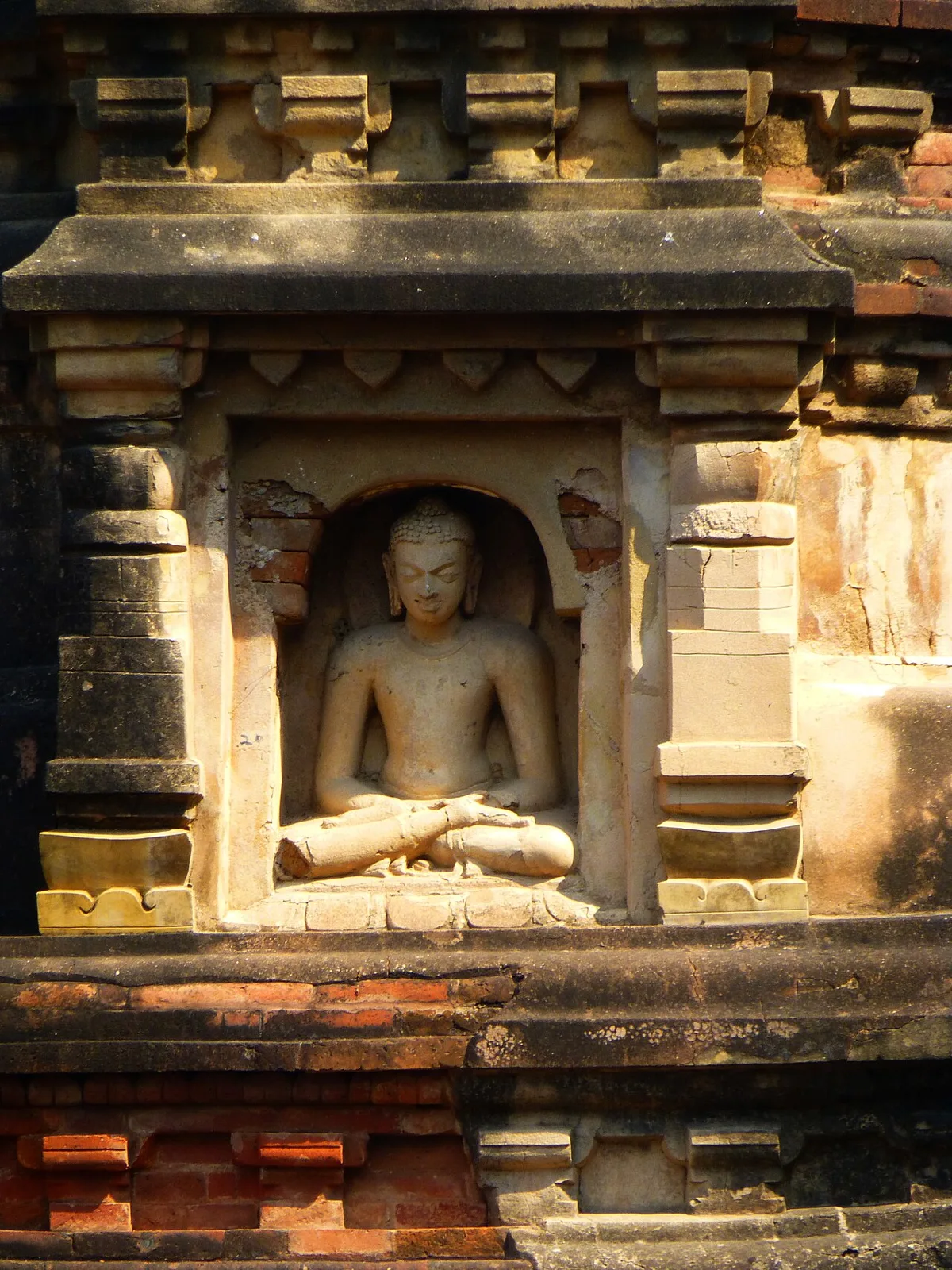
Nalanda is the site of a major Buddhist monastery in Bihar, visited for its history as a long-lived centre of learning and its role in Mahayana Buddhism.

Pawapuri

14 km away · Gaya district

Pawapuri

Pawapuri, also called Pavapuri, is a Jain sacred site in Bihar’s Nalanda district. People travel there on pilgrimage because it is associated with Mahavira’s nirvana.

Vishwa Shanti Stupa

33 km away · Gaya district

Vishwa Shanti Stupa

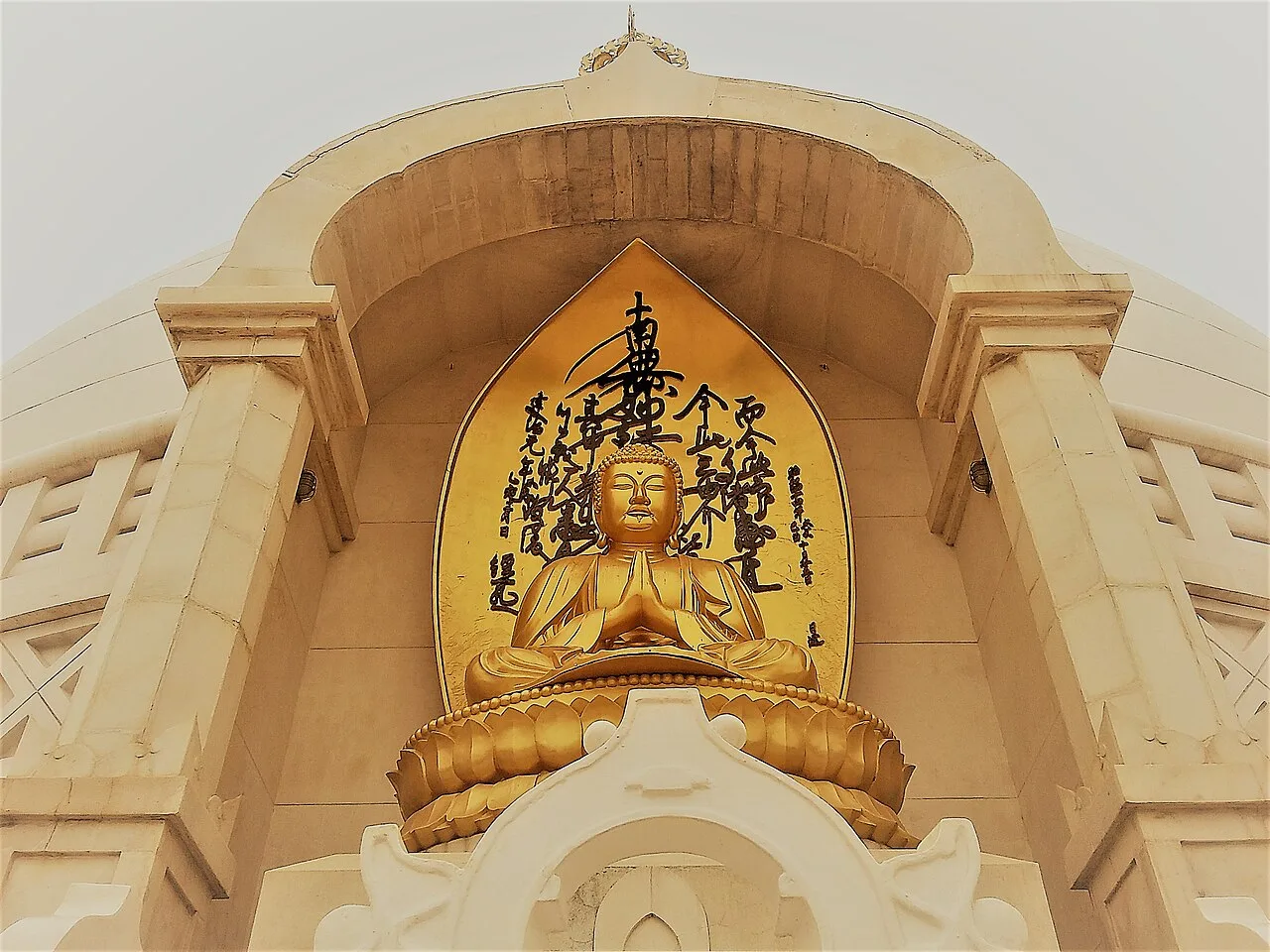
Vishwa Shanti Stupa is a white Buddhist pagoda in Rajgir, visited for its Buddha statues, nearby Japanese temple and park, and prayers for peace.

Barabar Caves

36 km away · Jehanabad district

Barabar Caves

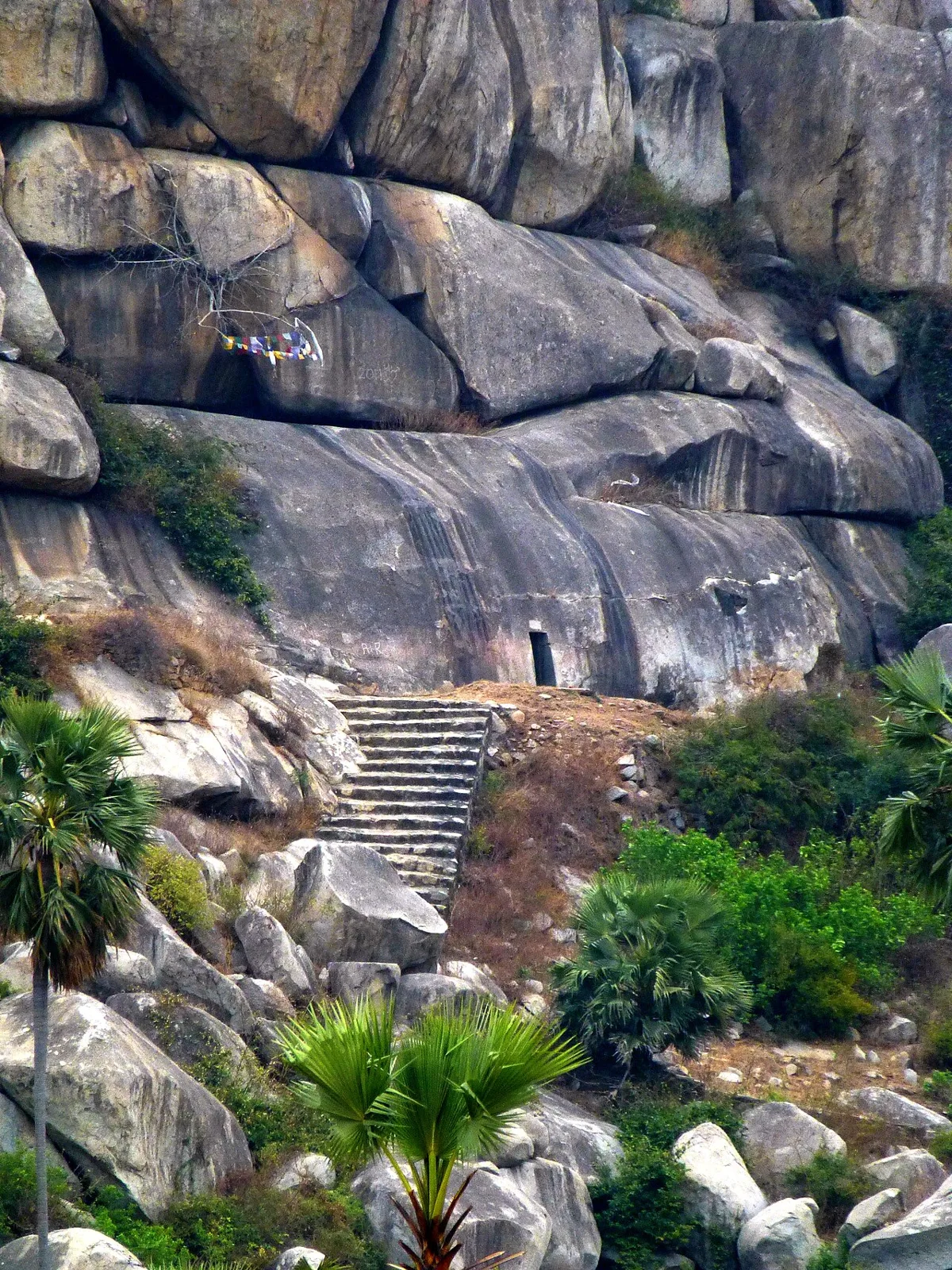
This Mauryan-era cave complex in Bihar extends across Barabar and Nagarjuni hills. Visitors come to see its inscriptions, polished granite chambers and early examples of Indian rock-cut architecture.

Kakolat Falls

42 km away · Nawada district

Kakolat Falls

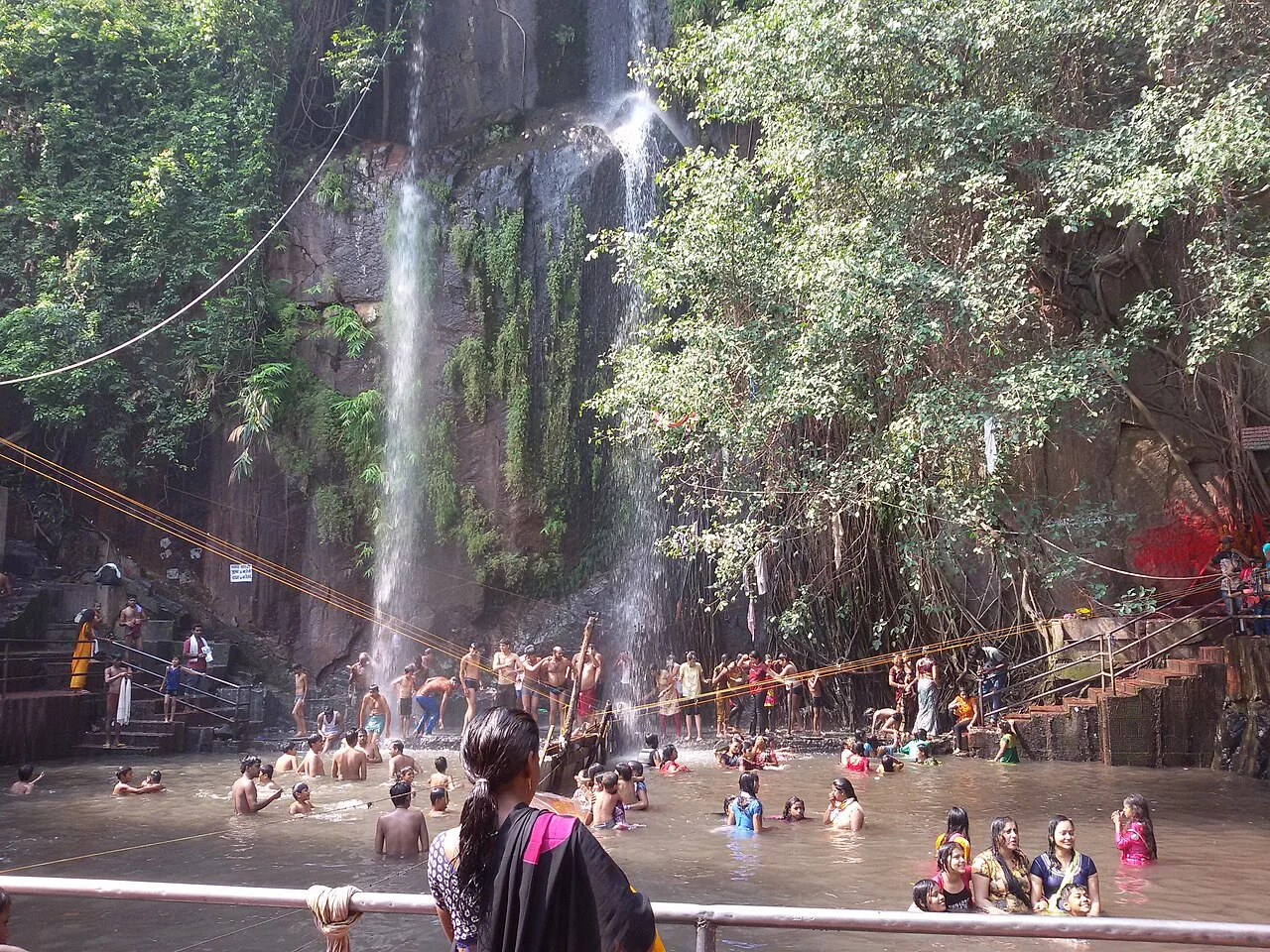
Kakolat Falls is a waterfall in Bihar’s Nawada district. Visitors come to see the falling water, making it a destination centred on this natural feature.

Bodhi tree

57 km away · Gaya district

Bodhi tree

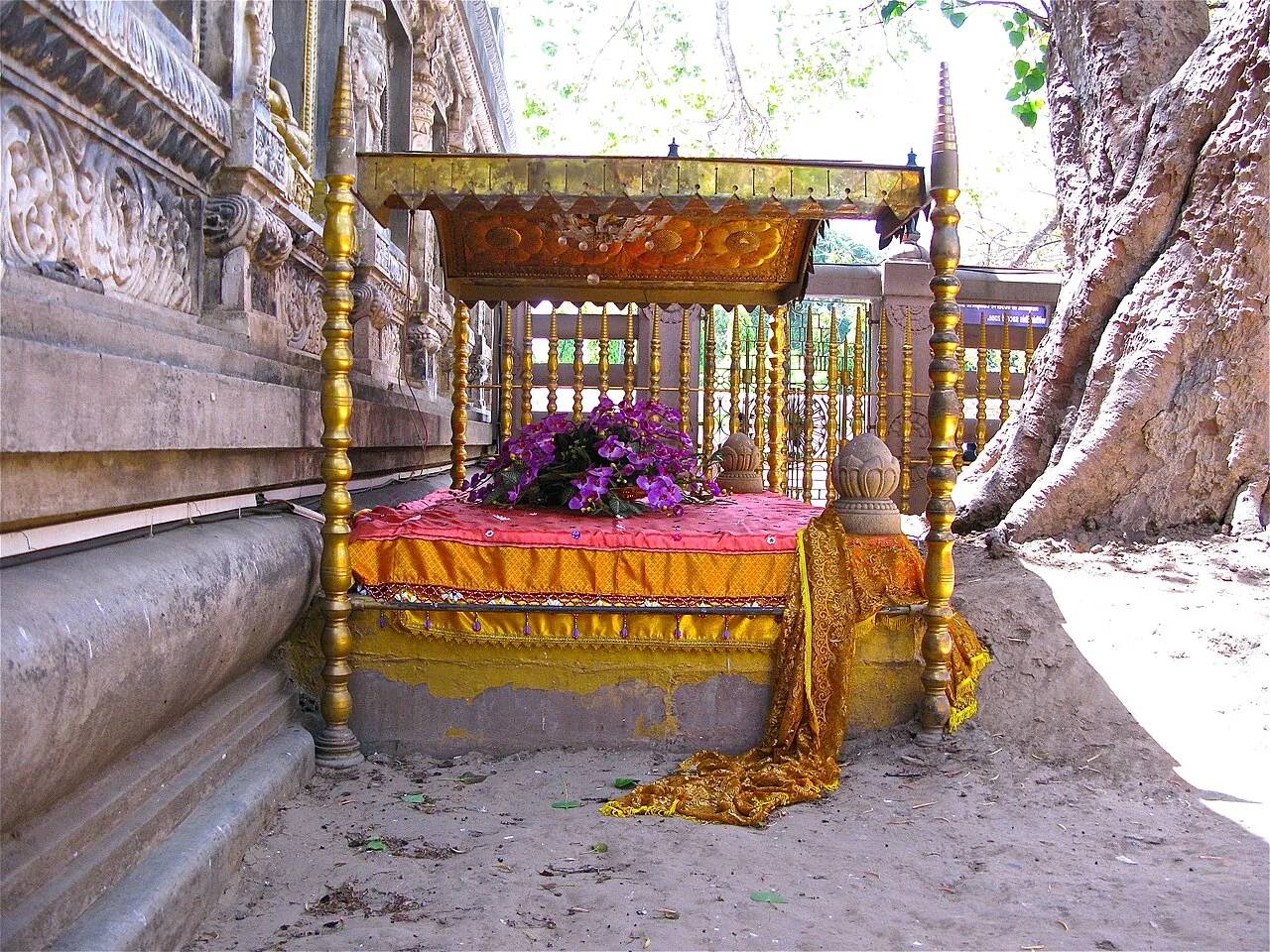
The Bodhi tree is a sacred fig at the Mahabodhi Temple in Bodh Gaya, Bihar. Buddhists visit this revered site because tradition links it to the Buddha’s enlightenment.

Mahabodhi Temple

57 km away · Gaya district

Mahabodhi Temple

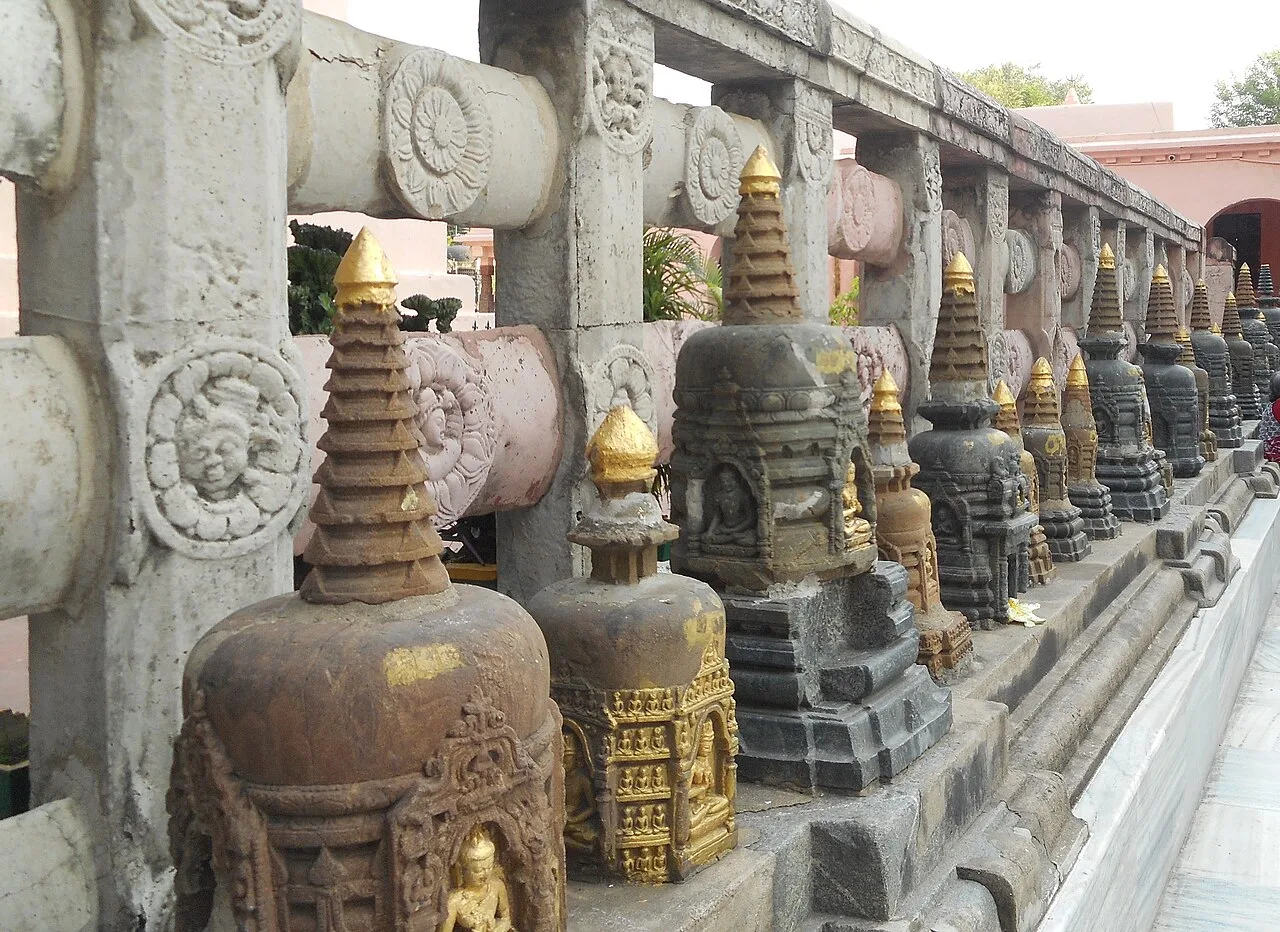
The Mahabodhi Temple is a Buddhist sanctuary in Bodh Gaya, Bihar, associated with the Buddha’s enlightenment. Pilgrims visit its sacred tree and Vajrasana, while the complex is recognised as a UNESCO World Heritage Site.

Great Buddha Statue

58 km away · Gaya district

Great Buddha Statue

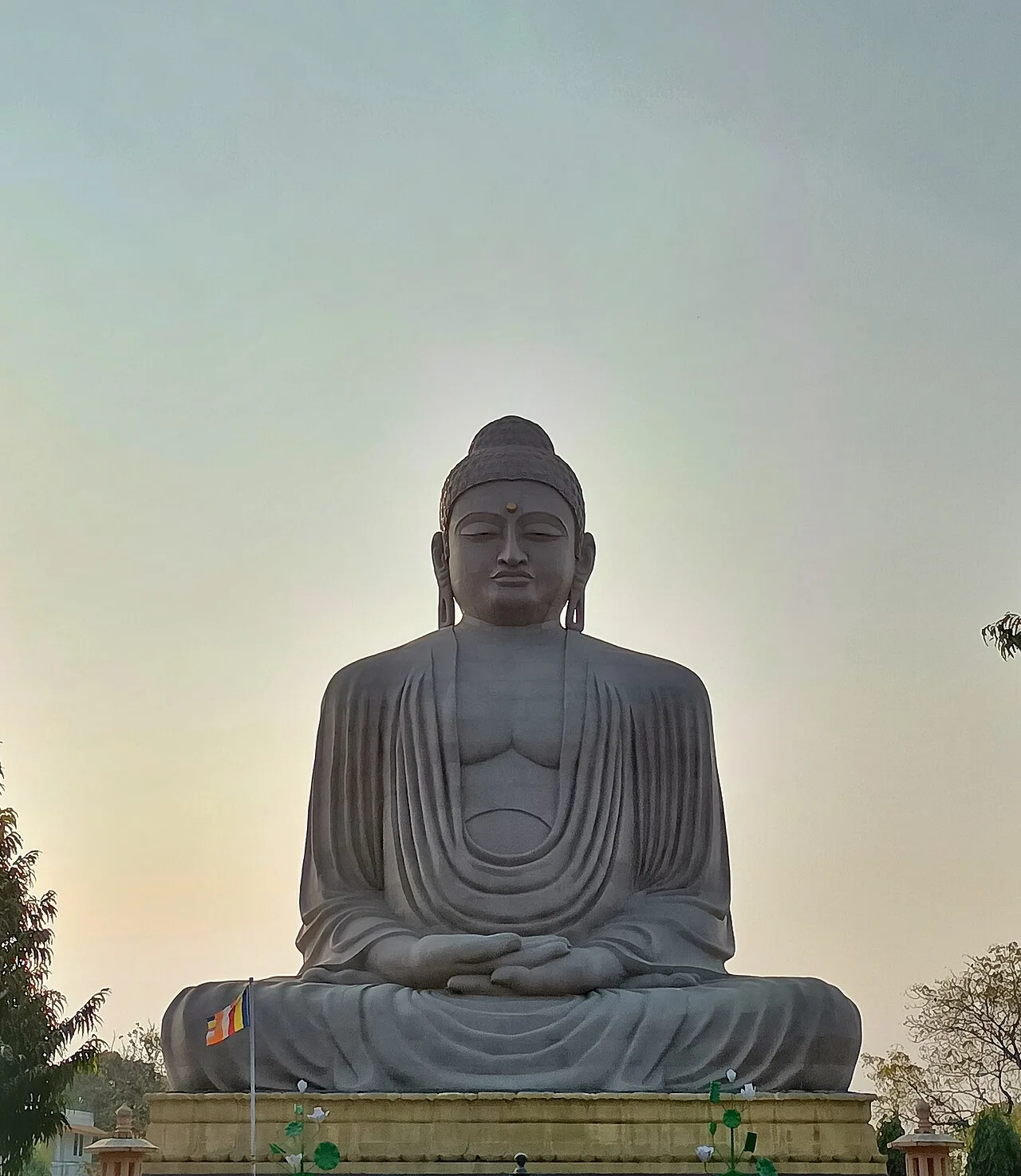
The Great Buddha Statue at Bodh Gaya is a major Buddhist monument in Bihar. Pilgrims and other visitors come to see its large seated figure, distinctive construction and surrounding sculptures.

Map

Rajgir on the map

  1. 1Nalanda mahavihara
  2. 2Pawapuri
  3. 3Vishwa Shanti Stupa
  4. 4Barabar Caves
  5. 5Kakolat Falls
  6. 6Bodhi tree
  7. 7Mahabodhi Temple
  8. 8Great Buddha Statue

Bihar

Other cities to explore