Ghumoopedia — Explore, Discover, Experience
Sign in
Maner, near Kab

City guide · Bihar

Kab

Kab is a small settlement in Bihar rather than a major urban destination. Its importance is chiefly local: it is part of the everyday network of villages, farms and nearby market centres that supports life across the state.

Famous for

  • Rural Bihar setting
  • Agricultural surroundings
  • Local market life
  • Bihari home cooking
Plan a tripHotels near Kab

Why Kab matters

Kab is a small settlement in Bihar rather than a major urban destination. Its importance is chiefly local: it is part of the everyday network of villages, farms and nearby market centres that supports life across the state. Visitors are more likely to come for family connections or as part of a wider journey through Bihar than for a landmark-filled city break.

The appeal lies in seeing a quieter side of the state. The surrounding countryside and ordinary rhythms of village life offer a contrast to the bustle of larger cities, while regional roads connect residents with markets and services beyond the settlement. Bihar’s larger destinations provide the broader travel context: the state is closely associated with Buddhist heritage at Bodh Gaya and Nalanda, as well as historic centres such as Patna and Vaishali. Kab is best treated as a local stop within that wider landscape, with respectful interest in its rural setting and community life.
Famous for: crafts, trade & products

Kab is not a major centre for a signature textile, craft or industrial product. Its everyday commerce is better understood through the local bazaar economy, where residents of the settlement and surrounding countryside obtain household goods and trade in seasonal farm produce. Small shops and market stalls are the most relevant places to encounter this routine of local exchange; buying directly from vendors supports the community.

Bihar’s best-known crafts and products belong to particular regions rather than being specific to Kab. Mithila painting is associated with the Mithila region, while Bhagalpuri silk is linked to Bhagalpur. Other celebrated state products include Silao khaja, Katarni rice and Shahi litchi, each with its own regional association. These can be sought in their home areas or in larger urban markets, rather than assumed to be locally made here. For visitors, the most dependable way to explore Kab’s trade is to look around its neighbourhood shops and ask locally about market days and seasonal produce.

History

Kab’s local history is best placed within the much longer story of Bihar, a region shaped by ancient kingdoms, religious traditions and changing centres of power. Magadha became a major political force in early India, and the Mauryan Empire, founded in the fourth century BCE, had its capital at Pataliputra, present-day Patna. Bihar also became central to Buddhist history, with important monastic and learning centres at places including Bodh Gaya, Nalanda and Vikramashila.

In the colonial period, the East India Company gained revenue-administration rights in Bihar after the Battle of Buxar in 1764. Bihar and Orissa became a separate province from Bengal in 1912. The region also played a role in the independence movement, notably through the Champaran campaign of 1917. In modern times, roads, public services and regional markets have shaped daily connections between rural settlements and larger towns. Kab’s growth belongs to this local pattern of community life and regional access.

Food, festivals & culture

Daily life in Kab reflects the broad food traditions of Bihar. Meals commonly centre on rice or wheat, lentils, vegetables and seasonal ingredients, with preparations varying between households. Sattu-based dishes and litti chokha are familiar across much of the state, while sweets such as thekua are especially associated with festive occasions. These are regional foods, not specialities unique to Kab.

Hindu festivals such as Chhath Puja, usually observed in autumn and again in spring, are prominent across Bihar; Diwali, Holi and the harvest season also bring family and community gatherings. Muslim communities observe Eid and other religious occasions. Hindi and Urdu are official languages of Bihar, while local speech varies by region and may include Maithili, Magahi or Bhojpuri. Folk songs, devotional music and seasonal performances are part of the wider cultural landscape. Local temples and mosques serve as places of worship and community gathering; visitors should dress respectfully and follow local customs.

Visiting the city

The cooler months, roughly October to March, are generally the most comfortable for travel in Bihar. Summer can be very hot, while monsoon rains may affect road journeys. Kab is a local settlement, so plan it as part of a broader trip and allow time for onward travel between villages and market centres.

Patna’s Jay Prakash Narayan Airport and Patna Junction are major gateways for travel into Bihar, with onward connections made by road or rail. The best route to Kab depends on its local approach road and rail connections; arrange the final leg with a local contact or transport provider. Within the settlement, walking and locally available road transport are practical ways to get around. Explore the village lanes and nearby market area for a sense of daily life, and use larger towns in the surrounding region for broader services and visitor facilities.

Trips from the city

Nearest places to visit from Kab

Our closest destination guides, by straight-line distance.

Maner

30 km away · Patna district

Maner

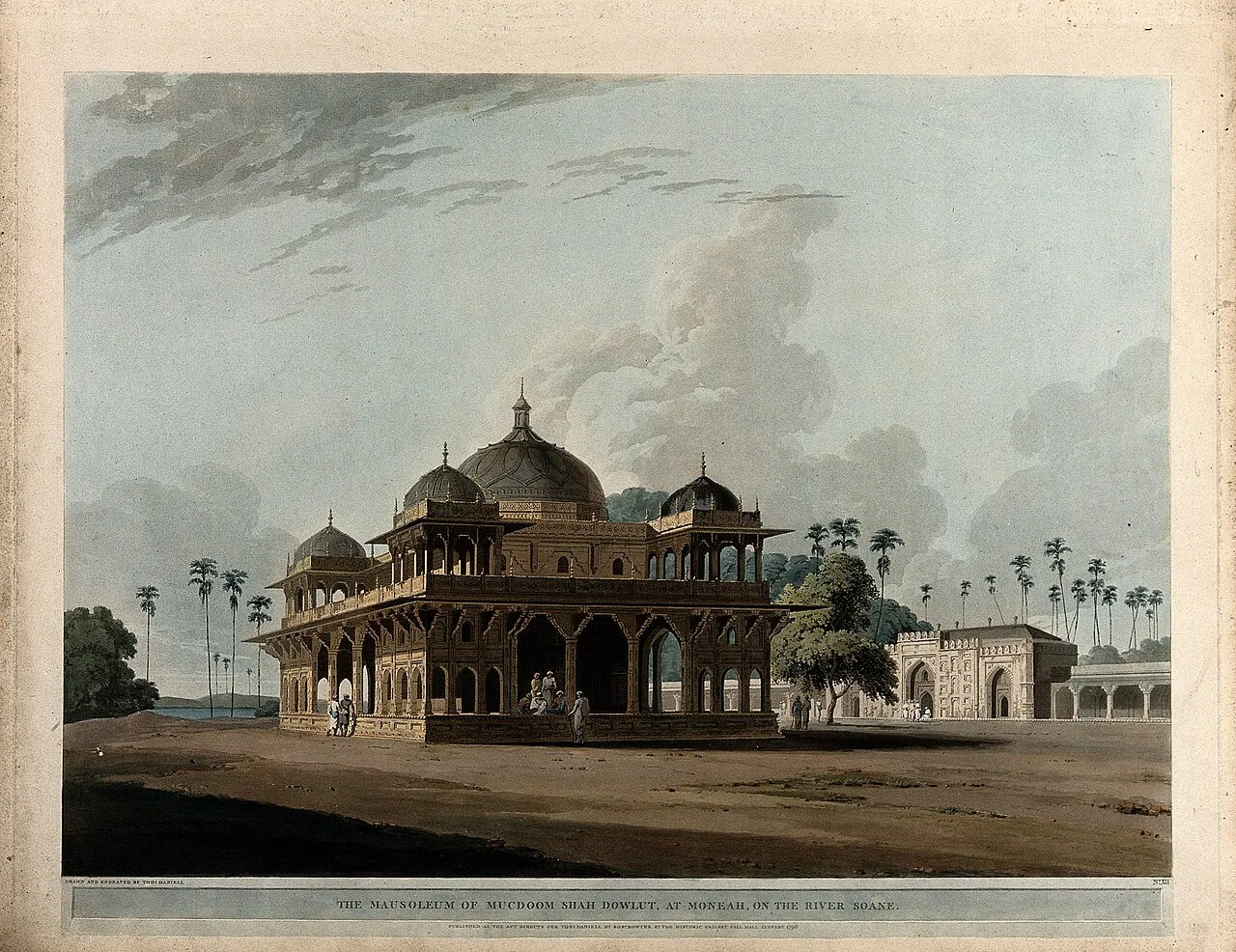
Maner, also called Maner Sharif, is a historic town and administrative block in Bihar’s Patna district. Visitors are drawn by its Mughal-era dargahs and its importance as a Sufi pilgrimage destination.

Patna Zoo

39 km away · Patna district

Patna Zoo

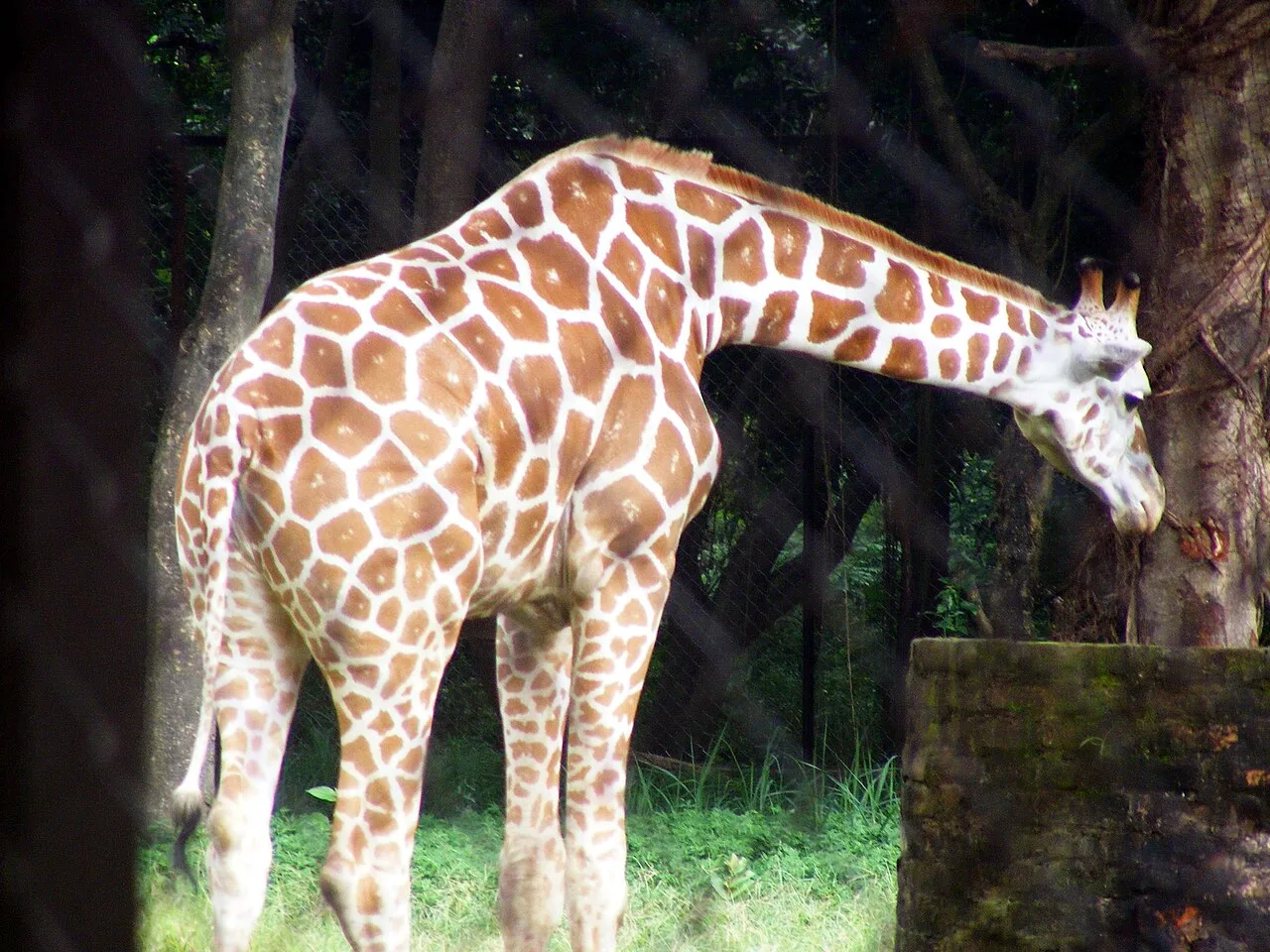
Patna Zoo is a zoological park in Bihar’s Patna district, near Bailey Road. People visit for picnics, with particularly large crowds on New Year’s Day.

Bihar Museum

41 km away · Patna district

Bihar Museum

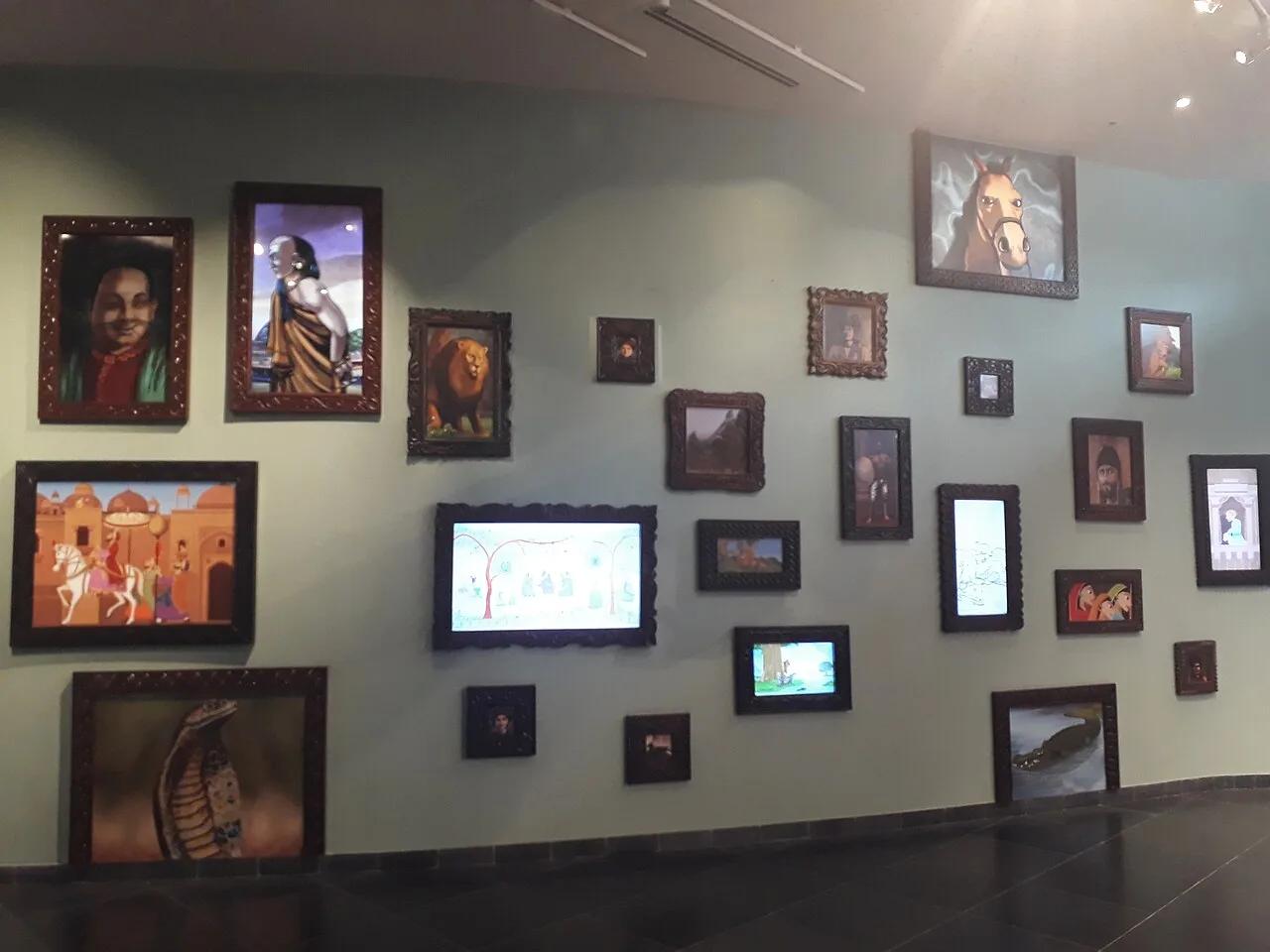
Bihar Museum is Patna’s state museum, with displays on Bihar’s history. Visitors can explore its galleries, children’s museum and distinctive arrangement of buildings and courtyards.

Mahavir Mandir

42 km away · Patna district

Mahavir Mandir

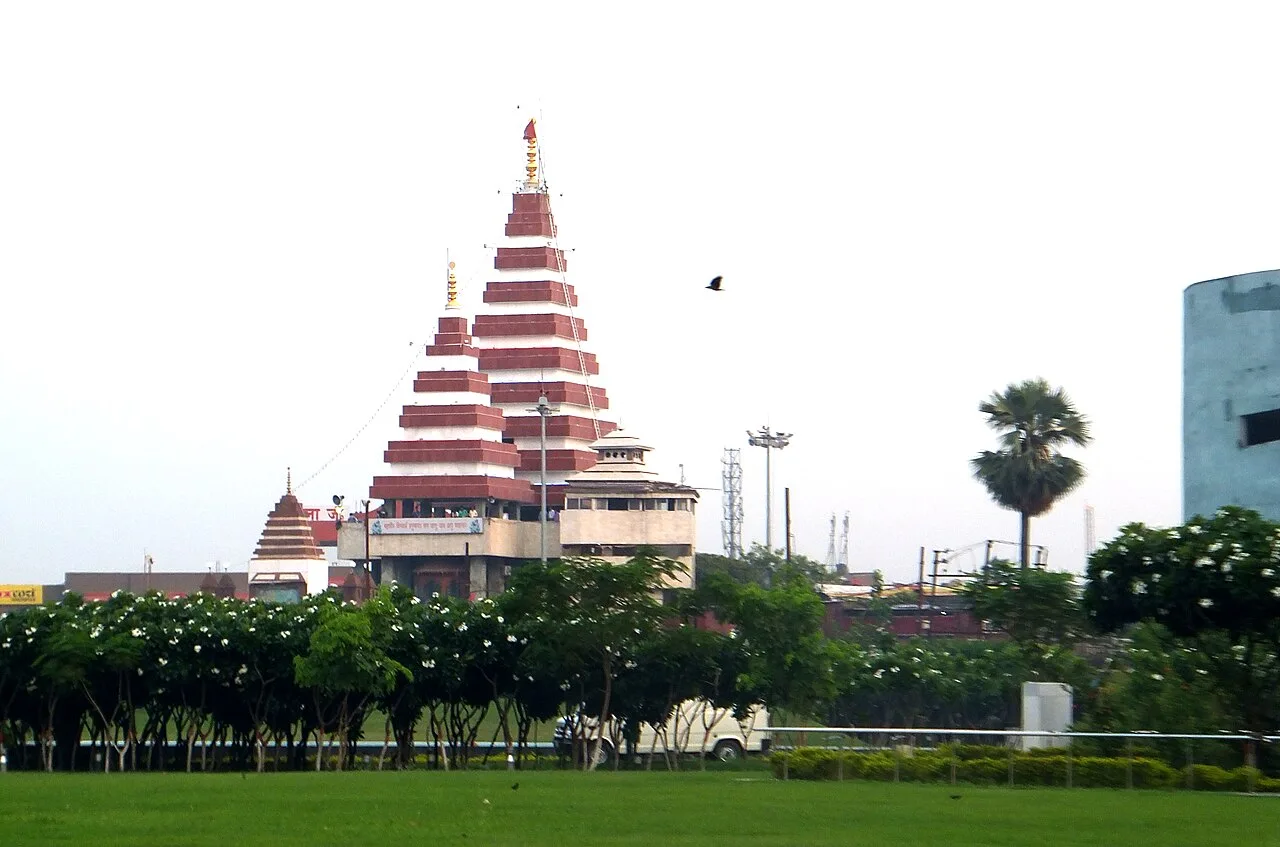
Mahavir Mandir is a Hanuman shrine in Patna, Bihar, visited by millions of pilgrims each year. Devotees also gather in large numbers for religious occasions, particularly Rama Navami.

Patna Museum

43 km away · Patna district

Patna Museum

Patna Museum is Bihar’s state museum in Patna district. Visitors come to see its historical collections and learn about the institute’s work in history and archaeology.

Golghar

44 km away · Patna district

Golghar

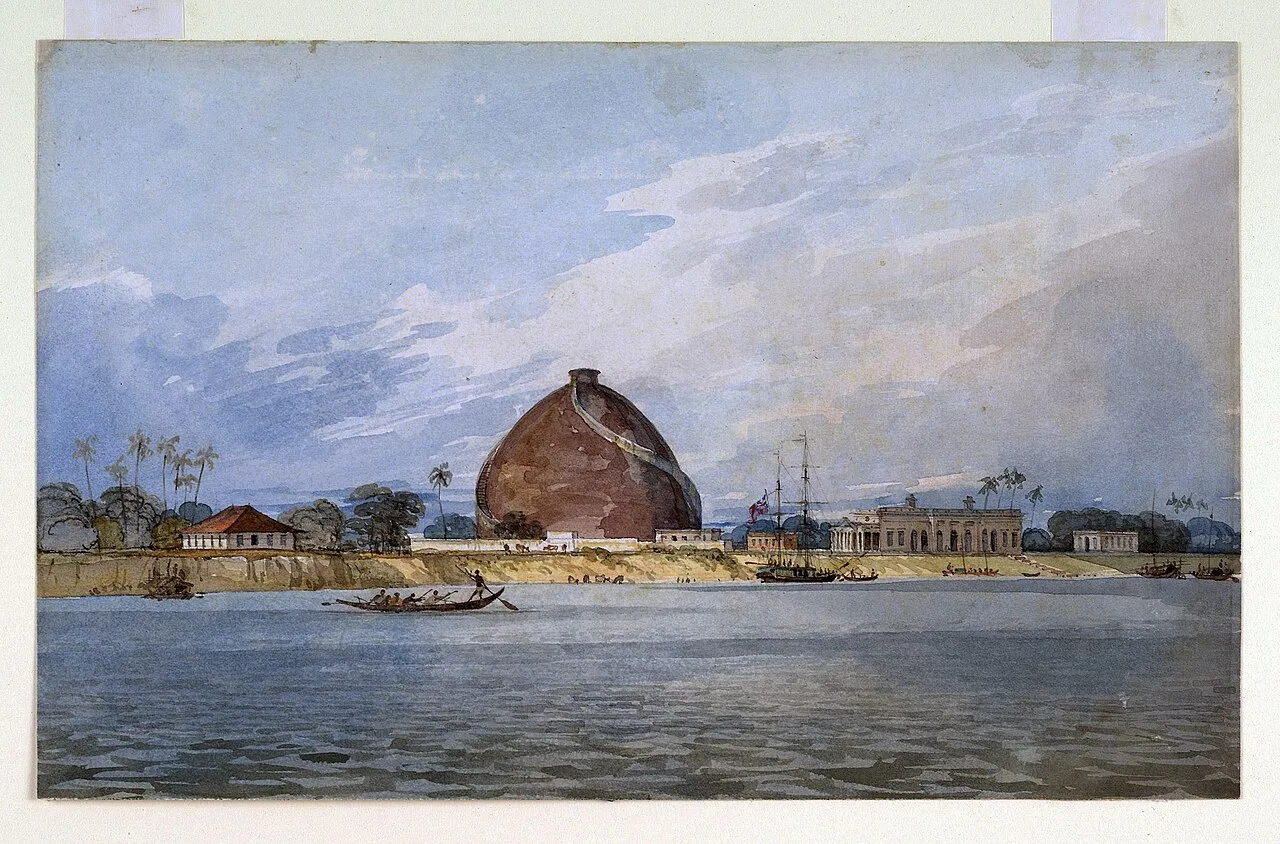
Golghar, also called Gol Ghar, is a substantial grain store in Patna, Bihar. Visitors come to see the granary west of Gandhi Maidan.

Gandhi Maidan

45 km away · Patna district

Gandhi Maidan

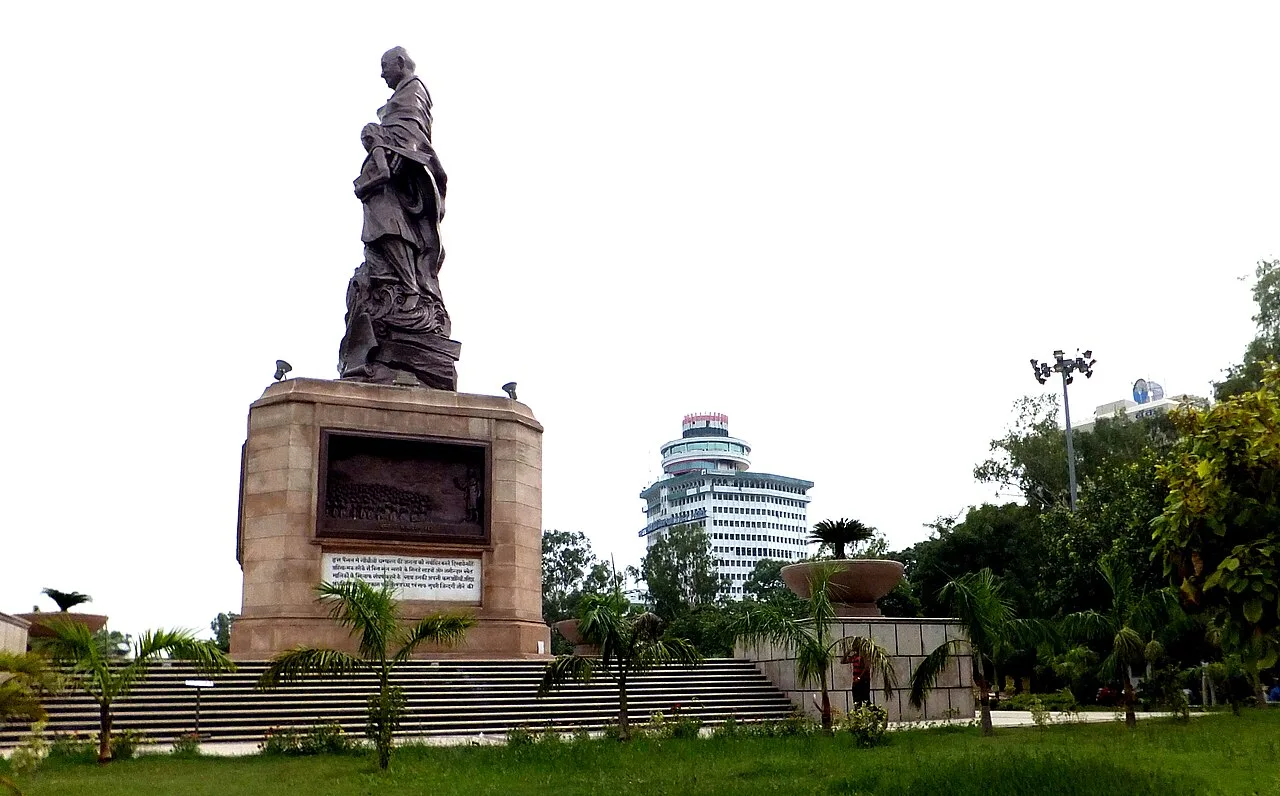
Gandhi Maidan is a historic open space in Patna, Bihar, near the Ganges. People visit a site linked to the freedom movement and significant political gatherings.

Kumhrar

46 km away · Patna district

Kumhrar

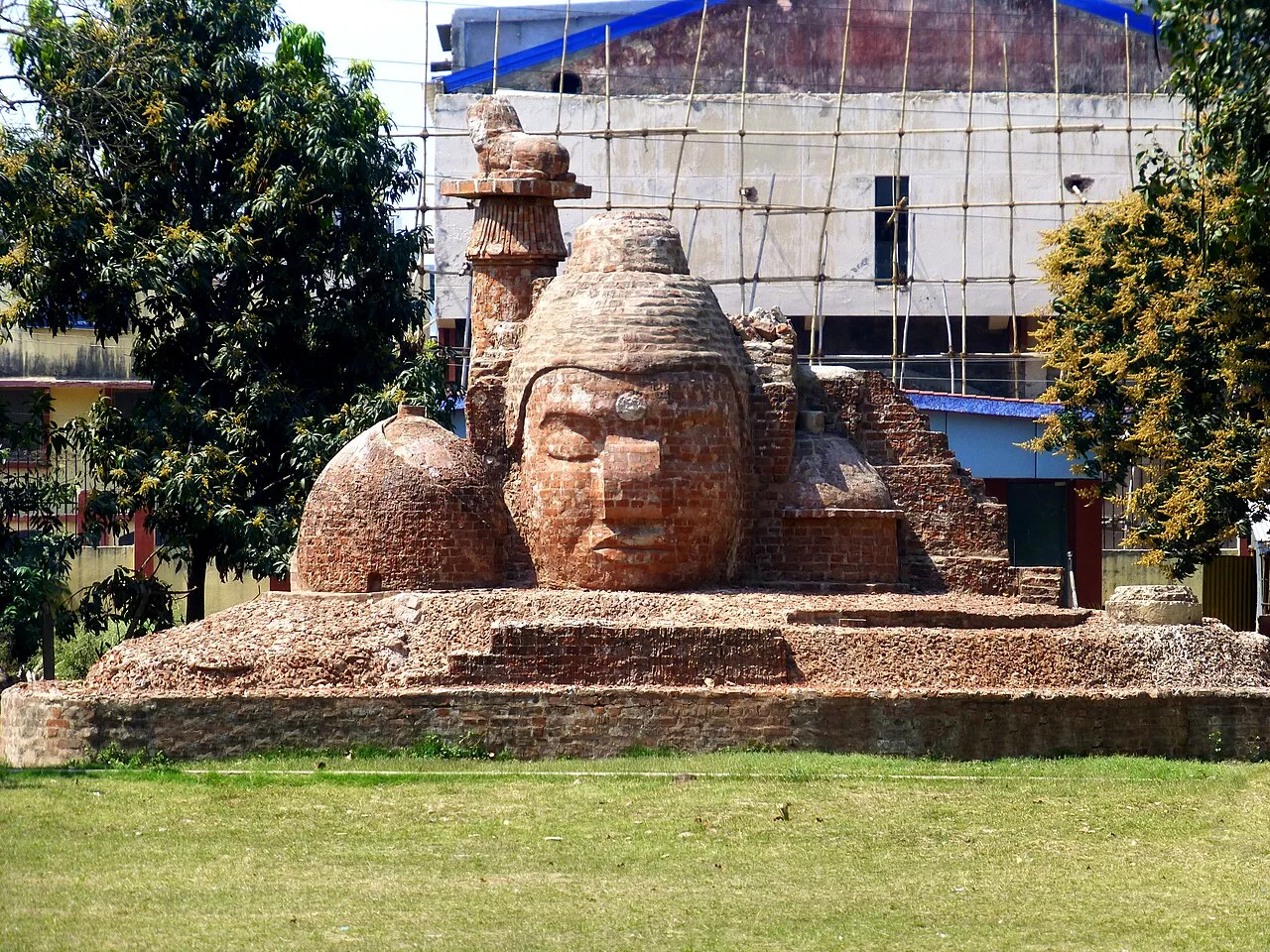
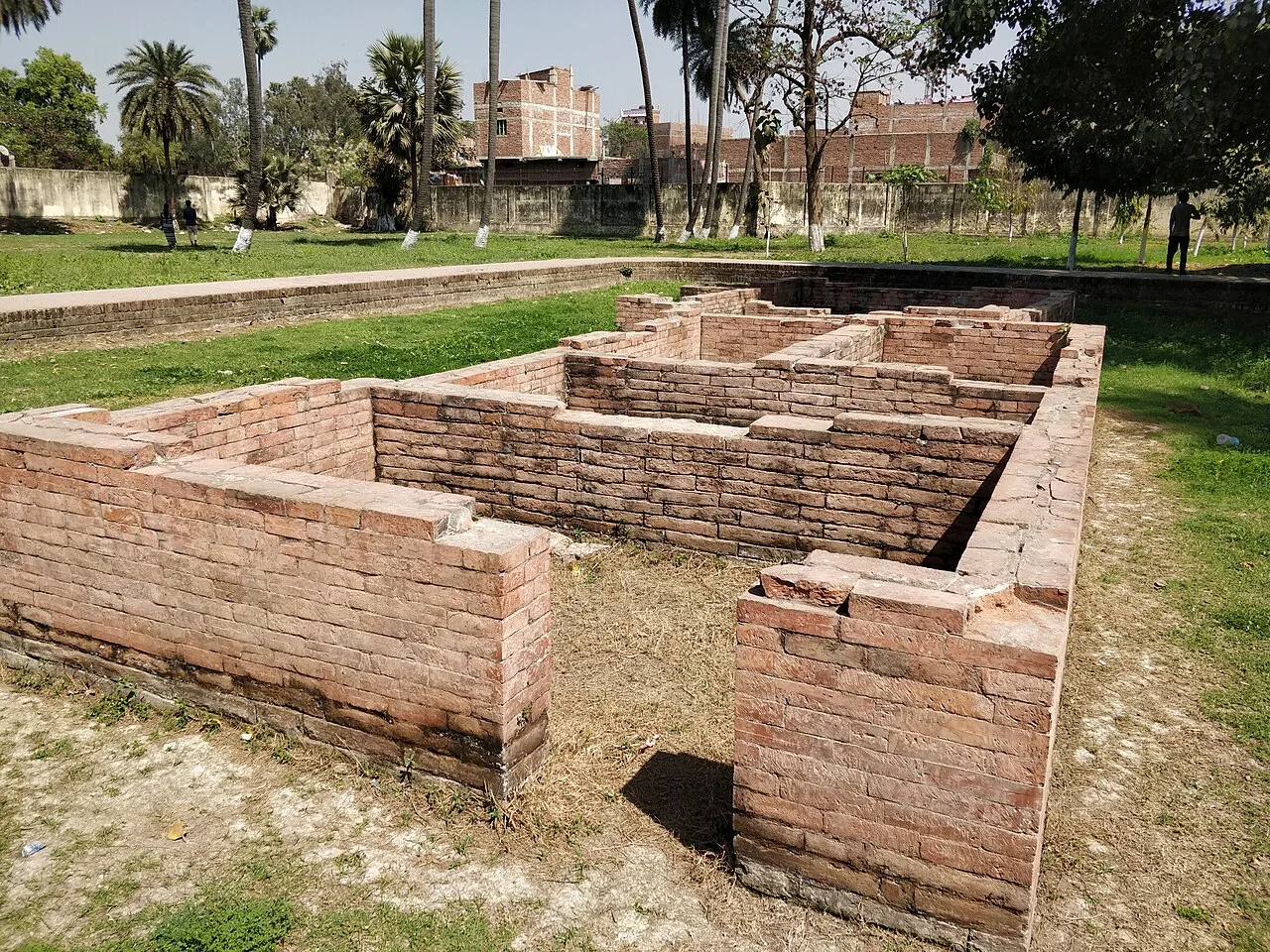
Kumhrar is an archaeological site in Patna connected with the remains of Pataliputra. Visitors come to see excavated traces of the city, including the remains of an 80-pillared hall.

Map

Kab on the map

  1. 1Maner
  2. 2Patna Zoo
  3. 3Bihar Museum
  4. 4Mahavir Mandir
  5. 5Patna Museum
  6. 6Golghar
  7. 7Gandhi Maidan
  8. 8Kumhrar

Bihar

Other cities to explore