Ghumoopedia — Explore, Discover, Experience
Sign in
Barabar Caves, near Tekari

City guide · Bihar

Tekari

Tekari is a town and municipality in Gaya district, in south Bihar. Its importance comes chiefly from its history as the centre of Tekari Raj, a substantial estate that took shape in the early eighteenth century.

Famous for

  • Tekari Raj fort
  • Former Tekari Raj estate
  • Kuseta Devi Asthan
  • Magahi-speaking Gaya region

Why Tekari matters

Tekari is a town and municipality in Gaya district, in south Bihar. Its importance comes chiefly from its history as the centre of Tekari Raj, a substantial estate that took shape in the early eighteenth century. The surviving fort is a reminder of that past and the town’s most distinctive historic landmark. Tekari also serves residents of nearby villages as a local centre for administration, shopping and everyday services.

Visitors are drawn by the fort and by the area’s connections to the former ruling family. Kuseta, a nearby village, is known for Devi Asthan, a temple dedicated to the goddess Durga. Tekari is not a large resort destination, and its appeal is best understood through its regional history, religious sites and rural setting. It offers a way to explore a less-visited part of Gaya district, where town life is closely linked to the surrounding villages and the wider Magahi-speaking region.
Famous for: crafts, trade & products

Tekari is chiefly associated with the history of Tekari Raj and its surviving fort, rather than with a widely recognised craft, textile, food product or industrial brand. No particular local item or GI-tagged product can be confidently identified as a signature of the town. The fort and the former estate’s legacy are therefore its clearest points of distinction for visitors.

Tekari’s shops and local market serve the everyday needs of the town and nearby villages, with ordinary household goods and food provisions. They are practical places to experience local commerce, but should not be mistaken for a specialist craft or souvenir district. The surrounding settlements are part of an agricultural hinterland, though no specific crop or processed product is established here as a visitor-focused trade. Travellers looking for locally made goods can ask shopkeepers about items produced in nearby villages, while keeping in mind that availability may vary. For a visit centred on heritage, the fort and the nearby Devi Asthan at Kuseta are more clearly identifiable destinations than any particular shopping or manufacturing attraction.

History

Tekari’s history is closely tied to the estate known as Tekari Raj, which developed in the early eighteenth century in the Mughal period. The ruling family became an influential landholding power in the Gaya region, and the town grew around its administrative and residential centre. A local explanation links the name Tekari to tetri trees said to have grown in the area selected for the fort; this is a traditional account rather than a certain explanation of the name.

The estate continued to matter under British rule. Maharaja Gopalsaran is remembered as a ruler of the area during that period. Maharaja Hit Narayan Singh, who inherited a large share of the estate in the 1840s, was described as deeply religious and later withdrew from worldly life, leaving management of his property to his wife. The fort remains a visible trace of the former court. In modern Bihar, Tekari functions as a municipality and local administrative centre, while its historic identity continues to shape its appeal.

Food, festivals & culture

Tekari shares the food traditions of south Bihar. Everyday meals commonly draw on rice, lentils, vegetables and wheat breads; litti with chokha and sattu preparations are familiar regional foods, not exclusive specialities of the town. Sweets and savoury snacks are available through local shops, though Tekari is not especially known for a distinct signature sweet. Magahi is widely associated with the area, alongside Hindi and other languages used in Bihar.

The religious calendar follows festivals celebrated across the region. Chhath, observed especially in autumn, is an important Bihar festival centred on worship of the Sun; Holi in spring and Diwali in autumn are also widely marked. Durga Puja brings devotional gatherings in the autumn, and Kuseta’s Devi Asthan is a local place of worship dedicated to Durga. Devotional and seasonal folk songs are part of regional celebrations, although no particular dance or music form is uniquely identified with Tekari. Visitors should be considerate at temples and during festival observances.

Visiting the city

The cooler months, roughly October to March, are generally the most comfortable time to explore Tekari; summer can be very hot, while monsoon rain may complicate road journeys. Gaya International Airport and Gaya Junction are the nearest major air and rail gateways. From Gaya, continue by road; check current connections locally, as onward transport can vary. Within town, use local auto-rickshaws or other locally available vehicles, and agree on the destination before setting out.

Begin with the surviving Tekari Raj fort, then explore the town’s central bazaar and older streets. Kuseta village, close to Tekari, is worth considering for Devi Asthan, its historic Durga temple. Nearby villages offer a glimpse of the rural setting, but arrange transport and ask locally about access before making a detour. Allow time for the journey back to Gaya if using it as your transport hub.

Trips from the city

Nearest places to visit from Tekari

Our closest destination guides, by straight-line distance.

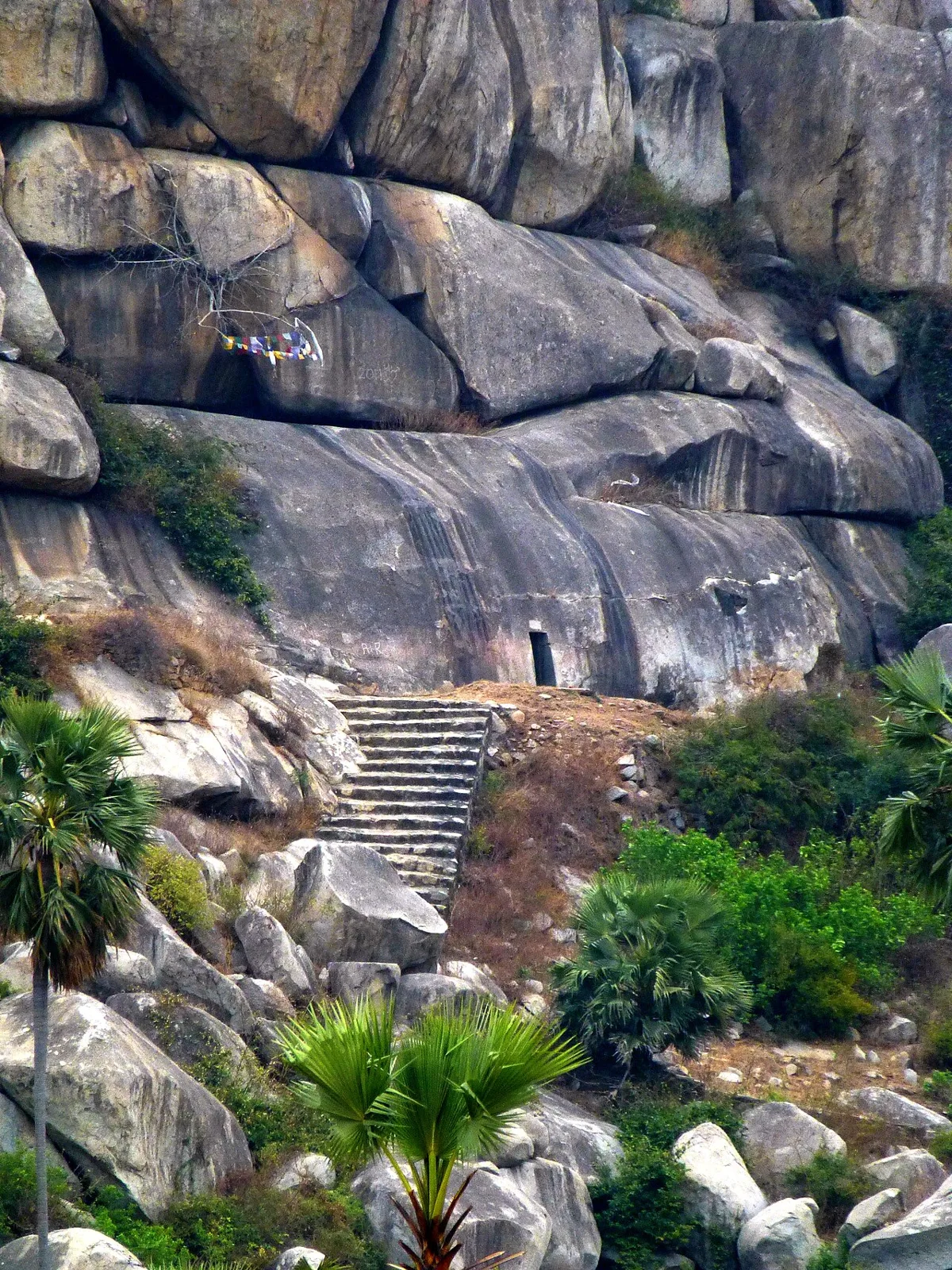
Barabar Caves

23 km away · Jehanabad district

Barabar Caves

This Mauryan-era cave complex in Bihar extends across Barabar and Nagarjuni hills. Visitors come to see its inscriptions, polished granite chambers and early examples of Indian rock-cut architecture.

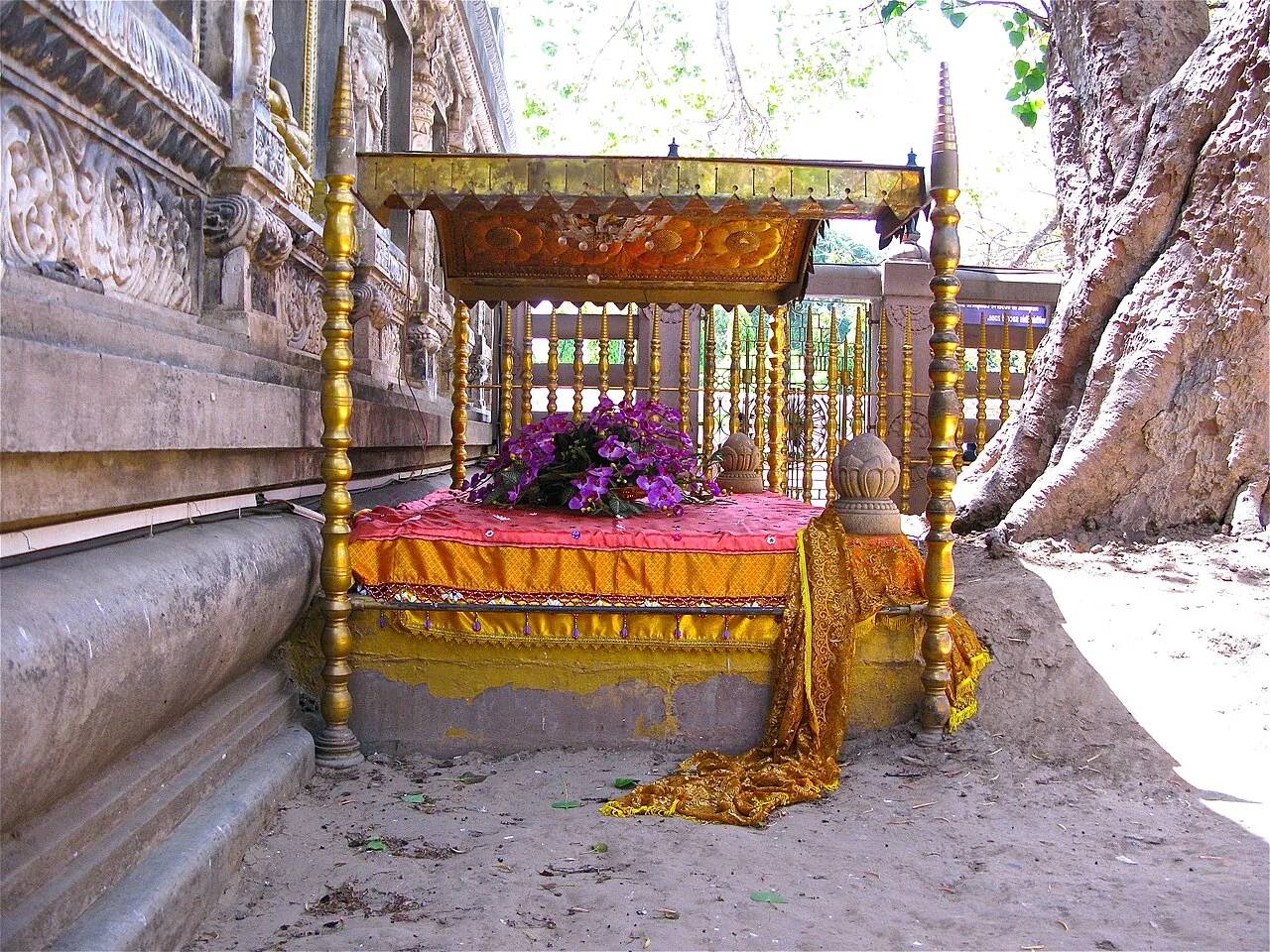
Bodhi tree

31 km away · Gaya district

Bodhi tree

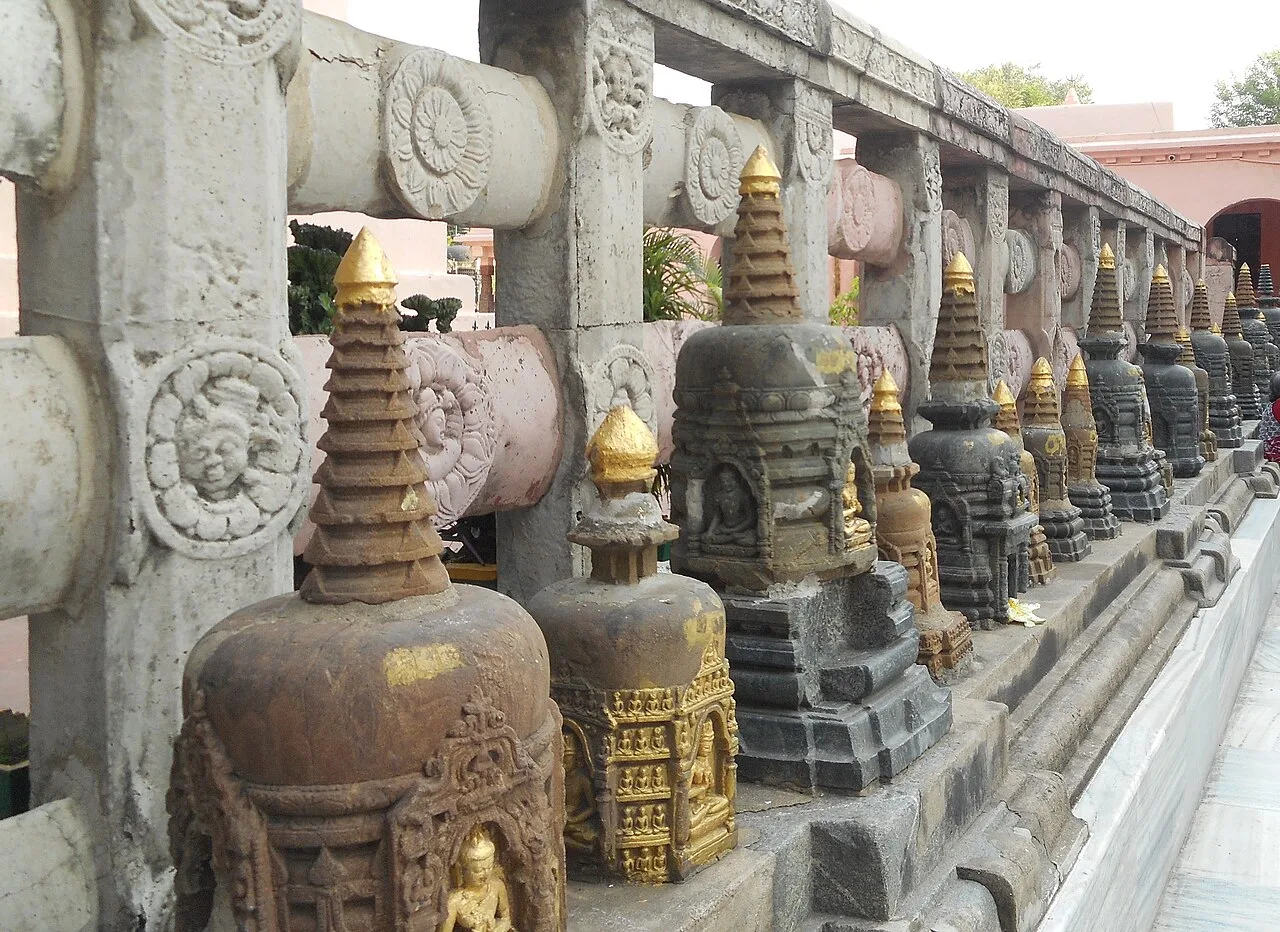
The Bodhi tree is a sacred fig at the Mahabodhi Temple in Bodh Gaya, Bihar. Buddhists visit this revered site because tradition links it to the Buddha’s enlightenment.

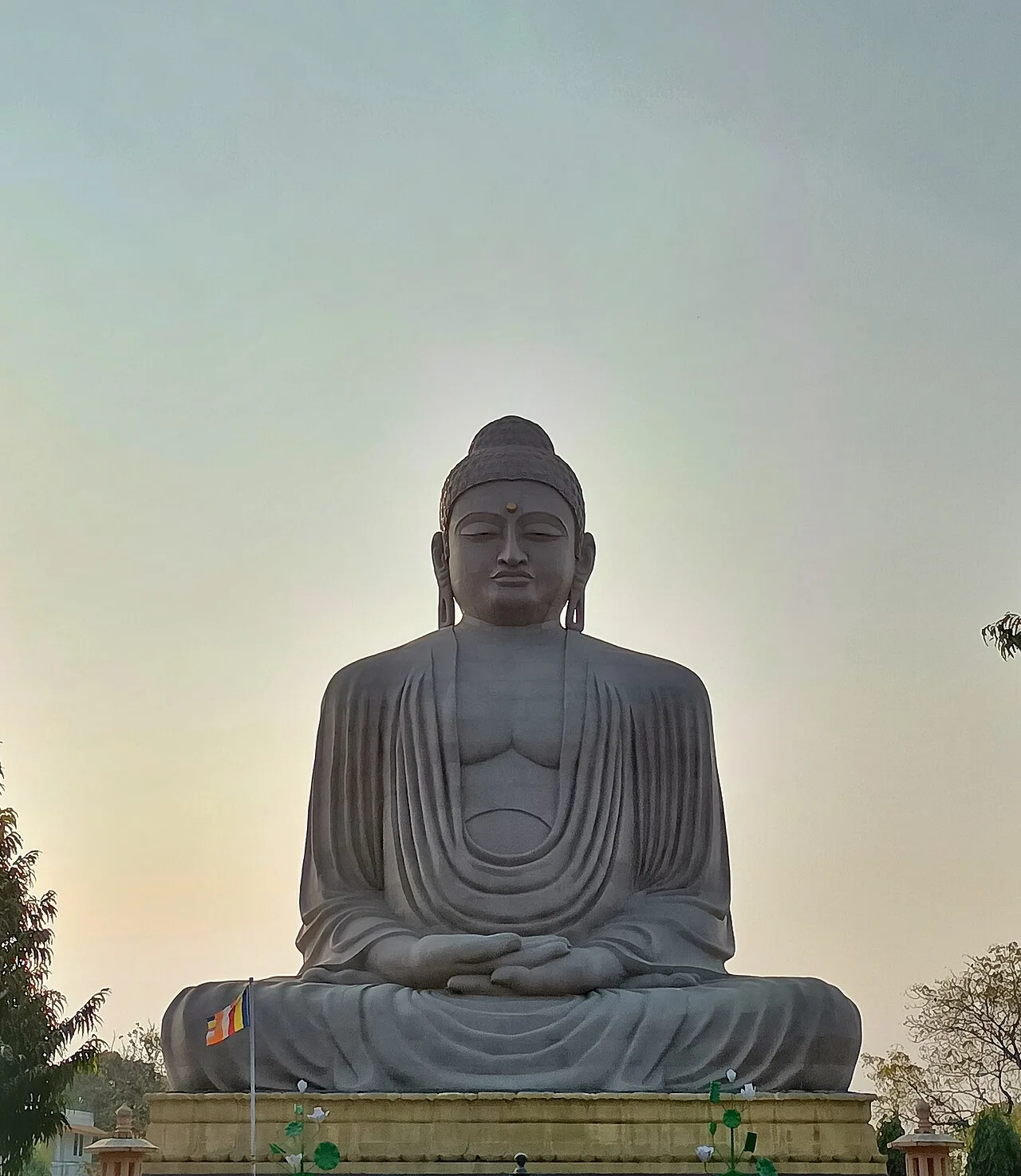
Great Buddha Statue

31 km away · Gaya district

Great Buddha Statue

The Great Buddha Statue at Bodh Gaya is a major Buddhist monument in Bihar. Pilgrims and other visitors come to see its large seated figure, distinctive construction and surrounding sculptures.

Mahabodhi Temple

31 km away · Gaya district

Mahabodhi Temple

The Mahabodhi Temple is a Buddhist sanctuary in Bodh Gaya, Bihar, associated with the Buddha’s enlightenment. Pilgrims visit its sacred tree and Vajrasana, while the complex is recognised as a UNESCO World Heritage Site.

Vishnupad Temple

41 km away · Gaya district

Vishnupad Temple

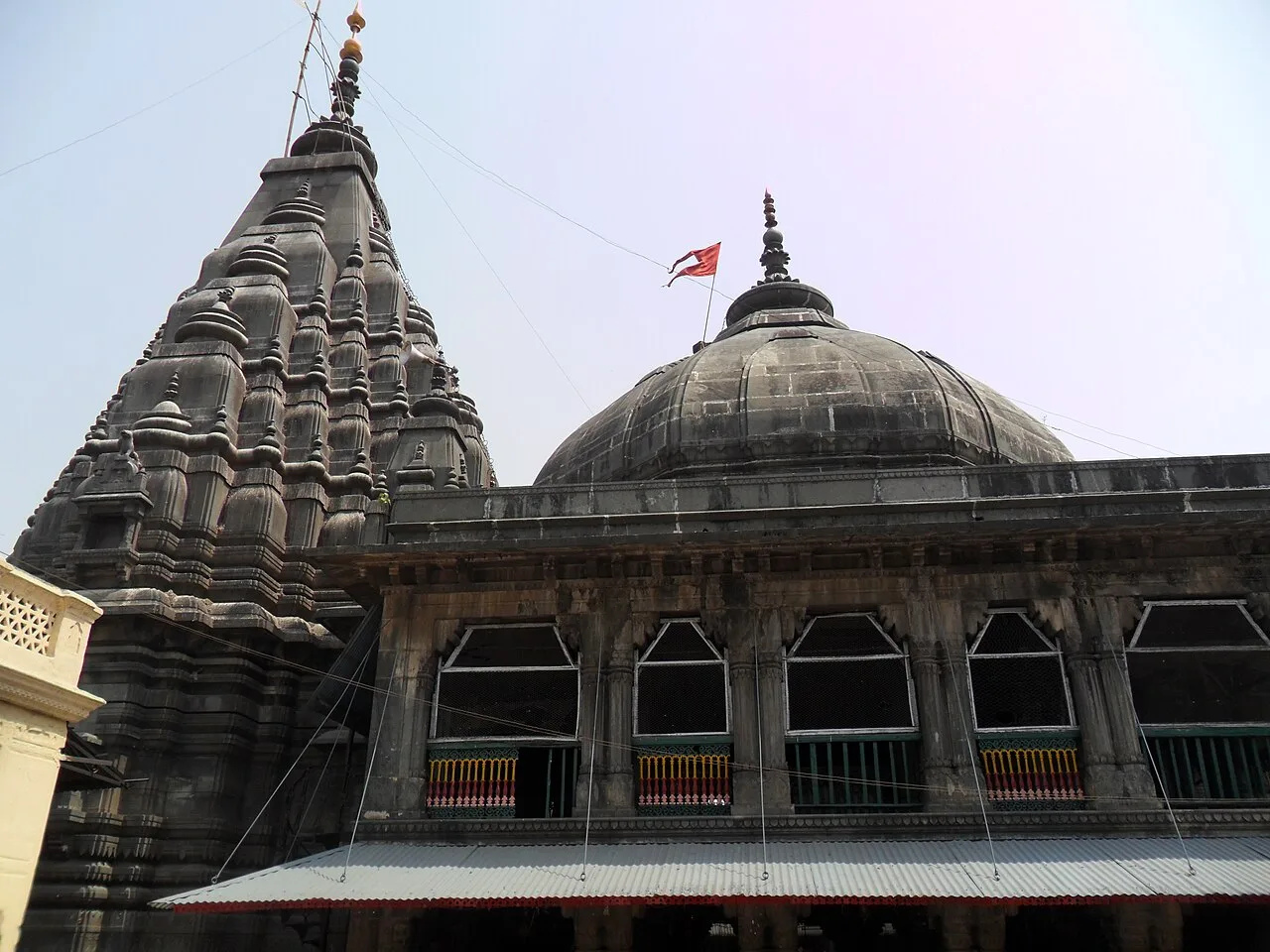
Vishnupad is a Hindu shrine to Vishnu in Gaya, Bihar, associated with the legend of Gayasura and visited by pilgrims for Shraddha observances.

Deo

53 km away · Aurangabad district

Deo

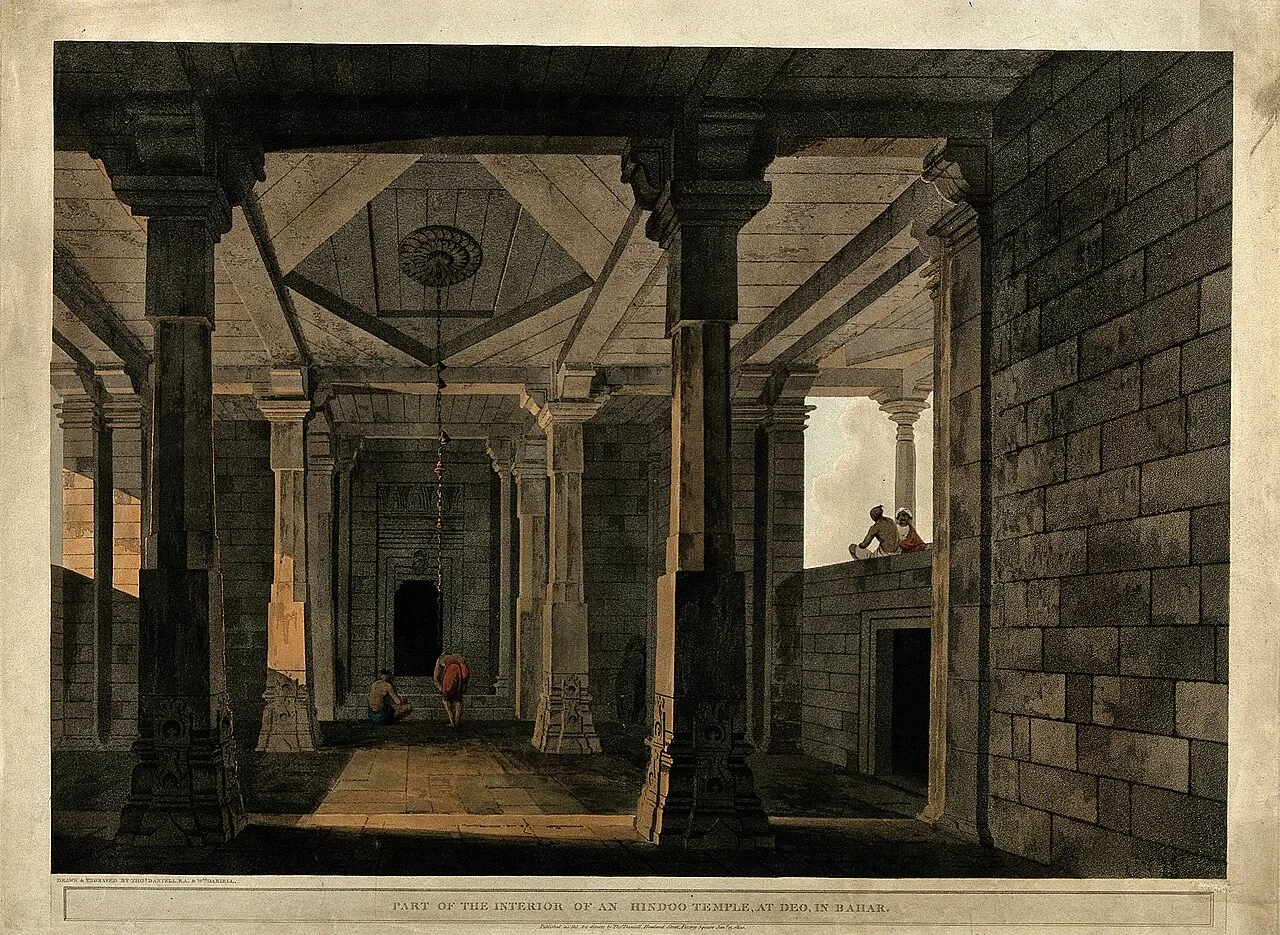
Deo, also called Dev, is a town and local civic area in Bihar’s Aurangabad district. Visitors seeking the settlement can find it about 10 km southeast of Aurangabad, the district’s administrative centre.

Nalanda mahavihara

64 km away · Nalanda district

Nalanda mahavihara

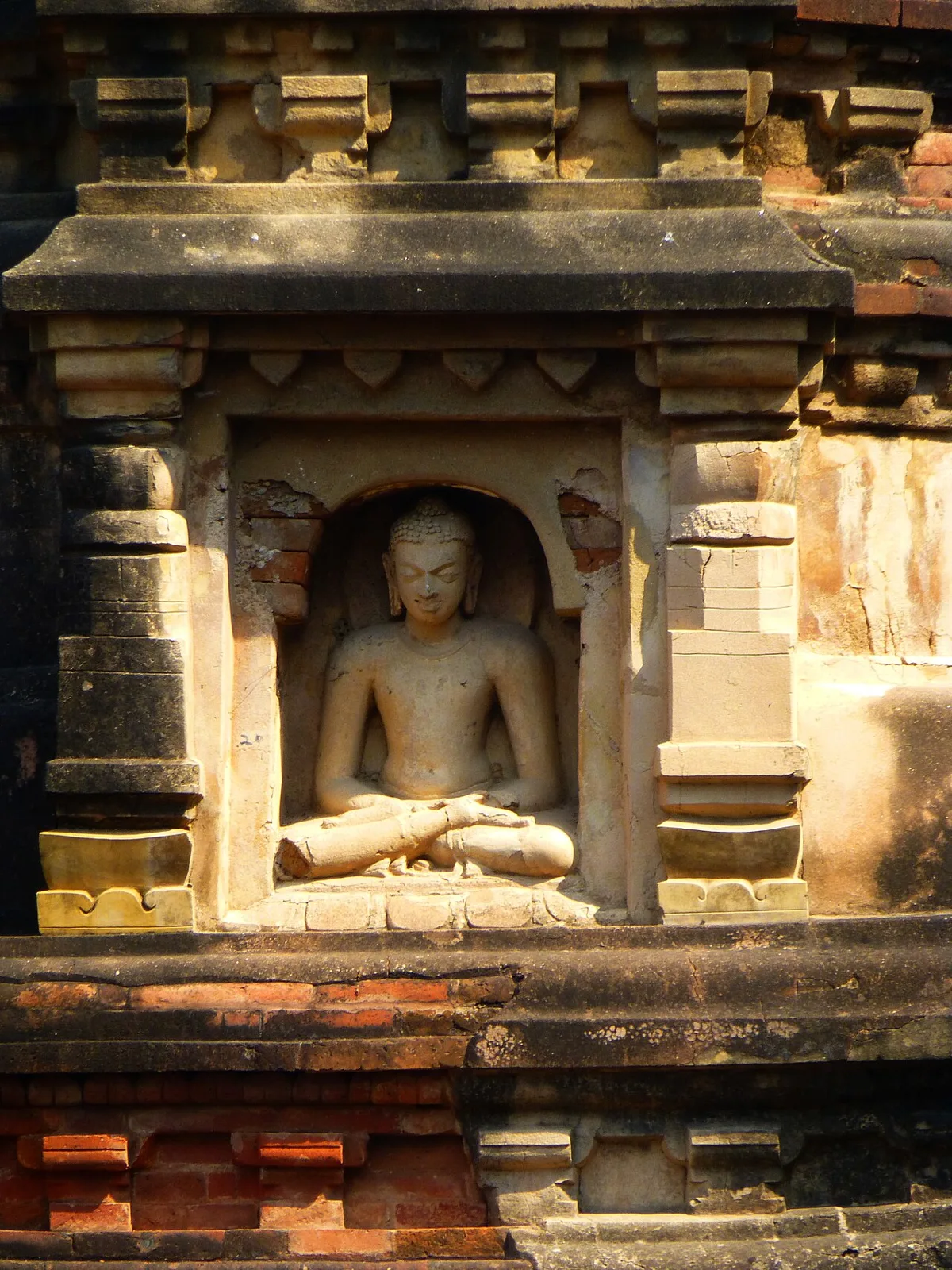
Nalanda is the site of a major Buddhist monastery in Bihar, visited for its history as a long-lived centre of learning and its role in Mahayana Buddhism.

Pawapuri

72 km away · Gaya district

Pawapuri

Pawapuri, also called Pavapuri, is a Jain sacred site in Bihar’s Nalanda district. People travel there on pilgrimage because it is associated with Mahavira’s nirvana.

Map

Tekari on the map

  1. 1Barabar Caves
  2. 2Bodhi tree
  3. 3Great Buddha Statue
  4. 4Mahabodhi Temple
  5. 5Vishnupad Temple
  6. 6Deo
  7. 7Nalanda mahavihara
  8. 8Pawapuri

Bihar

Other cities to explore