Ghumoopedia — Explore, Discover, Experience
Sign in
Kesaria stupa, near Chakia

City guide · Bihar

Chakia

Chakia is a town in East Champaran district, Bihar, positioned between Muzaffarpur and Motihari on an important regional road and rail corridor. Its location makes it a useful local centre for travel and everyday services, as well as a stop for visitors exploring the wider Champaran and Mithila regions.

Famous for

  • Ramayana-linked Sita Kund
  • Maa Kali Mandir
  • Muzaffarpur–Motihari rail corridor
  • Road links across East Champaran

Why Chakia matters

Chakia is a town in East Champaran district, Bihar, positioned between Muzaffarpur and Motihari on an important regional road and rail corridor. Its location makes it a useful local centre for travel and everyday services, as well as a stop for visitors exploring the wider Champaran and Mithila regions. Chakia is best known locally for places of worship and for its connection to traditions associated with the Ramayana.

At the town’s outskirts, Sita Kund is a sacred pond linked by legend to Sita and the wedding journey of Rama. The nearby setting is associated in local tradition with the ancient kingdom of Videha. Within town, Maa Kali Mandir is a longstanding place of worship with a distinctive tradition of Maithili Brahmin-led rites. These sites give Chakia a modest but meaningful religious and heritage appeal. Its railway station and connections to several national highways also make it a practical base for reaching nearby towns, rather than a large destination built around a single tourist attraction.
Famous for: crafts, trade & products

Chakia is not widely identified with a particular textile, handicraft, GI-tagged product or large manufacturing industry. Its stronger profile is as a local trading and service town, where shops cater to residents and travellers. For everyday goods, visitors can browse the central bazaar and shops around the railway station; the selection is likely to be practical rather than a specialist destination for crafts or luxury shopping.

Local commerce serves the surrounding settlements as well as the town itself, with general retail and routine household needs forming the most visible part of the shopping scene. Products associated with the wider Mithila or Champaran region may be available through local sellers, but they should not automatically be treated as Chakia-specific. Travellers seeking a particular handloom, artwork or regional food product may find a broader selection in larger nearby centres such as Muzaffarpur or Motihari. Chakia’s more distinctive points of interest are its religious heritage and transport links: Maa Kali Mandir in Ward 6 and Sita Kund on the town’s outskirts draw more cultural attention than any documented signature craft or industrial product.

History

Chakia’s present identity is shaped more clearly by its position in East Champaran and its transport links than by a well-documented history of a ruling capital or major colonial-era urban centre. Sita Kund connects the area in local religious tradition with Sita, Mithila and the ancient kingdom of Videha; this is a sacred narrative rather than a complete record of the town’s early political history.

During British rule, Champaran became known for indigo cultivation and for the agrarian grievances that helped bring Mahatma Gandhi into the national freedom movement. The Champaran Satyagraha of 1917 is an important regional milestone, although it should not be treated as an event centred specifically in Chakia. In later decades, Chakia developed as a town serving nearby communities, with its railway station on the Muzaffarpur–Gorakhpur main line and road links supporting movement across the district. Maa Kali Mandir, traditionally attributed to the Kashi Naresh around 150 years ago, is one of the town’s notable older religious institutions.

Food, festivals & culture

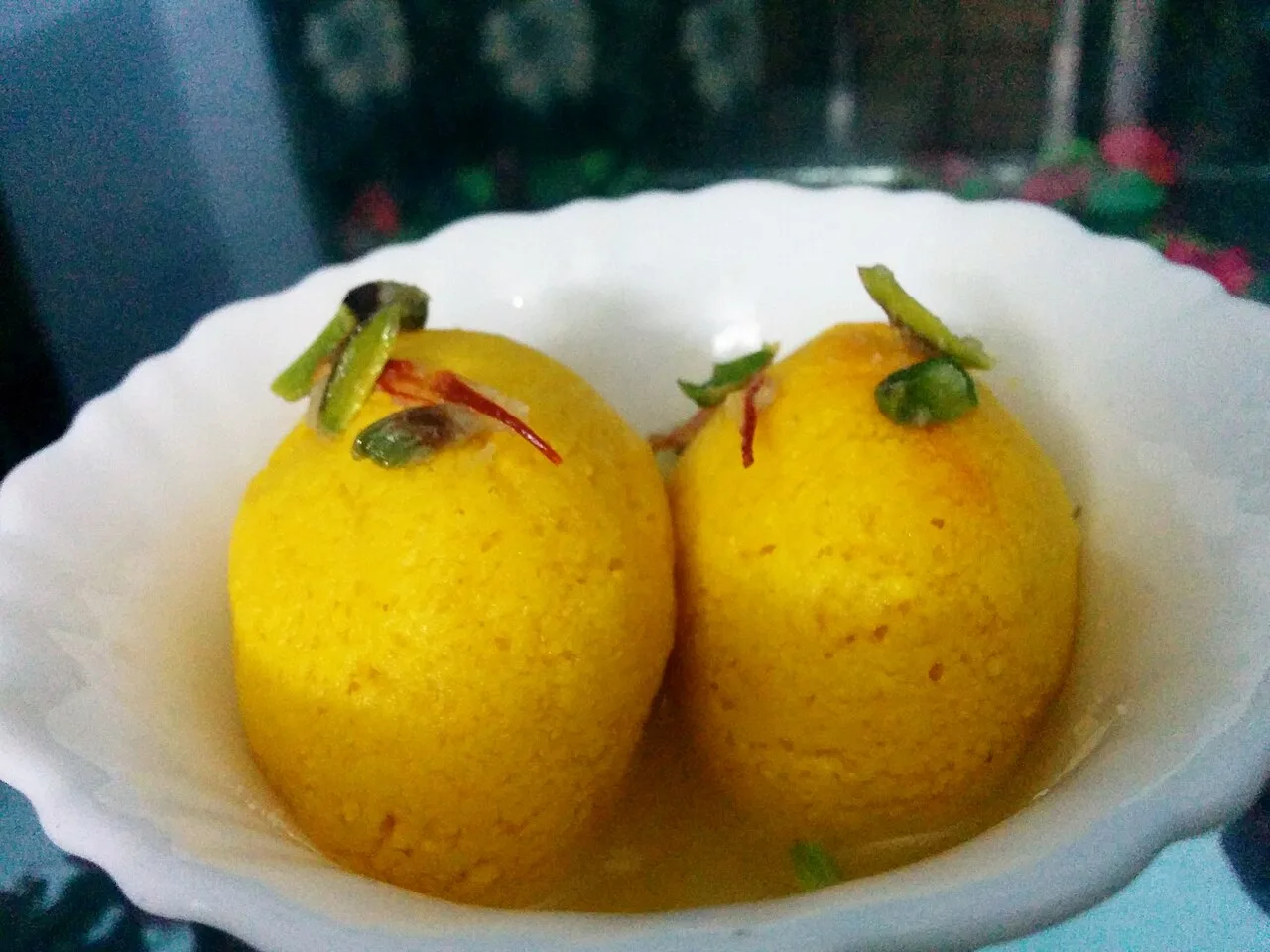
Chakia shares the everyday food culture of Bihar and the wider Mithila region. Meals commonly centre on rice or wheat with dal, vegetables and seasonal ingredients; litti chokha and sattu preparations are familiar regional choices. Sweets and snacks vary by shop and season, so the town is better approached as a place to try local everyday cooking than as a destination with a single signature dish. Maithili and Hindi are widely relevant languages in the area, alongside other languages used across Bihar.

Chhath, observed chiefly in autumn and again in spring, is among the region’s most important festivals, with worship connected to the sun and water. Holi, Diwali, Durga Puja and Ram Navami are also observed. Religious life is visible at Maa Kali Mandir in Ward 6 and at Sita Kund, where local tradition links the pond to the Ramayana. The Kali temple maintains a distinctive custom in which Maithili Brahmins conduct and guide worship. Festival gatherings, devotional singing and family observances are central to local cultural life; specific performance traditions can vary from one community and occasion to another.

Visiting the city

The cooler, drier months from October to March are generally the most comfortable time to visit. Darbhanga Airport is a nearby scheduled-air gateway; Patna’s Jay Prakash Narayan Airport is another option, depending on connections. Chakia Railway Station lies on the Muzaffarpur–Gorakhpur main line and is the town’s principal rail access point.

Within Chakia, local roads and hired vehicles are useful for reaching the bazaar, Ward 6 and sites outside the central town. Sita Kund is at Vedivan (also written Bedivan), in Madhuban Panchayat, on Chakia’s outskirts, so allow time for a separate local journey. Maa Kali Mandir offers a closer look at the town’s religious life. Chakia is also connected by road through the Muzaffarpur–Motihari corridor and nearby national highways, making it possible to combine a visit with stops elsewhere in East Champaran.

Trips from the city

Nearest places to visit from Chakia

Our closest destination guides, by straight-line distance.

Kesaria stupa

21 km away · East Champaran district

Kesaria stupa

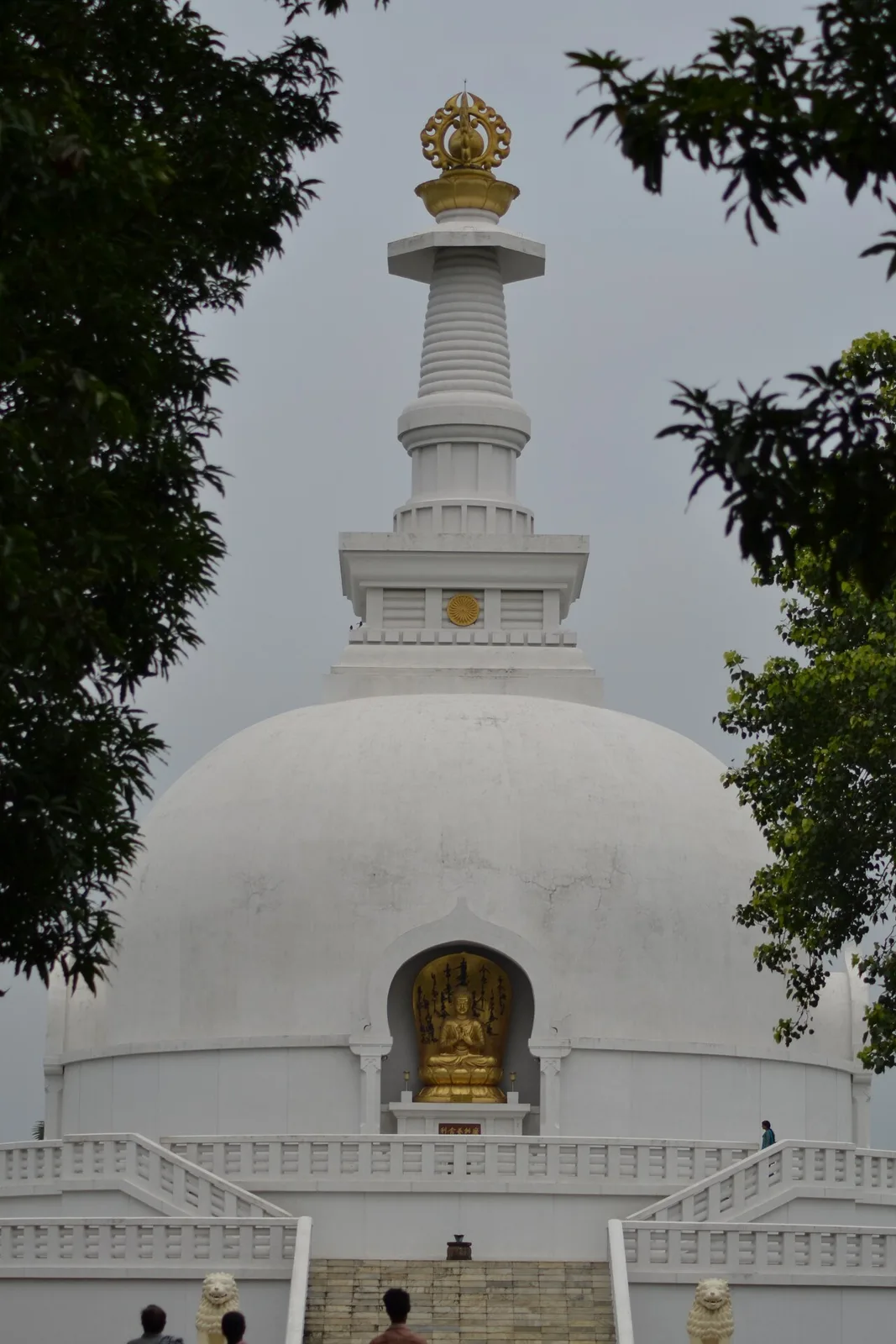
Kesariya Stupa is a Buddhist monument in Bihar’s East Champaran district, at Kesariya near Mehsi. Visitors come to see the structure, whose construction began in the third century BCE.

Vaishali

45 km away · Vaishali district

Vaishali

Vaishali is an archaeological site in Bihar associated with an ancient republic and important events in Buddhist and Jain history. Visitors come to see its stupas and Ashokan pillar and to explore these religious connections.

Sitamarhi

49 km away · Sitamarhi district

Sitamarhi

Sitamarhi is a city in Bihar’s Tirhut Division and the administrative centre of its district. Visitors are drawn by the Hindu tradition linking it to Sītā’s birth.

Sonpur

81 km away · Saran district

Sonpur

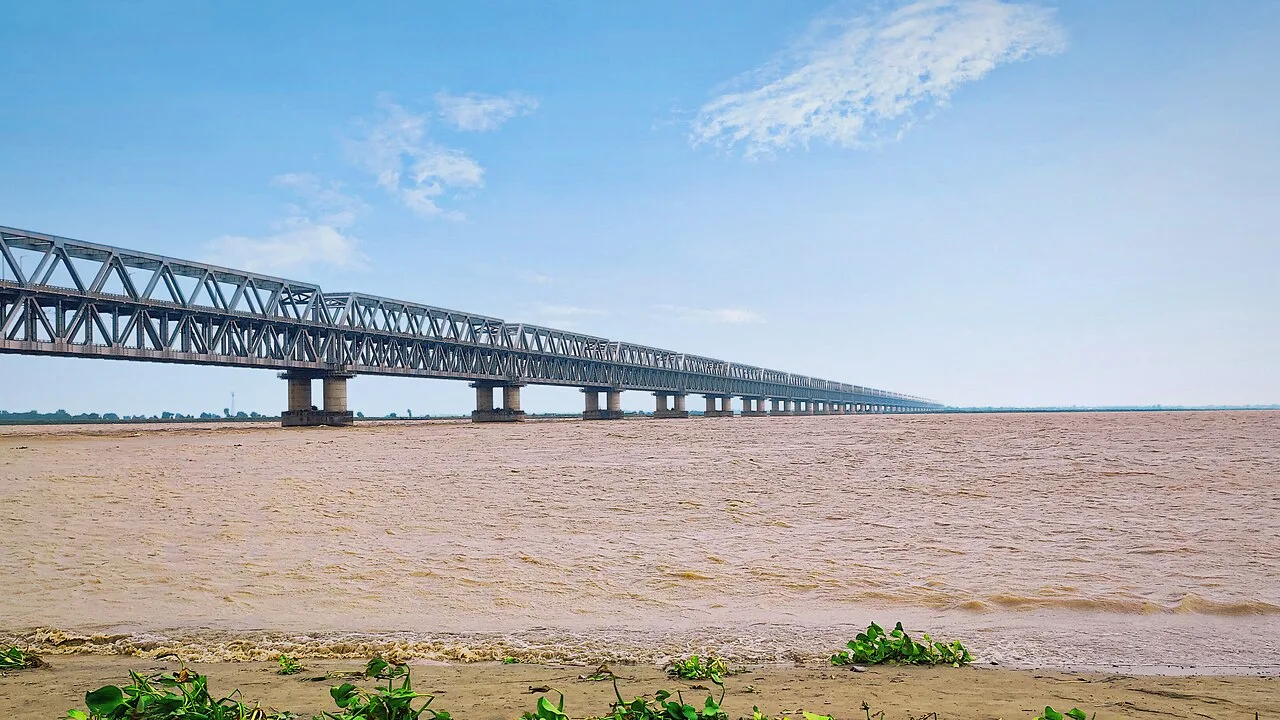
Sonpur, officially known as Sonepur, is a city in Bihar’s Saran district, beside the Gandaki and Ganges rivers. Visitors come for its cattle fair, which begins on Kartik Poornima and is Asia’s largest.

Maner

87 km away · Patna district

Maner

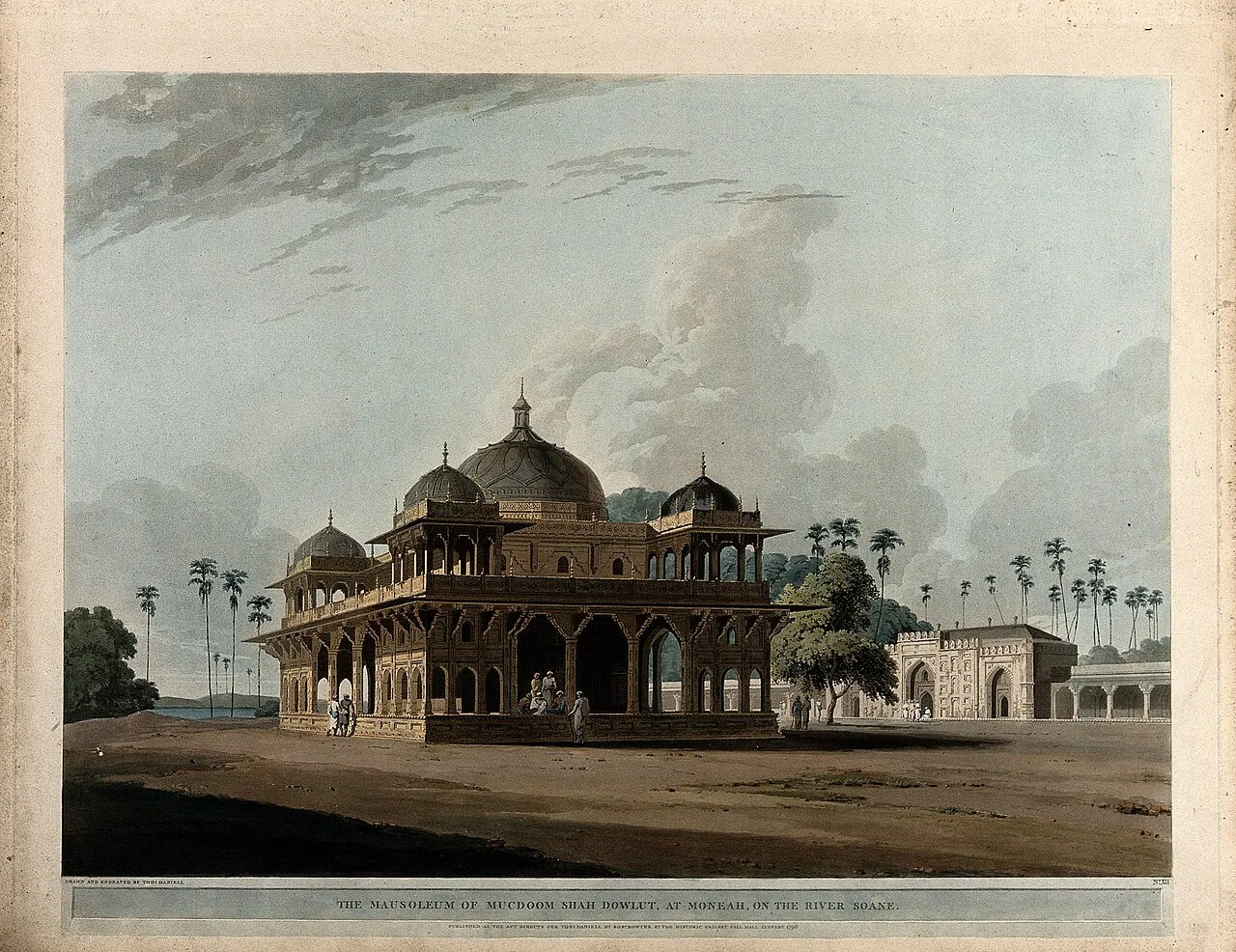
Maner, also called Maner Sharif, is a historic town and administrative block in Bihar’s Patna district. Visitors are drawn by its Mughal-era dargahs and its importance as a Sufi pilgrimage destination.

Darbhanga

89 km away · Darbhanga district

Darbhanga

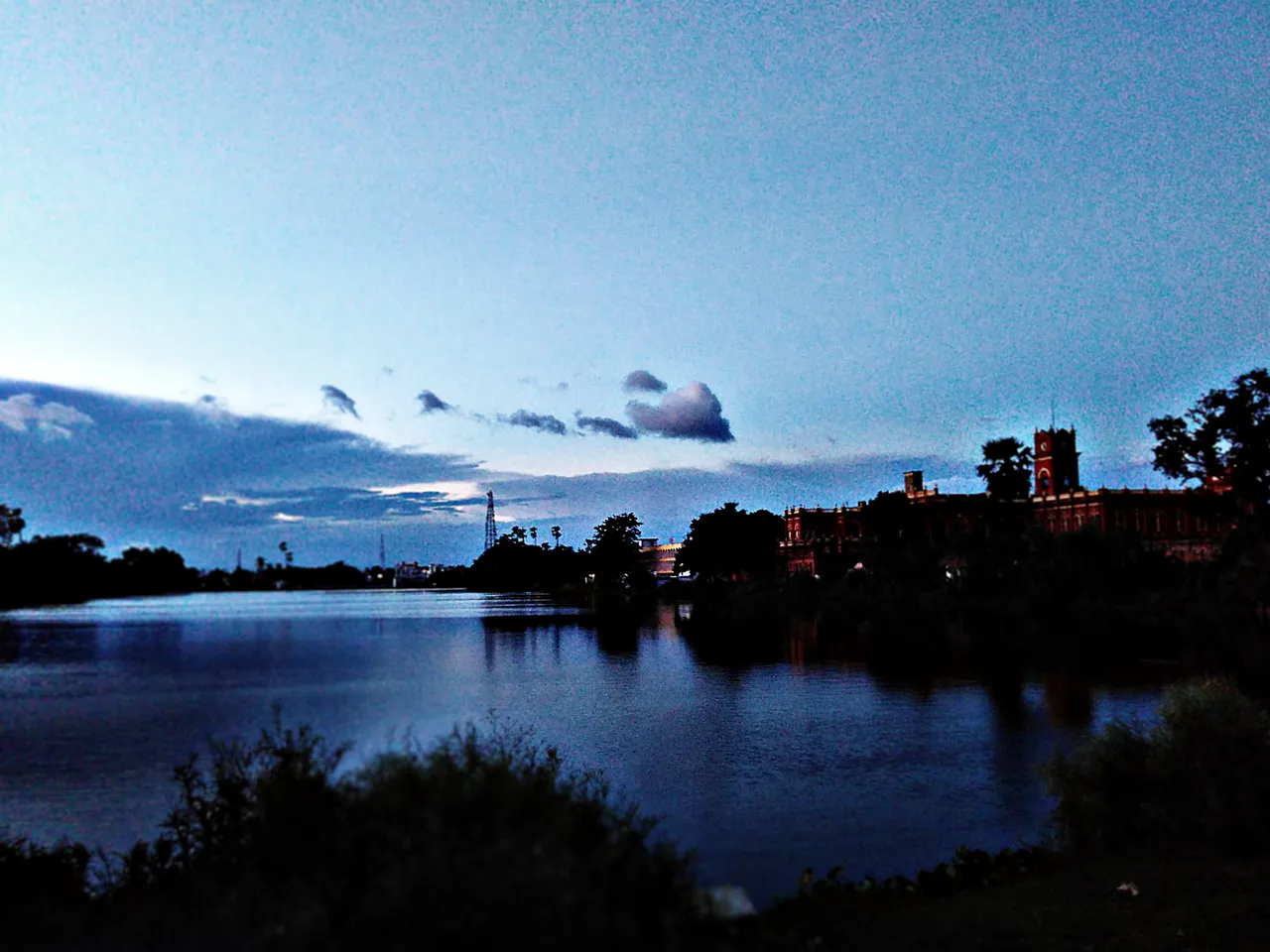
Darbhanga is a major city and municipal corporation in Bihar, serving as the administrative centre of its district and division. Visitors encounter a longstanding centre of Mithila’s cultural, literary and musical traditions.

Golghar

89 km away · Patna district

Golghar

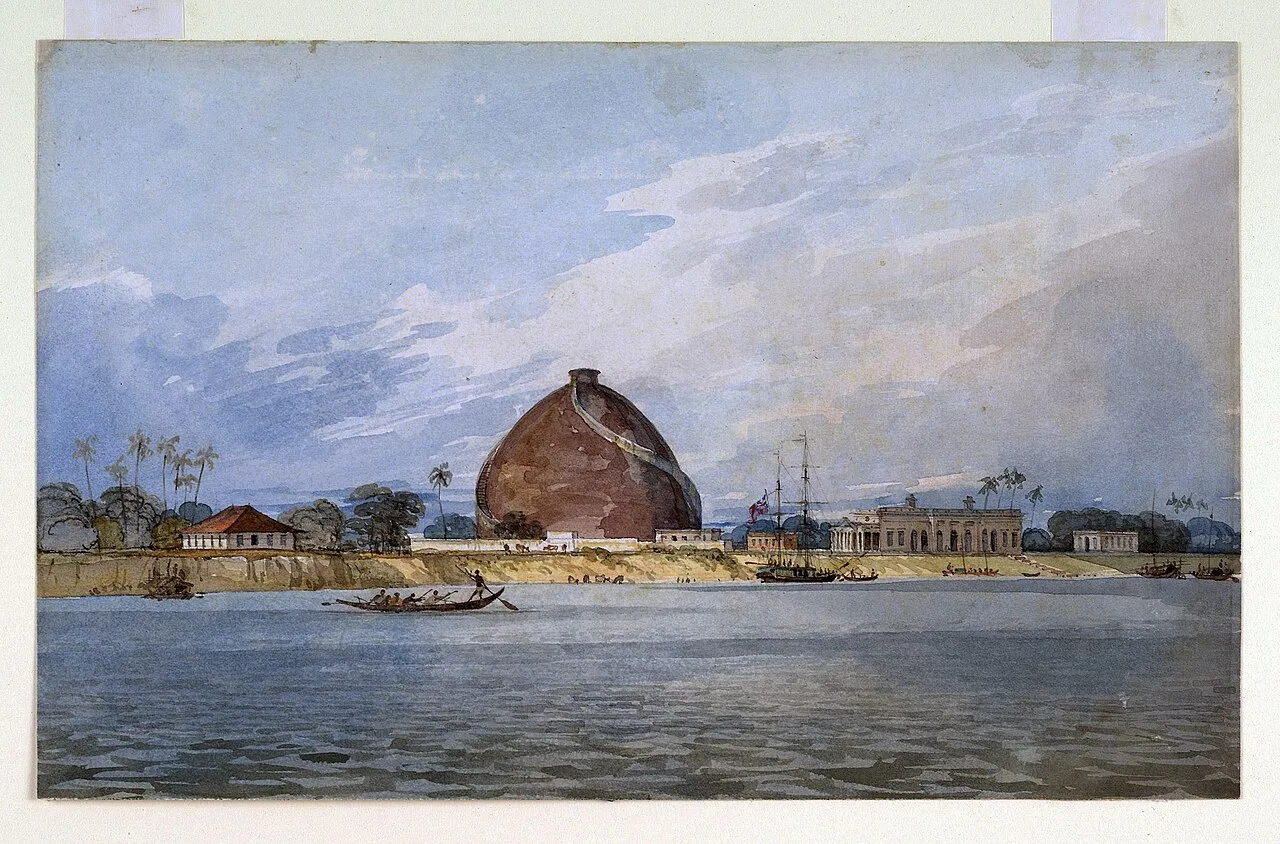
Golghar, also called Gol Ghar, is a substantial grain store in Patna, Bihar. Visitors come to see the granary west of Gandhi Maidan.

Bihar Museum

90 km away · Patna district

Bihar Museum

Bihar Museum is Patna’s state museum, with displays on Bihar’s history. Visitors can explore its galleries, children’s museum and distinctive arrangement of buildings and courtyards.

Map

Chakia on the map

  1. 1Kesaria stupa
  2. 2Vaishali
  3. 3Sitamarhi
  4. 4Sonpur
  5. 5Maner
  6. 6Darbhanga
  7. 7Golghar
  8. 8Bihar Museum

Bihar

Other cities to explore