Ghumoopedia — Explore, Discover, Experience
Sign in
Bhimbandh Wildlife Sanctuary, near Kharagpur

City guide · Bihar

Kharagpur

Haveli Kharagpur is a small town in Munger district, in south-eastern Bihar, and serves as the headquarters of one of the district’s subdivisions. Its importance is chiefly regional: residents of nearby settlements come here for everyday shopping and services, while its administrative role connects it with the wider Munger area.

Famous for

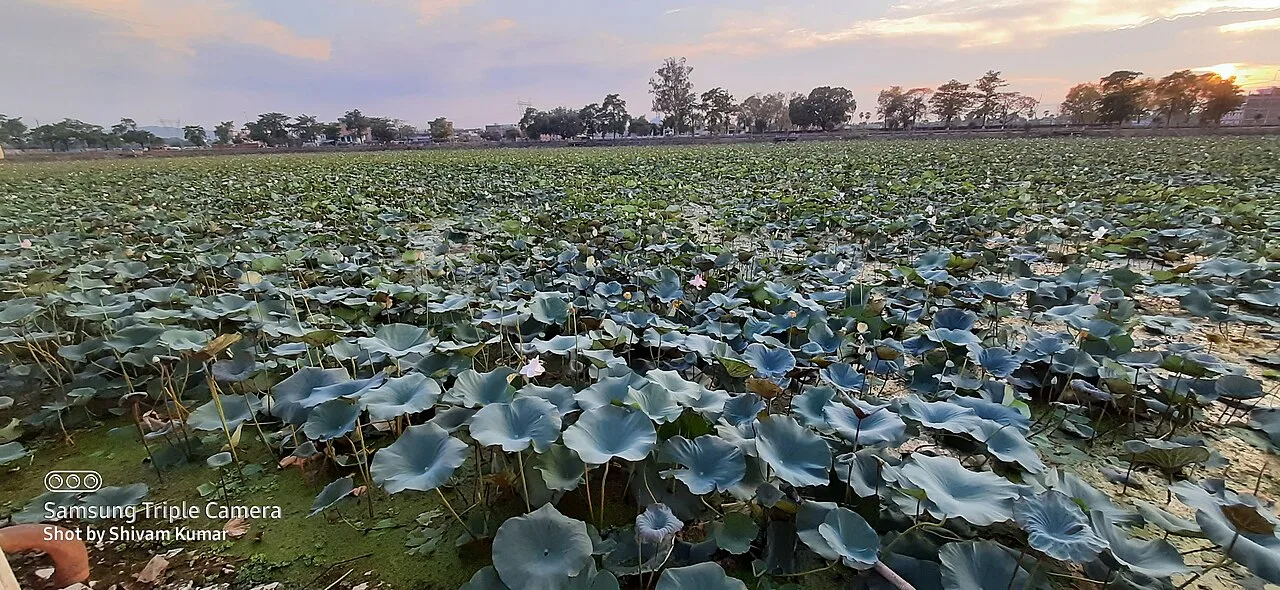
  • Kharagpur Lake
  • Munger district subdivision
  • Regional rural markets

Why Kharagpur matters

Haveli Kharagpur is a small town in Munger district, in south-eastern Bihar, and serves as the headquarters of one of the district’s subdivisions. Its importance is chiefly regional: residents of nearby settlements come here for everyday shopping and services, while its administrative role connects it with the wider Munger area. It is a practical stop for travellers exploring this part of Bihar rather than a large, purpose-built tourist centre.

The best-known nearby attraction is Kharagpur Lake, about three to four kilometres west of the bus stand. Its setting offers a change of pace from the town’s streets and makes it a natural outing for local visitors. The surrounding landscape, local markets and everyday life are central to the experience here. Visitors should not expect a major craft or industrial showcase; Haveli Kharagpur is better understood as a working small town and a convenient base for seeing the countryside around Munger. Its appeal lies in that local scale and in the chance to experience a less-visited part of Bihar.
Famous for: crafts, trade & products

Haveli Kharagpur is not widely known as a centre for a particular textile, saree, handicraft or GI-tagged product. Its commercial life is more local in character: shops and market streets serve residents from the town and nearby villages with daily necessities, household goods and seasonal produce. The town’s role as a subdivisional centre also brings people in for administrative and other routine services.

For an everyday view of local trade, explore the central bazaar area and the shops around the main roads and bus stand. These are the most practical places to look for snacks, basic supplies and locally sold produce, though selection varies. Visitors seeking specialist crafts or a wider range of regional products may find more choice in larger nearby centres, including Munger. There is no single signature shopping district or product market that defines Haveli Kharagpur, so it is best approached as a place to observe ordinary market life rather than as a destination for a particular souvenir.

History

Haveli Kharagpur’s public identity is closely tied to its role within Munger district: it is both a town and the headquarters of a subdivision. The name “Haveli” is part of the town’s established name, but a detailed, well-documented account of its origins or of a particular ruling house is not readily established. It is therefore best not to attach a specific palace, dynasty or founding date to the town without reliable local evidence.

Over time, the settlement has served the surrounding area as a place for administration, trade and everyday services. Its growth reflects the needs of nearby villages as well as connections with larger centres in Munger district. Modern development is visible in the continued importance of local roads, shops and public services, rather than in a large tourist or industrial quarter. Kharagpur Lake, just west of the bus stand, remains a notable nearby landmark, but the town’s history is principally that of a regional service centre.

Food, festivals & culture

Everyday food in Haveli Kharagpur follows the broader patterns of Bihar: rice or roti with lentils, vegetables and seasonal ingredients, along with tea and simple savoury snacks from local shops. Sweets associated with Bihar may be available in the bazaar, but the town is not especially known for one signature dish or sweet. Hindi is widely used; Angika and Urdu are also spoken in the wider area and among local communities.

Major Hindu festivals such as Holi, usually in spring, and Diwali, generally in autumn, are observed, while Chhath Puja, held in autumn and sometimes again in spring, is an important Bihar-wide tradition. Eid is celebrated by Muslim residents, and other religious occasions bring their own gatherings. Temples and mosques serve neighbourhood communities; visitors should ask locally for directions to particular places of worship. Folk songs and music are part of seasonal and family celebrations, though there is no single performance venue or dance tradition that defines the town for visitors.

Visiting the city

The cooler months, roughly October to March, are generally the most comfortable time to visit; summer can be hot, and monsoon weather may affect road journeys. Deoghar Airport in neighbouring Jharkhand is a nearby air option, while Patna has a wider range of connections but is farther away. Jamalpur Junction is a principal railway station for reaching the area; check onward local connections before setting out.

Within town, local shared vehicles and auto-rickshaws are useful for short trips, with taxis or hired vehicles more practical for reaching nearby sights. Kharagpur Lake lies about three to four kilometres west of the bus stand and makes an easy local excursion. Explore the central bazaar and main streets for everyday town life. Haveli Kharagpur is compact, so visitors can combine its market area with the lake in a short stay.

Trips from the city

Nearest places to visit from Kharagpur

Our closest destination guides, by straight-line distance.

Bhimbandh Wildlife Sanctuary

30 km away · Munger district

Bhimbandh Wildlife Sanctuary

In Bihar’s Munger district, Bhimbandh Wildlife Sanctuary is a sanctuary devoted to wildlife. Visitors come to spend time in this wildlife-focused place in the district’s south-west.

Munger Fort

30 km away · Munger district

Munger Fort

Munger Fort is a historic stronghold in Bihar, set on a rocky rise beside the Ganges. Visitors come to see its tombs, palace, temple, riverside ghat and British-era cemetery.

Mandar Hill

58 km away · Bhagalpur district

Mandar Hill

Mandar Hill, also called Mandar Parvat, is a roughly 700-foot hill at Bounsi in Bihar’s Banka district. Hindus and Jains visit it as a place of pilgrimage.

Vikramshila University Ruins

77 km away · Bhagalpur district

Vikramshila University Ruins

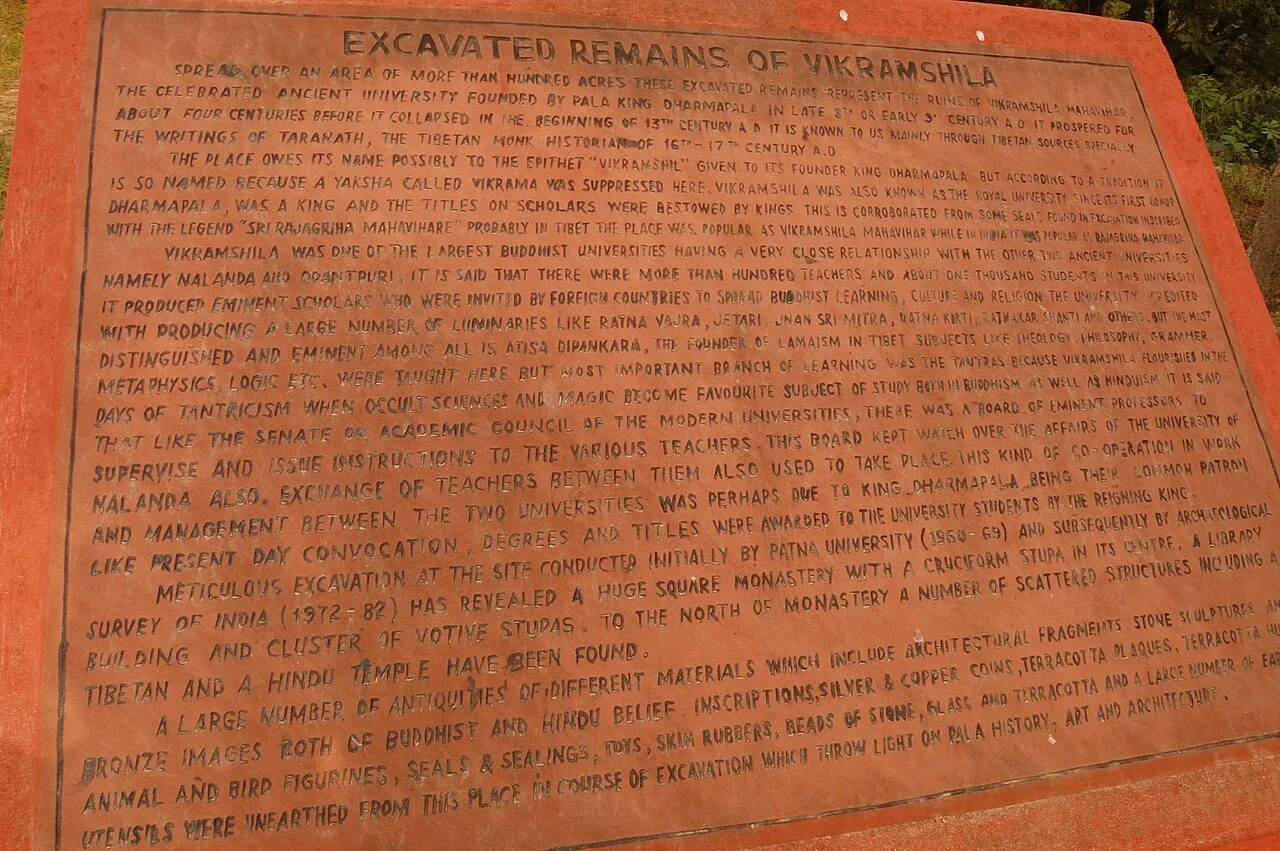
Vikramshila University Ruins mark a major Buddhist centre of learning in Bihar. Visitors come to explore the site and learn about its scholars and place in Buddhist education.

Vishwa Shanti Stupa

83 km away · Gaya district

Vishwa Shanti Stupa

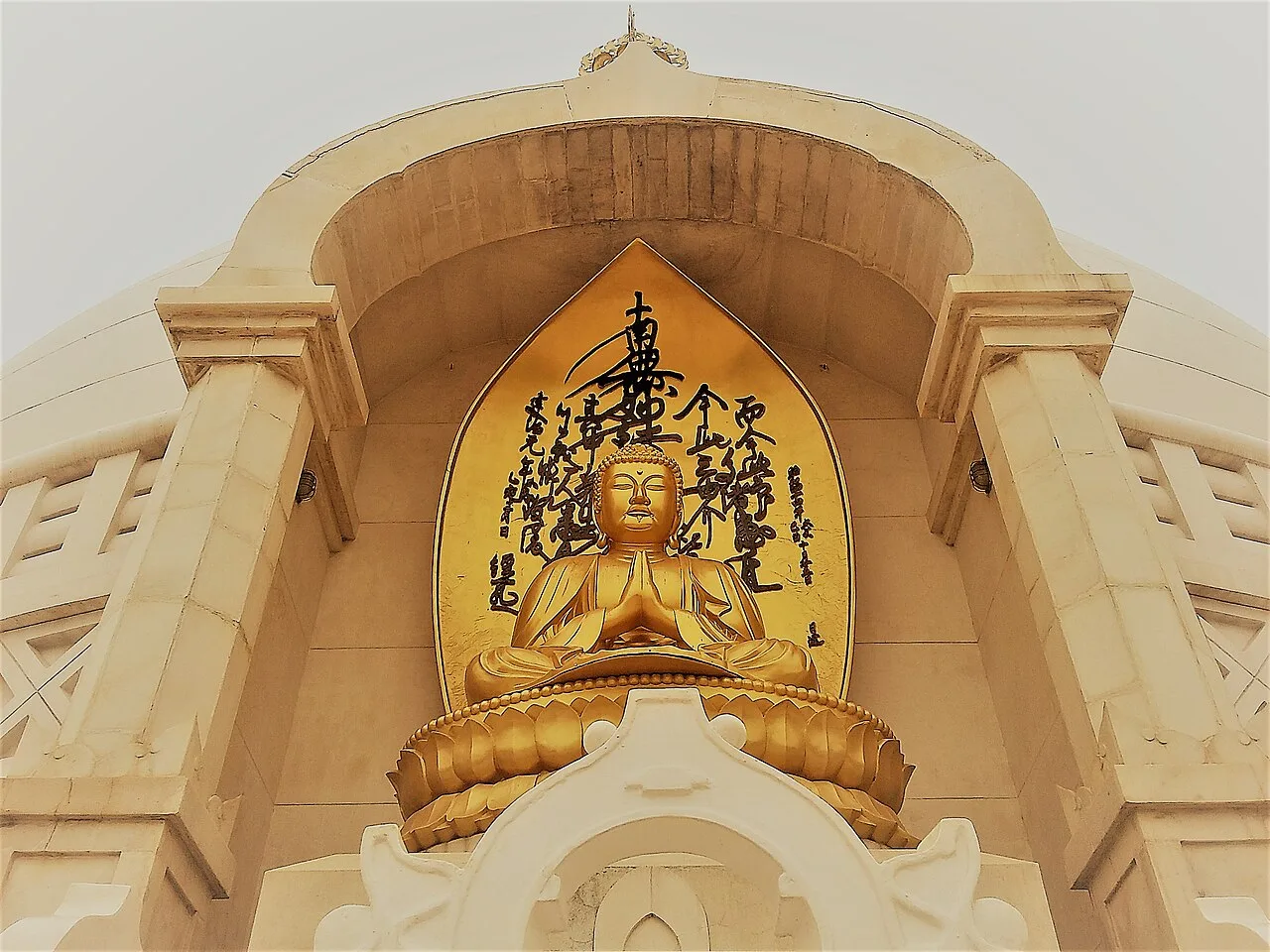
Vishwa Shanti Stupa is a white Buddhist pagoda in Rajgir, visited for its Buddha statues, nearby Japanese temple and park, and prayers for peace.

Pawapuri

102 km away · Gaya district

Pawapuri

Pawapuri, also called Pavapuri, is a Jain sacred site in Bihar’s Nalanda district. People travel there on pilgrimage because it is associated with Mahavira’s nirvana.

Kakolat Falls

105 km away · Nawada district

Kakolat Falls

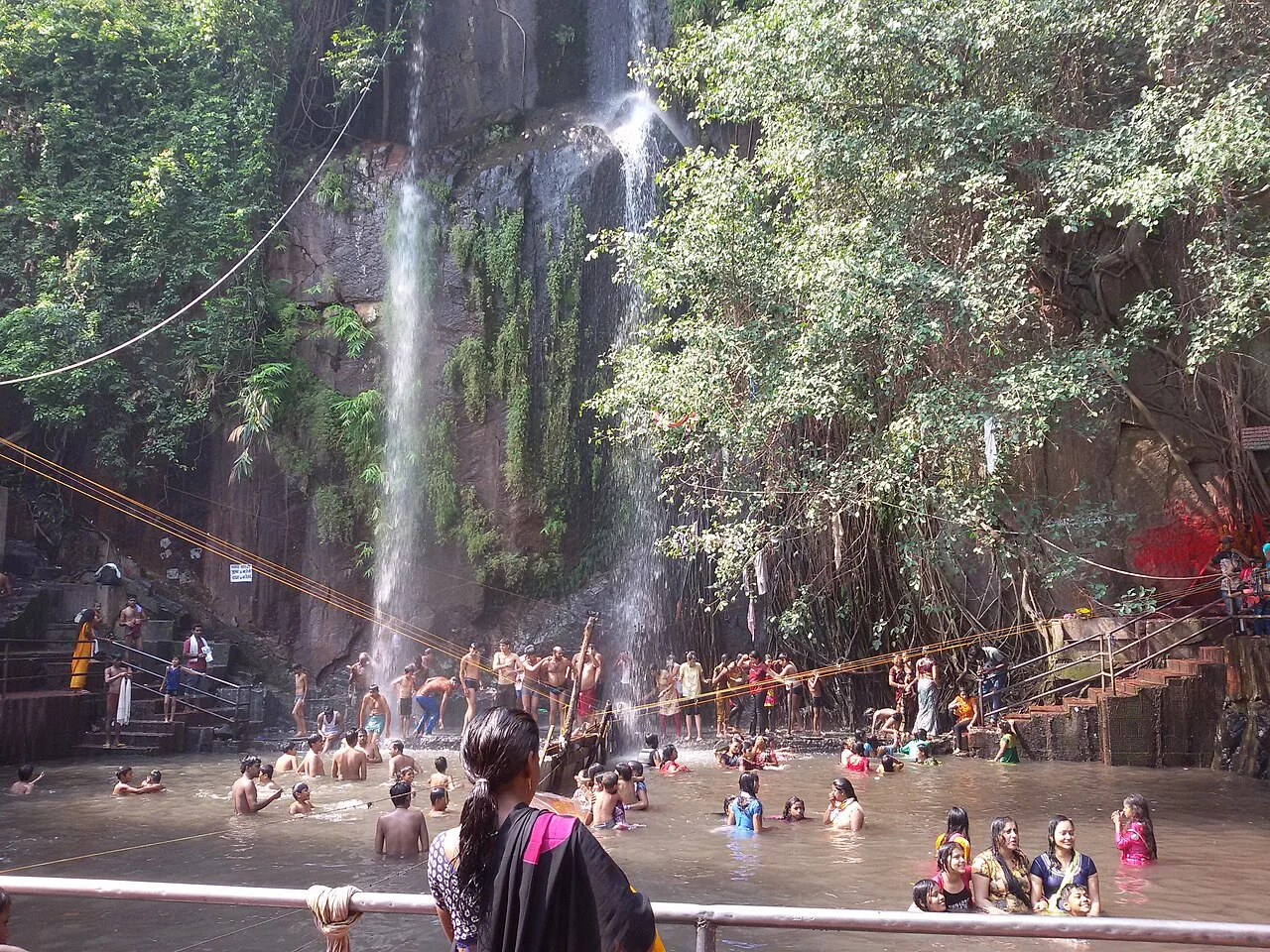
Kakolat Falls is a waterfall in Bihar’s Nawada district. Visitors come to see the falling water, making it a destination centred on this natural feature.

Katihar

112 km away · Purnia district

Katihar

Katihar is a major city in Bihar, known for its regional commercial, educational and administrative roles. Travellers also use it as a railway hub linking routes towards North Bengal and the north-east.

Map

Kharagpur on the map

  1. 1Bhimbandh Wildlife Sanctuary
  2. 2Munger Fort
  3. 3Mandar Hill
  4. 4Vikramshila University Ruins
  5. 5Vishwa Shanti Stupa
  6. 6Pawapuri
  7. 7Kakolat Falls
  8. 8Katihar

Bihar

Other cities to explore