Ghumoopedia — Explore, Discover, Experience
Sign in
Sonpur, near Hajipur

City guide · Bihar

Hajipur

Hajipur is the headquarters of Vaishali district and an important urban centre on the north bank of the Ganga. Its close connection to Patna, across the river, gives the city a significant role in regional administration, transport, education and commerce.

Famous for

  • Mahatma Gandhi Setu
  • Ramchaura Mandir
  • Pataleshwar Mandir
  • Bajjika language
  • Banana cultivation
  • Agro-based industries

Why Hajipur matters

Hajipur is the headquarters of Vaishali district and an important urban centre on the north bank of the Ganga. Its close connection to Patna, across the river, gives the city a significant role in regional administration, transport, education and commerce. Mahatma Gandhi Setu links the two cities, while the Digha–Sonpur bridge provides another crossing in the wider area. Hajipur is also connected by rail and road to other parts of Bihar, making it a practical base for exploring Vaishali district.

Visitors come for its temples and layered history. Ramchaura Mandir, associated by local tradition with Lord Rama, is a focus of worship and a lively gathering place during Rama Navami. Pataleshwar Mandir is another important shrine. The town’s older Buddhist associations—with ancient Ukkacala and a discourse of the Buddha—add historical interest. Hajipur is also known for banana cultivation and for a growing industrial area with food and consumer-goods manufacturers. Its character blends everyday city life with religious sites, river crossings and the agricultural landscape of north Bihar.
Famous for: crafts, trade & products

Hajipur’s best-known produce is the banana, grown in the surrounding fertile plains. Nearby farms also cultivate litchi and mango, and seasonal fruit appears in local shops and markets. The city’s commercial identity is not centred on a celebrated textile tradition or a widely recognised GI-tagged craft; agriculture and food processing are more prominent. For everyday produce and household shopping, visitors can browse the town’s general markets and ask locally about seasonal arrivals.

Hajipur also has a substantial industrial area, including an Export Promotion Industrial Park managed by the Bihar Industrial Area Development Authority. Food, dairy, packaged-goods and consumer-product businesses have manufacturing operations in the city, alongside agro-based enterprises. This industrial zone is primarily a place of production rather than a visitor market, and access may be restricted. Visitors interested in local products are more likely to encounter fruit, dairy goods and packaged foods through ordinary retail shops than through factory tours. The city’s proximity to Patna also connects its trade and services to a larger regional market.

History

Hajipur is associated with ancient Ukkacala, described in Buddhist tradition as a village reached after crossing the Ganga from Patna. A discourse of the Buddha is linked to the place, and Buddhist accounts connect it with the enshrinement of a portion of Ananda’s ashes. These associations give the city a place in the wider history of the region. The name Hajipur is locally linked to Haji-Pir and to Haji Shamsuddin Ilyas Shah.

The town was strategically situated near the Ganga and Gandak rivers. During the sixteenth century, it was contested in the struggles between Akbar’s Mughal forces and the Karrani rulers of Bengal; imperial troops captured it in 1572 and again in 1574. Under British rule, Hajipur was a small town in Muzaffarpur district. It became the headquarters of the newly separated Vaishali district in 1972. In modern times, bridges across the Ganga and Gandak, rail connections and industrial development have strengthened its links with Patna and the surrounding region.

Food, festivals & culture

Hindi is widely used in public life, while Bajjika is the local speech of much of the area. Urdu and other regional languages are also heard, and English is used in some institutions and businesses. Hajipur’s food reflects the broader cooking of north Bihar: rice, lentils, seasonal vegetables, sattu preparations and litti chokha are familiar choices. Bananas and other locally grown fruit are common seasonal produce, though the city is not especially known for one signature sweet.

Hindu worship is visible at Ramchaura Mandir and Pataleshwar Mandir. Rama Navami, usually in spring, brings a fair and celebrations at Ramchaura. Chhath, observed in autumn and again in spring, is an important regional festival, with worship centred on the sun and river or other water bodies. Shivaratri is marked at Shiva temples. Folk singing and seasonal traditions of the wider Bajjika and north Bihar region form part of local cultural life; practices vary between neighbourhoods and communities. Religious observances, family gatherings and market activity are central to the city’s festive calendar.

Visiting the city

October to March is generally the most comfortable period to visit, with cooler weather than the hot pre-monsoon months. Summers can be very warm, while monsoon rains may affect road travel. The nearest major airport is Jay Prakash Narayan International Airport in Patna. Hajipur Junction is the city’s main railway station and a useful rail gateway for the district.

Auto-rickshaws, e-rickshaws and local buses are practical ways to move around town; road links connect Hajipur with Patna over Mahatma Gandhi Setu and with Sonpur across the Gandak. Allow extra flexibility when crossing the river, as traffic conditions can vary. In town, explore the areas around Ramchaura Mandir and Pataleshwar Mandir, along with the older central streets and everyday markets. Hajipur also works as a base for visits elsewhere in Vaishali district, though local transport arrangements are best checked before setting out.

Trips from the city

Nearest places to visit from Hajipur

Our closest destination guides, by straight-line distance.

Sonpur

3 km away · Saran district

Sonpur

Sonpur, officially known as Sonepur, is a city in Bihar’s Saran district, beside the Gandaki and Ganges rivers. Visitors come for its cattle fair, which begins on Kartik Poornima and is Asia’s largest.

Agam Kuan

10 km away · Patna district

Agam Kuan

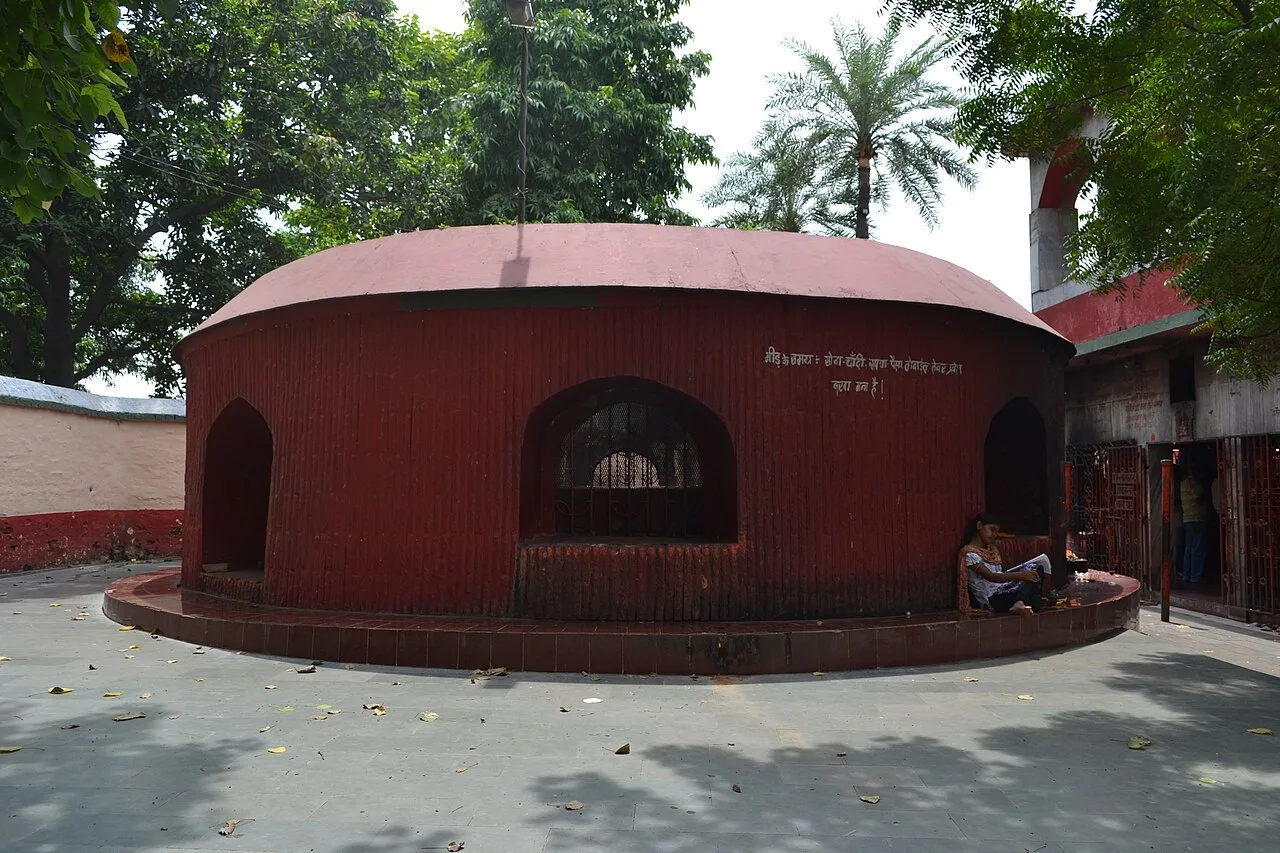
Agam Kuan is a historic circular well and archaeological site in Patna, Bihar, traditionally linked to Ashoka’s Mauryan era. Visitors also worship at the adjoining Shitala Devi temple, where the goddess and Saptamatrikas are venerated.

Gandhi Maidan

10 km away · Patna district

Gandhi Maidan

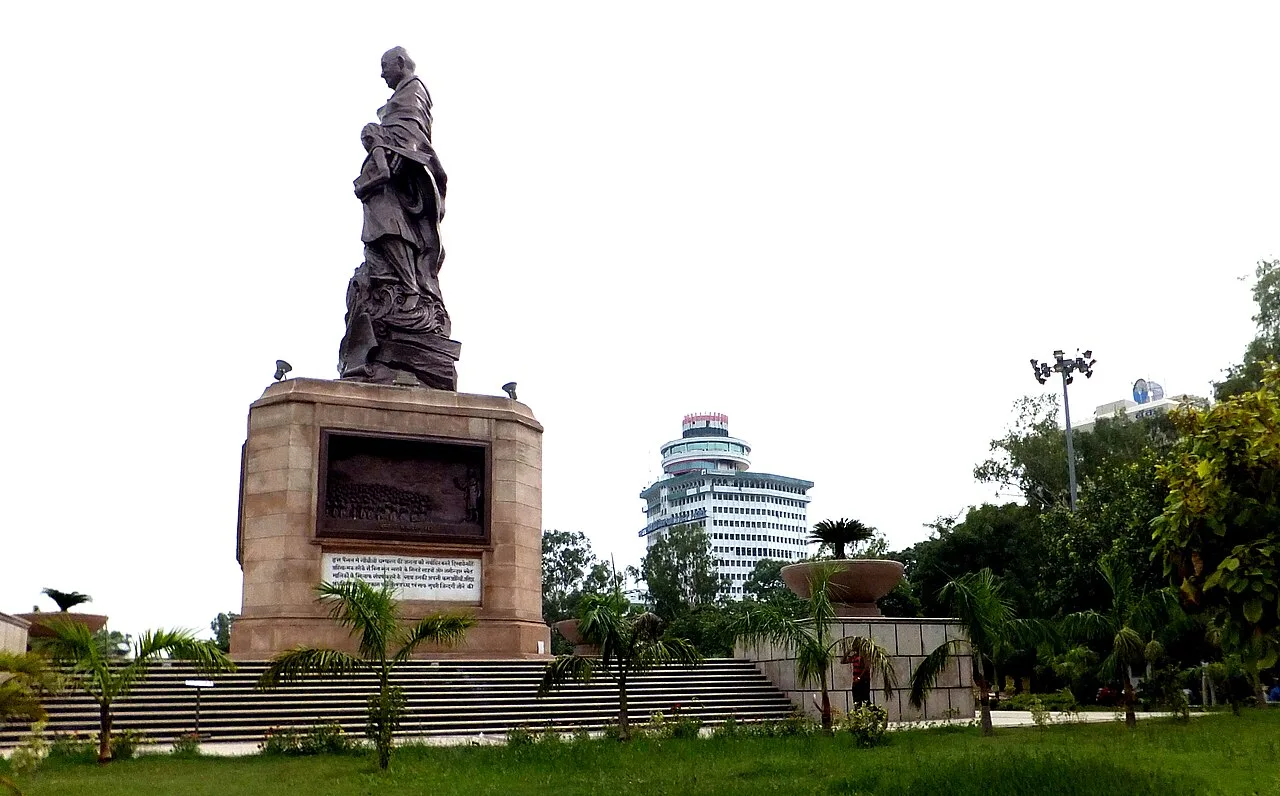
Gandhi Maidan is a historic open space in Patna, Bihar, near the Ganges. People visit a site linked to the freedom movement and significant political gatherings.

Golghar

10 km away · Patna district

Golghar

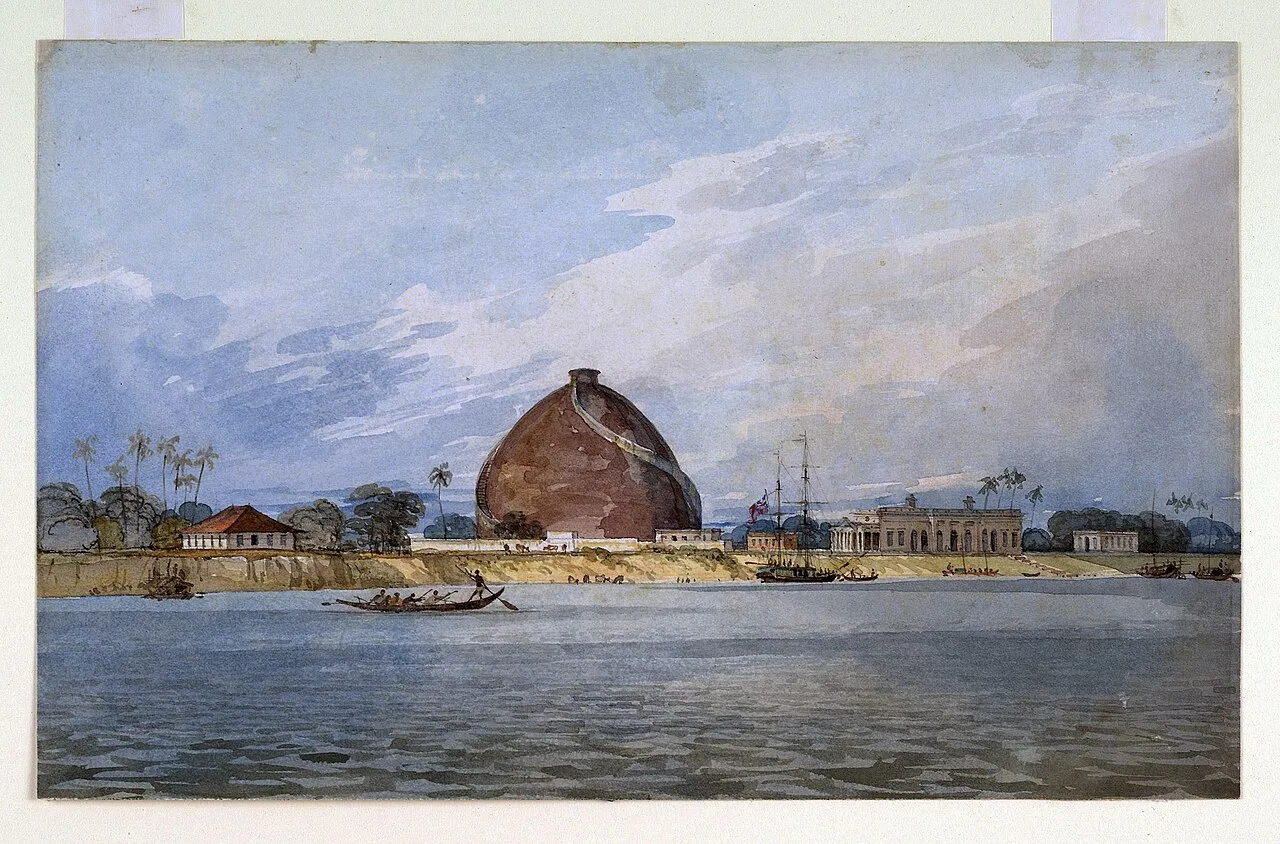
Golghar, also called Gol Ghar, is a substantial grain store in Patna, Bihar. Visitors come to see the granary west of Gandhi Maidan.

Kumhrar

10 km away · Patna district

Kumhrar

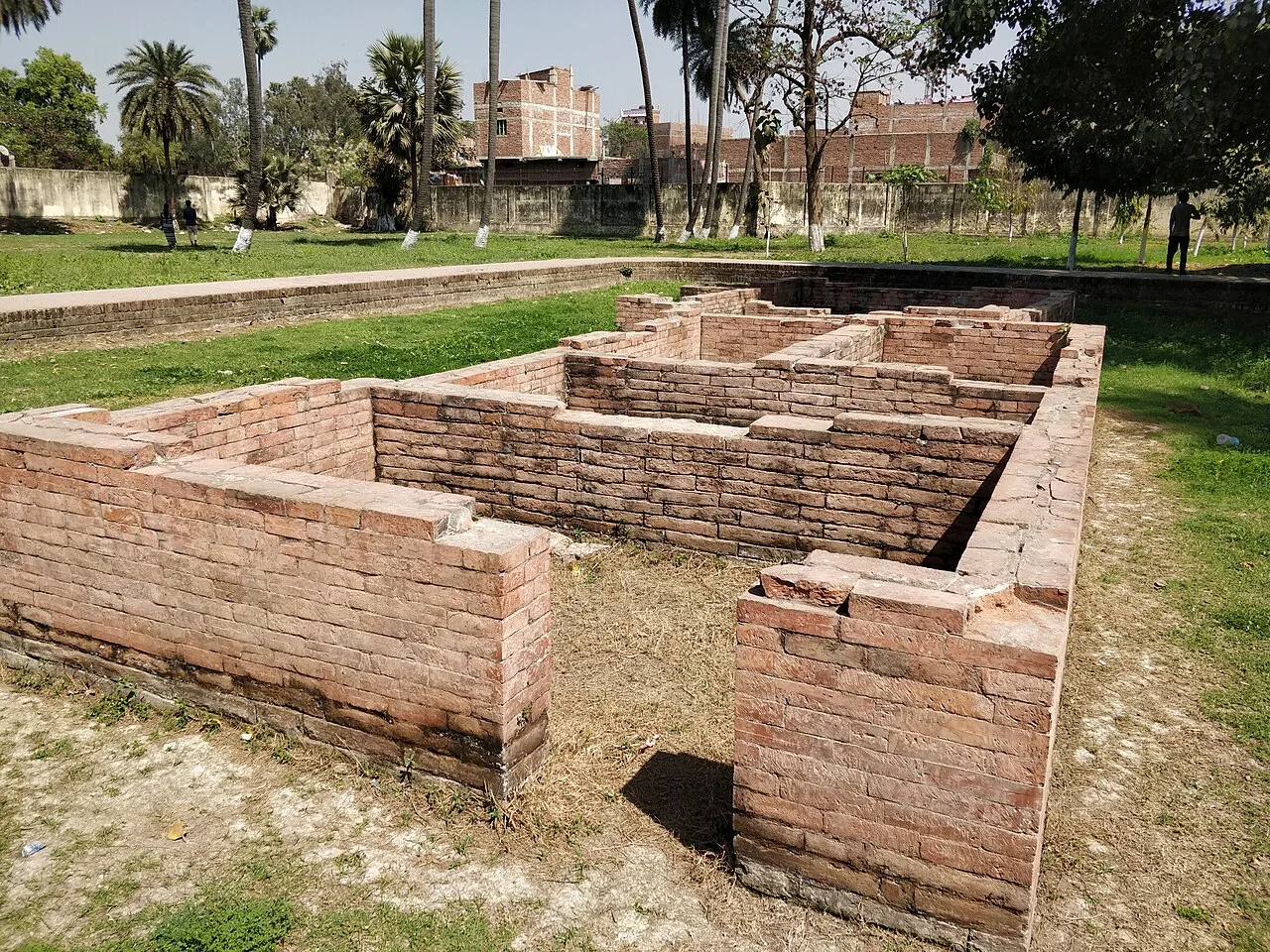
Kumhrar is an archaeological site in Patna connected with the remains of Pataliputra. Visitors come to see excavated traces of the city, including the remains of an 80-pillared hall.

Takht Sri Patna Sahib

10 km away · Patna district

Takht Sri Patna Sahib

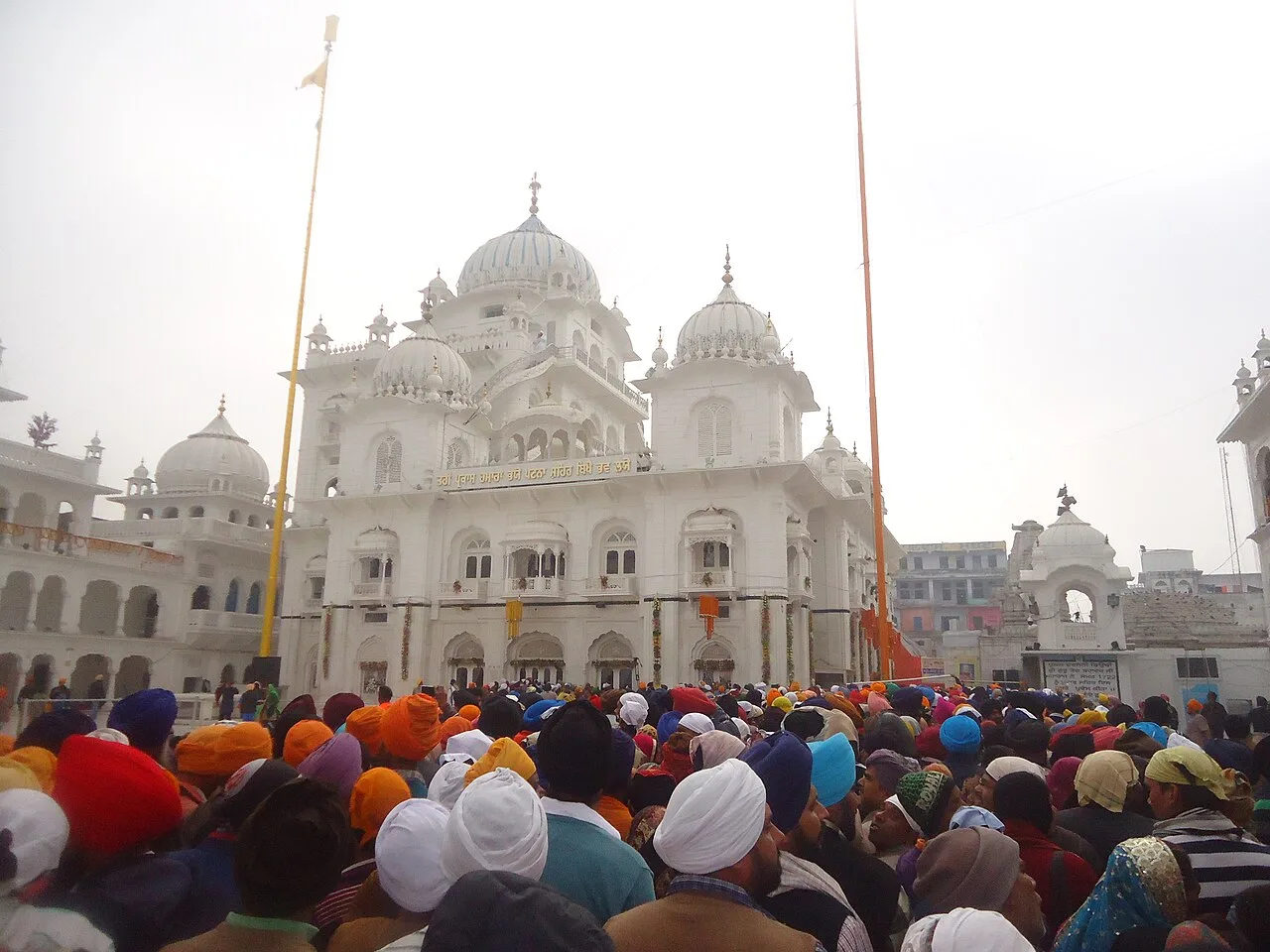
Takht Sri Patna Sahib, in Patna, Bihar, is among Sikhism’s five takhts. Visitors come to worship and pay their respects at this important Sikh religious site.

Patna Museum

11 km away · Patna district

Patna Museum

Patna Museum is Bihar’s state museum in Patna district. Visitors come to see its historical collections and learn about the institute’s work in history and archaeology.

Bihar Museum

12 km away · Patna district

Bihar Museum

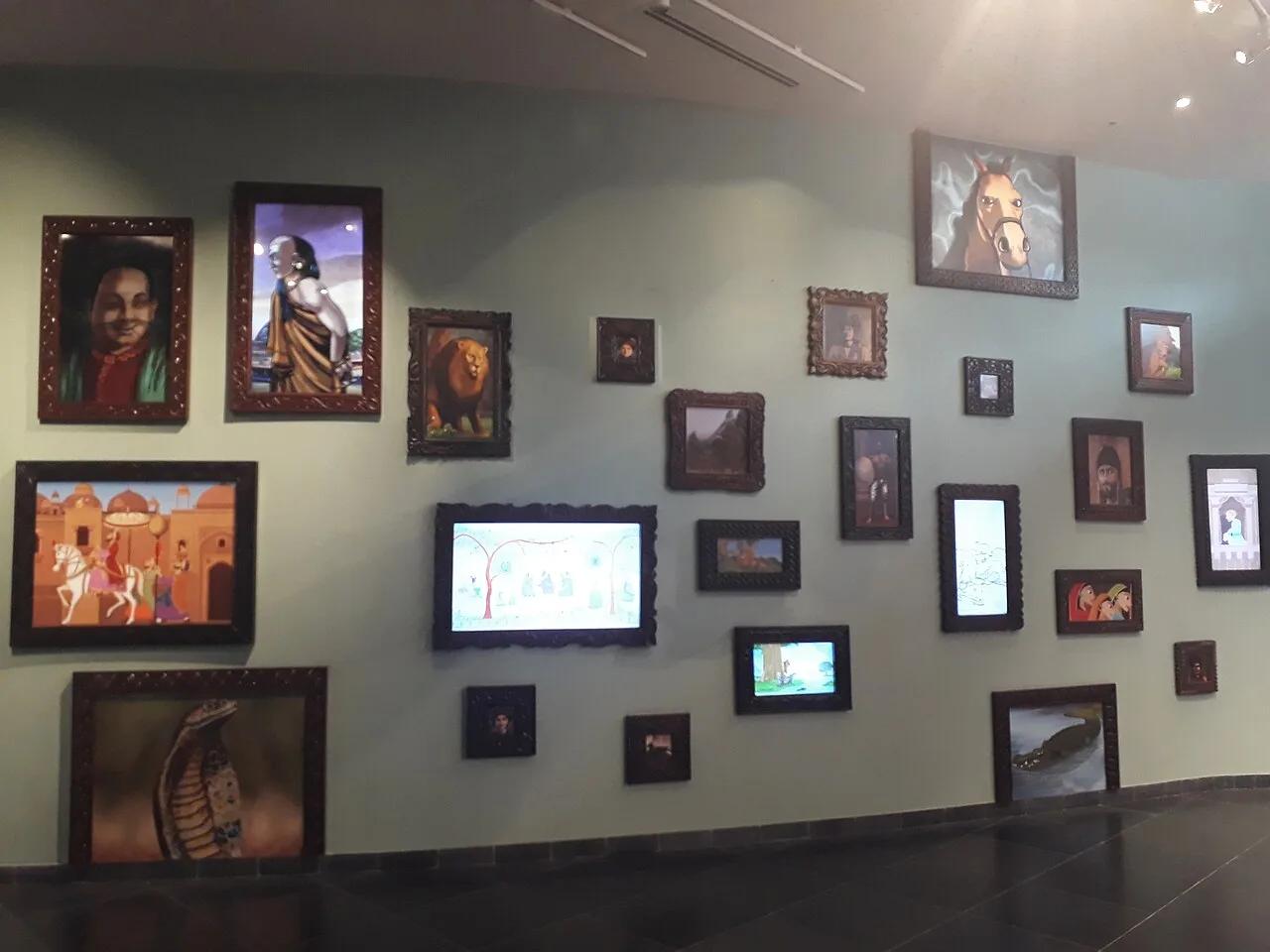
Bihar Museum is Patna’s state museum, with displays on Bihar’s history. Visitors can explore its galleries, children’s museum and distinctive arrangement of buildings and courtyards.

Map

Hajipur on the map

  1. 1Sonpur
  2. 2Agam Kuan
  3. 3Gandhi Maidan
  4. 4Golghar
  5. 5Kumhrar
  6. 6Takht Sri Patna Sahib
  7. 7Patna Museum
  8. 8Bihar Museum

Bihar

Other cities to explore