Ghumoopedia — Explore, Discover, Experience
Sign in

City guide · Bihar

Thakurganj

Thakurganj is a small town in Kishanganj district, in north-eastern Bihar. Its importance comes less from landmark attractions than from its position in a border region: Nepal lies to one side, while West Bengal borders the area on another.

Famous for

  • Nepal-border location
  • Kishanganj district town
  • Thakurganj railway connection
  • Regional tea-growing belt

Why Thakurganj matters

Thakurganj is a small town in Kishanganj district, in north-eastern Bihar. Its importance comes less from landmark attractions than from its position in a border region: Nepal lies to one side, while West Bengal borders the area on another. The town serves nearby rural communities with everyday shops, transport links and local services, making it a useful stop for travellers moving through this part of the state.

Visitors may find Thakurganj interesting as a base for seeing the landscapes and everyday life of the wider Kishanganj region. Tea is cultivated in parts of the district, and the surrounding countryside has a distinctly different feel from Bihar’s more densely urbanised areas. Thakurganj itself is best approached as a practical regional town rather than a major sightseeing destination: its railway connection, local markets and access to the borderlands are its main draws. Its notified-area administration is divided into 12 wards, reflecting its role as a local urban centre.
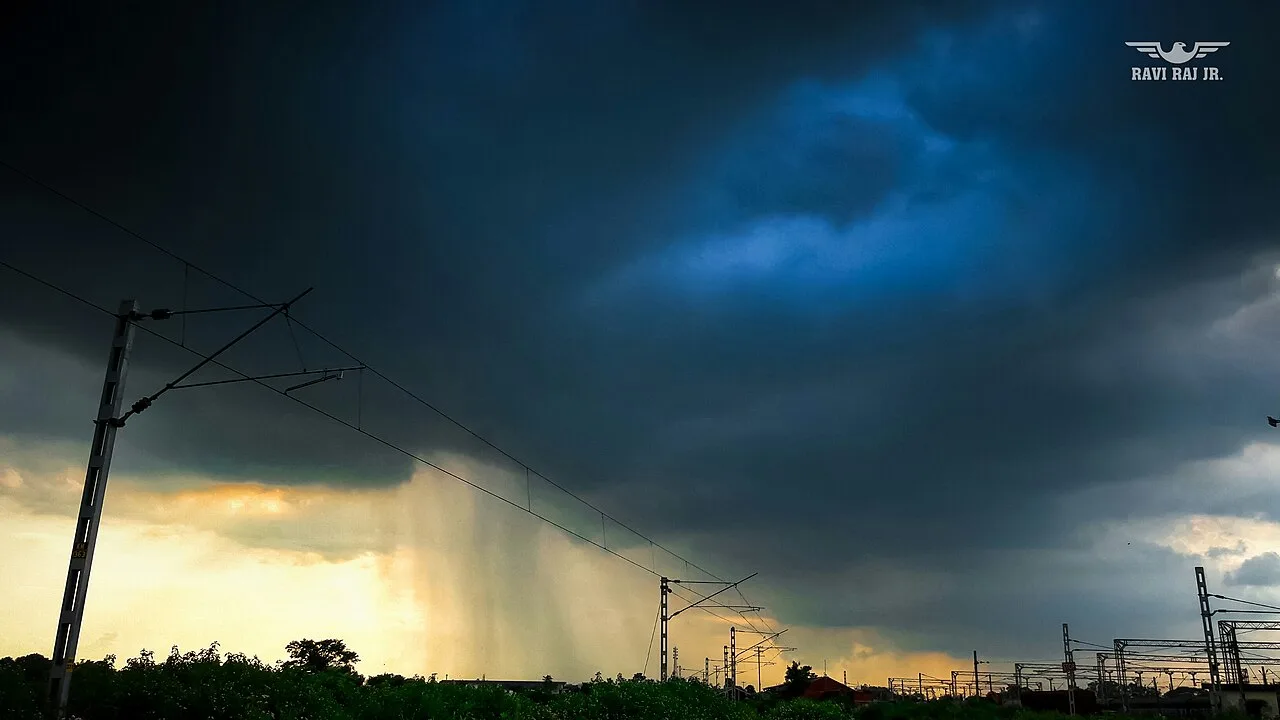
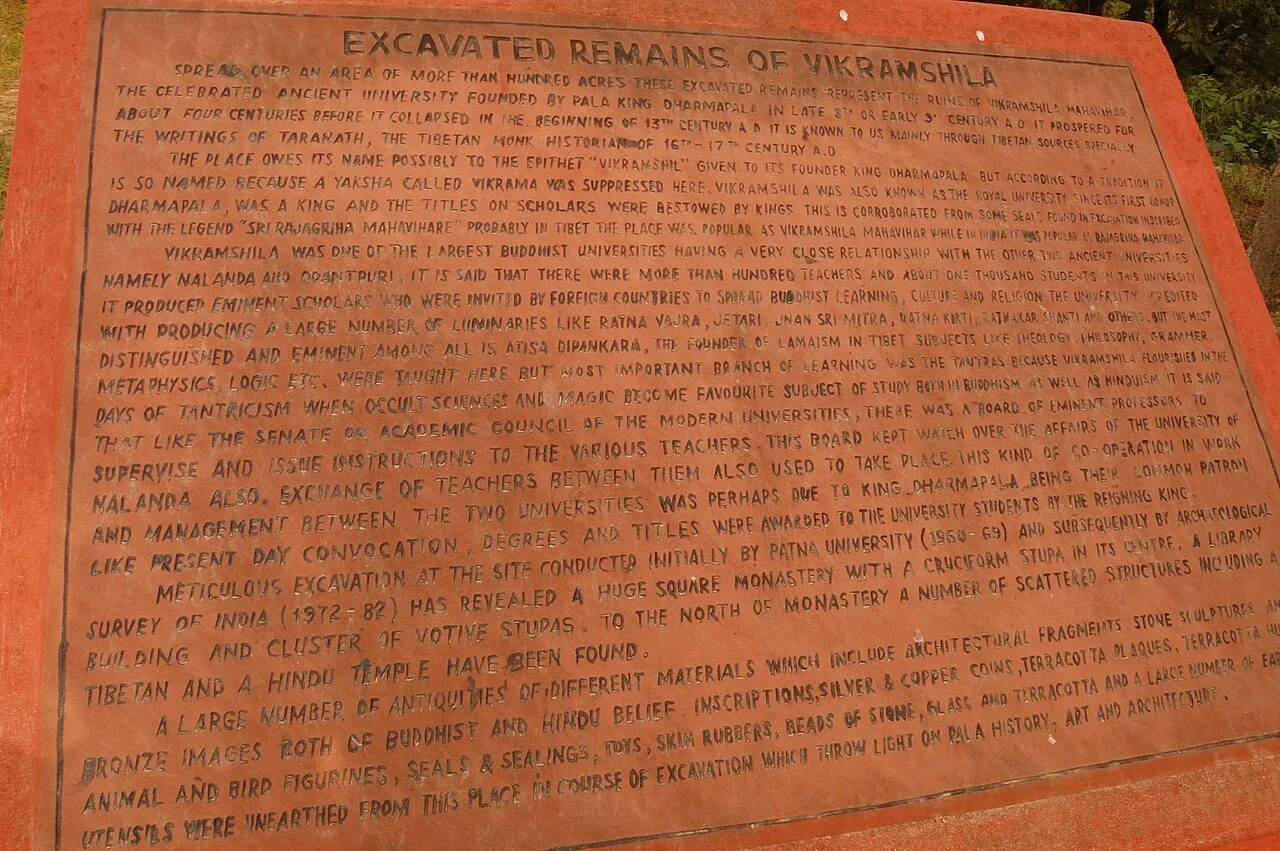
Famous for: crafts, trade & products

Thakurganj is not widely associated with a signature textile, handicraft, GI-tagged product or large manufacturing industry. Its commercial life is primarily local: shops and market areas serve residents and surrounding villages with daily necessities, household goods and seasonal produce. Visitors looking for local shopping can explore the central bazaar and the streets around the railway station, where small retailers and food stalls offer a sense of routine town life. Product availability varies, so it is best to ask locally about seasonal produce or goods from nearby villages.

The wider Kishanganj district is known for tea cultivation, and tea is a notable part of the region’s agricultural landscape. That does not make Thakurganj a dedicated tea-shopping destination, but regional tea may be available through local retailers. The town is also a service and transport centre for nearby settlements rather than a specialist craft market. There is no well-established basis for presenting a particular Thakurganj-made saree, craft or protected product as a local speciality; travellers seeking such items should check what is actually produced and sold locally rather than assume a distinctive town industry.

History

Thakurganj’s history is closely tied to the development of the Kishanganj border region. It is not chiefly known for a royal court, a major historic monument or a separately documented ruling dynasty. For much of its modern story, its significance has been practical: a settlement serving nearby villages and connecting communities across a region shaped by the proximity of Nepal and West Bengal.

During British rule, the wider Purnia-Kishanganj tract was brought into colonial administrative and transport networks. Rail and road connections helped settlements such as Thakurganj function as local centres for movement and trade, though a detailed town-specific account of colonial development is not widely established. In modern Bihar, Thakurganj has continued as a notified urban area within Kishanganj district. Its role today remains regional and administrative, with local services, markets and transport links supporting the surrounding countryside.

Food, festivals & culture

Everyday food in Thakurganj reflects the wider north-eastern Bihar region: rice, lentils, vegetables and fish are common parts of local meals. Tea is part of daily life, while small shops and eateries may offer familiar snacks and sweets found across Bihar and neighbouring West Bengal. There is no single sweet or dish that is firmly established as a speciality of the town, so visitors can use local recommendations to find seasonal or household favourites.

The cultural calendar includes Hindu and Muslim observances. Chhath, usually celebrated in autumn, is important across Bihar; Diwali and Holi are also widely observed. Eid celebrations and Muharram are part of the local Muslim calendar, while Durga Puja brings seasonal festivities in the surrounding region. Hindi, Urdu, Surjapuri and Bengali are among the languages heard locally, alongside other regional speech. Community life centres on neighbourhood temples and mosques, family gatherings and seasonal fairs; music and dance are most visible during festivals and social occasions rather than as a dedicated tourist performance scene.

Visiting the city

The cooler, drier months from October to March are generally the most comfortable for visiting. Summers can be hot, while monsoon rains may make road travel slower. Thakurganj railway station serves the town; Kishanganj railway station is another option for broader rail connections. The nearest major airport is Bagdogra Airport in West Bengal. Check current routes and onward transport before setting out, as connections can vary.

Auto-rickshaws and local vehicles are useful for short trips, while buses and shared transport link nearby settlements. The central market and railway-station area are practical places to walk around and observe daily town life. Thakurganj is a modest base rather than a destination with a formal sightseeing circuit, so visitors can plan time around the bazaar, local eateries and excursions into the surrounding countryside. Ask locally about road conditions before travelling towards the border region.

Trips from the city

Nearest places to visit from Thakurganj

Our closest destination guides, by straight-line distance.

Katihar

114 km away · Purnia district

Katihar

Katihar is a major city in Bihar, known for its regional commercial, educational and administrative roles. Travellers also use it as a railway hub linking routes towards North Bengal and the north-east.

Vikramshila University Ruins

149 km away · Bhagalpur district

Vikramshila University Ruins

Vikramshila University Ruins mark a major Buddhist centre of learning in Bihar. Visitors come to explore the site and learn about its scholars and place in Buddhist education.

Munger Fort

203 km away · Munger district

Munger Fort

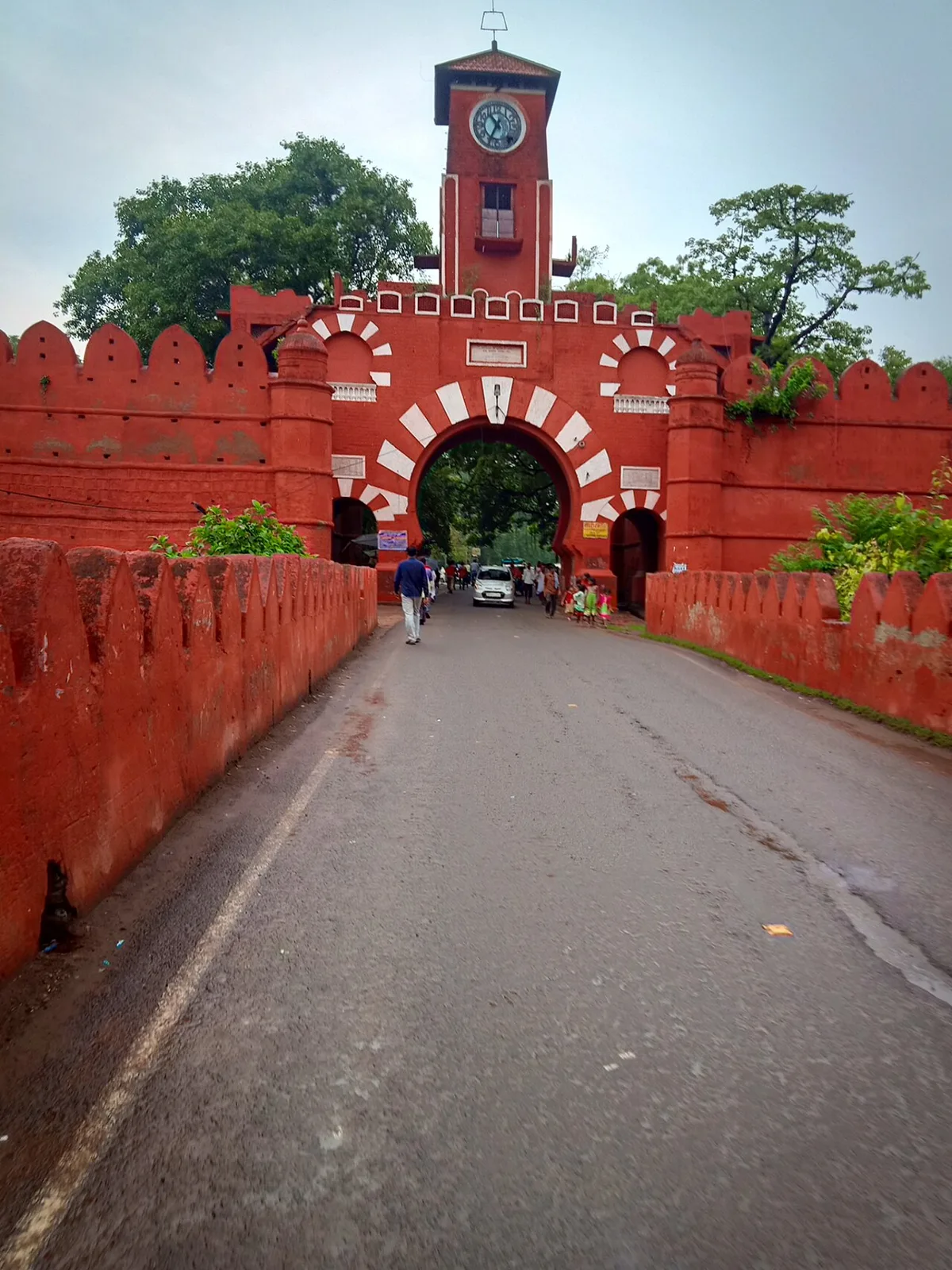
Munger Fort is a historic stronghold in Bihar, set on a rocky rise beside the Ganges. Visitors come to see its tombs, palace, temple, riverside ghat and British-era cemetery.

Madhubani

205 km away · Madhubani district

Madhubani

Madhubani is a city in Bihar’s Mithila region and the headquarters of its district. Visitors may be drawn by its regional identity and administrative importance.

Mandar Hill

208 km away · Bhagalpur district

Mandar Hill

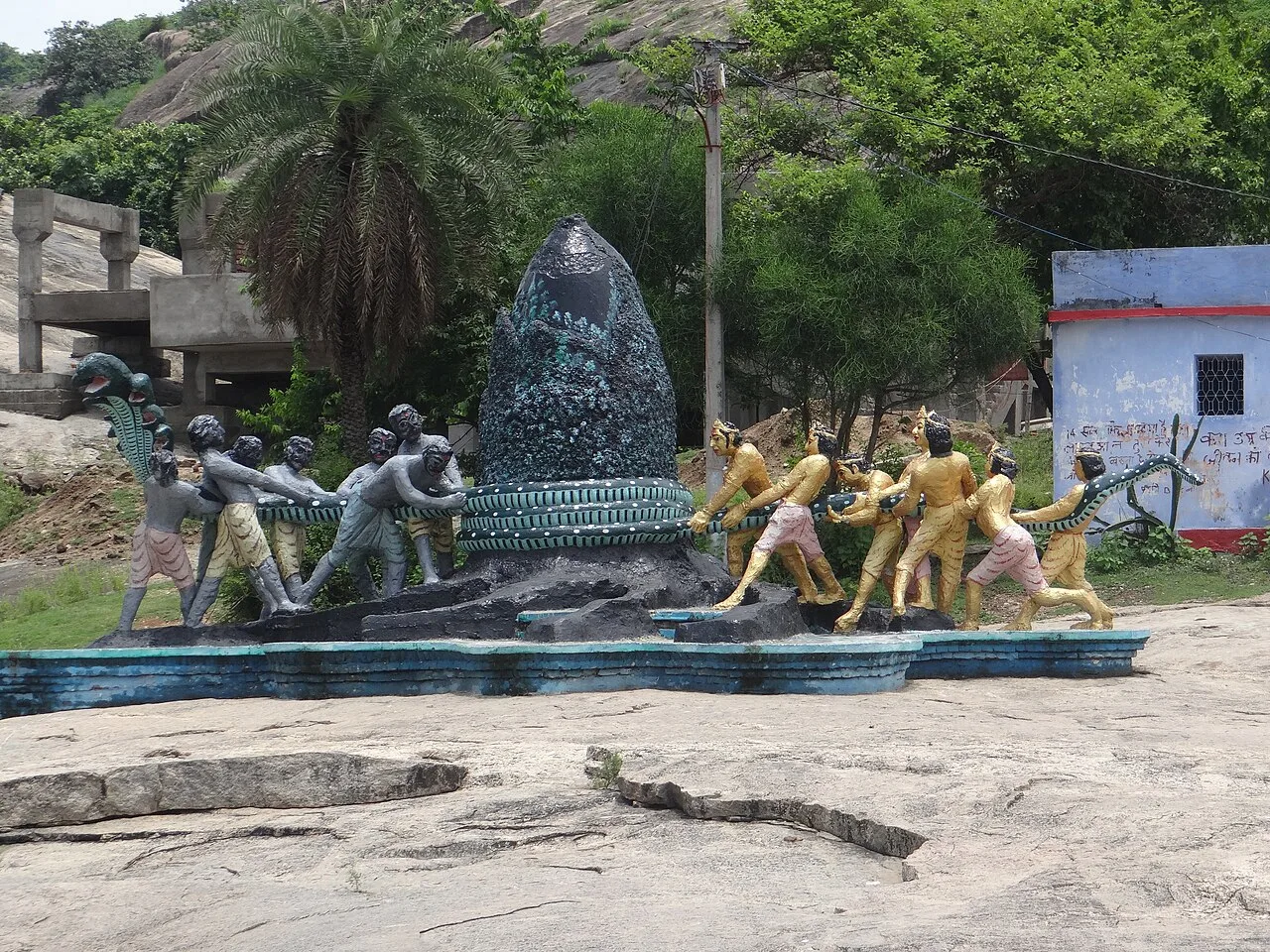
Mandar Hill, also called Mandar Parvat, is a roughly 700-foot hill at Bounsi in Bihar’s Banka district. Hindus and Jains visit it as a place of pilgrimage.

Darbhanga

224 km away · Darbhanga district

Darbhanga

Darbhanga is a major city and municipal corporation in Bihar, serving as the administrative centre of its district and division. Visitors encounter a longstanding centre of Mithila’s cultural, literary and musical traditions.

Bhimbandh Wildlife Sanctuary

228 km away · Munger district

Bhimbandh Wildlife Sanctuary

In Bihar’s Munger district, Bhimbandh Wildlife Sanctuary is a sanctuary devoted to wildlife. Visitors come to spend time in this wildlife-focused place in the district’s south-west.

Sitamarhi

262 km away · Sitamarhi district

Sitamarhi

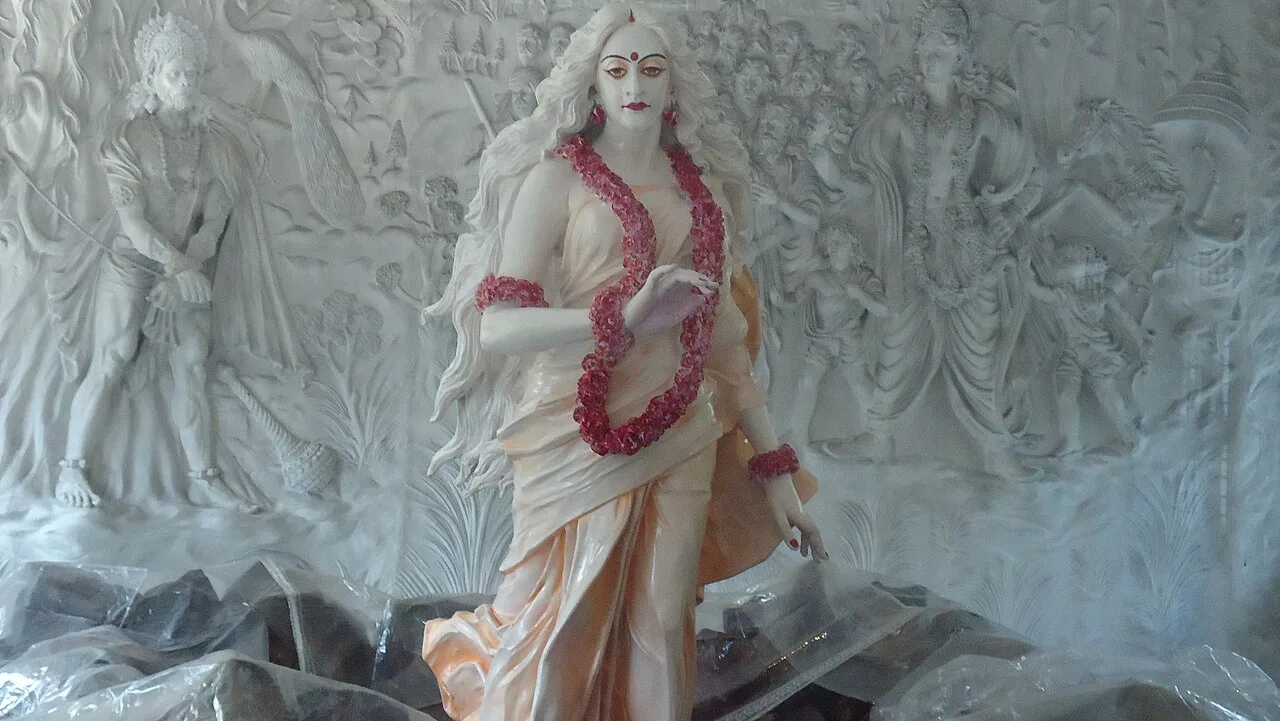
Sitamarhi is a city in Bihar’s Tirhut Division and the administrative centre of its district. Visitors are drawn by the Hindu tradition linking it to Sītā’s birth.

Map

Thakurganj on the map

  1. 1Katihar
  2. 2Vikramshila University Ruins
  3. 3Munger Fort
  4. 4Madhubani
  5. 5Mandar Hill
  6. 6Darbhanga
  7. 7Bhimbandh Wildlife Sanctuary
  8. 8Sitamarhi

Bihar

Other cities to explore