Ghumoopedia — Explore, Discover, Experience
Sign in
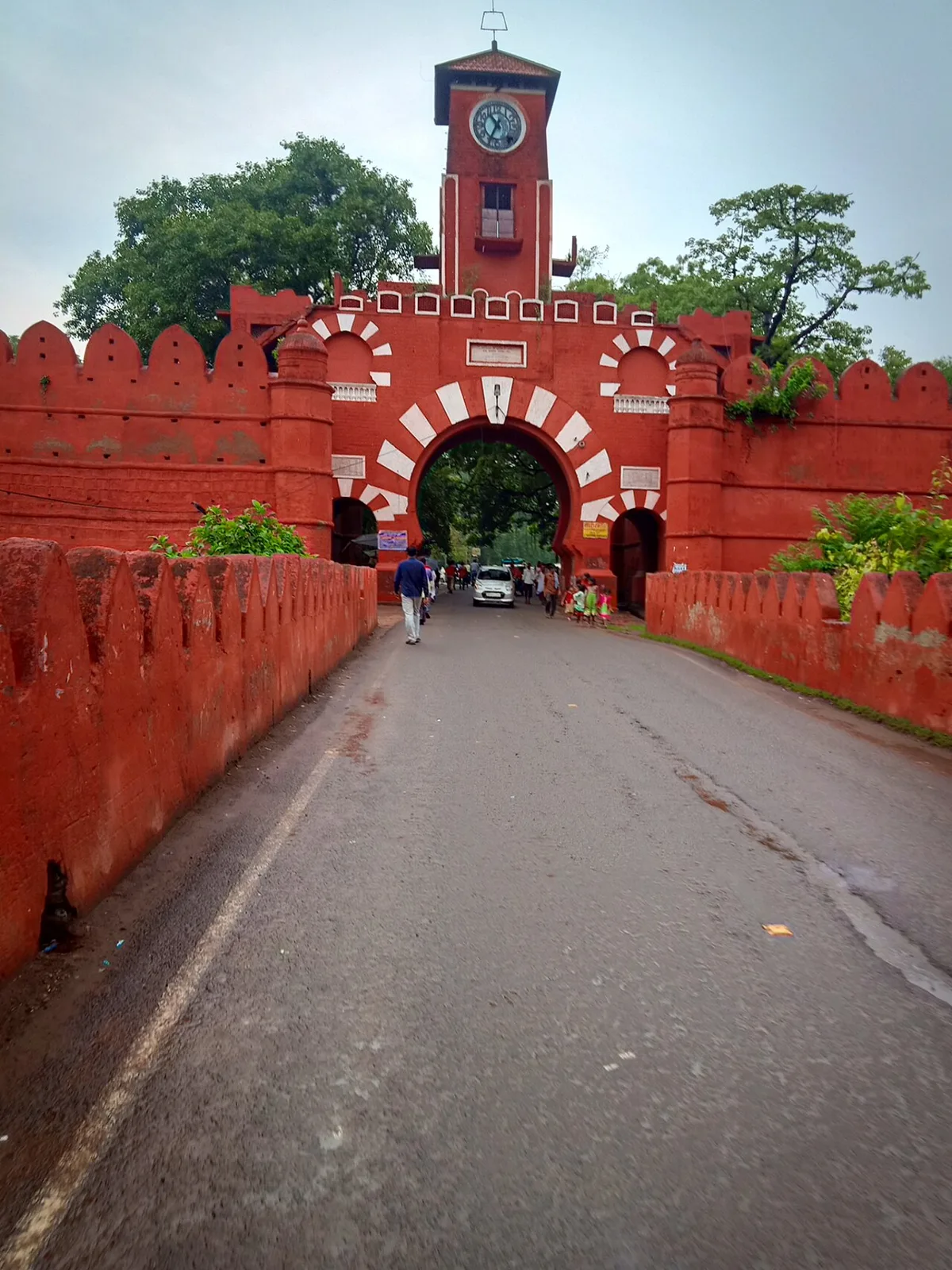
Munger Fort, near Bariarpur

City guide · Bihar

Bariarpur

Bariarpur is a small town in Munger district, in eastern Bihar. Its importance is chiefly local: it serves residents of the surrounding area with everyday services and connections to other places in the district.

Famous for

  • Munger district town
  • Bariarpur railway station
  • Regional rail connections
  • The name meaning “place of the strong”

Why Bariarpur matters

Bariarpur is a small town in Munger district, in eastern Bihar. Its importance is chiefly local: it serves residents of the surrounding area with everyday services and connections to other places in the district. Bariarpur railway station makes rail travel a practical part of that role, linking the town with the wider regional network. The name is also distinctive: “Bariar” means strong, giving Bariarpur the sense of “a place of the strong.”

Bariarpur is not widely known for a major monument, a signature craft or a nationally recognised food. Visitors are more likely to use it as a stop or a base for local journeys than as a conventional sightseeing destination. Munger, the district headquarters, offers a broader range of historical and cultural points of interest in the surrounding region. In Bariarpur itself, the appeal is the pace of a small Bihar town, its neighbourhood markets and the chance to experience everyday life away from larger urban centres. Its strongest draw is practical rather than landmark-led: a local centre with rail access and links to the Munger area.

Famous for: crafts, trade & products

Bariarpur is not especially identified with a particular textile, saree, handicraft, GI-tagged product or large-scale industry. It is best understood as a local service and trading centre for nearby communities. Everyday shopping is concentrated in neighbourhood bazaars and shops, where residents can look for household necessities, groceries, clothing and seasonal goods. These are local markets rather than established specialist shopping districts, and there is no widely recognised Bariarpur-made souvenir to seek out.

For a wider selection of shops and services, visitors can look to Munger, the district headquarters. The area’s markets reflect ordinary regional commerce, not a single celebrated product tradition. Bihar foods and goods may appear in local shops, but a product associated with the state or another town should not automatically be treated as a Bariarpur speciality. Travellers interested in handloom, crafts or regional produce can ask local residents about current sellers, as small-scale availability may change. Bariarpur’s railway station and local bazaar are useful reference points for finding everyday shopping, while the town’s main distinction remains its role within the Munger district rather than a particular industry.

History

Bariarpur’s recorded public profile is closely tied to its place in Munger district and to the transport links that connect smaller settlements across the region. The name itself carries a local meaning: “Bariar” means strong, and Bariarpur is understood as “a place of the strong.” Beyond this, a detailed sequence of rulers, historic events or monuments specific to the town is not widely established.

The wider Munger region has a much deeper history than can be attributed to Bariarpur alone. Munger town is associated with historic fortifications and with successive periods of regional and imperial rule; its later history also reflects colonial administration and the growth of modern district institutions. Bariarpur developed as part of this broader rural and administrative landscape. Rail connections helped link the town with nearby settlements and larger centres, supporting travel and local commerce. In modern times, its role remains primarily that of a small town serving its immediate area. For a fuller account of the district’s historical landmarks, visitors should explore Munger rather than assume that regional history refers specifically to Bariarpur.

Food, festivals & culture

Daily life in Bariarpur reflects the food and customs of the wider Bihar region. Rice, lentils, seasonal vegetables and flatbreads are familiar staples; sattu-based dishes and litti with chokha are also part of the broader regional food tradition, though neither should be treated as a uniquely Bariarpur speciality. Thekua is closely associated with Chhath observances, while sweets and snacks are commonly shared during family gatherings and festivals.

Hindi is widely used, and Angika is spoken in the wider region; local speech varies between households. Chhath, observed mainly in autumn and again in spring, is an important festival across Bihar. Holi, Diwali and Durga Puja are also marked through family celebrations, community gatherings and worship. Devotional and folk music are part of festival life, but Bariarpur is not particularly known for a distinct local dance or music form. Neighbourhood temples and other places of worship serve local communities; visitors should ask locally for directions to specific shrines, as no single landmark place of worship is widely established as a town attraction.

Visiting the city

The cooler months, broadly from October to March, are generally the most comfortable time to visit. Summer can be very hot, while the monsoon brings rain and may affect road journeys. Bariarpur railway station is the town’s main rail access point. For air travel, Jay Prakash Narayan International Airport in Patna is a major gateway to Bihar; onward travel to Bariarpur requires a road or rail connection.

Within town, local roads and shared or hired vehicles are the practical ways to get around; confirm local transport availability on arrival. The station area and neighbourhood bazaar are useful places to begin exploring everyday town life. Munger is the main nearby centre for a wider choice of services and regional historical sights. Bariarpur is modest in scale and is better suited to a short local visit or as part of a journey through Munger district than to a schedule built around major tourist attractions.

Trips from the city

Nearest places to visit from Bariarpur

Our closest destination guides, by straight-line distance.

Munger Fort

15 km away · Munger district

Munger Fort

Munger Fort is a historic stronghold in Bihar, set on a rocky rise beside the Ganges. Visitors come to see its tombs, palace, temple, riverside ghat and British-era cemetery.

Bhimbandh Wildlife Sanctuary

30 km away · Munger district

Bhimbandh Wildlife Sanctuary

In Bihar’s Munger district, Bhimbandh Wildlife Sanctuary is a sanctuary devoted to wildlife. Visitors come to spend time in this wildlife-focused place in the district’s south-west.

Mandar Hill

68 km away · Bhagalpur district

Mandar Hill

Mandar Hill, also called Mandar Parvat, is a roughly 700-foot hill at Bounsi in Bihar’s Banka district. Hindus and Jains visit it as a place of pilgrimage.

Vikramshila University Ruins

72 km away · Bhagalpur district

Vikramshila University Ruins

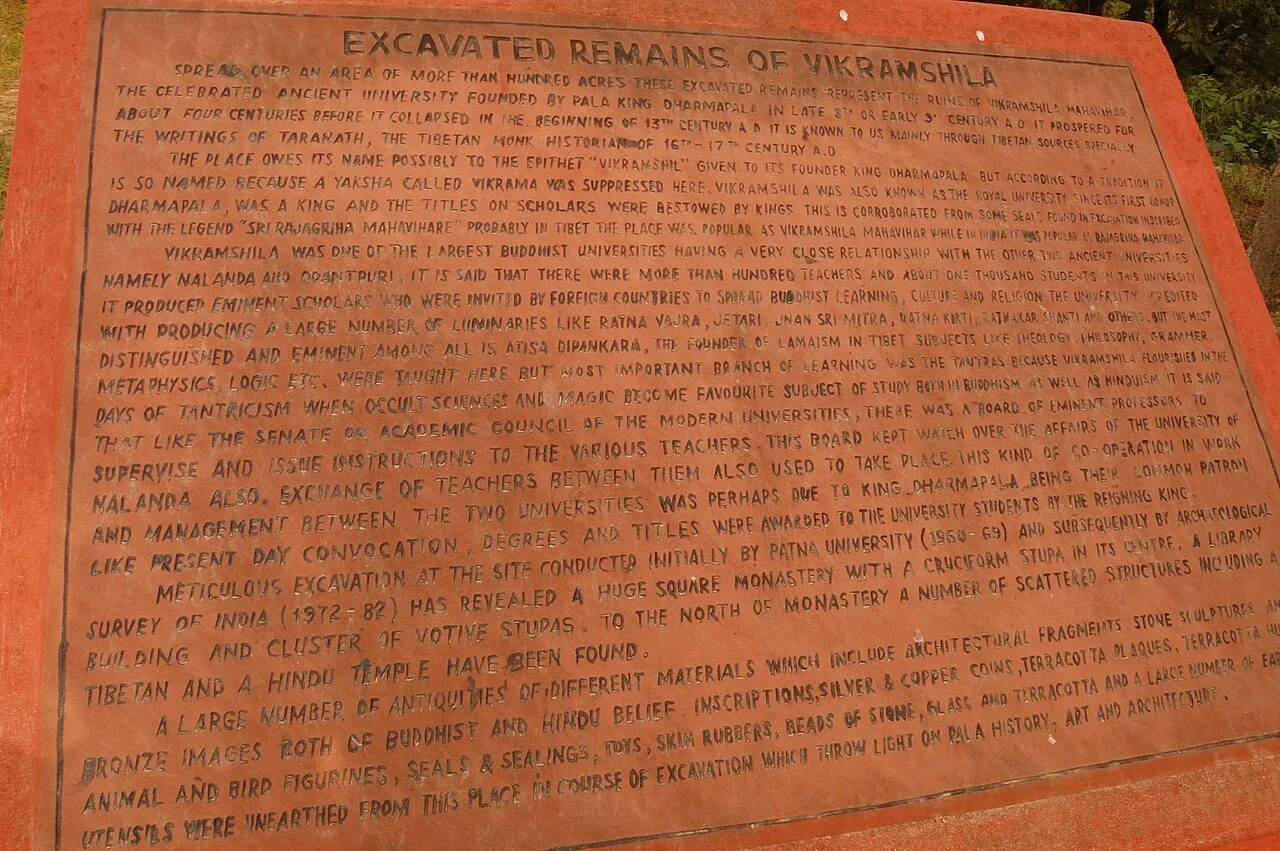
Vikramshila University Ruins mark a major Buddhist centre of learning in Bihar. Visitors come to explore the site and learn about its scholars and place in Buddhist education.

Vishwa Shanti Stupa

89 km away · Gaya district

Vishwa Shanti Stupa

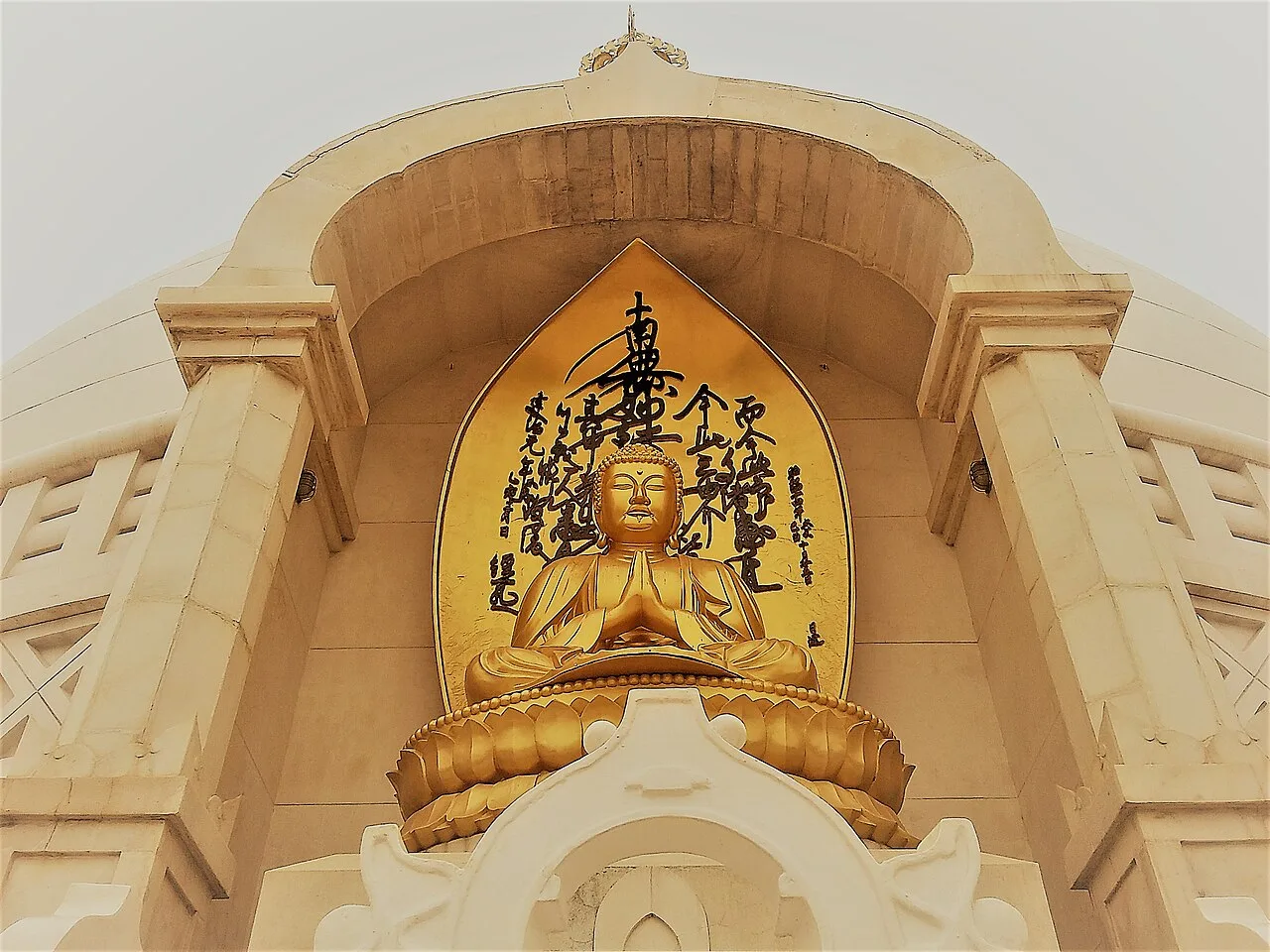
Vishwa Shanti Stupa is a white Buddhist pagoda in Rajgir, visited for its Buddha statues, nearby Japanese temple and park, and prayers for peace.

Katihar

104 km away · Purnia district

Katihar

Katihar is a major city in Bihar, known for its regional commercial, educational and administrative roles. Travellers also use it as a railway hub linking routes towards North Bengal and the north-east.

Pawapuri

107 km away · Gaya district

Pawapuri

Pawapuri, also called Pavapuri, is a Jain sacred site in Bihar’s Nalanda district. People travel there on pilgrimage because it is associated with Mahavira’s nirvana.

Nalanda mahavihara

115 km away · Nalanda district

Nalanda mahavihara

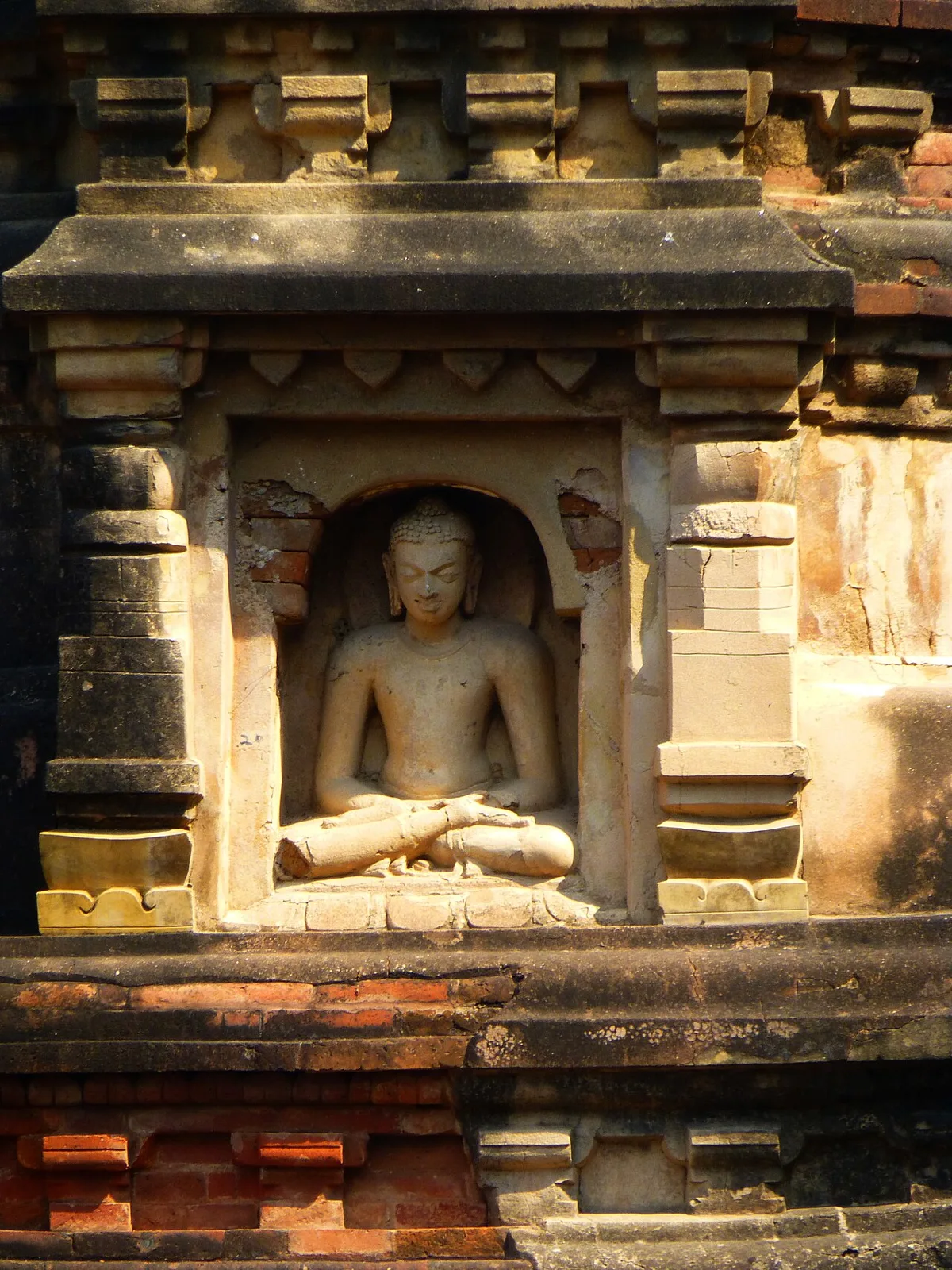
Nalanda is the site of a major Buddhist monastery in Bihar, visited for its history as a long-lived centre of learning and its role in Mahayana Buddhism.

Map

Bariarpur on the map

  1. 1Munger Fort
  2. 2Bhimbandh Wildlife Sanctuary
  3. 3Mandar Hill
  4. 4Vikramshila University Ruins
  5. 5Vishwa Shanti Stupa
  6. 6Katihar
  7. 7Pawapuri
  8. 8Nalanda mahavihara

Bihar

Other cities to explore