Ghumoopedia — Explore, Discover, Experience
Sign in
Munger Fort, near Ghazipur

City guide · Bihar

Ghazipur

Ghazipur is a city in eastern Uttar Pradesh, near the Bihar border—not in Bihar. It serves as the administrative centre of Ghazipur district and sits beside the Ganga, in a region linked by road and rail with Varanasi and towns across eastern Uttar Pradesh.

Famous for

  • Government opium factory
  • Ganga riverfront
  • Latiya Ashokan pillar
  • Nawab-era heritage

Why Ghazipur matters

Ghazipur is a city in eastern Uttar Pradesh, near the Bihar border—not in Bihar. It serves as the administrative centre of Ghazipur district and sits beside the Ganga, in a region linked by road and rail with Varanasi and towns across eastern Uttar Pradesh. Its riverside setting and old neighbourhoods give it a quieter, historic character than the larger pilgrimage centres nearby.

The city is best known for its long association with the government opium factory, established under British rule and still operating under regulation to produce opium-derived medicines. The facility is an important part of Ghazipur’s industrial history, but it is not a general visitor attraction. Travellers come for the Ganga-side atmosphere and the city’s layered Mughal, Awadh and colonial past. The Latiya Ashokan pillar, a protected Mauryan-era monument in a village outside the city, is a worthwhile nearby excursion. Ghazipur also makes a practical stop for exploring eastern Uttar Pradesh and the borderlands adjoining Bihar.

Famous for: crafts, trade & products

Ghazipur’s best-known industrial institution is its government opium factory, founded in 1820 and associated with the regulated manufacture of opium-derived medicines. It is a working, controlled facility rather than a shop or open museum, so visitors should not expect to buy products or tour the premises. The city is not widely identified with a particular textile, handicraft or GI-tagged product; it is more of a regional administrative and market centre than a specialist craft destination.

Local bazaars and commercial streets serve everyday needs, with shops selling clothing, household goods, food and produce for residents and surrounding settlements. The district’s economy also has an agricultural base, and markets handle farm produce and supplies, though availability varies by season. For historic interest rather than shopping, look to the old city’s Nawab-era buildings and the area around the Ganga. The Latiya Ashokan pillar, around 30 km away near Zamania, is a notable heritage site, not a commercial craft market. Ghazipur’s principal draw is therefore its history and institutions, not a signature souvenir trade.

History

Local tradition places Ghazipur’s founding in the 14th century and connects its name with Ghazi Malik, though accounts of its earliest origins are not firmly established. Its first clear appearance in recorded history is in the late 15th century, when the Lodi ruler Sikandar Lodi appointed Nasir Khan Lohani as governor. The city later came under Mughal authority; Ghazipur is recorded as the capital of a sarkar in the Ain-i-Akbari.

In the 18th century, the area was contested and administered under the Nawabs of Awadh and local rulers, including Balwant Singh and his successors. British power expanded after the deposition of Chait Singh. The British established Ghazipur district in 1818 and founded the government opium factory in 1820, shaping the city’s colonial-era economy. Ghazipur remains the district headquarters and a local transport and services centre. Its history is also reflected in the surrounding region, including the protected Ashokan pillar at Latiya.

Food, festivals & culture

Ghazipur lies in the Bhojpuri-speaking belt of eastern Uttar Pradesh. Hindi is widely used in public life, while Bhojpuri is common in conversation and folk performance. Everyday food shares the flavours of eastern Uttar Pradesh and neighbouring Bihar: meals often feature rice or roti with lentils, seasonal vegetables and pickles; sattu preparations, litti-style dishes, kachori and jalebi are familiar across the region. Sweet shops offer traditional milk-based and syrup sweets, though specialities differ from shop to shop.

Holi, Diwali, Navratri and Dussehra are observed through the year, while Chhath is especially significant in the wider Bhojpuri region and is marked at riverbanks in its season, usually in autumn. Eid is also celebrated by Muslim communities. Bhojpuri folk songs, including seasonal forms such as kajri and chaiti, are part of the area’s musical traditions. The Ganga ghats, local temples and mosques are important places of worship and community gathering; the Nawali mosque is among the city’s historic religious landmarks.

Visiting the city

October to March is generally the most comfortable period to visit, with milder weather than the hot summer months. The nearest major airport is Lal Bahadur Shastri International Airport in Varanasi. The city’s main rail stop is Ghazipur City railway station. Auto-rickshaws and e-rickshaws are useful for short trips, while taxis or hired vehicles suit visits to sites outside town.

Explore the old city and its historic religious buildings, then spend time near the Ganga for the riverside atmosphere. The government opium factory is a working regulated institution, not a routine sightseeing stop. Latiya’s Ashokan pillar, near Zamania about 30 km away, can be visited as a separate outing. Ghazipur also works as a base for regional journeys toward Varanasi and the Bihar border.

Trips from the city

Nearest places to visit from Ghazipur

Our closest destination guides, by straight-line distance.

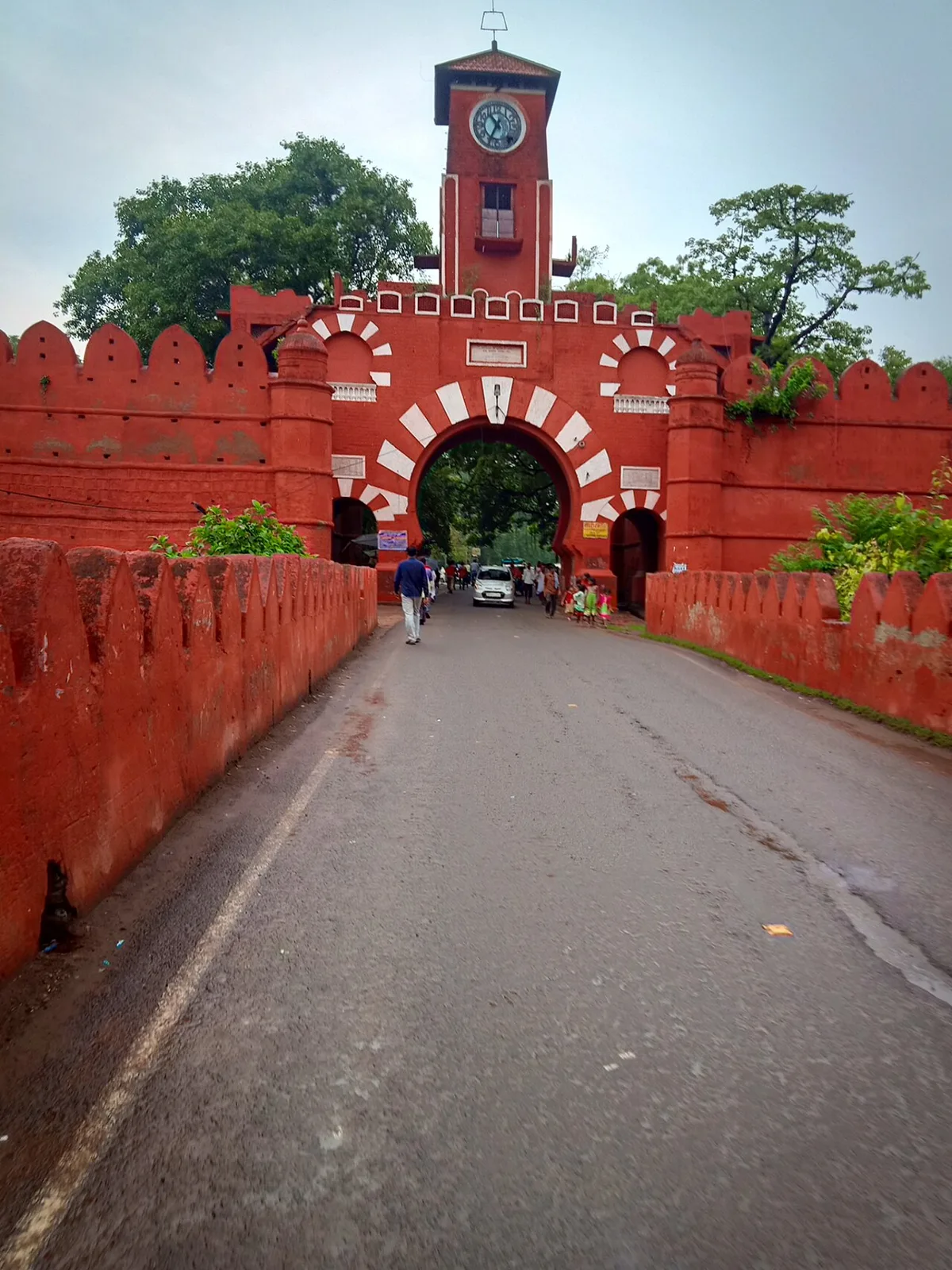
Munger Fort

37 km away · Munger district

Munger Fort

Munger Fort is a historic stronghold in Bihar, set on a rocky rise beside the Ganges. Visitors come to see its tombs, palace, temple, riverside ghat and British-era cemetery.

Bhimbandh Wildlife Sanctuary

41 km away · Munger district

Bhimbandh Wildlife Sanctuary

In Bihar’s Munger district, Bhimbandh Wildlife Sanctuary is a sanctuary devoted to wildlife. Visitors come to spend time in this wildlife-focused place in the district’s south-west.

Mandar Hill

47 km away · Bhagalpur district

Mandar Hill

Mandar Hill, also called Mandar Parvat, is a roughly 700-foot hill at Bounsi in Bihar’s Banka district. Hindus and Jains visit it as a place of pilgrimage.

Vikramshila University Ruins

68 km away · Bhagalpur district

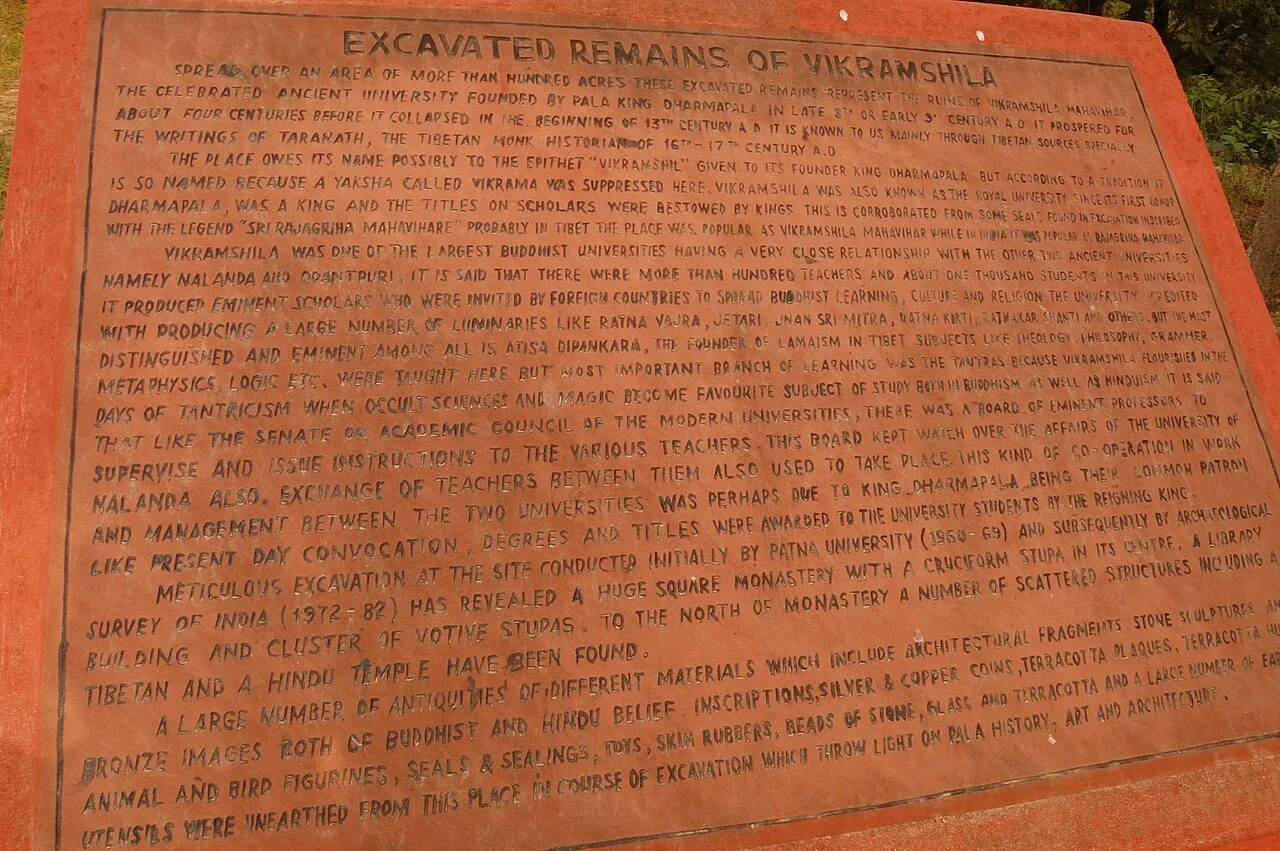
Vikramshila University Ruins

Vikramshila University Ruins mark a major Buddhist centre of learning in Bihar. Visitors come to explore the site and learn about its scholars and place in Buddhist education.

Vishwa Shanti Stupa

93 km away · Gaya district

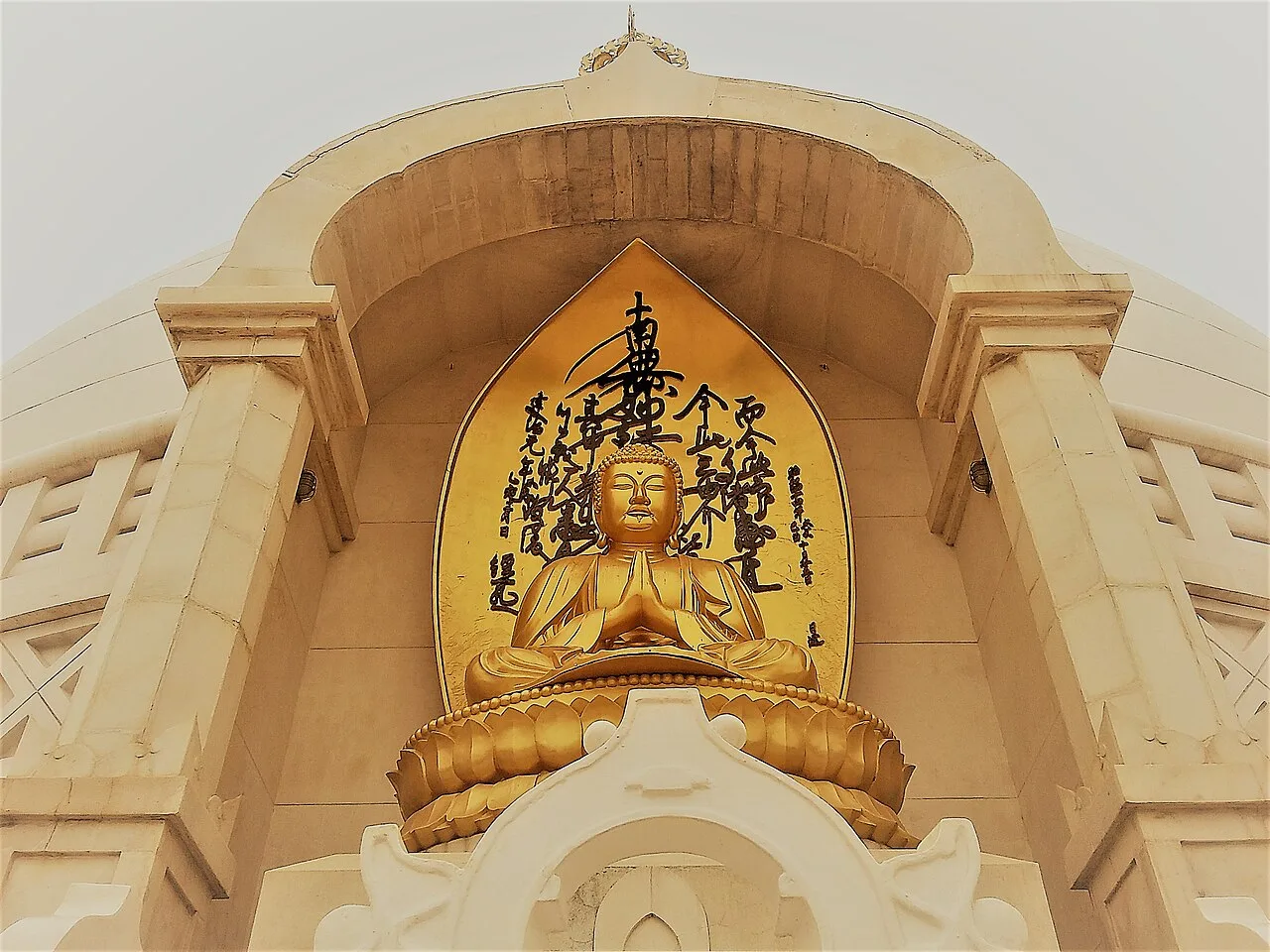
Vishwa Shanti Stupa

Vishwa Shanti Stupa is a white Buddhist pagoda in Rajgir, visited for its Buddha statues, nearby Japanese temple and park, and prayers for peace.

Katihar

104 km away · Purnia district

Katihar

Katihar is a major city in Bihar, known for its regional commercial, educational and administrative roles. Travellers also use it as a railway hub linking routes towards North Bengal and the north-east.

Kakolat Falls

113 km away · Nawada district

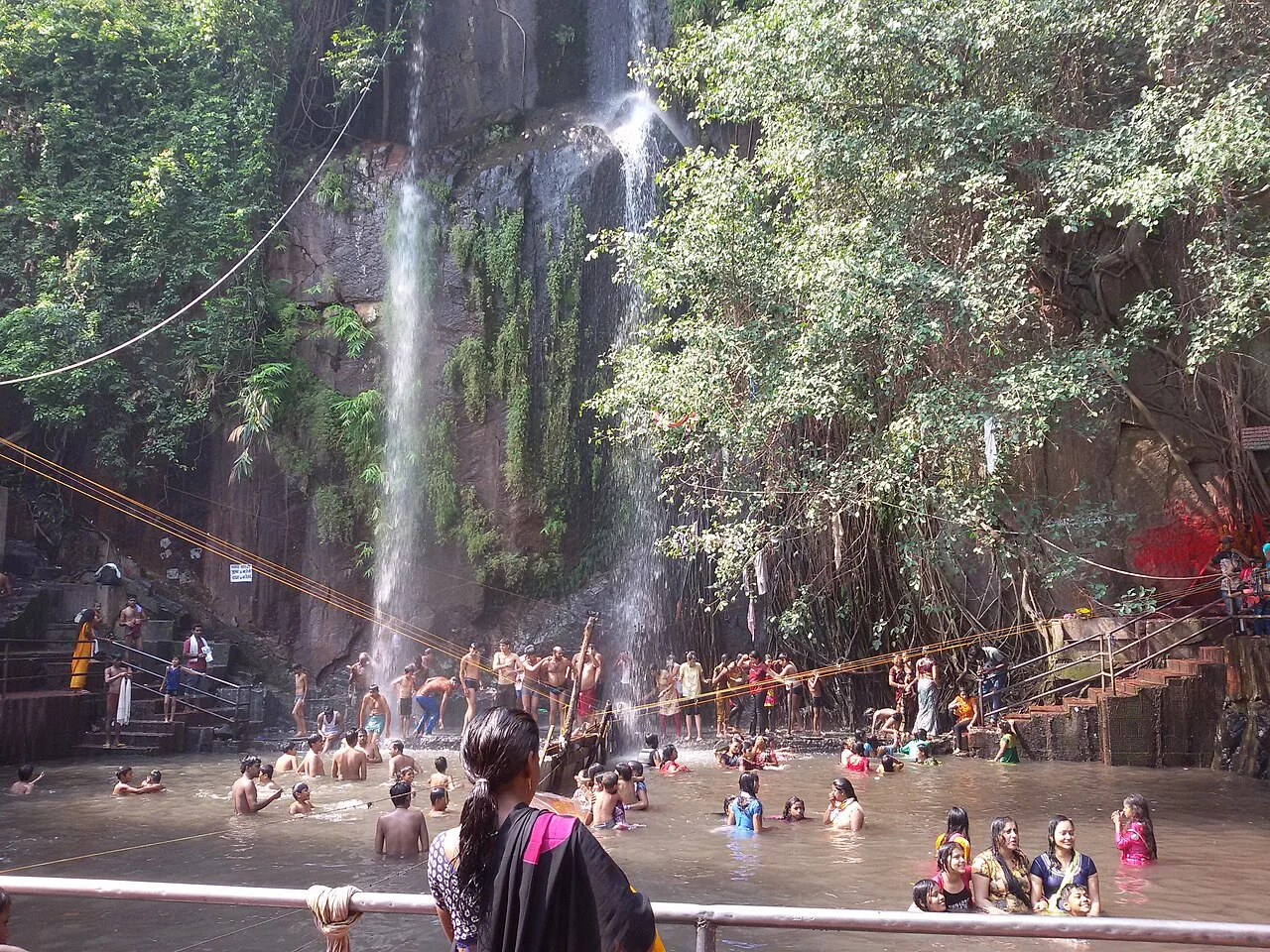
Kakolat Falls

Kakolat Falls is a waterfall in Bihar’s Nawada district. Visitors come to see the falling water, making it a destination centred on this natural feature.

Pawapuri

113 km away · Gaya district

Pawapuri

Pawapuri, also called Pavapuri, is a Jain sacred site in Bihar’s Nalanda district. People travel there on pilgrimage because it is associated with Mahavira’s nirvana.

Map

Ghazipur on the map

  1. 1Munger Fort
  2. 2Bhimbandh Wildlife Sanctuary
  3. 3Mandar Hill
  4. 4Vikramshila University Ruins
  5. 5Vishwa Shanti Stupa
  6. 6Katihar
  7. 7Kakolat Falls
  8. 8Pawapuri

Bihar

Other cities to explore