Ghumoopedia — Explore, Discover, Experience
Sign in
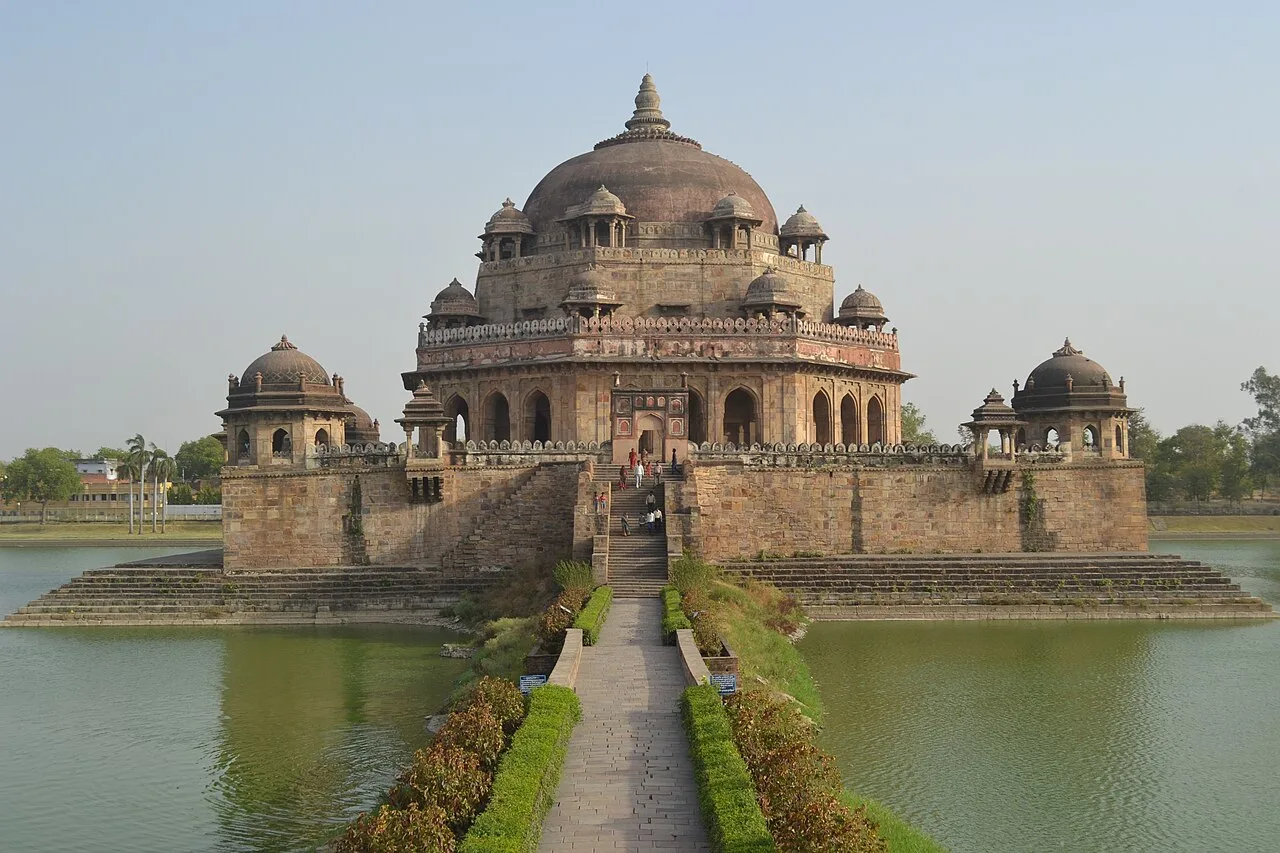
Tomb of Sher Shah Suri, near Nokha

City guide · Bihar

Nokha

Nokha is a small town and local administrative centre in Rohtas district, in south-western Bihar. Its importance comes less from large visitor attractions than from its role in the surrounding farming region: the town serves nearby villages with markets, services and connections to the district’s wider transport network.

Famous for

  • Parboiled rice milling
  • Agricultural trade
  • Sasaram Plain
  • Rohtas countryside

Why Nokha matters

Nokha is a small town and local administrative centre in Rohtas district, in south-western Bihar. Its importance comes less from large visitor attractions than from its role in the surrounding farming region: the town serves nearby villages with markets, services and connections to the district’s wider transport network. Rice processing is a notable part of the local economy, with mills handling paddy from the area.

The town lies on the Sasaram Plain, a predominantly agricultural landscape where irrigation supports cultivation across much of the surrounding block. Visitors may find Nokha useful as a stop in rural Rohtas or as a base for exploring the better-known historic sites around Sasaram. Nokha itself is not widely established as a major heritage or resort destination, so its appeal is chiefly its everyday market-town character and view of agricultural life in Bihar. For a broader regional itinerary, Sasaram offers more prominent monuments and services, while Nokha provides a quieter glimpse of the district beyond its main tourist centre.
Famous for: crafts, trade & products

Nokha is best associated with agriculture and rice milling rather than a widely recognised textile, handicraft or specialty-food industry. Parboiled rice processing is an important local activity, supported by paddy cultivation in the surrounding countryside. The town’s shops and markets serve residents and nearby villages with everyday goods and agricultural trade; visitors can look around the central market area for a sense of local commerce and seasonal produce.

There is no widely established GI-tagged product or nationally recognised craft specifically identified with Nokha. Nor is the town known as a major destination for sarees or artisan workshops. Those seeking traditional crafts or a larger choice of regional products may find broader shopping options in larger nearby centres, including Sasaram. In Nokha, the most grounded way to understand its economic identity is to notice the connection between farmland, irrigation, rice mills and the town’s local trade. Milling facilities are working businesses rather than visitor attractions, so access should not be assumed; ask locally before visiting any industrial site.

History

Nokha’s development is closely tied to its position within the agricultural plains of Rohtas. Its surrounding land has long supported cultivation, and the town’s market function reflects the need to connect villages, farm production and everyday services. Rice processing has reinforced that role in more recent economic life, with mills adding value to paddy grown in the region.

Nokha is now both a nagar panchayat town and the centre of a community development block. These administrative roles make it a local hub for civic services and rural administration. The available account of the town’s development does not establish a particular ruling dynasty, founding event or colonial-era monument as a defining part of its story, so it is better not to assign Nokha a specific royal or colonial narrative without evidence. Its modern character is more readily understood through regional agriculture, local government and links to Sasaram, the district’s prominent urban and historic centre.

Food, festivals & culture

Daily life in Nokha reflects the culture of rural and small-town Bihar. Hindi is widely used, and Bhojpuri is common in everyday conversation across much of the surrounding region. Meals often centre on rice, lentils, vegetables and seasonal produce; familiar Bihar dishes such as litti-chokha and sattu preparations are part of the wider food culture. Sweets and snacks are available through local shops, though Nokha is not especially known for a signature sweet.

Chhath Puja, observed in autumn, is an important festival across Bihar, with worship and offerings connected to the sun and local water bodies. Holi in spring and Diwali in autumn are also widely celebrated, alongside Eid and other religious occasions. Community life includes neighbourhood temples and mosques, though no single place of worship is widely recognised as a defining Nokha landmark. Music at festivals and family gatherings draws on regional Bhojpuri traditions; local observances are more likely to be community-based than staged for visitors.

Visiting the city

The cooler months, roughly October to March, are generally the most comfortable time to visit. Summer can be hot, while the monsoon brings rain and greener fields. Gaya Airport is a nearby air option; check onward road connections before planning a trip. Nokha has a railway station, while Sasaram Junction is a useful nearby rail hub with wider connections.

Auto-rickshaws and local vehicles are practical for short journeys, and road travel links the town with surrounding villages and Sasaram. Explore the central market for everyday town life and, with local guidance, the agricultural landscape beyond it. Nokha is best treated as a quiet stop rather than a destination with a concentrated tourist quarter. Sasaram is a convenient excursion for visitors seeking the region’s better-known historical sights.

Trips from the city

Nearest places to visit from Nokha

Our closest destination guides, by straight-line distance.

Tomb of Sher Shah Suri

20 km away · Rohtas district

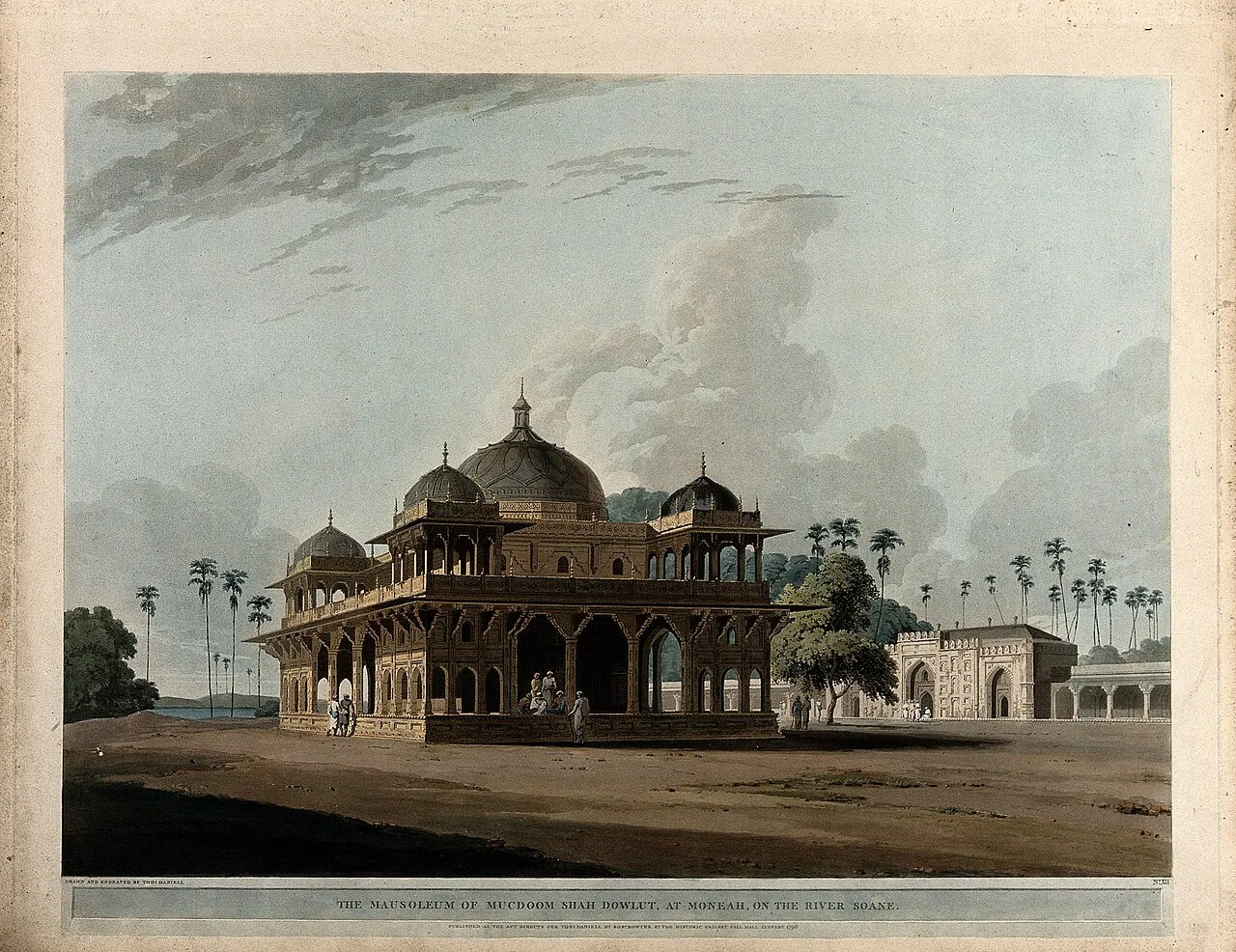
Tomb of Sher Shah Suri

Sher Shah Suri’s mausoleum in Sasaram, Bihar, is noted for its lake setting and distinctive octagonal form. Visitors come to see a major example of Indo-Islamic architecture and an important monument of the region.

Buxar Fort

52 km away · Buxar district

Buxar Fort

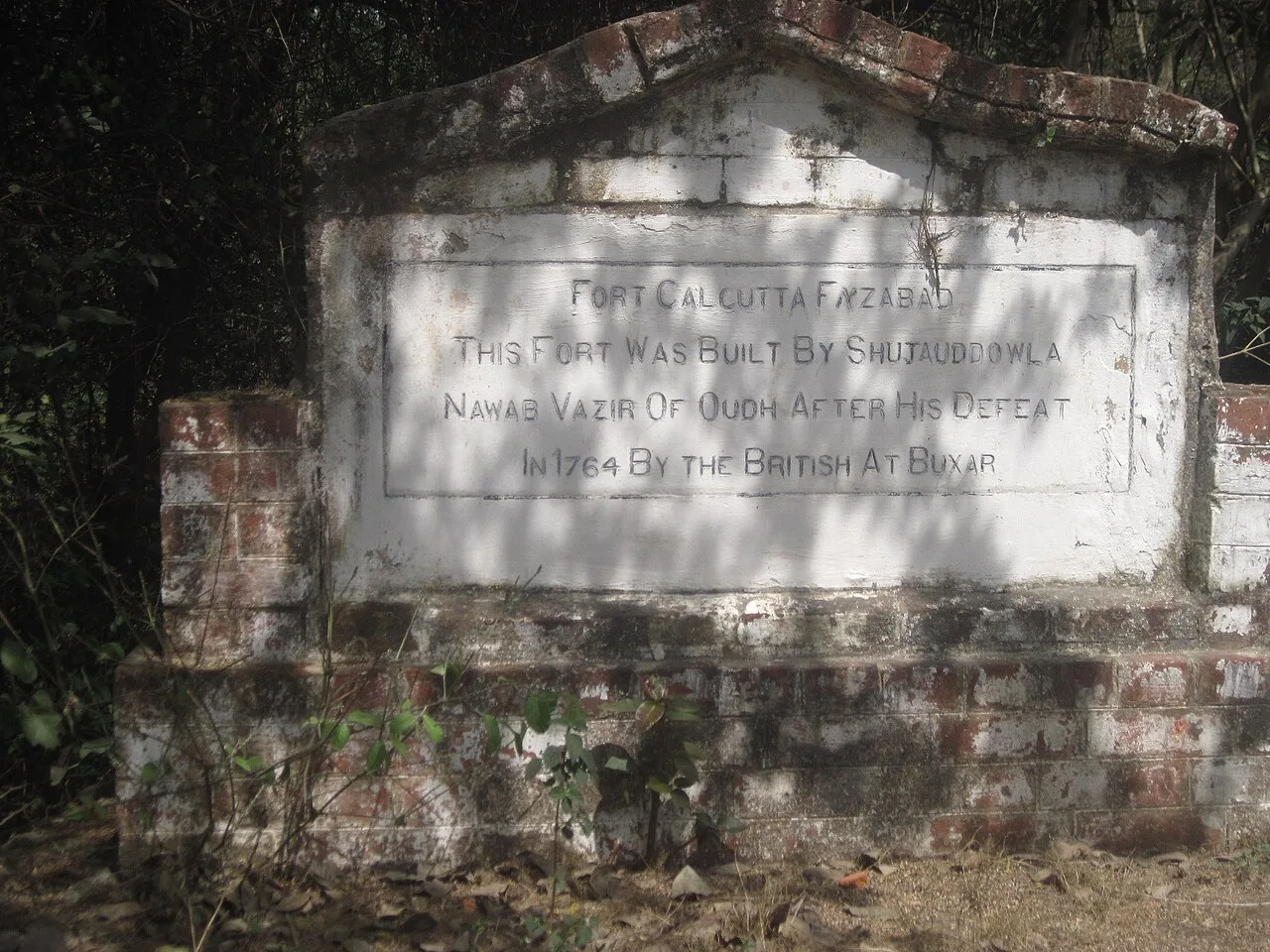
Buxar Fort is a fort in Bihar’s Buxar district, founded by King Rudra Deo. Its history and the city’s religious and cultural associations give visitors context for exploring the area.

Mundeshwari Temple

57 km away · Kaimur district

Mundeshwari Temple

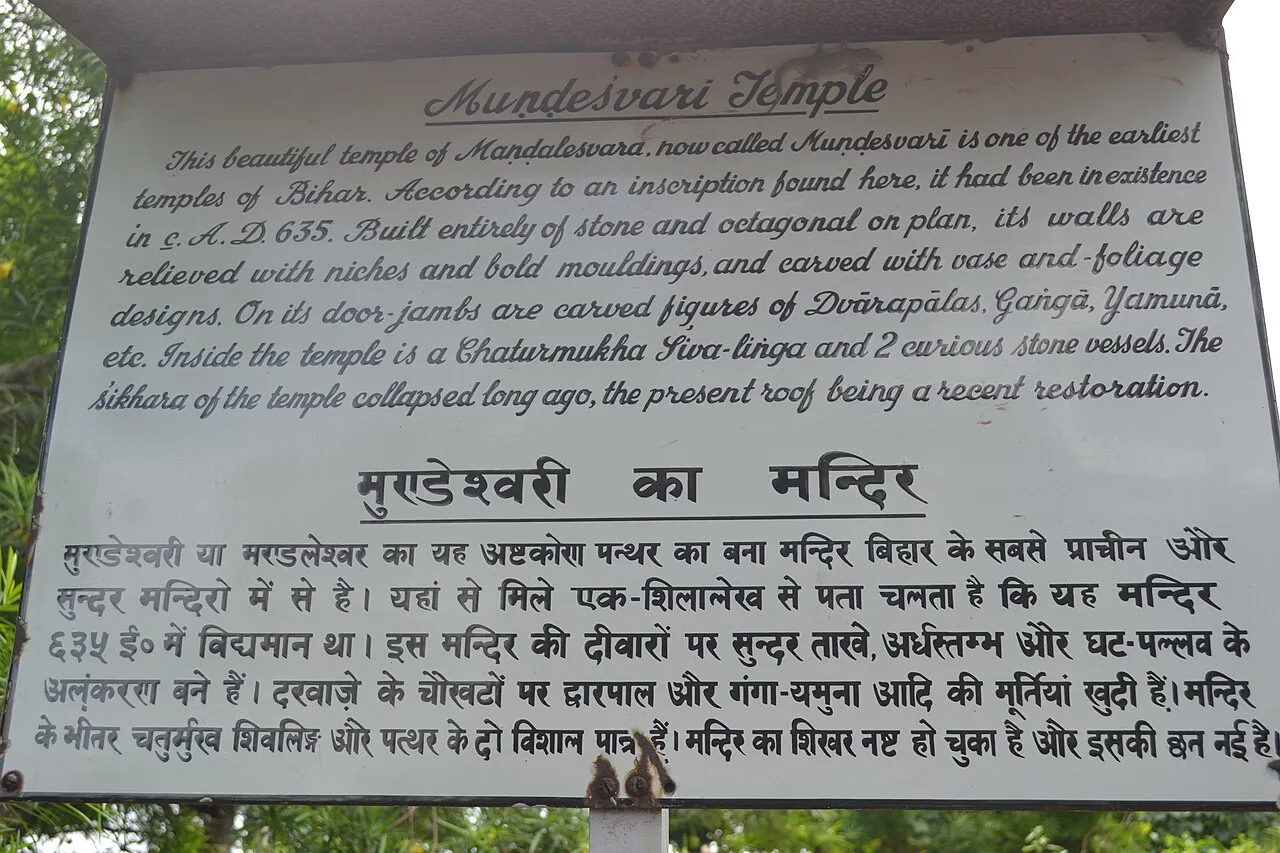
Mundeshwari Temple is a Hindu place of worship in Bihar’s Kaimur district, associated with Durga and Shiva. Visitors come to worship and explore its ancient shrine and debated history.

Deo

58 km away · Aurangabad district

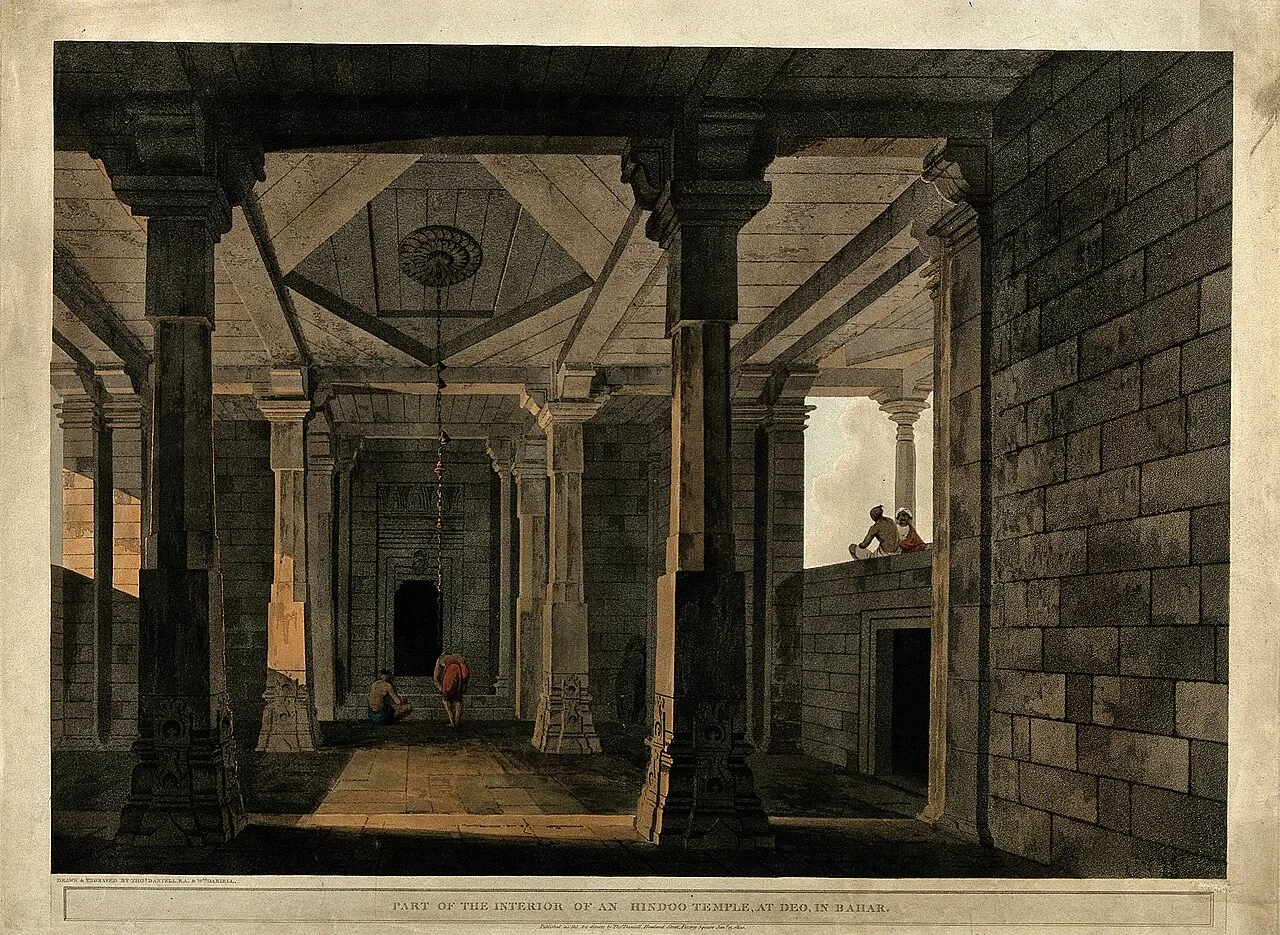
Deo

Deo, also called Dev, is a town and local civic area in Bihar’s Aurangabad district. Visitors seeking the settlement can find it about 10 km southeast of Aurangabad, the district’s administrative centre.

Rohtas Fort

58 km away · Rohtas district

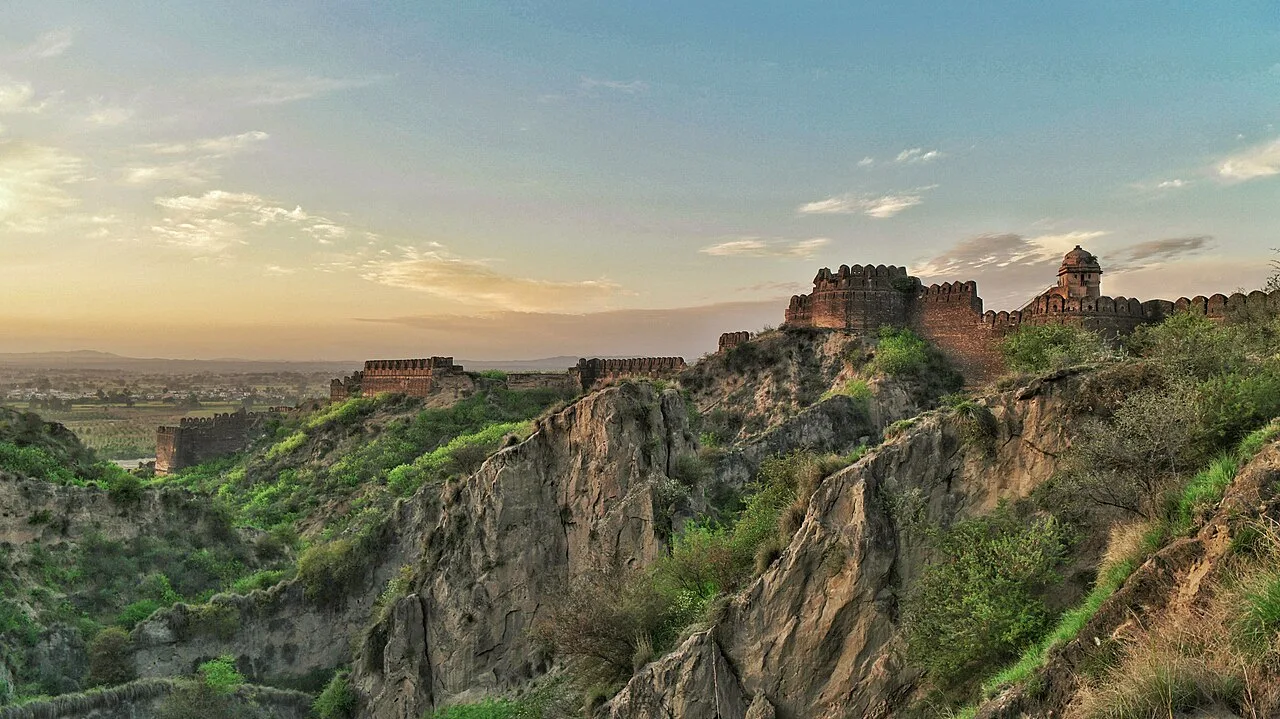
Rohtas Fort

Rohtas Fort, also known as Rohtasgarh, stands in Rohtas town, within Bihar’s Rohtas district. Visitors come to see the fort in its setting in the Son River valley.

Barabar Caves

96 km away · Jehanabad district

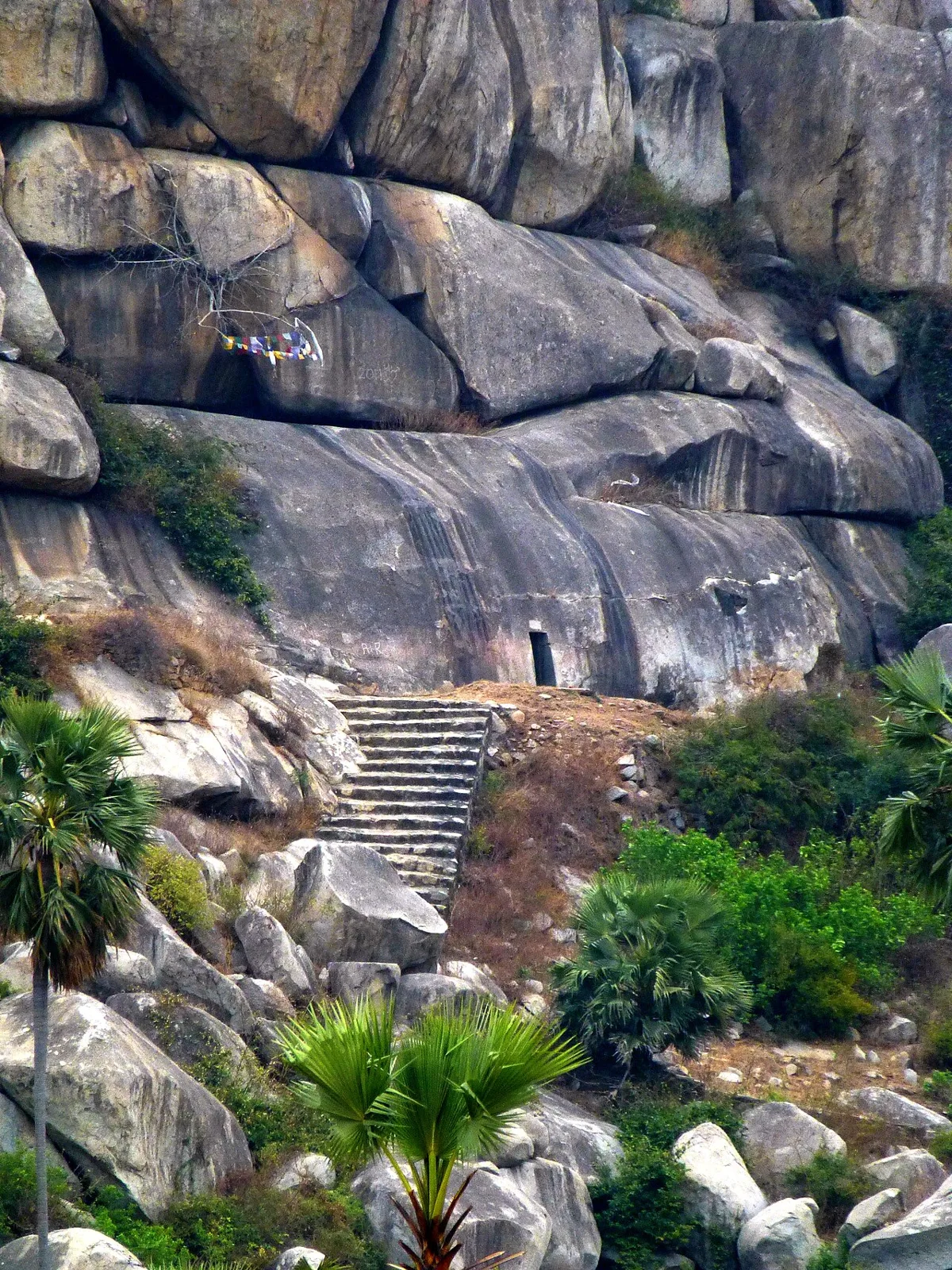
Barabar Caves

This Mauryan-era cave complex in Bihar extends across Barabar and Nagarjuni hills. Visitors come to see its inscriptions, polished granite chambers and early examples of Indian rock-cut architecture.

Maner

98 km away · Patna district

Maner

Maner, also called Maner Sharif, is a historic town and administrative block in Bihar’s Patna district. Visitors are drawn by its Mughal-era dargahs and its importance as a Sufi pilgrimage destination.

Bodhi tree

99 km away · Gaya district

Bodhi tree

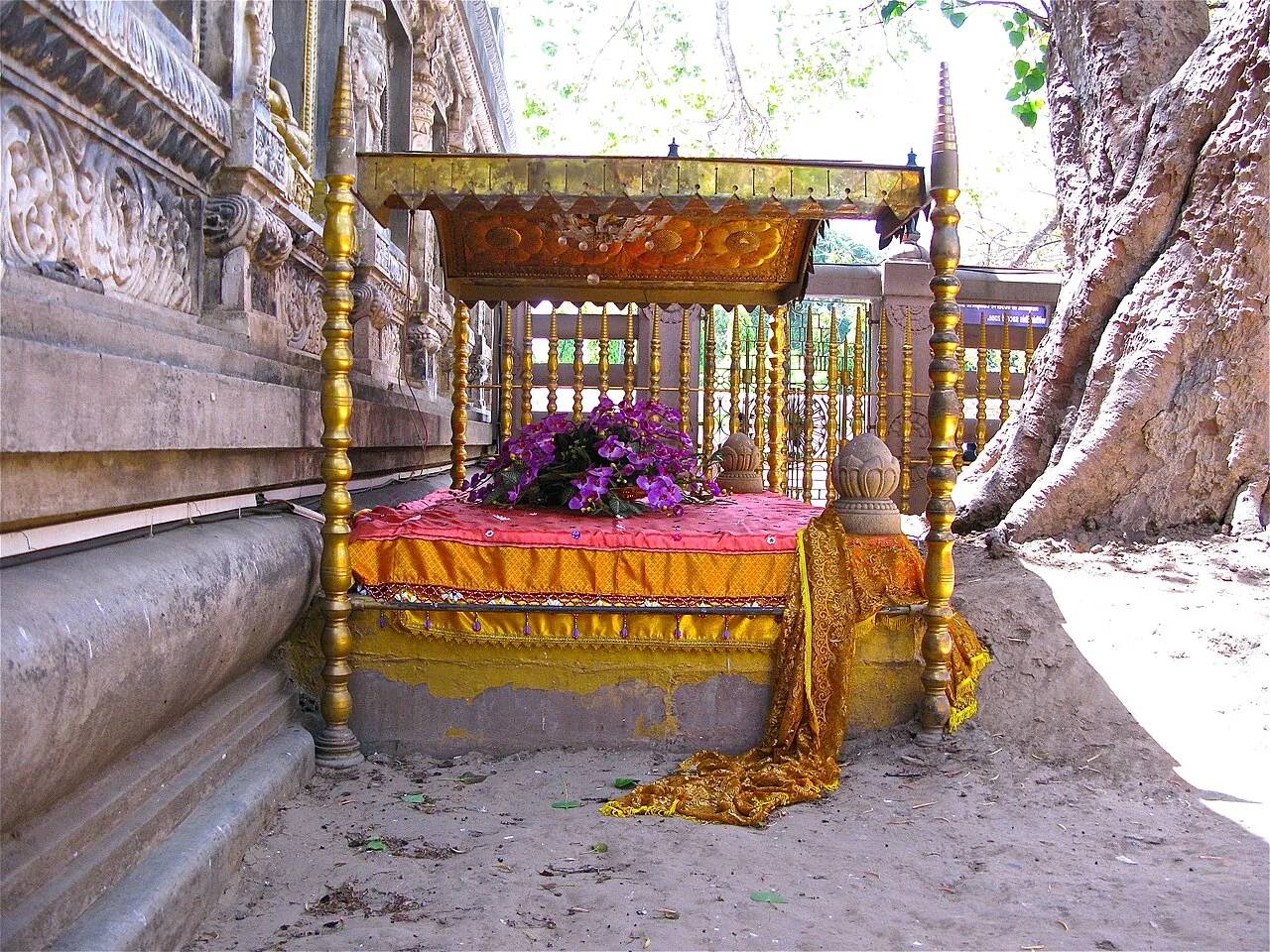
The Bodhi tree is a sacred fig at the Mahabodhi Temple in Bodh Gaya, Bihar. Buddhists visit this revered site because tradition links it to the Buddha’s enlightenment.

Map

Nokha on the map

  1. 1Tomb of Sher Shah Suri
  2. 2Buxar Fort
  3. 3Mundeshwari Temple
  4. 4Deo
  5. 5Rohtas Fort
  6. 6Barabar Caves
  7. 7Maner
  8. 8Bodhi tree

Bihar

Other cities to explore