Ghumoopedia — Explore, Discover, Experience
Sign in
Kesaria stupa, near Madhuban

City guide · Bihar

Madhuban

Madhuban is a small town in East Champaran district, in north Bihar. Its importance is mainly regional: it serves as a local centre for nearby villages and is the headquarters of a community development block.

Famous for

  • Madhuban Assembly constituency
  • East Champaran countryside
  • Local agricultural markets

Why Madhuban matters

Madhuban is a small town in East Champaran district, in north Bihar. Its importance is mainly regional: it serves as a local centre for nearby villages and is the headquarters of a community development block. The name is also familiar in Bihar politics through the Madhuban Assembly constituency, which brings together the Madhuban, Pakridayal and Phenhara blocks and forms part of the Sheohar parliamentary constituency.

Visitors are more likely to come for family, administrative or business reasons than for a major tourist attraction. The town offers a window onto everyday life in the Champaran countryside, where local commerce and agriculture connect villages to nearby market centres. It can also work as a starting point for exploring the wider district, including better-known destinations around Motihari. Madhuban is not widely identified with a nationally recognised monument, craft or specialty food, so its appeal is chiefly its local role and rural setting rather than a single landmark.
Famous for: crafts, trade & products

Madhuban is best understood as a local service and trading centre rather than a specialised manufacturing town. Small shops and market streets cater to nearby villages, with everyday goods, household supplies and farm-related needs forming the practical focus of trade. Agricultural activity is part of the surrounding district’s economy, but no particular crop or product should be treated as Madhuban’s signature without more specific local evidence.

The town is not widely known for a distinctive textile, handicraft, GI-tagged product or large industry. Visitors looking for locally made goods can browse the central bazaar and ask shopkeepers about seasonal produce and regional specialties; selection is likely to vary. For a broader range of retail, services and established visitor facilities, Motihari is a larger district centre within the region. Madhuban’s most clearly identifiable institution is its role as a block headquarters and the namesake of an assembly constituency. Those political and administrative connections, rather than a particular product brand, give the town much of its public profile.

History

Madhuban’s recorded public profile is closely tied to the development of local administration and representation in East Champaran. The town is the headquarters of Madhuban block, serving a surrounding rural area. Its name also became associated with an assembly constituency comprising Madhuban, Pakridayal and Phenhara blocks. Under the delimitation arrangements introduced in 2008, this constituency was placed within the Sheohar parliamentary constituency.

The town lies in the wider Champaran region, whose history includes colonial-era indigo cultivation and the movement against oppressive plantation practices. The Champaran Satyagraha of 1917 is an important episode in the region’s history, although its best-known events were centred elsewhere and should not be attributed specifically to Madhuban. In more recent decades, Madhuban’s growth has largely reflected its role as a block centre and local market serving surrounding villages. Detailed accounts of major rulers, colonial institutions or a distinct urban founding story for the town are not widely established.

Food, festivals & culture

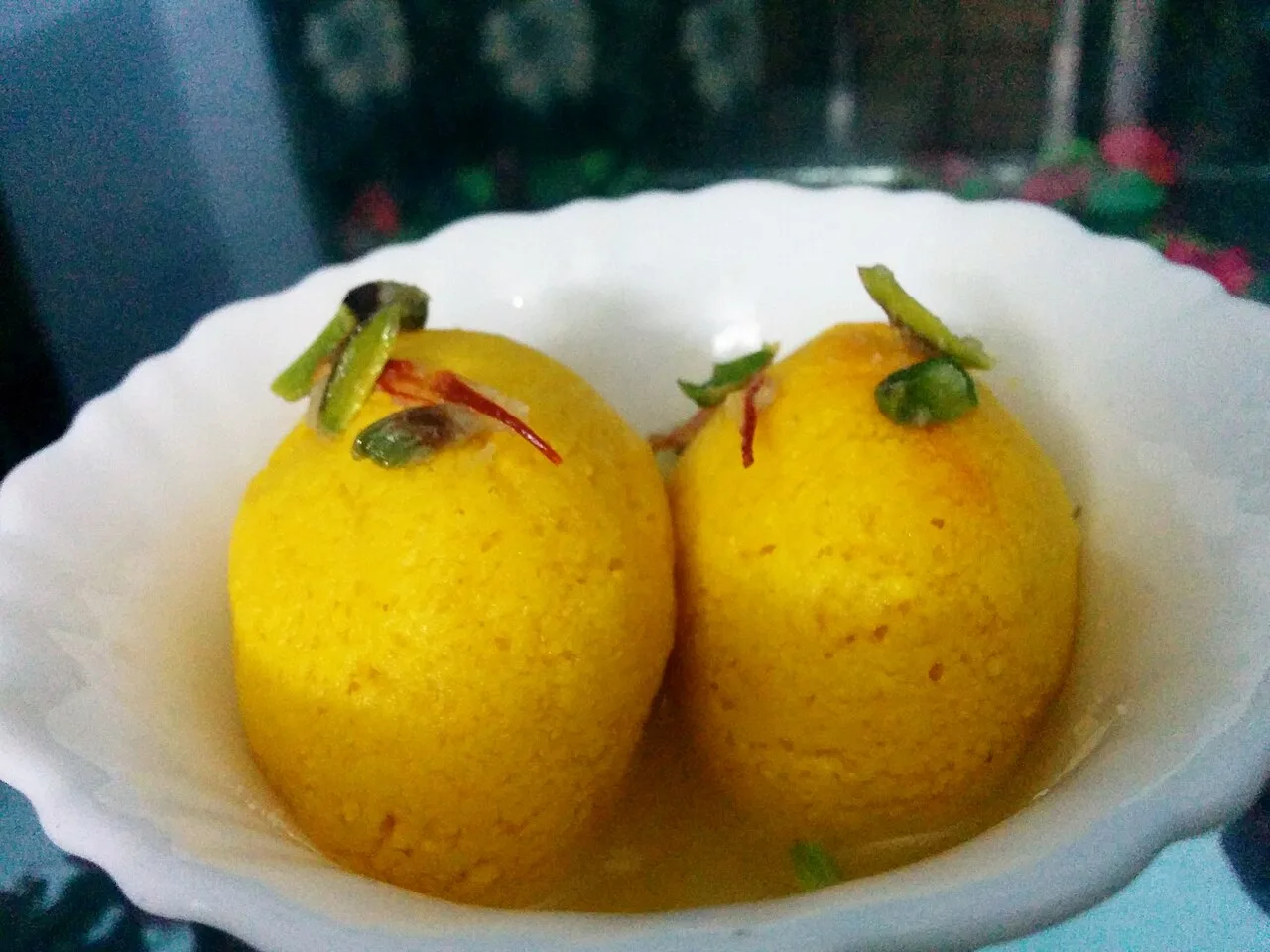
Daily life in Madhuban reflects the rural culture of north Bihar. Rice, lentils, seasonal vegetables and wheat-based foods are common across the region; litti-chokha and sattu preparations are familiar Bihar dishes, though they are not unique to the town. Local sweet shops and market stalls are the easiest places to look for everyday snacks and seasonal sweets, whose availability can vary.

Chhath Puja, observed mainly in autumn and again in spring, is an important festival across Bihar, with worship and offerings at water bodies. Holi, Diwali, Durga Puja and Eid are also observed by local communities. Hindi is widely used, alongside regional speech such as Bhojpuri and Maithili, with usage varying among households. Religious life centres on neighbourhood temples and mosques; festivals may bring devotional songs and community gatherings.

Visiting the city

The cooler months, roughly from October to March, are generally the most comfortable time to visit; summer can be very hot and the monsoon brings heavy rain. Darbhanga Airport is a useful nearby airport with scheduled services, while Patna may offer more flight choices. Chakia railway station is a nearby rail access point; Motihari railway station is another option for connections across the district. Check current routes before travelling.

Local movement is mainly by road, using auto-rickshaws, shared vehicles or hired transport. Start around the central bazaar and block-office area for a sense of the town’s everyday activity, then explore nearby villages if visiting with local guidance. Madhuban is a small service centre, so travellers seeking extensive dining or accommodation choices may prefer to arrange these in advance or use Motihari as a base.

Trips from the city

Nearest places to visit from Madhuban

Our closest destination guides, by straight-line distance.

Kesaria stupa

30 km away · East Champaran district

Kesaria stupa

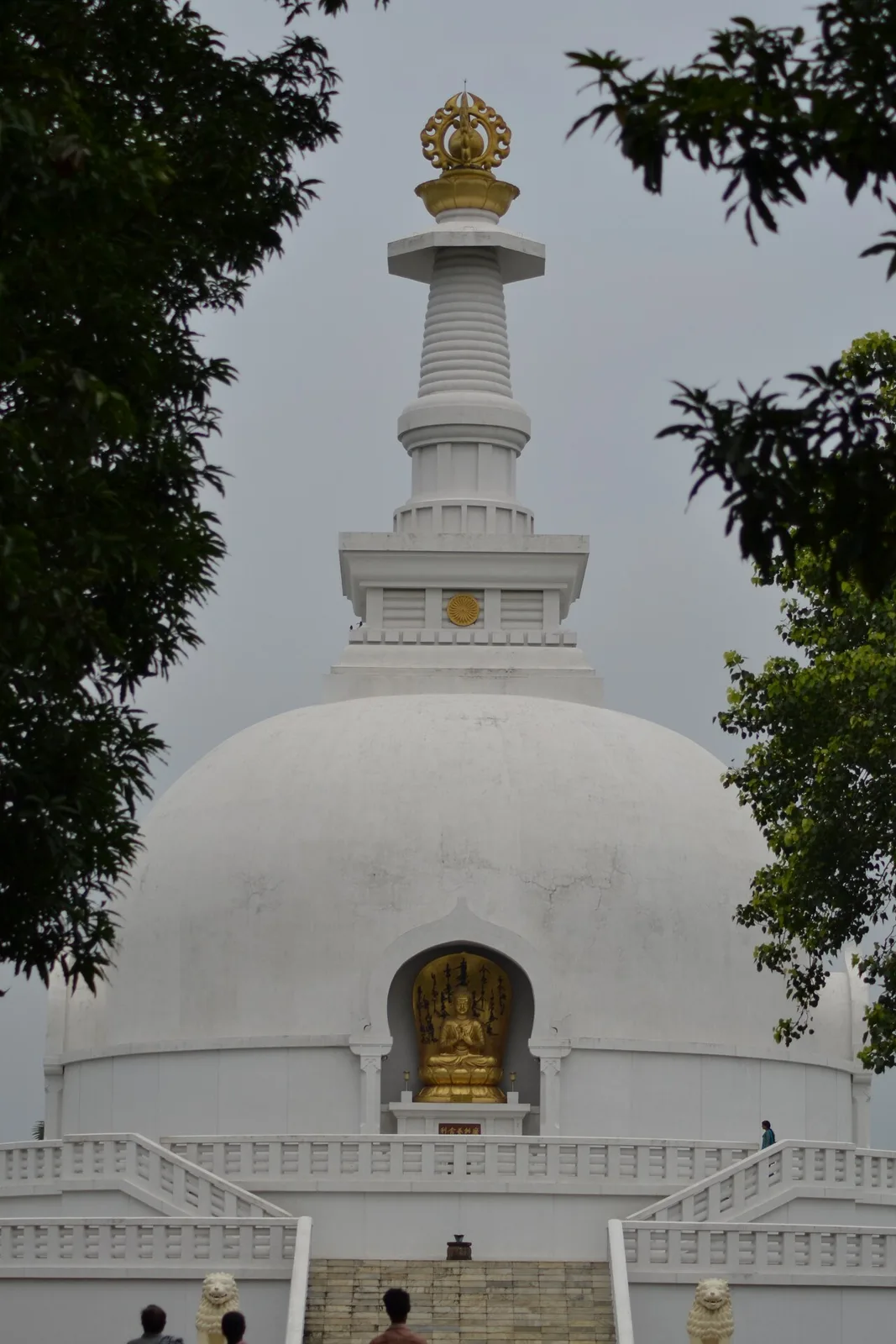
Kesariya Stupa is a Buddhist monument in Bihar’s East Champaran district, at Kesariya near Mehsi. Visitors come to see the structure, whose construction began in the third century BCE.

Sitamarhi

40 km away · Sitamarhi district

Sitamarhi

Sitamarhi is a city in Bihar’s Tirhut Division and the administrative centre of its district. Visitors are drawn by the Hindu tradition linking it to Sītā’s birth.

Vaishali

47 km away · Vaishali district

Vaishali

Vaishali is an archaeological site in Bihar associated with an ancient republic and important events in Buddhist and Jain history. Visitors come to see its stupas and Ashokan pillar and to explore these religious connections.

Darbhanga

82 km away · Darbhanga district

Darbhanga

Darbhanga is a major city and municipal corporation in Bihar, serving as the administrative centre of its district and division. Visitors encounter a longstanding centre of Mithila’s cultural, literary and musical traditions.

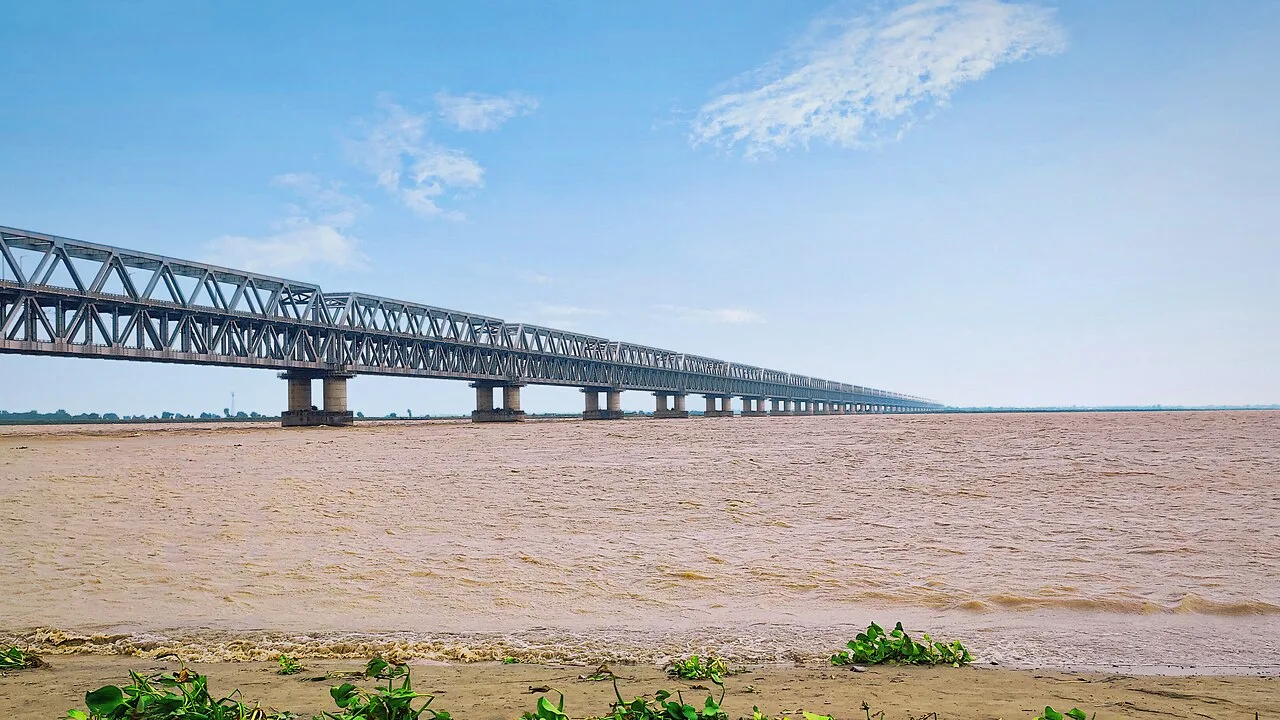
Sonpur

82 km away · Saran district

Sonpur

Sonpur, officially known as Sonepur, is a city in Bihar’s Saran district, beside the Gandaki and Ganges rivers. Visitors come for its cattle fair, which begins on Kartik Poornima and is Asia’s largest.

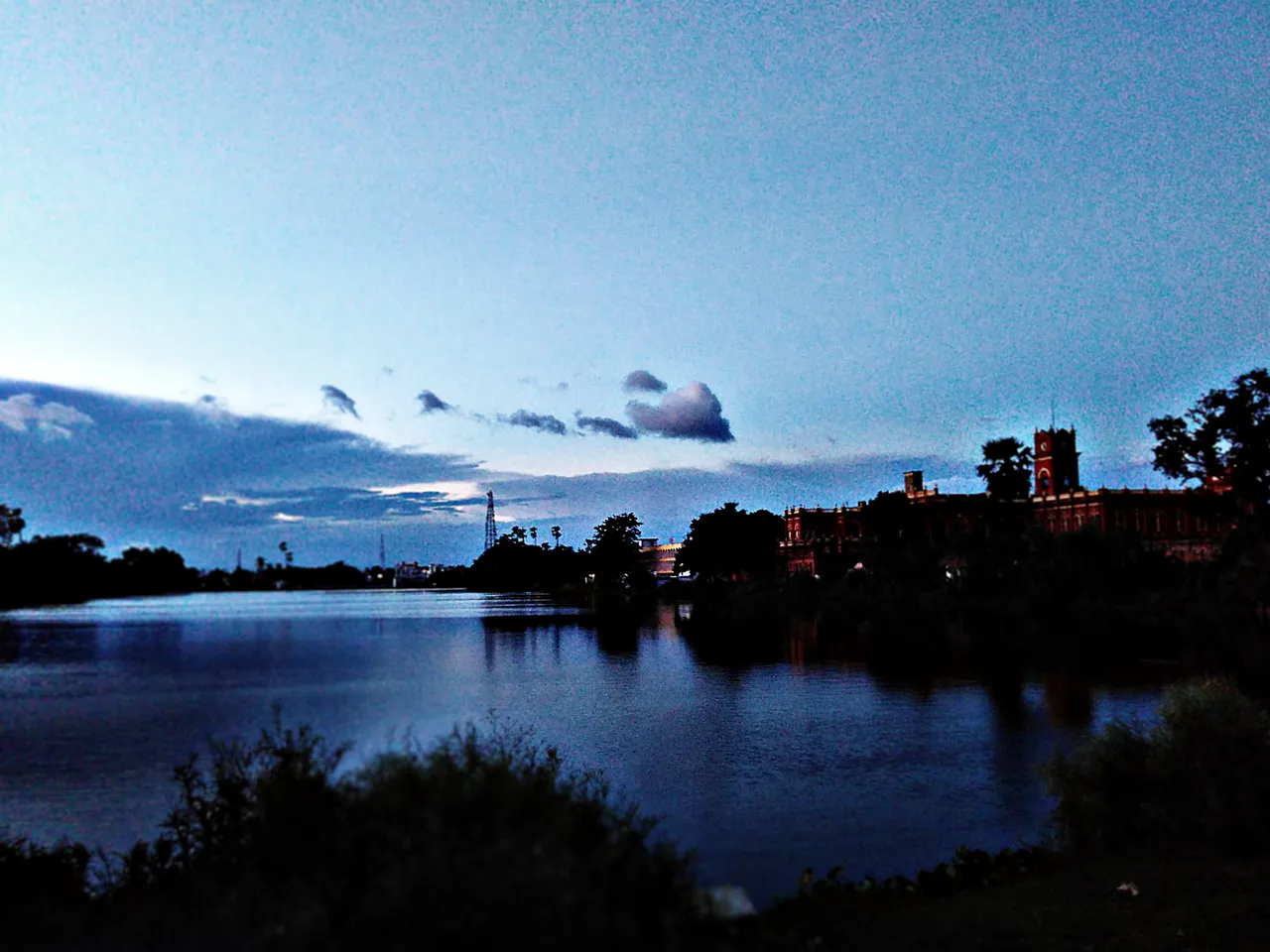
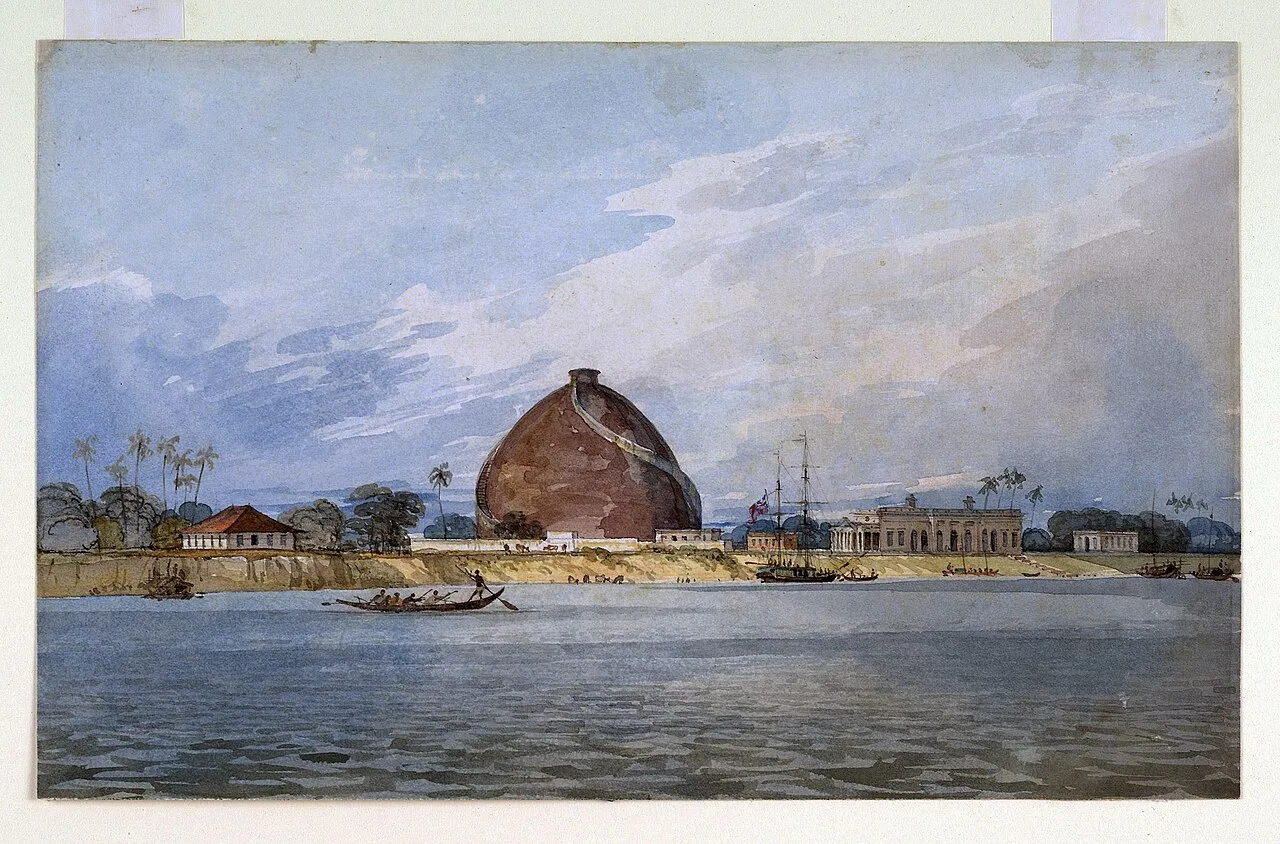
Golghar

91 km away · Patna district

Golghar

Golghar, also called Gol Ghar, is a substantial grain store in Patna, Bihar. Visitors come to see the granary west of Gandhi Maidan.

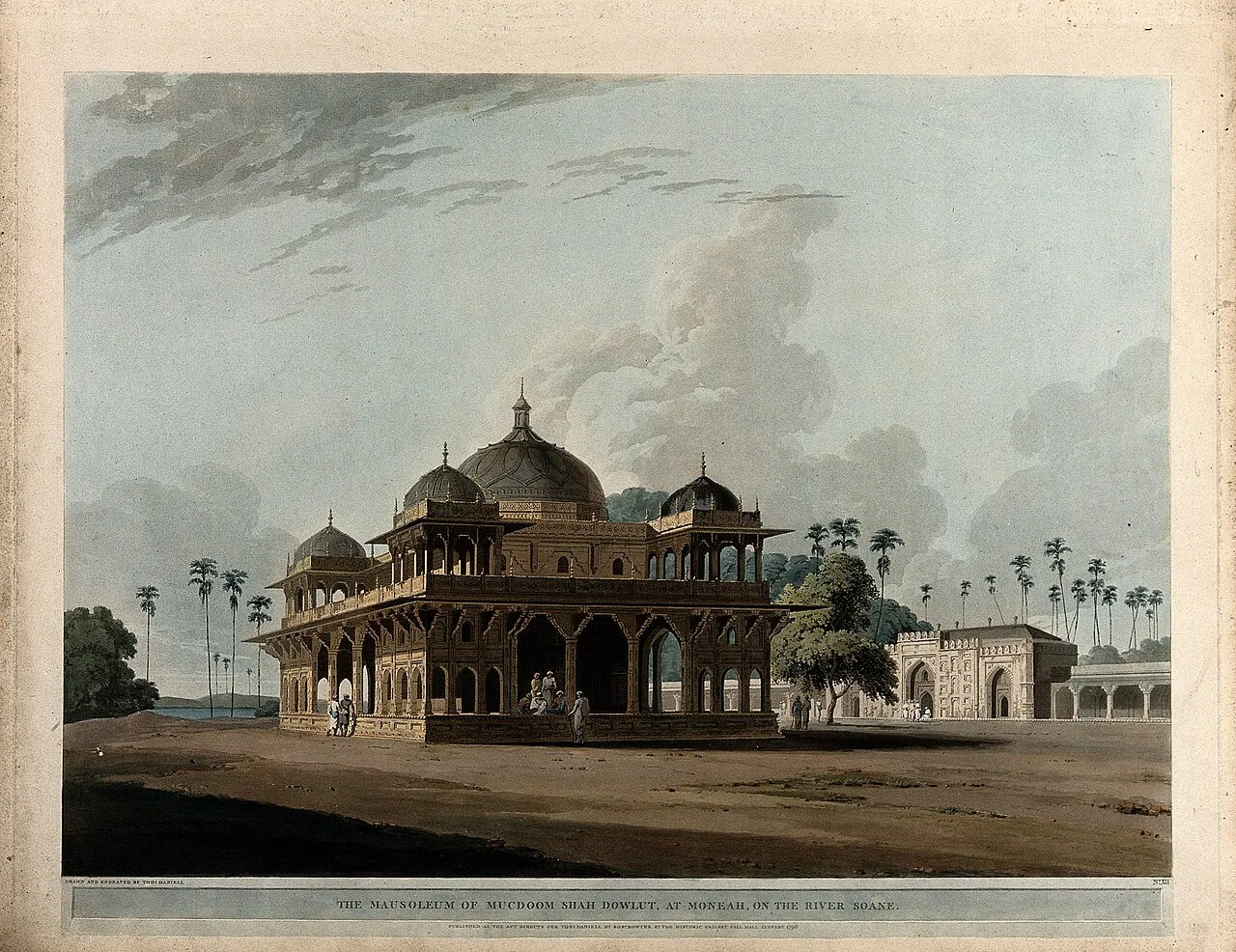
Maner

91 km away · Patna district

Maner

Maner, also called Maner Sharif, is a historic town and administrative block in Bihar’s Patna district. Visitors are drawn by its Mughal-era dargahs and its importance as a Sufi pilgrimage destination.

Bihar Museum

92 km away · Patna district

Bihar Museum

Bihar Museum is Patna’s state museum, with displays on Bihar’s history. Visitors can explore its galleries, children’s museum and distinctive arrangement of buildings and courtyards.

Map

Madhuban on the map

  1. 1Kesaria stupa
  2. 2Sitamarhi
  3. 3Vaishali
  4. 4Darbhanga
  5. 5Sonpur
  6. 6Golghar
  7. 7Maner
  8. 8Bihar Museum

Bihar

Other cities to explore