Ghumoopedia — Explore, Discover, Experience
Sign in
Sitamarhi, near Belsand

City guide · Bihar

Belsand

Belsand is a small town in Sitamarhi district in north Bihar. Its importance is chiefly regional: it serves residents of the town and nearby villages, who come for everyday shopping, local services and administrative needs.

Famous for

  • Bajjika-speaking community
  • North Bihar market town
  • Maithili cultural influences
  • Rural Sitamarhi setting

Why Belsand matters

Belsand is a small town in Sitamarhi district in north Bihar. Its importance is chiefly regional: it serves residents of the town and nearby villages, who come for everyday shopping, local services and administrative needs. The surrounding area is part of the broad, low-lying north Bihar landscape, where town life is closely connected with the countryside.

Belsand is not widely known as a major sightseeing destination, and visitors are more likely to come for local or family connections than for a formal tourist circuit. Its cultural interest lies in its place within the Maithili-speaking region and in the use of Bajjika, a local dialect of Maithili. The town can offer a glimpse of ordinary small-town life in Bihar, including its bazaar activity and community celebrations. Travellers seeking established monuments, museums or a signature craft should plan their main sightseeing elsewhere and treat Belsand as a local stop rather than assuming it has a developed visitor infrastructure.
Famous for: crafts, trade & products

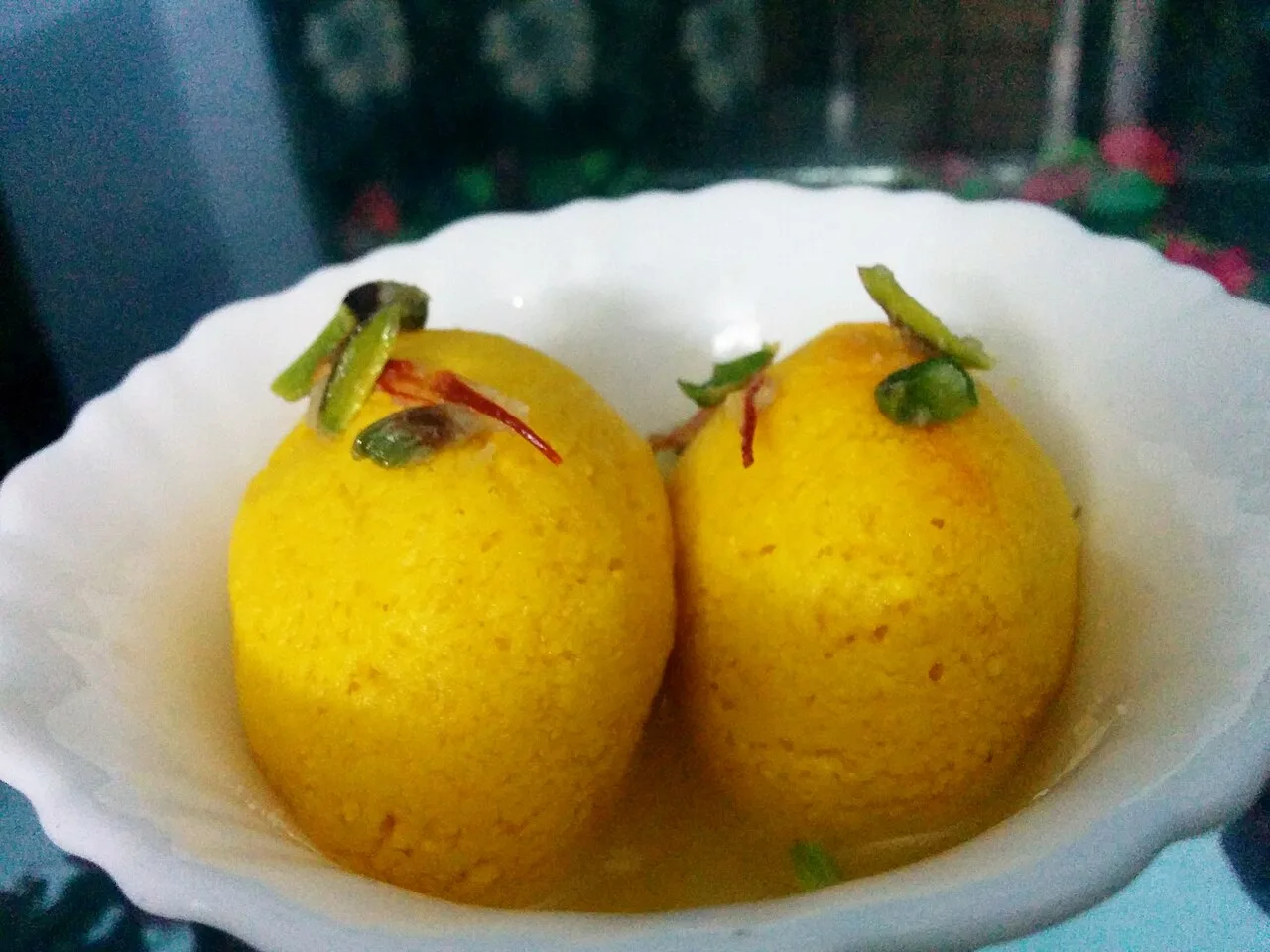
Belsand is not widely documented as a centre for a particular textile, saree, handicraft or GI-tagged product. It is better understood as a local service and trading town, with shops serving residents and surrounding villages. The main town bazaar is the practical place to look for daily necessities, household goods and ordinary local provisions; it should not be mistaken for a specialist craft market or a guaranteed source of regional souvenirs.

Agriculture is important across the surrounding north Bihar countryside, and local commerce reflects the needs of nearby rural communities. However, there is no reliably established signature product or industry that can be attributed specifically to Belsand. Visitors interested in buying a particular Mithila or Bihar craft should check its place of origin and seek a specialist outlet in a larger regional centre rather than assume it is made or sold here. Belsand’s significance is therefore more about access to everyday local trade than about a nationally recognised product identity.

History

Belsand’s story is best set within the history of the wider Tirhut and Mithila region of north Bihar, rather than described through a well-documented town-specific chronology. The region has long been shaped by settled agriculture, village networks and the growth of local market centres. Belsand’s role as a town serving nearby communities reflects that pattern.

The wider region came under successive political authorities over many centuries and was later incorporated into British-ruled Bihar. Those broad changes affected the region’s administration and transport, but a detailed account of their direct impact on Belsand is not firmly established here. In the post-independence period, the town has continued to function as a local centre within Sitamarhi district, with daily commerce and public services supporting the surrounding area. Its development is more readily understood through this regional role than through a record of celebrated rulers, major battles or landmark buildings.

Food, festivals & culture

Belsand’s everyday culture reflects its north Bihar setting and connections with the Maithili cultural region. Bajjika, a local dialect of Maithili, is spoken in the area; Hindi is also useful for communication. Family gatherings, village ties and the rhythm of the local bazaar are central to ordinary community life. There is no widely documented, town-specific music or dance tradition to distinguish Belsand from the wider region.

Chhath Puja, usually observed in autumn, is an important festival across Bihar, while Holi and Diwali are also commonly celebrated; Eid is observed by Muslim residents, with its date varying by the lunar calendar. Food available in the area may include familiar Bihar dishes such as sattu preparations, litti chokha and seasonal sweets, though these should be regarded as regional choices rather than exclusive Belsand specialities. Hindu temples and Muslim places of worship serve local communities, but visitors should ask locally for appropriate access and customary etiquette.

Visiting the city

The cooler, drier months from October to March are generally the most comfortable time to visit. Darbhanga Airport is a practical nearby air gateway. Sitamarhi Junction is the main railway station commonly used for reaching the area; confirm current onward connections before travelling, as the final leg may require road transport.

Within Belsand, local shared vehicles, auto-rickshaws or hired cars are the usual options for short trips, subject to availability. The town centre and its bazaar are the most straightforward areas to explore on foot, while nearby villages and countryside can be visited with local transport. Belsand is better suited to a brief local visit than to a sightseeing-focused stay, so arrange accommodation and onward travel in advance if you need specific facilities.

Trips from the city

Nearest places to visit from Belsand

Our closest destination guides, by straight-line distance.

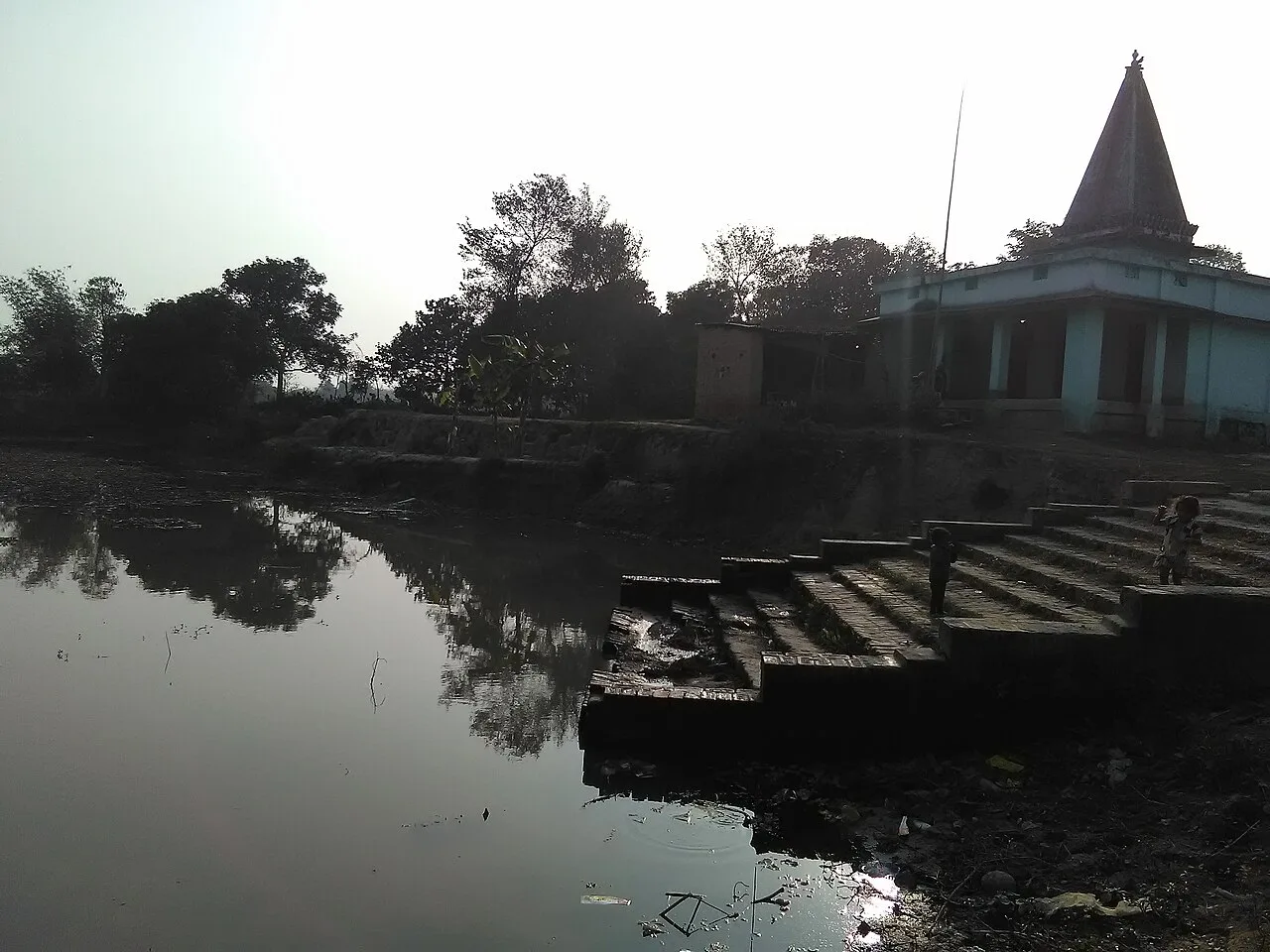
Sitamarhi

19 km away · Sitamarhi district

Sitamarhi

Sitamarhi is a city in Bihar’s Tirhut Division and the administrative centre of its district. Visitors are drawn by the Hindu tradition linking it to Sītā’s birth.

Kesaria stupa

56 km away · East Champaran district

Kesaria stupa

Kesariya Stupa is a Buddhist monument in Bihar’s East Champaran district, at Kesariya near Mehsi. Visitors come to see the structure, whose construction began in the third century BCE.

Vaishali

56 km away · Vaishali district

Vaishali

Vaishali is an archaeological site in Bihar associated with an ancient republic and important events in Buddhist and Jain history. Visitors come to see its stupas and Ashokan pillar and to explore these religious connections.

Darbhanga

58 km away · Darbhanga district

Darbhanga

Darbhanga is a major city and municipal corporation in Bihar, serving as the administrative centre of its district and division. Visitors encounter a longstanding centre of Mithila’s cultural, literary and musical traditions.

Madhubani

68 km away · Madhubani district

Madhubani

Madhubani is a city in Bihar’s Mithila region and the headquarters of its district. Visitors may be drawn by its regional identity and administrative importance.

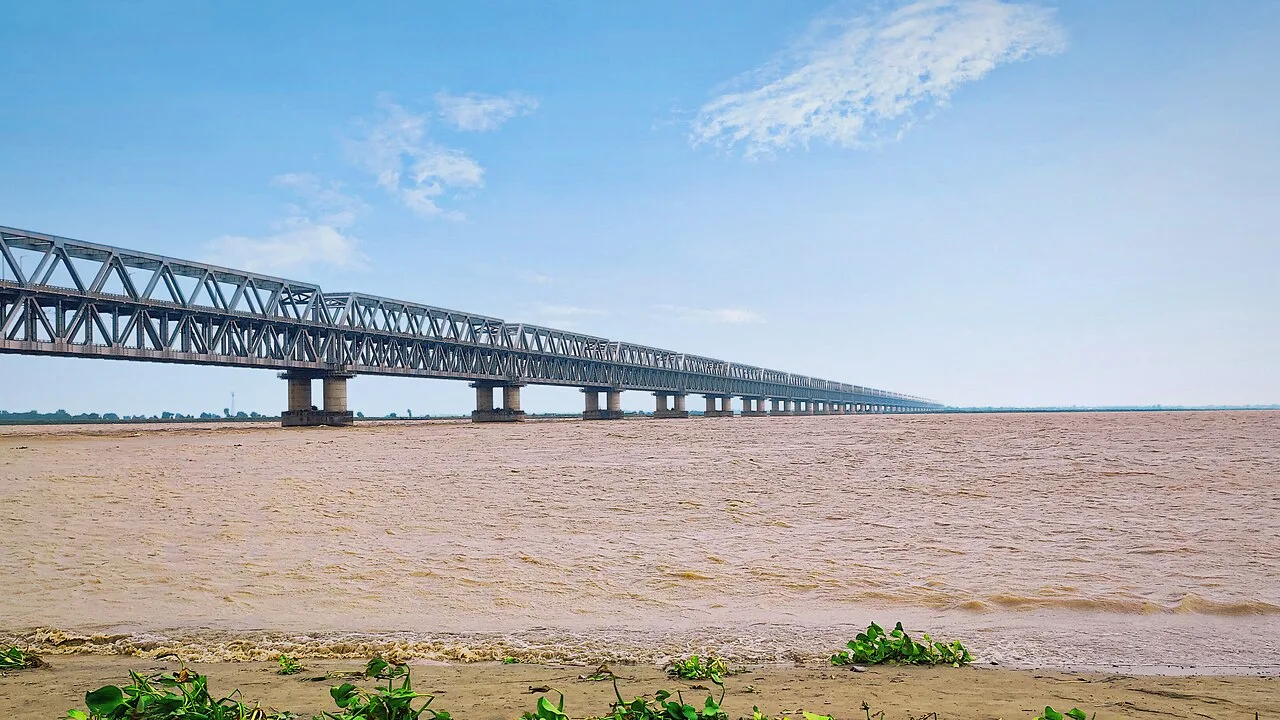
Sonpur

86 km away · Saran district

Sonpur

Sonpur, officially known as Sonepur, is a city in Bihar’s Saran district, beside the Gandaki and Ganges rivers. Visitors come for its cattle fair, which begins on Kartik Poornima and is Asia’s largest.

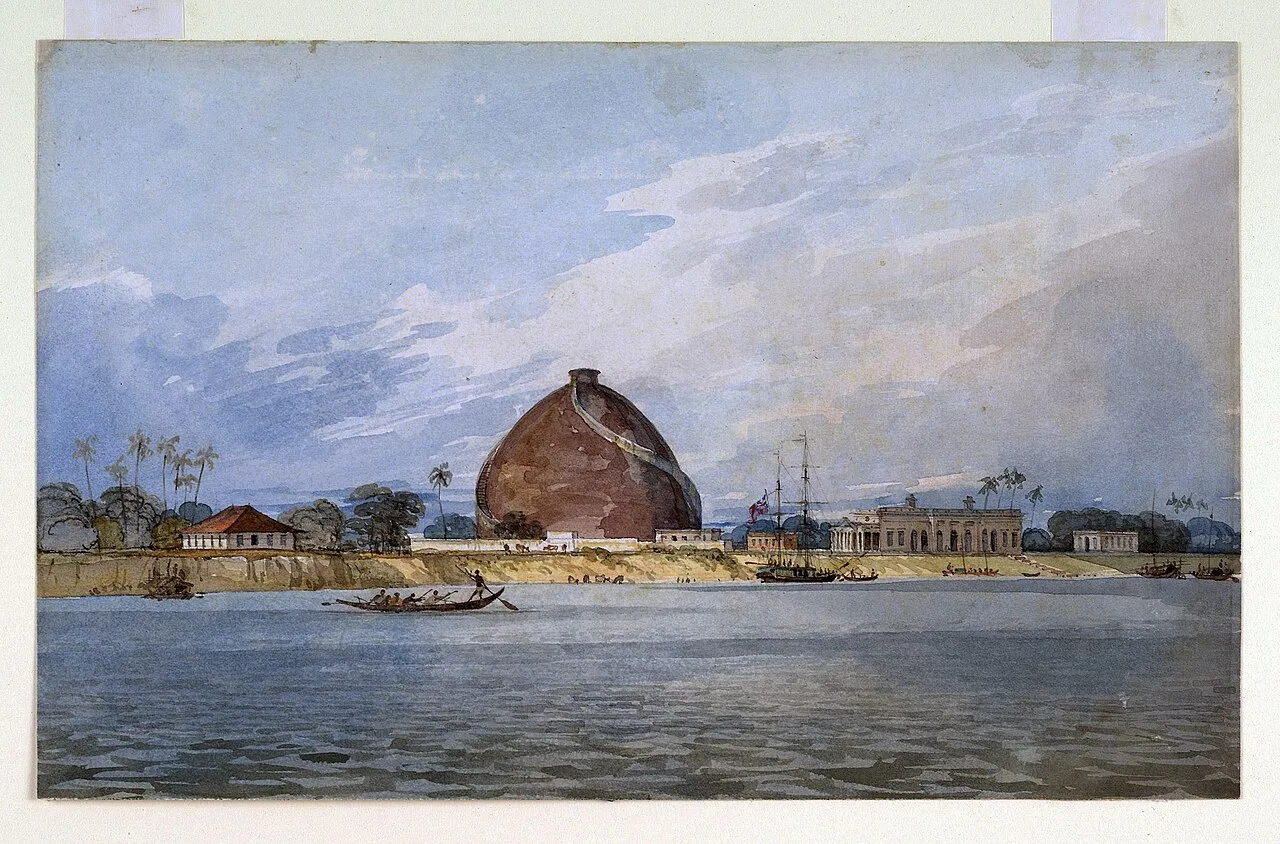
Golghar

95 km away · Patna district

Golghar

Golghar, also called Gol Ghar, is a substantial grain store in Patna, Bihar. Visitors come to see the granary west of Gandhi Maidan.

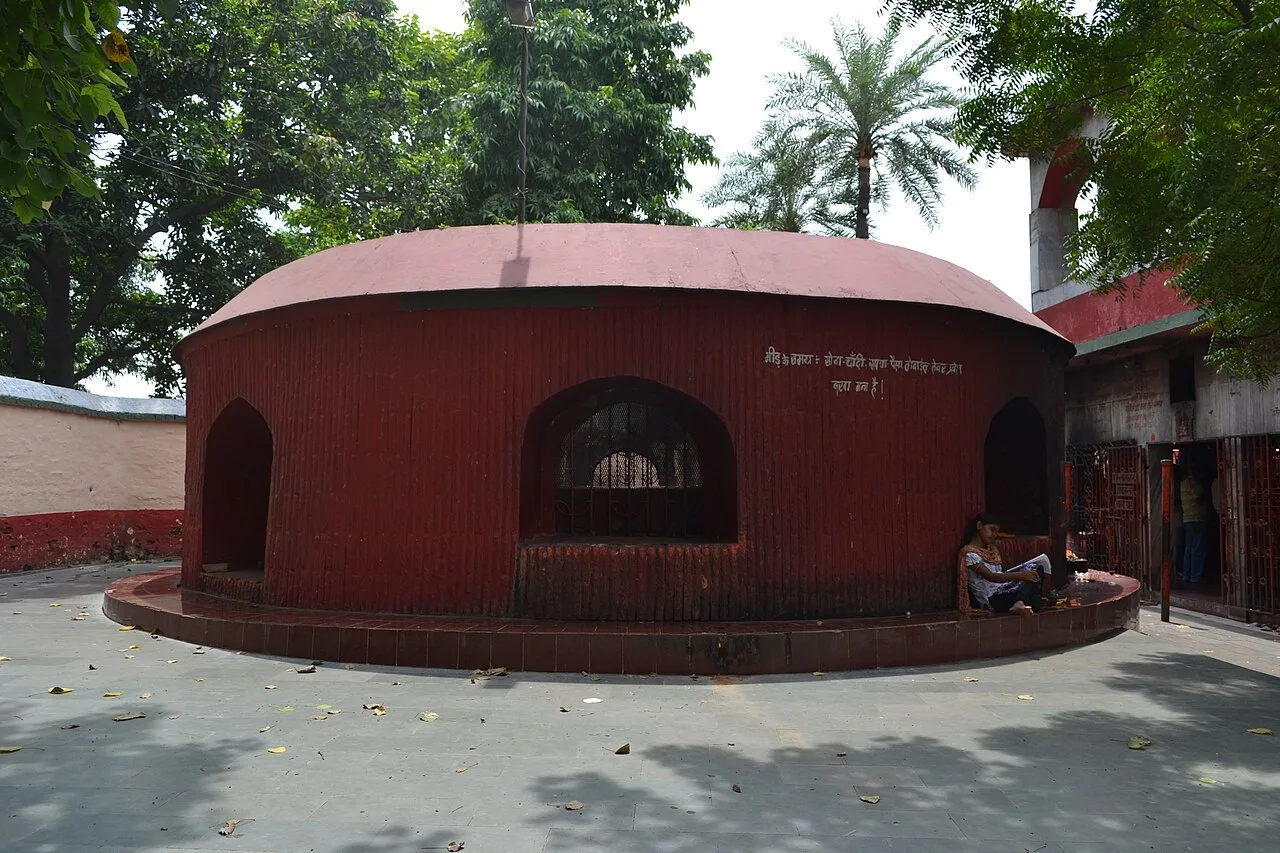
Agam Kuan

96 km away · Patna district

Agam Kuan

Agam Kuan is a historic circular well and archaeological site in Patna, Bihar, traditionally linked to Ashoka’s Mauryan era. Visitors also worship at the adjoining Shitala Devi temple, where the goddess and Saptamatrikas are venerated.

Map

Belsand on the map

  1. 1Sitamarhi
  2. 2Kesaria stupa
  3. 3Vaishali
  4. 4Darbhanga
  5. 5Madhubani
  6. 6Sonpur
  7. 7Golghar
  8. 8Agam Kuan

Bihar

Other cities to explore