Ghumoopedia — Explore, Discover, Experience
Sign in
Vaishali, near Muzaffarpur

City guide · Bihar

Muzaffarpur

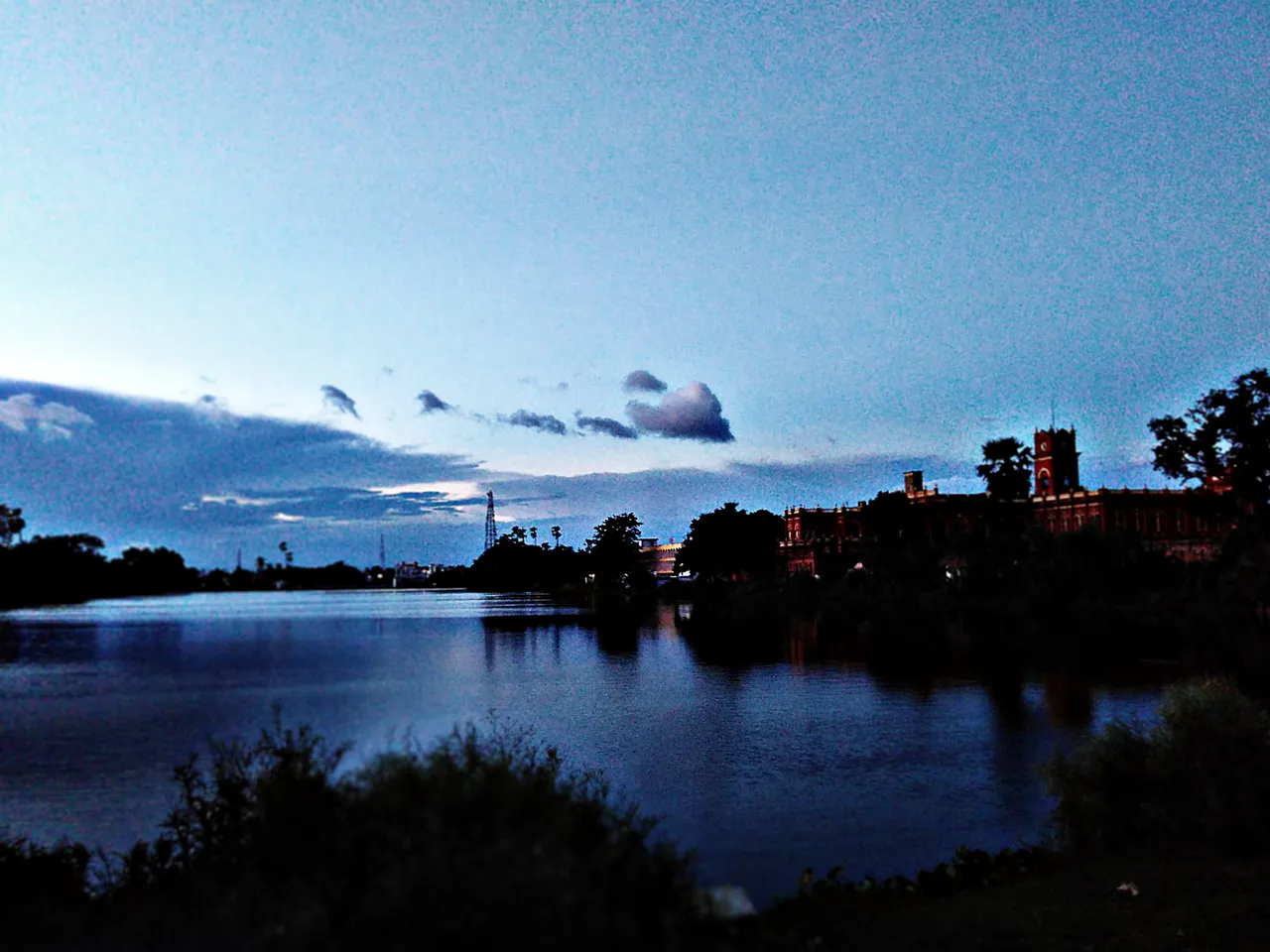
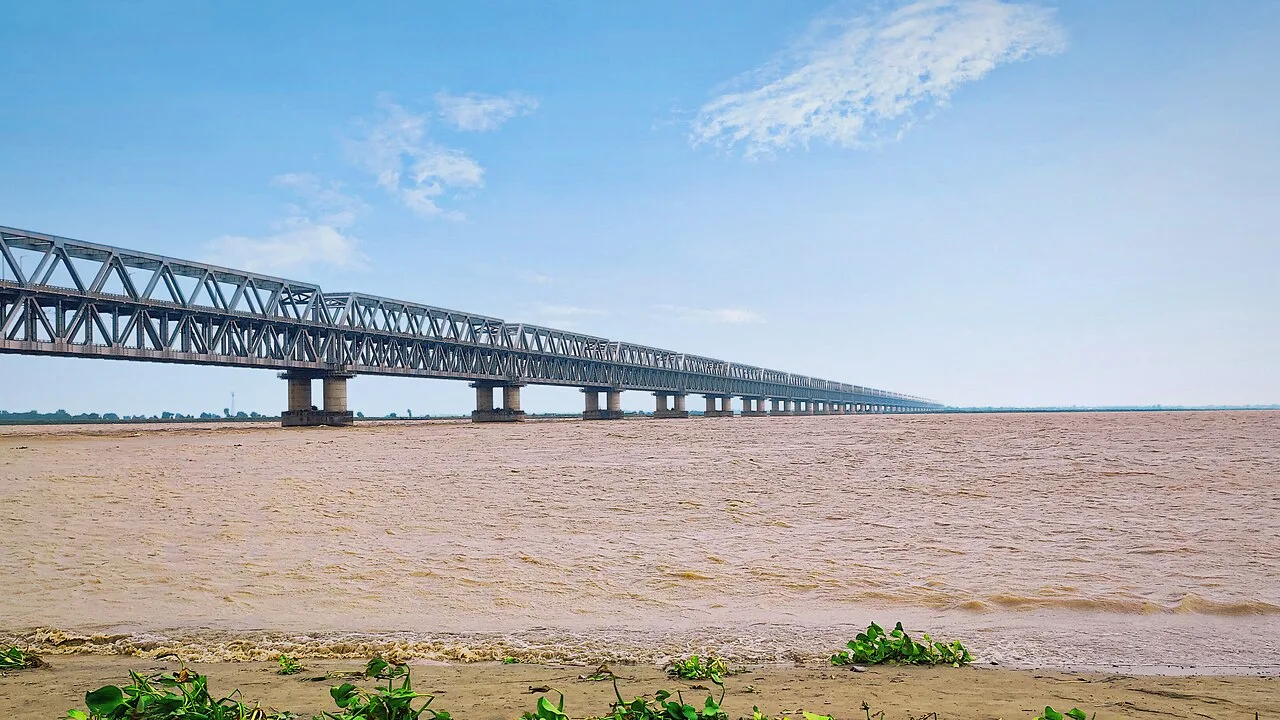
Muzaffarpur is a major urban centre in north Bihar, serving as the headquarters of both Muzaffarpur district and the Tirhut division. Set on the banks of the Burhi Gandak, it is an important road and rail hub on routes linking Patna with towns to the north and the Nepal border.

Famous for

  • Shahi litchi
  • Litchi orchards
  • Agricultural trade
  • Baba Garibnath Temple
  • Burhi Gandak River

Why Muzaffarpur matters

Muzaffarpur is a major urban centre in north Bihar, serving as the headquarters of both Muzaffarpur district and the Tirhut division. Set on the banks of the Burhi Gandak, it is an important road and rail hub on routes linking Patna with towns to the north and the Nepal border. Its location makes it a busy centre for travel, commerce and public services across the region.

The city is especially associated with Shahi litchi, a fragrant variety grown in the surrounding region and recognised with a Geographical Indication tag. During the harvest season, orchards and fruit markets bring added activity to the area. Visitors also come for the city’s temples, local markets and a taste of north Bihar’s food and culture. Muzaffarpur is not primarily a monument-led destination; its appeal lies in its role as a lively regional centre, its seasonal produce and its connections to the wider Tirhut plain.
Famous for: crafts, trade & products

Muzaffarpur’s best-known product is Shahi litchi, grown in orchards across the surrounding region. The fruit has a Geographical Indication tag and is most visible in local markets during its late-spring harvest. Litchis, mangoes, sweet corn, vegetables and rice all contribute to the area’s agricultural trade. Visitors can look for seasonal produce at fruit and vegetable markets, while Motijheel is a central area for everyday shopping and commerce.

The city is less associated with a signature textile or handicraft tradition than with farming and trade. Cutlery manufacturing and sugar milling are among its established industries, alongside businesses serving the surrounding agricultural economy. For a sense of local commerce, explore central markets and the busy streets around Motijheel; for litchis, seek out produce sellers during the harvest season rather than expecting them year-round. Muzaffarpur is also an educational centre, with institutions such as Babasaheb Bhimrao Ambedkar Bihar University and Langat Singh College. These institutions, together with its transport links, reinforce the city’s importance to north Bihar.

History

Muzaffarpur developed as a centre in the Tirhut region during the period of British rule. It was constituted as a municipality in 1864, and the present city took shape in 1875 as the Tirhut district was reorganised for administration. Its name is associated with Muzaffar Khan, an aumil, or revenue administrator. Roads and railways later strengthened its role as a trading centre between Patna and the northern districts.

The surrounding fertile plains supported agricultural commerce, including trade in fruit, grain and other produce. The city’s growth has also been shaped by its position beside the Burhi Gandak and by the transport and educational services it provides to nearby towns. Muzaffarpur suffered extensive damage in the 1934 Bihar earthquake. In 1972, Sitamarhi and Vaishali were separated from Muzaffarpur district, changing the district’s boundaries while the city remained an important administrative centre for the region.

Food, festivals & culture

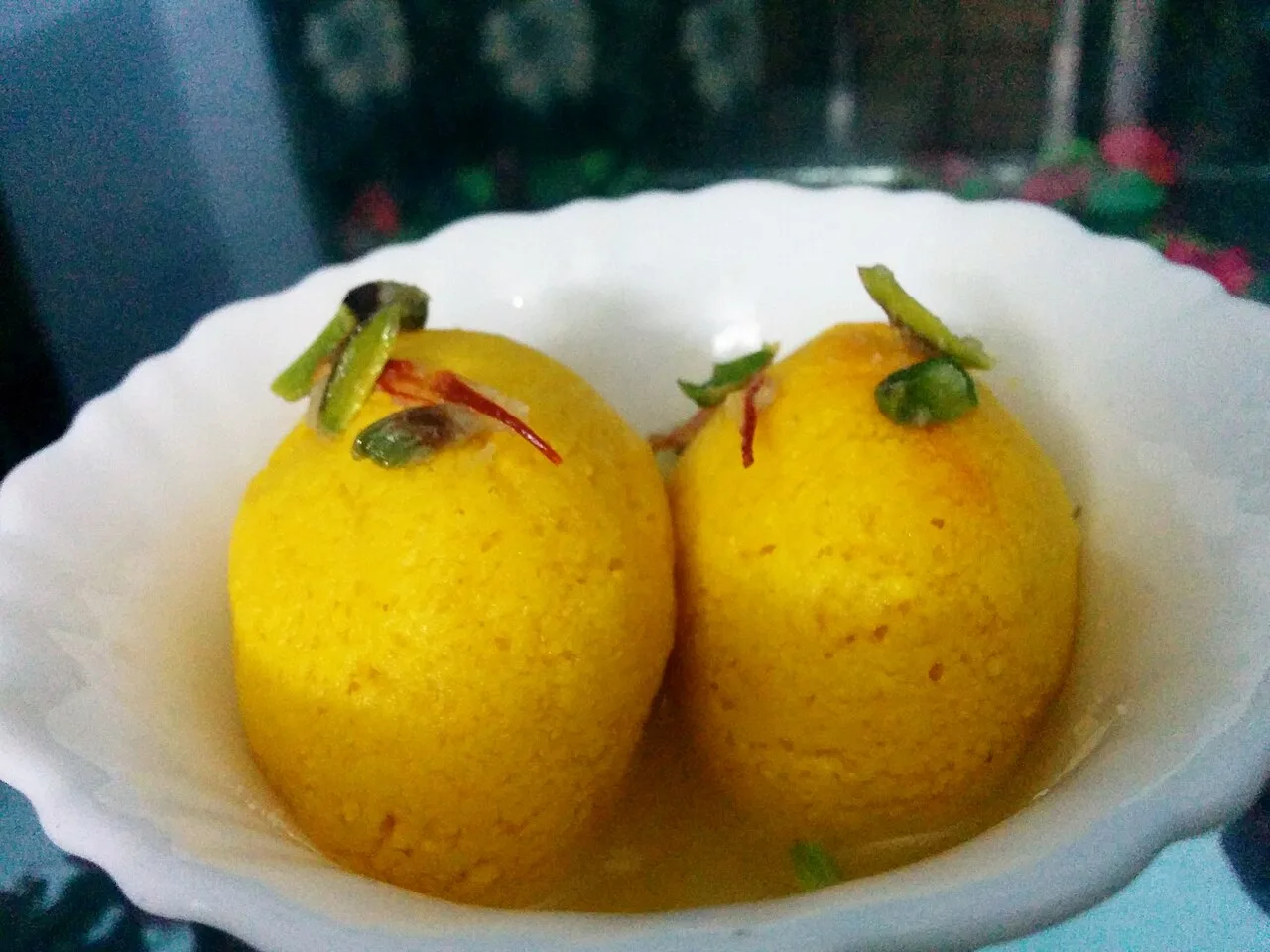
Everyday food in Muzaffarpur reflects the wider flavours of Bihar: litti-chokha, sattu preparations, rice-based meals and seasonal vegetables are familiar choices. Shahi litchi is the standout seasonal treat, usually appearing in late spring and early summer. Local sweet shops offer a range of traditional Indian sweets, though the city is more widely recognised for its fruit than for one signature confection.

Chhath, observed in autumn, is a major festival across the region, with prayers and offerings made to the Sun near water. Holi in spring, Diwali in autumn and Eid are also widely observed. Hindi is commonly used, alongside local speech forms including Bajjika and Maithili, as well as Urdu. Folk songs and devotional music are heard at festivals and family occasions; Chhath songs are especially prominent during the season. Baba Garibnath Temple is an important place of worship, and the city has other neighbourhood temples and mosques serving local communities.

Visiting the city

October to March is generally the most comfortable period to explore Muzaffarpur. Late spring is warmer, but visitors interested in Shahi litchi may find the May–June harvest season rewarding. The nearest major airport is Jay Prakash Narayan International Airport in Patna. The city’s main rail gateway is Muzaffarpur Junction, with road and rail connections to towns across Bihar.

Auto-rickshaws, cycle-rickshaws and taxis are useful for getting around. Motijheel offers a lively introduction to central shopping and street life, while the area around Baba Garibnath Temple is a key religious stop. Visitors can also explore the Burhi Gandak riverfront and the city’s college and park precincts. For a broader view of local produce, browse fruit and vegetable markets, especially during litchi season.

Trips from the city

Nearest places to visit from Muzaffarpur

Our closest destination guides, by straight-line distance.

Vaishali

31 km away · Vaishali district

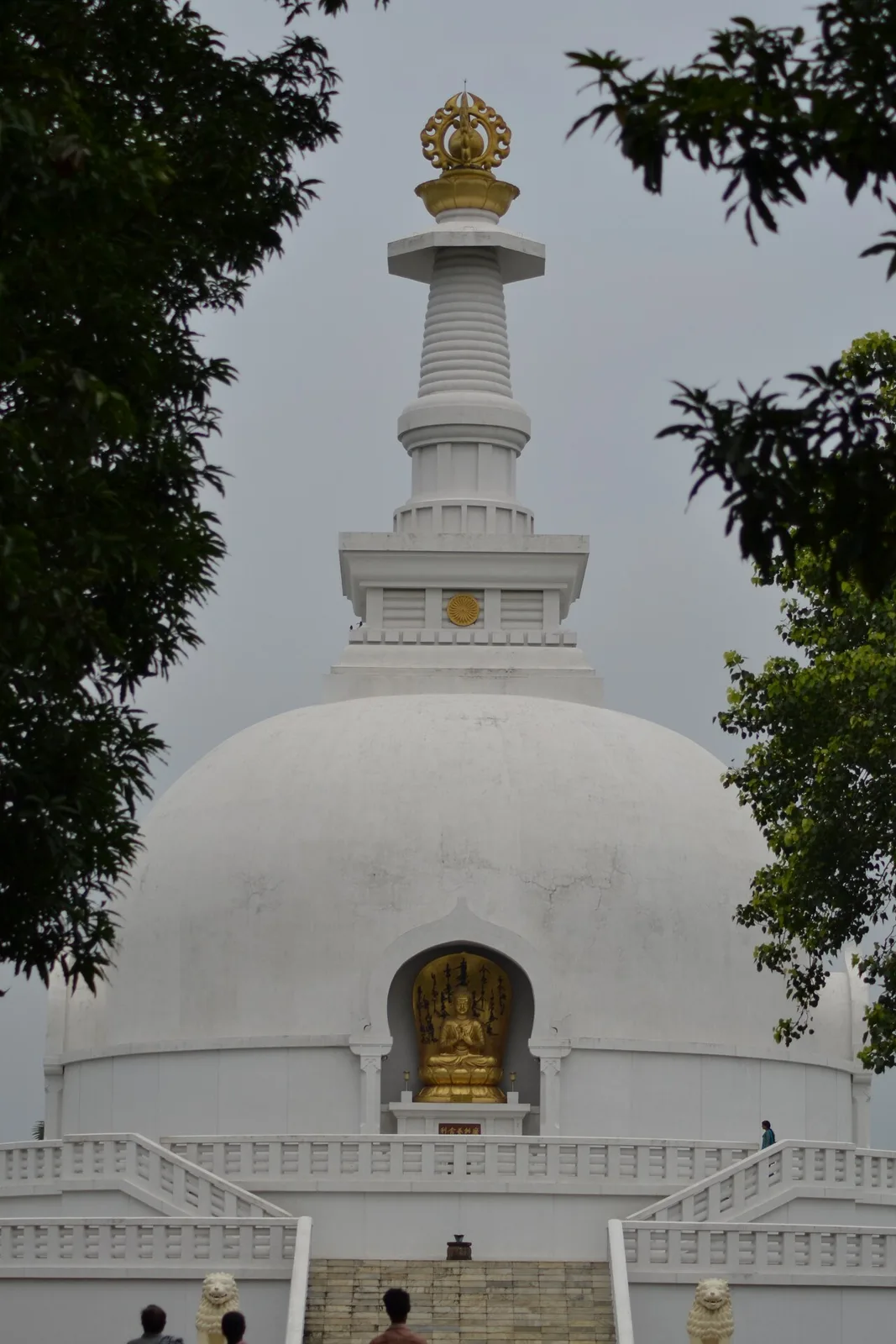
Vaishali

Vaishali is an archaeological site in Bihar associated with an ancient republic and important events in Buddhist and Jain history. Visitors come to see its stupas and Ashokan pillar and to explore these religious connections.

Darbhanga

51 km away · Darbhanga district

Darbhanga

Darbhanga is a major city and municipal corporation in Bihar, serving as the administrative centre of its district and division. Visitors encounter a longstanding centre of Mithila’s cultural, literary and musical traditions.

Sonpur

51 km away · Saran district

Sonpur

Sonpur, officially known as Sonepur, is a city in Bihar’s Saran district, beside the Gandaki and Ganges rivers. Visitors come for its cattle fair, which begins on Kartik Poornima and is Asia’s largest.

Sitamarhi

54 km away · Sitamarhi district

Sitamarhi

Sitamarhi is a city in Bihar’s Tirhut Division and the administrative centre of its district. Visitors are drawn by the Hindu tradition linking it to Sītā’s birth.

Kesaria stupa

58 km away · East Champaran district

Kesaria stupa

Kesariya Stupa is a Buddhist monument in Bihar’s East Champaran district, at Kesariya near Mehsi. Visitors come to see the structure, whose construction began in the third century BCE.

Agam Kuan

61 km away · Patna district

Agam Kuan

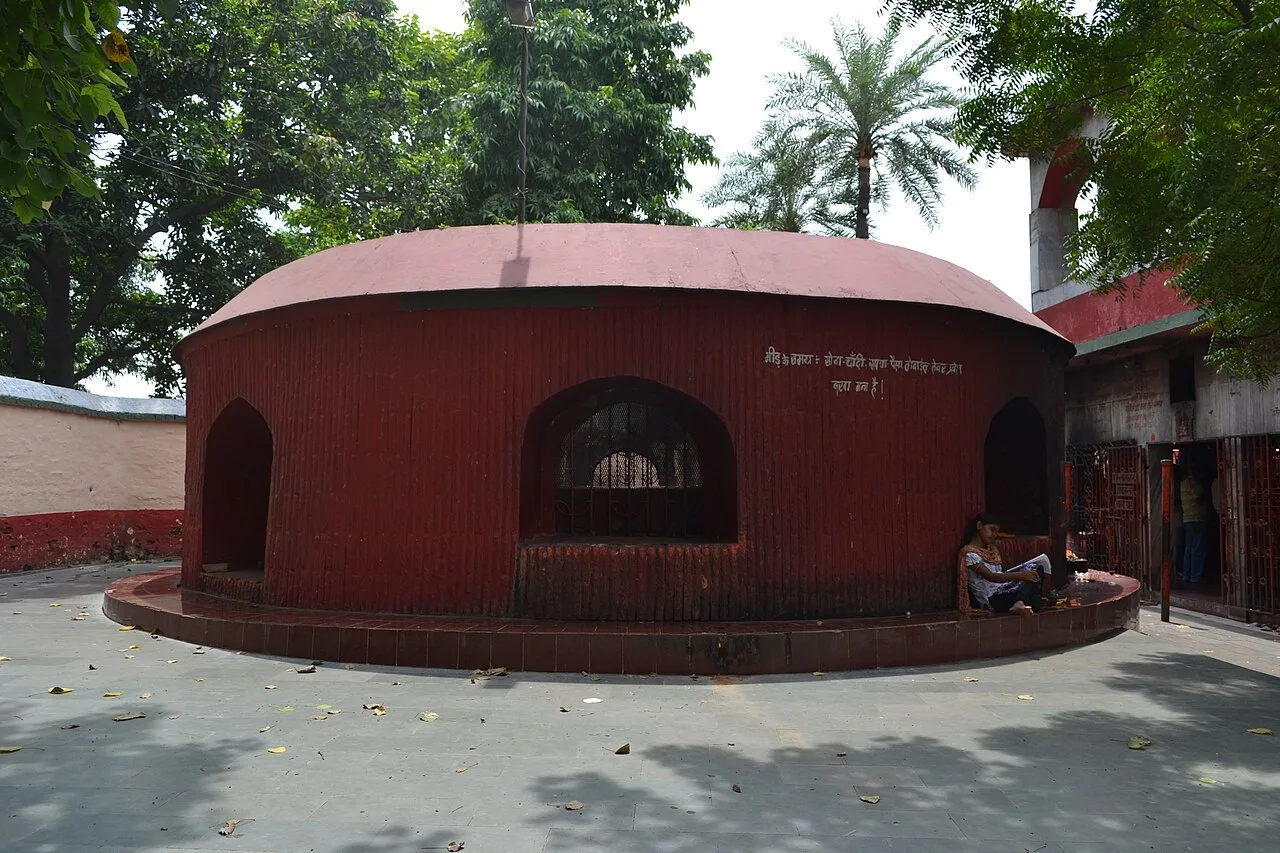
Agam Kuan is a historic circular well and archaeological site in Patna, Bihar, traditionally linked to Ashoka’s Mauryan era. Visitors also worship at the adjoining Shitala Devi temple, where the goddess and Saptamatrikas are venerated.

Gandhi Maidan

61 km away · Patna district

Gandhi Maidan

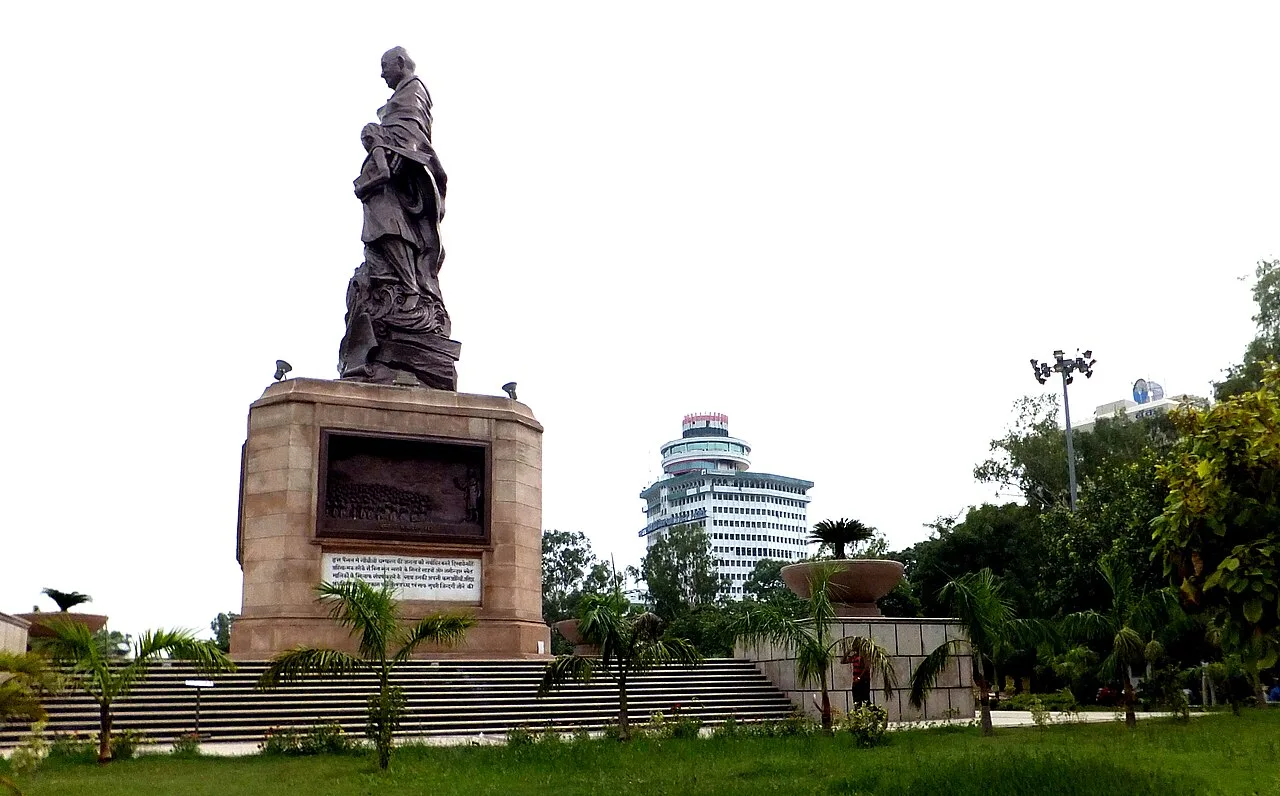
Gandhi Maidan is a historic open space in Patna, Bihar, near the Ganges. People visit a site linked to the freedom movement and significant political gatherings.

Golghar

61 km away · Patna district

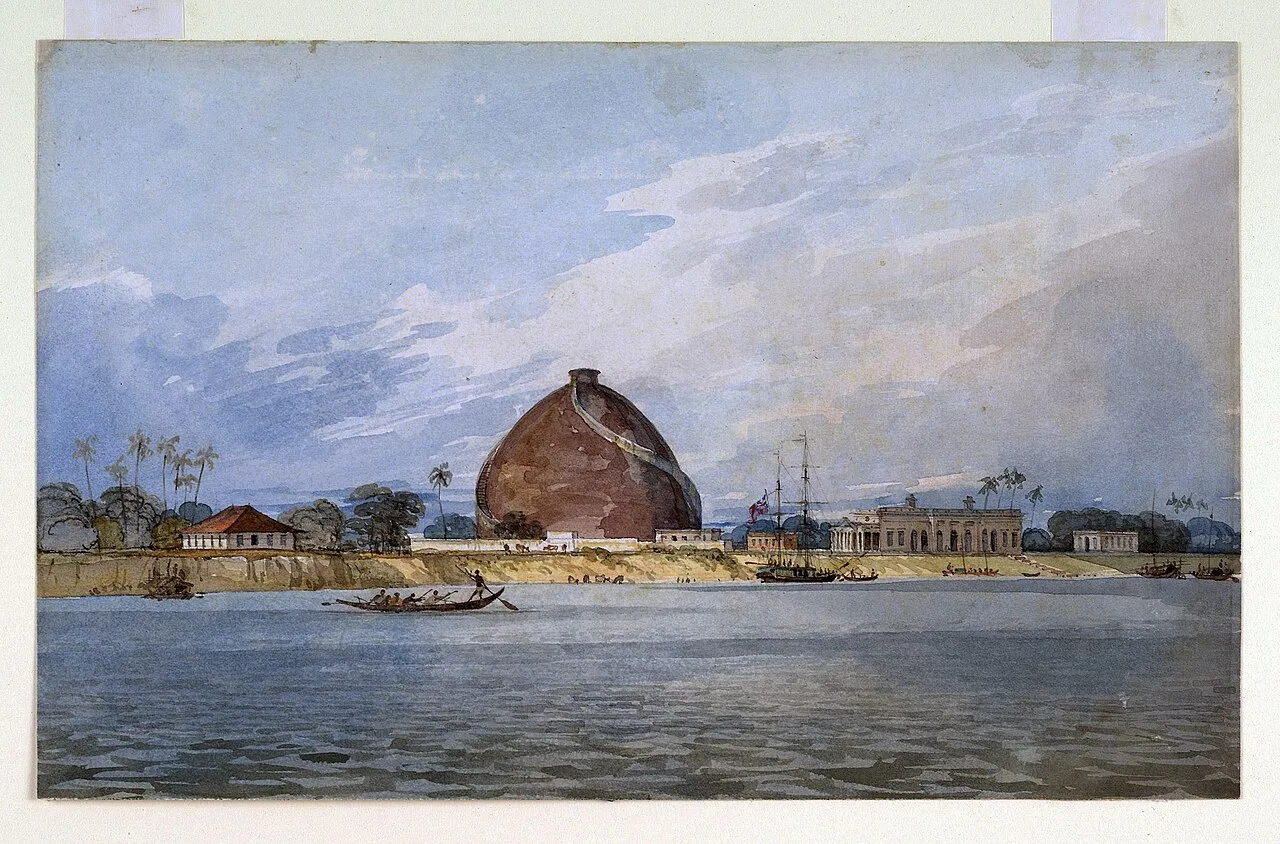
Golghar

Golghar, also called Gol Ghar, is a substantial grain store in Patna, Bihar. Visitors come to see the granary west of Gandhi Maidan.

Map

Muzaffarpur on the map

  1. 1Vaishali
  2. 2Darbhanga
  3. 3Sonpur
  4. 4Sitamarhi
  5. 5Kesaria stupa
  6. 6Agam Kuan
  7. 7Gandhi Maidan
  8. 8Golghar

Bihar

Other cities to explore