Ghumoopedia — Explore, Discover, Experience
Sign in
Bhimbandh Wildlife Sanctuary, near Jhajha

City guide · Bihar

Jhajha

Jhajha is a small city in Jamui district in southern Bihar, close to the Jharkhand border. Its importance comes chiefly from its position on a major railway route linking eastern India with northern India.

Famous for

  • Howrah–Delhi rail corridor
  • Jhajha railway station
  • Jamui district connections
  • Bihar–Jharkhand border location

Why Jhajha matters

Jhajha is a small city in Jamui district in southern Bihar, close to the Jharkhand border. Its importance comes chiefly from its position on a major railway route linking eastern India with northern India. The station places the city roughly between Madhupur and Kiul, making it a useful rail stop and a point of connection for nearby towns and rural communities.

Visitors may use Jhajha as a base for local journeys or as a transit stop while travelling through the region. The city is also a service centre for surrounding settlements, with everyday shops, transport and public services. It is not widely known as a destination for a particular monument, craft or signature food; its best-known feature is its railway connection and its location within Jamui district. For travellers interested in the less-touristed parts of southern Bihar, Jhajha offers a practical glimpse of a regional town shaped by rail travel, local commerce and its position near the state boundary.
Famous for: crafts, trade & products

Jhajha is best known for connectivity and local trade rather than for a distinctive textile, handicraft or manufactured product. There is no widely recognised Jhajha-specific saree, craft or GI-tagged product to seek out. Its shops and market areas mainly serve residents and people from nearby settlements, offering everyday goods, household supplies and food. The station-side market is a practical place to look for refreshments and routine travel needs; for a broader choice, visitors can ask locally about the main bazaar and shops in the town centre.

The city also functions as a local service point within Jamui district, but it is not known as a major industrial centre or a specialist wholesale market. Travellers hoping to buy Bihar handloom or regional crafts may find a wider selection in larger cities, and should check that an item is genuinely made in the region. Jhajha’s most dependable point of interest for trade-minded visitors is the everyday activity around its railway station and town market, rather than a named emporium or a signature product.

History

Jhajha’s growth is closely tied to the railway. Its position on the main route between Howrah and northern India connected the town with larger commercial and administrative centres and made it a transport stop for the surrounding area. The railway corridor developed during the colonial period, when rail links reshaped movement across Bihar; without a well-established local record for a precise founding date or a particular ruling dynasty, it is best to describe Jhajha’s documented significance through this regional connection rather than assign it an unsupported ancient history.

In modern Bihar, Jhajha is a notified area in Jamui district. Its station continues to support passenger movement and local commerce, while roads and public services connect it with nearby communities. The city’s development has therefore been practical and regional: a railway town and service centre whose importance comes from access and location, rather than from a single palace, fort or large historic urban core.

Food, festivals & culture

Jhajha shares many food traditions with southern Bihar. Everyday meals may include rice, pulses, seasonal vegetables and roti; dishes such as litti-chokha and preparations made with sattu are familiar across the wider region, though they are not unique to the city. Local shops and eateries are the simplest places to sample routine meals and snacks. Sweets and festive foods vary by household and season, so visitors should ask what is freshly prepared rather than expect one signature Jhajha speciality.

Chhath, usually observed in autumn and again in spring, is an important festival across Bihar. Holi in spring, Diwali in autumn, Durga Puja and Eid are also observed by local communities. Hindi is widely used, alongside regional speech and Urdu among some residents. Cultural life is largely community-centred, with devotional singing and seasonal celebrations. Hindu temples and Muslim places of worship serve neighbourhood communities; visitors should seek local guidance on suitable etiquette and access.

Visiting the city

The cooler months, roughly October to March, are generally the most comfortable time to visit. Jhajha’s main railway station is Jhajha railway station, on the Howrah–Delhi route. Deoghar Airport in neighbouring Jharkhand is among the nearest airports; onward road travel is needed to reach the city. Confirm current flight connections and road arrangements before setting out.

Auto-rickshaws and local road transport are useful for getting around, while the station area and the town’s market streets offer the most convenient places to explore on foot. Jhajha is a compact regional stop rather than a destination with a formal sightseeing circuit. Visitors can use it to meet local transport connections or explore the everyday bustle near the station and central bazaar, asking locally about access to nearby places of interest.

Trips from the city

Nearest places to visit from Jhajha

Our closest destination guides, by straight-line distance.

Bhimbandh Wildlife Sanctuary

52 km away · Munger district

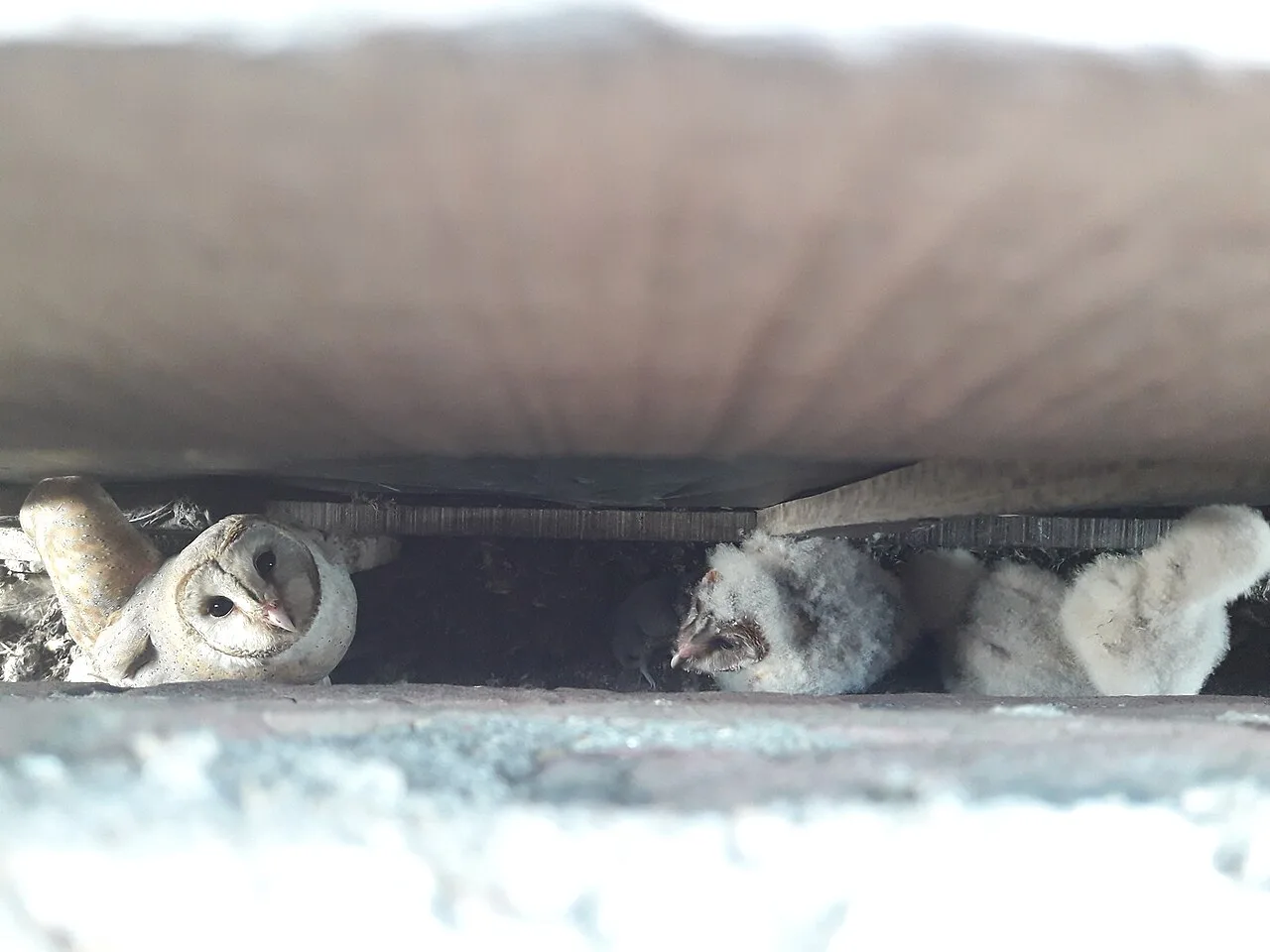
Bhimbandh Wildlife Sanctuary

In Bihar’s Munger district, Bhimbandh Wildlife Sanctuary is a sanctuary devoted to wildlife. Visitors come to spend time in this wildlife-focused place in the district’s south-west.

Mandar Hill

67 km away · Bhagalpur district

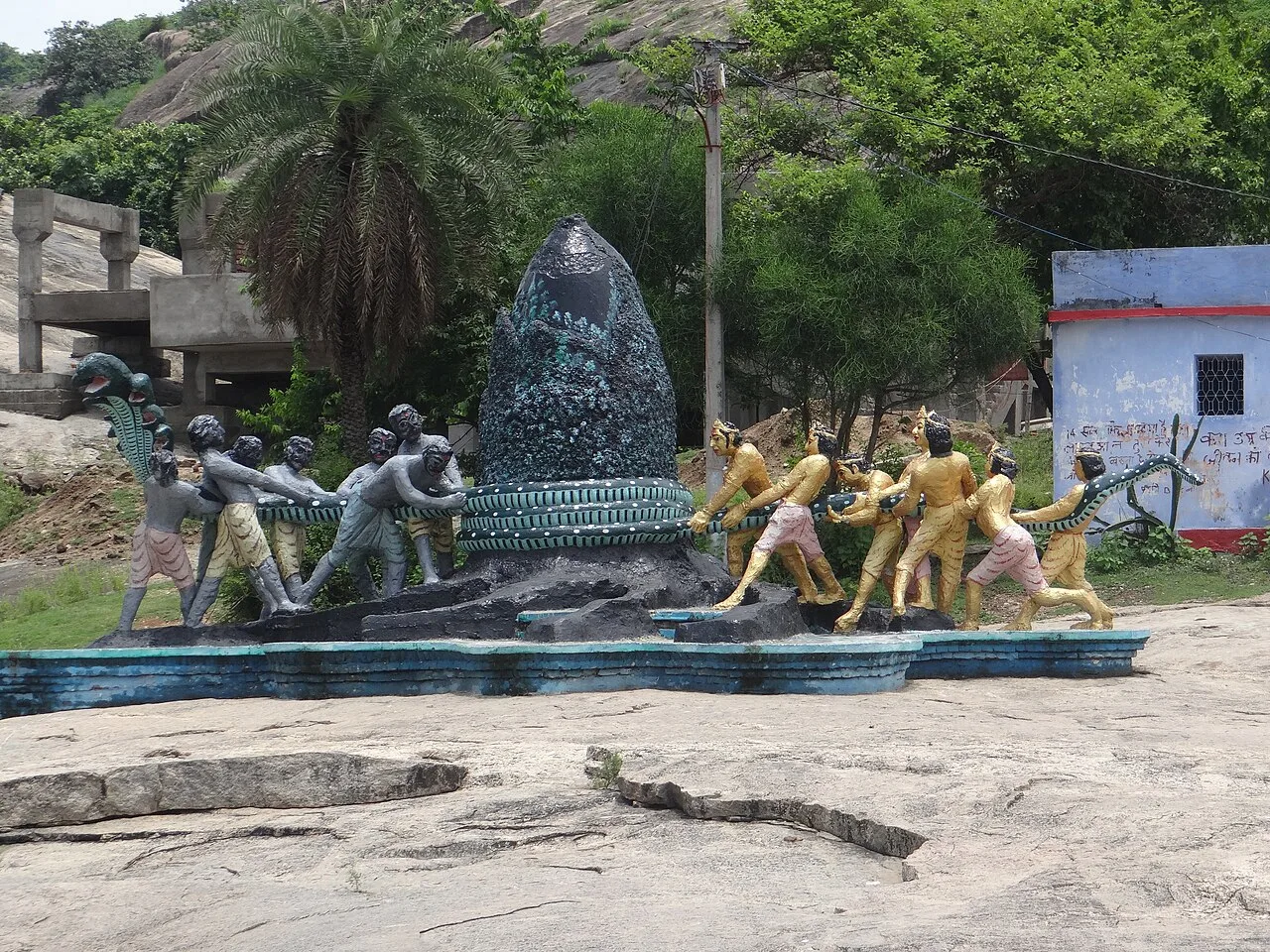
Mandar Hill

Mandar Hill, also called Mandar Parvat, is a roughly 700-foot hill at Bounsi in Bihar’s Banka district. Hindus and Jains visit it as a place of pilgrimage.

Munger Fort

68 km away · Munger district

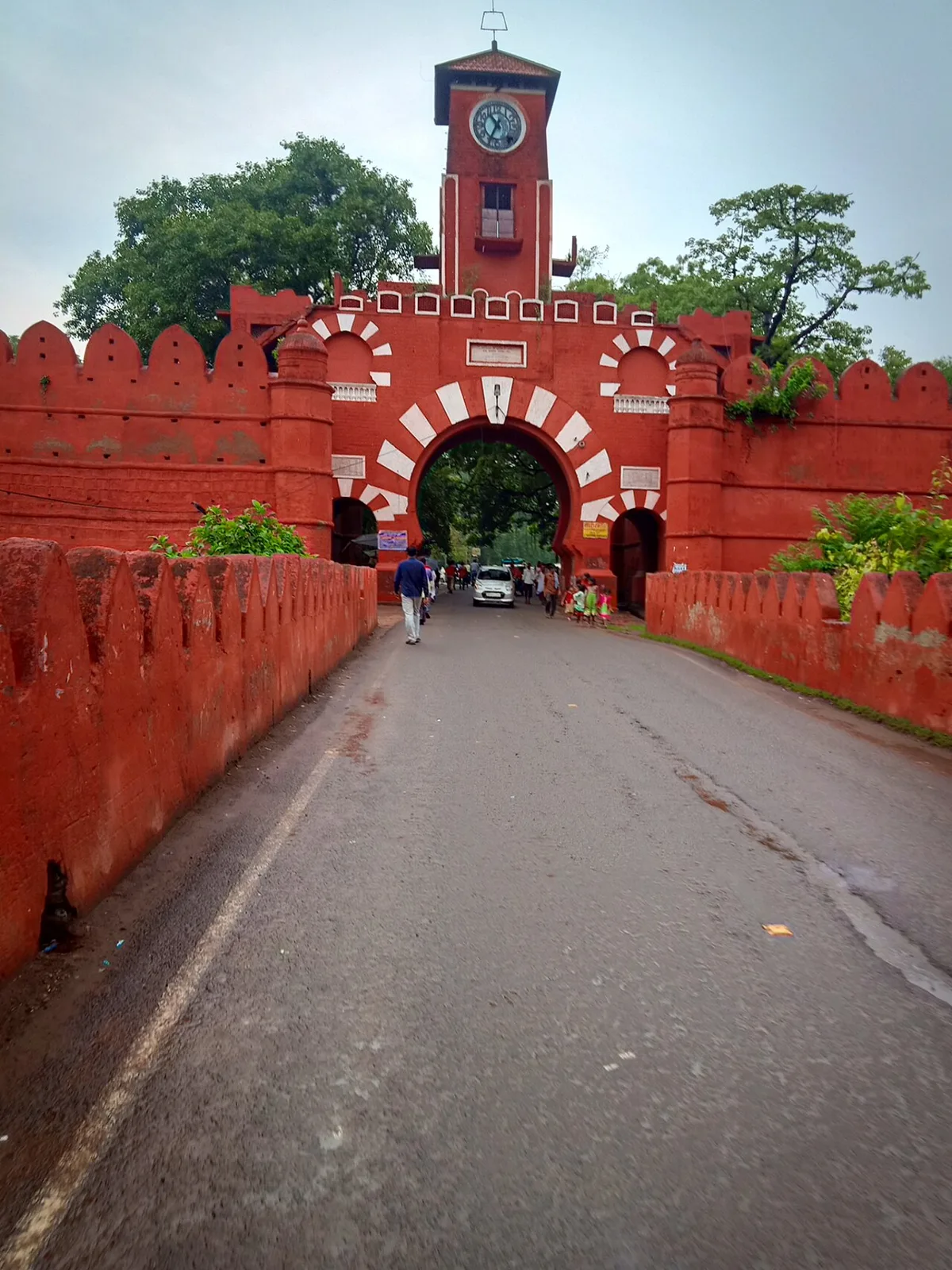
Munger Fort

Munger Fort is a historic stronghold in Bihar, set on a rocky rise beside the Ganges. Visitors come to see its tombs, palace, temple, riverside ghat and British-era cemetery.

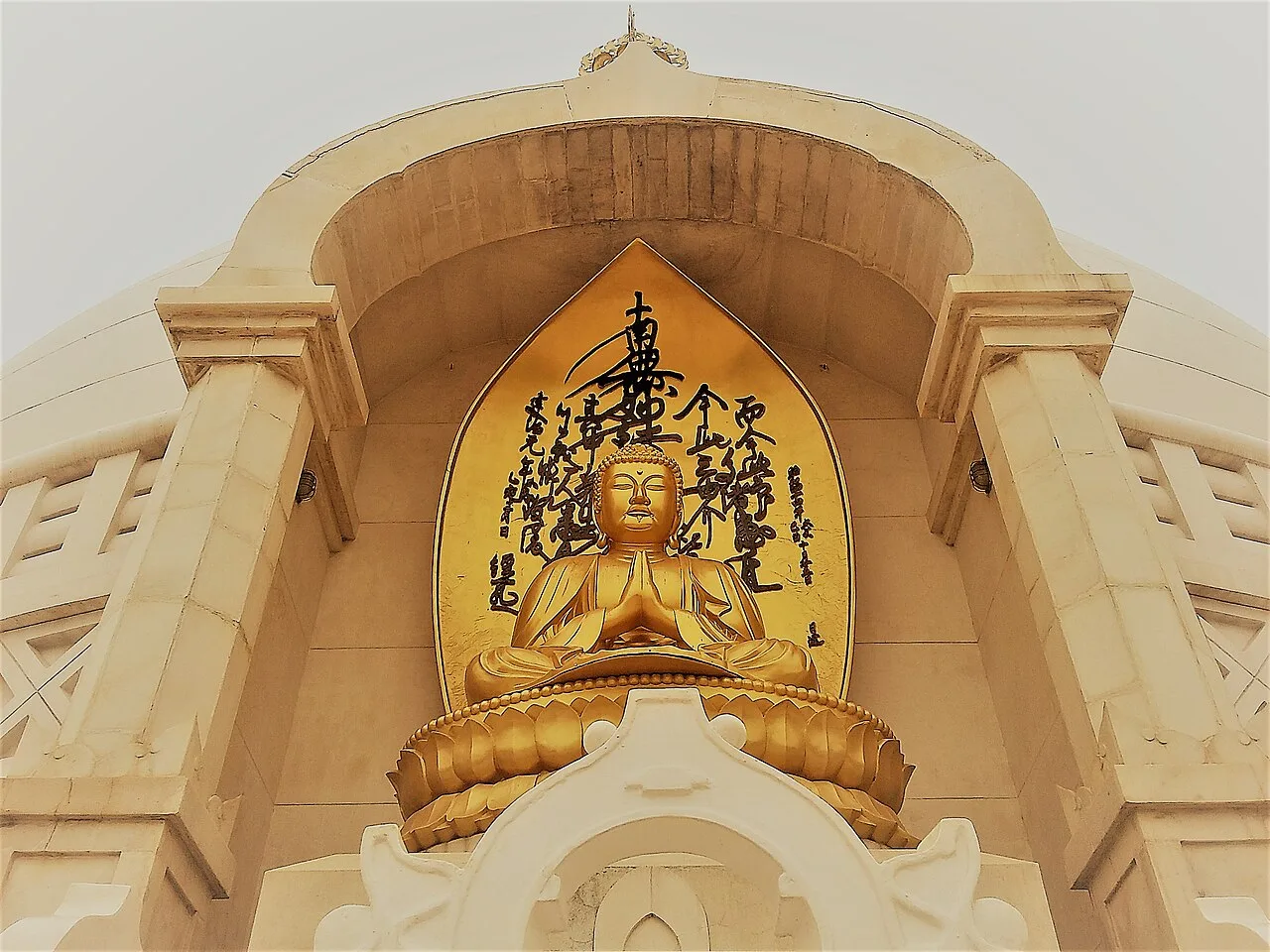
Vishwa Shanti Stupa

69 km away · Gaya district

Vishwa Shanti Stupa

Vishwa Shanti Stupa is a white Buddhist pagoda in Rajgir, visited for its Buddha statues, nearby Japanese temple and park, and prayers for peace.

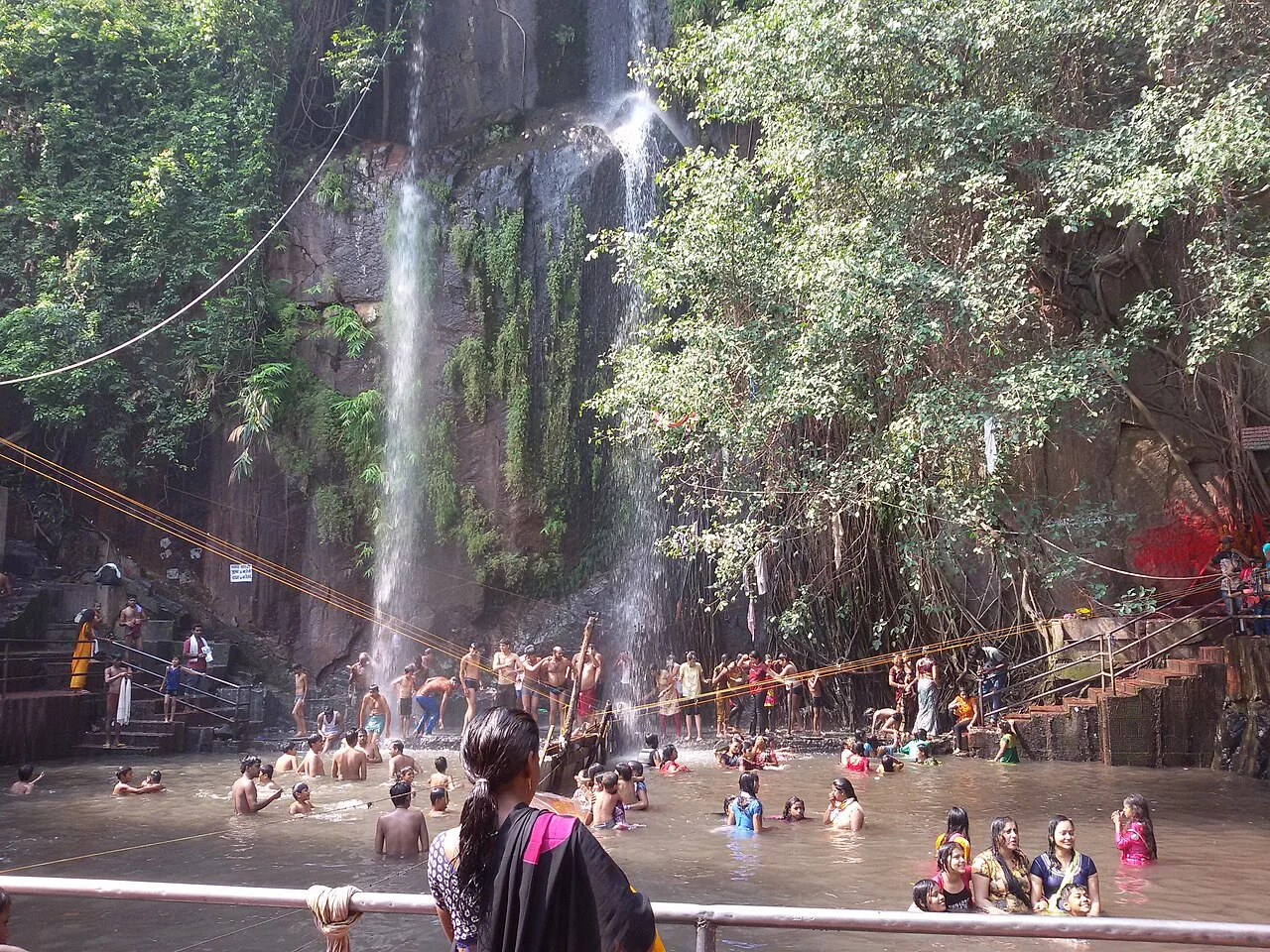
Kakolat Falls

76 km away · Nawada district

Kakolat Falls

Kakolat Falls is a waterfall in Bihar’s Nawada district. Visitors come to see the falling water, making it a destination centred on this natural feature.

Pawapuri

92 km away · Gaya district

Pawapuri

Pawapuri, also called Pavapuri, is a Jain sacred site in Bihar’s Nalanda district. People travel there on pilgrimage because it is associated with Mahavira’s nirvana.

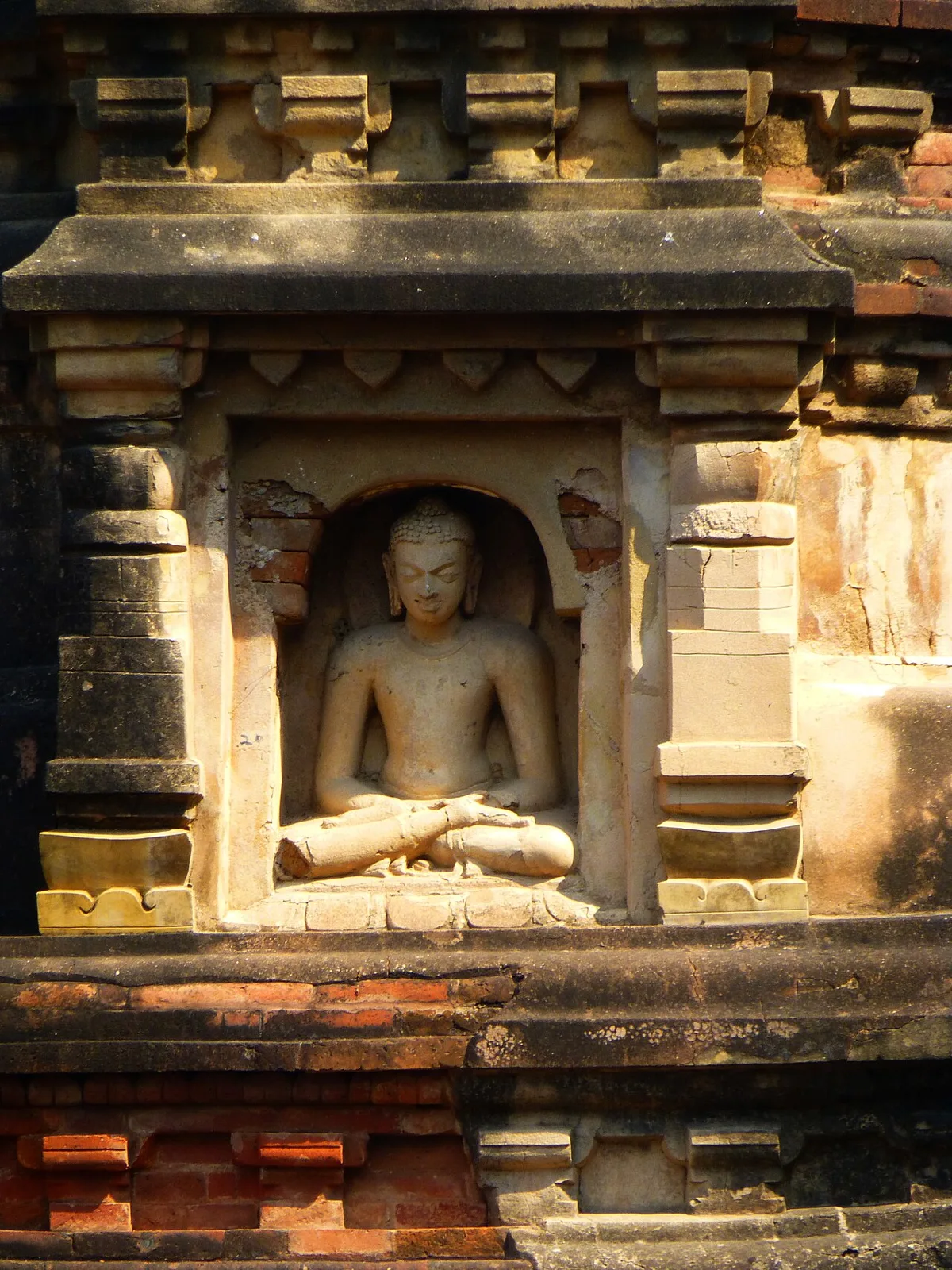
Nalanda mahavihara

103 km away · Nalanda district

Nalanda mahavihara

Nalanda is the site of a major Buddhist monastery in Bihar, visited for its history as a long-lived centre of learning and its role in Mahayana Buddhism.

Vikramshila University Ruins

110 km away · Bhagalpur district

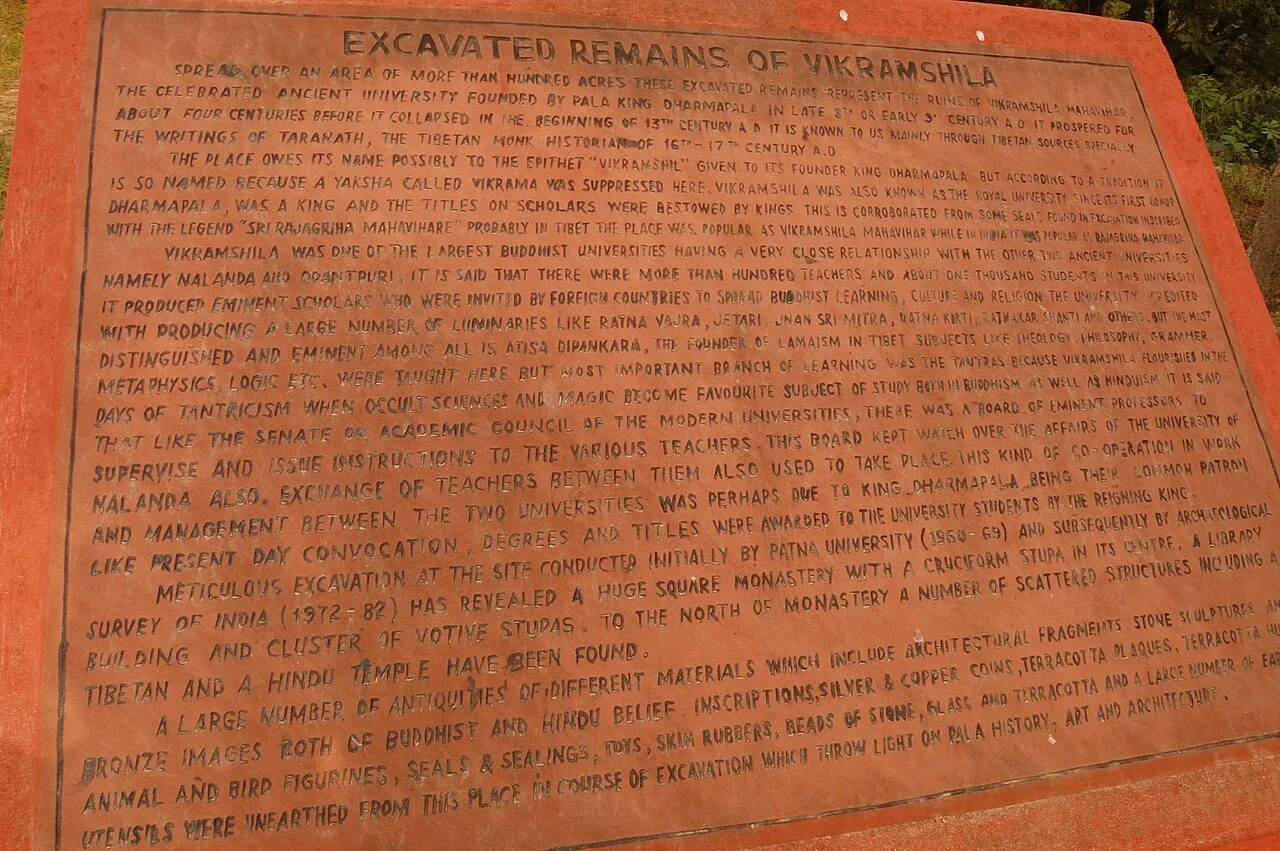
Vikramshila University Ruins

Vikramshila University Ruins mark a major Buddhist centre of learning in Bihar. Visitors come to explore the site and learn about its scholars and place in Buddhist education.

Map

Jhajha on the map

  1. 1Bhimbandh Wildlife Sanctuary
  2. 2Mandar Hill
  3. 3Munger Fort
  4. 4Vishwa Shanti Stupa
  5. 5Kakolat Falls
  6. 6Pawapuri
  7. 7Nalanda mahavihara
  8. 8Vikramshila University Ruins

Bihar

Other cities to explore