Ghumoopedia — Explore, Discover, Experience
Sign in

City guide · Bihar

Hardi

Hardi is a small settlement in the Mithila region of northern Bihar, where village life, agriculture and Maithili cultural traditions shape the local character. It is better understood as a quiet rural stop than as a major tourist city: visitors are more likely to come for family connections, nearby markets or journeys through the surrounding countryside than for a large collection of formal attractions.

Famous for

  • Mithila cultural landscape
  • Maithili language and traditions
  • North Bihar village life

Why Hardi matters

Hardi is a small settlement in the Mithila region of northern Bihar, where village life, agriculture and Maithili cultural traditions shape the local character. It is better understood as a quiet rural stop than as a major tourist city: visitors are more likely to come for family connections, nearby markets or journeys through the surrounding countryside than for a large collection of formal attractions.

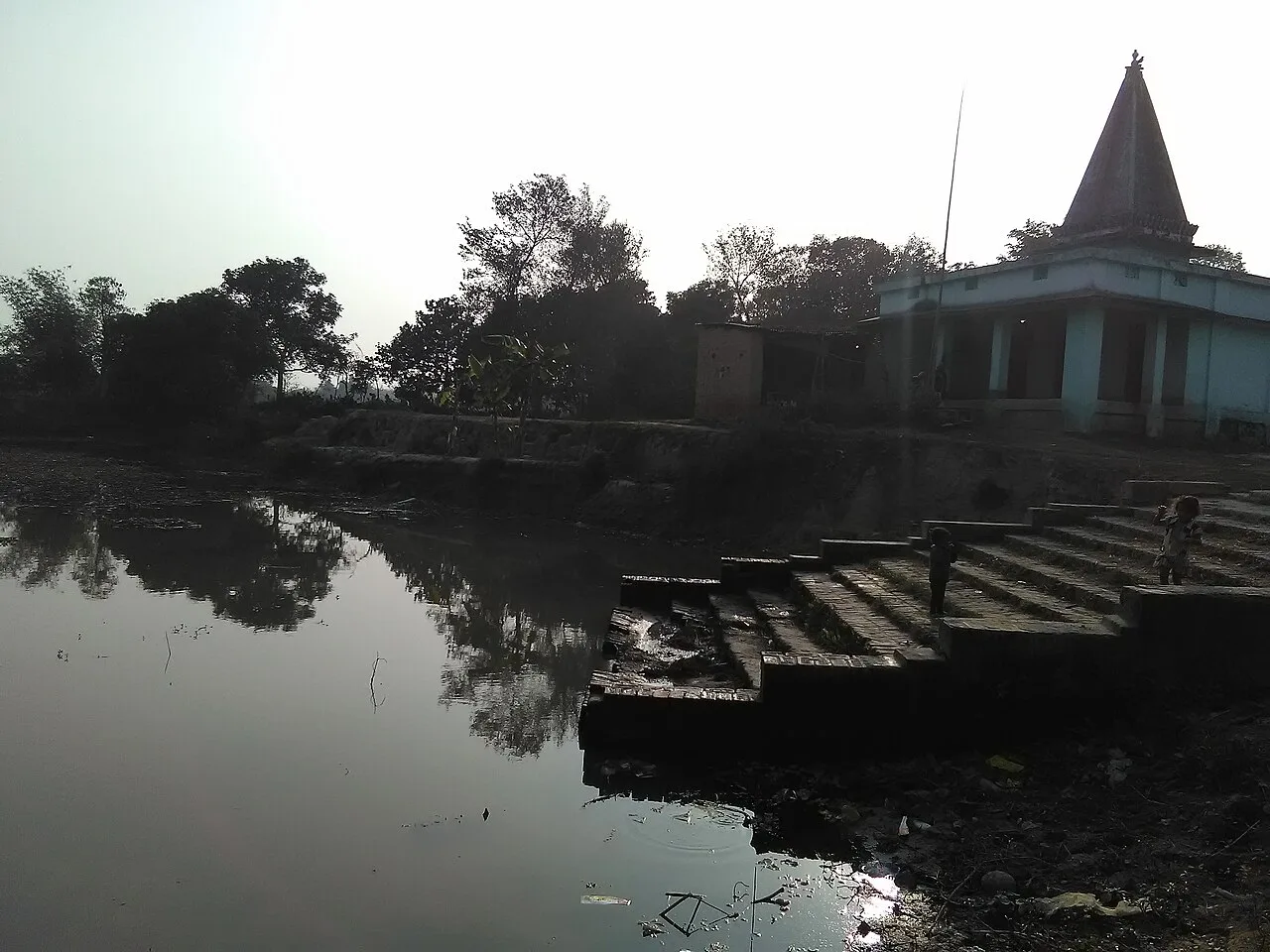
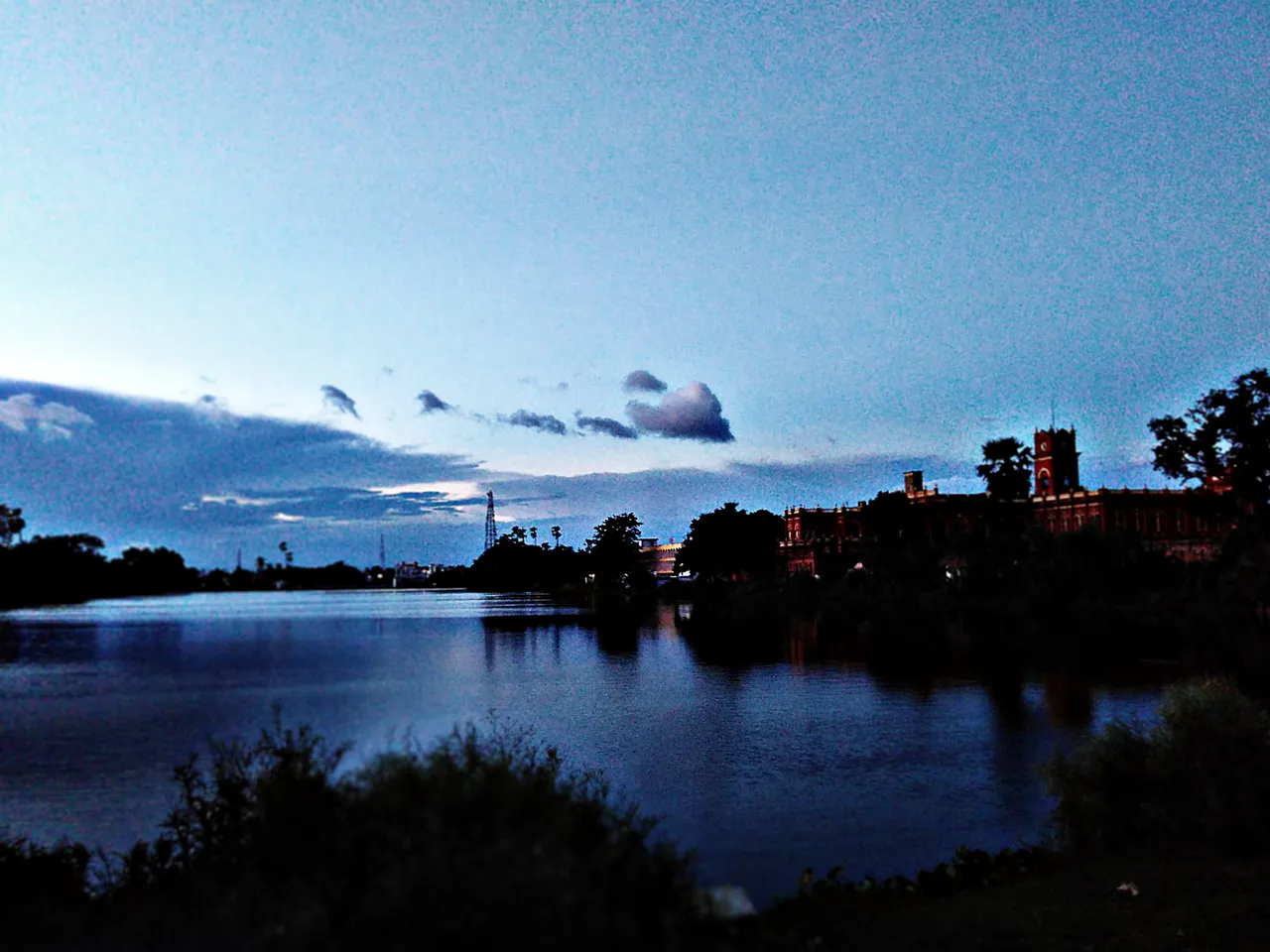
The wider region is associated with Mithila’s distinctive language, festivals, foodways and visual arts. Hardi can serve as a starting point for experiencing that everyday landscape, including fields, ponds, village lanes and local places of worship. Travellers seeking transport, larger markets or cultural institutions will generally find more options in nearby towns such as Madhubani. The settlement’s appeal lies in its regional setting and local pace, rather than in a widely documented landmark or signature attraction. As the exact location and facilities can vary, visitors should confirm their destination and road connections locally before making a dedicated trip.
Famous for: crafts, trade & products

No widely documented textile, handicraft, industrial product or specialist market is specifically associated with Hardi. Its local economy is characteristic of rural Mithila, with farming and small-scale trade serving residents. For a broader selection of regional goods, Madhubani town is a more practical place to browse shops and markets.

Mithila painting, also known as Madhubani painting, is the region’s best-known art tradition and has a Geographical Indication tag. It is produced in communities across the region, but should not be assumed to originate specifically in Hardi. Visitors interested in buying paintings can look for established sellers and artist groups in Madhubani, checking that a work’s maker and provenance are clear. Local markets may carry everyday produce, household supplies and seasonal foods rather than tourist-oriented crafts. There is no well-established basis for describing Hardi as a centre for a particular saree, textile, sweet or manufactured good, so travellers looking for those should explore larger nearby towns.

History

Hardi’s specific foundation, historic rulers and early growth are not well documented in widely available accounts. Its setting belongs to the broader Mithila region, whose history includes periods of local kingship and changing political authority across northern Bihar. This regional past is reflected in Maithili language, religious traditions and the cultural prominence of Mithila in eastern India, rather than in a clearly recorded sequence of events tied to Hardi itself.

Under British rule, the area formed part of the colonial administration of Bihar, while agriculture and village-based exchange remained central to everyday life. After independence, roads, schools, local government and connections to larger towns gradually shaped access to services and markets. Madhubani became an important district centre for administration and commerce, while smaller settlements such as Hardi continued to serve their surrounding communities. There is no reliable basis for attributing a particular fort, royal court or major colonial event to Hardi; visitors interested in documented regional history should look to Madhubani and other established centres in Mithila.

Food, festivals & culture

Maithili is central to cultural life across Mithila, and Hindi is also widely used. Everyday food commonly draws on rice, lentils, seasonal vegetables and local dairy; fish is enjoyed in parts of the region. Chura with curd, pittha and thekua are familiar regional foods, though availability in Hardi depends on local households and market days. Mithila painting is a prominent regional art form, but it is not a tradition unique to this settlement.

Chhath Puja, observed in autumn, is a major festival in Bihar, with worship and offerings made at water bodies. Durga Puja and Diwali are also celebrated in the autumn season, while Holi brings springtime gatherings. Sama-Chakeva, a Maithili festival celebrated after Chhath, is associated with songs and family traditions. Local temples and household shrines are important places of worship; the specific sites and festival events in Hardi are best confirmed with residents. Folk songs and seasonal singing remain part of cultural gatherings across the Mithila region.

Visiting the city

The cooler, drier months from about October to March are generally the most comfortable for visiting; summer can be very hot, and monsoon rain may affect rural roads. Darbhanga Airport and Madhubani railway station are useful regional gateways, though the best route depends on Hardi’s exact location. Confirm onward road transport before travelling, as services to small settlements may be less frequent than those between larger towns.

Local travel is usually by road, with auto-rickshaws or hired vehicles used for the final leg. Madhubani is a practical base for shops, transport connections and regional art, while Hardi itself is best explored at an unhurried pace, with local guidance. Ask residents about market days, places of worship and road conditions; facilities for visitors may be limited.

Trips from the city

Nearest places to visit from Hardi

Our closest destination guides, by straight-line distance.

Madhubani

68 km away · Madhubani district

Madhubani

Madhubani is a city in Bihar’s Mithila region and the headquarters of its district. Visitors may be drawn by its regional identity and administrative importance.

Darbhanga

79 km away · Darbhanga district

Darbhanga

Darbhanga is a major city and municipal corporation in Bihar, serving as the administrative centre of its district and division. Visitors encounter a longstanding centre of Mithila’s cultural, literary and musical traditions.

Munger Fort

81 km away · Munger district

Munger Fort

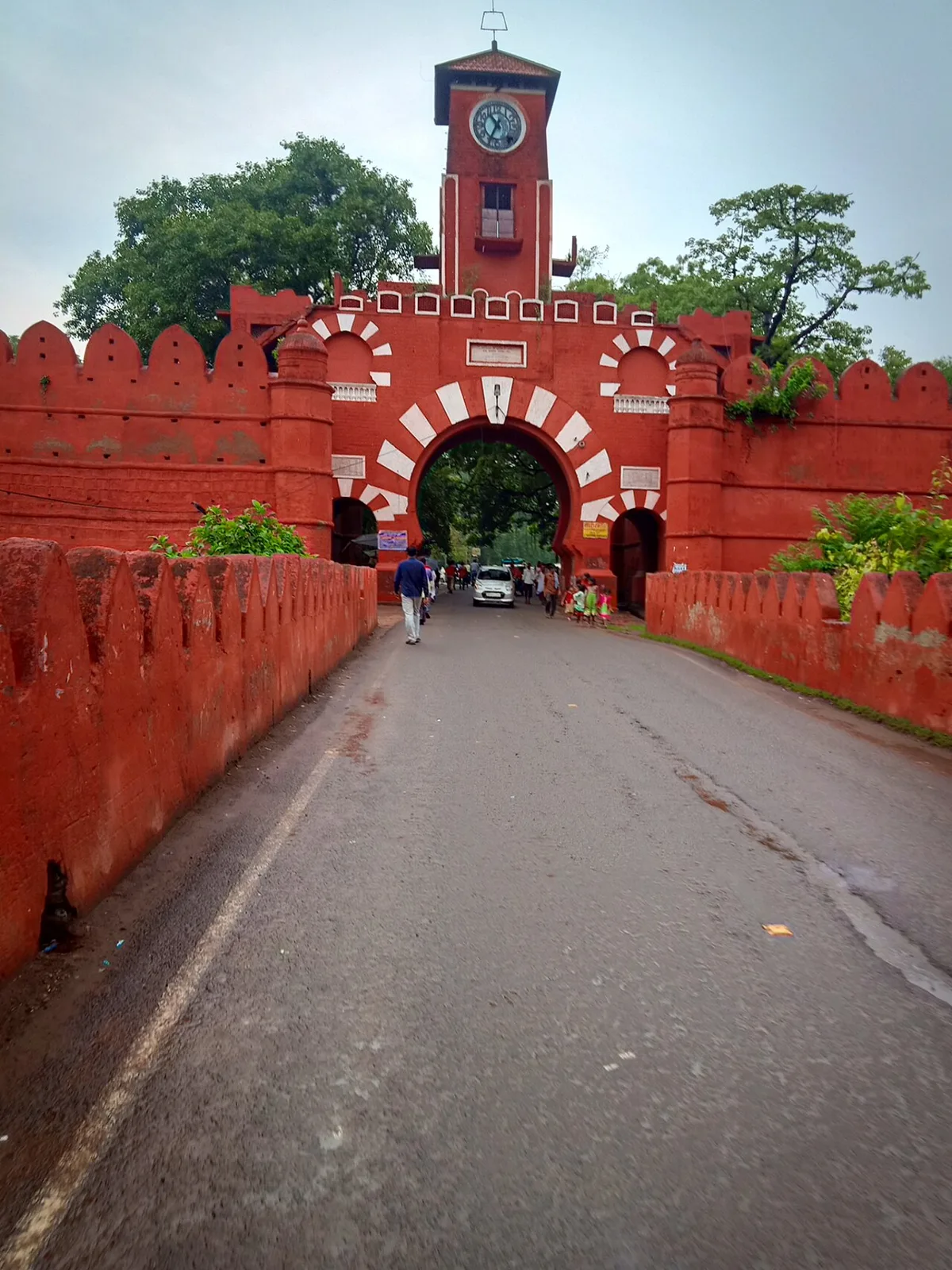
Munger Fort is a historic stronghold in Bihar, set on a rocky rise beside the Ganges. Visitors come to see its tombs, palace, temple, riverside ghat and British-era cemetery.

Bhimbandh Wildlife Sanctuary

103 km away · Munger district

Bhimbandh Wildlife Sanctuary

In Bihar’s Munger district, Bhimbandh Wildlife Sanctuary is a sanctuary devoted to wildlife. Visitors come to spend time in this wildlife-focused place in the district’s south-west.

Vikramshila University Ruins

104 km away · Bhagalpur district

Vikramshila University Ruins

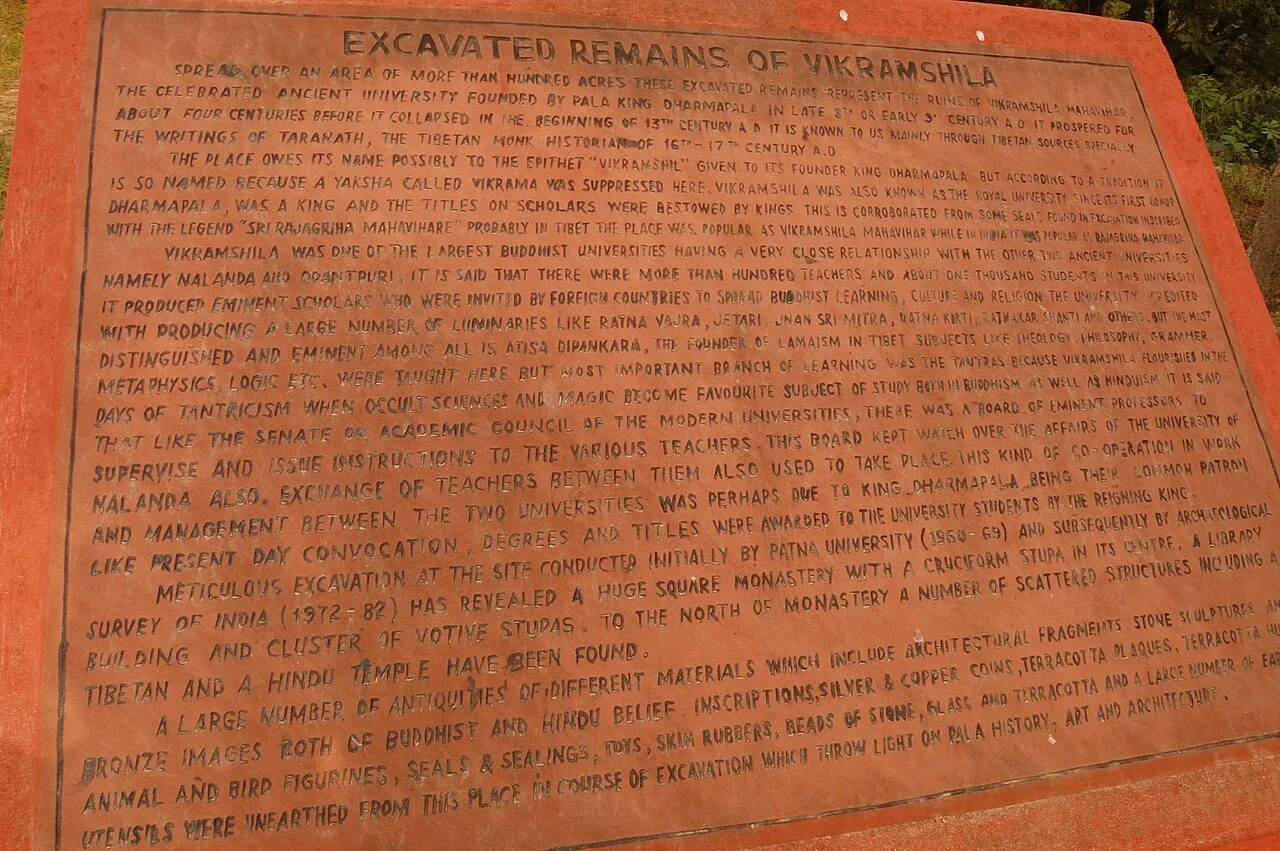
Vikramshila University Ruins mark a major Buddhist centre of learning in Bihar. Visitors come to explore the site and learn about its scholars and place in Buddhist education.

Katihar

109 km away · Purnia district

Katihar

Katihar is a major city in Bihar, known for its regional commercial, educational and administrative roles. Travellers also use it as a railway hub linking routes towards North Bengal and the north-east.

Sitamarhi

131 km away · Sitamarhi district

Sitamarhi

Sitamarhi is a city in Bihar’s Tirhut Division and the administrative centre of its district. Visitors are drawn by the Hindu tradition linking it to Sītā’s birth.

Mandar Hill

142 km away · Bhagalpur district

Mandar Hill

Mandar Hill, also called Mandar Parvat, is a roughly 700-foot hill at Bounsi in Bihar’s Banka district. Hindus and Jains visit it as a place of pilgrimage.

Map

Hardi on the map

  1. 1Madhubani
  2. 2Darbhanga
  3. 3Munger Fort
  4. 4Bhimbandh Wildlife Sanctuary
  5. 5Vikramshila University Ruins
  6. 6Katihar
  7. 7Sitamarhi
  8. 8Mandar Hill

Bihar

Other cities to explore