Ghumoopedia — Explore, Discover, Experience
Sign in
Vaishali, near Lalganj

City guide · Bihar

Lalganj

Lalganj is a growing town in Vaishali district, north of Patna and close to Hajipur. Its location connects the district’s rural markets with larger centres including Hajipur, Muzaffarpur and Patna.

Famous for

  • Suryana Mandir
  • Gandak river setting
  • Gateway to Vaishali heritage
  • Sharda Sadan library
  • Agricultural produce markets

Why Lalganj matters

Lalganj is a growing town in Vaishali district, north of Patna and close to Hajipur. Its location connects the district’s rural markets with larger centres including Hajipur, Muzaffarpur and Patna. State Highway 74 passes through town, and the Gandak river gives the surrounding area a distinctive landscape as well as a longstanding role in local agriculture and movement of goods.

For visitors, Lalganj is a convenient base for exploring the archaeological and Buddhist heritage of Vaishali, including the Ashokan Pillar, the peace stupa, Raja Vishal’s fort and nearby temples. Within town, Suryana Mandir is a notable place of worship, while Sharda Sadan Pustakalaya reflects Lalganj’s civic and educational life. The town is also known for its active local markets and the farming economy of the surrounding fertile plain, where rice, wheat, maize, vegetables and other crops are grown. Its appeal lies less in a single major attraction than in its position between Vaishali’s heritage sites and the everyday life of north Bihar.

Famous for: crafts, trade & products

Lalganj is best known locally as a market town serving a productive agricultural belt. Nearby farms grow rice, wheat, maize, vegetables, tobacco and moong, and these crops supply local trade as well as regional markets. The town’s shops and market areas are practical places to look for seasonal produce and everyday goods. There is no widely established signature textile, handicraft or GI-tagged product associated specifically with Lalganj, so visitors should not expect a dedicated craft district or specialist souvenir market.

The town’s institutions are part of its local identity. Sharda Sadan Pustakalaya is a notable library, and schools and colleges serve Lalganj and surrounding settlements. Everyday retail is concentrated around the central market and main roads, where visitors can find groceries, clothing, household items and small eateries. For a broader selection of shops and services, Hajipur is nearby. Lalganj’s trade is rooted chiefly in agriculture and local commerce rather than a large-scale manufacturing industry; visitors interested in regional heritage can combine a market visit with the monuments and pilgrimage sites around Vaishali.

History

Lalganj lies in the historic Tirhut region, near Vaishali, an area associated with the ancient Vajji confederacy and important early Buddhist and Jain traditions. The best-known remains of that past—such as the Ashokan Pillar and Raja Vishal’s fort—are in the wider Vaishali area rather than in Lalganj itself. The town developed as a local settlement and trading centre in the fertile Gandak plain; its beginnings are not tied to a single documented ruling dynasty.

During British rule, Lalganj had an established civic administration: a town board was formed in 1869. Its schools, public institutions and local commerce expanded over time. G.A. High School, established in 1932, is among the town’s longstanding educational institutions. Lalganj also remembers local freedom fighters, including Rameshwar Prasad Sinha, a member of the Constituent Assembly, and social reformers Shiv Nandan Singh and Chandreshwar Prasad Singh. Today, as a Nagar Panchayat in Vaishali district, Lalganj continues to grow through road connections, public services and trade with nearby towns.

Food, festivals & culture

Food in Lalganj follows the home-style cooking of north Bihar: rice, lentils, seasonal vegetables, roti and dishes made with sattu are common. Litti-chokha is a familiar regional favourite, while sweets and snacks can be found at local bakeries and market shops. There is no single dessert or dish that is uniquely identified with Lalganj, but visitors can explore everyday Bihari flavours in the town’s small eateries.

Chhath Puja is among the most significant festivals in the region, observed in autumn and again in spring, with prayers and offerings made to the Sun at water bodies. Holi, Diwali, Ram Navami and other Hindu festivals are also celebrated; Muslim residents observe Eid and other important occasions. Hindi is widely used, alongside local speech varieties including Vajjika and Maithili. Religious life centres on neighbourhood shrines and temples, including Suryana Mandir, while the temples and pilgrimage sites of Vaishali draw visitors from the surrounding region. Folk music and devotional songs are part of seasonal celebrations and family gatherings.

Visiting the city

The most comfortable time to visit is from October to March, when days are generally cooler; summer can be very hot, and monsoon rain may affect road journeys. Jay Prakash Narayan International Airport in Patna is the nearest major airport. Hajipur Junction is the principal nearby railway station, with road connections onward to Lalganj.

State Highway 74 links the town with Hajipur and other regional centres. Buses and shared road transport operate in the area; within Lalganj, auto-rickshaws and local vehicles are useful for short trips. Explore the central market for everyday commerce, visit Suryana Mandir, and take a short excursion to the Gandak-side landscape. Lalganj also works well as a base for visiting Vaishali’s archaeological sites and places of worship. For broader shopping or rail connections, Hajipur is a convenient nearby centre.

Trips from the city

Nearest places to visit from Lalganj

Our closest destination guides, by straight-line distance.

Vaishali

17 km away · Vaishali district

Vaishali

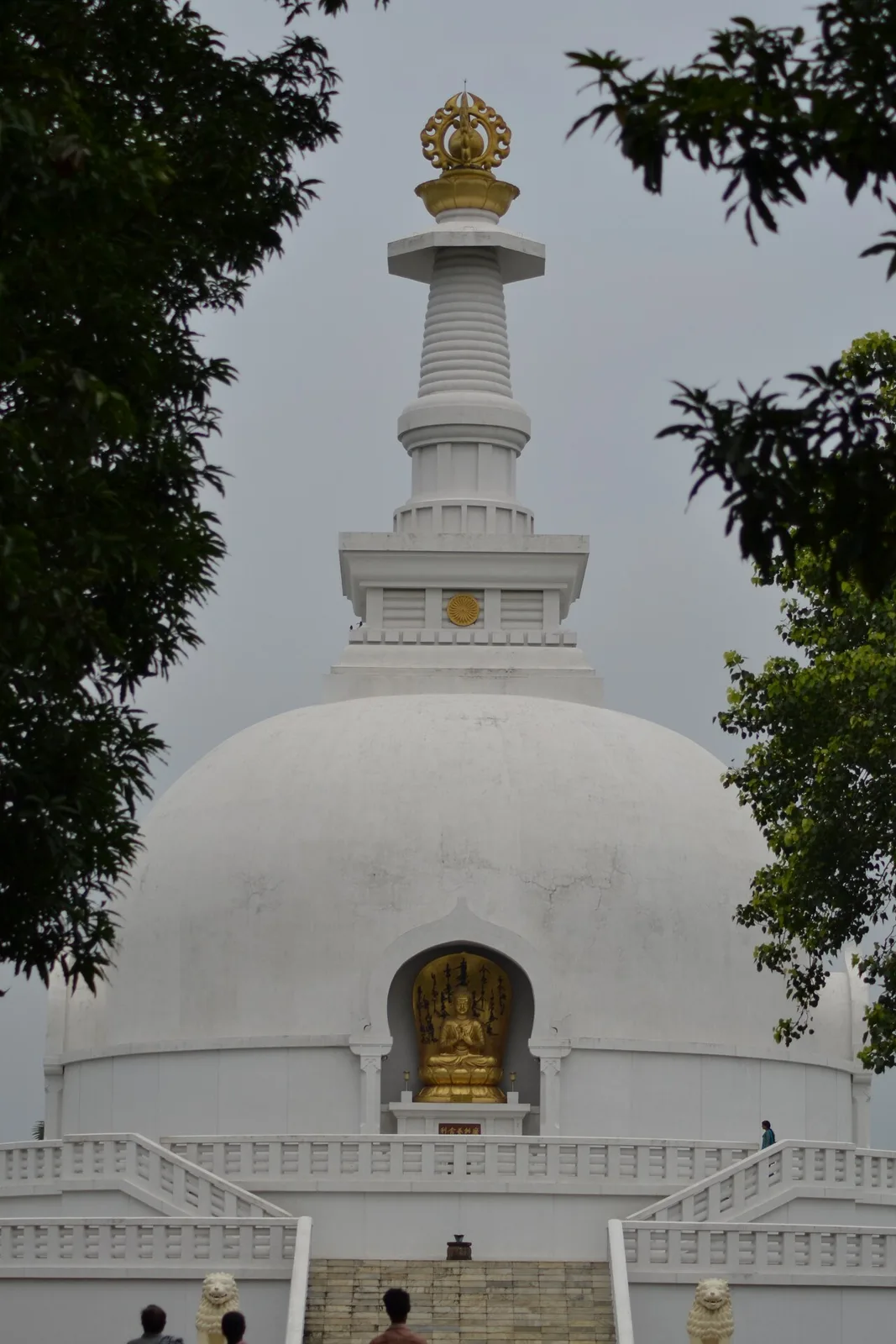
Vaishali is an archaeological site in Bihar associated with an ancient republic and important events in Buddhist and Jain history. Visitors come to see its stupas and Ashokan pillar and to explore these religious connections.

Sonpur

19 km away · Saran district

Sonpur

Sonpur, officially known as Sonepur, is a city in Bihar’s Saran district, beside the Gandaki and Ganges rivers. Visitors come for its cattle fair, which begins on Kartik Poornima and is Asia’s largest.

Golghar

28 km away · Patna district

Golghar

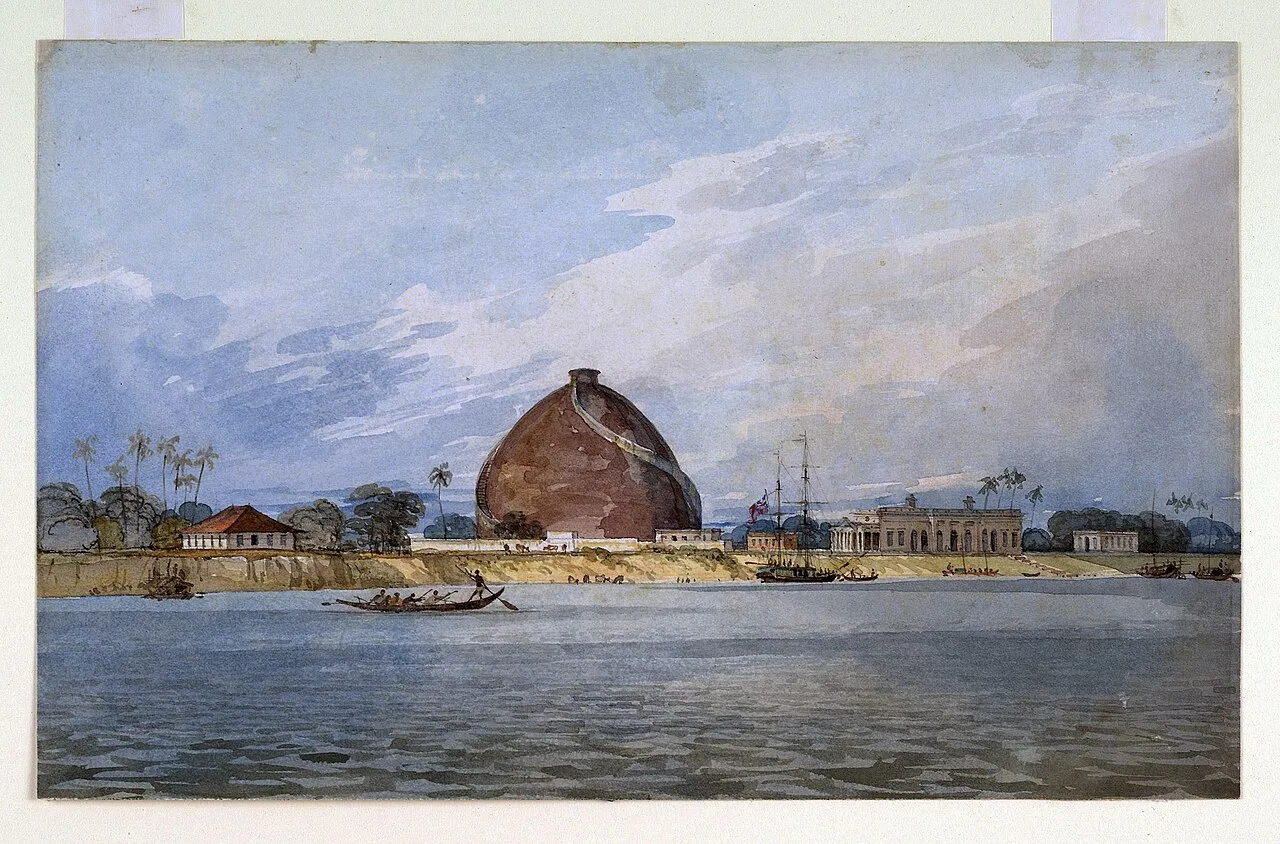
Golghar, also called Gol Ghar, is a substantial grain store in Patna, Bihar. Visitors come to see the granary west of Gandhi Maidan.

Bihar Museum

29 km away · Patna district

Bihar Museum

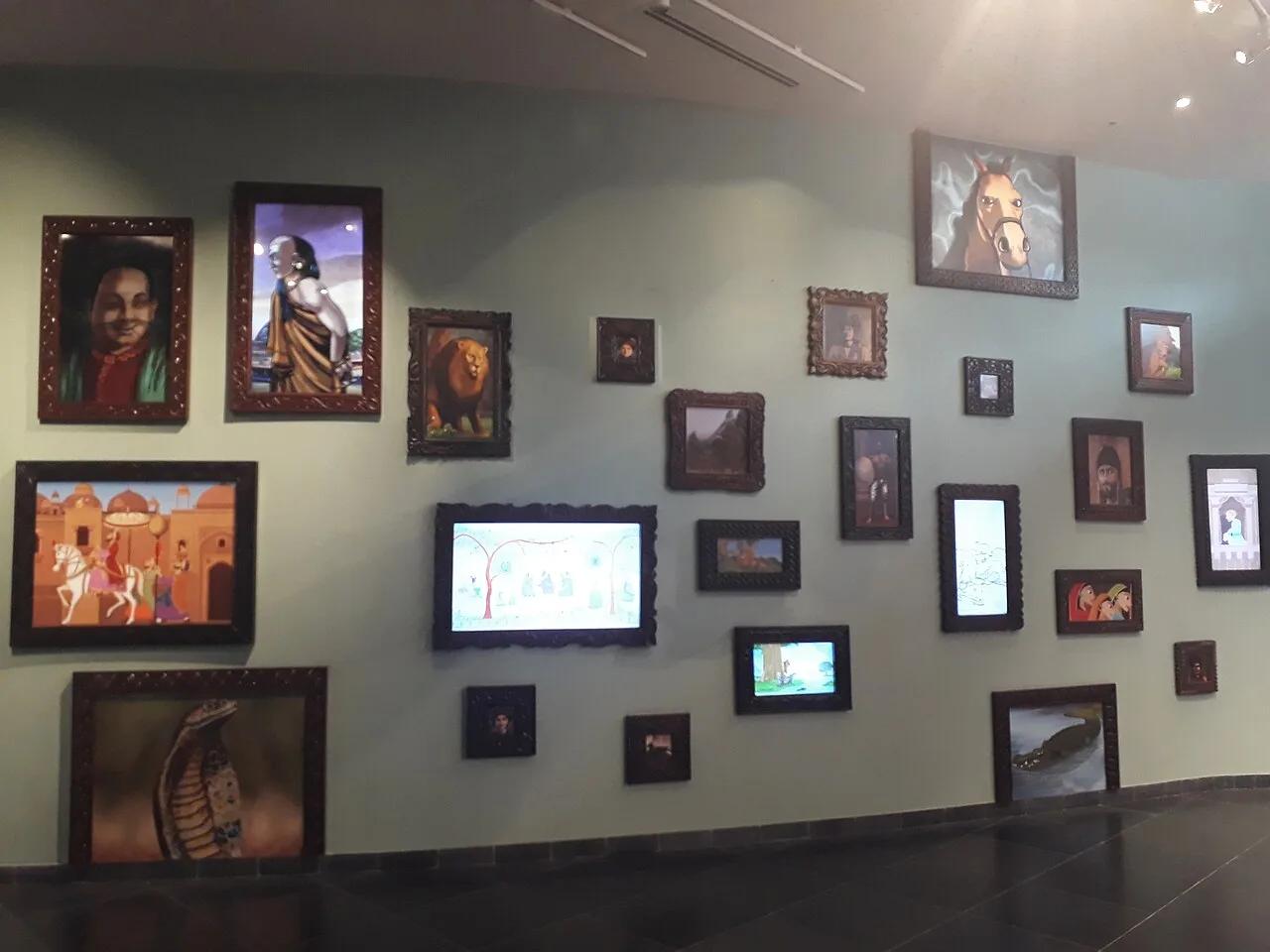
Bihar Museum is Patna’s state museum, with displays on Bihar’s history. Visitors can explore its galleries, children’s museum and distinctive arrangement of buildings and courtyards.

Gandhi Maidan

29 km away · Patna district

Gandhi Maidan

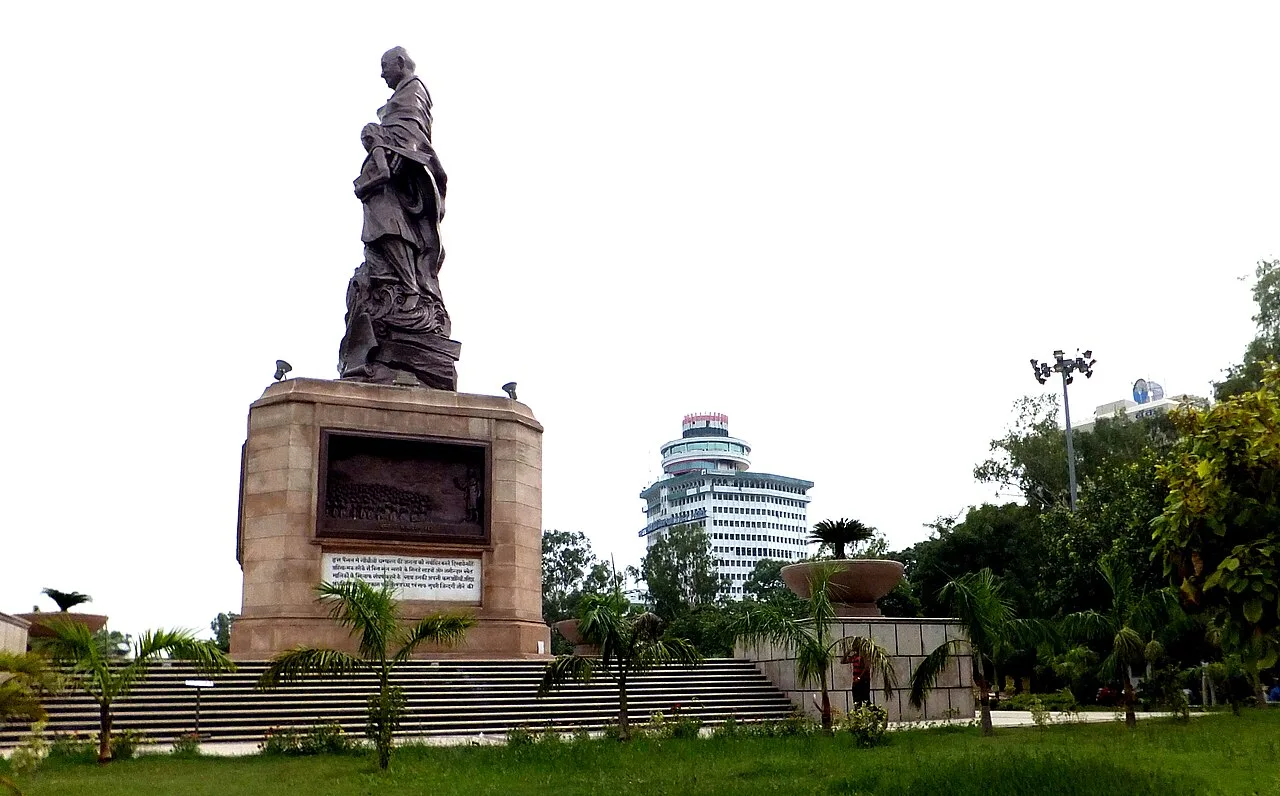
Gandhi Maidan is a historic open space in Patna, Bihar, near the Ganges. People visit a site linked to the freedom movement and significant political gatherings.

Patna Museum

29 km away · Patna district

Patna Museum

Patna Museum is Bihar’s state museum in Patna district. Visitors come to see its historical collections and learn about the institute’s work in history and archaeology.

Agam Kuan

30 km away · Patna district

Agam Kuan

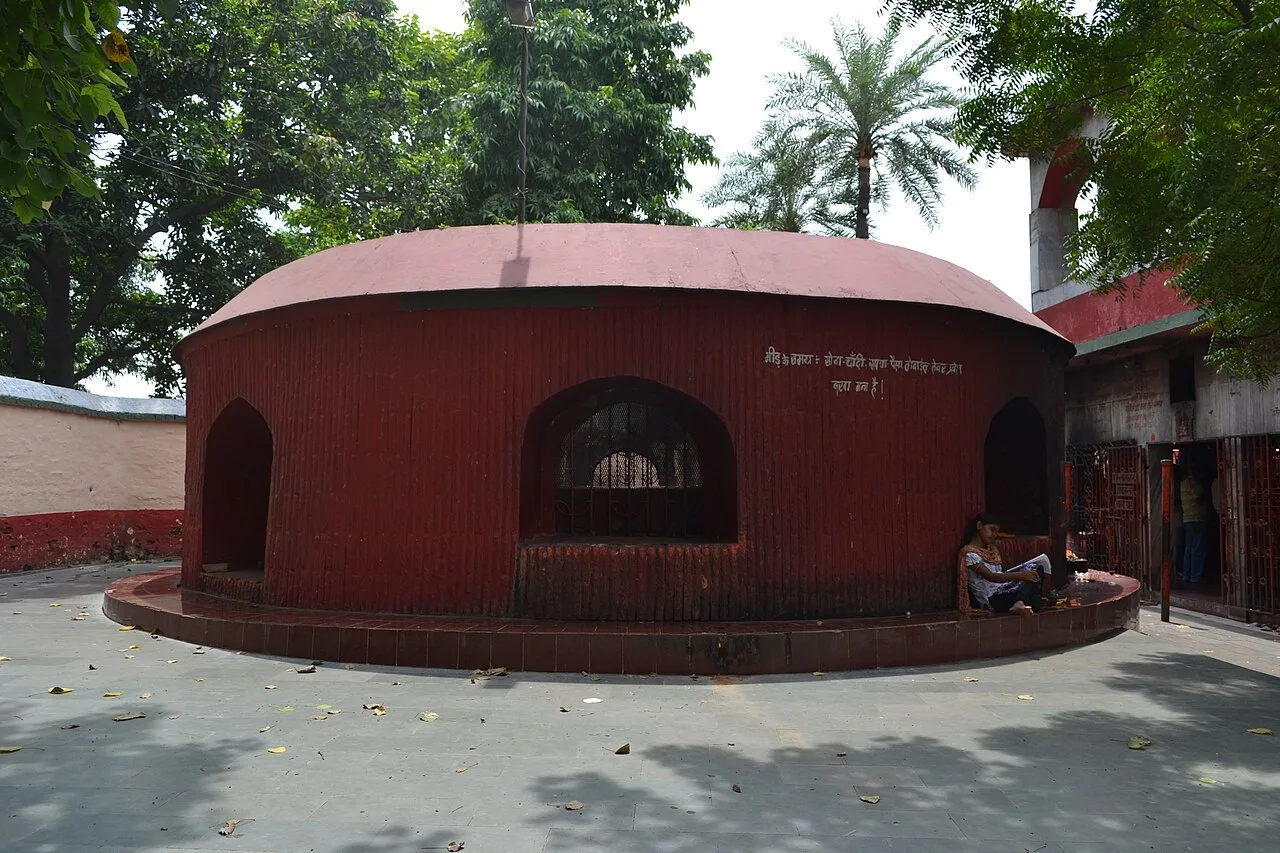
Agam Kuan is a historic circular well and archaeological site in Patna, Bihar, traditionally linked to Ashoka’s Mauryan era. Visitors also worship at the adjoining Shitala Devi temple, where the goddess and Saptamatrikas are venerated.

Kumhrar

30 km away · Patna district

Kumhrar

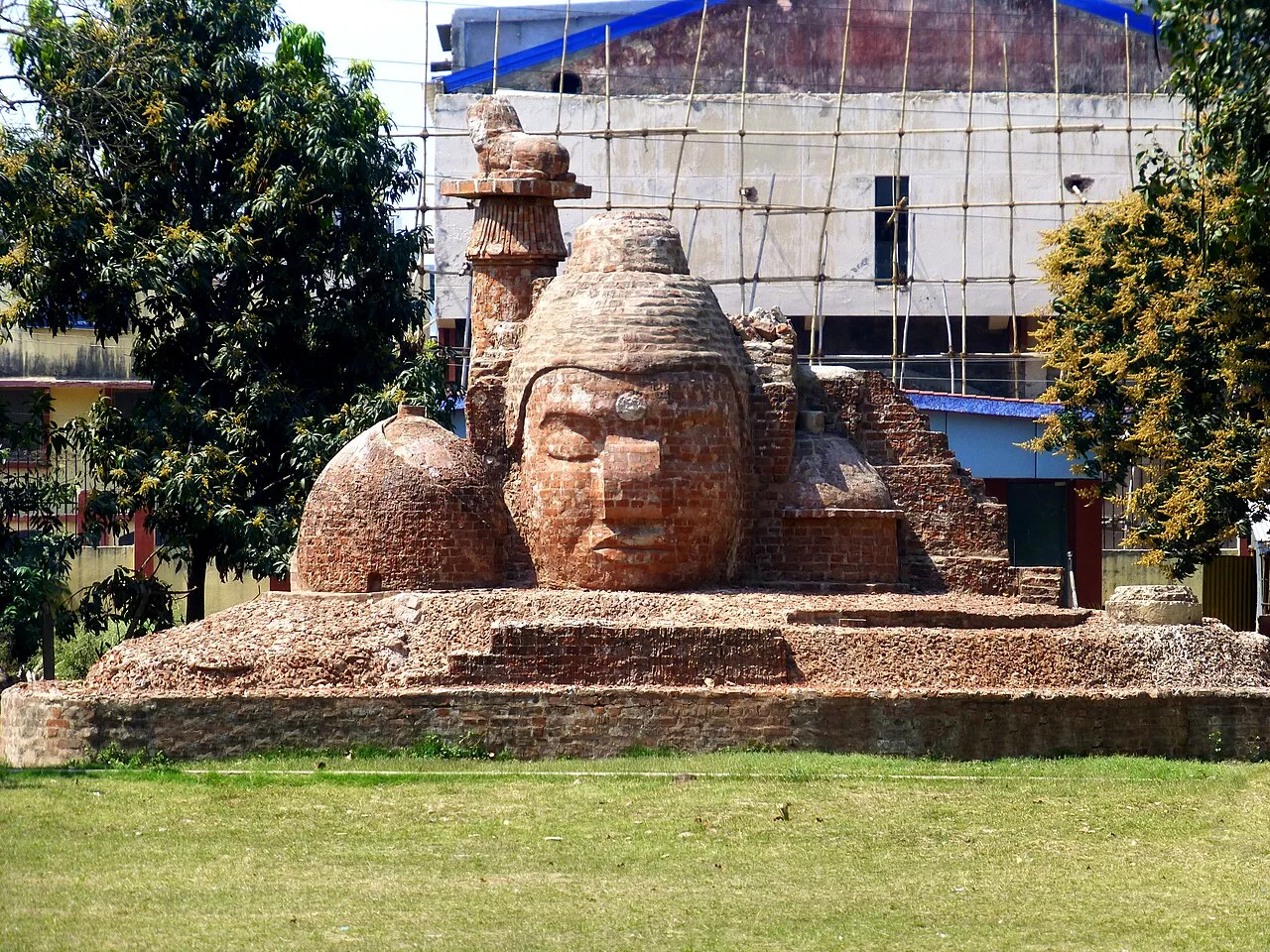
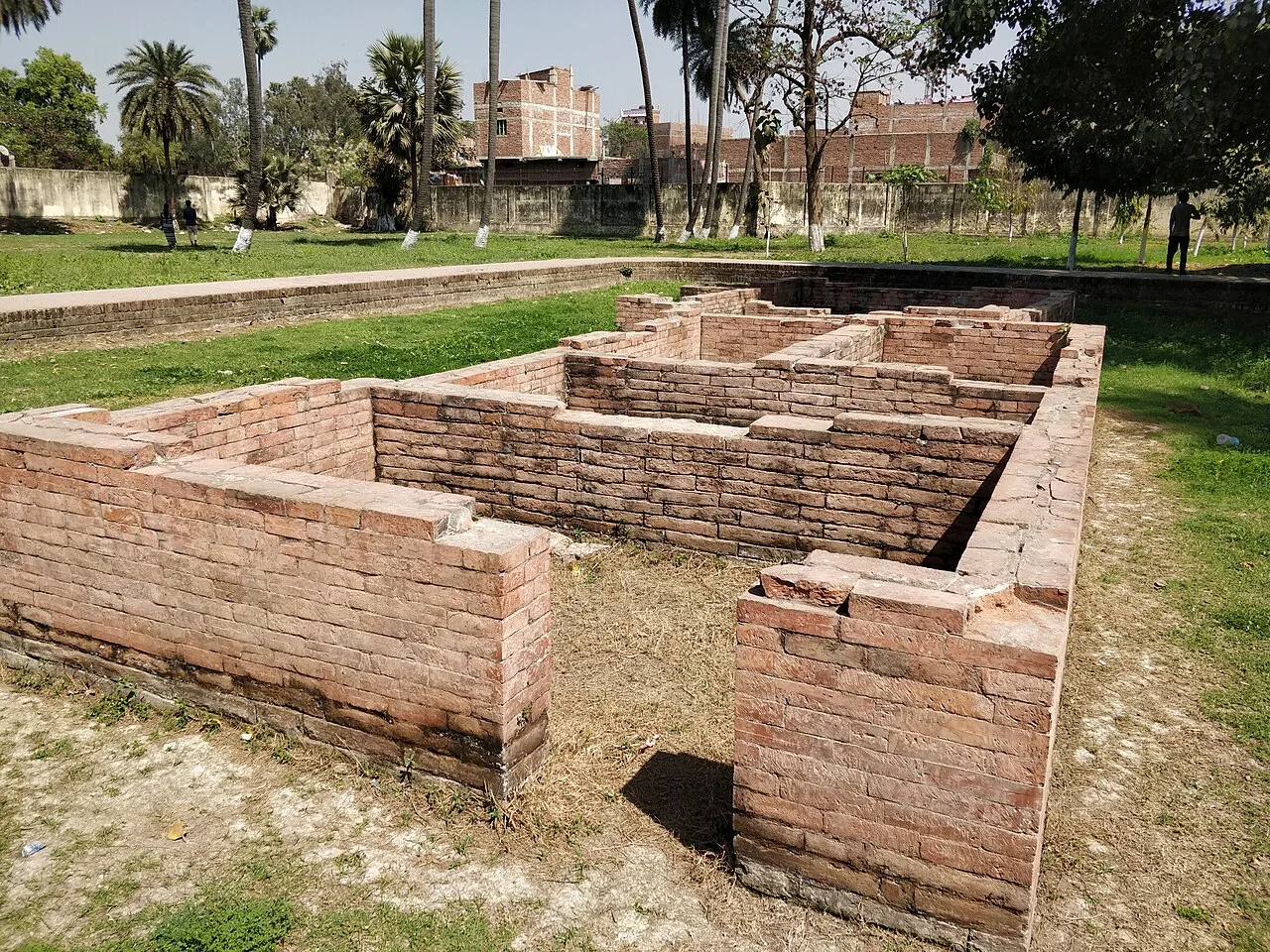
Kumhrar is an archaeological site in Patna connected with the remains of Pataliputra. Visitors come to see excavated traces of the city, including the remains of an 80-pillared hall.

Map

Lalganj on the map

  1. 1Vaishali
  2. 2Sonpur
  3. 3Golghar
  4. 4Bihar Museum
  5. 5Gandhi Maidan
  6. 6Patna Museum
  7. 7Agam Kuan
  8. 8Kumhrar

Bihar

Other cities to explore