Ghumoopedia — Explore, Discover, Experience
Sign in
Madhubani, near Jhanjharpur

City guide · Bihar

Jhanjharpur

Jhanjharpur is a town and sub-divisional centre in Madhubani district, in the heart of the Mithila region of north Bihar. Its importance today comes chiefly from its role as a local centre for transport, commerce and public services.

Famous for

  • Kamla Balan bridge
  • Mithila cultural heritage
  • Rail and road connectivity
  • Nearby India–Nepal trade
  • Madhubani painting region

Why Jhanjharpur matters

Jhanjharpur is a town and sub-divisional centre in Madhubani district, in the heart of the Mithila region of north Bihar. Its importance today comes chiefly from its role as a local centre for transport, commerce and public services. Rail links connect it with other parts of Bihar and India, while road connections, including access to National Highway 57, help link the town with the surrounding countryside and regional centres.

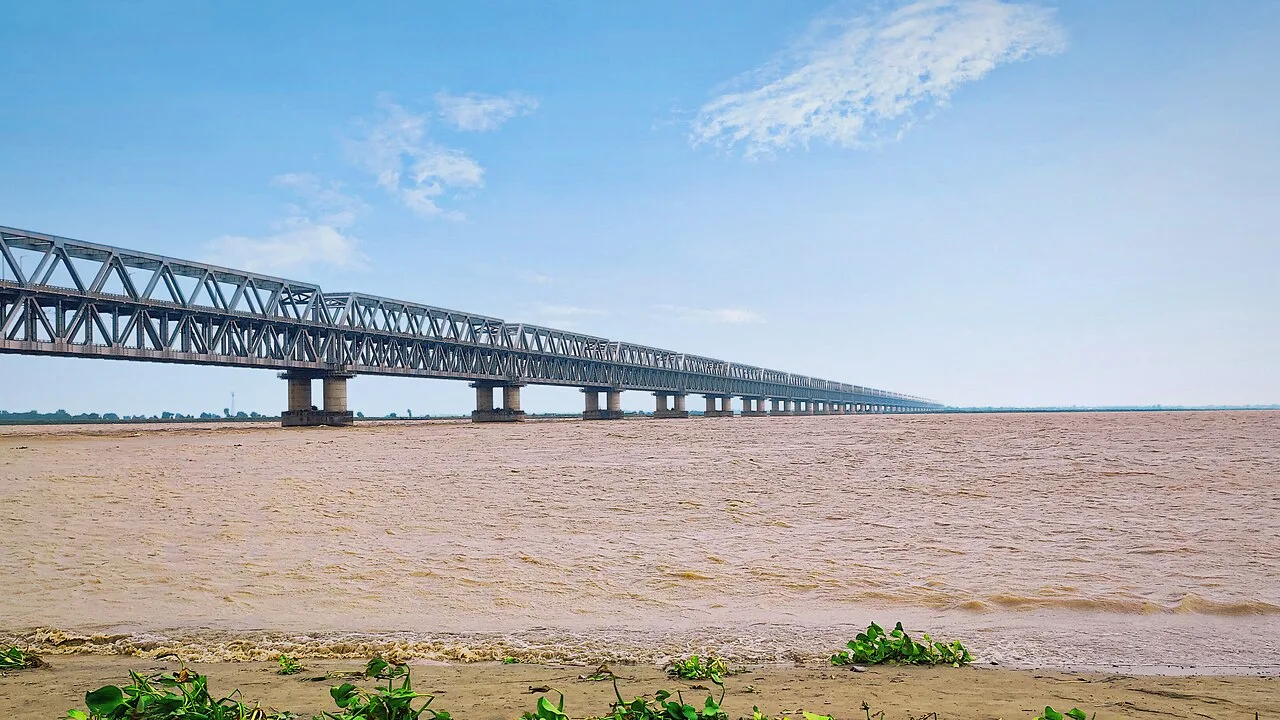
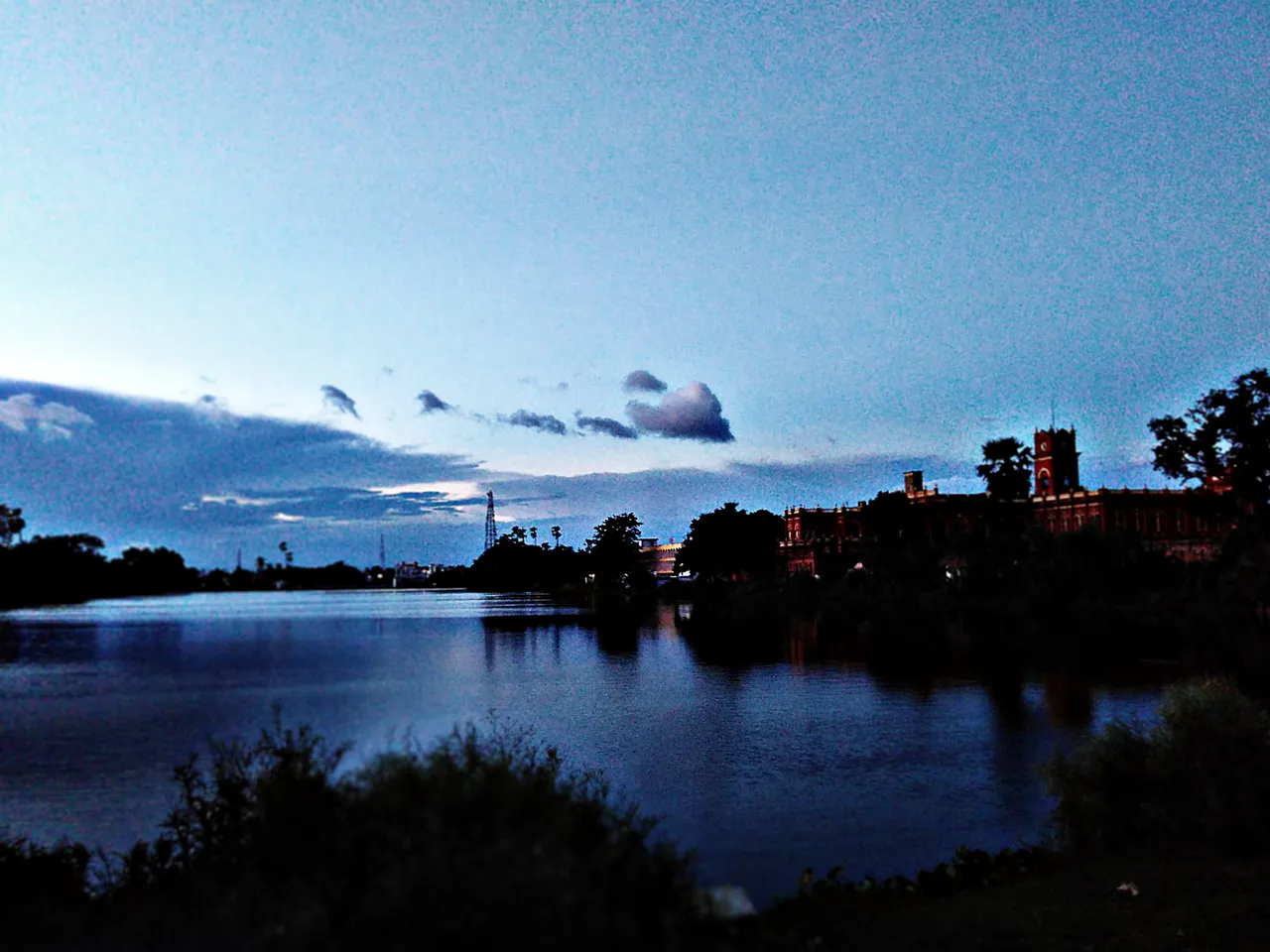
A landmark is the bridge over the Kamla Balan, a roughly 220-foot structure built during British rule in the early twentieth century. It carries both rail and road traffic and remains an important part of local connectivity. Jhanjharpur also offers a point of entry to Mithila’s living culture and to the wider Madhubani area, known for its distinctive painting tradition. Visitors are more likely to value the town as a practical base and regional centre than as a destination built around a large cluster of tourist attractions. Nearby Laukaha is associated with the India–Nepal trade route.
Famous for: crafts, trade & products

Jhanjharpur is best understood as a regional market town rather than a centre of a widely documented, large-scale craft or textile industry. Its everyday markets serve residents and nearby villages, with shops supplying household goods, food and agricultural needs. The town lies within the wider Mithila cultural region, whose best-known craft is Madhubani painting, also called Mithila painting. Paintings and related handmade work are more reliably sought from identified artists and specialist sellers in the broader Madhubani region; buyers should check the maker and provenance rather than assume every item sold locally is handmade.

Mithila Makhana is another notable regional product, though it is not unique to Jhanjharpur. Local shops may carry regional foods and produce, with availability varying by season. Trade links are also part of the area’s economic context: nearby Laukaha and Thadi in Nepal are on an agreed route for mutual trade, with customs facilities on both sides of the border. This trade activity is centred on Laukaha, not a claim that Jhanjharpur itself is a border customs town.

History

Jhanjharpur is part of the historic Mithila region, whose political history includes successive regional kingdoms and later Mughal and British authority. The history of the town itself is less widely documented than that of the region, and its modern growth is closely connected with its role as a local administrative and market centre.

Rail and road links strengthened Jhanjharpur’s connections with surrounding settlements. A notable colonial-era landmark is the bridge over the Kamla Balan, built by the British in the early twentieth century. About 220 feet long, it carries both railway and road traffic and is often described as India’s first rail-cum-road bridge. It continues to serve as a practical link as well as a reminder of the infrastructure built during the colonial period.

In modern Bihar, Jhanjharpur functions as a sub-division of Madhubani district. Its rail connections and access to major roads remain central to its development and to its role in regional movement and commerce.

Food, festivals & culture

Maithili is central to the cultural identity of the area, while Hindi is also widely used in everyday life. Local food reflects Mithila and north Bihar: rice, lentils, seasonal vegetables and fish are common, and makhana appears in some regional dishes. Thekua is associated with festival offerings, while sweets and snacks vary among households and local shops.

Chhath, observed mainly in October or November, is an important festival across Bihar, with prayers and offerings made at water edges. Durga Puja is celebrated in autumn; Holi comes in spring, and Makar Sankranti in January. Mithila traditions such as Sama-Chakeva, observed after Diwali, include seasonal songs and community gatherings. Maithili folk singing and regional dance traditions such as Jat-Jatin belong to the wider cultural landscape, though performances are not necessarily scheduled for visitors.

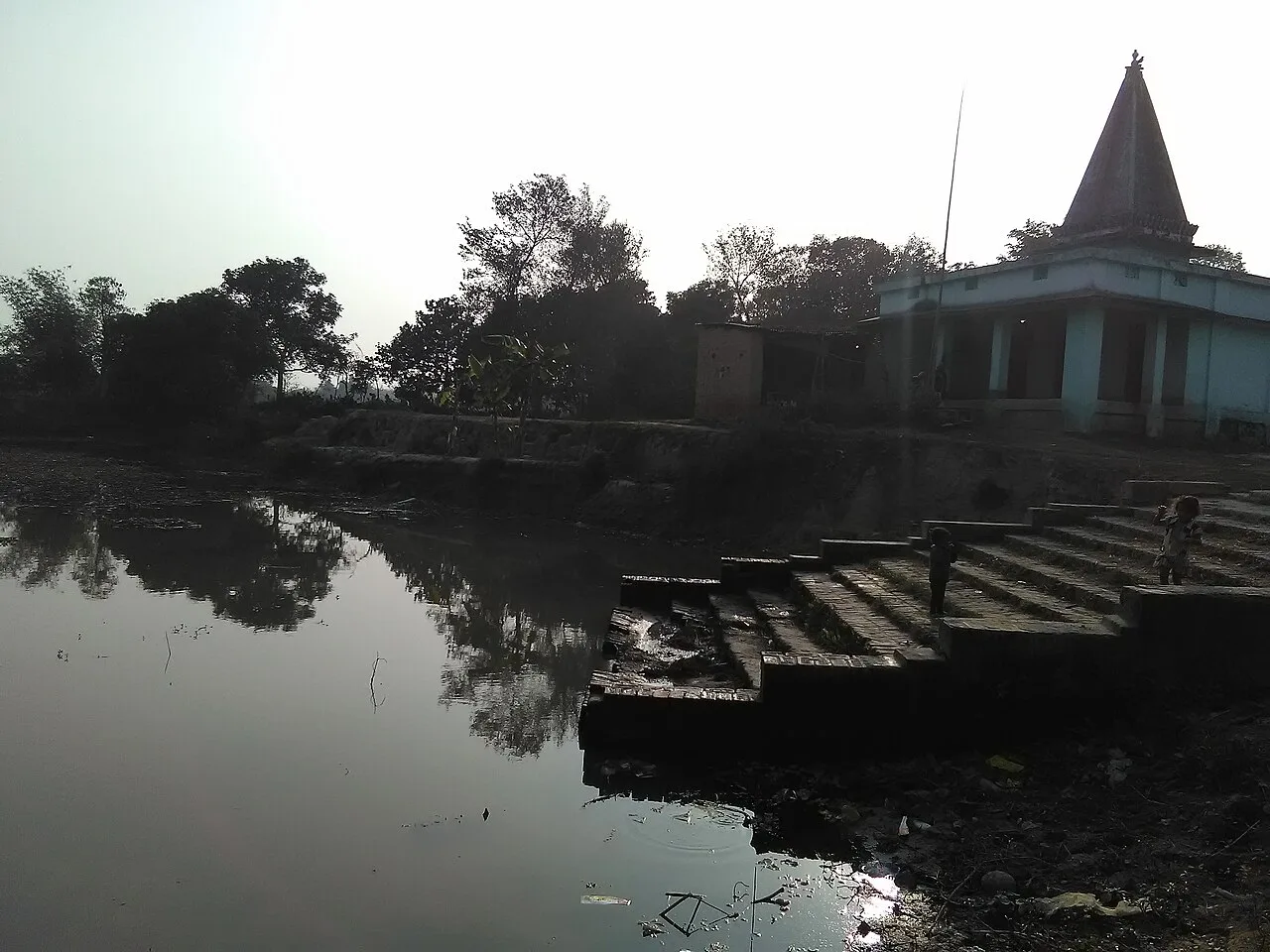
Neighborhood temples, shrines and mosques serve local communities. During festivals, suitable water edges and public spaces may become places for collective observance.

Visiting the city

The cooler months, roughly October to March, are generally the most comfortable time to visit. Summer can be hot, and monsoon rain may affect road journeys. Darbhanga Airport, about 48 km away, is the nearest airport; Patna’s Lok Nayak Jayaprakash Narayan International Airport is about 191 km away. Jhanjharpur Junction is the town’s main railway station.

Auto-rickshaws and local road transport can help with journeys around town; arrange onward transport locally for outlying places. The central market area is useful for everyday shopping and a sense of town life. The Kamla Balan bridge is a notable landmark, while the railway-station area shows the town’s role as a transport hub. Nearby Laukaha offers a look at the region’s cross-border trade connections. Check local conditions before setting out during the monsoon.

Trips from the city

Nearest places to visit from Jhanjharpur

Our closest destination guides, by straight-line distance.

Madhubani

23 km away · Madhubani district

Madhubani

Madhubani is a city in Bihar’s Mithila region and the headquarters of its district. Visitors may be drawn by its regional identity and administrative importance.

Darbhanga

39 km away · Darbhanga district

Darbhanga

Darbhanga is a major city and municipal corporation in Bihar, serving as the administrative centre of its district and division. Visitors encounter a longstanding centre of Mithila’s cultural, literary and musical traditions.

Sitamarhi

86 km away · Sitamarhi district

Sitamarhi

Sitamarhi is a city in Bihar’s Tirhut Division and the administrative centre of its district. Visitors are drawn by the Hindu tradition linking it to Sītā’s birth.

Munger Fort

100 km away · Munger district

Munger Fort

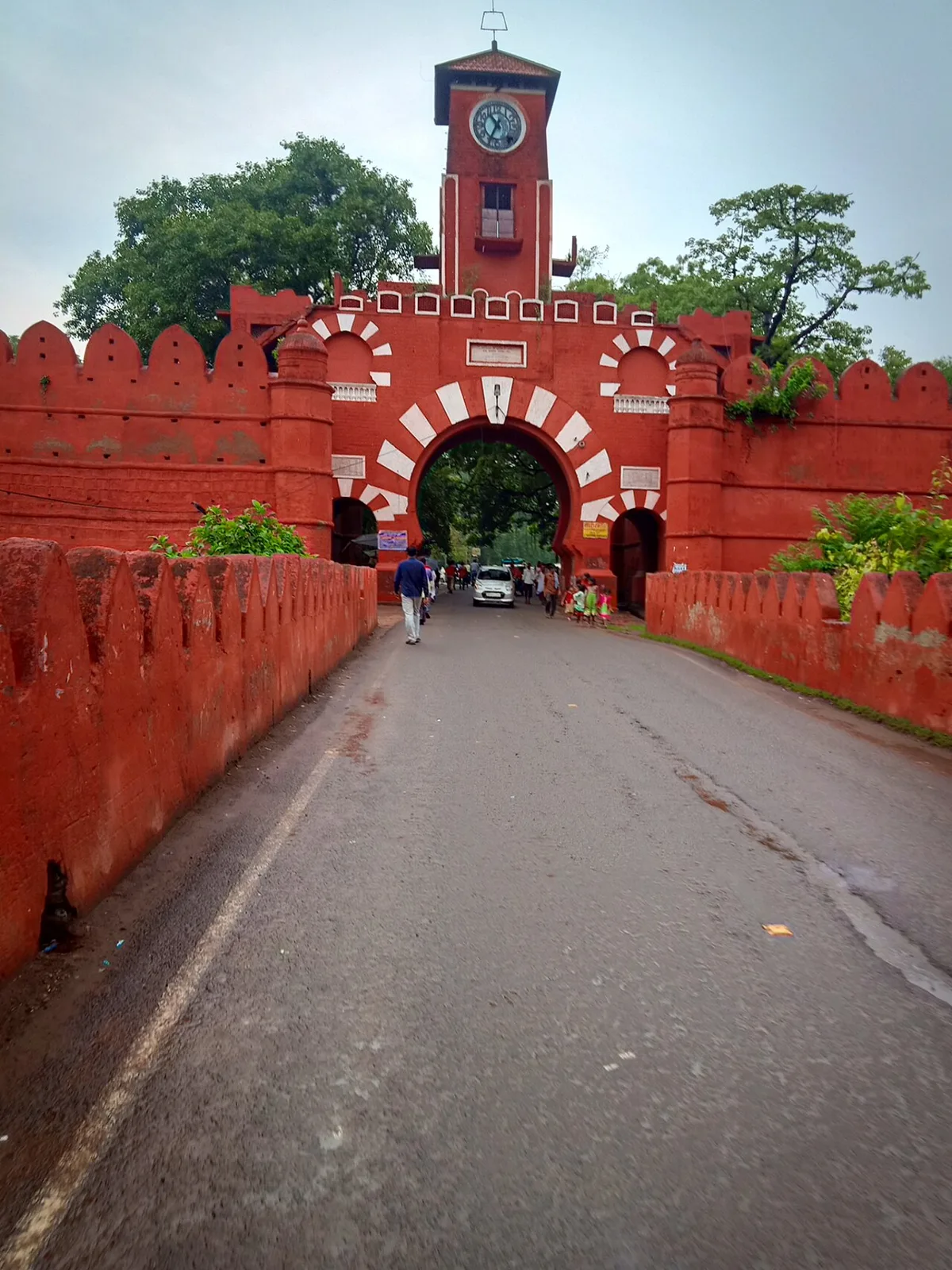
Munger Fort is a historic stronghold in Bihar, set on a rocky rise beside the Ganges. Visitors come to see its tombs, palace, temple, riverside ghat and British-era cemetery.

Bhimbandh Wildlife Sanctuary

115 km away · Munger district

Bhimbandh Wildlife Sanctuary

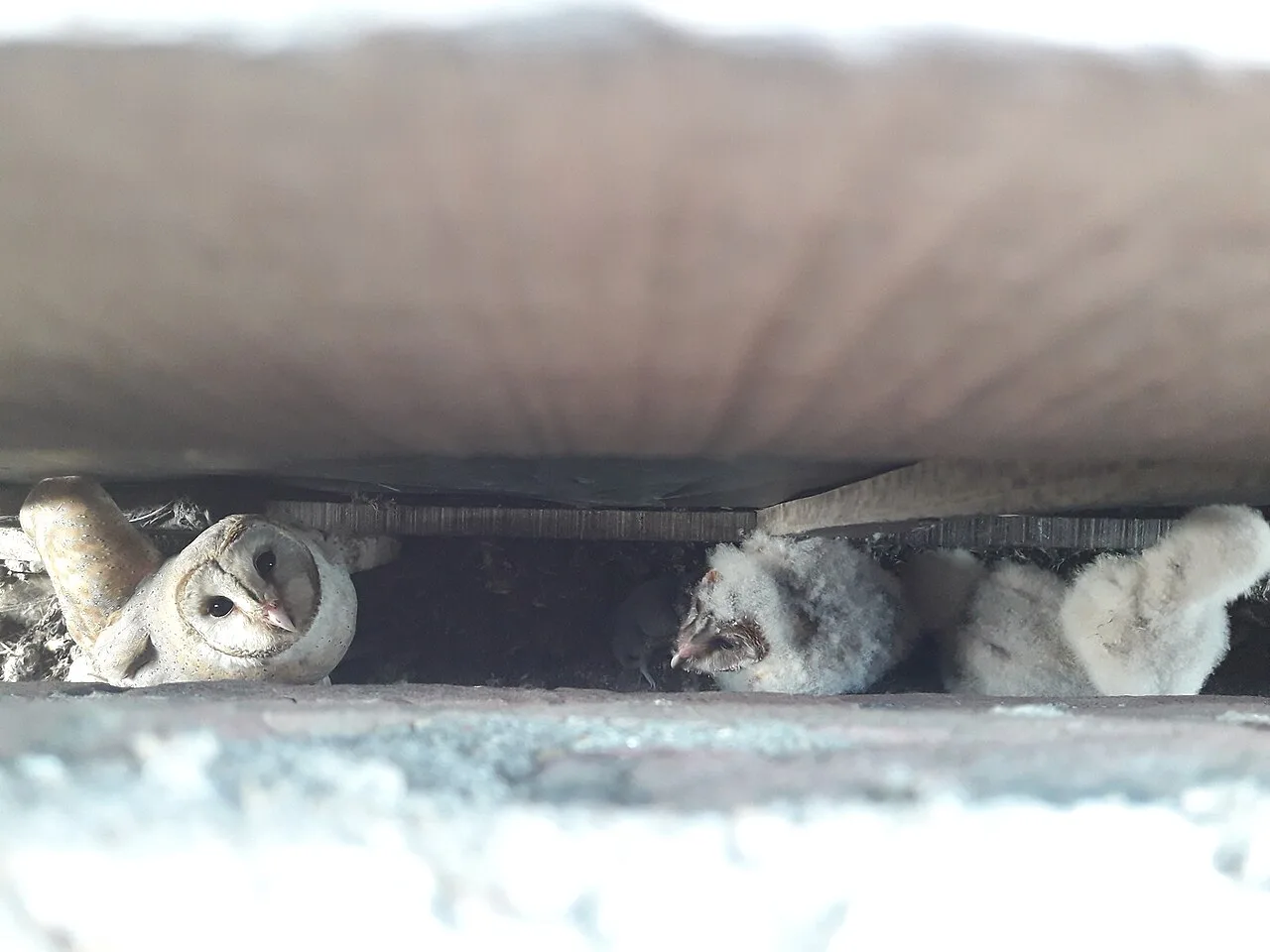
In Bihar’s Munger district, Bhimbandh Wildlife Sanctuary is a sanctuary devoted to wildlife. Visitors come to spend time in this wildlife-focused place in the district’s south-west.

Vaishali

120 km away · Vaishali district

Vaishali

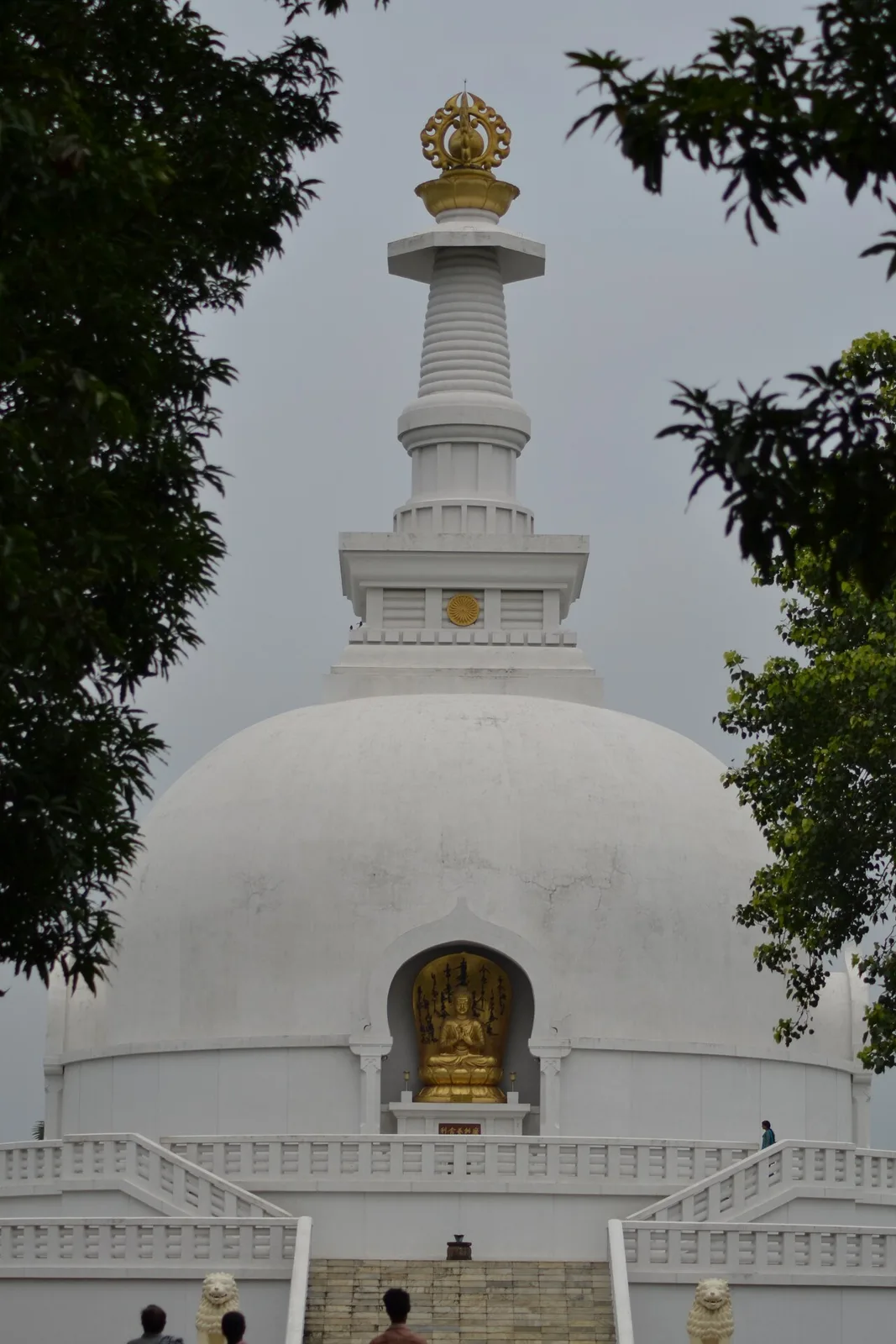
Vaishali is an archaeological site in Bihar associated with an ancient republic and important events in Buddhist and Jain history. Visitors come to see its stupas and Ashokan pillar and to explore these religious connections.

Sonpur

127 km away · Saran district

Sonpur

Sonpur, officially known as Sonepur, is a city in Bihar’s Saran district, beside the Gandaki and Ganges rivers. Visitors come for its cattle fair, which begins on Kartik Poornima and is Asia’s largest.

Takht Sri Patna Sahib

129 km away · Patna district

Takht Sri Patna Sahib

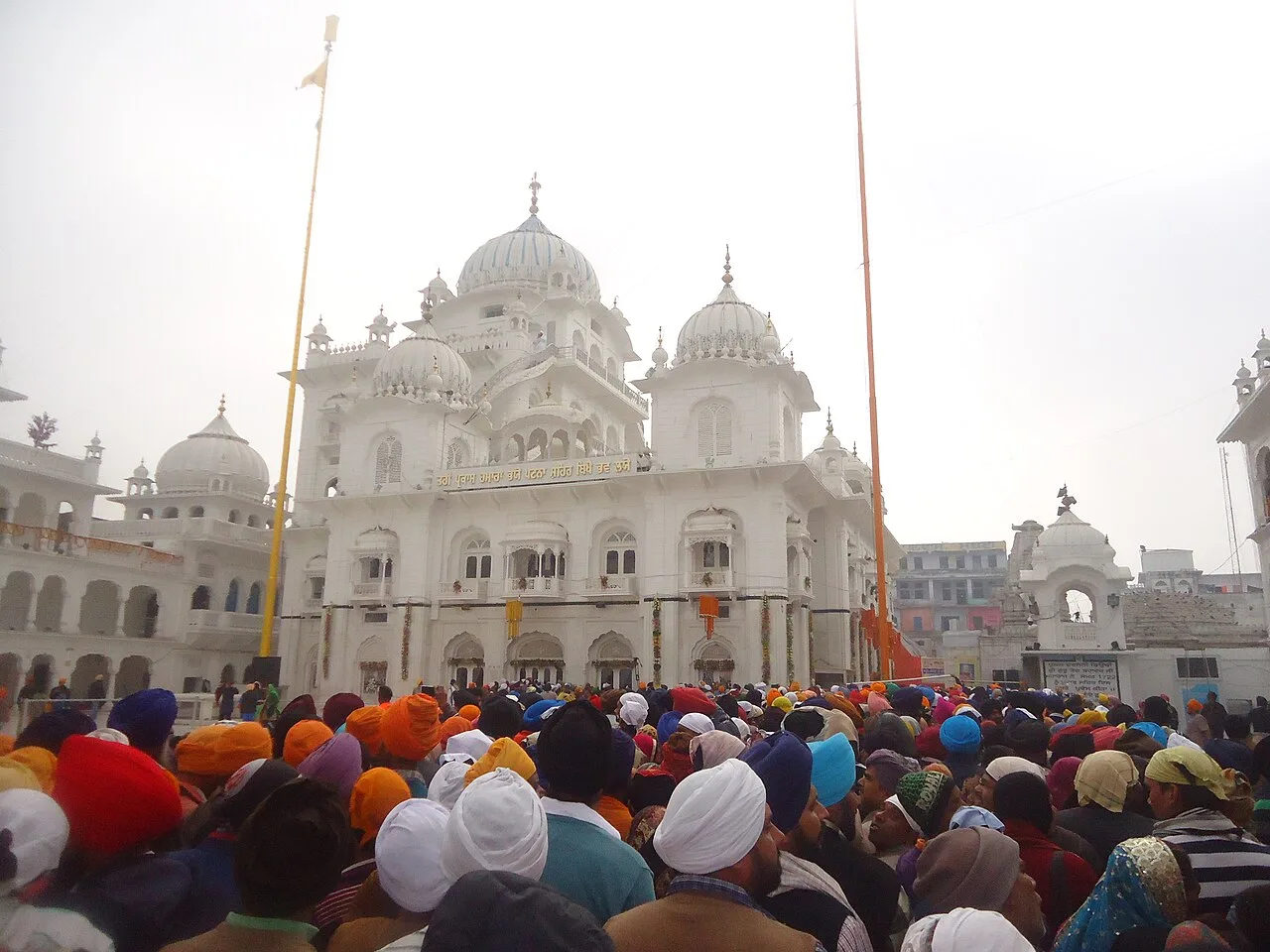
Takht Sri Patna Sahib, in Patna, Bihar, is among Sikhism’s five takhts. Visitors come to worship and pay their respects at this important Sikh religious site.

Map

Jhanjharpur on the map

  1. 1Madhubani
  2. 2Darbhanga
  3. 3Sitamarhi
  4. 4Munger Fort
  5. 5Bhimbandh Wildlife Sanctuary
  6. 6Vaishali
  7. 7Sonpur
  8. 8Takht Sri Patna Sahib

Bihar

Other cities to explore